 Skip to content
- Is Tōhoku Too Cold To Enjoy During The Deep Off-Season Winter Months?
Yes, it gets genuinely cold, but that is precisely why you should visit for a unique adventure. The deep winter transforms this northern region into a silent wonderland of snow monsters and steaming onsen villages, with nearly 90% fewer tourists than during cherry blossom season. You will experience a raw, beautiful Japan that most international travelers never see.
The trade-off is that you must pack serious winter gear and accept some outdoor activities will be limited. However, the indoor cultural experiences like samurai history museums and local sake breweries become wonderfully cozy escapes. Volomundi says embrace the cold, and you will be rewarded with jaw-dropping winter landscapes and hotel discounts of 50% to 70%.
- How Much Can I Save On Accommodation In Tōhoku During The Shoulder Season?
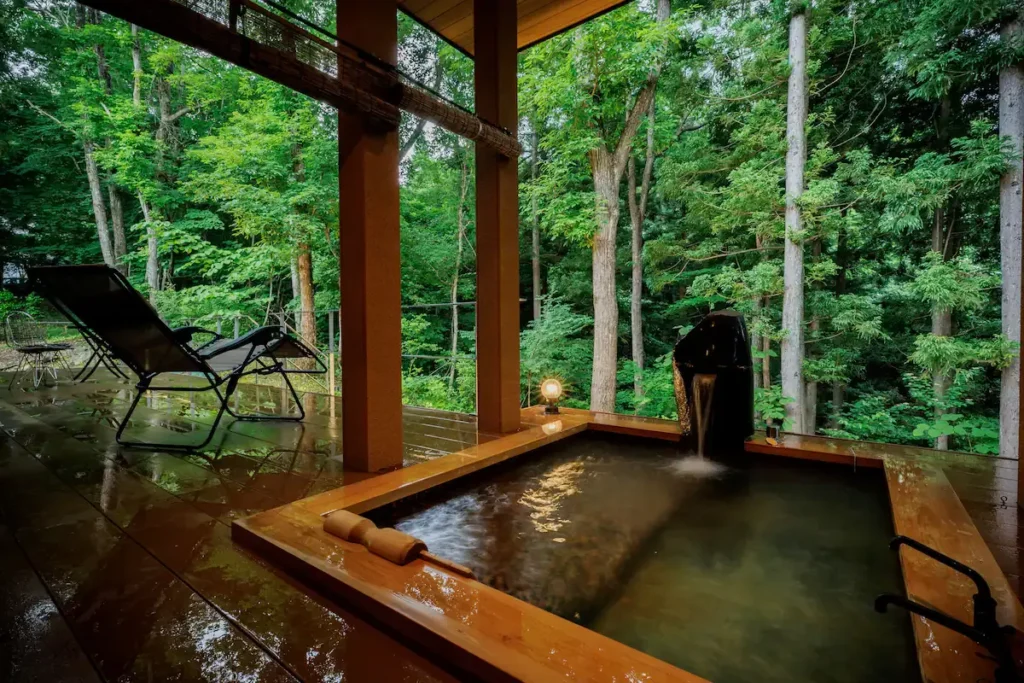
You can find discounts of 30% to 50% at mountain ryokans and coastal resorts during the autumn shoulder months. The rates drop significantly once the summer festival crowds leave and before the winter snow tourism begins. This is your chance to book those premium rooms with private open-air baths for nearly half the peak price.
The only catch is that some seasonal mountain lodges close for a few weeks between autumn and winter. Always confirm availability before traveling to remote areas, but the properties that stay open will offer exceptional value. You will often receive upgraded meals or free yukata rentals simply because they appreciate your business during quieter weeks.
- Will The Famous Tōhoku Festivals Disappoint If I Visit During The Low Season?
No, but you must adjust your expectations away from the massive summer spectacles. The famous Nebuta and Kanto festivals only happen in August, so you will miss those enormous crowds and floats entirely. However, you will discover smaller, more intimate local festivals that occur year-round, celebrating everything from harvests to winter solstice.
The trade-off is that these smaller events have less English signage and tourist infrastructure. That said, locals in Tōhoku are famously warm and welcoming, often going out of their way to include curious off-season travelers. You gain authentic cultural exchange rather than a choreographed tourist show, which is exactly what Volomundi encourages.
- Is The Train Network In Tōhoku Still Reliable For Global Travelers During Winter Weather?
Generally yes, the Shinkansen bullet train runs like clockwork even during heavy snowstorms. The high-speed line connecting Tokyo to Aomori is built to handle harsh winter conditions, so you can count on reaching major cities without issue. Local trains in coastal areas also remain surprisingly reliable year-round.
However, rural mountain lines and buses may experience delays or cancellations after extreme snowfall. Always build flexibility into your itinerary and consider purchasing a regional rail pass for the best value. The upside is that winter train windows offer some of the most stunning snowy coastal views you will ever see, completely unobstructed by summer crowds.
- Why Should I Choose Tōhoku For An Off-Season Trip Over Hokkaido Or Central Japan?
Because Tōhoku offers the best balance of dramatic winter beauty and affordability compared to its more famous neighbors. You can "Exploit Travel Seasonality" here to see snow-covered thatched-roof farmhouses and wild hot spring towns for roughly half the price of similar experiences in Hokkaido. The region feels undiscovered, even during peak moments.
The only real downside is that English infrastructure is less developed here than in Hokkaido or Tokyo. Menus, signs, and train announcements require more patience and translation app usage. For adventurous travelers who view this as part of the fun rather than a problem, Tōhoku in the off-season delivers incredible value, stunning nature, and genuinely warm hospitality.

Home > Exploit The Seasons > Seasonal World Map > Asia > Japan > Tōhoku
TŌHOKU
Tōhoku reveals Japan’s wild northern soul beyond the crowds, from samurai castle towns to cherry blossom valleys that bloom in May. This guide unlocks the seasons when this resilient region offers epic savings, authentic warmth, and landscapes that rival Hokkaido.
Smart Travel Calendar
Shoulder Season
Your Smartest Windows
May (post Golden Week) to early June
October to November
Avoid: Golden Week (April 29–May 5) – limited accommodation across Tōhoku books solid. Nebuta Festival (early August) brings massive crowds to Aomori. Obon week (mid-August) fills coastal resorts.
What the Sky Does
Late spring: 12–22°C (54–72°F) / Autumn: 8–18°C (46–64°F)
Low humidity – comfortable for hiking mountains and temple trails
October brings Japan’s most spectacular koyo – the mountains explode in red and gold
Spring is famously “sakura-zuyu” (cherry blossom rain) – brief showers that don’t linger
How Empty It Feels
55–65% fewer tourists vs. peak cherry blossom (late April) or summer festival season
Hirosaki Castle’s cherry blossoms: spread your picnic mat without fighting for space
Matsushima Bay’s cruise boats: 70% empty seats, pick any window spot
Yamadera’s 1,000 steps: climb the mountain temple in peaceful silence
What You’ll Save
40–50% off flights to Sendai (SDJ) or Aomori (AOJ) vs. peak April cherry blossom or August festivals
Traditional ryokan in Ginzan Onsen: $80–120/night with dinner (normally $200–350 in peak foliage)
Rental car for mountain drives: $35/day (normally $80 in summer)
Shinkansen seats: book same-day flexibly without reservation battles
The Secret Perk
May: The cherry blossoms in Hirosaki peak in early May while Kyoto has already finished – get your sakura fix late
October: Savor fresh sanma (Pacific saury) and kaki (oysters) from Miyagi and Iwate – autumn harvest at its peak
Soft golden light: Early morning at Hiraizumi’s Chuson-ji Temple is magical for photography
Upper Tōhoku’s early foliage (October 5-20) peaks before Kyoto crowds arrive (late November)
Onsen without winter crowds – Ginzan Onsen’s famous river lighting with 80% fewer people
The Tiny Trade-Off
No peak summer greenery (July-August) or peak autumn foliage (late October)
Early May cherry blossom crowds still present in Hirosaki (first week)
Some mountain roads (Towada-Hachimantai, Zao Echo Line) close in early November for winter
Golden Week spillover: first week of May still sees domestic travelers
Smart Traveler Tip
Target mid-May to early June (Hirosaki cherry blossoms + no crowds) or October 10–25 (peak foliage before roads close)
For autumn colors, start in Towada and Hachimantai (early October) then head to Kakunodata and Yamadera (mid-October)
Use the JR Tōhoku Area Pass (5 days for $120) for incredible shinkansen value
Deep Off-Season
Your Smartest Windows
January (after Jan 3) to February
Late November to mid-December
March (late winter snow – epic value)
Avoid: New Year’s week (Dec 30–Jan 3) – ryokan triple prices, shinkansen fully booked. Chinese New Year (late Jan/early Feb) brings some tour groups to Zao’s snow monsters.
What the Sky Does
Coastal lowlands: -5 to 4°C (23–39°F) / Mountain areas: -15 to -5°C (5–23°F)
January–February: heavy snow in the mountains – Zao’s “snow monsters” (ice-covered trees) reach full size
Pacific coast (Sendai, Fukushima) sees less snow and more sunny winter days
December: short days but stunning sunsets over snow-covered samurai towns
March: deep snow pack but increasing daylight – perfect for winter activities without extreme cold
How Empty It Feels
85–90% fewer tourists vs. peak season – entire ski resorts have empty slopes
Zao Onsen’s snow monsters: ride the ropeway without queues (summer has 90-minute waits)
Kakunodata’s samurai district: walk frozen streets completely alone
Hirosaki Castle in snow: one of Japan’s most beautiful winter scenes, and you’ll share it with 5 other people
Small fishing villages (Hachinohe, Kesennuma) feel raw and authentic
What You’ll Save
65–80% off peak-season rates (cherry blossom, autumn foliage, summer festivals)
Flights to Sendai or Aomori: often under $450 round-trip from US West Coast in January
Hotels and ryokan: $35–60/night (normally $150–250 in October foliage season)
Ski lift tickets: $25/day (compared to $60 in Hokkaido or Nagano)
Shinkansen from Tokyo: Green Car (first class) for regular reserved seat prices
The Secret Perk
Zao’s snow monsters (January-February) – thousands of ice-covered trees, a natural wonder unique to Tōhoku
Snow festivals in February (Hirosaki, Iwate) – castle snow sculptures without massive tourist crowds
Winter onsen in Nyuto (Akita) – seven remote hot springs, each with different mineral properties, buried in snow
Real local winter: Warm up with kiritanpo (rice skewers in chicken broth) in Akita or wanko soba in Morioka
Stargazing above the snow – Tōhoku has some of Japan’s darkest winter skies (Towada, Hachimantai)
January-February crab and oyster peak – Sanriku coast’s famous seafood at annual lows for pricing
The Tiny Trade-Off
Beaches and coastal resorts fully closed – swimming impossible (though winter storm watching is dramatic)
Mountain roads closed – Zao Echo Line, Towada-Hachimantai, and many passes are impassable (November-April)
Some tourist facilities close – museums, ropeways, and observatories may shut entirely in January-February
Daylight: only 6-7 hours in December-January (sunset by 4:10 PM in Sendai, 3:40 PM in Aomori)
Restaurants in small towns close unpredictably – call ahead or accept convenience store meals
Smart Traveler Tip
January 10 – February 10: The absolute quietest window – Tōhoku is pristine, empty, and welcoming to intrepid travelers
For snow monsters without crowds: go to Zao on a Tuesday-Thursday morning (first ropeway at 8 AM)
For onsen in deepest snow: Nyuto Onsen (Akita) has the most remote, authentic winter experience – no trains, reserve a pickup
Pack serious winter gear: thermal base layers, insulated waterproof boots, snow gloves, and a face mask. Tōhoku winters are brutal but beautiful.
For mildest deep off-season: Sendai and the Pacific coast (average 0–5°C / 32–41°F) with significantly less snow than the mountains
Find Off-Peak Flights
Top Off‑Season Stays
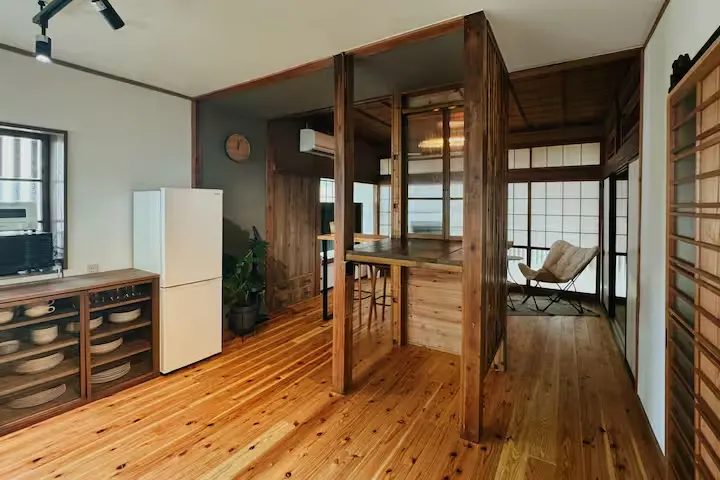
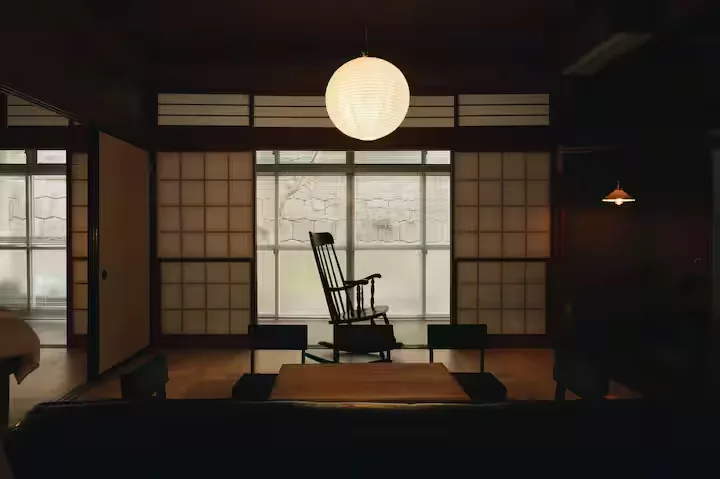
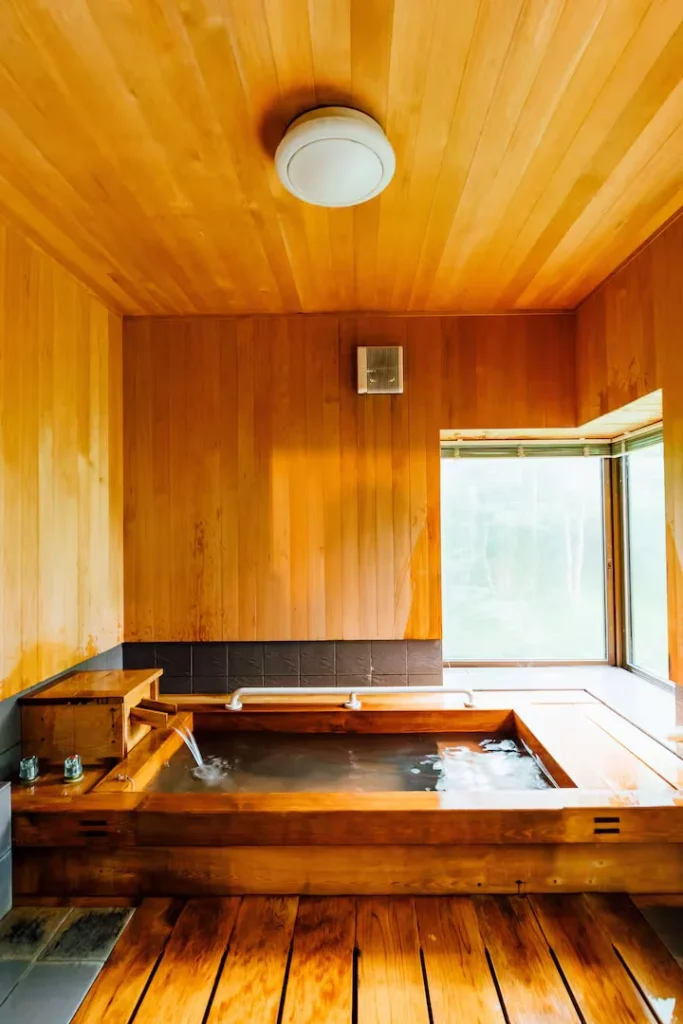
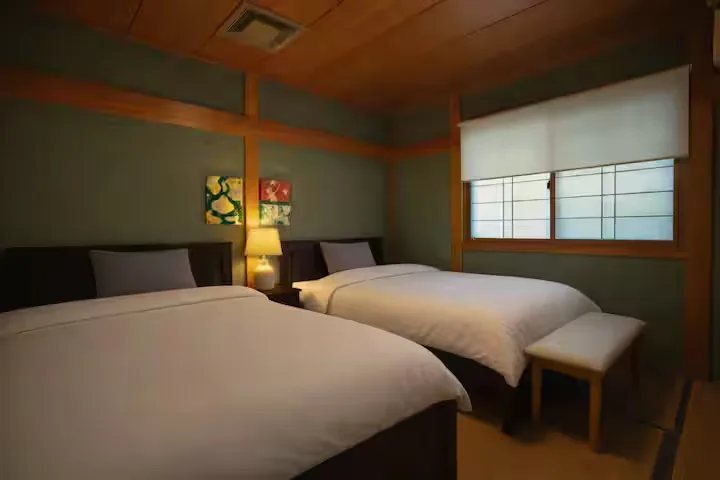
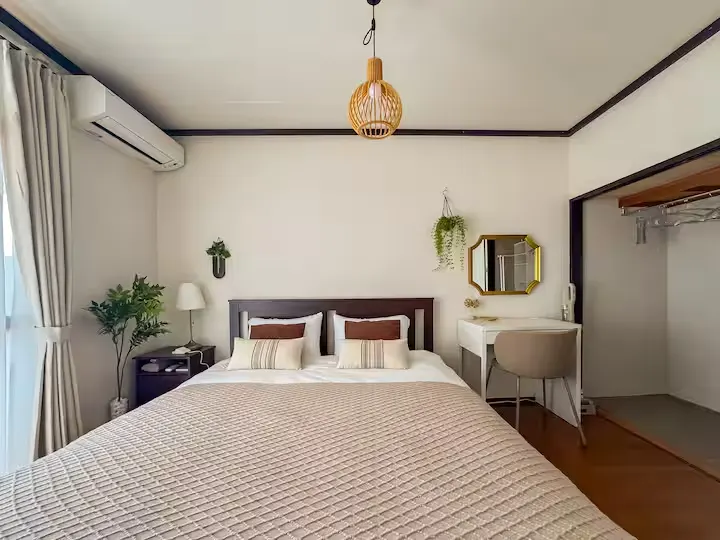
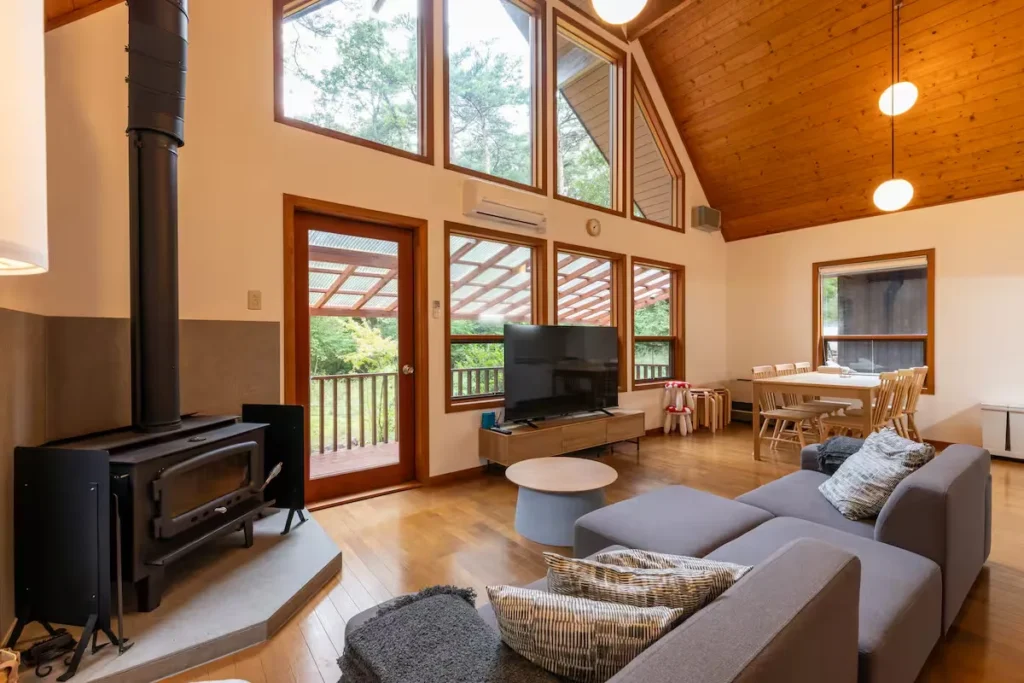
Find below our curated selection of boutique hotels and design apartments that offer exceptional value, atmosphere, and comfort during the off‑season — often at significantly lower rates than peak months.
Uncrowded Experiences & Tours
Skip the lines and experience iconic landmarks at your own pace. Discover curated local tours and cultural activities designed to show you the authentic side of the destination without the peak-season rush.
Handy Tips
Weather & Climate
The climate is defined by the seasons. Summers are warm and humid, while winters are long and cold with heavy snowfall, particularly on the Sea of Japan side (Akita/Yamagata/Aomori), where temperatures can drop well below freezing.
Local Customs And Etiquette
Onsen (Hot Springs): Public bathing etiquette is strict; always wash thoroughly before entering the bath. Tattoos are sometimes prohibited, but many places are becoming more accepting (call ahead or wear a rash guard).
No Tipping: Tipping is not customary in Japan and can be considered rude. Excellent service is standard and is already included in the price.
Shoes: Always remove your shoes when entering a traditional inn (ryokan), a temple, a private home, and many restaurants.
Budgeting For Your Trip
Accommodation: Hostels ($30–$55), mid-range hotels ($80–$150), luxury/ryokan with meals ($180+). Prices spike during major summer festivals.
Food: Quick lunch (ramen/donburi) ($7–$15), dinner at a mid-range restaurant ($20–$40 per person), multi-course kaiseki meal at a ryokan ($50+).
Transport: Local bus/train ticket ($2–$5), Shinkansen (bullet train) tickets are expensive, so consider a JR Rail Pass if you plan extensive travel.
Activities: Temple/museum entry ($5–$15), Onsen entry ($4–$15), Ski pass ($35–$60).
Daily Budget:
- Budget: $70–$110 (hostels, fast food, local transport).
- Mid-range: $120–$180 (mid-range hotels, restaurants, attractions).
- Luxury: $200+ (boutique ryokan, gourmet meals, Shinkansen travel).
Getting Around
By Train: The Shinkansen (bullet train) provides fast access to major cities like Sendai and Morioka. Local train lines are extensive but often infrequent in rural areas.
By Car: Renting a car is the most convenient way to explore the rural nature and hidden onsen towns, especially in Aomori, Akita, and Yamagata.
By Bus: Local and intercity buses connect smaller towns not served by the train network, though schedules can be limited.
Must-Try Food
Gyūtan (Beef Tongue): Sendai’s most famous dish—thickly sliced beef tongue, often grilled and served with barley rice and oxtail soup.
Wanko Soba: A challenge-style dish from Iwate where small bowls of soba noodles are rapidly refilled by a server until you can’t eat any more.
Kitakata Ramen: A type of ramen from Fukushima known for its thick, wavy noodles in a fragrant soy-sauce-based broth, often eaten for breakfast.
Kiritanpo Nabe: A traditional Akita hot pot with chicken, vegetables, and crushed rice that is skewered and toasted before being added to the stew.
Sasa Kamaboko: A soft, grilled fish cake from Miyagi shaped like a bamboo leaf, often served as a local snack or appetizer.
Hiyashi Chūka: A popular cold ramen dish (chilled noodles with cold toppings and a tangy sauce) that is said to have originated in Sendai.
Kurumi Mochi: Mochi rice cakes served with a creamy walnut paste, a specialty of Iwate.
Zunda Mochi: Mochi covered in a sweet, bright-green paste made from mashed edamame (young soybeans), a popular local dessert from Sendai.
Tama Konnyaku: Skewered, boiled konnyaku (a gelatinous cake made from yam) served hot with a soy sauce-based marinade, a staple snack in Yamagata.
Ichigo-ni: A clear, savory soup from the coast of Aomori and Iwate made with sea urchin and abalone—it translates to “strawberry boil” because the cooked urchin roe resembles wild strawberries.
Must-Try Drinks
Local Sake (Nihonshu): Tōhoku’s pure mountain water and excellent rice fields make it one of Japan’s top sake-producing regions. Each prefecture has unique breweries.
Apples and Apple Cider: Aomori is Japan’s largest apple producer; try their fresh-pressed juice or local, crisp apple cider.
Jizake (Local Craft Sake): Seek out small, local brewers for unique and refined flavors that aren’t distributed nationally.
Dobu-Roku (Cloudy Sake): A rustic, unfiltered sake with a thick, milky appearance, often made by local farmers for their own consumption.
Local Beer: Smaller craft breweries are emerging across the region, offering unique local brews.
Yonezawa Wine: Yamagata Prefecture has a growing reputation for its locally produced wines, especially whites.