 Skip to content
- Is The Japanese Alps Too Snowy For Hiking During The Deep Off-Season?
Yes, if you want summer hiking, but no if you want an entirely different kind of magic. During the deep off-season winter months, the famous mountain trails around Kamikochi close completely, but you gain access to some of the best powder skiing and snowshoeing on the planet with 70% fewer tourists than the Alps of Europe.
The drawdown is that you cannot hike the classic summer ridge trails between October and April. However, the percentage discounts on traditional onsen ryokan in Takayama and Matsumoto often reach 40% to 50%, and you can experience the stunning Shirakawa-go village buried under massive snow drifts, illuminated like a winter fairytale. Pack warm layers and embrace the snow season as a completely different adventure.
- Can I Still Visit The Historic Village Of Shirakawa-go When It Is Raining Or Snowing?
Absolutely, and the rainy or snowy seasons actually create the most photogenic conditions. During the shoulder season rains or the deep winter snowfalls, the famous thatched-roof gassho-zukuri farmhouses look dramatically beautiful with water dripping from the eaves or snow piled high like frosting on a cake.
The drawdown is that viewing platforms may have limited visibility during heavy weather. However, the positive trade-off is that you will share the village with fewer than 10% of the peak autumn leaf crowds, allowing you to wander the narrow lanes and peek into preserved homes without constant jostling. Percentage discounts on homestays inside the village reach 30% to 40% off-season, a rare opportunity to sleep in a UNESCO World Heritage site.
- Is The Fuji Five Lakes Region Worth Visiting When Mount Fuji Is Not Visible?
Sometimes yes, but only if you plan around the clouds. During the late spring and early autumn shoulder seasons, Mount Fuji hides behind clouds roughly half the days, which can be disappointing if your only goal is that perfect postcard shot from Lake Kawaguchiko.
However, the drawdown comes with significant upsides. You gain pleasant temperatures for cycling between the five lakes, stunning seasonal flowers like lavender or autumn cosmos blooming in the fields, and percentage discounts of 35% to 45% on lakeside hotels and ryokan. The cloudy days also offer moody, atmospheric photography of the lake reflections, and you can enjoy the Fuji Q Highland amusement park with much shorter queues. Book a flexible two-night stay to increase your odds of clear skies.
- Does The Famous Nakasendo Trail Lose Its Magic During The Off-Season?
No, it becomes more historically authentic. The ancient post-town of Tsumago and Magome see nearly 80% fewer visitors during the deep off-season, allowing you to walk the same stone-paved roads that samurai and merchants used centuries ago without the sound of chattering tour groups echoing off the wooden buildings.
The drawdown is that some small museums and tea houses close during the coldest winter months. However, the positive trade-off is that you can actually stay overnight in a converted traditional home in Tsumago for roughly 40% less than peak season rates, and you will have the forested walking trail between the two towns almost entirely to yourself. To truly Exploit Travel Seasonality here, walk slowly, listen to the river, and imagine feudal Japan without modern distractions.
- How Much Can I Save On A Japanese Alps Multi-Day Trip During Off-Season?
You can save between 35% and 55% on the total cost of a five-day Japanese Alps itinerary. The biggest wins come from accommodation in Takayama and Matsumoto, where business hotels and family-run minshuku drop their prices dramatically once the summer hiking and autumn leaf crowds disappear.
The drawdown is that some mountain transport options like the Shin Hotaka ropeway may operate on reduced schedules. However, the reward is that you can afford to upgrade to a nicer ryokan with a private onsen on your roof, and you will never wait in line for the limited express trains or local buses that connect these alpine villages. By choosing to Exploit Travel Seasonality, you can add a side trip to the Narai-juku post town or splurge on premium Hida beef dinners without increasing your total budget.

Home > Exploit The Seasons > Seasonal World Map > Asia > Japan > Chūbu
CHŪBU
Chūbu rises between Japan’s alpine spine and the sea, from snow-capped mountain villages to misty coastal temples. This guide unlocks the seasons when the Japanese Alps empty out and rural inns welcome you like family.
Smart Travel Calendar
Shoulder Season
Your Smartest Windows
May (post Golden Week) to early June
October to mid-November
Avoid: Golden Week (April 29–May 5) – alpine hotels double or triple. Obon week (mid-August) brings domestic crowds to Kamikochi and Takayama.
What the Sky Does
Late spring: 12–22°C (54–72°F) lower valleys / Alps: 5–15°C (41–59°F)
Autumn: 8–18°C (46–64°F) – crisp, dry, and perfect for hiking
October brings stunning red and gold koyo across the Northern Alps
Low rainfall – the Alps act as a rain shadow for eastern Chūbu
How Empty It Feels
45–55% fewer tourists vs. peak summer or peak autumn foliage
Kamikochi valley: hike without bumping elbows on nature trails
Takayama’s morning markets: browse crafts without squeezing through crowds
Magome and Tsumago (Nakasendo Trail): walk the post towns in rare solitude
What You’ll Save
35–45% off flights to Nagoya or Komatsu vs. peak July/August or October foliage
Traditional ryokan in Takayama: $70–100/night with dinner (normally $150–250)
Alpine ropeway tickets: shoulder season discounts at many mountain resorts
Car rental for Shirakawa-go: $35/day (normally $70 in summer)
The Secret Perk
May-June: Fresh greenery across Kamikochi – emerald valleys after snowmelt
October: Harvest season – savor fresh kaki (persimmons) and local sake from Takayama breweries
Soft morning light: Mist rises over Shirakawa-go at dawn – photographer’s dream
Wild azaleas: Late May blooms on the Nakasendo Trail between historic post towns
The Tiny Trade-Off
No alpine wildflower peak (July) or peak autumn colors (late October)
Early October can bring a typhoon squall to coastal areas (rare inland)
Some mountain lodges close for 1-2 weeks in late May or mid-November
Kamikochi access roads close fully on November 15 (winter shutdown)
Smart Traveler Tip
Target mid-May to early June or October 5–20 for the perfect balance
For autumn colors, start in the Northern Alps (late September) then head to Nakasendo (mid-October)
Use the Alpine-Takayama-Matsumoto 5-Day Pass ($220) for incredible value across the region
Deep Off-Season
Your Smartest Windows
January (after Jan 3) to February
Late November to mid-December
Avoid: New Year’s week (Dec 30–Jan 3) – many mountain lodges close entirely. Christmas attracts skiers to Nagano resorts (peak pricing).
What the Sky Does
Lower valleys (Nagoya, Shizuoka): 2–10°C (36–50°F) / Japanese Alps: -10 to 0°C (14–32°F)
January–February: brilliant blue skies – clearest visibility of the Northern Alps
Coast of Toyama/Ishikawa: 5–10°C (41–50°F) with occasional winter sun
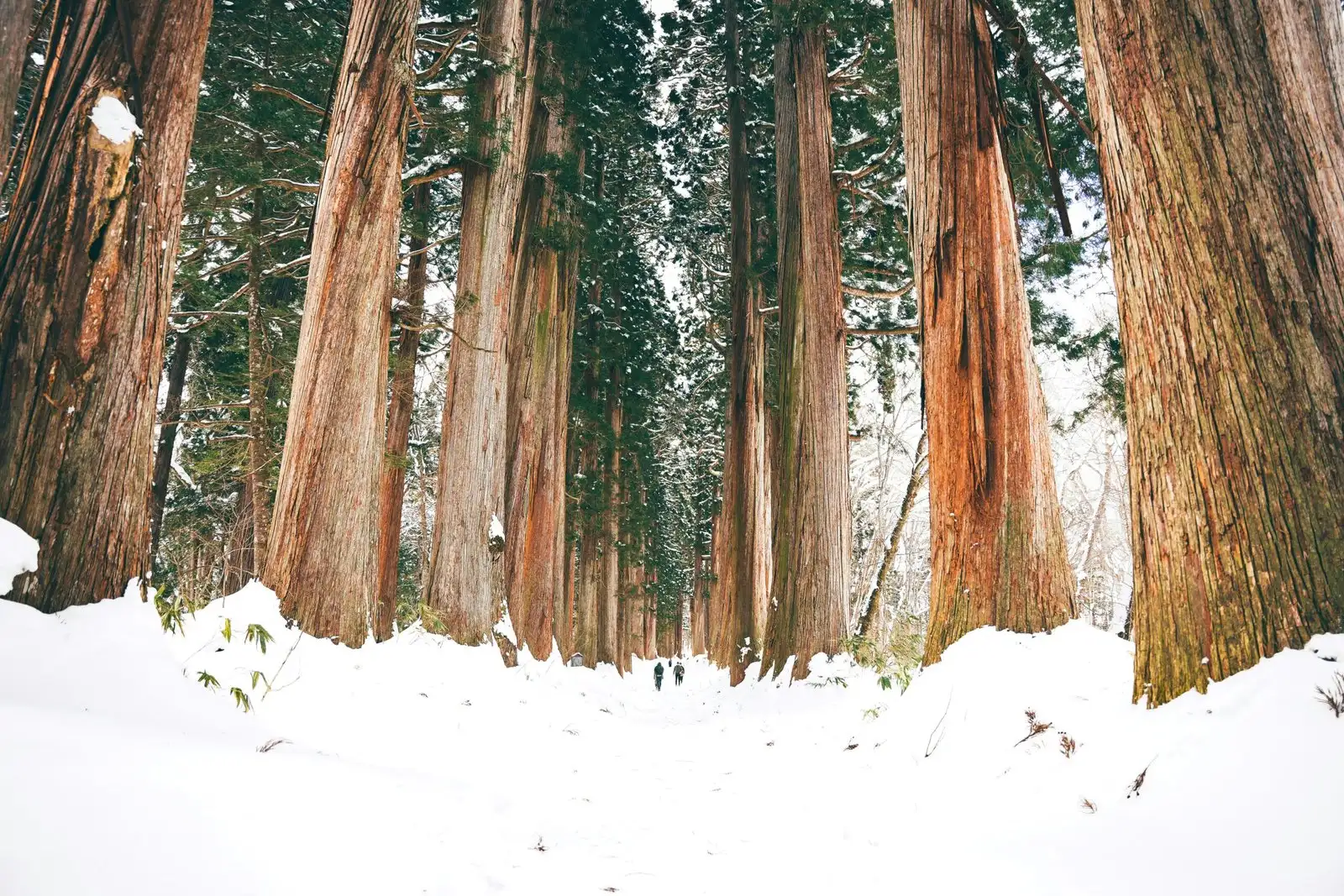
Heavy snow in the Alps – over 10 meters annual accumulation (world-class powder)
How Empty It Feels
80–85% fewer tourists vs. peak autumn – the Alps are practically yours
Shirakawa-go: the observation deck might have 5 people instead of 200
Takayama’s historic streets: walk Sanmachi Suji alone in the early morning
Matsumoto Castle: Black Crow Castle photos without crowd-bombs
What You’ll Save
55–70% off peak-season rates (autumn foliage or summer hiking)
Flights to Nagoya (NGO): often under $500 round-trip from US West Coast in January
Mountain lodges: $40–60/night with meals (normally $120–180 in summer)
Ski-in/ski-out in Nagano: half the price of Hokkaido for similar powder
The Secret Perk
Winter illuminations: Shirakawa-go’s light-up nights (January-February) – magical snow-covered farmhouses
Snow monkeys near Nagano: Jigokudani’s macaques soaking in hot springs – peak viewing in February
Real farmhouse winter: Warm up with hiba (cedar) hot pot at a gassho-zukuri lodge
Ski in Nagano’s backcountry: Hakuba and Nozawa Onsen without Australian/European crowds
Winter onsen in Gero: One of Japan’s top 3 hot springs – steam rising over frozen rivers
The Tiny Trade-Off
Kamikochi valley is CLOSED (November 15 – mid-April) – no access until spring
Nakasendo Trail sections may be impassable due to snow in the mountains
Some rural restaurants in Takayama close 1-2 days weekly or shut by 8 PM
Daylight: only 7-8 hours in January (sunset by 4:45 PM)
Smart Traveler Tip
January 10 – February 10: The absolute quietest window – the Japanese Alps are pristine and empty
For snow monkeys: visit mid-February (babies are born, crowds are minimal on weekdays)
Pack serious winter gear – alpine roads can close suddenly (rent a 4WD vehicle)
For mildest deep off-season: Izu Peninsula coast and Shizuoka (5–12°C / 41–54°F) with green tea fields
Find Off-Peak Flights
Top Off‑Season Stays
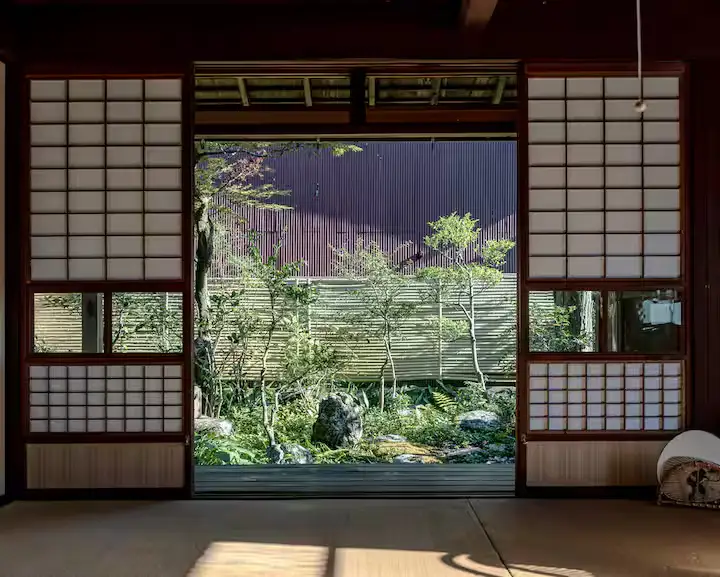
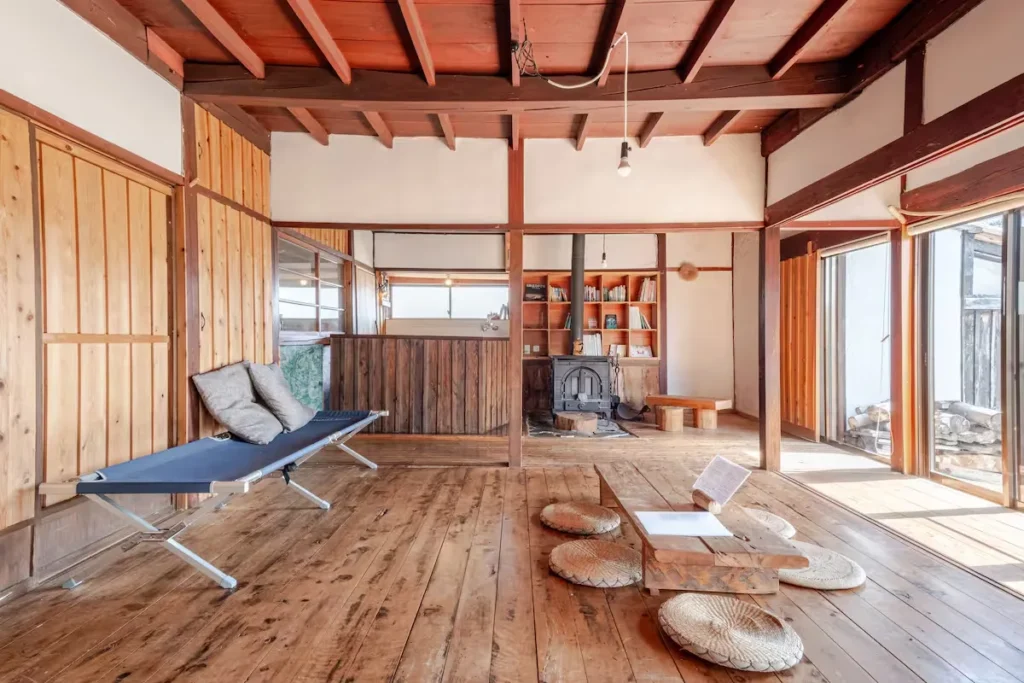
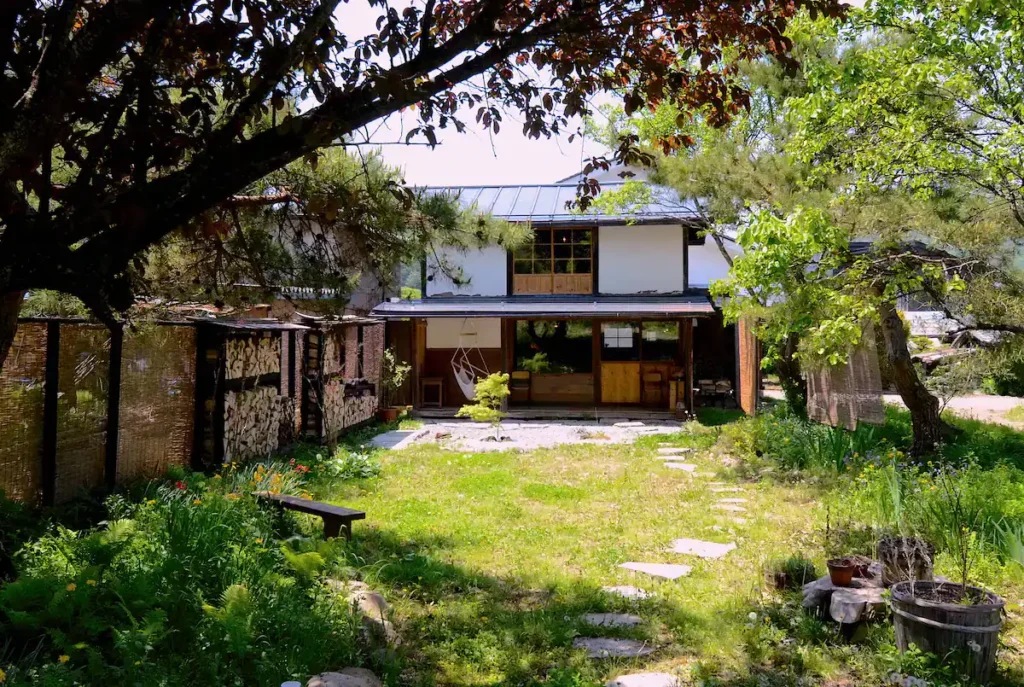
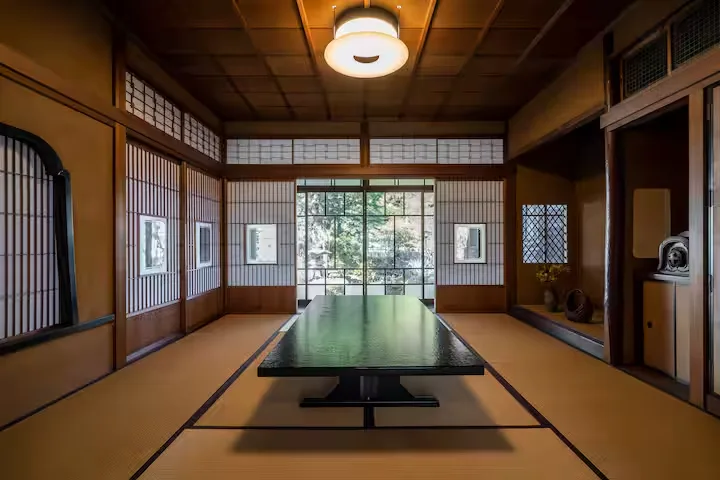
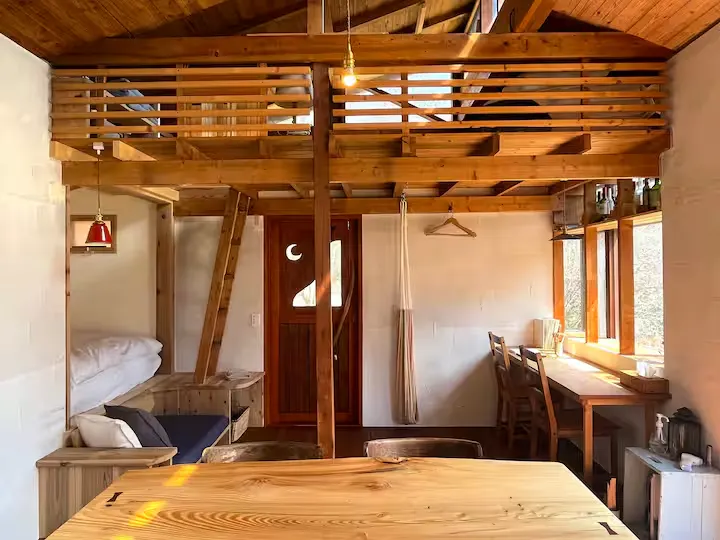
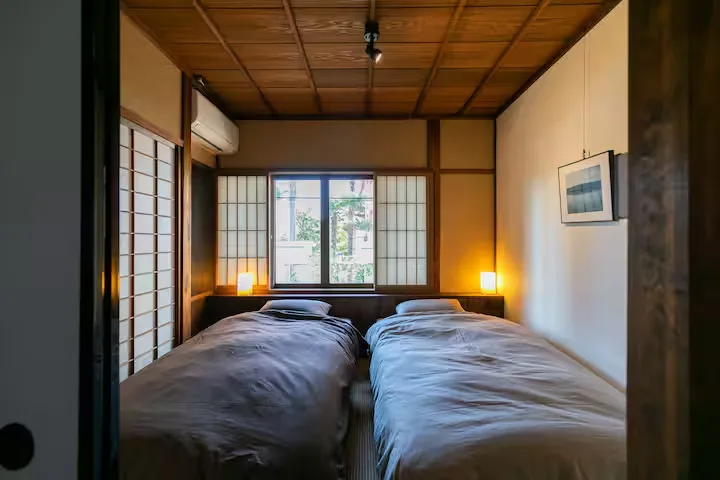
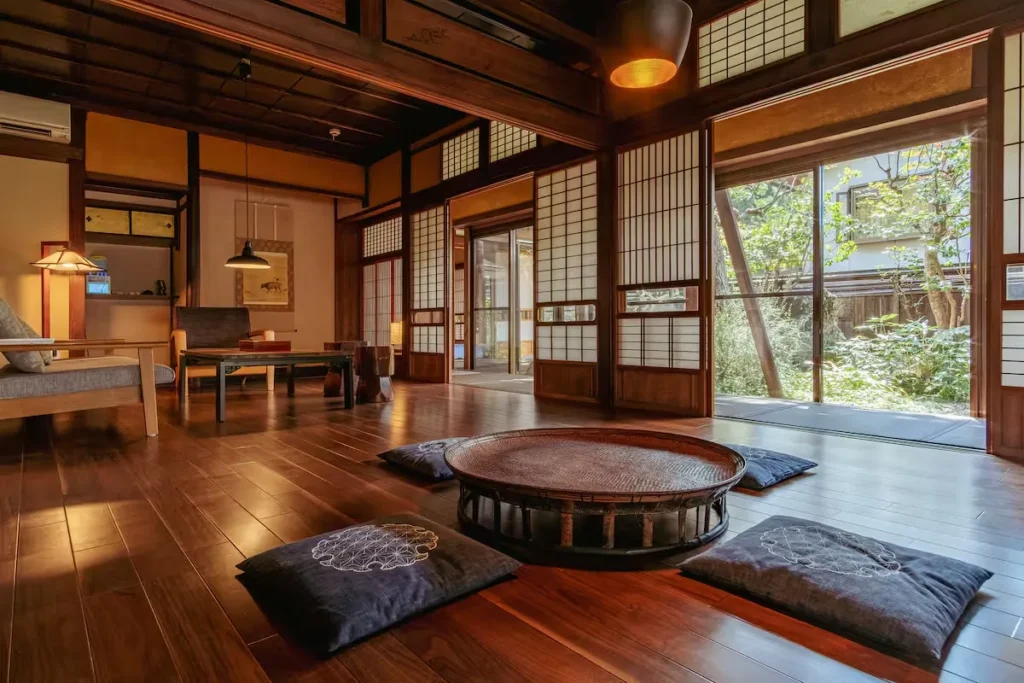
Find below our curated selection of boutique hotels and design apartments that offer exceptional value, atmosphere, and comfort during the off‑season — often at significantly lower rates than peak months.
Uncrowded Experiences & Tours
Skip the lines and experience iconic landmarks at your own pace. Discover curated local tours and cultural activities designed to show you the authentic side of the destination without the peak-season rush.
Handy Tips
Weather & Climate
Chūbu’s climate is highly varied. The Pacific coast (Tōkai) and cities like Nagoya have hot, humid summers and mild winters. The mountainous regions (Japan Alps) have cold, snowy winters and cool summers. The Sea of Japan coast (Hokuriku) experiences heavy snowfall in winter.
Local Customs And Etiquette
Onsen Etiquette: Hot springs (onsen) are central to the culture. Always wash thoroughly before entering the bath. Be aware that people with tattoos may be prohibited from public baths, so check rules beforehand.
Craft Culture: The region prides itself on its craftsmanship, particularly in ceramics (Seto ware, Tokoname ware) and gold leaf (Kanazawa). Showing appreciation for these local products is well-received.
Nagoya “Meshi”: In Nagoya, the local cuisine (Nagoya Meshi) is a point of regional pride. Dining on these specialties is a great way to engage with the local culture.
Budgeting For Your Trip
Accommodation: Hostels ($25–$45), mid-range hotels/business hotels ($80–$150), traditional ryokan ($150–$300+). Prices are higher in tourist hot spots like the Fuji Five Lakes area.
Food: Cheap lunch sets/ramen ($8–$15), mid-range dinner at an izakaya or local restaurant ($30–$60 per person), fine dining ($80+).
Transport: Local train/bus ticket ($2–$5), Shinkansen (bullet train) from Tokyo to Nagoya ($85–$120 one-way), regional rail passes can save money.
Activities: Museum entry ($5–$15), onsen entry ($5–$15), ski lift pass ($40–$60).
Daily Budget:
- Budget: $70–$110 (hostels, convenience store food, public transport).
- Mid-range: $120–$200 (hotels, local restaurants, main attractions).
- Luxury: $250+ (luxury ryokan with meals, gourmet dining, private transfers).
Getting Around
By Rail: The Shinkansen (bullet train) links Nagoya quickly to Tokyo and Kyoto/Osaka. Local and express trains are excellent for inter-city travel within the region.
By Bus: Highway buses are an economical and efficient way to connect major tourist areas, such as Takayama, Shirakawa-go, and Kanazawa.
Self-Driving: A car is the most flexible way to explore the mountain and remote areas like the Noto Peninsula and the Kiso Valley post towns, as train coverage can be sparse.
Must-Try Food
Hitsumabushi (Nagoya): Grilled eel (unagi) over rice, which you eat in three ways: plain, with condiments, and mixed with broth (ochazuke).
Miso Katsu (Nagoya): A thick, crispy pork cutlet (tonkatsu) drenched in a rich, dark hatcho red miso sauce.
Hamamatsu Gyoza: Dumplings typically arranged in a circle and served with a boiled bean sprout garnish.
Goheimochi (Gifu/Nagano): Skewered, flattened rice cakes, brushed with a sweet and savory glaze (often miso, walnut, or sesame) and grilled.
Hōtō (Yamanashi): Thick, flat wheat noodles stewed in a miso-based soup with plenty of vegetables, similar to a hearty hot pot.
Takayama Ramen: A lighter, shoyu (soy sauce) based broth with thin, curly noodles.
Oyaki (Nagano): Steamed or grilled dumplings made from a buckwheat flour dough, typically stuffed with vegetables like nozawana leaves or anko (sweet bean paste).
Tebasaki (Nagoya): Nagoya-style crispy chicken wings, fried and seasoned with a slightly sweet, peppery sauce.
Uirō (Aichi): A traditional Japanese steamed cake made from rice flour and sugar, similar to mochi but chewier.
Habutae Mochi (Fukui): A very soft and smooth type of mochi, named after silk fabric, often sold in thin sheets.
Must-Try Drinks
Local Sake (Niigata, Nagano): The prefectures in the Chūbu region, especially Niigata, are famous for their cold climates, pure water, and high-quality rice, making them a top source of exceptional sake.
Koshu Wine (Yamanashi): Yamanashi is Japan’s premier wine region, known for producing crisp white wines from the indigenous Koshu grape.
Jizake (Local Craft Beer): Numerous microbreweries throughout the region produce local craft beers, often reflecting the mountain water quality.
Matcha (Green Tea): Shizuoka Prefecture is Japan’s largest producer of high-quality green tea. You can enjoy local sencha or matcha in various forms.
Hatcho Miso Soup: While a food, the soup made from the local Hatcho Miso (a dark, reddish soybean paste) is a distinctive, savory, and rich local beverage often served with meals in Aichi.
Shinshu Apple Juice (Nagano): Nagano is known for its excellent fruit. Freshly squeezed or bottled apple juice is a popular and high-quality non-alcoholic option.