 Skip to content



- Is The Weather In Shikoku Manageable For Hiking During The Off-Season Shoulder Months?
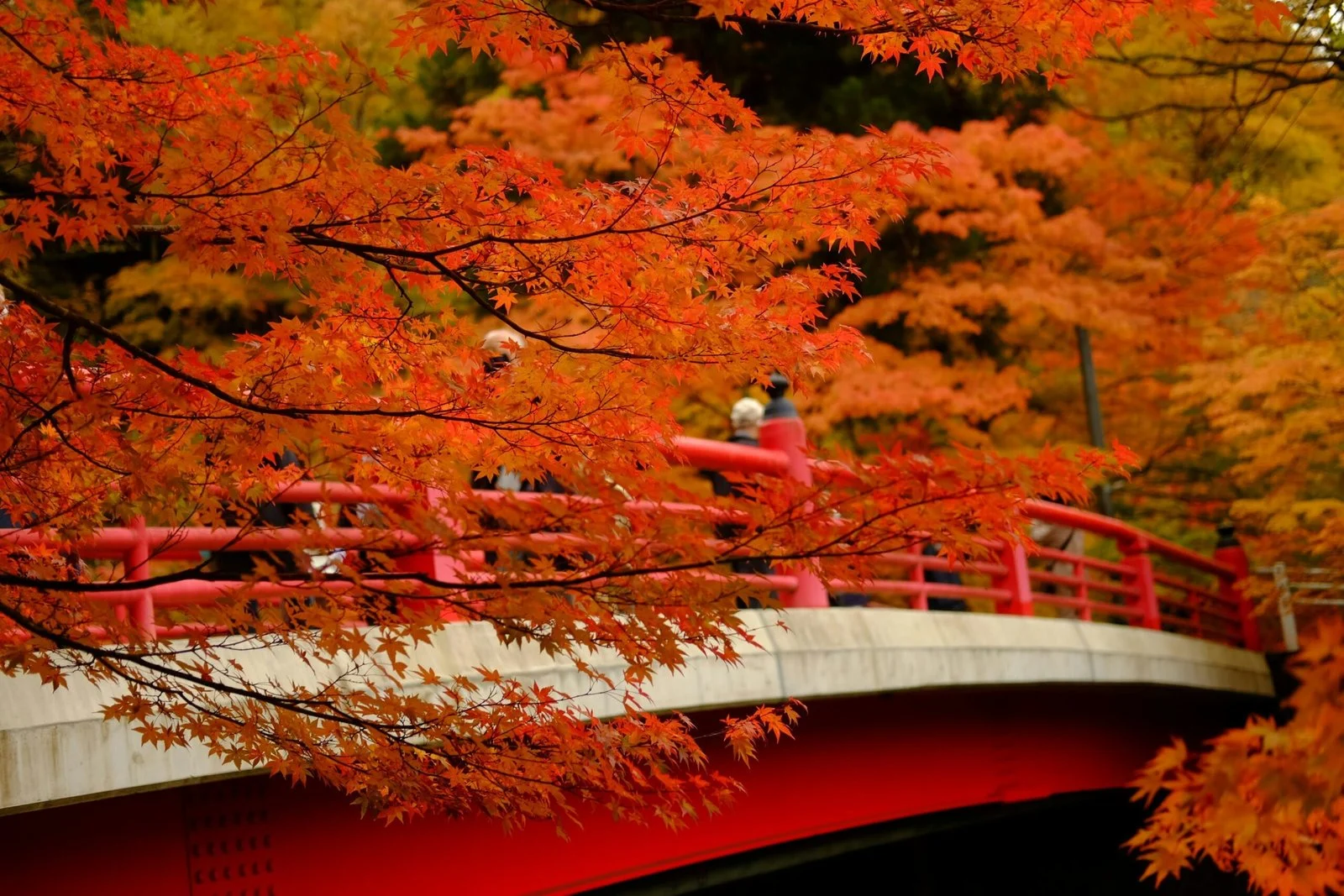
Yes, the shoulder seasons offer ideal conditions for walking the famous temple pilgrimage routes. The oppressive summer humidity fades away, and winter's chill has not yet arrived, leaving you with crisp, clear days perfect for outdoor exploration. You will find the mountains blanketed in fresh spring greens or vibrant autumn reds.
The trade-off is an increased chance of rain, particularly during the early summer rainy period. Pack a lightweight waterproof jacket and waterproof shoes, and you will still enjoy trails that are nearly 70% emptier than peak season. A little drizzle actually keeps the dust down and makes the forest paths smell incredible.
- How Much Can I Save On Traditional Ryokan Stays By Visiting Shikoku In The Low Season?
You can secure discounts of 40% to 60% on riverside hot spring inns during the deep off-season. Those multi-course kaiseki dinners and private bathhouses that feel like a luxury splurge become genuinely affordable for the average traveler. Your budget will easily stretch to include an extra night or a premium room upgrade.
However, some smaller family-run inns may close for a few weeks during the quietest months. The ones that remain open will treat you like family, often upgrading your meal or offering free sake simply because they have so few guests. Volomundi views this as a fantastic trade-off for authentic cultural immersion.
- Will The Famous 88-Temple Pilgrimage Feel Lonely Or Unwelcoming During Deep Off-Season?
No, the pilgrimage route remains open and welcoming, but it will feel much more introspective. You will still encounter dedicated pilgrims walking in traditional white garb, but you will not compete for bench space or hostel beds. The solitude allows you to connect with the spiritual rhythm of the journey in a way summer crowds simply prevent.
The only challenge is that some small village shops and rest stops along the route operate on shorter hours. Carry extra snacks and water, and check your planned overnight stops in advance. For travelers seeking genuine personal reflection rather than a social scene, this quieter atmosphere is actually the ideal way to experience Shikoku's sacred heart.
- Is It Difficult To Reach Shikoku By Public Transport During The Shoulder Season?
Not at all, though you must accept fewer daily connections than on the main island. The bridges connecting Shikoku to Honshu remain open year-round, and trains continue to run reliably between the four prefectures. You can absolutely explore without a car, especially along the northern coastal corridor.
The downside is that rural bus services to remote mountain temples may run only two or three times per day. Renting a car during the low season saves you significant time, with prices dropping by roughly 35%. The empty roads and easy parking at trailheads make driving a genuinely relaxing option for international visitors.
- Why Should I Choose Shikoku For An Off-Season Trip Over Japan's More Famous Regions?
Because Shikoku offers the deepest discounts and the quietest roads anywhere in the country during the low season. You can "Exploit Travel Seasonality" here to experience world-class river gorges and castle towns with nearly 80% fewer tourists than Kyoto. Your yen goes further on food, lodging, and experiences that feel authentic rather than manufactured.
The only sacrifice is convenience, as convenience stores and English signage are less common in rural areas. However, for the traveler who values genuine connection over hand-holding, this is a feature, not a bug. Volomundi recommends Shikoku for off-season adventurers ready to trade predictability for profound beauty and incredible value.

Home > Exploit The Seasons > Seasonal World Map > Asia > Japan > Shikoku
SHIKOKU
Shikoku’s 88-temple pilgrimage trail empties to reveal misty mountains, white-water rivers, and coastal villages untouched by mass tourism. This guide unlocks the seasons when Japan’s smallest main island offers solitude, savings, and spiritual silence.
Smart Travel Calendar
Shoulder Season
Your Smartest Windows
May (post Golden Week) to early June
October to mid-November
Avoid: Golden Week (April 29–May 5) – limited rural accommodation books solid. Obon week (mid-August) brings domestic crowds to beaches and the pilgrimage’s most famous temples.
What the Sky Does
Late spring: 15–24°C (59–75°F) / Autumn: 11–21°C (52–70°F)
Low humidity – comfortable for walking the pilgrimage trail
October brings crisp air and early koyo colors in the Iya Valley and Mount Ishizuchi
Seto Inland Sea side is famously sunny – over 250 sunny days annually around Takamatsu
How Empty It Feels
50–60% fewer tourists vs. peak spring cherry blossom or summer beach season
Ritsurin Garden (Takamatsu) – Japan’s finest strolling garden with 80% fewer visitors
Iya Valley’s vine bridges: cross without waiting or being rushed
Kochi’s Sunday morning market: browse without elbowing through crowds
What You’ll Save
40–50% off flights to Takamatsu (TAK) or Matsuyama (MYJ) vs. peak April or August
Temple lodging (shukubō) in Kōyasan or Mount Ishizuchi: $50–70/night with meals (normally $120–150)
Rental car for pilgrimage bypass routes: $30/day (normally $70 in cherry blossom season)
Ferry to Shodoshima (olive island): 40% off shoulder rates
The Secret Perk
May: Fresh greenery across the 88-temple trail – the mountains are luminous emerald
October: Savor fresh mikan (mandarins) – Shikoku produces 40% of Japan’s crop – and autumn chestnuts
Soft golden light: Late afternoon at Matsuyama Castle is magical for photography
Seto Inland Sea calm – perfect for kayaking around the art islands (Naoshima, Teshima easily accessed from Takamatsu)
No summer insects – May and October mean zero mosquito swarms on mountain temple trails
The Tiny Trade-Off
No cherry blossoms (April) or peak summer swimming (August)
Early October typhoon remnants possible (usually fast-moving, 1-2 days)
Some remote temple lodging (Temple 12, Temple 21) requires advance booking (staff on reduced hours)
Golden Week spillover: first week of May still sees weekend crowds
Smart Traveler Tip
Target mid-May to early June or October 10 – November 15 for the perfect balance
For autumn foliage, start in Mount Ishizuchi (late October) then head to Iya Valley and Ritsurin (early-mid November)
Use the JR Shikoku Rail Pass (3 days for $70) or better yet, rent a car – the backcountry pilgrimage roads are the real adventure
Deep Off-Season
Your Smartest Windows
January (after Jan 3) to February
Late November to mid-December
June (rainy season – temple trails are lush and empty)
Avoid: New Year’s week (Dec 30–Jan 3) – temple stays close, ferry services reduce dramatically. Setsubun (early February) brings local crowds to major shrines.
What the Sky Does
Coastal lowlands: 2–10°C (36–50°F) / Mountain areas: -3 to 6°C (27–43°F)
January–February: brilliant blue skies – clearest visibility of Mount Ishizuchi from miles away
Japan Sea coast (northern Shikoku) gets occasional light snow – magical dusting on temples
Seto Inland Sea coast (Takamatsu, Matsuyama) is Japan’s sunniest winter destination
June rainy season: daily drizzle but waterfalls are thunderous and moss gardens glow neon green
How Empty It Feels
80–90% fewer tourists vs. peak season – you are one of a handful of pilgrims
Ritsurin Garden: you might be the only person in Japan’s largest strolling garden
Iya Valley’s vine bridges: locals will greet you like a curious visitor, not a tourist
Small towns (Uwajima, Awa, Muroto) feel undiscovered and genuinely authentic
Temple trails: hike for hours without seeing another soul
What You’ll Save
65–75% off peak-season rates (cherry blossom, summer beach, Obon week)
Flights to Takamatsu or Matsuyama: often under $450 round-trip from US West Coast in January
Hotels in Matsuyama: $35–50/night (normally $100–150 in April)
Traditional minshuku (guesthouses) on Shodoshima: $40/night with breakfast (normally $90)
Temple lodging winter specials: pay $40 instead of $80 for stay with vegetarian shōjin ryōri meals
The Secret Perk
Mikan (mandarin) winter harvest (January–February) – walk through orchards, buy bags of 20 for $5 directly from farmers
Whale watching off Shikoku’s southern coast (January–February) – sperm whales near Muroto Cape
Winter onsen in Dōgo (Matsuyama) – Japan’s oldest hot spring, steaming in winter cold with 70% fewer bathers
Real local winter: Warm up with tai-meshi (sea bream rice) in Kochi or sara-udon in Matsuyama
Plum blossoms (ume) at temples starting late February – fragrant pink blooms before mainland cherry crowd madness
No queue for Uwajima’s bull-sumo (January-February weekends) – front-row seats without arriving early
The Tiny Trade-Off
Ferry services to smaller islands (Oki, small Seto islands) reduce frequency by 50-70%
Some mountain temples (Temples 44, 45, 60-65) have snow closures or impassable roads in winter
Coastal restaurants in fishing villages close for 1-2 weeks in January (staff holiday season)
Daylight: only 7-8 hours in January (sunset by 5 PM)
Pilgrim stamp offices (nōkyōjo) at remote temples have reduced hours (close by 3 PM instead of 5 PM)
Smart Traveler Tip
January 10 – February 10: The absolute quietest window – temple trails are pristine, and locals are warm to the few visitors
For rainy season enthusiasts: June offers incredible waterfall volume and empty trails – pack serious rain gear and waterproof boots
Skip New Year’s week entirely – most of Shikoku literally shuts down for 3-5 days
Pack layers and waterproof shoes – Shikoku’s winter trails can be muddy even in dry weather
For mildest deep off-season: stay on the Seto Inland Sea coast (Takamatsu, Matsuyama) – less snow, more sun, average 8°C / 46°F
Find Off-Peak Flights
Top Off‑Season Stays
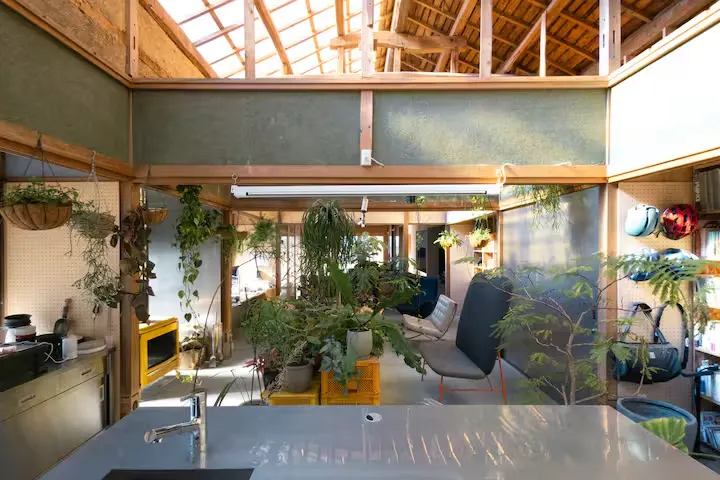
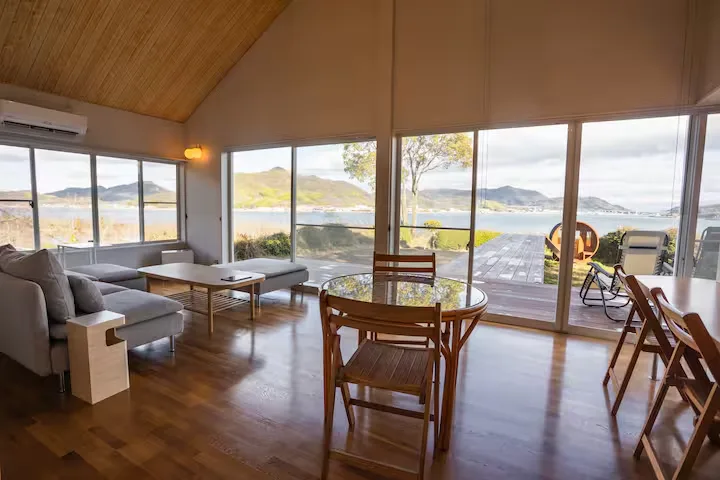
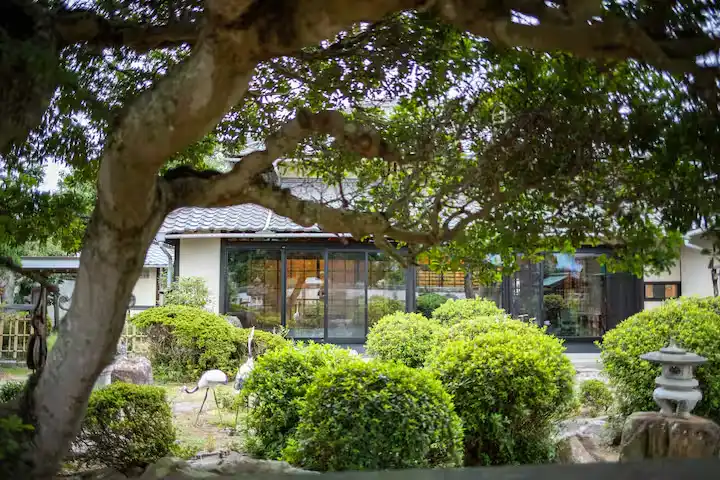
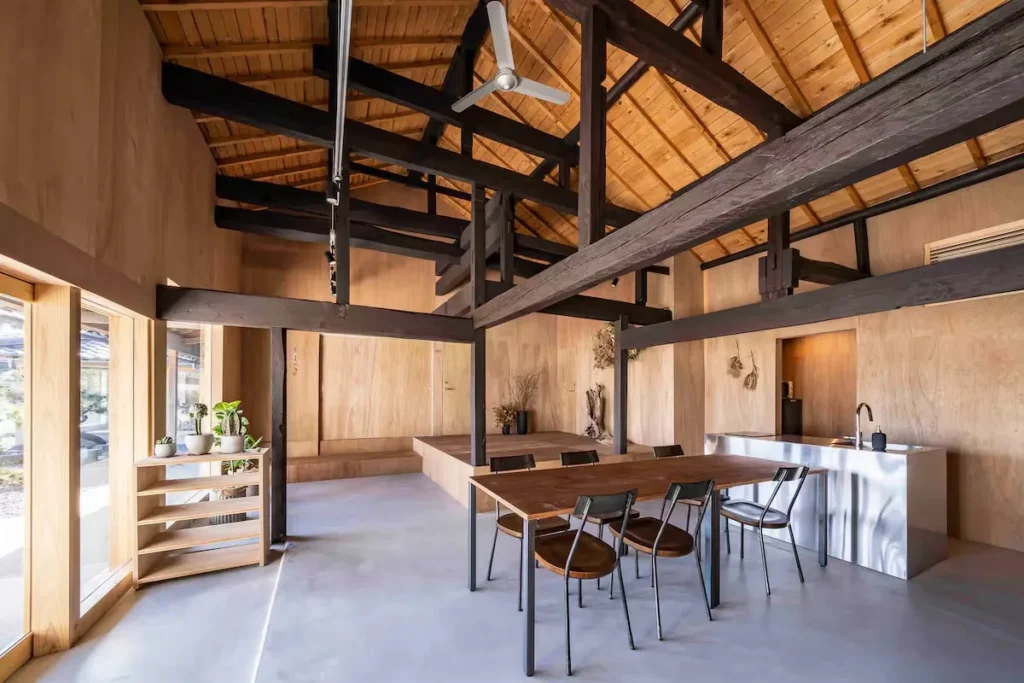
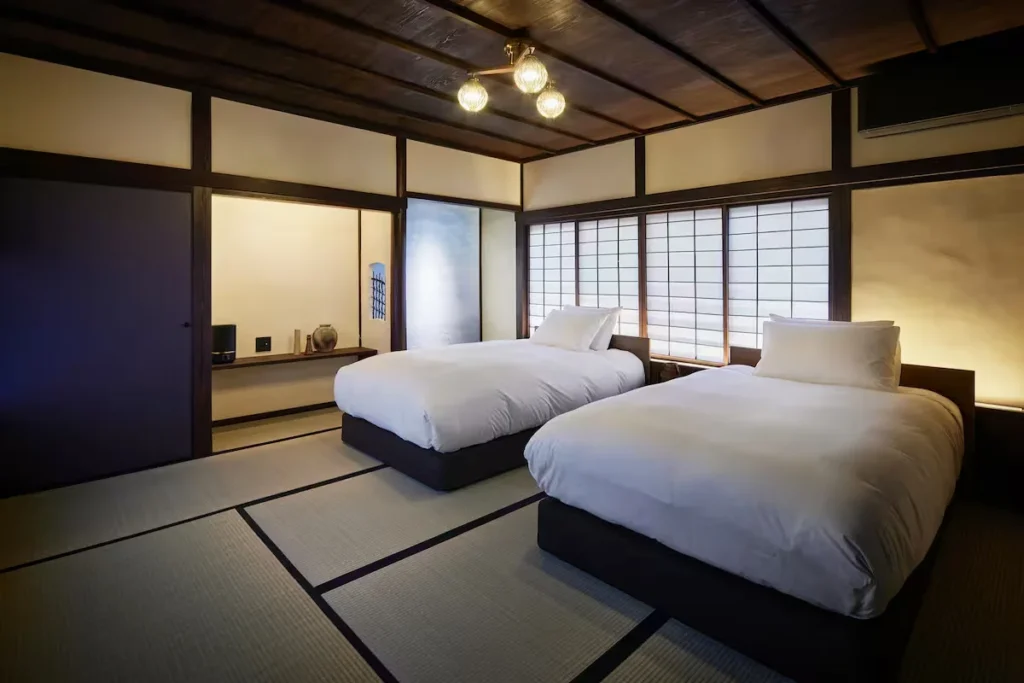
Find below our curated selection of boutique hotels and design apartments that offer exceptional value, atmosphere, and comfort during the off‑season — often at significantly lower rates than peak months.
Uncrowded Experiences & Tours
Skip the lines and experience iconic landmarks at your own pace. Discover curated local tours and cultural activities designed to show you the authentic side of the destination without the peak-season rush.
Handy Tips
Weather & Climate
The climate is generally temperate and humid. The north (Seto Inland Sea side) is relatively dry. The south (Pacific Ocean side, Kochi) is warmer but much rainier and prone to typhoons in summer/early autumn. Mountainous areas, especially the Iya Valley, can be cold with snow in winter.
Local Customs And Etiquette
Language: Japanese is the official language. Learning a few basic phrases like arigato (thank you) and sumimasen (excuse me/sorry) is highly appreciated.
Tipping: Do not tip in Japan. It can be seen as confusing or rude, as great service is expected.
Onsen (Hot Springs) Etiquette: Always wash thoroughly before entering the bath. Never wear swimwear. Tattoos may restrict entry, so check policies beforehand.
Pilgrimage Etiquette: Be respectful of the o-henro-san (pilgrims). If you walk a section, you may receive o-settai (small gifts or food) and should accept them gracefully.
Budgeting For Your Trip
Accommodation: Hostels/Guesthouses ($30–$50), business hotels/mid-range hotels ($70–$130), traditional ryokans ($150–$300+ with meals).
Food: Quick meals (udon/ramen) ($7–$15), dinner at a mid-range restaurant ($20–$40 per person), multi-course kaiseki dinner at a ryokan ($50+).
Transport: Local train/bus ticket ($2–$8 per ride), highway bus (long-distance, affordable), car rental ($40–$70/day).
Activities: Temple entry (free to small fee), pilgrimage stamp book/calligraphy (approx. $5 per temple), museum entry ($5–$15).
Daily Budget:
- Budget: $70–$120 (hostels, convenience store food, public transport).
- Mid-range: $130–$200 (mid-range hotels, local restaurants, some attractions).
- Luxury: $250+ (boutique hotels/ryokans, gourmet meals, private tours).
Getting Around
By Car: A car is the most convenient way to fully explore the island, especially the remote areas like the Iya Valley and the coastlines.
By Train: An efficient train network connects the major cities (Takamatsu, Tokushima, Matsuyama, Kochi). However, regional travel and mountain areas are often only accessible by bus or car.
By Bus: Intercity and local buses are a good option, often serving areas the train network doesn’t reach, and are frequently used by pilgrims.
Must-Try Food
Sanuki Udon (Kagawa): Thick, chewy wheat noodles, often served simply in a hot broth or with a variety of toppings.
Katsuo no Tataki (Kochi): Seared bonito tuna, cooked over a straw fire, sliced thick, and typically served with ponzu, garlic, and scallions.
Taimeshi (Ehime): A sea bream specialty; either rice cooked with the whole fish or sashimi-style over rice.
Tokushima Ramen: A rich, salty-sweet pork bone broth often topped with pork belly and a raw egg.
Jakoten (Ehime): Fried fish cake made from small white fish, a popular snack.
Iya Soba (Tokushima): Thick, rough buckwheat noodles from the remote Iya Valley.
Naruto Kintoki (Tokushima): A variety of sweet potato known for its high sugar content.
Sudachi (Tokushima): A small, tart citrus fruit used as a garnish or seasoning, similar to lime.
Mikan (Ehime): Mandarin oranges, a specialty of Ehime, enjoyed fresh or as juice and sweets.
Yuzu (Kochi): A fragrant citrus fruit, widely used in sauces, seasonings, and desserts.
Must-Try Drinks
Local Sake: Shikoku is home to a large number of sake breweries, each producing a distinct local brew that pairs well with seafood.
Mikan Juice (Ehime): Fresh-pressed mandarin orange juice, sometimes dispensed from “juice taps” in public places.
Shochu: A distilled spirit, often made from rice, sweet potato, or barley, and sometimes produced by the local sake breweries.
Local Craft Beer: A growing number of microbreweries on the island produce excellent craft beers.
Yuzu Drink: Refreshing sodas or hot drinks made with the local yuzu citrus fruit.