 Skip to content

- Is Okinawa Still A Beach Destination During The Rainy Off-Season?
Yes, but you need to adjust your expectations and activities. During the deep off-season rainy months of May and June, the famous white sand beaches experience frequent downpours, but the rain comes in short bursts followed by brilliant sunshine, making the humidity much more tolerable than peak summer.
The drawdown is that you cannot guarantee perfect tanning weather every single day. However, the percentage discounts on beachfront resorts and boutique hotels often reach 40% to 55%, and you gain incredible deals on snorkeling and diving trips because the underwater visibility remains excellent despite the surface showers. The famous Churaumi Aquarium is also blissfully uncrowded, and you can explore the unique Ryukyu Kingdom cultural sites without fighting through tour bus crowds.
- Is Yakushima's Ancient Forest Too Wet To Hike During Off-Season?
No, and here is the secret that photographers know well. Yakushima is famous for being one of the rainiest places in Japan, earning the local saying that it rains thirty-five days a month. The deep off-season simply means you embrace the misty atmosphere that makes the ancient cedar forests look like a real-life Princess Mononoke landscape.
The drawdown is that trails become muddy and slippery, requiring proper hiking boots and waterproof gear. However, the positive trade-off is that you will have the famous Jomon Sugi, a cedar tree over two thousand years old, almost entirely to yourself with nearly 90% fewer hikers on the trail. Accommodation on the island drops by roughly 35% to 45% off-season, and the moss-covered forest floor glows an electric green that dry season visitors never witness. This is how to Exploit Travel Seasonality for pure natural magic.
- Will The Active Volcanoes Of Kyūshū Be Closed During Bad Weather?
Sometimes yes, but you will have plenty of alternatives ready. The famous Mount Aso and Sakurajima volcanoes remain active year-round, but during the deep off-season, strong winds or heavy rain can occasionally close the ropeways or viewing platforms for safety reasons.
However, the drawdown comes with a silver lining. You will find that the nearby onsen towns like Kurokawa and Ibusuki offer incredible percentage discounts of 30% to 40% during these same months, allowing you to soak in healing hot springs or bury yourself in volcanic sand baths without the peak season crowds. The local museums covering volcanic science and history are warm, dry, and nearly empty, and you can often reschedule your volcano viewing for the next day when the weather inevitably clears.
- Is Nagasaki's Peace Park Less Moving During The Off-Season?
No, it becomes more personal and contemplative. During the deep off-season months of winter, the famous Peace Park and Atomic Bomb Museum see nearly 70% fewer visitors, allowing you to walk through the memorials and reflect without the distraction of large school groups and tour parties moving through quickly.
The drawdown is that the nearby Glover Garden and Dejima historical sites can feel chilly and windy. However, the positive trade-off is that you can take your time reading every exhibit panel, lighting a candle in silence, and sitting on a bench to absorb the weight of history without feeling rushed. Accommodation in Nagasaki city drops by roughly 35% off-season, and you can combine your visit with a peaceful cable car ride up Mount Inasa to see the famous night view without fighting for a window spot.
- How Much Can I Save On A Kyūshū Road Trip By Skipping Cherry Blossom Season?
You can save between 35% and 50% on your total road trip budget by visiting during the late autumn shoulder season or winter deep off-season. Rental car prices drop significantly once the domestic Japanese tourism season ends, and you will find that the famous highway rest areas have open parking spots and no queues for the delicious local food stalls.
The drawdown is that you might miss the specific timing of cherry blossoms or autumn leaves. However, the reward is that you can drive the scenic routes of the Shimabara Peninsula or the coastline of Miyazaki without traffic jams, and you will have your pick of onsen hotels with ocean views at deeply discounted rates. By choosing to Exploit Travel Seasonality, you can afford to add a ferry trip to the remote Goto Islands or extend your stay in Fukuoka to enjoy its famous yatai food stalls without standing in line for an hour.

Home > Exploit The Seasons > Seasonal World Map > Asia > Japan > Kyūshū And Okinawa
KYŪSHŪ & OKINAWA
Kyūshū’s volcanoes and Okinawa’s coral islands shed their crowds for steamy hot springs and empty beaches, revealing ancient samurai towns and secret snorkeling spots. This guide unlocks the seasons when Japan’s subtropical south feels like your private paradise.
Smart Travel Calendar
Shoulder Season
Your Smartest Windows
May (post Golden Week) to early June
October to November
Avoid: Golden Week (April 29–May 5) – flights to Okinawa double, ferries sell out. Obon week (mid-August) brings domestic crowds to beaches and onsens. Chinese New Year (Jan/Feb) also spikes Okinawa prices.
What the Sky Does
Kyūshū spring/autumn: 15–25°C (59–77°F) / Okinawa: 22–28°C (72–82°F)
Low humidity – no sticky tropical fatigue in Kyūshū’s cities
October–November: typhoon season ends, skies clear, water stays warm
Kyūshū autumn brings vibrant koyo at Dazaifu and Kumamoto Castle
How Empty It Feels
40–50% fewer tourists vs. peak summer (Okinawa) or cherry blossom (Kyūshū)
Fukuoka’s yatai food stalls: grab a seat without 30-minute waits
Yakushima’s Jomon Sugi cedar: hike with 10 people instead of 100
Okinawa’s Churaumi Aquarium: whale sharks without the selfie-stick crowd
What You’ll Save
35–45% off flights to Fukuoka (FUK) or Naha (OKA) vs. summer or New Year’s
Beachfront hotels in Okinawa: $60–90/night (normally $150–250 in July)
Onsen ryokan in Beppu or Kurokawa: $80–120 with dinner (normally $160–200)
Ferry to remote islands (Kerama, Amami): 40% off shoulder rates
The Secret Perk
May: Fresh greenery and blooming shibazakura (moss phlox) at Kyūshū’s parks
October-November: Savor fresh satsuma-age (fried fish cake) and sweet imo (sweet potato) harvest
Sea turtle nesting season (May–July in Okinawa) – responsible viewing available
Soft golden light: Early mornings at Karatsu Castle or Shuri Castle – perfect for photography
Whale shark season (November–April off Okinawa) – shoulders catch the start
The Tiny Trade-Off
No peak summer swimming weather in Kyūshū (May ocean is still cool at 20°C / 68°F)
October typhoon remnants possible (usually fast-moving, 1-2 days)
Some small-island beach shops and cafes close by late October in Okinawa
Golden Week spillover: first week of May still slightly busy
Smart Traveler Tip
Target mid-May to early June or October 15 – November 30 for the perfect balance
For early cherry blossoms: Kyūshū blooms in late March (avoid April peak by going to mountains)
Use the JR Kyūshū Rail Pass (3 days for $70) to maximize value across the island
Deep Off-Season
Your Smartest Windows
January (after Jan 3) to February
December (early Dec only)
June (rainy season – except Okinawa, which is fine)
Avoid: New Year’s week (Dec 30–Jan 3) – ryokan triple in price, ferries packed. Chinese New Year (Jan/Feb) sends prices soaring in Okinawa’s main islands.
What the Sky Does
Kyūshū interior: 2–10°C (36–50°F) / Kyūshū coast: 5–12°C (41–54°F) / Okinawa: 15–20°C (59–68°F)
December–February: Kyūshū sees clear, crisp days – Mt. Aso and Unzen visible for miles
Okinawa winter: still warm enough for a jacket – NOT beach swimming (18°C / 64°F water)
Kyūshū’s rainy season (June) – daily drizzle but incredible waterfall volume
How Empty It Feels
70–80% fewer tourists vs. peak summer in Okinawa – beaches are practically private
Kyūshū’s Kumamoto Castle reconstruction site: 5 people instead of 200
Yakushima’s ancient forests: you might hike hours without seeing another soul
Small islands (Kerama, Zamami, Tokashiki) feel undiscovered and local
What You’ll Save
60–75% off peak-season rates (summer beaches or cherry blossom)
Flights to Fukuoka or Naha: often under $450 round-trip from US West Coast in January
Hotels in Okinawa: $35–50/night (normally $150–200 in July/August)
Car rental for Kyūshū road trips: $25/day (normally $70 in cherry blossom season)
The Secret Perk
January–February: Whale watching off Okinawa’s Kerama Islands – humpback mothers and calves
Kyūshū winter plum blossoms (ume) at Dazaifu Tenmangu – fragrant pink crowds before sakura madness
Real local winter: Warm up with tonkotsu ramen in Fukuoka or awamori (Okinawan sake) in Naha
Beppu’s hells (jigoku) without tourists – eight hot spring wonders almost to yourself
Yakushima’s mossy forests in winter rain – magical atmosphere for photography (bring rain gear!)
The Tiny Trade-Off
Okinawa water temperature too cold for swimming (December–March: 18–20°C / 64–68°F)
Beach clubs, water sports rentals, and offshore island ferries reduce winter schedules
Kyūshū’s highland onsen (Kurokawa, Yufuin) can see light snow – pack warm layers
Some small restaurants in remote Okinawan islands close for 2-3 weeks in January
Daylight: only 7–8 hours in December–January (sunset by 5:30 PM even in Okinawa)
Smart Traveler Tip
January 10 – February 10: The absolute quietest window – Kyūshū’s onsen towns are blissfully empty
For whale watching: mid-January to February offers highest humpback activity near Zamami Island
Skip June in Kyūshū (rainy season) but go to Okinawa instead (June is dry and lovely there)
Pack layers and waterproof shoes – Kyūshū’s winter feels colder due to humidity; Okinawa needs a light jacket only
Find Off-Peak Flights
Top Off‑Season Stays
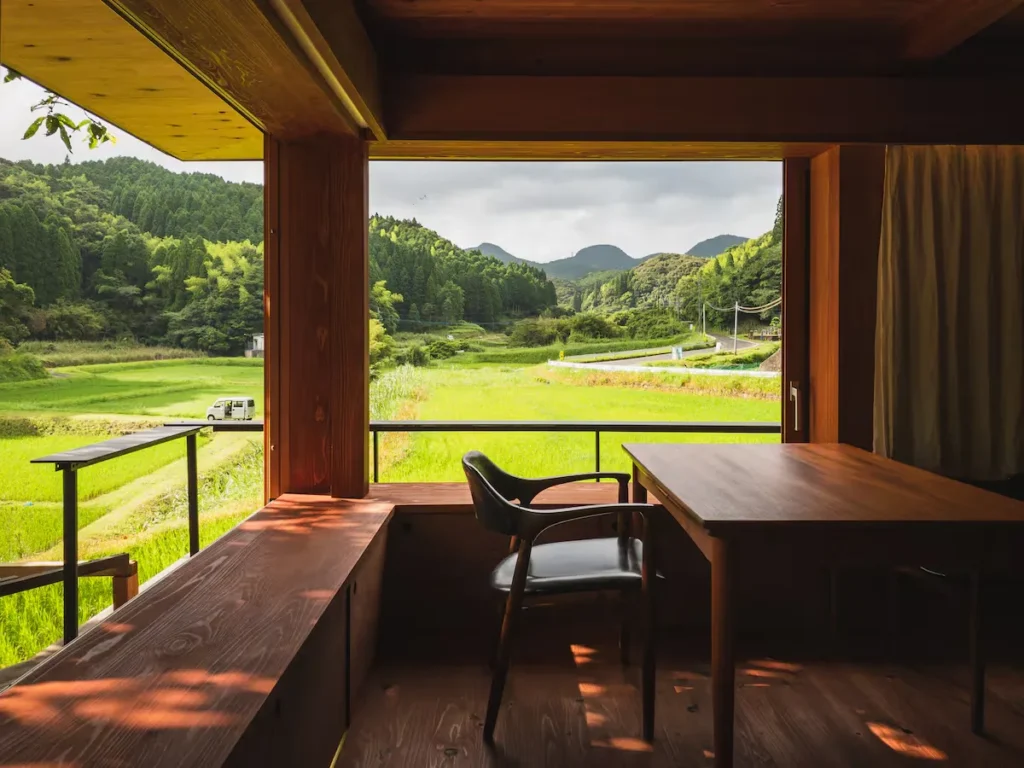
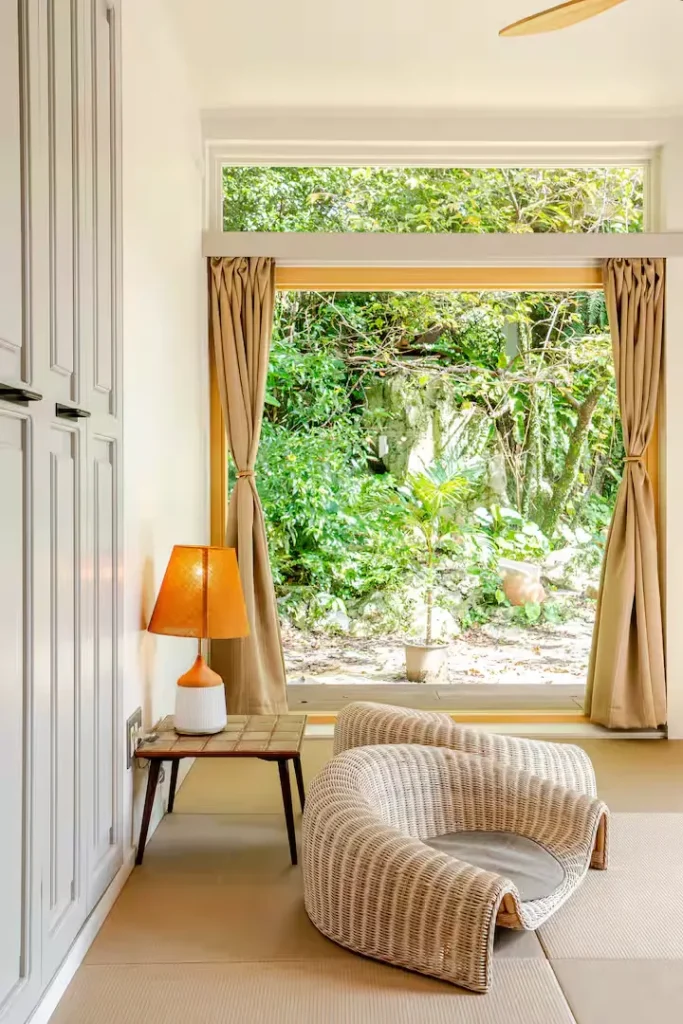
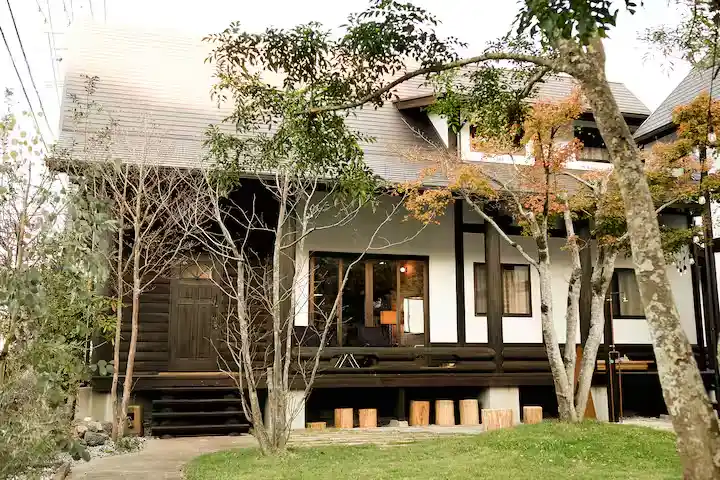
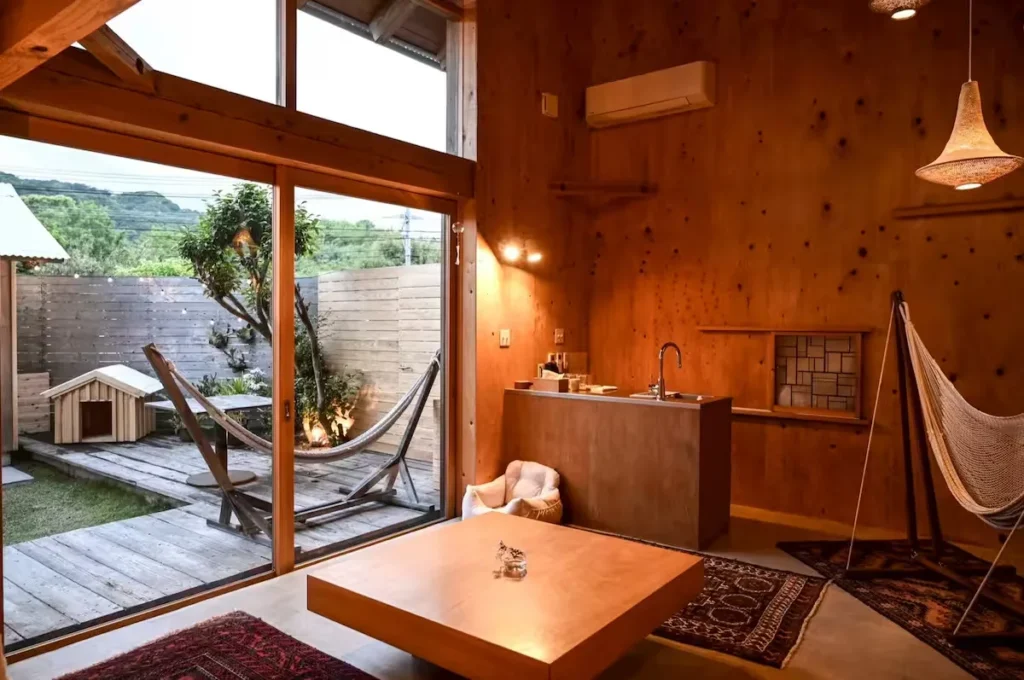
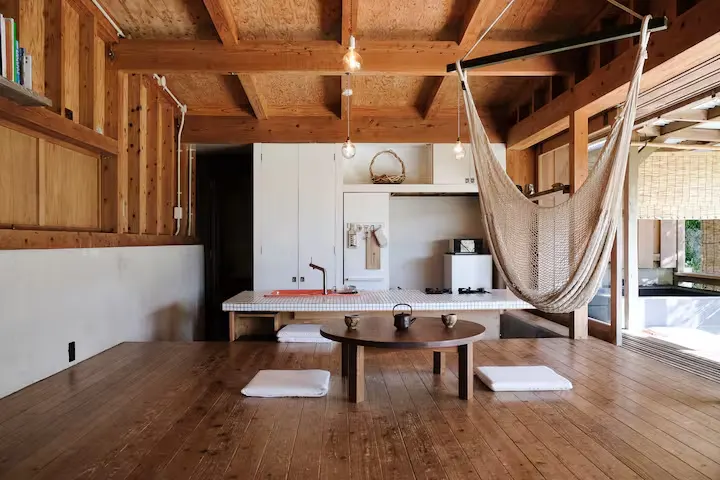
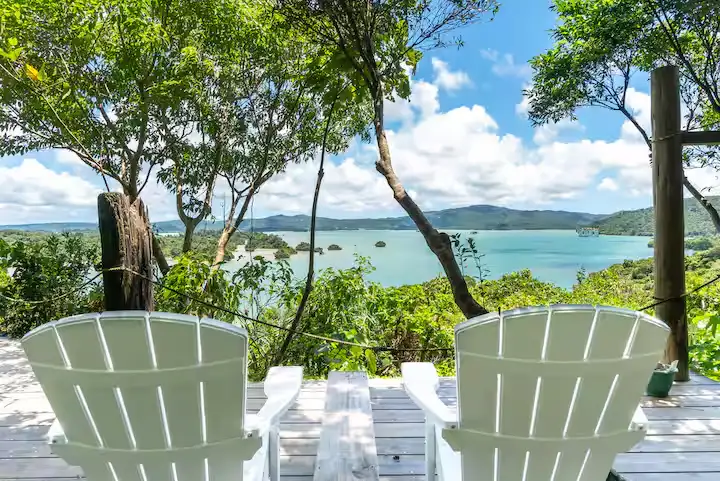
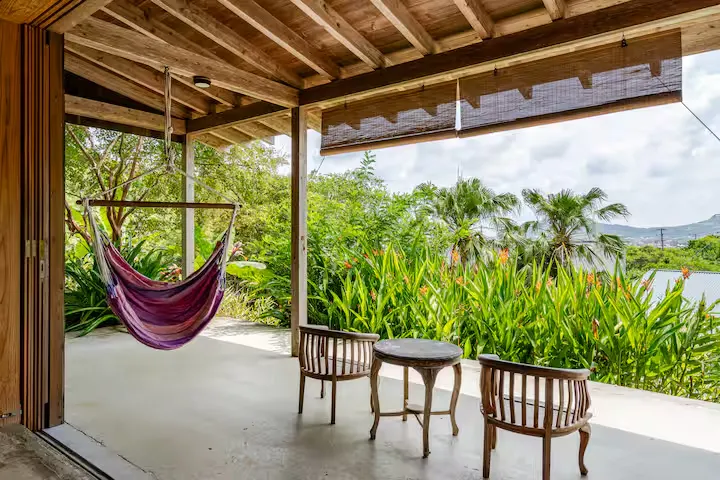
Find below our curated selection of boutique hotels and design apartments that offer exceptional value, atmosphere, and comfort during the off‑season — often at significantly lower rates than peak months.
Uncrowded Experiences & Tours
Skip the lines and experience iconic landmarks at your own pace. Discover curated local tours and cultural activities designed to show you the authentic side of the destination without the peak-season rush.
Handy Tips
Weather & Climate
Kyūshū has a mild climate with hot, humid summers and cool winters. Okinawa has a subtropical climate—it’s warm year-round, with high humidity and a distinct rainy season from May to early June. Typhoons are a risk in late summer and early autumn.
Local Customs And Etiquette
Bowing: A bow is the standard greeting. A small nod is casual, while a deeper bow shows respect. Handshakes are common with foreigners but follow the Japanese lead.
Shoes: Always remove your shoes when entering temples, traditional restaurants, homes, and some hotels. Slippers are usually provided, but never wear them on tatami mats or into the bathroom (where special toilet slippers should be used).
Okinawan Shisa: Look for the pairs of Shisa (lion-dog statues) on rooftops and gateposts. They are guardians: the one with the open mouth wards off evil spirits, and the one with the closed mouth keeps good spirits in.
Budgeting For Your Trip
Accommodation: Hostels ($25–$50), mid-range hotels ($80–$150), luxury ($180+). Prices are higher in central Fukuoka and during peak beach season in Okinawa.
Food: Lunch set menu ($10–$15), dinner at a mid-range restaurant ($20–$40 per person), fine dining ($70+).
Transport: Local bus/subway ticket ($1.50–$3), Shinkansen (Bullet Train) between cities (highly variable), car rental in Kyūshū ($45+/day).
Activities: Onsen entry ($5–$20), Shuri Castle entry ($3), diving/snorkeling tour in Okinawa ($60–$120).
Daily Budget:
- Budget: $70–$120 (hostels, ramen shops, public transport).
- Mid-range: $130–$200 (hotels, local restaurants, main attractions).
- Luxury: $250+ (boutique hotels, gourmet meals, private tours).
Getting Around
By Train/Shinkansen: Kyūshū has an excellent rail network, including the high-speed Shinkansen connecting Fukuoka (Hakata) to Kagoshima. The JR Kyūshū Rail Pass can be a great value.
By Car: Renting a car is the most flexible way to explore the rural mountains of Kyūshū and the entire island of Okinawa Hontō, as public transport can be limited outside the cities.
By Air/Ferry: Flights and ferries connect Kyūshū to the many islands of the Okinawa Prefecture, and also to the remote islands off the Kyūshū coast, like Yakushima.
Must-Try Food
Hakata Tonkotsu Ramen: A rich, creamy pork-bone broth served with thin noodles, originating in Fukuoka.
Champon & Sara Udon: Nagasaki’s famous Chinese-influenced noodle soup (champon) or crispy noodle dish (sara udon).
Basashi (Horse Sashimi): A local specialty in Kumamoto, often served raw with garlic, ginger, and soy sauce.
Chicken Nanban: Deep-fried chicken coated in a sweet-and-sour sauce, then topped with tartar sauce—a Miyazaki specialty.
Goya Champuru: Okinawa’s signature stir-fry, usually featuring goya (bitter melon), egg, tofu, and pork or spam.
Rafute: Okinawan pork belly slow-simmered in soy sauce and black sugar until meltingly tender.
Ikinari Dango: A Kumamoto steamed dumpling with sweet potato and red bean paste, wrapped in dough.
Castella: A light, sweet sponge cake brought to Nagasaki by Portuguese merchants in the 16th century.
Beni Imo Tarts: Sweet tarts made from the vibrant purple sweet potato of Okinawa.
Shīkūwāsā: A small, highly tart Okinawan citrus fruit, used in juices, dressings, and desserts.
Must-Try Drinks
Awamori: Okinawa’s indigenous rice liquor, a potent spirit that is distilled, not brewed like sake. It is often aged.
Shōchū: Kyūshū is the heartland of this distilled spirit, most commonly made from sweet potato (imo), barley (mugi), or rice (kome).
Kyūshū Craft Beer: A growing scene, with local breweries in Fukuoka and Oita creating unique brews.
Ryukyu Whisky: Whisky produced in Okinawa, often aging gracefully in the subtropical climate.
Sake from Saga: A local specialty, with a mild flavor perfect for pairing with Saga’s delicate seafood.
Green Tea: Kagoshima is Japan’s second-largest producer of green tea, famed for its smooth, rich flavor.
Shīkūwāsā Juice: The sharp, refreshing juice of the Okinawan citrus fruit, served chilled.
Orion Beer: The local, popular Okinawan beer, a light lager perfect for the tropical heat.