 Skip to content
- Is Winter A Good Time To Visit Kantō Without Freezing In Tokyo?
Yes, absolutely, and this is one of the best kept secrets of Exploit Travel Seasonality. Winter in Kantō brings crisp, dry air and brilliant blue skies, offering some of the clearest views of Mount Fuji you will ever see from the city or on a day trip to Hakone.
The drawdown is that temperatures can drop near freezing at night, so you need a warm coat. However, the percentage discounts on hotels across Tokyo and Yokohama often reach 30% to 40%, and you will experience world-famous winter illuminations with 60% fewer tourists than cherry blossom season. Just avoid the New Year holiday week, and you will have the city at its most peaceful.
- Does The Rainy Season Ruin A Trip To Kamakura And Hakone?
No, and the Japanese have a secret they rarely share with tourists. The rainy season, known as tsuyu, transforms Kamakura's famous temples into magical hydrangea paradises, with hundreds of blooming blue flowers framing the ancient stone paths and the Great Buddha.
The drawdown is that you will need a good umbrella and flexible plans for outdoor activities like the Hakone ropeway. The positive trade-off is that accommodation prices drop by roughly 25% to 35%, and the misty mountain scenery around Lake Ashi feels hauntingly beautiful rather than inconvenient. To truly Exploit Travel Seasonality, book a ryokan with an onsen and enjoy the rain from a steaming outdoor bath.
- Will I Still See Mount Fuji From Hakone During The Cloudy Off-Season?
Sometimes no, and that is the honest answer you need to hear. During the late spring and early autumn shoulder seasons, clouds often shroud the famous peak, meaning you might miss that postcard-perfect shot from the pirate ship or ropeway.
However, the drawdown comes with a significant upside. You gain comfortable hiking temperatures, stunning autumn foliage or fresh spring greenery, and percentage discounts of 30% to 50% on Hakone's famous ryokan hotels. The clouds also add a dramatic, moody atmosphere to the volcanic landscapes of Owakudani, and you can still enjoy the black eggs and hot springs without peak season crowds of day-trippers from Tokyo.
- Are Nikko's Shrines And Temples Less Impressive In The Deep Off-Season?
No, they become more spiritual and intimate. During the deep off-season months of January and February, the famous Toshogu Shrine sees nearly 80% fewer visitors, allowing you to admire the intricate carvings and gold leaf in near silence, as the surrounding cedar forests dusted with snow create a scene straight from a history book.
The drawdown is that some mountain roads may close due to snow, limiting access to higher waterfalls like Kegon Falls. The positive trade-off is that you can actually hear the sound of the forest and your own footsteps on the stone paths. Accommodation in the nearby onsen town drops by roughly 35%, making a night in a traditional Japanese inn surprisingly affordable. This is how to Exploit Travel Seasonality for a truly cultural experience.
- How Much Can I Save On Transportation Around Kantō Off-Season?
You can save between 20% and 40% on regional transportation, but not always in the way you expect. While the cost of a JR Tokyo Wide Pass remains fixed, the value you extract from it multiplies off-season because you spend less time waiting in lines at train stations and more time actually visiting Nikko, Kamakura, and Hakone.
The real savings come from accommodations near train stations, which drop their prices significantly when business travel slows down. You will also find that popular day-trip destinations like Enoshima and Mount Takao have empty local trains, so you can explore at your own pace without rush hour crowds. By choosing to Exploit Travel Seasonality, your transportation budget stretches further because you waste zero time in queues and cover more ground each day.

Home > Exploit The Seasons > Seasonal World Map > Asia > Japan > Tokyo Region
TOKYO REGION (KANTŌ)
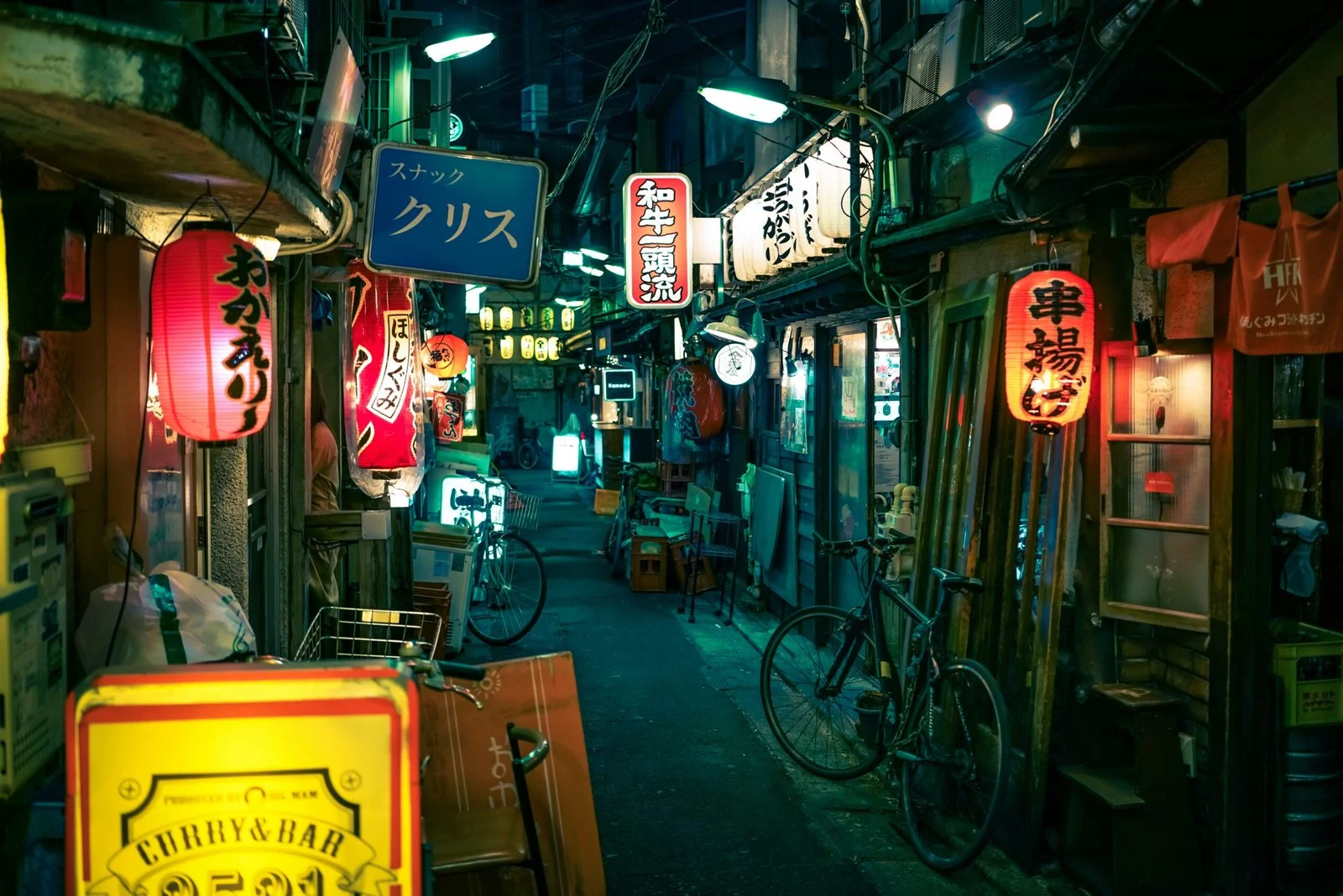
Kantō sheds its neon cloak for quiet shrines and snow-capped Fuji views, revealing ancient forest trails and volcanic hot springs. This guide unlocks the seasons when Tokyo’s energy feels intimate and its countryside whispers.
Smart Travel Calendar
Shoulder Season
Your Smartest Windows
May (post Golden Week)
October to mid-November
Avoid: Golden Week (April 29–May 5) – peak domestic travel, hotels double, trains overflow. Obon week (mid-August) brings similar crowds and prices.
What the Sky Does
Late spring: 15–25°C (59–77°F) / Autumn: 12–22°C (54–72°F)
Low humidity and comfortable breezes – perfect for outdoor exploration
Autumn brings vibrant red and gold koyo foliage across Nikko and Mt. Takao
Occasional typhoon remnants in early October (usually brief)
How Empty It Feels
40–50% fewer tourists than peak cherry blossom season
Tokyo landmarks feel lively but never suffocating
Kamakura’s Great Buddha and Tsurugaoka Hachimangu Shrine: easy access
Hakone’s ropeways and pirate ships have reasonable queues
What You’ll Save
30–40% off flights and hotels vs. April or November peak foliage
JR Tokyo Wide Pass offers unlimited regional travel for ¥10,180/3 days
Onsen ryokan rates drop significantly outside peak foliage weeks
Museum entries and attractions without premium holiday pricing
The Secret Perk
May: Wisteria tunnels at Ashikaga Flower Park and fresh greenery across national parks
October: Grape and chestnut harvests at local farms, plus stunning Mt. Fuji visibility
Soft golden light: Early mornings and late afternoons make temples and gardens glow
Hydrangeas at temples: Late May to June brings blooming ajisai at Kamakura’s temples
The Tiny Trade-Off
No cherry blossoms or peak autumn colors (though May offers lush greens)
Early October can bring a typhoon squall (usually fast-moving)
Some rural ropeways close for maintenance in early June
Early May impacted by Golden Week spillover
Smart Traveler Tip
Target mid-May to early June or October 15 – November 15 for the perfect balance
For autumn foliage, start in Nikko’s highlands (late October) then head to Tokyo (late November)
Use the JR Tokyo Wide Pass to maximize value across Hakone, Kamakura, and Nikko
Deep Off-Season
Your Smartest Windows
January (after Jan 3) to February
Late November to early December
Avoid: New Year’s week (Dec 30–Jan 3) – closures everywhere, Japan’s biggest domestic travel crush. Christmas illuminations draw crowds but not peak pricing.
What the Sky Does
Tokyo lowlands: 2–10°C (36–50°F) / Mountain areas: -5 to 5°C (23–41°F)
January–February: brilliant blue skies, crisp dry air, and stunning Mt. Fuji visibility
Japanese Alps and Nikko: reliable snow cover for winter activities
Late November: cool, dry, and perfect for foliage without peak crowds
How Empty It Feels
60–70% fewer tourists vs. peak season – you’ll feel like a local explorer
Senso-ji Temple in Asakusa: early mornings are practically yours alone
Ghibli Museum tickets become obtainable without lottery pressure
Small towns like Kawagoe or Chichibu feel peaceful and authentic
What You’ll Save
50–60% off peak-season rates (cherry blossom or autumn foliage)
Flights: often under $600 round-trip from US/Europe in January
Business hotels: ¥4,000–6,000/night (normally ¥12,000+ in spring)
Car rental for Nikko or Hakone: 50% less than February holiday rates
The Secret Perk
Winter onsen: Soak in open-air rotemburo at Hakone or Gunma with steam rising against snow
Mt. Fuji clarity: Winter offers the highest visibility for that postcard-perfect shot
Plum blossom season (ume) in February – fragrant and crowd-free alternative to sakura
Winter illuminations: Magical light displays across Tokyo without peak holiday crowds (early January)
Real local winter: Eat nabe hot pot and warm oden at cozy izakayas
The Tiny Trade-Off
Beach towns (Kamakura’s coast, Shimoda) are too cold for swimming
Some small island ferry services (Izu, Ogasawara) operate on reduced winter schedules
Rural restaurants may close one day weekly or close early (9 PM)
Daylight: only 7–8 hours in January (sunset by 4:45 PM)
Smart Traveler Tip
January 10 – February 10: The absolute quietest, most affordable window in Kantō
For onsen with snow views: head to Hakone, Gunma’s Kusatsu, or Nikko’s Yumoto
Pack layers and non-slip shoes – Japanese winter feels colder due to humidity and stone temple paths
For mildest deep off-season: coastal Kamakura and Chiba’s Boso Peninsula (5–12°C / 41–54°F)
Find Off-Peak Flights
Top Off‑Season Stays
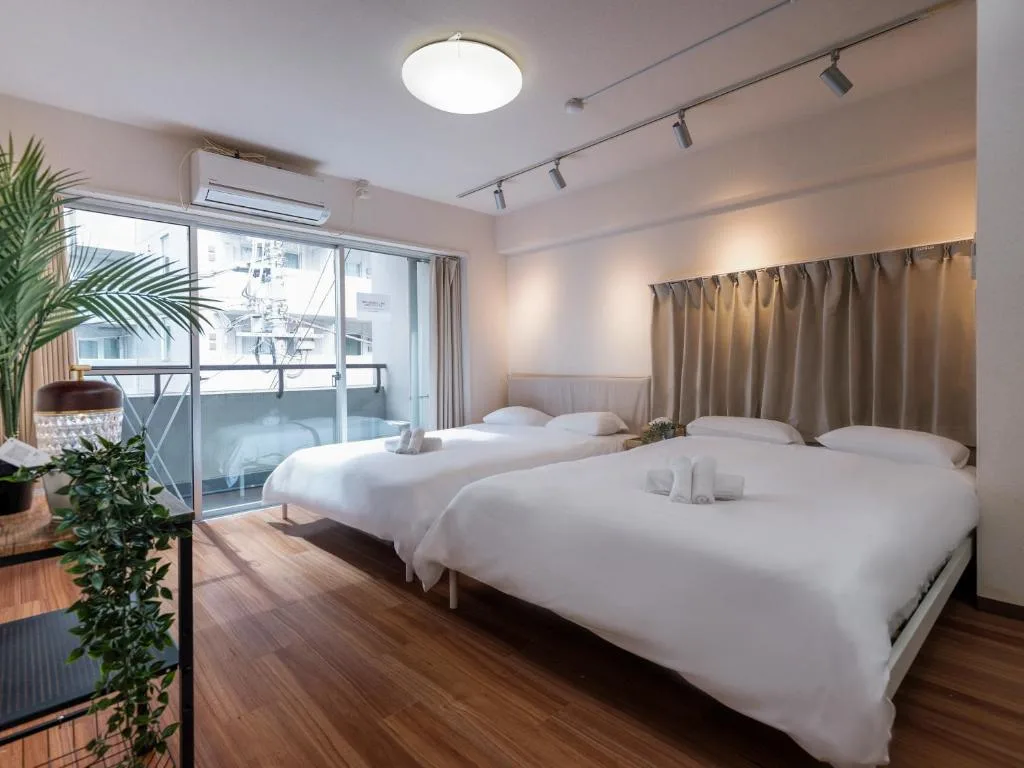
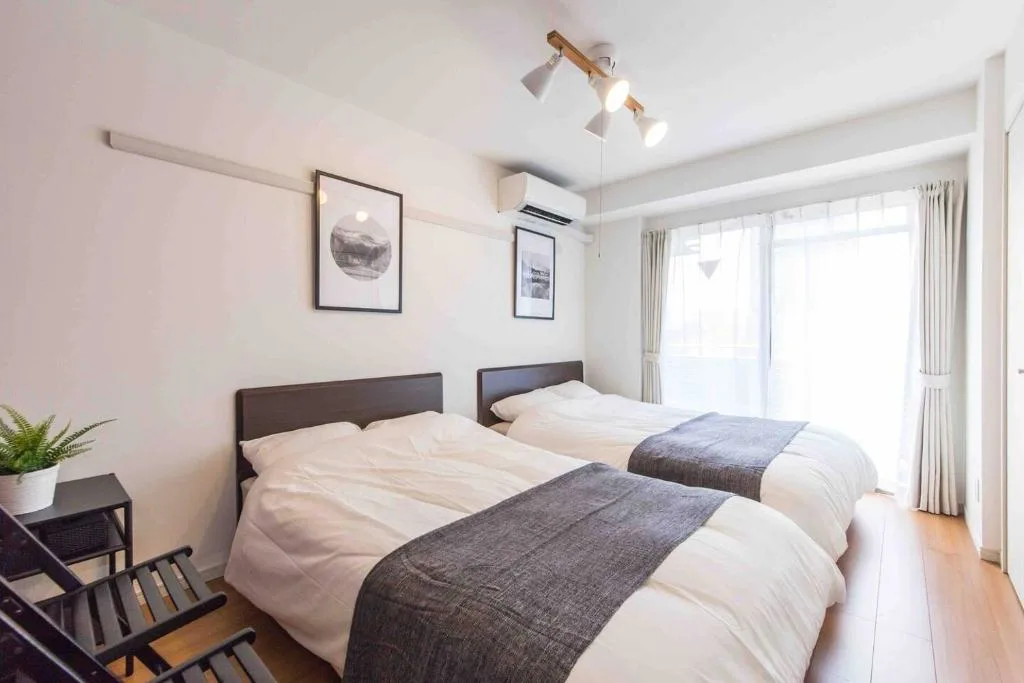
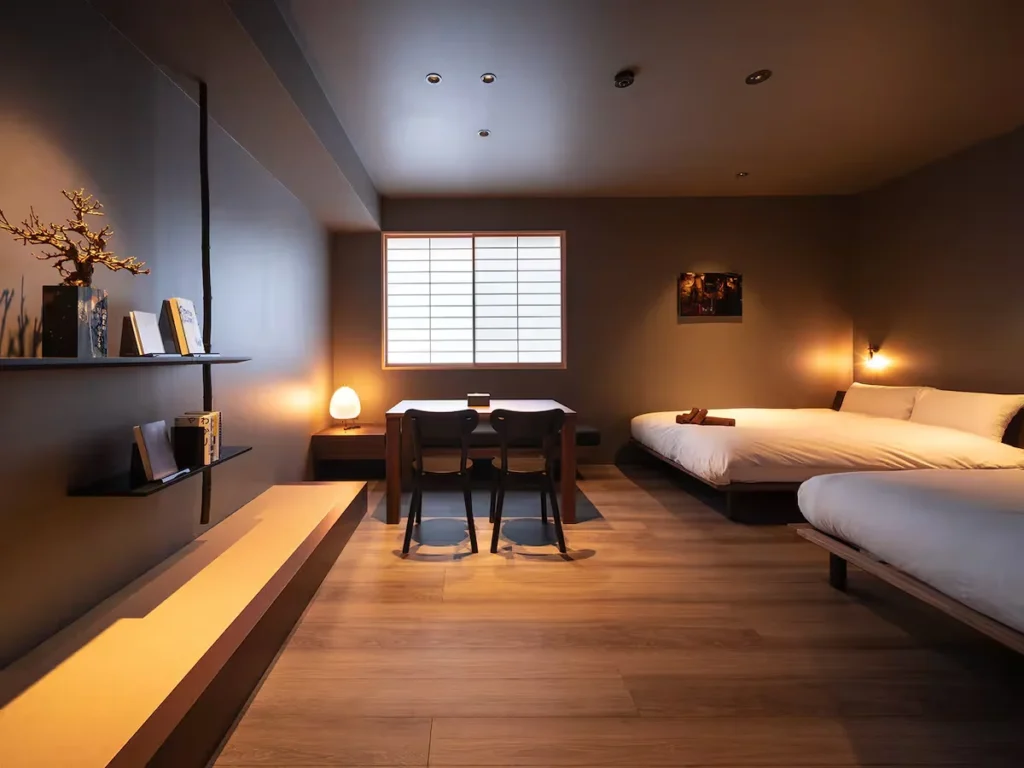
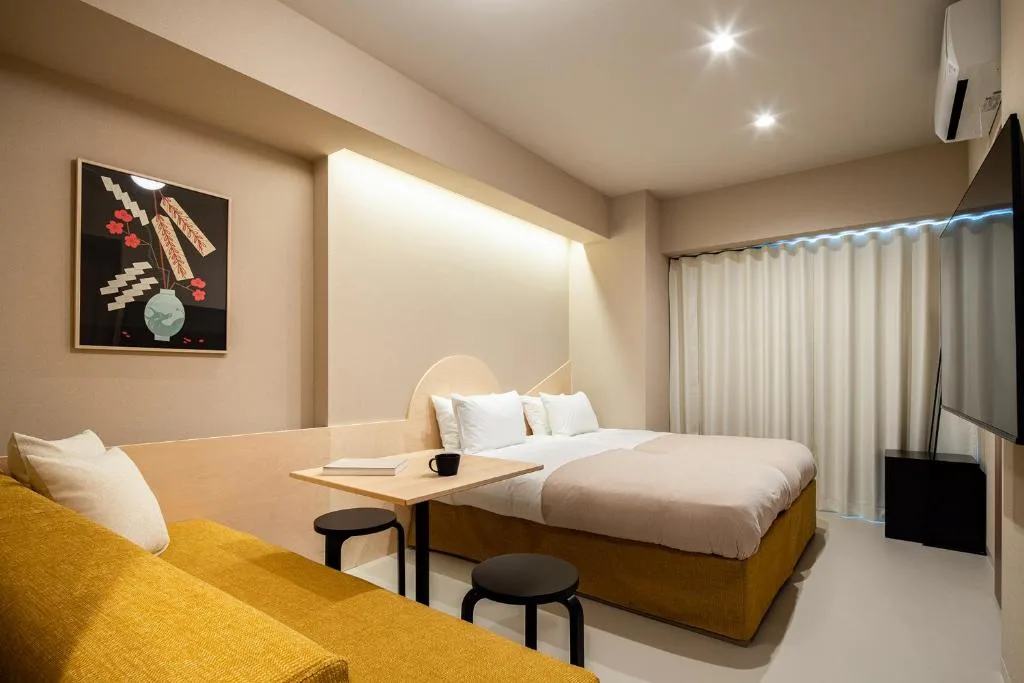
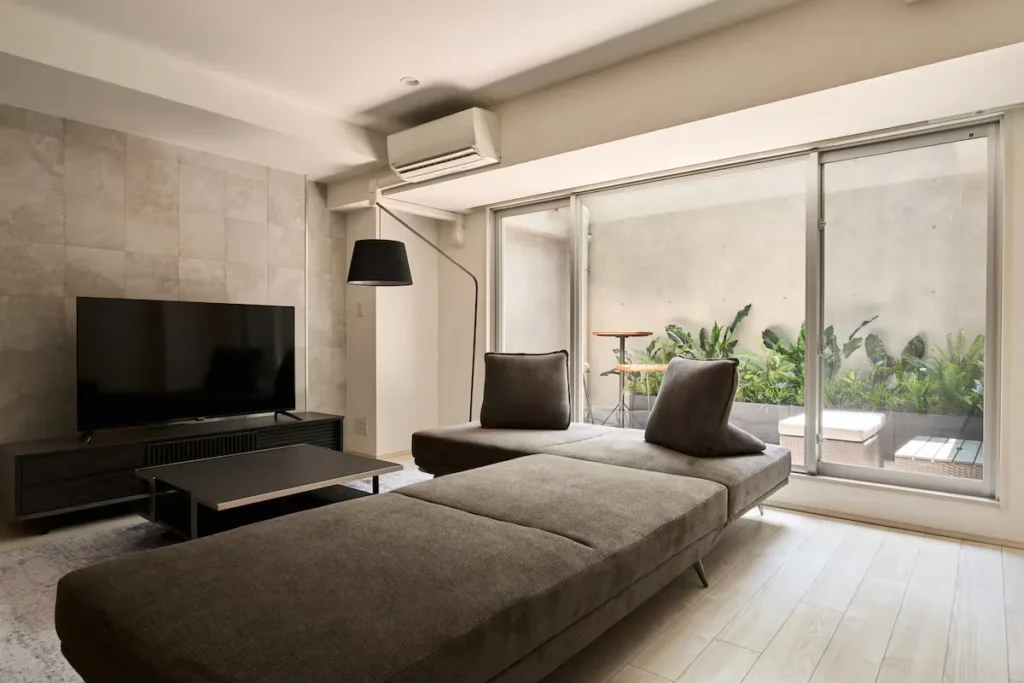
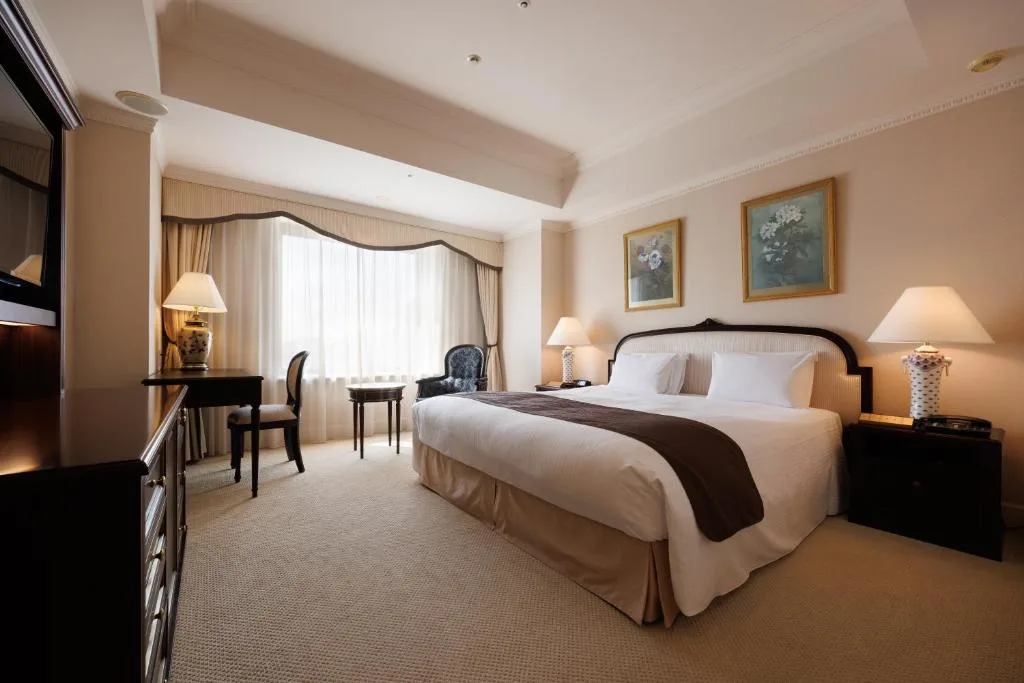
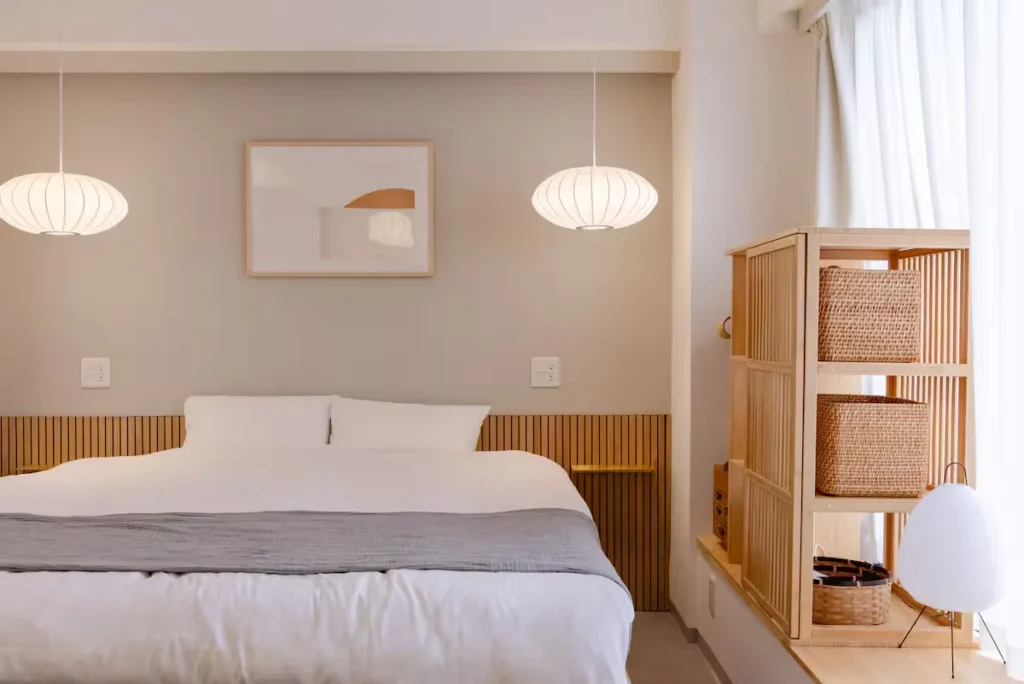
Find below our curated selection of boutique hotels and design apartments that offer exceptional value, atmosphere, and comfort during the off‑season — often at significantly lower rates than peak months.
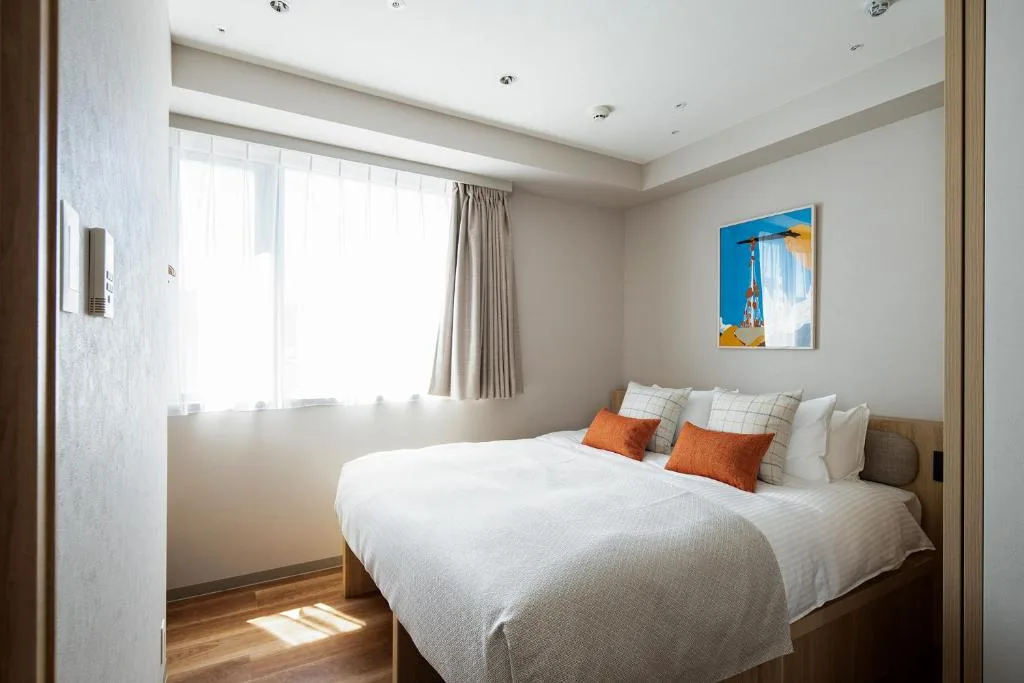
Section L Shimbashi West
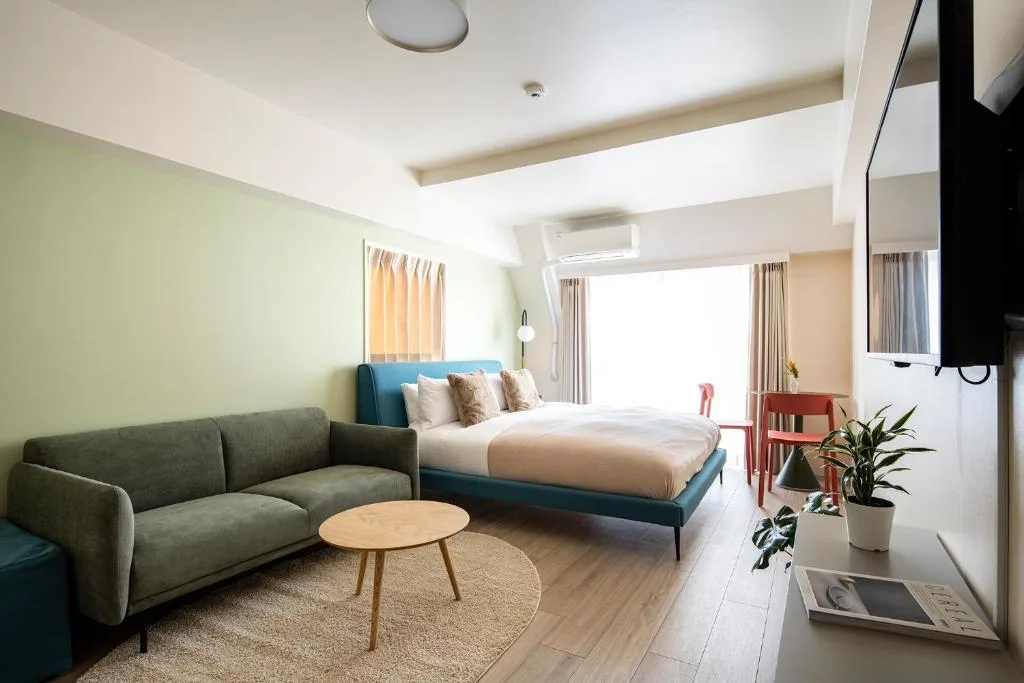
Section L Hamamatsucho
Uncrowded Experiences & Tours
Skip the lines and experience iconic landmarks at your own pace. Discover curated local tours and cultural activities designed to show you the authentic side of the destination without the peak-season rush.
Handy Tips
Weather & Climate
The climate is generally temperate and four-seasonal. Summers (June-August) are hot and very humid. Winters (December-February) are cold but often sunny. Spring and Autumn are marked by pleasant, mild weather, with seasonal features like the Tsuyu (rainy season) from early June to mid-July.
Local Customs And Etiquette
Bowing: A fundamental form of greeting and respect. A quick, slight nod of the head is usually sufficient for visitors.
Tipping: Tipping is not customary and can be considered rude or confusing. The price you see is the price you pay.
Onsen (Hot Springs): You must wash thoroughly before entering the bath. Most onsen have a strict no-tattoo policy (or require them to be covered) due to historical associations.
Budgeting For Your Trip
Accommodation: Hostels ($30–$60), mid-range hotels ($100–$200), luxury ($250+). Prices in Tokyo are at the higher end of the scale.
Food: Fixed-price lunch set ($8–$15), dinner at an inexpensive restaurant ($15–$30 per person), fine dining ($70+).
Transport: Local rail/metro ticket ($1.50–$4), Japan Rail Pass (if traveling nationally) or regional passes like the JR Tokyo Wide Pass.
Activities: Temple/Museum entry ($4–$15), Tokyo Skytree Observation Deck ($15–$30).
Daily Budget:
- Budget: $80–$120 (hostels, convenience store food, local transport).
- Mid-range: $150–$250 (mid-range hotels, restaurants, key attractions).
- Luxury: $300+ (high-end hotels, gourmet meals, private tours).
Getting Around
By Train/Metro: The most efficient way to travel, especially within Tokyo and for day trips. The network is complex but extremely punctual. Get an IC card (Suica or Pasmo) for seamless travel.
By Shinkansen (Bullet Train): Used for connecting Tokyo to other major regions of Japan.
By Bus: Excellent for local travel in less-populated, mountainous areas like Hakone or Nikkō.
Must-Try Food
Monjayaki: A savory, runny pancake cooked on a teppan griddle, a Tokyo specialty from the Tsukishima area.
Edomae Sushi: The original style of sushi, perfected in the Tokyo (Edo) area, focusing on fresh, cured fish.
Tokyo-style Shoyu Ramen: A traditional ramen with a clear, brown soy-sauce-based broth.
Fukagawa Meshi: A Tokyo comfort dish of rice topped with miso-flavored clams and leeks.
Navy Curry: A historical curry served on rice, a specialty of Yokosuka, a port city in Kanagawa.
Utsunomiya Gyoza: Dumplings from Tochigi Prefecture, known for their variety (fried, steamed, boiled).
Himokawa Udon: Extremely wide, flat noodles from Gunma Prefecture.
Anpan: A sweet Japanese roll filled with a delicious red bean paste (anko).
Ningyo-yaki: Small, cake-like sweets baked in shapes, often filled with anko and a famous souvenir from the Asakusa area.
Taiyaki: A fish-shaped cake, often a street food, traditionally filled with anko.
Must-Try Drinks
Japanese Whisky: The region is home to world-renowned distilleries, including those near Mt. Fuji, producing both Single Malt and Blended Whiskies.
Ginjo/Daiginjo Sake: High-quality sake from the many breweries across the Kantō region, known for its light, fruity, and aromatic profile.
Yuzu Sour: A popular, refreshing cocktail made with shochu (or sometimes vodka/gin), soda water, and the distinctively fragrant yuzu citrus.
Matcha: High-quality powdered green tea, often enjoyed at traditional tea houses around historical sites like Kamakura and Nikkō.
Hoppy: A low-malt, near-beer beverage, often mixed with shochu, popular in traditional Izakaya (Japanese pubs).
Craft Beer: Tokyo and Yokohama have a booming craft beer scene, with many local breweries offering a variety of excellent brews.
Ramune: A sweet, carbonated soft drink, often found at festivals, famous for its distinctive marble-in-the-neck bottle.
Shochu: A distilled spirit, less alcoholic than whisky, made from ingredients like rice, barley, or sweet potatoes.
Amazake: A sweet, thick, non-alcoholic or low-alcohol drink made from fermented rice, often served warm in the winter.
Umeshu (Plum Wine): A sweet and sour liqueur made by steeping ume plums in alcohol and sugar.