 Skip to content
- Does Hokkaido Have A True Off-Season Shoulder Period Between Summer And Winter?
Yes, absolutely, and it is one of the most underrated travel windows in all of Asia. The autumn shoulder season transforms the island into a canvas of fiery reds and golds, with comfortable hiking weather that is neither too hot nor too cold. You will experience the famous flower fields in their final bloom and enjoy outdoor adventures without the summer holiday crowds or the extreme winter chill.
The trade-off is that this period is shorter than in southern Japan, lasting only a few precious weeks. You will need to time your visit carefully, as the first snow can arrive unexpectedly and close certain mountain passes early. To truly "Exploit Travel Seasonality" here, aim for the heart of the autumn colors, and you will be rewarded with spectacular photography conditions and hotel discounts of 30% to 40%.
- How Much Can I Save On Lift Tickets And Ski Resorts By Visiting In The Deep Off-Season?
You can find discounts of 50% to 70% on lift tickets and ski resort accommodation if you visit before the official winter season begins or right as it ends. The slopes are still often dusted with snow, but the premium pricing has not yet kicked in, making it a paradise for budget-conscious snow lovers. Volomundi views this as the ultimate hack for learning to ski or snowboard without financial pressure.
The major drawback is that not all runs or chairlifts will be operational during these fringe weeks. You will have fewer trails to choose from, and the famous powder might not be as deep as peak February levels. However, you gain nearly empty slopes, no lift lines, and the chance to rent gear for a fraction of the standard rate, which is a fantastic trade for beginners or casual skiers.
- Will The Famous Hokkaido Seafood Markets Feel Disappointing During The Low Season?
No, they will actually feel more authentic and less stressful for you as a traveler. The local fishermen continue to bring in daily catches regardless of the calendar, so you will still feast on fresh crab, uni, and salmon at prices that are often 20% lower than in summer. The market vendors have more time to chat, offer samples, and guide you to the best seasonal specialties without rushing.
The only difference is that the buzzing, festival-like atmosphere of peak tourist season will be dialed down significantly. Some smaller stalls or seasonal pop-up eateries might close for a rest period, but the core, legendary vendors remain open year-round. For a food-focused traveler, this quieter setting is actually a blessing, allowing you to savor each bite at a peaceful counter rather than eating standing up in a crowd.
- Is The Transportation Network In Hokkaido Still Reliable For Global Travelers During Shoulder Months?
Yes, the major train lines and airport connections run reliably, but you must accept a slower pace of travel. The limited express services between cities like Sapporo and the northern regions operate on reduced schedules compared to summer, meaning fewer trains per day. You can definitely get where you need to go, but you will need to plan your connections with greater care and patience.
The upside is that rental car prices drop by nearly 40% during this time, giving you an incredible opportunity to explore remote national parks at your own rhythm. Volomundi highly recommends renting a vehicle during the shoulder season, as the empty roads and available parking at trailheads are luxuries that summer travelers can only dream of. Just watch for early frost on mountain passes if you are driving in late autumn.
- Why Should I Choose Hokkaido For An Off-Season Trip Instead Of Warmer Japanese Islands?
Because Hokkaido offers the most dramatic seasonal transformation and the steepest crowd drop-off in the entire country. You can exploit travel seasonality here to witness landscapes change from vivid autumn colors to silent snow mantles, all while paying nearly 50% less for accommodation than in Tokyo or Osaka. The sense of frontier-like solitude you will find is impossible to replicate in more developed regions.
The only thing you sacrifice is predictable, mild weather and the convenience of 24-hour urban conveniences. Some rural onsen towns and mountain lodges close completely during the deep off-season, so you must research carefully. However, for the adventurous soul who values fresh air, empty hiking trails, and genuine small-town hospitality over neon lights, Hokkaido during the shoulder and low seasons is simply unbeatable.

Home > Exploit The Seasons > Seasonal World Map > Asia > Japan > Hokkaido
HOKKAIDO
Hokkaidō shifts from powder-covered ski slopes to lavender-scented fields, revealing wild onsen and empty national parks. This guide unlocks the seasons when Japan’s northern frontier offers epic value, solitude, and authentic frontier spirit.
Smart Travel Calendar
Shoulder Season
Your Smartest Windows
May to early June (after Golden Week)
September to mid-October
Avoid: Golden Week (April 29–May 5) – last ski crowds and first flower crowds collide. Obon week (mid-August) brings domestic tourists to farms and national parks. Chinese New Year (Jan/Feb) sends skier numbers soaring.
What the Sky Does
Late spring: 8–18°C (46–64°F) / Autumn: 7–17°C (45–63°F)
Low humidity – Hokkaidō lacks mainland Japan’s sticky summer misery
September brings crisp air and Japan’s earliest autumn koyo (starting late September)
Spring snowmelt creates epic waterfalls across Shiretoko and Daisetsuzan
How Empty It Feels
50–60% fewer tourists vs. peak summer (July-August lavender) or peak winter (February skiing)
Sapporo’s Susukino district: grab a seat at any ramen shop without waiting
Furano’s flower fields: walk between lavender rows without jostling
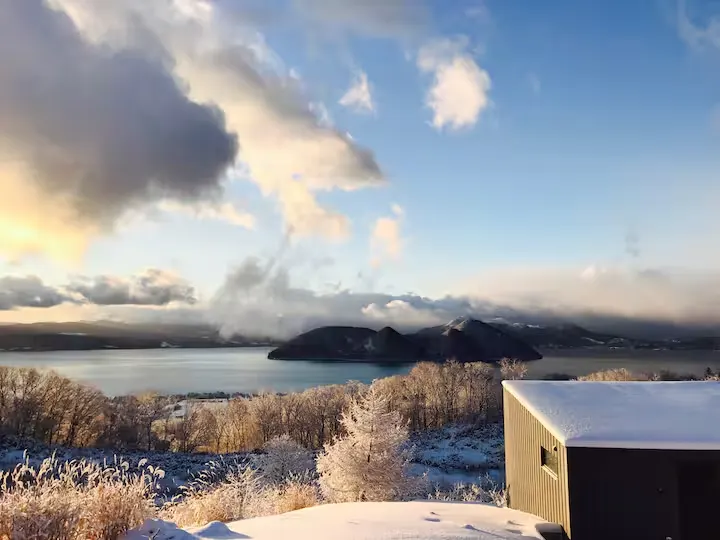
Lake Toya and Shikotsu: volcanic caldera views without tour bus crowds
What You’ll Save
40–50% off flights to New Chitose (CTS) vs. peak February (ski) or August (flower)
Onsen ryokan in Noboribetsu or Jozankei: $80–120/night with dinner (normally $200–300 in winter)
Car rental for national park road trips: $30/day (normally $80 in peak summer)
Ski resort hotels in off-season: $60/night (compared to $300 in February)
The Secret Perk
May: Shibazakura (moss phlox) blooms at Takino Suzuran Hillside Park – pink carpets without Furano’s crowds
September: Savor fresh sanma (Pacific saury) and ikura (salmon roe) – autumn harvest begins
Wildlife viewing: Brown bears emerge in Shiretoko (May-June) and deer roam Daisetsuzan (September-October)
Soft golden light: 4 AM sunrises in June – epic photography (or just enjoy daylight until 7 PM)
No mosquitoes yet (May) – hike Shiretoko’s trails without the buzzing menace
The Tiny Trade-Off
No peak lavender blooms (July) – though May-June has lovely flowering trees and fresh green
September can bring an early typhoon remnant (rare this far north, but possible)
Some mountain ropeways (Mt. Moiwa, Mt. Hakodate) close for 1-2 weeks for maintenance in late May or early October
Golden Week spillover: first week of May still sees leftover skiers
Smart Traveler Tip
Target mid-May to mid-June or September 15 – October 15 for the perfect balance
For autumn colors, Hokkaidō peaks in early October (Daisetsuzan) to mid-October (Sapporo, Hakodate) – before mainland Japan’s crowds
Use the Hokkaidō Rail Pass (5 days for $200) or rent a car for maximum flexibility
Deep Off-Season
Your Smartest Windows
November (after foliage ends) to mid-December
January (after Jan 3) to February (except ski peak)
Avoid: New Year’s week (Dec 30–Jan 3) – ski resorts triple prices, flights sell out. Sapporo Snow Festival (early February) brings massive crowds and premium hotel pricing. Chinese New Year (late Jan/early Feb) fills Niseiko.
What the Sky Does
70–80% fewer tourists vs. peak – outside ski resorts, Hokkaidō hibernates
Asahiyama Zoo (famous penguin walk) has manageable queues (not the 90-minute summer madness)
Otaru’s canal district: stroll romantic snow-covered streets almost alone (pre-Snow Festival)
National parks: Daisetsuzan and Shiretoko roads closed – but winter trekking is for serious adventurers only
How Empty It Feels
Up to 75% fewer tourists than August – you’ll recognize the same faces all day.
Strasbourg Cathedral platform has zero queue – you and the storks own the view.
Musée d’Unterlinden feels like a private meditation chamber, not a museum.
Villages like Eguisheim return to real life: baker, butcher, nobody taking selfies.
What You’ll Save
55–70% off peak-season rates (summer flower fields or February ski weeks)
Flights to New Chitose: often under $450 round-trip from US West Coast in late January (avoid Snow Festival dates)
Hotels in Sapporo: $40–60/night (normally $150–200 during Snow Festival)
Car rental with snow tires: $25/day (winter rates drop except holiday weeks)
The Secret Perk
Snow-free onsens soaks in -10°C – outdoor rotemburo with steam rising into frozen air, snow on your head
December-January crab season peak – Hokkaidō’s king crab and hairy crab at their cheapest (markets offer whole crabs for $20-30)
Sapporo Winter Festival BEFORE the crowds – late January pre-festival has ice sculptures but not the millions of visitors
Real local winter: Warm up with Jingisukan (Genghis Khan lamb BBQ) and kani nabe (crab hot pot)
Wildlife watching in winter: Red-crowned cranes in Kushiro (January-February) – dancing in the snow
Icebreaker ships off Abashiri (late January-mid-February) – see Sea of Okhotsk’s drift ice, a unique Arctic experience
The Tiny Trade-Off
NATIONAL PARKS CLOSE: Daisetsuzan and Shiretoko’s interior roads are impassable (November-April)
Some rural onsen towns (Sounkyo, Shikaribetsu) have only 2-3 restaurants open in winter
Daylight: only 6-7 hours in December (sunset by 4 PM in Sapporo, 3:30 PM in Abashiri)
Ferry services to small islands (Rishiri, Rebun) are fully suspended (November-April)
Smart Traveler Tip
January 10 – January 30: The absolute quietest window – ski resorts are empty (between Christmas and Chinese New Year), cities are calm
For deep powder without crowds: go to Rusutsu or Furano instead of Niseiko (same snow, half the Australians)
Pack serious winter gear: thermal base layers, insulated boots, snow gloves, and a balaclava. Hokkaidō cold is no joke.
For mildest deep off-season: Hakodate (southern tip) averages -2°C / 28°F vs. -15°C / 5°F in Asahikawa
Find Off-Peak Flights
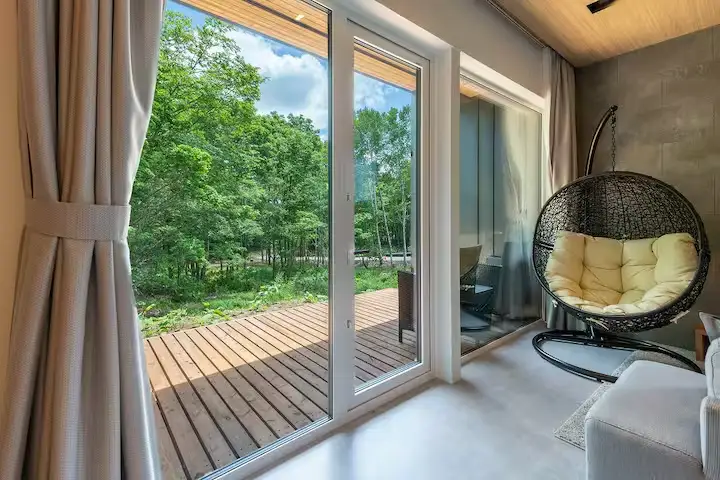
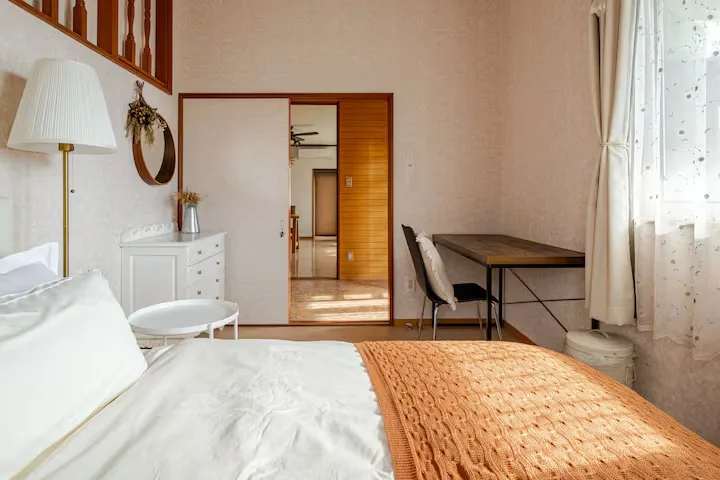
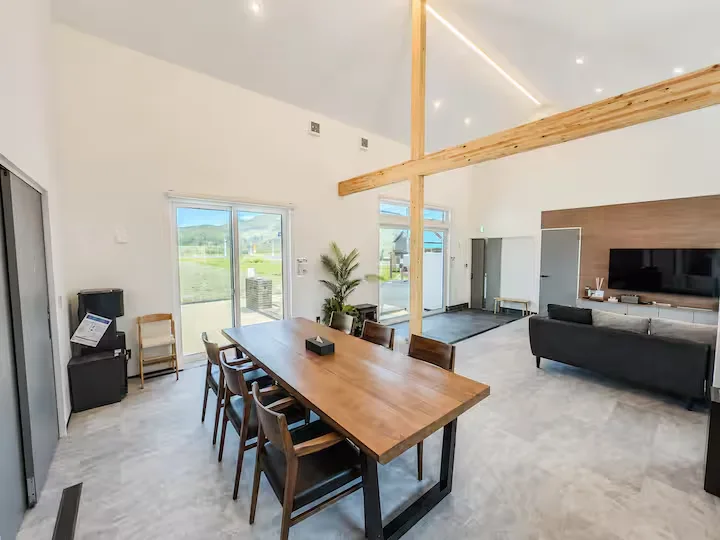
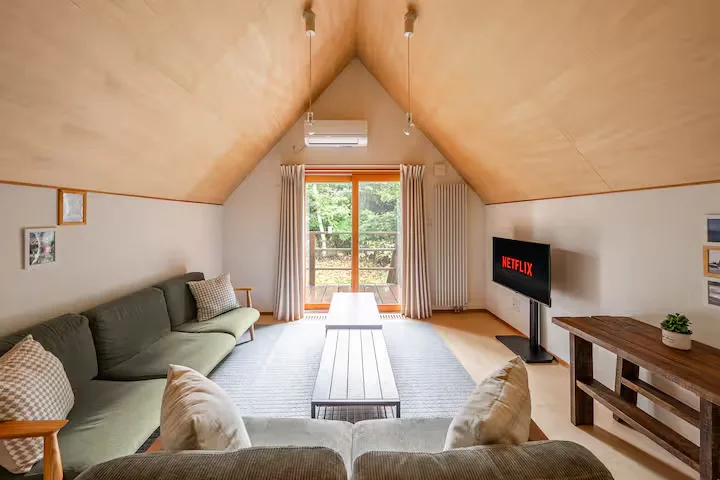
Top Off‑Season Stays
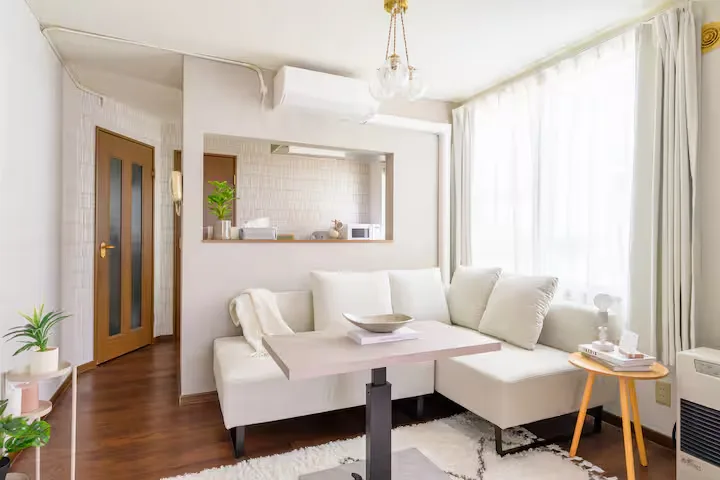
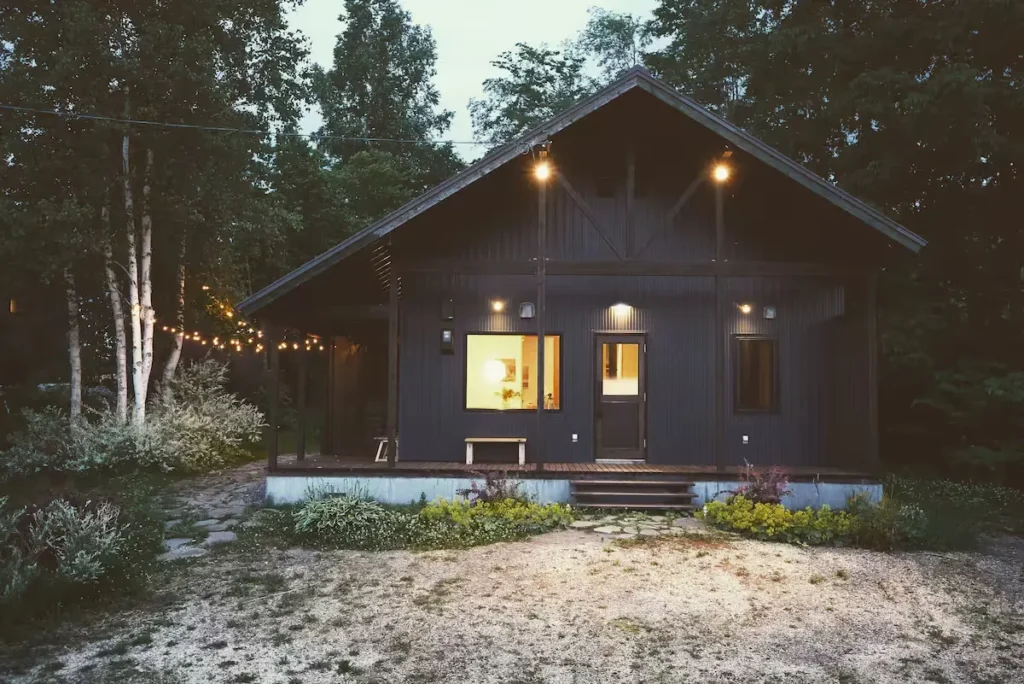
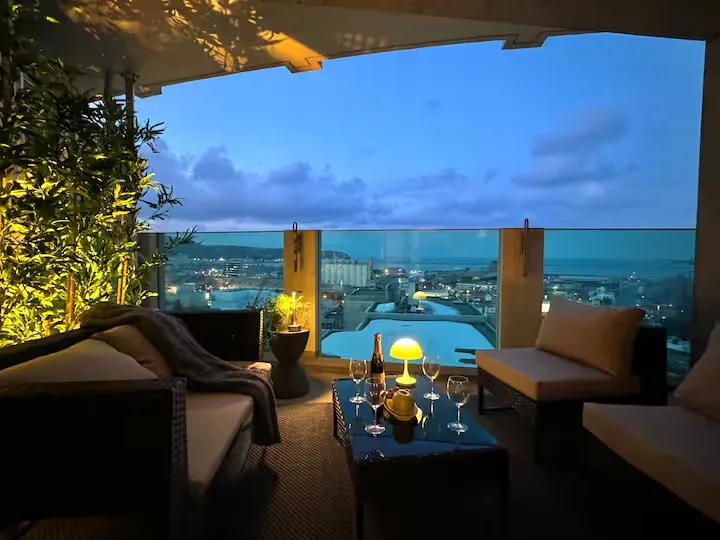
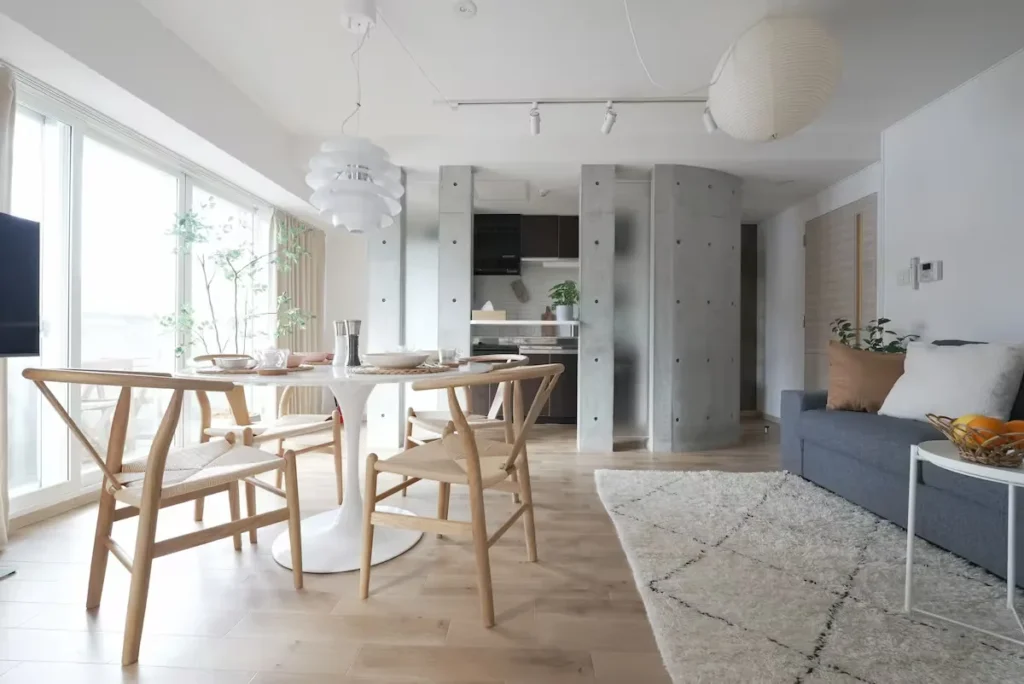
Find below our curated selection of boutique hotels and design apartments that offer exceptional value, atmosphere, and comfort during the off‑season — often at significantly lower rates than peak months.
Uncrowded Experiences & Tours
Skip the lines and experience iconic landmarks at your own pace. Discover curated local tours and cultural activities designed to show you the authentic side of the destination without the peak-season rush.
Handy Tips
Weather & Climate
The climate is much cooler than the rest of Japan. Summers (July-August) are mild and pleasant, with low humidity. Winters (December-March) are extremely cold with heavy, consistent snowfall and below-freezing temperatures.
Local Customs And Etiquette
Onsen (Hot Springs): Hokkaido has many famous onsen. Traditionally, you must thoroughly wash before entering the bath, and tattoos are often prohibited in public onsen.
Seating: Be aware of kamiza (seat of honor). In traditional rooms, the seat furthest from the entrance is for the most important guest.
Ainu Culture: Be respectful when engaging with the culture and history of the indigenous Ainu people, particularly in museums and cultural parks like Upopoy.
Budgeting For Your Trip
Accommodation: Hostels ($30–$50), mid-range hotels/business hotels ($80–$150), luxury/ryokan ($180+). Prices double during the Sapporo Snow Festival.
Food: Quick meal/ramen ($8–$15), fixed-price lunch ($15–$25), dinner at a mid-range restaurant ($35–$60 per person).
Transport: Inter-city train/bus (varies widely), city subway/bus (approx. $1.50–$3 per ride).
Activities: Ski pass ($50–$80/day), museum/attraction entrance ($5–$15).
Daily Budget:
- Budget: $70–$120 (hostels, ramen, public transport).
- Mid-range: $130–$200 (hotels, restaurants, attractions, some train travel).
- Luxury: $220+ (onsen resorts, gourmet meals, rental car).
Getting Around
By Train: The JR train network connects major cities like Sapporo, Hakodate, and Asahikawa. Consider the JR Hokkaido Rail Pass for extensive travel.
By Car: Renting a car offers the most flexibility for exploring national parks and flower fields, especially outside of major cities. Be extremely cautious of snow and ice if driving in winter.
By Bus: Buses are a good option for inter-city travel and reaching remote destinations not served by trains.
Must-Try Food
Kaisen-don: A rice bowl topped with the freshest catch, often including uni (sea urchin), ikura (salmon roe), and fresh crab.
Sapporo Miso Ramen: A rich, savory miso broth with a generous pat of butter and corn, designed to warm you in the cold climate.
Genghis Khan (Jingisukan): Mutton and vegetables grilled on a dome-shaped metal grill and dipped in a soy-based sauce.
Soup Curry: A thin, intensely flavorful curry broth with large chunks of local vegetables and meat.
King Crab / Snow Crab / Horsehair Crab: Hokkaido’s famous crab is often served simply, boiled or grilled, to highlight its sweet flavor.
Ika Somen (Squid Sashimi): Raw squid sliced into thin strips resembling noodles, particularly famous in Hakodate.
Buta-don: Thick slices of pork grilled in a sweet-savory soy glaze and served over rice, a specialty of the Obihiro area.
Hokkaido Corn: Remarkably sweet corn, often eaten simply boiled or grilled with soy sauce in the summer.
Hokkaido Milk Products: Creamy, rich dairy used in fresh milk, butter, cheese, and famous soft-serve ice cream.
Melon (Yubari King): World-renowned, expensive, and exceptionally sweet cantaloupe melons, a summer delicacy.
Shiroi Koibito: A famous souvenir cookie—two thin butter biscuits with a layer of white chocolate.
Must-Try Drinks
Sapporo Beer: One of Japan’s oldest and most popular beer brands, brewed in the city of its namesake.
Local Sake (Nihonshu): Sake made with Hokkaido’s famous, clean water and cold climate.
Whisky (Yoichi Distillery): A renowned Nikka whisky distillery located on the coast, known for its rich, peaty flavor.
Haskap Liqueur: A sweet, slightly tart liqueur made from the local haskap berry.
Hokkaido Wine: Wines, particularly white and sparkling, are an emerging product from the island’s cool-climate vineyards.
Soft Drink (Ribbon Napolin): A historic, distinctly orange-colored soda, popular in the region.
Trusted Partners For Smarter Travel
FAQs
Explore Japan
Plan Your Trip
Top Off‑Season Stays
Find below our curated selection of boutique hotels and design apartments that offer exceptional value, atmosphere, and comfort during the off‑season — often at significantly lower rates than peak months.