 Skip to content
- Is The Weather In Chūgoku Still Pleasant During The Off-Season Shoulder Months?
Yes, the weather can be surprisingly delightful if you know what to pack for. The shoulder seasons offer a welcome break from the intense summer humidity and the bitter chill of deep winter, with mild temperatures perfect for exploring outdoor landmarks like the sand dunes or the coastal paths. You will experience crisp, fresh air and the stunning transitional beauty of spring blossoms or autumn leaves without the sticky heat.
However, you should expect a higher chance of rain during these transitional periods compared to the peak summer months. To truly “Exploit Travel Seasonality” here, pack a reliable umbrella and a light waterproof jacket, and you will be rewarded with quieter trails and misty mountain views that photographers dream of. The rain often passes quickly, leaving the landscape sparkling and refreshed.
- How Much Can I Save On Accommodation By Visiting Chūgoku In The Low Season?
You can secure discounts of 30% to 50% on most hotels and traditional ryokan inns compared to peak holiday rates. This is the perfect time to upgrade your experience, as those luxury rooms with sea views or private open-air baths become surprisingly affordable. Your travel budget will stretch much further, allowing you to stay longer or splurge on nicer meals.
The main trade-off is that some smaller, family-run guesthouses in rural areas may close for a few weeks during the deepest off-season for annual maintenance. Always check availability in advance, but remember that the properties that remain open are often eager to provide exceptional, personalized service because they have so few guests. You get better value and more attentive hosts.
- Will I Have Trouble Getting Around Chūgoku By Train During The Deep Off-Season?
No, the extensive train network remains reliable year-round, so you will never be stranded. The iconic local lines and limited express trains continue to run on schedule, meaning you can still easily hop between prefectures to visit historic sites and gardens. You will actually enjoy the freedom of never having to reserve a seat or stand in a packed carriage.
The only real difference is that train frequency might be reduced slightly on very rural branch lines, requiring a bit more planning with your timetable. Instead of a train every 20 minutes, you might wait 60 minutes, but you will gain the benefit of having entire scenic cars almost to yourself. Use the quieter schedules to your advantage and relax into a slower, more meditative travel pace.
- Will The Major Attractions In Chūgoku Feel Empty Or Too Quiet During The Shoulder Season?
You will find the perfect “Goldilocks” zone of moderate crowds during the shoulder season. Attractions are never truly empty, but you will experience a 60% to 70% reduction in queue times compared to the national holiday peaks. This allows you to walk through famous castles and gardens at your own pace without constantly stepping aside for other tourists.
The slight drawback is that some seasonal food stalls or audio guide services may operate on shorter hours. Nevertheless, the atmosphere shifts from chaotic to serene, which is a massive win for anyone seeking authentic cultural immersion. You can actually hear the wind in the trees or the sound of gravel under your feet, turning a simple sightseeing stop into a meditative experience.
- Why Should I Choose Chūgoku For A Value-Focused Off-Season Trip Over Better-Known Japanese Regions?
Because Chūgoku offers the highest percentage discounts for the lowest crowd levels in all of Japan during the off-season. While Kyoto and Tokyo remain busy, you can exploit travel seasonality here to find nearly 70% fewer tourists at similar historic temples and coastal views. Your money buys authenticity here, not just a famous name.
The only thing you sacrifice is the “bragging rights” of visiting the most Instagram-famous spots. In exchange, you gain a deeply personal connection to local life, from fishermen on the coast to farmers in the valleys. Volomundi recommends this region for travelers who value genuine discovery over checking boxes, because the value and peace you will find are simply unmatched anywhere else in the country.

Home > Exploit The Seasons > Seasonal World Map > Asia > Japan > Chūgoku
CHŪGOKU
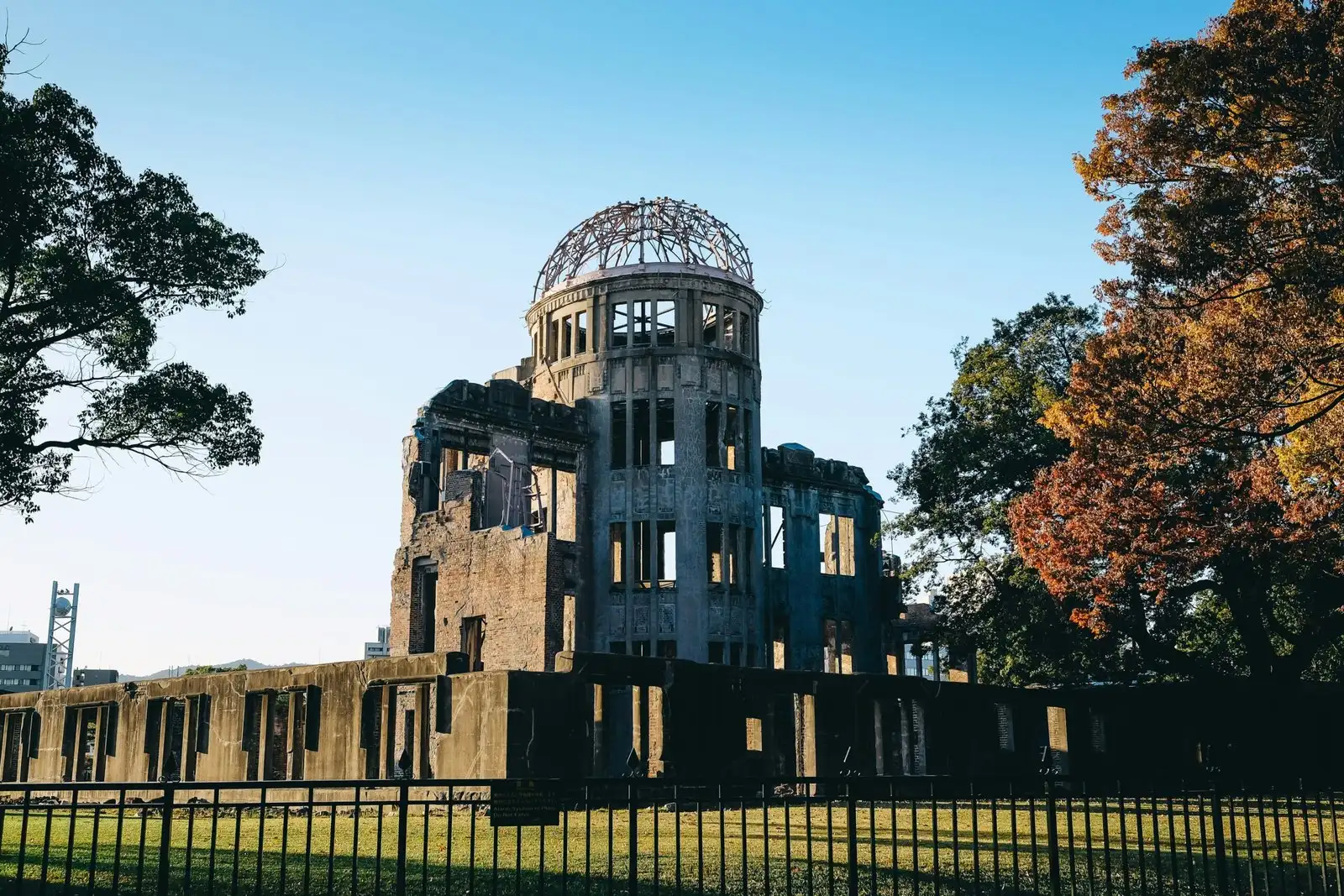
Chūgoku stretches between the Seto Inland Sea and the Japan Sea, from Miyajima’s floating torii to hidden coastal fishing villages. This guide unlocks the seasons when Hiroshima’s peace park feels personal and the region’s ancient shrines whisper without echoes.
Smart Travel Calendar
Shoulder Season
Your Smartest Windows
May (post Golden Week) to early June
October to mid-November
Avoid: Golden Week (April 29–May 5) – Miyajima ferries have 90-minute queues, hotels double. Obon week (mid-August) brings domestic crowds to Hiroshima and the Seto Inland Sea islands.
What the Sky Does
Spring: 14–23°C (57–73°F) / Autumn: 11–21°C (52–70°F)
Low rainfall – the Chūgoku mountains block much of Japan Sea moisture
October brings crisp air and early koyo colors at Miyajima’s Mt. Misen
Seto Inland Sea region is famously sunny – over 250 sunny days annually
How Empty It Feels
45–55% fewer tourists vs. peak spring cherry blossom or summer beach season
Miyajima Island: walk to the floating torii at low tide without photo-bombing
Hiroshima Peace Memorial Museum: reflect without shuffling through crowds
Tottori Sand Dunes: dunes feel endless and empty midweek
What You’ll Save
35–45% off flights to Hiroshima (HIJ) or Okayama (OKJ) vs. peak April or August
Traditional ryokan on Miyajima: $100–140/night with dinner (normally $200–300)
Seto Inland Sea island-hopping ferries: shoulder season pass discounts available
Car rental for San’in Coast road trips: $35/day (normally $65 in summer)
The Secret Perk
May: Fresh greenery and blooming azaleas across Matsue’s Adachi Museum gardens
October: Savor fresh kaki (oysters) from Hiroshima Bay – peak season begins
Soft golden light: Late afternoon at Izumo Taisha (Japan’s oldest shrine) is magical
Seto Inland Sea calm – glassy water perfect for kayaking around the art islands
Grape and pear harvest at local farms in Okayama (known as “fruit kingdom”)
The Tiny Trade-Off
No cherry blossoms or peak summer swimming in the Seto Inland Sea
Early October can bring a typhoon squall to the coast (usually passes quickly)
Some small art museums on Naoshima and Teshima close for 1-2 weeks in June
Golden Week spillover: first week of May still slightly busy
Smart Traveler Tip
Target mid-May to early June or October 5 – November 10 for the perfect balance
For autumn foliage, start at Miyajima’s Mt. Misen (late October) then head to Tottori (early November)
Use the JR Sanyo-San’in Area Pass (7 days for $180) for incredible value across the region
Deep Off-Season
Your Smartest Windows
January (after Jan 3) to February
Late November to mid-December
Avoid: New Year’s week (Dec 30–Jan 3) – Izumo Taisha sees massive crowds for first prayers. Many museums close for 3-5 days. Chinese New Year (Jan/Feb) brings some tour groups.
What the Sky Does
Seto Inland Sea coast: 2–10°C (36–50°F) / Japan Sea coast (Tottori, Shimane): 0–7°C (32–45°F)
January–February: brilliant blue skies – clearest visibility of the season
Japan Sea coast gets occasional snow – Tottori Sand Dunes with white dusting is surreal
Seto Inland Sea region is Japan’s sunniest winter destination (lowest rainfall)
How Empty It Feels
75–85% fewer tourists vs. peak season – Miyajima feels like a private island
Hiroshima Peace Park: benches are empty, time for genuine reflection
Kurashiki’s Bikan Historical Quarter: stroll canals without photo crowds
Small coastal towns (Onomichi, Tomonoura) feel undiscovered and authentic
What You’ll Save
60–70% off peak-season rates (cherry blossom or summer beach)
Flights to Hiroshima or Okayama: often under $500 round-trip from US West Coast in January
Hotels in Hiroshima: $40–60/night (normally $100–150 in April)
Miyajima ropeway ticket: winter discounts (half price some weekdays)
The Secret Perk
Winter illuminations: Hiroshima’s Dreamination light festival (November-January) – magical city-wide displays
Oyster season peak (January–February) – Hiroshima Bay produces 60% of Japan’s oysters, now at their sweetest
Real local winter: Warm up with anago (conger eel) hot pot or fugu (blowfish) in Shimonoseki
Secluded winter onsen in Misasa (Tottori) – one of Japan’s top radium hot springs, yours alone
Snow on the Tottori Sand Dunes – a surreal landscape of white sand and sea fog
The Tiny Trade-Off
Seto Inland Sea island-hopping ferries reduce frequency (some routes 50% fewer sailings)
Beach towns (Onomichi’s coast, Hiroshima seaside) are too cold for swimming
Some art islands (Naoshima, Teshima) have limited cafe/restaurant hours (many close by 6 PM)
Daylight: only 7–8 hours in January (sunset by 5:15 PM)
Smart Traveler Tip
January 10 – February 10: The absolute quietest window – Hiroshima feels personal, Miyajima peaceful
For oyster lovers: visit Hiroshima in late January (peak harvest and cheapest prices – $5 for a dozen grilled)
Pack warm layers and windproof jacket – winter winds off the Japan Sea are biting
For mildest deep off-season: stay on the Seto Inland Sea side (Okayama, Onomichi, Fukuyama) – less snow, more sun
Find Off-Peak Flights
Top Off‑Season Stays
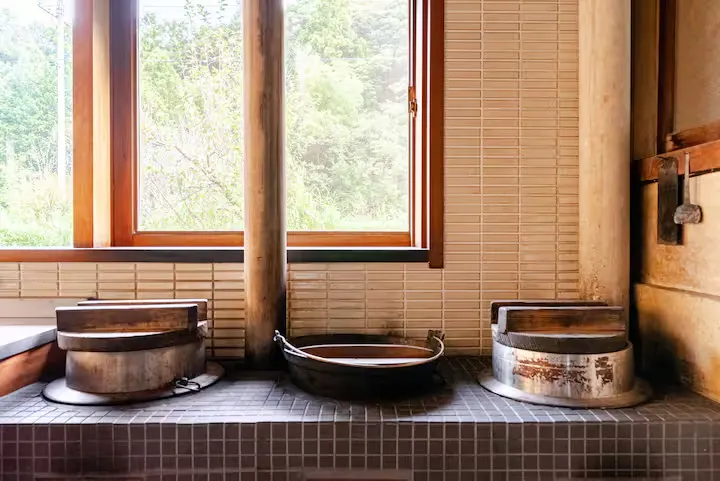
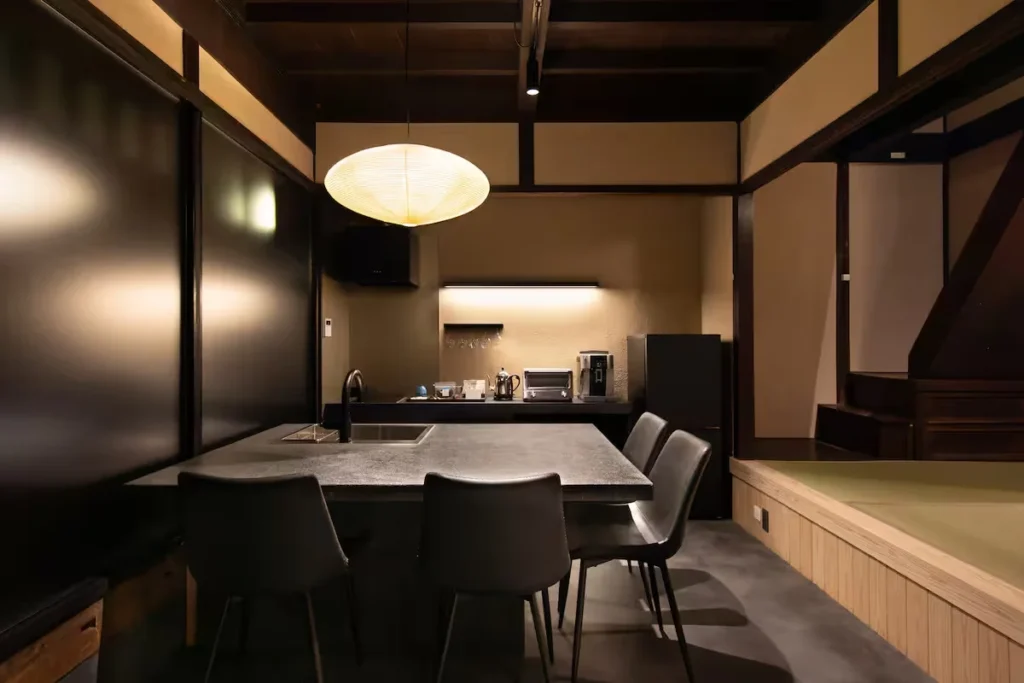
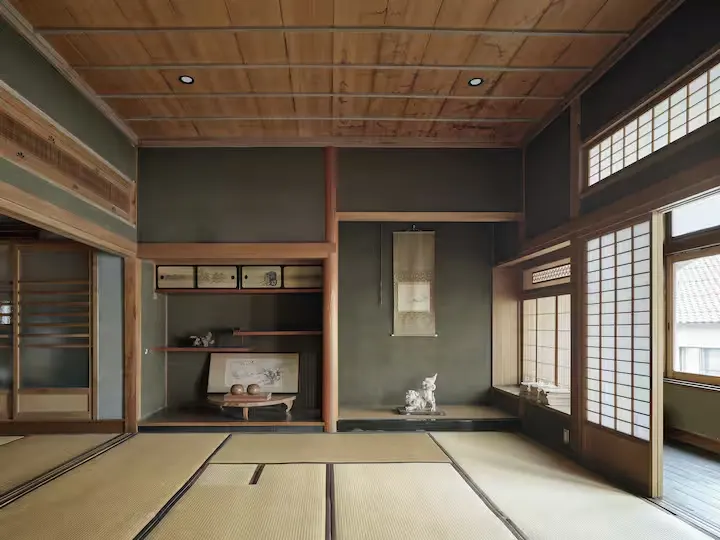
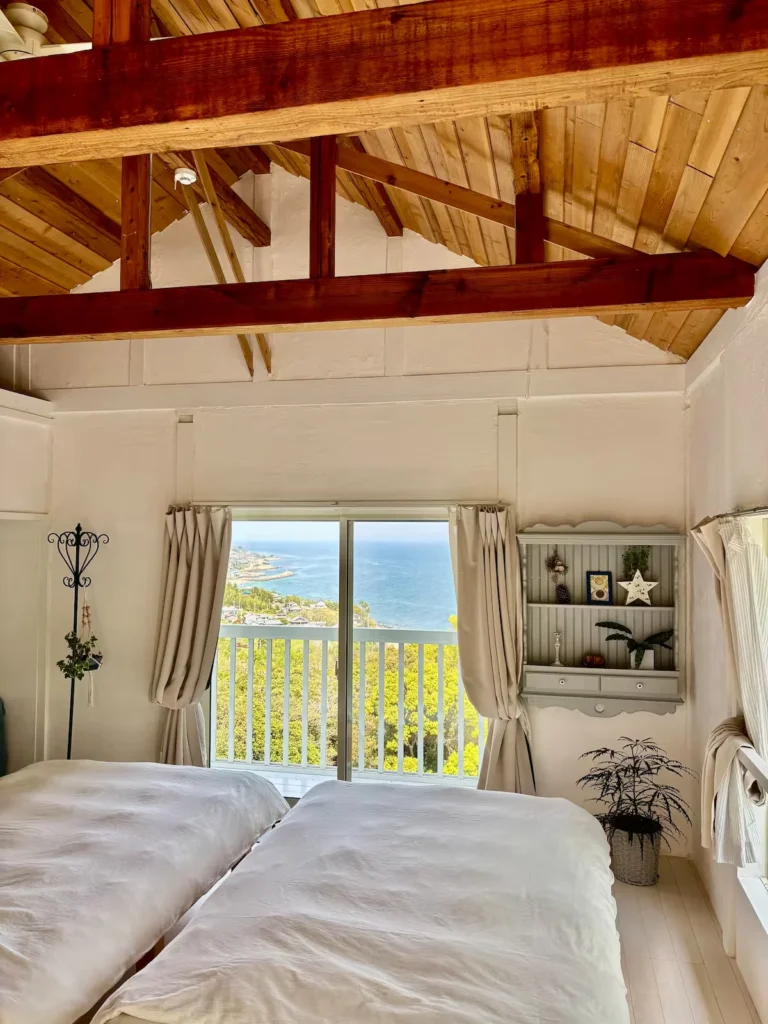
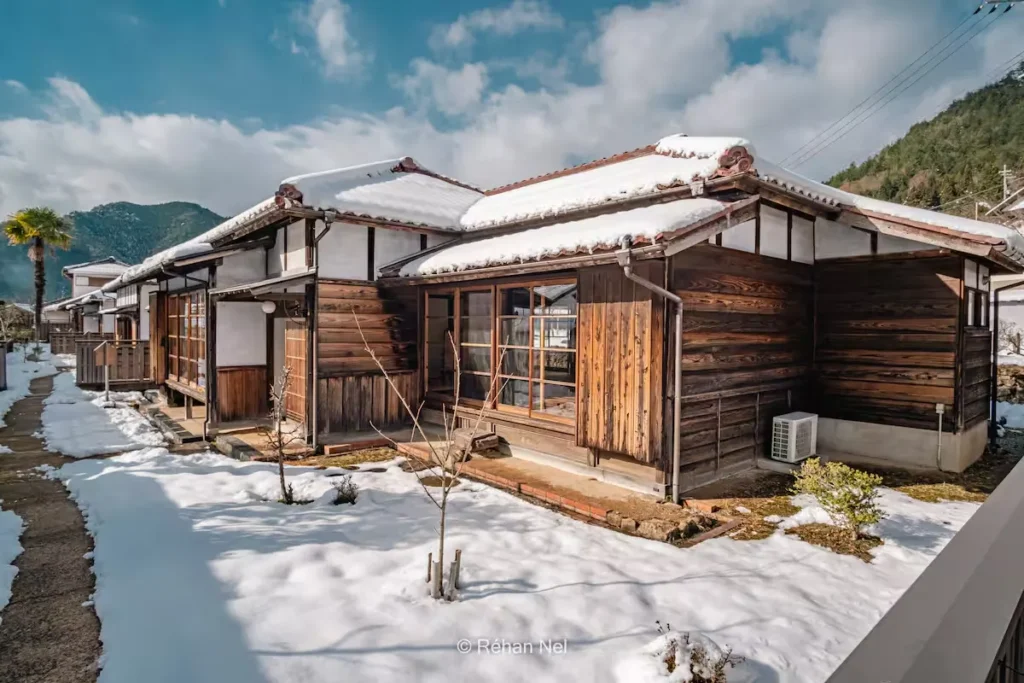
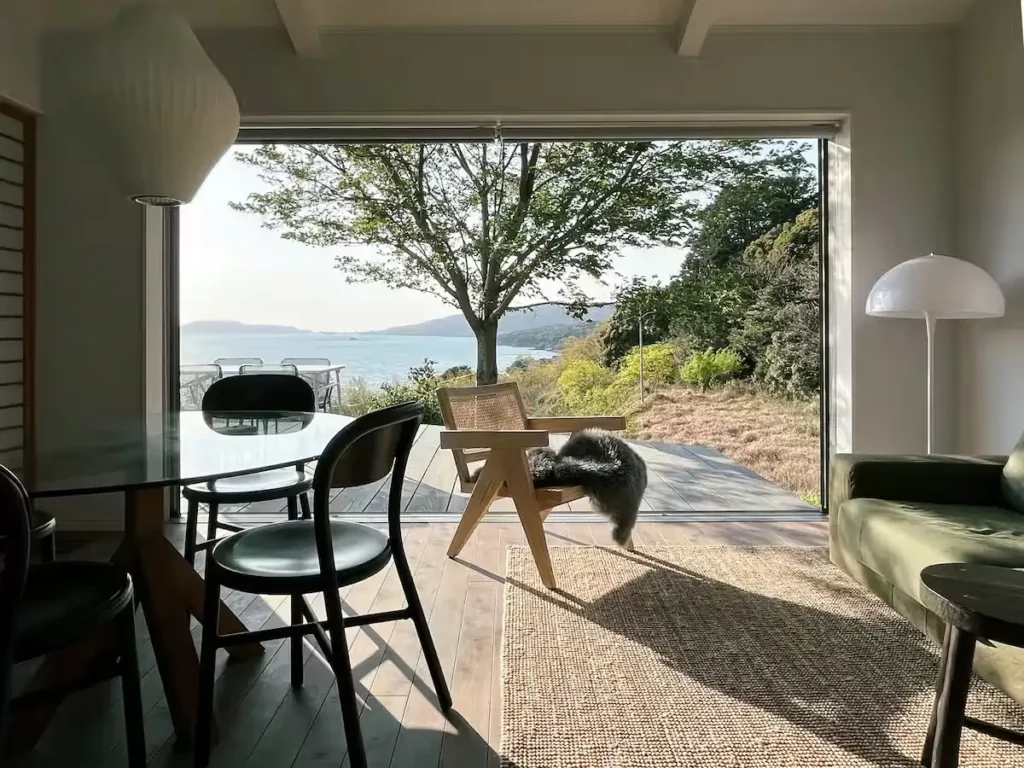
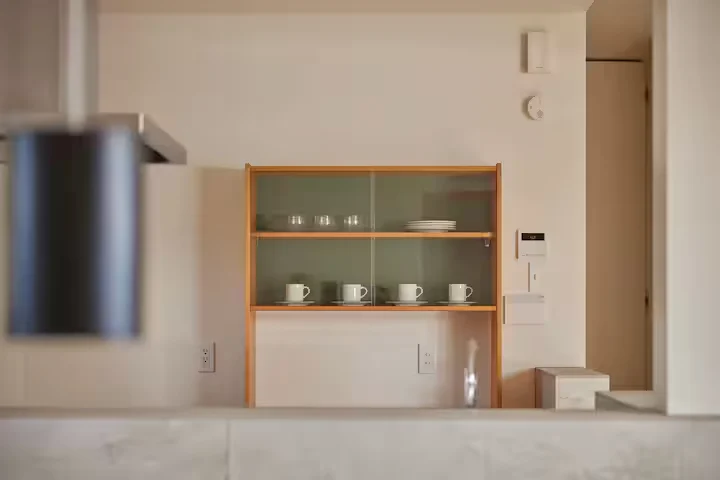
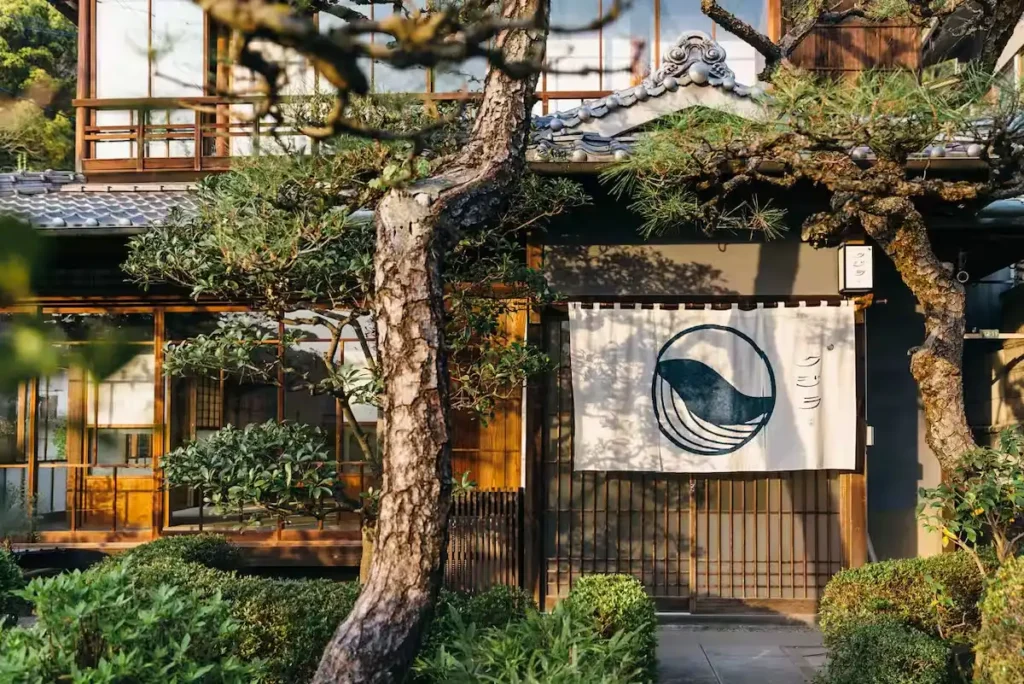
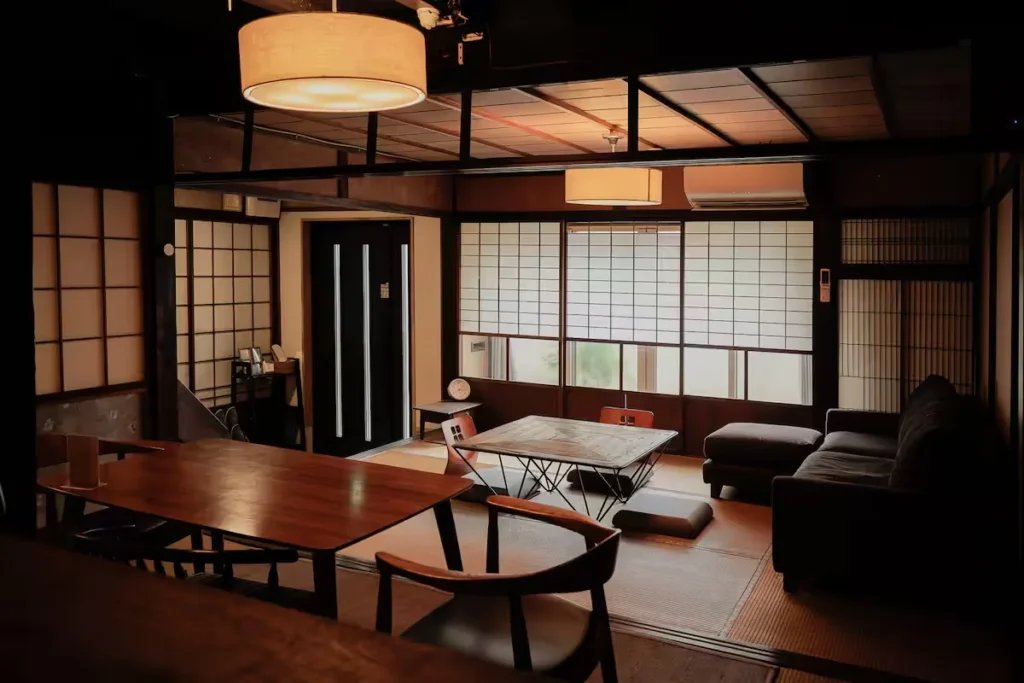
Find below our curated selection of boutique hotels and design apartments that offer exceptional value, atmosphere, and comfort during the off‑season — often at significantly lower rates than peak months.
Uncrowded Experiences & Tours
Skip the lines and experience iconic landmarks at your own pace. Discover curated local tours and cultural activities designed to show you the authentic side of the destination without the peak-season rush.
Handy Tips
Weather & Climate
The region is divided by mountains. The southern coast (San’yō) has a mild, “Seto Inland Sea” climate with low rainfall. The northern coast (San’in) experiences more extreme weather, with hot summers and snowy winters.
Local Customs And Etiquette
Language: Japanese is the official language. English is common in tourist areas like Hiroshima, but less so in the northern, more rural prefectures.
Punctuality: Japanese society values punctuality highly. Be on time for meetings, tours, and trains.
Itsukushima Shrine: The island of Miyajima is considered sacred. Do not litter, and respect the wild deer, but don’t feed them.
Budgeting For Your Trip
Accommodation: Hostels ($25–$50), mid-range hotels ($80–$150), luxury ($180+). Prices are generally lower outside of Hiroshima and Okayama.
Food: Casual dining (ramen/udon) ($7–$15), fixed-price lunch sets ($12–$25), dinner at a mid-range restaurant ($30–$55 per person), fine dining ($70+).
Transport: Local bus/train ticket ($2–$5), Shinkansen (bullet train) between cities (variable, often covered by a JR Pass).
Activities: Museum entry ($5–$15), Shimanami Kaidō bike rental ($10–$25/day), Miyajima ferry ($4 one-way).
Daily Budget:
- Budget: $75–$110 (hostels, fast food, local transport).
- Mid-range: $130–$200 (hotels, restaurants, attractions).
- Luxury: $220+ (boutique hotels/ryokans, gourmet meals, private tours).
Getting Around
By Train (JR Pass): The Sanyō Shinkansen connects Okayama and Hiroshima efficiently. The Japan Rail Pass is often the most economical way to travel long distances.
By Car: Excellent for exploring the San’in coast or the mountains where train access is limited, but city parking can be expensive.
By Bicycle: The Shimanami Kaidō is world-famous for cycling. High-quality rental services are widely available at either end.
Must-Try Food
Hiroshima-yaki: A savory pancake layered with cabbage, noodles (soba or udon), egg, and choice of meat/seafood—different from Osaka-style okonomiyaki.
Hiroshima Oysters (Kaki): Known for their large size and rich flavor, often enjoyed grilled, fried, or raw, especially in winter.
Fugu (Pufferfish) Dishes: Yamaguchi is the country’s fugu capital, serving the delicacy safely as sashimi or in hot pot (fugu nabe).
Izumo Soba: Darker in color and richer in flavor than typical soba, often served in a three-tiered lacquer box (warigo).
Barazushi: A vibrant Okayama-style scattered sushi, featuring layers of seasonal seafood and vegetables over sushi rice.
Dote-ni: Beef sinew and tendons simmered slowly in miso, often found at izakayas in Hiroshima.
Wakasagi Tempura: Small, smelt-like fish, fried in tempura batter, common near Lake Shinji in Shimane.
Dango: Small, sweet rice dumplings, with the Kibi Dango of Okayama being particularly famous.
Momiji Manjū: Maple-leaf-shaped cakes filled with sweet bean paste, a popular souvenir from Miyajima.
White Peaches (Okayama): Okayama is famed for its high-quality, melt-in-your-mouth, sweet white peaches in summer.
Lemon-based Sweets: Due to the region’s lemon cultivation, look for unique lemon cakes, jams, and candies.
Must-Try Drinks
Local Sake (Nihonshu): Hiroshima and Okayama are major sake-producing regions, known for softer, slightly sweeter brews due to the quality of the water.
Craft Beer: The region is seeing a rise in local microbreweries, particularly in Okayama and Hiroshima.
Umeshu (Plum Wine): A sweet, tangy liqueur made by steeping plums in alcohol and sugar, commonly served on the rocks or with soda.
Setouchi Lemon Sour: A refreshing highball mix using locally grown Setouchi lemons.
Matcha (Green Tea): Best enjoyed at a tea house in a castle town like Matsue or Kurashiki.
Yuzu Juice/Soda: Refreshing drinks featuring yuzu, a fragrant Japanese citrus fruit grown locally.