 Skip to content
- Is Patagonia Even Worth Visiting During The Off-Season Or Will Everything Be Closed?
The famous trekking hubs like El Calafate and El Chaltén remain very much open, trading the crowded summer trails for a quieter, more intimate connection with the mountains. You can exploit travel seasonality here by watching massive icebergs calve into Lago Argentino with nearly 80% fewer people blocking your view.
The honest drawdown is that a small percentage of remote estancias and high-mountain refugios do shut their doors during the deepest winter weeks. However, the main national park entrances, visitor centers, and gateway towns keep running, offering hotel prices that drop by 25% to 35% and tour guides who have way more time to chat about local legends.
- How Unpredictable Is The Patagonian Weather In The Shoulder And Low Seasons?
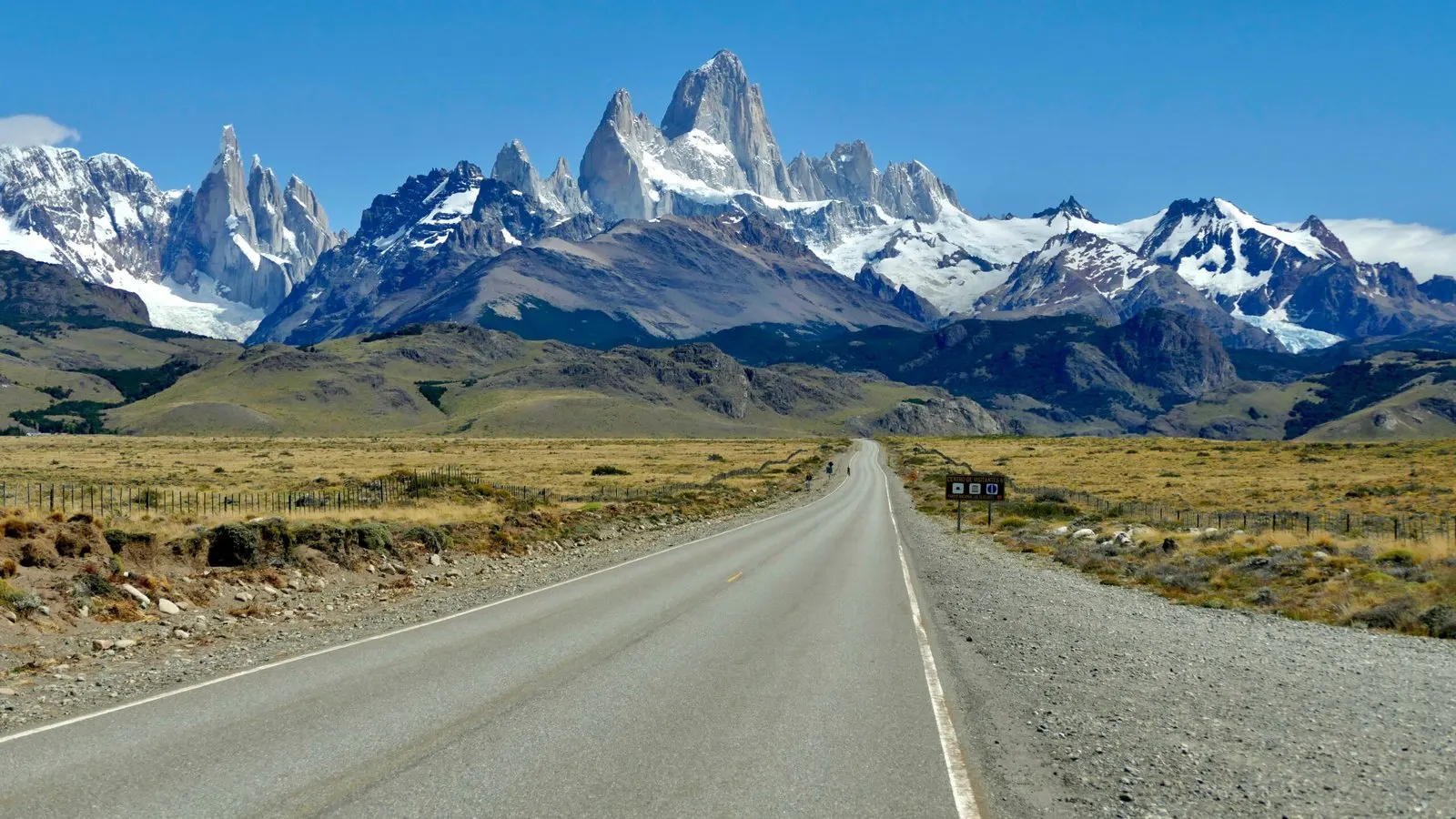
You will experience four seasons in a single day—sunshine turning to snow flurries then back to fierce wind—which turns the jagged peaks of Fitz Roy into a constantly shifting masterpiece. The locals call this character, not a problem, and with the right layers, you will feel like an explorer rather than a tourist.
The real drawdown is that powerful wind gusts can occasionally close the high mountain trails for a day or two. But here is the trade-off: you will photograph Los Glaciares National Park under moody, stormy skies that create epic reflections, and the complete lack of summer flies and crowds makes every successful summit feel like a genuine victory.
- Will I Be Able To Get Around Patagonia Or Are Roads And Buses Closed?
Generally yes, the main paved routes like Ruta 40 and the roads to Perito Moreno Glacier remain passable and well-maintained year-round. Long-distance bus companies continue servicing the major hubs of Bariloche, El Calafate, Rio Gallegos, and Ushuaia, though with reduced winter schedules that are actually easier to navigate. You will find that rental car prices drop significantly, often by 20% to 30%, because demand is lower.
The drawdown is that some gravel backroads leading to hidden lakes or remote viewpoints become muddy and are best avoided without a 4x4 vehicle. That said, the transportation system is designed for resilient locals and adventurous travelers; as long as you build in a tiny buffer for potential delays, you will move smoothly across this vast, open landscape.
- Will The Wildlife Still Be Active If I Visit Outside Of Summer?
Yes, and you will witness behaviors that summer crowds completely miss. The winter and shoulder seasons along the Atlantic coast near Peninsula Valdés bring spectacular marine wildlife viewing, including southern right whales breaching close to shore and elephant seals battling on empty beaches. In the mountains, you have a real chance to spot elusive pumas hunting guanacos against a snowy backdrop.
The drawdown is that birdwatching is less diverse, as many migratory species fly north for warmer months. However, the animals that remain are hyper-focused on survival, meaning more dramatic, action-packed sightings. Your wildlife tours will feel like private expeditions, with guides able to stop for every single footprint without a convoy of vans behind you.
- Is It True That Everything Is More Expensive And Harder To Find In Patagonia During The Off-Season?
No, that is a myth we love to bust here at Volomundi. Because you are traveling during the smart season, accommodation rates in El Chaltén and Puerto Natales (just across the border) frequently drop by 30% to 45% compared to peak January prices. Guided ice trekking on the Perito Moreno Glacier or boat tours to see glaciers calving often include unpublished discounts simply because operators want to run their trips.
The honest drawdown is that you will find fewer spontaneous street food stalls and open-air markets, and some high-end lodges may reduce their dining hours. But you can solve that easily by booking your parrilla dinner in advance. Ultimately, your budget stretches much further here, letting you afford that premium fly-fishing trip or heli-skiing adventure that would have broken the bank in summer.

Home > Exploit The Seasons > Seasonal World Map > South America > Argentina > Southern Patagonia
SOUTHERN PATAGONIA
Patagonia doesn’t do half-measures: howling winds, electric blue glaciers, and mountains that make you feel tiny. Go off-season to have Fitz Roy’s mirror lakes to yourself, walk Perito Moreno with few witnesses, and discover why locals say winter is the real magic season.
Smart Travel Calendar
Shoulder Season
Your Smartest Windows
March to mid-April (Autumn)
October to November (Late Spring)
Avoid: January to February (Peak Summer) plus Easter Week (Semana Santa – March/April) when Argentine and Chilean tourists flood both sides of the Andes.
What the Sky Does
Autumn: -2°C to 12°C (28°F to 54°F) – crisp, golden larch trees, first snow dustings.
Late spring: 2°C to 15°C (36°F to 59°F) – longer days, wildflowers, unpredictable wind.
Patagonia’s famous wind lightens in March and October (from “insane” to “strong”).
Icy Patagonian sun: glare on snow means sunglasses are mandatory year-round.
How Empty It Feels
50-60% fewer tourists than peak January. El Chaltén’s main street has parking spaces.
Perito Moreno boardwalks: maybe 30 people instead of 500. You’ll hear ice crack.
Ruta 40 driving: see one car every 20 minutes instead of a caravan.
El Calafate restaurants: instant window tables with glacier views.
What You’ll Save
40-50% on flights to FTE (El Calafate airport) vs. December.
Hotels in El Chaltén: 50-60% off – mountain-view rooms from $50 USD.
Car rental in El Calafate: 35% cheaper, no advance booking needed.
Park entry fees are the same, but you’ll linger longer without rush.
The Secret Perk
Autumn colors in Los Glaciares: lenga forests turn fire-red against snow peaks.
Condor sightings: early season (October) is when they’re most active near cliffs.
Ice trekking on Perito Moreno: smaller groups, more intimate glacier experience.
Photography at sunrise: 8am light in autumn is soft and golden – no one else there.
Local interaction: guides have time for mate and stories, not crowd control.
The Tiny Trade-Off
Some boat trips to Glaciar Upsala stop running by late April.
El Chaltén’s famous bakeries close earlier (6pm vs 9pm in summer).
Wind can still close the windswept trail to Laguna Torre – have a backup plan.
Overnight camping in national parks is restricted or unwise (freezing temps).
Smart Traveler Tip
Target last week of March for autumn colors + still-operating boat tours.
For spring, aim mid-October to mid-November – before summer prices but after deep winter closures.
Always book refundable accommodation. Patagonia weather can cancel flights from El Calafate to Buenos Aires for 24 hours.
Deep Off-Season
Your Smartest Windows
May to September (Winter)
Avoid: Mid-July (Argentine winter school break – two weeks) when El Calafate sees a mini-surge of families doing “snow experiences” and Cerro Frías ski tours. Prices rise 20-30% for that fortnight.
What the Sky Does
Winter: -10°C to 4°C (14°F to 39°F) – snow-covered steppe, deep blue skies between storms.
Tierra del Fuego (Ushuaia): -5°C to 5°C (23°F to 41°F) – snow and shorter days.
El Chaltén is partially closed – most trails under snow, but the town feels like a cozy outpost.
Sunlight: only 7-8 hours (sunset ~5:30pm in June).
How Empty It Feels
70-80% fewer tourists vs. peak summer. El Calafate feels like a ghost town.
Perito Moreno: you might share the park with 10-20 hardy souls. Rangers outnumber visitors.
El Chaltén: population drops from 2,000 (summer) to 200 (winter) – only guides and die-hards.
Ruta 40 is a private highway – you can stop in the middle of the road for photos.
What You’ll Save
Up to 65% off peak summer hotel rates in El Calafate.
Flights to FTE or USH (Ushuaia) are often 60% cheaper than January.
Luxury estancias (like Nibepo Aike) offer winter packages at half price.
Car rental companies slash rates – 4×4 vehicles from $40/day (summer $120).
The Secret Perk
Perito Moreno in winter blue: ice takes on an impossible cobalt hue under low sun.
Snowshoeing to Laguna de los Tres: guided only, but you’ll stand where few ever do.
Magellanic penguins near Ushuaia: winter is quieter at Martillo Island.
Cozy lodge life: fireplaces, lamb stew (cordero al palo), and no itinerary pressure.
Genuine local connection: bartenders and hosts actually remember your name.
The Tiny Trade-Off
El Chaltén’s trekking scene is dead – most trails unmaintained and dangerous.
Boat tours to Glacier Spegazzini run reduced schedules or stop entirely (May-September).
Many independent hostels and camp sites close entirely until October.
Daylight: you’ll be inside by 6pm – bring books, puzzles, and patience for 14-hour nights.
Smart Traveler Tip
If you must go in winter, choose August. It’s pre-spring, snow is still good, and the July school break crowds are gone.
The quietest month is June – deepest winter, lowest prices, but also the most closures.
Pack: thermal base layers, waterproof boots, windproof jacket rated for -15°C, and crampons for icy walkways at Perito Moreno.
For mildest winter conditions, stick to Ushuaia (maritime climate) rather than El Calafate (continental). But Ushuaia gets more snow days.
Find Off-Peak Flights
Top Off‑Season Stays
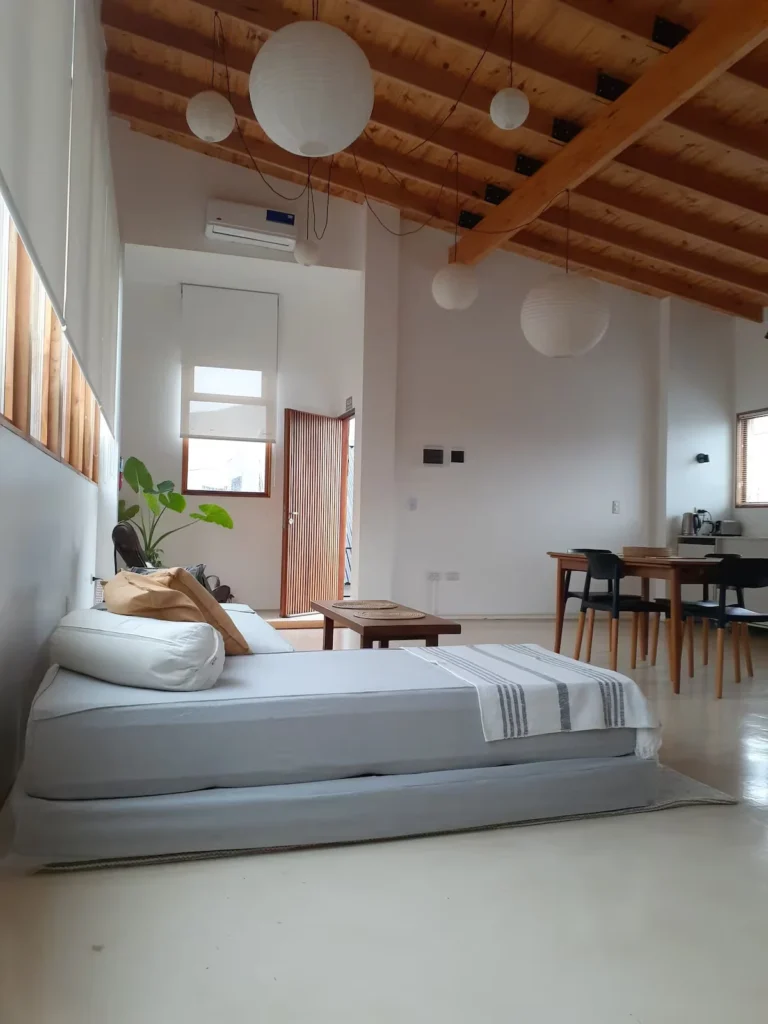
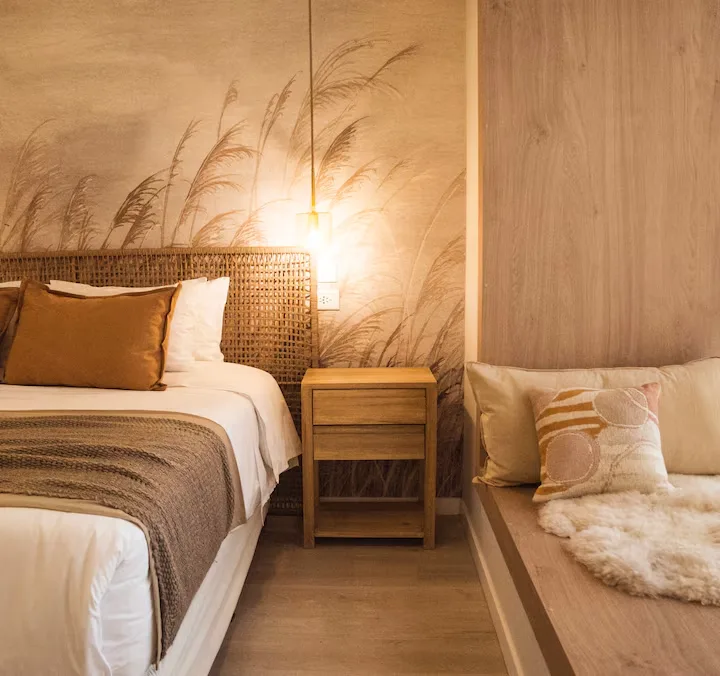
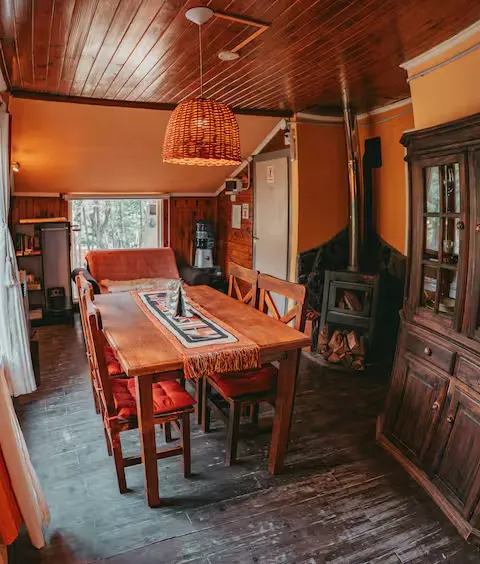
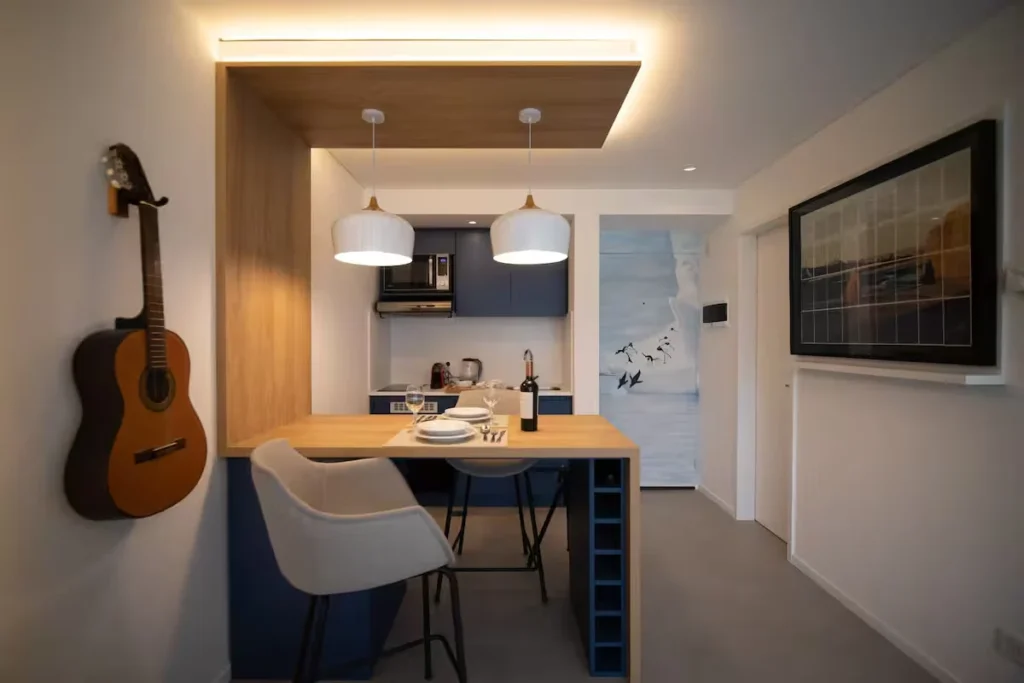
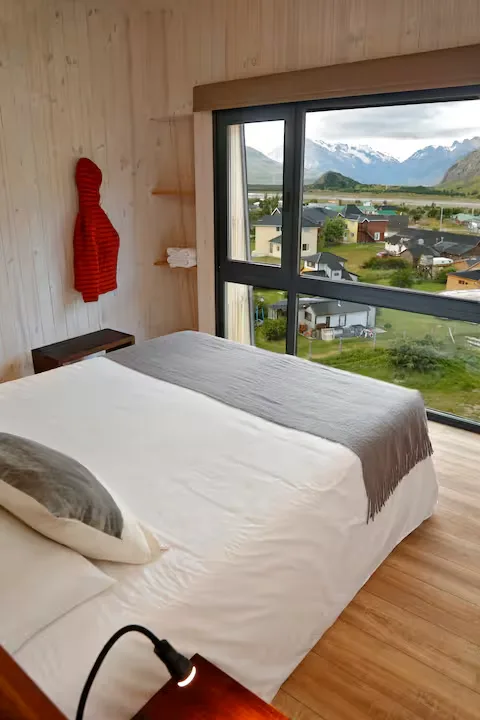
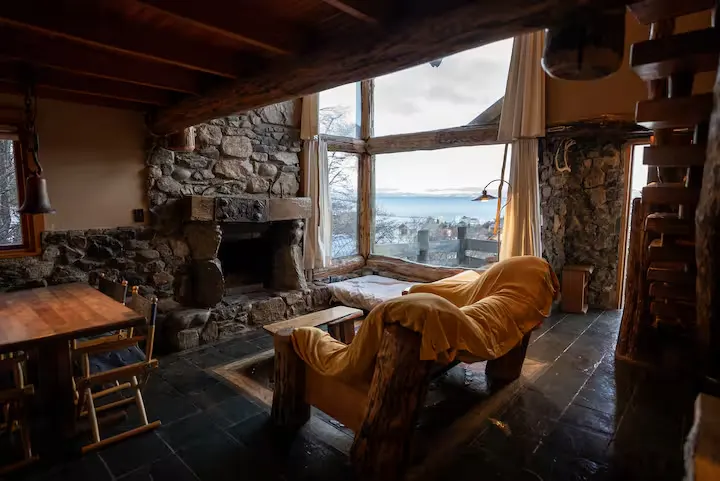
Find below our curated selection of boutique hotels and design apartments that offer exceptional value, atmosphere, and comfort during the off‑season — often at significantly lower rates than peak months.
Uncrowded Experiences & Tours
Skip the lines and experience iconic landmarks at your own pace. Discover curated local tours and cultural activities designed to show you the authentic side of the destination without the peak-season rush.
Handy Tips
Weather & Climate
The weather is famously unpredictable, characterized by strong, persistent winds. Summers are mild, but temperatures can drop significantly. Winters are cold and snowy, especially in the Andes. Layered clothing is a necessity year-round.
Local Customs And Etiquette
The Wind: Locals will often joke about the wind being a daily feature. It’s important to be prepared for it, as it can make mild temperatures feel much colder.
Hiking Culture: El Chaltén is very relaxed. It’s customary to greet other hikers on the trails. Trails are generally well-marked, but showing respect for the environment is paramount (pack out all trash).
Meals are Late: As in the rest of Argentina, dinner is typically eaten late, starting around 9:00 PM or 10:00 PM. Reservations are highly recommended during peak season.
Budgeting For Your Trip
Accommodation: Hostels ($25–$50), mid-range hotels ($90–$160), luxury ($200+). Prices are significantly higher in El Calafate and El Chaltén during the peak summer season (December–February).
Food: Fixed-price lunch menu ($15–$25), dinner at a mid-range restaurant ($30–$55 per person), fine dining ($70+).
Transport: Bus between El Calafate and El Chaltén ($20–$30 one-way), car rental ($50–$80/day).
Activities: Perito Moreno Boardwalk entrance ($20–$30), Mini-Trekking on the glacier ($180–$250). Hiking in El Chaltén is free.
Daily Budget:
- Budget: $70–$110 (hostels, small food shops, public transport).
- Mid-range: $130–$200 (hotels, restaurants, attractions).
- Luxury: $250+ (boutique hotels, private transfers, high-end tours).
Getting Around
By Bus: Comfortable, long-distance buses connect El Calafate and El Chaltén (approx. 3 hours). This is the most common way to travel between the two main hubs.
By Car: A rental car offers flexibility, especially for exploring the vast Patagonian Steppe (Ruta 40) or accessing Cueva de las Manos. Note that gas stations are rare in the Steppe.
By Air: The primary airport is El Calafate (FTE), which connects to Buenos Aires and other major Argentine cities.
Must-Try Food
Cordero Patagónico al Asador: A whole lamb slow-roasted over an open fire on a cross-shaped spit. It is the iconic dish of the region.
Guiso de Lentejas: A hearty, traditional lentil stew, perfect for warming up after a long, cold day of hiking.
Trucha: Freshly caught trout from the pristine Patagonian lakes and rivers, often served grilled or smoked.
Parrillada: A mixed grill featuring various cuts of beef, pork, and sausages.
Empanadas: Baked or fried pastries filled with savory fillings like ground beef, chicken, or cheese.
Choripán: A simple but delicious street food sandwich made with grilled chorizo (sausage) and chimichurri sauce.
Calafate Berries: A small, dark-blue berry native to Patagonia. Local legend says that if you eat a calafate berry, you are guaranteed to return to Patagonia.
Calafate Ice Cream/Jam: Made from the local berry, this is a must-try sweet treat.
Alfajores: Cookies filled with dulce de leche and often coated in chocolate.
Must-Try Drinks
Malbec Wine: Argentina’s flagship red wine. While not grown here, it is the perfect pairing for cordero (lamb).
Mate (pronounced mah-tay): A traditional, caffeinated herbal infusion. You will see locals sharing it everywhere; be respectful if offered to share (don’t touch the straw/bombilla).
Artisanal Patagonian Beer: Numerous local microbreweries in El Calafate and El Chaltén offer excellent IPAs, stouts, and pale ales.
Fernet-Branca with Coke: A popular Italian bitter liqueur mixed with Coca-Cola. A surprisingly refreshing and strong national favourite.
Torrontés Wine: Argentina’s unique white wine, often served as an aperitif.
Submarino: A classic Argentine hot drink: a bar of dark chocolate served in a glass of hot milk, meant to be stirred until it melts.