 Skip to content
- Will I Completely Melt In The Humidity If I Visit During The Off-Season?
No, and that is precisely the point of traveling smart. The shoulder seasons here offer a massive relief from the infamous summer steam bath, with gentler temperatures that make hiking through Moconá Falls or kayaking the Paraná River genuinely enjoyable. You will find that the oppressive heat that keeps regular tourists away has vanished, replaced by warm, sunny days and cool, restful nights perfect for sleeping with your window open.
The honest drawdown is that the deep off-season (local winter) still carries some humidity, and you might encounter a few days of sticky air. However, compared to the sauna-like conditions of peak summer, the difference is night and day. You can easily exploit travel seasonality by walking the Jesuit Ruins of San Ignacio or birdwatching in the wetlands without needing three cold showers by noon.
- Are The Rivers And Waterfalls Too Low Or Too Dangerous To Enjoy?
Yes and no, depending on what you want. The shoulder season offers a perfect middle ground where water levels are high enough for thrilling boat trips to the Yucumã Falls (the world's longest longitudinal waterfall) but low enough that you can walk exposed riverbeds that summer floods keep completely submerged. You get the best of both worlds: safe swimming conditions and dramatic cascades without the dangerous currents of the rainy peak.
The drawdown is that during the deepest, driest weeks of the off-season, some smaller creeks and backwater channels in the Esteros del Iberá may become shallow or muddy. But here is the trade-off: lower water concentrates caimans, capybaras, and howler monkeys right along the main lagoons, making wildlife photography ten times easier than when they scatter across flooded plains.
- Is It True That The Famous Wetlands Become Less Impressive Without Summer Rain?
Not at all, and that is a common misconception we love to correct. The Iberá Wetlands actually transform into a completely different but equally spectacular landscape during the off-season, with open grasslands, clearer walking trails, and the largest rodent on earth (the capybara) gathering in massive, photogenic herds right near the boardwalks. You will see migratory bird species that only visit during these cooler months, adding rare sightings to your list.
The drawdown is that the floating islands of vegetation (embalsados) shrink a bit, reducing some of the mystical floating-garden effect from summer. However, the absence of biting insects alone makes this a superior experience. You can book a backcountry safari for nearly 30% less than peak rates, and your guide will actually have time to teach you how to spot an anaconda sunning itself on a bank.
- Will All The Tour Boats And Jungle Lodges Be Closed For The Season?
No, the main tourism infrastructure remains fully operational, just with fewer people. The gateway cities of Posadas, Corrientes, Puerto Iguazú (for the Argentine side of the falls), and Mercedes all keep their river tours, fishing charters, and estancia lodges running year-round because the locals know this is the secret best time to visit. You will find that booking a private sunset cruise on the Paraná costs up to 40% less than the summer rate.
The drawdown is that some tiny, family-operated jungle cabañas in the most remote corners might close for a month of maintenance. That said, the major national parks and protected reserves keep their gates open, and the trails are empty. You will have the famous hanging bridges and lookout towers practically to yourself, which is worth trading a single closed guesthouse for.
- Is The Litoral Region Still Good For A Fun Vacation Without The Summer Party Vibe?
Yes, and you might actually prefer this calmer, more authentic version of northeastern Argentina. The off-season replaces wild river parties and crowded beach clubs with genuine cultural experiences like mate tasting with local guides, folk music peñas (live music gatherings), and slow boat trips through the floating villages of the Paraná Delta. You will connect with the legendary hospitality of the region because hosts are not rushing to serve a hundred other tourists.
The drawdown is that the outdoor nightlife is quieter, and those all-night carnival-style events do not happen outside of peak summer. But the value you unlock is massive: hotel discounts ranging from 20% to 35%, zero wait times at top parrillas, and the ability to join small-group photography tours that sell out months in advance during high season. You are trading hangovers for memories, and that is a win.

Home > Exploit The Seasons > Seasonal World Map > South America > Argentina > Argentina’s Litoral & Northeast
THE LITORAL & NORTHEAST
Subtropical rainforest, thunderous waterfalls, and wetlands teeming with caimans and capybaras. The Litoral doesn’t do “mild” – but visit in the right window and you’ll have Iguazú’s Devil’s Throat almost to yourself, with jungle trails instead of tour bus convoys.
Smart Travel Calendar
Shoulder Season
Your Smartest Windows
March to May (Autumn)
August to September (Late Winter / Early Spring)
Avoid: January to February (Summer School Holidays) – Brazilian and Argentine families pack the park. Also avoid Easter Week (Semana Santa – March/April) when domestic tourism spikes dramatically.
What the Sky Does
Autumn: 20°C to 28°C (68°F to 82°F) – humidity drops after summer, still warm but bearable.
Late winter/spring: 15°C to 25°C (59°F to 77°F) – cool mornings, sunny days, almost no rain.
Iguazú’s famous mist is thinner in dry months, revealing clearer panoramic views of the falls .
Iberá Wetlands see water levels recede from June onward, concentrating wildlife around remaining ponds .
How Empty It Feels
40-50% fewer tourists than peak January. The Iguazú park walkways feel spacious before 10am.
Devil’s Throat train: walk straight on, no 45-minute queue for the next car.
Iberá boat tours: smaller groups mean closer capybara encounters and better photos.
Puerto Iguazú’s restaurants: instant tables with river views of Paraguay and Brazil.
What You’ll Save
35-45% on flights to IGR (Puerto Iguazú airport) vs. December-January.
Hotels in Puerto Iguazú: 40-50% off – jungle lodges from $60 USD per night.
Park entry is fixed, but tour operators (boat rides, birdwatching) offer off-season discounts.
Dining: no “peak season surcharge” on menus – local prices return.
The Secret Perk
Iguazú in autumn light: Lower water levels mean less mist, so you actually see the full horseshoe .
Iberá wildlife spectacle: Dry season (March-September) concentrates animals near shrinking water – caimans by the dozen .
Orchid season in Misiones: Spring (August-September) brings jungle orchids into bloom along park trails.
Gualeguaychú Carnival without the crush: February’s Carnival is famous, but March offers the same energy with thinner crowds .
Local interaction: Guides have time for detailed bird names and mate breaks, not crowd herding.
The Tiny Trade-Off
Water flow at Iguazú is lower than summer peak – some smaller cascades may be reduced .
Boat rides to San Ignacio Mini ruins (Jesuit missions) may run fewer departures.
Occasional cold front (surazo) can drop temperatures to 10°C (50°F) – pack a light jacket.
Semana Santa (Easter) fills everything for that one week – avoid if possible.
Smart Traveler Tip
Target late March to mid-April for post-summer discounts + still-impressive waterfall volume .
For Iberá wildlife viewing, aim August to September – dry season peak with mild weather .
Book the first park entry at 8am. You’ll have Devil’s Throat nearly empty before tour buses arrive at 10am .
Deep Off-Season
Your Smartest Windows
June to July (Winter)
Avoid: Mid-July (Argentine winter school break – two weeks) when domestic families flock to Iguazú and Iberá. Prices rise 20-30% and crowds return temporarily .
What the Sky Does
Winter: 8°C to 22°C (46°F to 72°F) – cool mornings, pleasant afternoons, almost no rain.
Iguazú: lowest humidity of the year – your camera lens won’t fog up constantly .
Iberá: coolest months (July-August) with crisp mornings perfect for birdwatching before heat sets in.
Rainfall: June-August is the driest quarter, with blue skies more common than clouds .
How Empty It Feels
60-70% fewer international tourists vs. summer peak. The Iguazú park feels like a private nature reserve.
Upper and lower circuit trails: you might encounter 5-10 people on a 2km walk .
Iberá: you and the caimans. Boat captains sometimes outnumber guests.
Puerto Iguazú town: locals outnumber tourists 10 to 1 – very authentic.
What You’ll Save
Up to 60% off peak summer flights and hotels – Iguazú luxury lodges from $80 USD.
Hotel occupancy in Puerto Iguazú drops to 20-30% – bargaining power for upgrades.
Tour packages: birdwatching, boat rides, and jungle treks offered at 40-50% discount.
Car rental: 60% cheaper than January, with unlimited mileage deals available.
The Secret Perk
Iguazú with no sweat: Walk the 3km lower circuit without needing a shower after.
Jesuit ruins in solitude: San Ignacio Mini with a handful of visitors – the acoustics are haunting.
Iberá’s “ghost town” feel: Colonia Carlos Pellegrini is quiet – locals invite you for mate.
Yerba mate harvest season: June-July is when the region’s iconic herb is harvested – visit a plantation.
Genuine local connection: Your guide might be the only one working that day – you’ll get their full attention and stories.
The Tiny Trade-Off
Boat rides to the falls run but are colder – bring a poncho and expect a chill after getting wet.
Iguazú’s water flow is at its lowest – dramatic, but not the thunderous peak of summer .
Nightlife in Puerto Iguazú: most bars close by midnight; it’s a quiet town.
Daylight: shorter days (sunset ~6:30pm) mean starting early to see both circuit trails.
Smart Traveler Tip
Avoid the two weeks of July school break like the plague. Go early June or late July into August instead .
August is the quietest month – pre-spring bloom begins, and tour operators are hungry for business .
Pack: layers (mornings are 8°C/46°F), rain jacket for mist, sturdy hiking sandals, and insect repellent (mosquitoes never fully disappear).
For the mildest winter conditions, stick to Iguazú and the Paraná River corridor; Iberá gets colder at night.
Find Off-Peak Flights
Top Off‑Season Stays
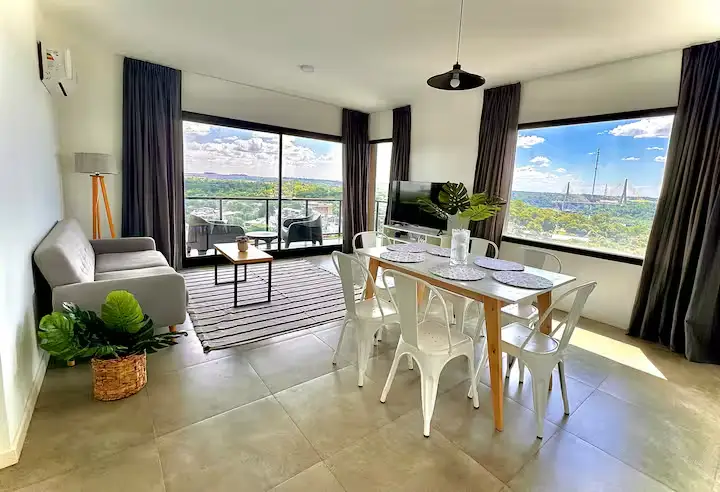
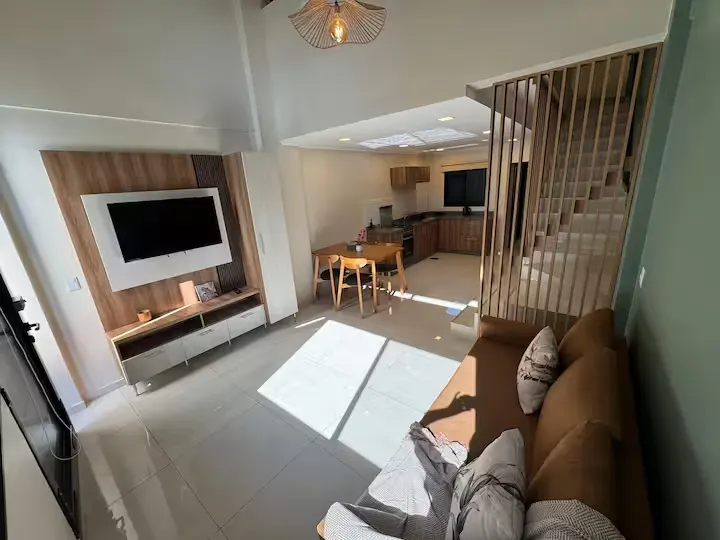
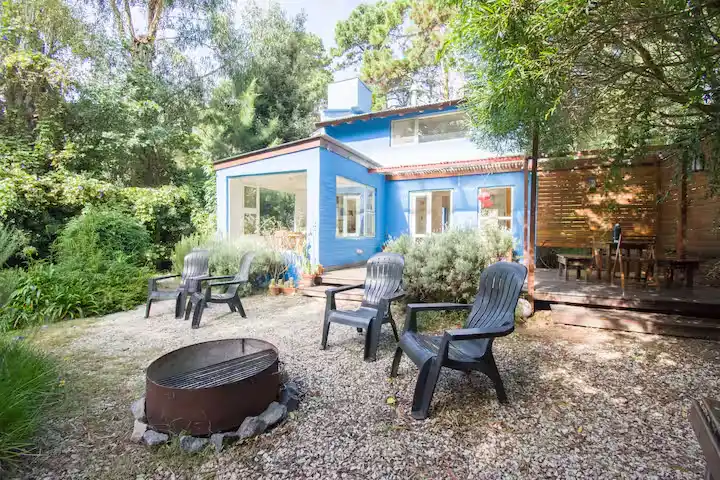
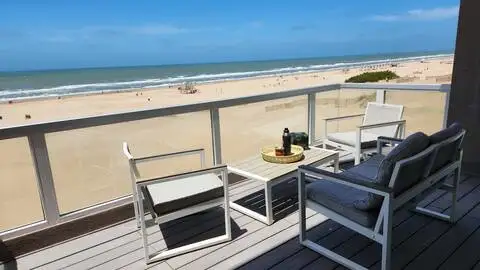
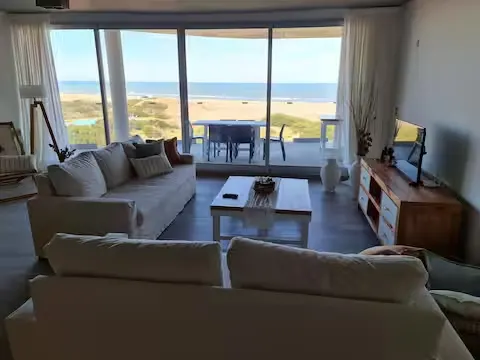
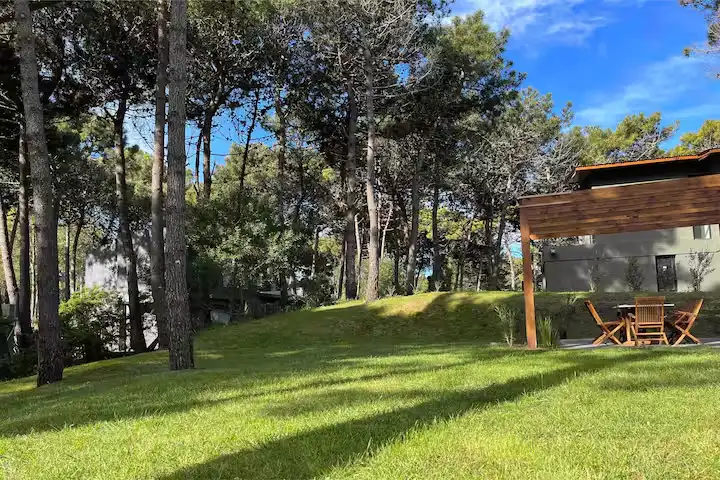
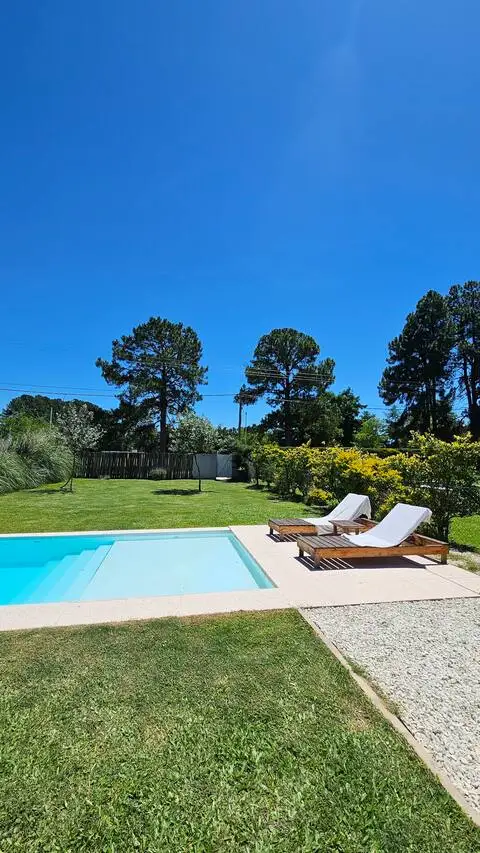
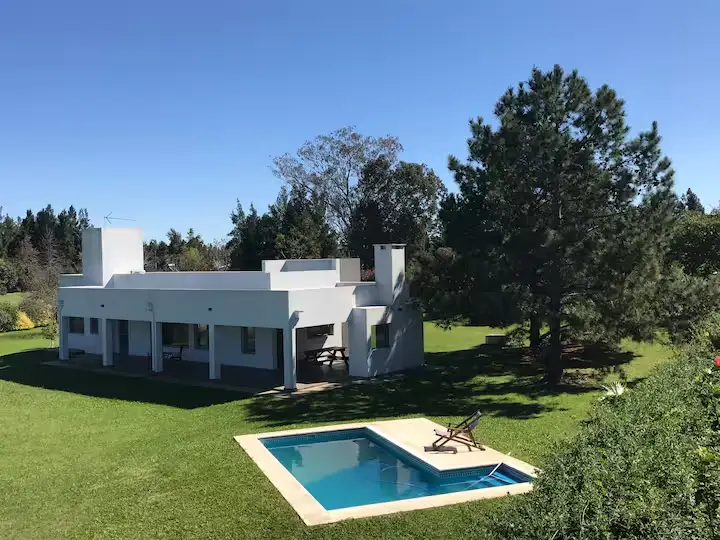
Find below our curated selection of boutique hotels and design apartments that offer exceptional value, atmosphere, and comfort during the off‑season — often at significantly lower rates than peak months.
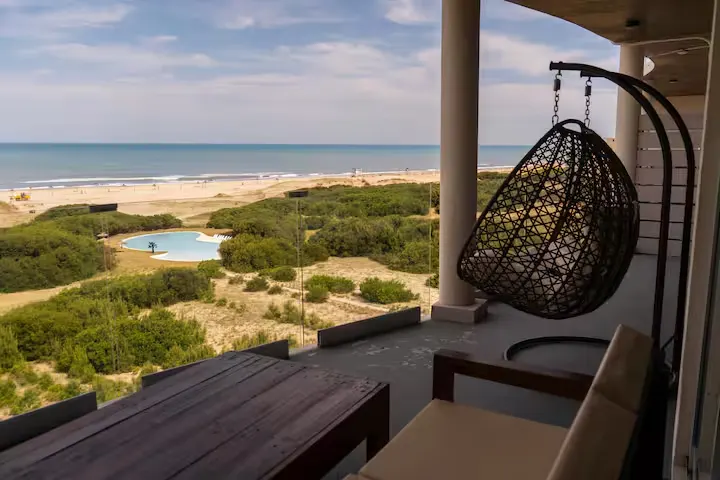
Condo in Northbeach - Pinamar
Uncrowded Experiences & Tours
Skip the lines and experience iconic landmarks at your own pace. Discover curated local tours and cultural activities designed to show you the authentic side of the destination without the peak-season rush.
Handy Tips
Weather & Climate
The climate is predominantly subtropical with no dry season. It is characterized by high temperatures and humidity year-round. Summers are very hot (often 30ºC to 40ºC / 86ºF t 104ºF) with heavy rainfall. Winters are mild and drier (around 15ºC to 25ºC / 59ºF to 77ºF).
Local Customs And Etiquette
Language: Spanish is the official language. In Corrientes, the indigenous language Guaraní is also widely spoken and officially recognized.
Mate: Sharing mate (a traditional herbal infusion) is a core social custom, especially in the Litoral. Accepting a mate offered by a local is a gesture of friendship.
Wildlife Respect: In conservation areas like Iberá, always follow your guide’s instructions, maintain a respectful distance from the wildlife, and do not litter.
Budgeting For Your Trip
Accommodation: Hostels ($15–$30), mid-range hotels ($60–$100), luxury ($130+). Prices are higher in Puerto Iguazú than in Corrientes or The Chaco.
Food: Empanadas/street food ($3–$6), menú del día (fixed-price lunch) ($10–$18), dinner at a mid-range restaurant ($20–$40 per person).
Transport: Long-distance bus ticket (variable), taxi/remis (local).
Activities: Iguazú Falls National Park entrance fee ($25–$35), Iberá Wetlands boat tour ($30+).
Daily Budget:
- Budget: $50–$80 (hostels, market food, public transport).
- Mid-range: $90–$150 (hotels, restaurants, attractions).
- Luxury: $170+ (boutique hotels, private transfers/tours).
Getting Around
By Bus: The long-distance bus system is excellent and comfortable, connecting the region’s main cities (Posadas, Corrientes, Puerto Iguazú).
By Air: Flights connect Buenos Aires to Posadas, Corrientes, and Puerto Iguazú, which is often the best option for covering large distances quickly.
By Car: Renting a car gives you the most flexibility to explore the Jesuit Missions and the Chaco region, but roads can be poor outside of major highways.
Must-Try Food
Pacú/Surubí: Locally caught river fish, often grilled (a la parrilla) or baked. They are signature dishes of the region.
Chipa: A small, baked, cheese bread roll made with manioc flour, a ubiquitous snack in the Northeast.
Mandioca (Cassava): A starchy root vegetable served boiled, fried, or puréed as a side dish.
Sopa Paraguaya: Despite the name, this is a savory cornbread-like cake baked with cheese and onions, not a soup.
Chipá Guazú: Similar to Sopa Paraguaya but made with fresh corn, resulting in a moister consistency.
Asado a la Estaca: Meat (often whole cow or pig) cooked slowly, crucified on stakes next to an open fire.
Revuelto Gramajo: A dish of finely sliced fried potatoes, eggs, and ham or bacon, popular across Argentina.
Carbonada: A hearty and sweet stew made with meat, potatoes, corn, and dried fruits like peaches and apricots.
Kivevé: A pumpkin and cheese purée, subtly sweet and often served as a side dish or light meal.
Dulce de Mamón: A sweet preserve made from green papaya, a local specialty.
Must-Try Drinks
Tereré: A cold version of mate, popular in the humid climate, where the yerba is infused with cold water or citrus juice.
Cerveza Litoraleña: Regional beers often associated with the area, best enjoyed chilled on a hot day.
Guaraná Soda: A sweet, non-alcoholic soda made from the guaraná fruit, imported from Brazil or locally produced.
Caña con Miel: A simple, sweet alcoholic drink made with sugarcane liquor (caña) and honey.
Jugo de Maracuyá: Fresh passion fruit juice, a refreshing and tropical option.
Vino Patero: A rustic, homemade-style wine, sometimes found in rural areas of the region.