 Skip to content
- What Is The Weather Really Like During The Off-Season In Greater Buenos Aires?
During the shoulder seasons, you will find mild, sunny days perfect for strolling through the city’s iconic neighborhoods, though a light jacket is smart for the cooler evenings. The deep off-season brings crisp, winter days where the famous grey skies add a romantic, moody atmosphere to the Paris of the South.
The main drawdown is that you might need a warm coat and an umbrella from late autumn to early spring. However, you can absolutely exploit this travel seasonality, as the lack of summer’s oppressive humidity means you can walk for hours exploring San Isidro or La Boca without breaking a sweat.
- Will I Find Major Transportation Disruptions Or Delays?
No, public transport generally runs on a normal schedule without the chaos of peak tourist surges. The subte (subway) and extensive bus network remain highly reliable, and you will find it easier to grab a seat during rush hour when fewer international visitors are competing for space.
The honest drawdown is that infrequent, heavy fog can sometimes delay flights at Ezeiza International Airport during the deepest winter weeks. Nevertheless, securing a remis (private car service) or taxi to the Tigre Delta is often faster and cheaper, with prices dropping by nearly 15% to 25% compared to the high season.
- How Much Money Can I Really Save On Hotels And Tours?
Accommodation prices in posh areas like Recoleta and Palermo regularly drop by 30% to 45% when the peak crowds vanish, giving you access to boutique hotels for the price of a standard hostel. Tour operators for day trips to the Pampas or a tango show are far more willing to negotiate, offering spontaneous upgrades just to fill seats.
You should still expect to pay standard rates at the most legendary steakhouses (parrillas) and specific event venues. However, for everything else—from guided architecture walks to ferry tickets to Colonia—you are effectively accessing a massive, unadvertised discount simply by traveling when others stay home.
- Are The Famous Sights Still Accessible With Fewer Crowds?
Absolutely. Walking through the colorful Caminito street or visiting the historic Colon Theatre feels like having a private viewing, with visitor numbers down by roughly 70% during the deep off-season. You will enjoy the Recoleta Cemetery without jostling for a photo of Evita’s tomb, creating a much more spiritual and authentic connection to the history.
The only catch is that some smaller, family-run parrillas or art galleries in the outer barrios might close for a two-week winter holiday. The major attractions, however, remain fully open, and the lack of long lines means you can visit three museums in the time it would take to see one during the summer peak.
- Is Greater Buenos Aires Still Fun When The Weather Is Cooler?
Yes, the city simply shifts its energy indoors, which is where the true magic of Porteño culture lives. The cooler months are the perfect excuse to dive into the city’s legendary cafe culture, hopping from historic coffee shops to hidden pizza joints, or watching a fiery soccer match at La Bombonera without suffering from heatstroke.
The drawdown is that the famous outdoor street fairs and summer rooftop parties are not happening. But you can think of this as an upgrade; instead of fighting crowds for a weak drink, you will be learning intimate tango lessons in warm dance halls or enjoying a world-class opera. You are not losing fun—you are gaining depth.

Home > Exploit The Seasons > Seasonal World Map > South America > Argentina > Greater Buenos Aires
GREATER BUENOS AIRES
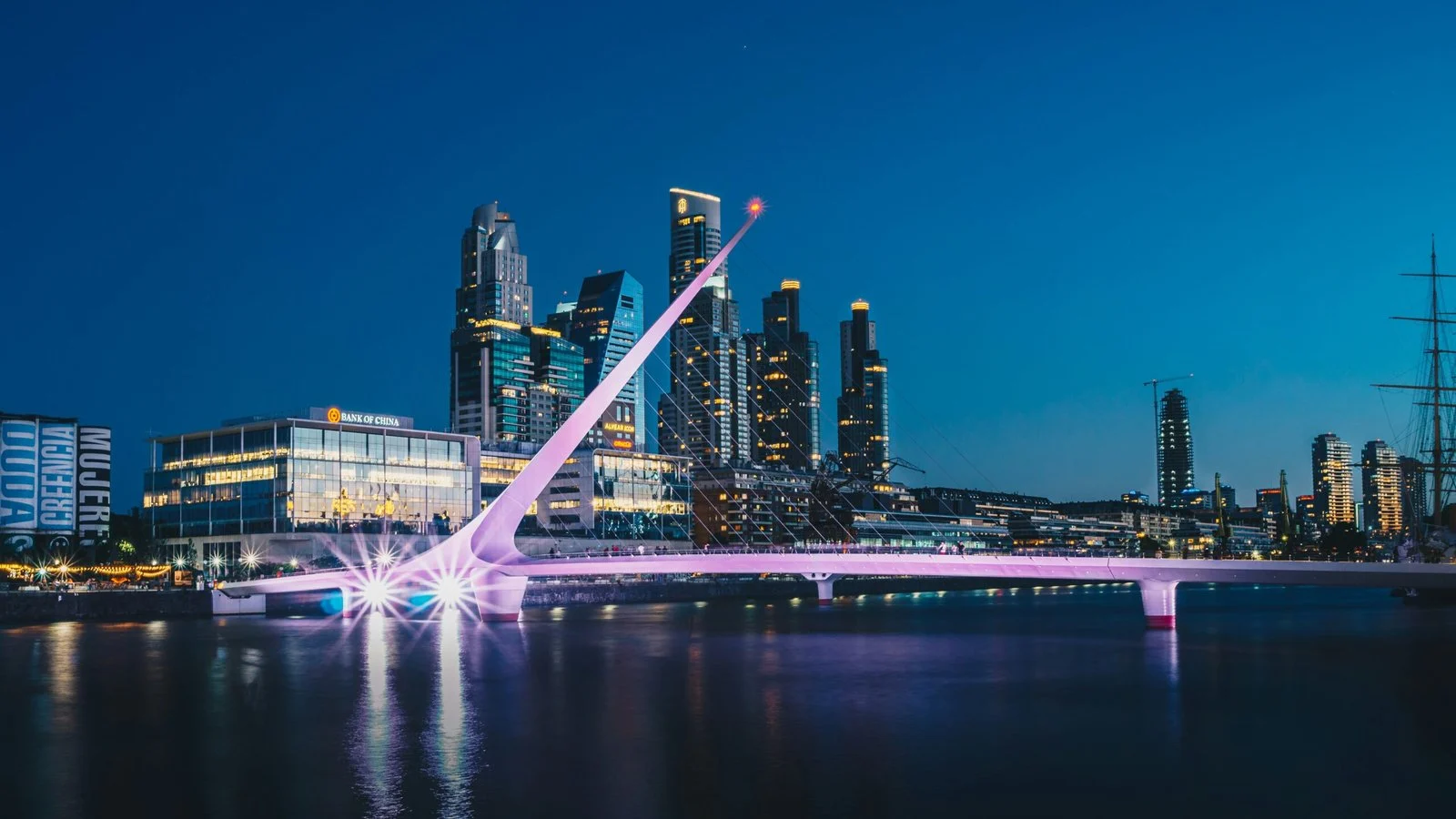
Greater Buenos Aires breathes differently outside peak summer: think milonga halls with space to dance, parrillas full of locals, and pastel-colored streets all to yourself. From San Isidro to La Boca, discover the city’s authentic soul when the heat and crowds have gone.
Smart Travel Calendar
Shoulder Season
Your Smartest Windows
March to May (Autumn)
September to November (Spring)
Avoid: Semana Santa (Easter Week – March/April) when porteños flee to the coast, but within the city it’s quieter. Also avoid first two weeks of July (winter break) when school trips pack museums and theme parks.
What the Sky Does
Autumn: 12°C to 22°C (54°F to 72°F) – mild, golden light, occasional drizzle.
Spring: 10°C to 23°C (50°F to 73°F) – jacaranda trees in full purple bloom.
Humidity drops significantly after March – no more sticky summer sweat.
Clear skies mean the Buenos Aires skyline looks sharp for photography.
How Empty It Feels
35-45% fewer tourists vs. peak summer (December-February).
San Telmo’s Sunday antique fair: browse stalls without elbowing anyone.
Puerto Madero’s upscale restaurants: instant tables with river views.
La Boca’s Caminito: take photos of colorful houses without photobombers.
What You’ll Save
30-40% off flights and 40-50% off boutique hotels in Palermo.
Airbnb rates drop by half compared to January.
Tango show tickets (e.g. Café Tortoni) available same-day, not 2 weeks ahead.
Dinner at a top parrilla (Don Julio) – walk-in wait drops from 2 hours to 20 minutes.
The Secret Perk
Jacaranda explosion: November paints the city purple – Palermo parks are magical.
Tigre Delta calm: autumn mists over the river, no motorboat traffic.
Museum Sundays for free: National Bellas Artes has room to breathe.
Golden hour over the Reserva Ecológica: perfect for sunset jogging or photos.
Local interaction: Shopkeepers in San Nicolás have time to chat about the city.
The Tiny Trade-Off
Outdoor pools (like in Parque Norte) close after March.
Some Tigre delta tour operators reduce frequency on weekdays.
Spring (October) can bring sudden tormentas (thunderstorms) – pack an umbrella.
Carnival events (February/March) don’t affect the city much, but hotel prices may nudge up.
Smart Traveler Tip
Target late March to early April for ideal temperatures and post-summer discounts.
For jacaranda season, aim for first two weeks of November before summer heat arrives.
Use the Subte (subway) – it’s uncrowded and air-conditioned. Avoid rush hour (8-10am, 5-7pm) for true peace.
Deep Off-Season
Your Smartest Windows
June to August (Winter)
Avoid: Mid-July (winter school break – two weeks) when the Teatro Colón, children’s museums, and Planetario are packed with local families. Prices for family-friendly hotels rise.
What the Sky Does
Winter: 5°C to 14°C (41°F to 57°F) – chilly but mostly sunny, little rain.
Frosty mornings give way to bright, crisp afternoons perfect for walking.
Fog over the Río de la Plata creates moody, atmospheric photos.
Humidity is at its lowest – your hair and lungs will thank you.
How Empty It Feels
55-65% fewer international tourists vs. January.
Recoleta Cemetery: you’ll share Eva Perón’s grave with maybe 3 other people.
MALBA museum (Latin American art) – no queues, no audio guide shuffling.
Neighborhood cafes in Almagro and Caballito: filled with porteños reading papers, not tourists on phones.
What You’ll Save
Up to 60% off peak summer hotel rates in Palermo Soho.
Flights to Buenos Aires (EZE) often hit yearly lows in June and August.
4-star hotels in Recoleta from $45-60 USD per night.
Car rental (if you dare drive) – 50% cheaper, though you won’t need one.
The Secret Perk
Cozy café culture: order submarino (hot milk with chocolate bar) in historic bares notables.
Teatro Colón backstage tours: almost empty – you’ll feel like a VIP.
Winter tango marathons: locals-only milongas heat up cold nights.
Feria de Mataderos: winter Sundays are lively with folk music and locro (hearty stew).
Genuine connection: your Airbnb host might invite you for mate – no schedule, no rush.
The Tiny Trade-Off
Tigre delta boat tours run but are cold and windy – dress like an expedition.
Rooftop bars in Palermo close or put up plastic walls (no summer vibe).
Some independent heladerías (ice cream shops) reduce hours after 9pm.
Daylight: only 9.5 hours (sunset ~5:50pm) – plan early dinners.
Smart Traveler Tip
Avoid the two weeks of July school break if you hate indoor crowds. Go early June or August instead.
August is the quietest month – hotels are desperate, and pre-spring events start.
Pack: wool coat, scarf, gloves, and layers. Central heating is weak in older buildings.
For mildest winter, stick to the city core (Recoleta, Retiro, Puerto Madero). Suburbs like Lanús get colder.
Find Off-Peak Flights
Top Off‑Season Stays
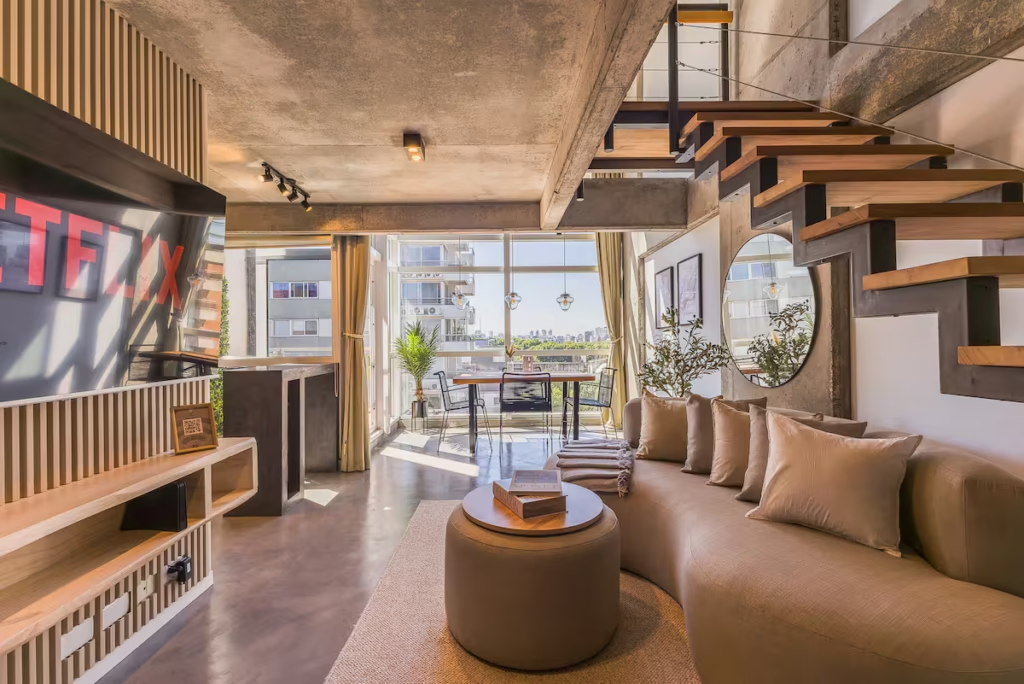
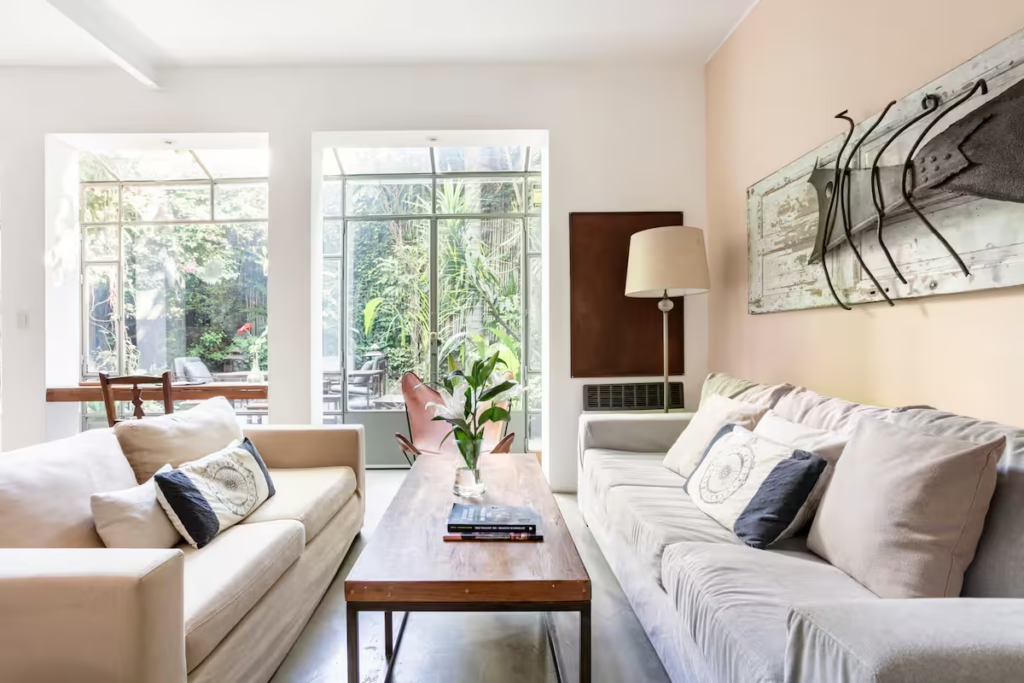
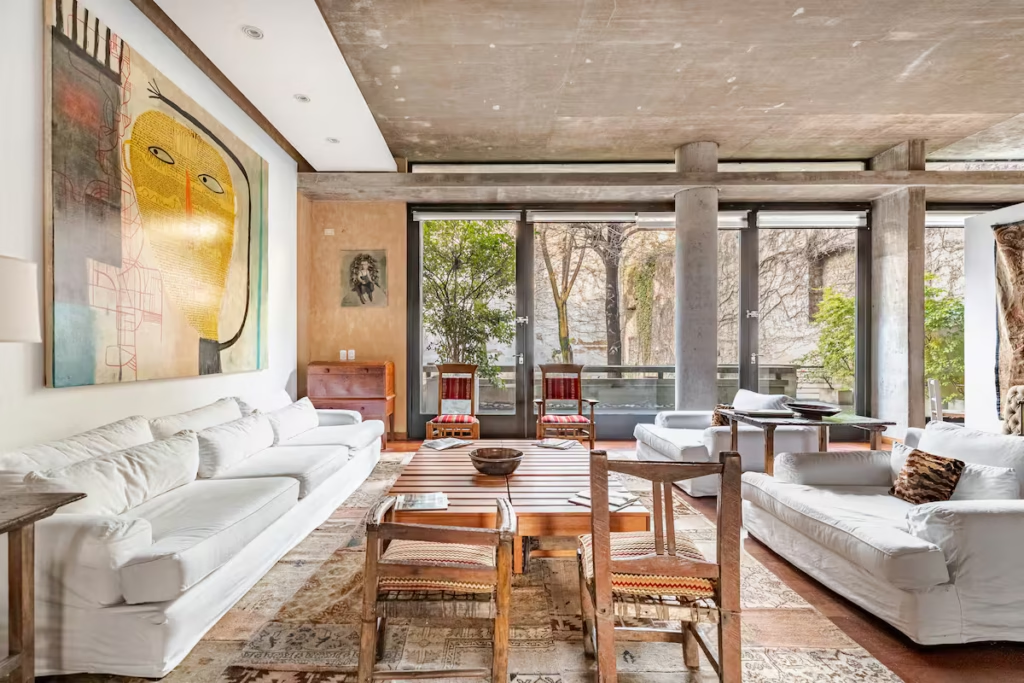
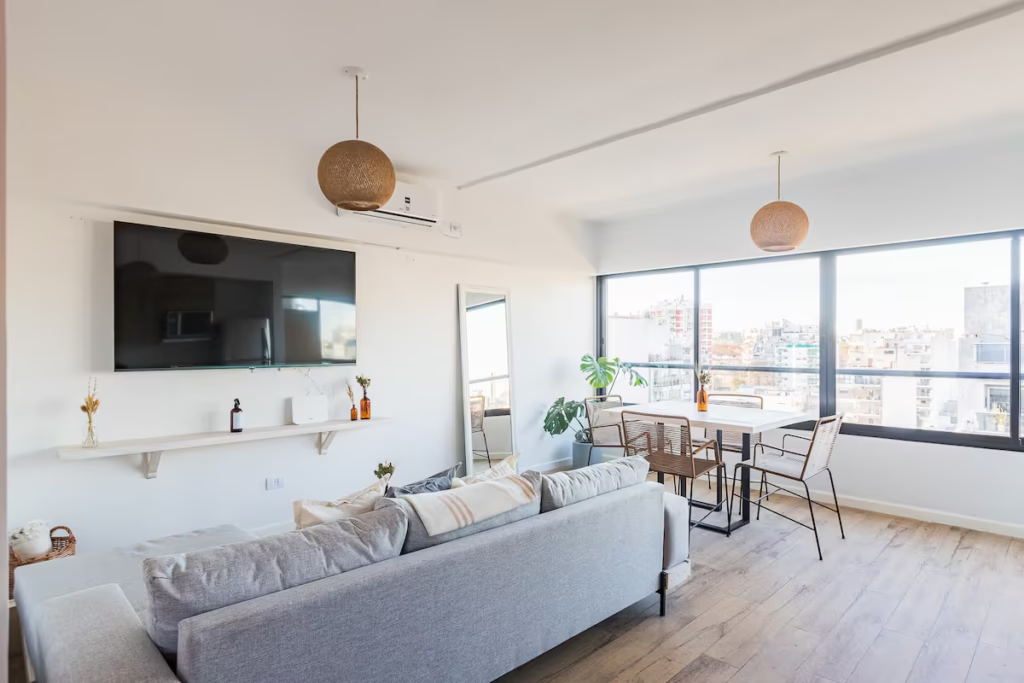
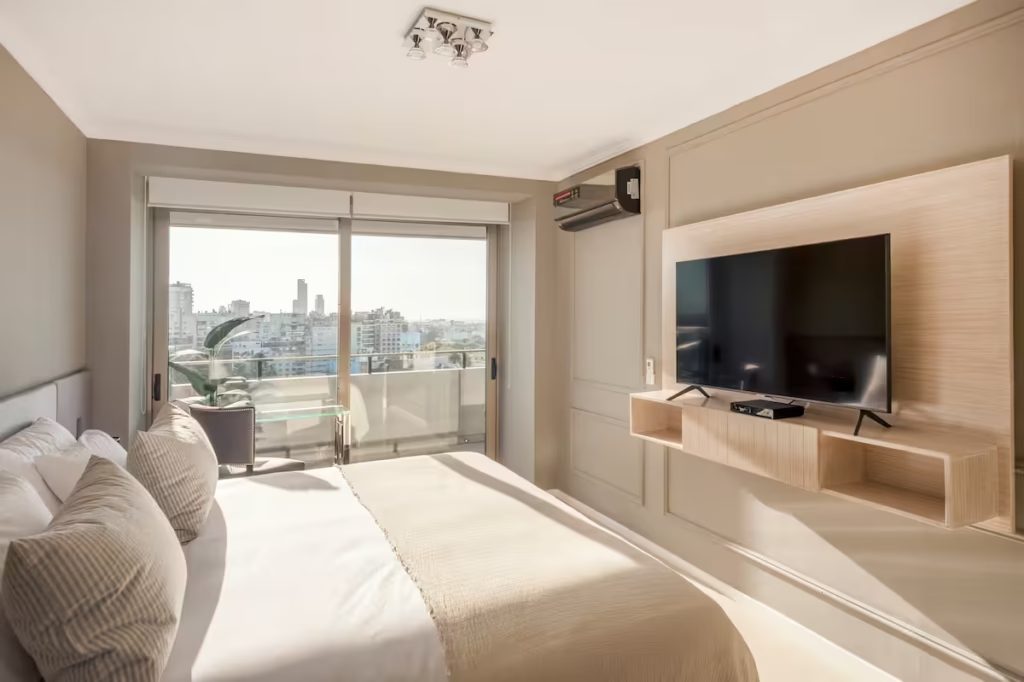
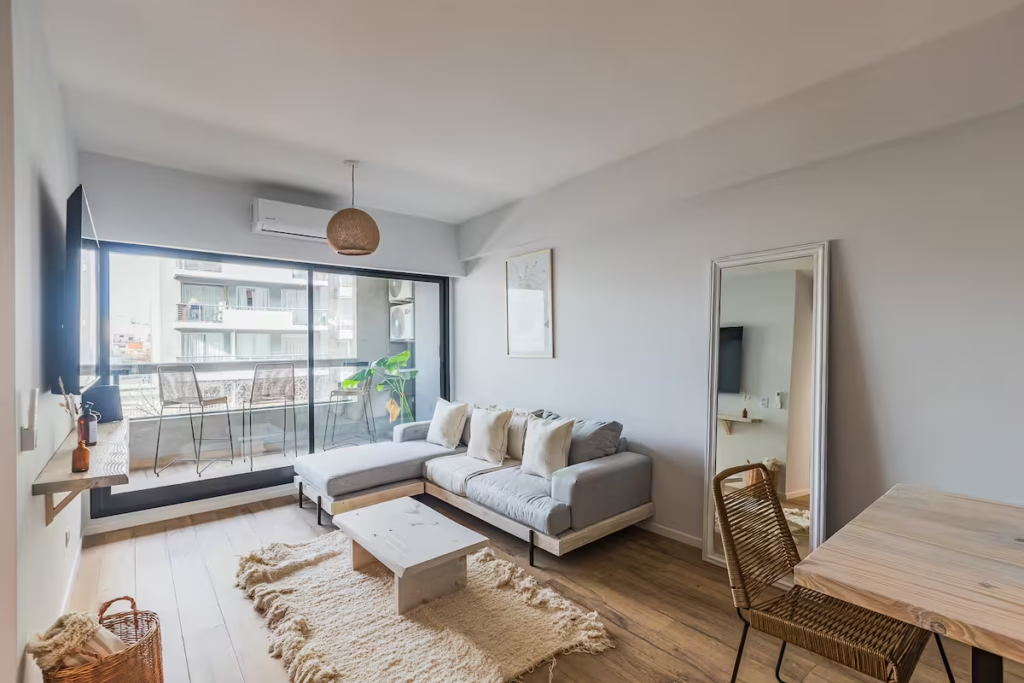
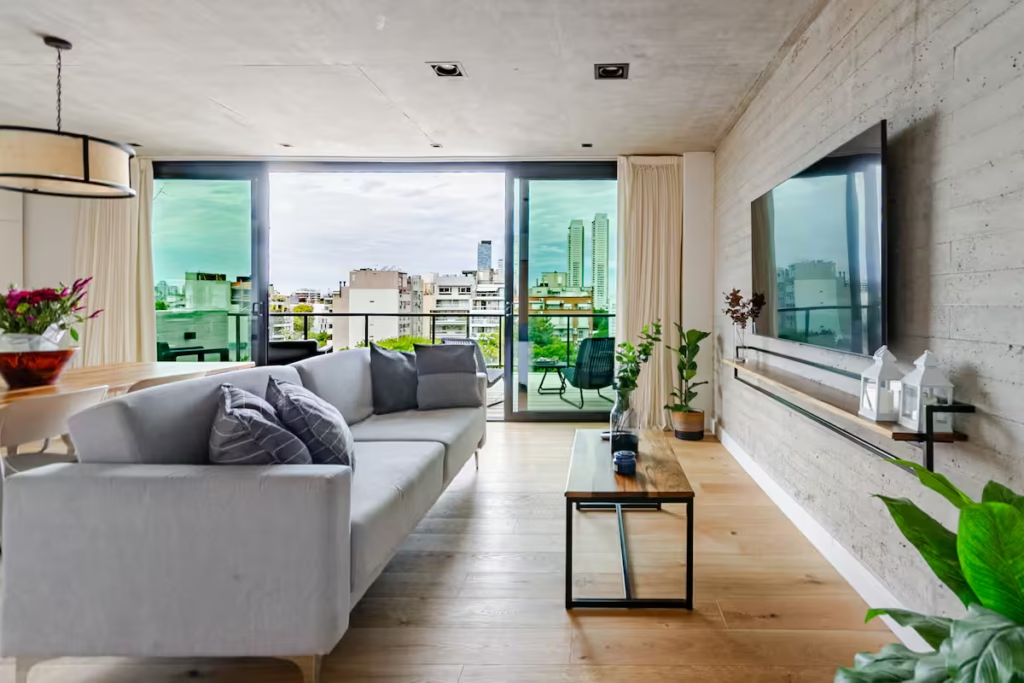
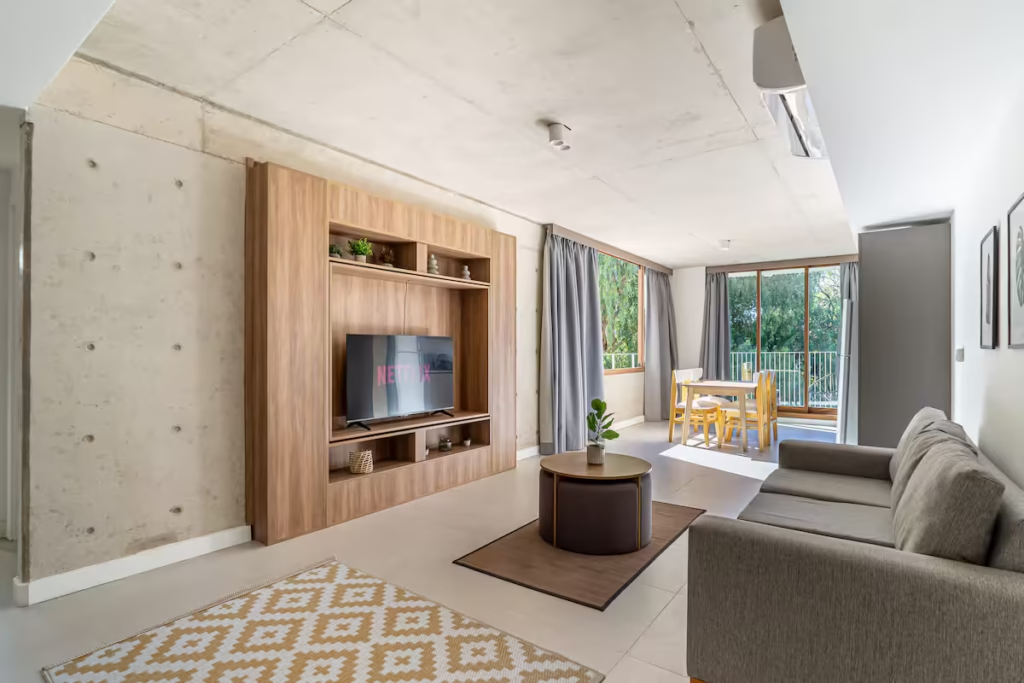
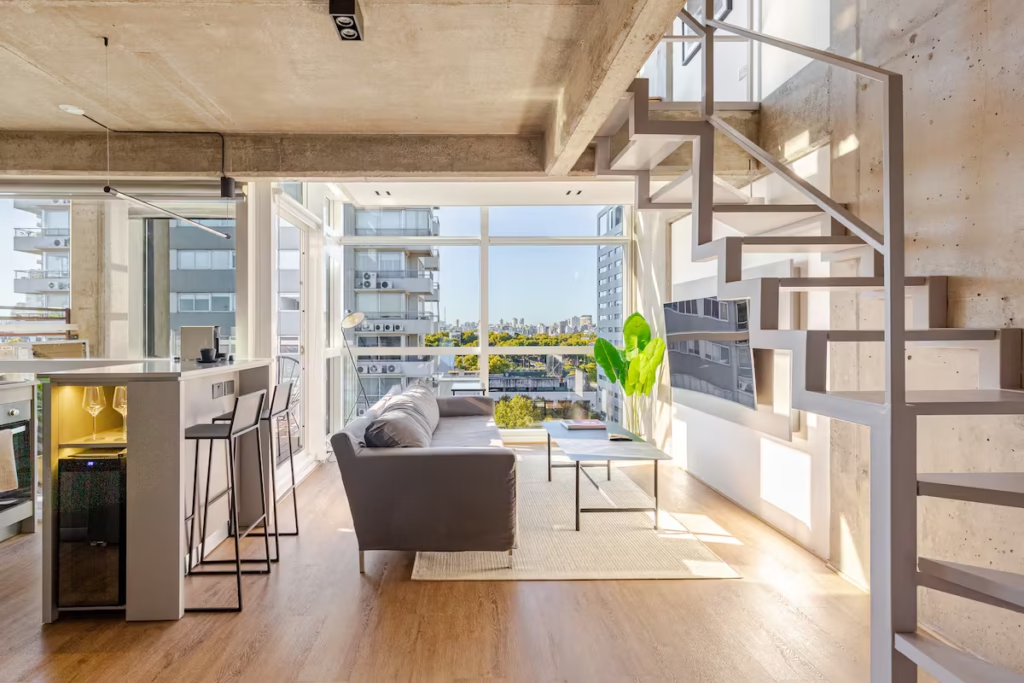
Find below our curated selection of boutique hotels and design apartments that offer exceptional value, atmosphere, and comfort during the off‑season — often at significantly lower rates than peak months.
Uncrowded Experiences & Tours
Skip the lines and experience iconic landmarks at your own pace. Discover curated local tours and cultural activities designed to show you the authentic side of the destination without the peak-season rush.
Handy Tips
Weather & Climate
The climate is generally temperate, with four distinct seasons. Summers (Dec–Feb) are hot and humid, with average high temperatures around 28ºC (82ºF). Winters (Jun–Aug) are mild to cool, with average lows around 8ºC (46ºF). Spring and Autumn offer the most pleasant weather.
Local Customs And Etiquette
Greeting: Argentines often greet friends and acquaintances with a light kiss on the cheek (beso), regardless of gender. A handshake is common in business or formal settings.
Mate: Sharing mate (a traditional caffeine-rich herbal infusion) is a key social ritual. If offered, accept and follow the etiquette (drink the entire cup and pass it back to the host, who will refill it).
Punctuality: Things in Argentina generally run on “Argentine time.” Don’t be surprised if people are 15-30 minutes late for a social engagement.
Budgeting For Your Trip
Accommodation: Hostels ($15–$30), mid-range hotels ($60–$100), luxury ($120+).
Food: Fixed-price lunch menu (Menú Ejecutivo) ($8–$15), dinner at a mid-range restaurant ($20–$40 per person), fine dining ($50+).
Transport: City bus/Subte (subway) ticket ($0.50–$1 – use a rechargeable SUBE card), taxi/Uber (mid-range ride $5–$10).
Activities: Tango show (basic ticket $30–$60), museum entrance ($5–$15).
Daily Budget:
- Budget: $50–$80 (hostels, empanadas and small plate food, public transport).
- Mid-range: $90–$150 (hotels, restaurants, attractions).
- Luxury: $170+ (boutique hotels, gourmet meals, private tours).
Getting Around
In the City (Buenos Aires): The Subte (subway) and Bus network are extensive and efficient. You must purchase a SUBE card to use public transit. Taxis and ride-share apps (Uber/Cabify) are widely available.
Out of the City (Tigre/Areco): Excellent, affordable, and punctual trains connect the city center to both Tigre and San Antonio de Areco.
Long Distance: Buses (long-distance coaches) are the primary way to travel to Mar del Plata or other provinces. They are comfortable and high-quality.
Must-Try Food
Asado: Argentina’s legendary barbecue—a mix of high-quality beef cuts (bife de chorizo, vacio), pork, and internal organs, slow-cooked over coals.
Empanadas: Savory pastries filled with beef (spicy or mild), chicken, ham and cheese, or vegetables. A perfect snack or light meal.
Milanesa: Thinly sliced meat (usually beef) dipped in egg, coated in breadcrumbs, and fried or baked. Often served a caballo (with a fried egg).
Choripán: A quintessential street food: grilled chorizo (sausage) served in a crusty bread roll, often topped with chimichurri (parsley and garlic sauce).
Provoleta: A thick slice of Provolone cheese, seasoned with oregano, grilled until melted, crispy on the outside, and gooey on the inside.
Alfajores: The most famous sweet treat: two soft cookies joined by a filling, most commonly dulce de leche, and often covered in chocolate or powdered sugar.
Dulce de Leche: A creamy caramel-like confection made from slowly cooked milk and sugar. It is eaten with everything: toast, pancakes, ice cream, and straight from the spoon.
Media Lunas: Croissant-like pastries, slightly sweeter and denser than the French version, often eaten for breakfast with coffee.
Helado: Argentine ice cream, renowned for its quality and texture, often compared favorably to Italian gelato.
Must-Try Drinks
Malbec Wine: Argentina’s most famous grape, producing rich, full-bodied red wines, typically from Mendoza but readily available everywhere.
Fernet-Cola: A highly popular cocktail made by mixing the bitter Italian herbal liqueur Fernet Branca with Coca-Cola. A cultural staple, especially among younger crowds.
Torrontés Wine: Argentina’s signature white wine, offering a light, aromatic, and distinctly floral taste.
Cerveza Quilmes: Argentina’s most ubiquitous and popular local beer, a light lager.
Clericó: A refreshing, traditional alcoholic punch made with white wine and chopped fresh fruit.
Mate: (See Local Customs) A traditional, non-alcoholic infusion shared socially.
Submarino: A hot chocolate drink where a bar of solid chocolate is served with hot milk and stirred until melted—perfect for winter.