 Skip to content
- Why Should I Travel To Argentina In The Off-Season?
You can 'Exploit Travel Seasonality' here for huge savings and a more authentic feel. By visiting during the winter months (June to August) or the cooler weeks of May and September, you will find hotel prices drop by nearly half and flight costs from the US can decrease by up to 40% compared to peak summer rates .
The trade-off is the weather. While you get incredible value and have major sights almost to yourself, Patagonia will be very cold with some trail closures, and Buenos Aires requires a heavy coat . However, it is the perfect time to enjoy cozy cafes, tango shows, and the bustling ski resorts (where it is actually peak season).
- What Is The Weather Really Like During Low Season In Argentina?
It varies dramatically because Argentina is massive. In the north, winter (June-August) offers mild and dry "winter sun" with pleasant temperatures. However, if you head down to Patagonia, you will face cold winds, snow, and temperatures often dropping below freezing .
The positive spin is variety. You can ski in Bariloche with fresh powder in the morning and enjoy a steak dinner in Buenos Aires that evening. Just remember that days are shorter (sunset around 5:50 PM in June), so plan your outdoor adventures for the earlier daylight hours .
- Are There Transportation Issues In The Argentine Off-Season?
Not really, except in remote Patagonia. Buses and domestic flights to major cities like Cordoba or Mendoza run reliably all year. However, if you plan to visit the far south (El Calafate or Tierra del Fuego), some long-distance bus routes reduce their frequency, and unpaved rural roads can become muddy or icy .
The upside is urban mobility. In Buenos Aires, the off-season is a dream for getting around. You will actually find a seat on the Subte (subway) and snag last-minute tables at famous restaurants like Don Julio without the usual two-hour wait .
- What Are The Hidden Discounts For Argentina Travel?
The biggest discount comes from the "Blue Dollar" effect, which is amplified in the low season. Because fewer tourists are competing for dollars, you often get better exchange rates on the street (or via Western Union) during winter. Accommodation costs drop by 40-60%, making four-star hotels in Recoleta a real bargain .
Expect free upgrades. With hotels at half capacity, staff have more time to chat and often upgrade you to a room with a view. Tour operators for the Iguazu Falls or Mendoza wineries frequently offer "2-for-1" deals during June and August to attract local travelers .
- Is Argentina Too Cold To Visit During The Deep Off-Season?
No, it just requires a different packing list. While Buenos Aires and the Pampas see chilly (but sunny) days around 5-14°C (41-57°F), the north-west (Salta & Jujuy) actually has its most pleasant weather with bright blue skies and comfortable hiking temperatures .
The only "drawdown" is the coast. The Atlantic beach towns like Mar del Plata shut down their outdoor pool culture and feel windswept. But if you swap swimming for sightseeing, you get the entire country's cultural sites practically to yourself .

Home > Exploit The Seasons > Seasonal World Map > South America > Argentina
ARGENTINA
Argentina stretches from subtropical waterfalls to polar glaciers, each season flipping the script on where to find magic. Skip the crowds, embrace authentic gaucho culture, and discover Patagonia, Buenos Aires, and the wine country with better value and fewer selfie sticks.
Smart Travel Calendar
Why Visit Argentina?
Fewer hikers on iconic trails: Enjoy Perito Moreno and Fitz Roy almost to yourself.
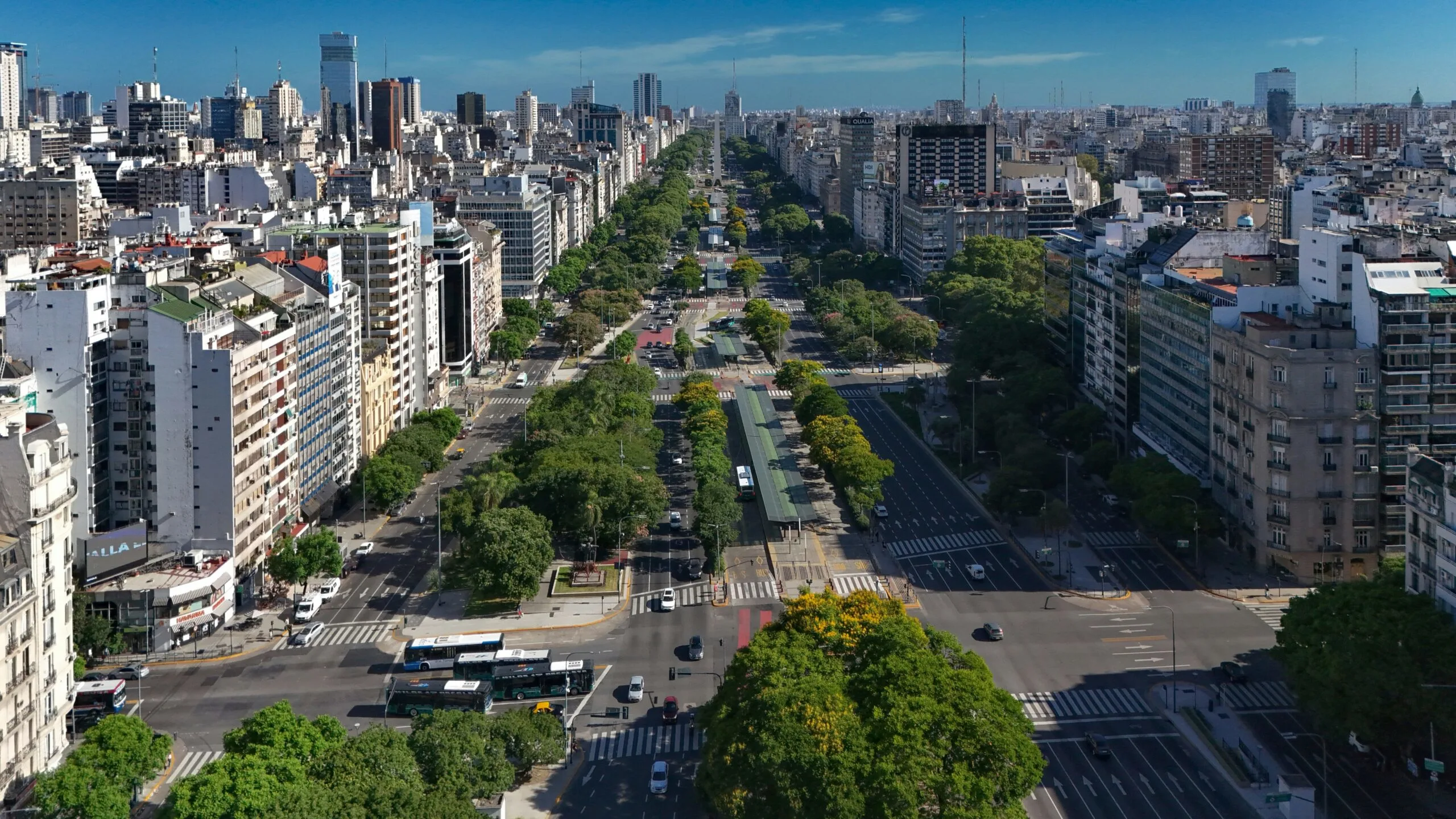
Authentic porteno life: Buenos Aires feels local, not like a cruise ship terminal.
Wine tastings without the rush: Mendoza bodegas offer unhurried, personal tours.
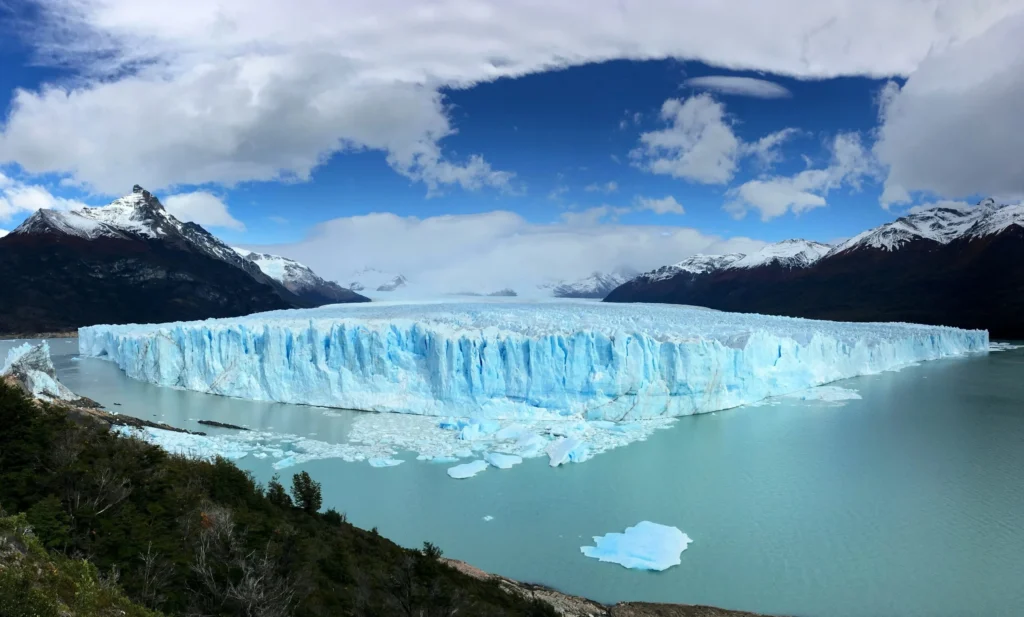
Hotels slash rates by half: From luxury Recoleta to rustic El Calafate hostels.
No queues for Iguazu Falls: The Devil’s Throat is yours, not a thousand tourists’.
Better photo light & wildlife: Golden hour lasts longer, and whales linger longer.
Shoulder Season
Your Smartest Windows
September to November (Spring)
March to May (Autumn)
Avoid: Argentine Summer School Holidays (mid-December to February) plus the two weeks around Carnival (February/March – dates vary) and Easter Week (Semana Santa – March/April) where domestic travel spikes.
What the Sky Does
Spring: 10°C to 22°C (50°F to 72°F) – crisp mornings, sunny afternoons.
Autumn: 8°C to 20°C (46°F to 68°F) – perfect for walking cities and vineyards.
Patagonia winds calm slightly in November and April.
Iguazu sees less humidity and fuller falls before summer rains.
Mendoza has clear, golden light for mountain backdrops.
How Empty It Feels
40-50% fewer tourists compared to peak summer (Jan-Feb).
Buenos Aires: locals outnumber visitors; book a tango show same-day.
Patagonia trails: no convoy of hikers; you’ll hear birds, not engines.
Iguazu walkways: easy to find a bench and just listen to the falls.
What You’ll Save
30-40% on flights and 40-50% on 4-5 star hotels.
Car rental in El Calafate: up to 35% cheaper than December.
Same-day entry to top bodegas in Maipú valley.
Parilla dinners (steak houses) with no wait and locals-only prices.
The Secret Perk
Patagonia in autumn colors: lengas and ñires turn fiery red-gold.
Whale watching in Peninsula Valdés: southern right whales still active in March/April.
Harvest festivals in Mendoza: Vendimia (March) with grape stomping and parades.
Low angle sun: perfect for photography of the Andes and Recoleta Cemetery.
Local interaction: shopkeepers and guides have time to chat – no rush.
The Tiny Trade-Off
Some lake crossings to Chile (e.g. Puerto Varas) reduce frequency in late April.
Patagonia can be windy – pack layers and a windproof jacket.
Iguazu boat rides may pause briefly after heavy rain.
Semana Santa (Easter) fills smaller colonial towns like Salta and Cafayate.
Smart Traveler Tip
Target late October to mid-November for Patagonia flowers and mild weather.
For Mendoza harvest, book late March – après-harvest crowds drop.
Fly into Buenos Aires, then take a quick domestic flight to Bariloche for spring skiing or autumn foliage.
Deep Off-Season
Your Smartest Windows
June to August (Winter)
Avoid: July school vacation (winter break – two weeks mid-July) , which fills ski resorts like Las Leñas and Cerro Catedral with families and raises prices in Bariloche.
What the Sky Does
Winter: 0°C to 12°C (32°F to 54°F) – cold in Patagonia, mild in the north.
Buenos Aires: chilly but sunny, perfect for museums and cafes.
Iguazu: lower water levels but spectacular mist and few visitors.
Mendoza: sunny days (12-15°C) but cold nights – ideal for fireplace wine tastings.
How Empty It Feels
60-70% fewer tourists vs. peak summer; Patagonia highways are silent.
Historic sites like Tierra del Fuego’s train: just a handful of hardy travelers.
Museums in Buenos Aires (e.g. MALBA, Bellas Artes) feel like private viewings.
Small towns like El Chaltén are ghost towns – only serious mountaineers remain.
What You’ll Save
Up to 60% off peak summer rates for hotels and flights.
Flights to El Calafate are often half the January price.
4-star hotels in Buenos Aires from $50-70 USD per night.
Car rental discounts up to 50% outside ski weeks
The Secret Perk
Skiing without lift lines: Las Leñas and Cerro Castor offer pristine runs.
Thermal baths in Termas de Río Hondo: hot springs in cool weather, empty pools.
Andean train journey: Tren a las Nubes (Train to the Clouds) from Salta – stunning with snowy peaks.
Asado culture indoors: join locals in closed-door parillas for a true winter feast.
Genuine connection: guides take you for coffee; no mass tourism.
The Tiny Trade-Off
Beach towns (Mar del Plata, Pinamar) are boarded up and lifeless.
Nightlife in coastal cities is dead; stick to Buenos Aires or Córdoba.
Some estancias (ranches) close for maintenance or reduce tours.
Daylight: only 9-10 hours (sunset ~6:30pm in Buenos Aires).
Smart Traveler Tip
Avoid the two-week July school break if you hate ski crowds. Go early June or August instead.
August is the quietest month – pre-spring bloom begins, and hotels are desperate to fill rooms.
Pack thermal layers, a windproof jacket, and gloves even for Buenos Aires.
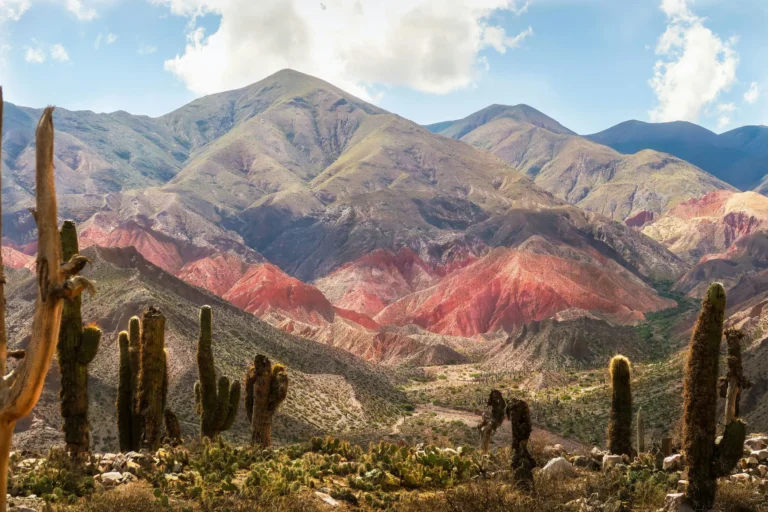
Head north to Salta and Jujuy for the mildest winter (15-20°C days) and rainbow mountains without tourists.
Find Off-Peak Flights
FAQs
Explore Argentina
Essential Trip Information
Visa and Entry Requirements
Argentina’s entry rules vary by nationality. Check official requirements here.
Passports must be valid for at least 6 months beyond your stay.
Many nationalities (e.g., U.S., EU, Canada, Australia) can enter visa-free for 90 days.
Immigration may ask for proof of onward travel, accommodation, or sufficient funds (US$50–100/day recommended).
Tourist visa fee (if required): ~US$160 (varies by nationality).
Currency
Argentina uses the Argentine Peso (ARS). Bills: ARS 20–1,000; coins: ARS 1–10.
Best Ways to Handle Currency:
- Before Your Trip: Exchange a small amount; official rates are poor.
- During Your Trip: Withdraw pesos from ATMs (Banco Nación, Santander) or use Western Union (often better rates). Credit cards (Visa/Mastercard) are widely accepted, but cash is king for small vendors.
- What to Avoid: Street money changers (“blue dollar” is illegal; use reputable exchanges).
Language
Spanish is the official language. English is limited outside tourist areas.
Helpful phrases: “Hola” (Hello), “Gracias” (Thank you), “¿Cuánto cuesta?” (How much?).
Safety & Security
Generally safe, but watch for pickpockets in crowded areas (e.g., Buenos Aires’ Subte, La Boca).
Avoid flashing valuables or walking alone at night in sketchy neighborhoods.
Emergency number: 911 (or 101 for police).
Health & Insurance
No special vaccinations required (check CDC for updates).
Tap water is safe in major cities; bottled water recommended in rural areas.
Pharmacies (“farmacias”) are widely available.
Transportation
Buses: Efficient and cheap; long-distance buses are luxurious (semi-cama/cama seats).
Trains: Limited but scenic (e.g., Tren a las Nubes).
Domestic flights: Affordable (Aerolíneas Argentinas, JetSMART).
Renting a car: Useful for Patagonia, but traffic in Buenos Aires is chaotic.
Price Level
Argentina ranges from budget-friendly to moderate, with luxury options in major cities.
Accommodation
Budget: Hostels/guesthouses (US$10–25/night).
Mid-range: 3-star hotels (US$40–80/night).
Luxury: 4-5 star hotels (US$100+/night).
Food
Quick eats: Empanadas (US$1–2),pizza slices (US$3–5).
Casual dining: Parrillas (steakhouses, US$10–20/person).
Fine dining: US$30+/person.
Drinks
Beer: US$2–4 (bars), US$1 (supermarkets).
Malbec wine: US$5–15/bottle.
Mate (traditional tea): Free to US$2/serving.
Transportation
Subte (Buenos Aires metro): US$0.50/ride.
Buses: US$0.30–1 (varies by city).
Taxis/Uber: US$3–10 for short trips.
Long-distance buses: US$20–50 (overnight trips).
Money-Saving Tips
Eat at parrillas for affordable steak.
Use SUBE card for discounted public transport.
Visit free museums (e.g., Museo Nacional de Bellas Artes).
Planning Your Trip
Local Customs And Etiquette
Dinner Time: Argentines eat late (lunch at 1–3 PM, dinner after 9 PM).
Tipping: 10% in restaurants; small change for coffee/cafés.
Greetings: Cheek kisses (one) for friends; handshakes for business.
Mate Culture: Don’t refuse if offered this herbal tea—it’s a social ritual.
Dress: Casual but polished in cities; no shorts in upscale restaurants.
Budgeting For Your Trip
Accommodation: Hostels (US$10–25), hotels(US$60–150), luxury (US$200+).
Food: Empanadas (US$1–2), steakdinner(US$15–30), fine dining (US$50+).
Transport: Buses (US$0.50–1/cityride), domestic flights(US$80–200).
Activities: Park fees (US20–30),winetours(US20–30),winetours(US50–100), tango shows (US$40–80).
Daily Budget:
Budget: US$40–60 (hostels, street food, buses).
Mid-range: US$100–150 (hotels, restaurant meals, tours).
Luxury: US$250+ (boutique stays, private guides).
Internet & Mobile
Free Wi-Fi: Available in cafes, hotels, and some plazas (spotty in Patagonia).
SIM Cards: Claro/Movistar shops sell prepaid plans (US$5–10 for 3–5GB).
eSIMs: Supported (Airalo, Holafly).
Travel Insurance
Essential for: Medical emergencies (hospitals require upfront payment).
Adventure Coverage: Check for hiking, skiing, or glacier trekking.
Theft Protection: Petty theft is common in cities—cover your gadgets.
Accomodation Options
From luxury estancias to backpacker hostels:
Hotels:
- Luxury: Alvear Palace (Buenos Aires), Llao Llao (Bariloche).
- Mid-range: Design Suites (Mendoza), Mine Hotel (Palermo).
Hostels:
- Popular chains like America del Sur (Buenos Aires) or Patagonia Hostel (El Calafate).
Estancias:
- Ranch stays in the Pampas (US$150–300/night, includes meals/activities).
Airbnb
- Great for cities (Palermo, Recoleta) or Patagonia cabins.
Tip: Book Patagonia lodges 6+ months ahead for peak season.
Getting Around
Argentina’s size demands flexible transport:
Flights:
- Domestic airlines (Aerolíneas Argentinas, JetSMART) connect major cities (e.g., Buenos Aires to Salta/US$80–150).
Buses:
- Long-distance coaches (e.g., Via Bariloche) are comfortable and affordable (Buenos Aires to Mendoza/US$50–80, 14 hours).
Trains:
- Limited but scenic (e.g., Tren a las Nubes in Salta).
Car Rentals:
- Useful for Patagonia or wine country (US$30–60/day). Note: Driving in Buenos Aires is chaotic; stick to taxis.
Subte (Buenos Aires):
- Cheap (US$0.50/ride) but crowded. Use SUBECard for buses/subway.
Taxis/Rideshares:
- Uber works in cities; taxis are metered (start at ~US$1.50).