 Skip to content
- Is The Famous Lake District Still Beautiful When The Summer Colors Fade?
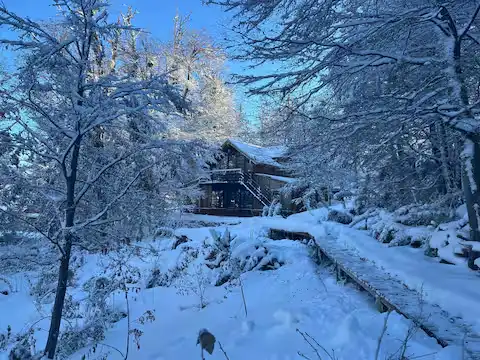
Yes, and many photographers argue it becomes even more breathtaking. The shoulder and deep off-seasons replace bright summer greens with stunning autumn golds, fiery reds, or peaceful winter whites around Nahuel Huapi and Lacar Lakes.
The drawdown is that some high trails near Cerro Catedral become icy for casual walkers. However, you gain empty shores and the magic of hot chocolate in a mountain lodge while snow falls silently, all with hotel discounts near 30%.
- Will The Wind Make Outdoor Activities Completely Miserable?
No, but honestly, the wind is part of Patagonia year round. The shoulder seasons actually offer some of the calmest windows, especially during autumn when the famous gales take a breather between summer and winter storms.
The drawdown is that exposed plateaus can still whip up strong afternoon gusts. Schedule your kayaking for morning hours, focus on forest trails in the afternoon, and enjoy saving up to 35% on lakeside hotels compared to summer rates.
- Is The Apple And Pear Blossom Season Worth Traveling For In The Off-Season?
Yes, absolutely, and it is one of Argentina's most underrated spectacles. The early shoulder season brings the Alto Valle del Río Negro to life with millions of fruit trees erupting into clouds of white and pink blossoms.
The drawdown is that this bloom window is relatively short. The reward is massive: hotel rates drop by 20% to 30%, local cider makers welcome you like family, and you will taste fresh apple cider that never reaches Buenos Aires.
- Will The Famous Fly Fishing Be Any Good Outside Of Peak Summer?
Yes, and many expert anglers insist the off-season produces bigger, smarter fish. Lower water levels concentrate trophy brown and rainbow trout into deeper pools where they are actually catchable with fewer anglers around.
The drawdown is that winter fishing requires proper cold weather gear. That said, rivers like the Limay and Malleu offer excellent action across most shoulder months, with guide rates discounted by 20% to 30% off peak prices.
- Is The Drive Through Northern Patagonia Dangerous During The Off-Season?
Generally no, but you do need to drive smarter than a summer tourist. Main highways like Ruta 40 remain well maintained, with far less traffic meaning you can actually enjoy the sweeping views of steppe and mountains.
The drawdown is that sudden snowstorms can occasionally close high passes. You simply check the forecast, carry chains, and embrace the adventure knowing you are exploring with nearly 80% fewer vehicles on the road.

Home > Exploit The Seasons > Seasonal World Map > South America > Argentina > Northern Patagonia
NORTHERN PATAGONIA
Swiss-style chalets, emerald lakes, and snow-capped volcanoes without the Swiss prices. Northern Patagonia is Argentina’s outdoor playground. Go off-season to have the Siete Lagos road all to yourself, with empty chairlifts and fire-side fondues instead of summer crowds.
Smart Travel Calendar
Shoulder Season
Your Smartest Windows
March to May (Autumn – Fire Season)
September to October (Spring – Bloom Season)
Avoid: January to February (Peak Summer) plus Mid-July (Winter school break – two weeks) when ski resorts fill with families from Buenos Aires and Brazil. Also avoid Easter Week (Semana Santa) for the same reason.
What the Sky Does
Autumn: 4°C to 18°C (39°F to 64°F) – crisp, golden light, first snow dusting on peaks, less wind than summer.
Spring: 5°C to 17°C (41°F to 63°F) – melting snow, blooming wildflowers, unpredictable rain showers.
Lake District microclimate: four seasons in one day is normal – always pack a rain jacket.
Autumn’s bosque arrayán (myrtle forest) glows copper-orange along Lake Nahuel Huapi’s shores.
How Empty It Feels
50-60% fewer tourists vs. peak January. Bariloche’s main street (Mitre) has parking spaces.
Circuito Chico’s viewpoints: you’ll share the mirador with 5 people instead of 50.
Cerro Campanario chairlift: walk straight on, no 30-minute queue for the summit view.
Villa La Angostura feels like a quiet alpine village, not a traffic jam by the lake.
What You’ll Save
40-50% on flights to BRC (Bariloche airport) vs. December-February.
Hotels in Bariloche: 45-55% off – lake-view rooms from $50-70 USD per night.
Car rental: 40% cheaper, with automatic SUVs available without booking months ahead.
Ski lift tickets at Cerro Catedral (if you go in early October or late March) – 35% off peak season rates.
The Secret Perk
Autumn colors at Arrayanes Forest: The rare myrtle trees turn fiery orange-red against the deep blue lake.
Mushroom foraging season (March-April): The region is famous for wild mushrooms – join a local guide for a hunt and lunch.
Cerro Tronador without the convoy: The “Thunderer” mountain has empty viewpoints and rumbling ice calving you can actually hear.
Photography at sunrise on Nahuel Huapi: Autumn fog lifts slowly over the lake – zero tourists, pure magic.
Local interaction: Guides take you for mate by the lake after a quiet hike – they actually remember your name.
The Tiny Trade-Off
Some lake crossing ferries (e.g., to Chile via Puerto Frías) reduce frequency or stop in late April.
The famous Juego de Tejas (tea house circuit) in El Bolsón closes some locations after April.
Autumn winds can still be strong on exposed lakeshores – pack windproof layers.
Spring (September) has lingering snow on high trails – crampons or good boots needed.
Smart Traveler Tip
Target late March to mid-April for peak autumn colors + still-operating ferries + pre-winter discounts.
For spring, aim mid-October to mid-November – snow has melted on lower trails, wildflowers are out, and ski crowds are gone.
Drive the Siete Lagos route from north to south (San Martín to Villa La Angostura) for the best afternoon light on the lakes.
Deep Off-Season
Your Smartest Windows
June to August (Winter)
Avoid: Mid-July (Argentine winter school break – two weeks) when Cerro Catedral and Cerro Bayo become packed with families. Lift lines stretch 30+ minutes, and hotel rates in Bariloche double temporarily.
What the Sky Does
Winter: -5°C to 8°C (23°F to 46°F) – heavy snow above 800m, crisp sunny days between storms.
Bariloche town: frosty mornings (often -2°C) give way to bluebird afternoons (6-8°C).
Lake effect: Nahuel Huapi never freezes, but its shores get rimmed with ice – surreal photos.
Snowfall is reliable from mid-June through August, with powder days at Cerro Catedral.
How Empty It Feels
70-80% fewer tourists vs. peak summer (except ski weeks). Bariloche feels like a quiet mountain town.
Circuito Chico in snow: you’ll see maybe one other car on the entire 25km loop.
Cerro Campanario: the chairlift runs for winter views – you’ll share the summit with 3 people.
Villa La Angostura’s main square: locals only, no tour groups, no souvenir hawkers.
What You’ll Save
Up to 65% off peak summer hotel rates in Bariloche and Villa La Angostura.
Flights to BRC often hit yearly lows in June and August (except July school break).
Ski equipment rental: 50% cheaper on non-holiday weekdays outside the July break.
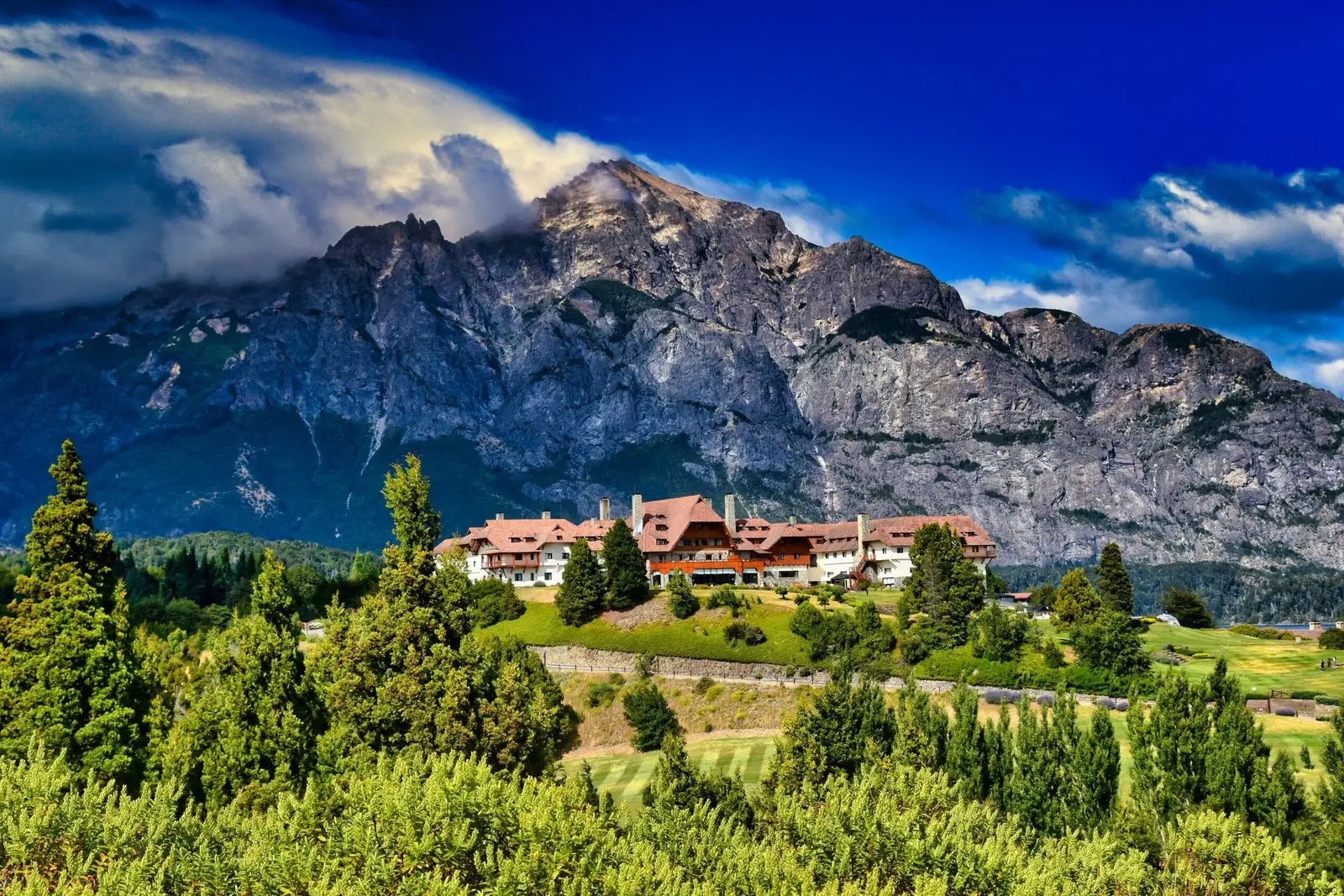
Luxury lakeside lodges (e.g., Llao Llao Hotel) offer winter packages at 60% off summer rates.
The Secret Perk
Skiing at Cerro Catedral without crowds: Go early June or August – fresh powder and empty chairlifts.
Snowshoeing to Mirador del Brazo Tristeza: A winter-only trail that’s magical with fresh snow.
Fondue culture: Bariloche’s Alpine heritage means winter is all about melted cheese, chocolate fondue, and fireplaces.
Lake Nahuel Huapi in winter silence: The water turns glassy, and the only sound is birds and lapping waves.
Genuine local connection: Hotel owners invite you to their family asado (BBQ) because there are so few guests.
The Tiny Trade-Off
The Arrayanes Forest boat tour (from Villa La Angostura) runs reduced winter hours or stops in rough weather.
El Bolsón’s famous Sunday artisan market is smaller – some vendors don’t set up in freezing cold.
Many campgrounds and budget hostels close completely from June to August.
Daylight: only 8.5-9 hours (sunset ~6:15pm in June) – start your activities early.
Smart Traveler Tip
Avoid the two weeks of July school break like the plague if you hate ski lift queues. Go early June or August instead.
August is the quietest AND best snow month – the winter break is over, but powder is still fresh.
Pack: thermal base layers, waterproof snow boots, insulated jacket, hat, gloves, and sunglasses (snow glare is brutal). Gaiters help for deep snow walks.
For the mildest winter conditions without snow, stay in Bariloche city center (300m elevation). For snow activities, go up to Cerro Catedral (1,000m+).
Find Off-Peak Flights
Top Off‑Season Stays
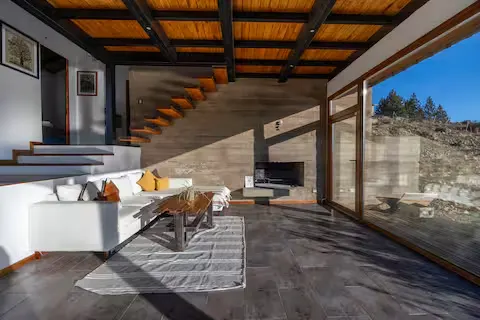
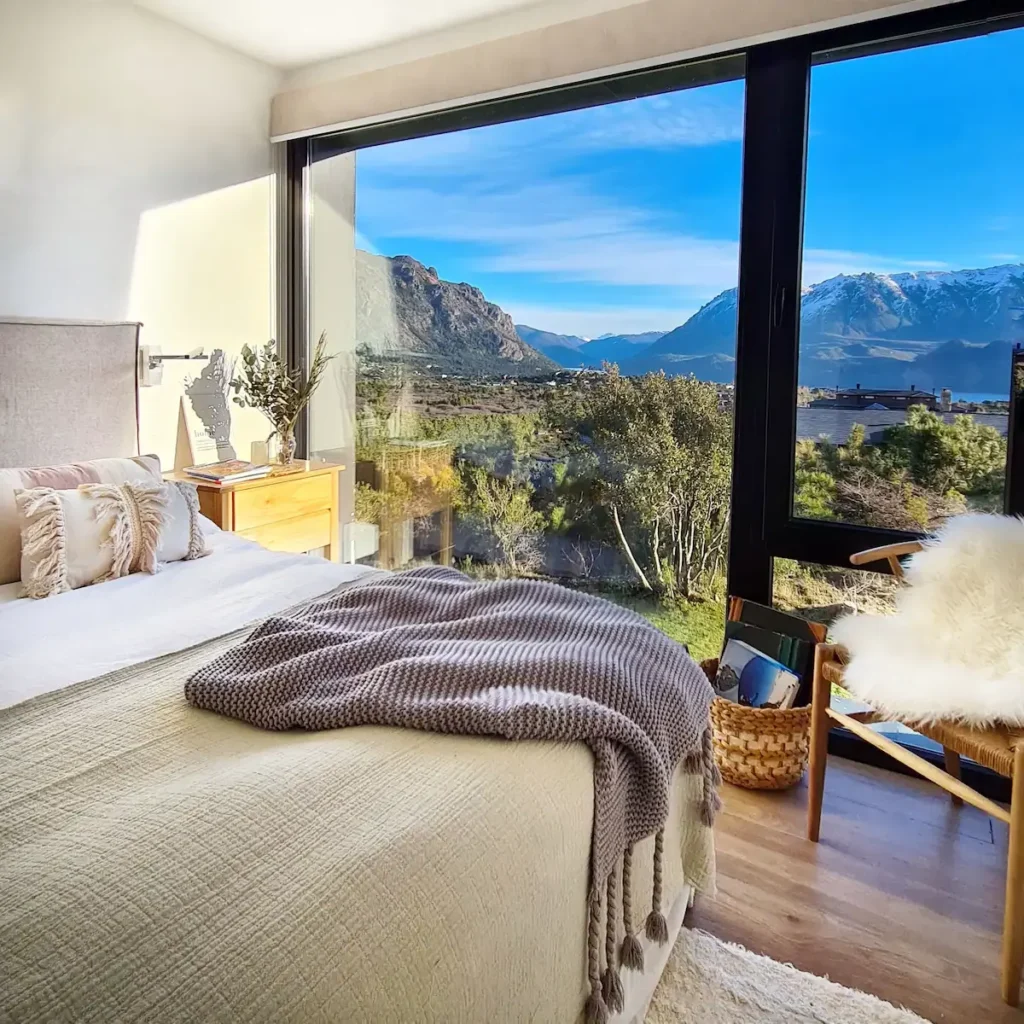
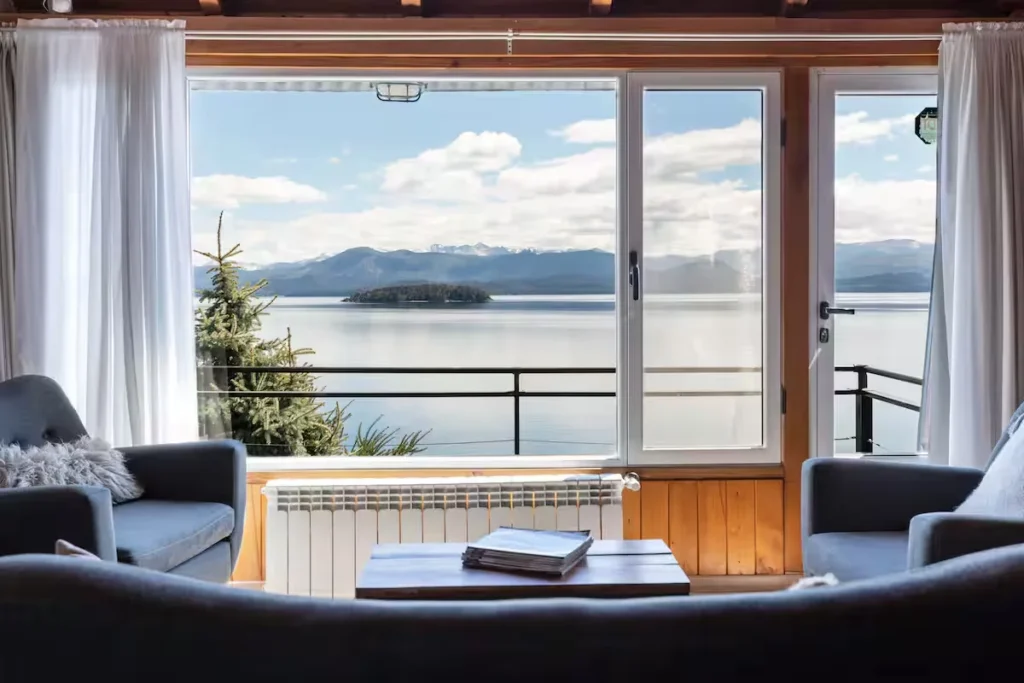
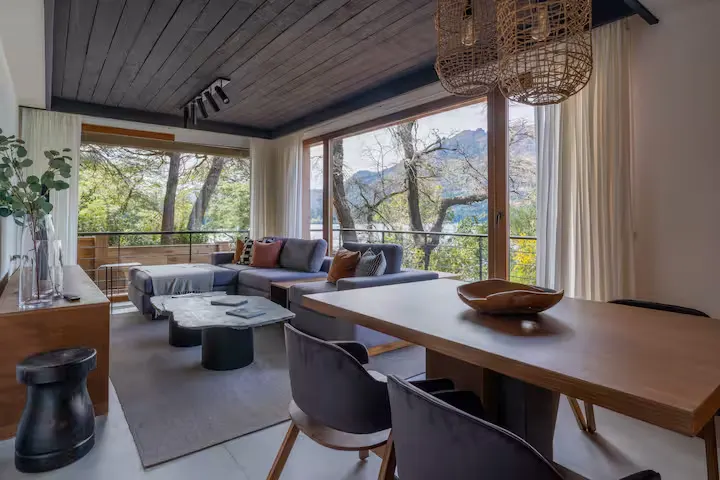
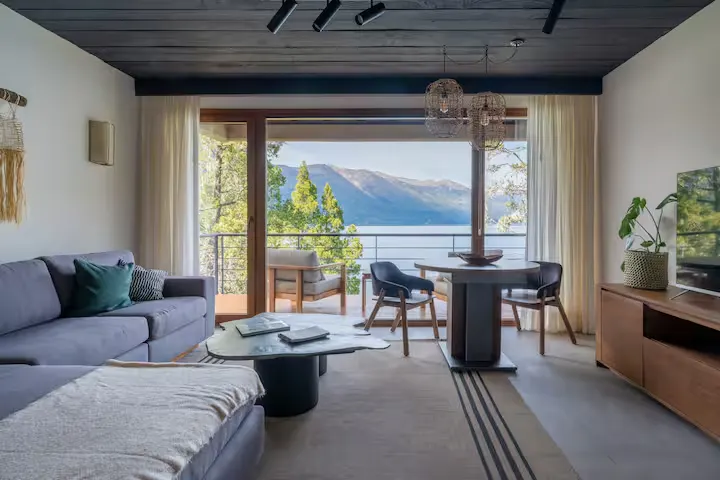
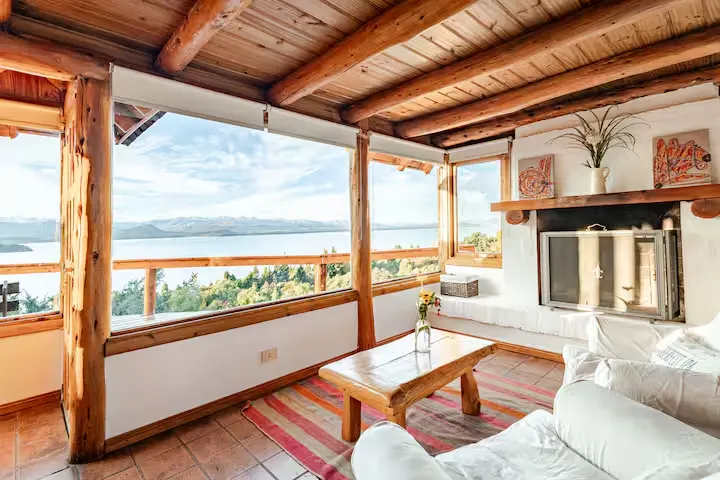
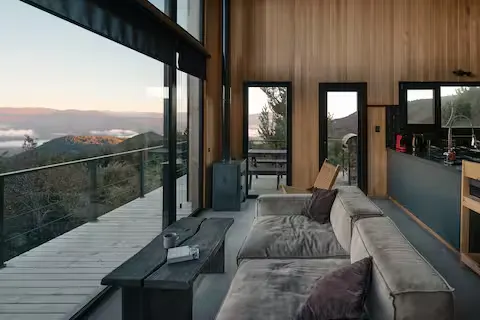
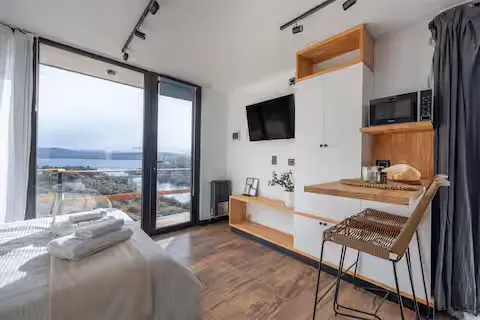
Find below our curated selection of boutique hotels and design apartments that offer exceptional value, atmosphere, and comfort during the off‑season — often at significantly lower rates than peak months.
Uncrowded Experiences & Tours
Skip the lines and experience iconic landmarks at your own pace. Discover curated local tours and cultural activities designed to show you the authentic side of the destination without the peak-season rush.
Handy Tips
Weather & Climate
The climate is generally temperate with significant variations. Summers (Dec-Feb) are mild and dry (avg. 16ºC or 61ºF) , perfect for hiking. Winters (Jun-Aug) are cold, wet, and snowy (avg. 3ºC or 37ºF), ideal for skiing. Expect unpredictable weather changes year-round.
Local Customs And Etiquette
Siesta: While less common than in the north, some smaller businesses, particularly in smaller towns, may close during the early afternoon.
The Cordillera: Locals highly value the natural environment. Always stay on marked trails and practice Leave No Trace principles in the national parks.
Language: Spanish is the official language. While English is spoken in tourist hubs like Bariloche, knowing some Spanish will enhance your experience, especially in smaller towns.
Budgeting For Your Trip
Accommodation: Hostels ($25–$50), mid-range hotels/cabins ($80–$150), luxury ($180+). Prices double during peak ski season (July/August) and summer (Jan/Feb).
Food: Fixed-price lunch menu ($15–$25), dinner at a mid-range restaurant ($30–$55 per person), fine dining ($70+).
Transport: Bus between Bariloche and San Martín de los Andes ($15–$30), rental car ($40–$70/day).
Activities: Ski pass at Cerro Catedral ($60–$100), national park entrance fee ($5–$15), lake excursions ($40+).
Daily Budget:
- Budget: $70–$120 (hostels, small meals, public transport/hitchhiking).
- Mid-range: $130–$200 (hotels, restaurants, attractions, car rental).
- Luxury: $250+ (boutique hotels, gourmet meals, private tours).
Getting Around
By Car: A car is the ideal way to explore, offering freedom to stop along scenic routes like the Siete Lagos and access more remote hiking spots. Roads are generally well-maintained.
By Bus: An efficient and affordable bus network connects the main towns (Bariloche, San Martín, El Bolsón). Local buses (like those for Circuito Chico) use a rechargeable SUBE card.
By Boat: Lake excursions are a popular way to see the national parks, such as the trips to Puerto Blest or Isla Victoria.
Must-Try Food
Cordero Patagónico al Asador: Whole Patagonian lamb roasted over an open fire, a quintessential regional specialty.
Trucha: Locally sourced freshwater trout, often served grilled or smoked.
Ciervo Ahumado: Smoked venison, often served as a cold cut with a cheese board.
Curanto: A traditional Mapuche cooking method (especially around Puelo) where food is cooked in a pit covered by hot stones.
Guiso de Lentejas: A hearty lentil stew, perfect for warming up after a cold day.
Fondue de Queso: Due to the Swiss-German influence, cheese fondue is a popular cold-weather dish in Bariloche.
Rabas: Fried calamari rings, a common appetizer served at lakeside restaurants.
Chocolate: Bariloche is the National Capital of Chocolate. Try the different varieties and stop by an heladería for ice cream.
Alfajores de Chocolate: Shortbread cookies filled with dulce de leche and coated in Bariloche chocolate.
Frutos del Bosque: Berries (like raspberries, blueberries, and cassis) used in jams, pastries, and ice cream.
Strudel de Manzana: Apple strudel, a dessert inherited from the Central European settlers.
Must-Try Drinks
Craft Beer (Cerveza Artesanal): The region is famous for its craft breweries, especially in Bariloche and El Bolsón. Try a robust Stout or a hoppy IPA.
Vino Patagónico: While wine is mainly from Cuyo, the cooler climate of Northern Patagonia produces excellent Pinot Noir, Malbec, and Sauvignon Blanc.
Pinot Noir: This light-bodied red wine is particularly successful in the Patagonian climate.
Licor de Huesillo: A unique liqueur made from the pits of peaches.
Gin: A growing number of local producers are making high-quality craft gins, often infused with native Patagonian botanicals.
Submarino: A classic hot chocolate drink: a piece of dark chocolate is dropped into a glass of hot milk, and you stir it until it melts.
Mate (Yerba Mate): The national infusion. While not unique to Patagonia, sharing mate is a vital social ritual you will see everywhere.
Té de Frutos Rojos: A warm, comforting tea made with the local wild berries.
Agua de la Montaña: The tap water in this region is famously clean and pure, coming straight from the mountain springs.