 Skip to content
- Is The Wine Tasting Experience Still Worth It When The Vines Are Not Full Of Grapes?
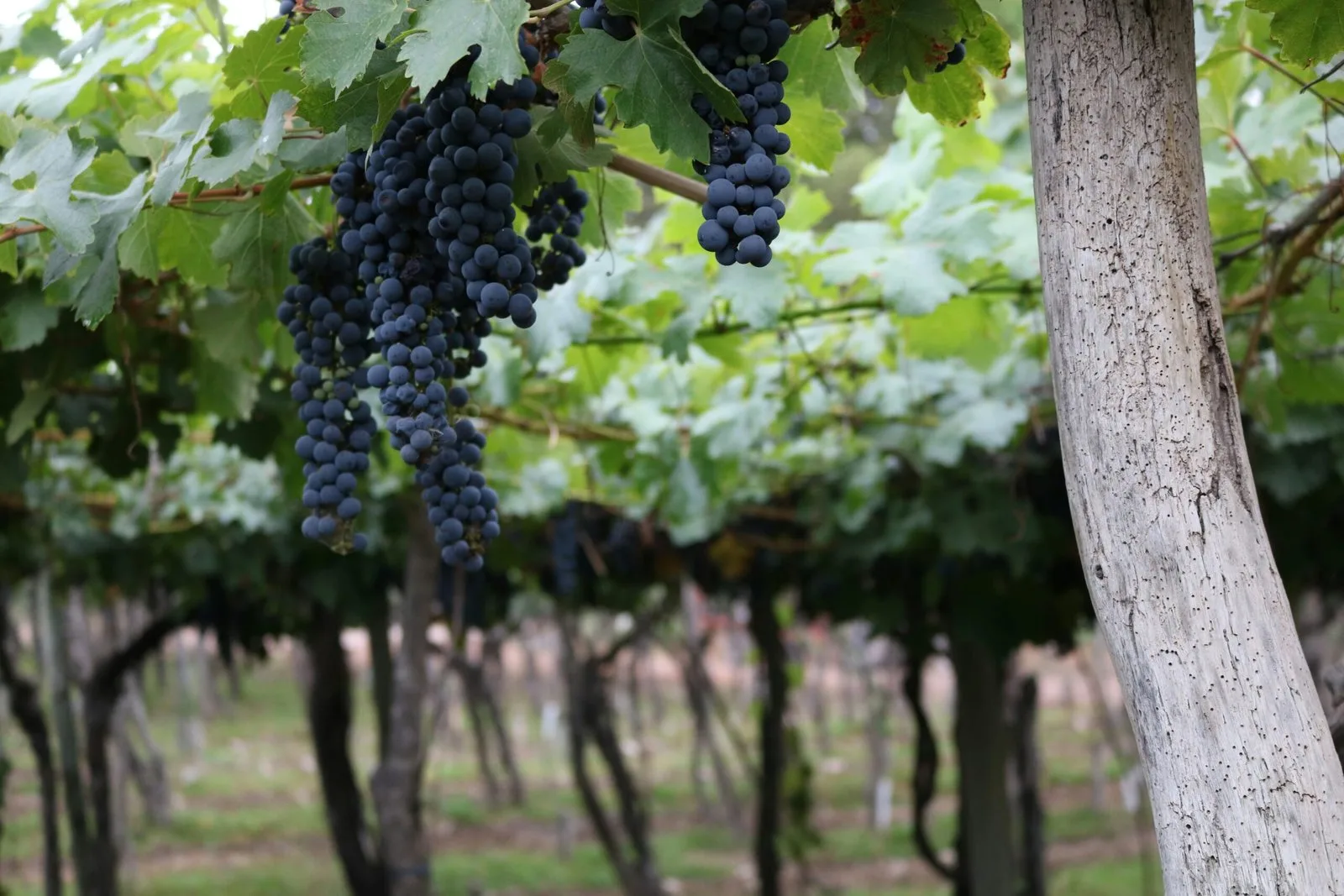
Yes, and many local sommeliers argue it is actually the superior time to visit. The shoulder and deep off-seasons transform Mendoza's famous wine country into a tranquil, intimate playground where winemakers have time to walk you through their cellars and pour you library vintages that never touch summer tasting menus. You will learn how the dormant vines store energy for the next harvest while enjoying fire-side malbec tastings that feel like a private club.
The drawdown is that you will miss the visual spectacle of lush, grape-heavy vines sprawling across the Andean foothills. However, you gain something rarer: access to the actual harvest process (if you time the late shoulder season), plus discounts on premium tasting flights that regularly drop by 25% to 40%. You are trading postcard views for real education and better prices.
- Will The High Mountain Passes And Aconcagua Treks Be Completely Closed Or Dangerous?
Partially yes, and you need to plan carefully. The deepest off-season brings heavy snow to the highest elevations, meaning the Cristo Redentor tunnel crossing into Chile can close temporarily and the upper reaches of Aconcagua Provincial Park become strictly for serious mountaineers only. Lower elevation treks and the famous Horcones Lagoon viewpoint, however, remain accessible and are often more beautiful with snow-capped peaks reflecting in calm, tourist-free water.
The drawdown is that you cannot simply show up and hike to Plaza de Mulas base camp without proper winter gear and permits. But here is how you exploit travel seasonality: focus on the incredible valley trails, book a mountaineering course at nearly 30% off summer rates, or simply photograph the Western Hemisphere's highest peak from empty viewpoints where summer crowds are replaced by absolute silence.
- Does The Amazing Dry Mountain Weather Disappear During The Off-Season?
No, and this is one of Cuyo's greatest hidden advantages. Even during the cooler months, the region enjoys over 250 sunny days per year thanks to the Andean rain shadow, meaning you will wake up to crisp, cloudless skies more often than not. The air remains so dry that the famous termalismo (hot springs) experience becomes even more magical as you soak in steaming pools while looking at snow dusted peaks.
The drawdown is that nighttime temperatures drop significantly, sometimes below freezing in the deepest winter, and afternoon winds can pick up unexpectedly. That said, the daytime conditions are perfect for outdoor adventures like horseback riding through Valle de Uco or hiking in Quebrada de Ullum. You just pack layers like a pro and laugh at the summer tourists who suffered through 100 degree heat with no shade.
- Are The Hot Springs And Thermal Resorts Still Fully Operational When It Is Cold Outside?
Yes, and the colder it gets, the better the thermal experience becomes. The famous hot springs of Cacheuta, Termas de Villavicencio, and Talacasto Pueblo run year round, with the off-season bringing the most dramatic temperature contrast between the cold mountain air and the soothing, mineral rich waters. You will soak in natural pools with practically zero other guests, often receiving upgraded rooms or free spa access because occupancy is so low.
The drawdown is that some outdoor thermal pools may close if snow accumulates heavily, and the drive to remote springs requires checking road conditions first. However, the indoor pools and spa services never stop, and hotels near the thermal zones slash their rates by up to 35%. You can afford that luxury massage you skipped during summer high season.
- Will I Miss Out On All The Outdoor Adventure Activities Like Rafting And Rock Climbing?
No, you simply swap summer adventures for equally thrilling off-season alternatives. The whitewater rafting season on the Mendoza River actually peaks during the early shoulder months when snowmelt creates faster, more exciting rapids than the lazy summer flows. Rock climbing in the precordillera becomes safer and more comfortable without scorching heat, and you will find guides offering private climbing clinics for up to 40% less than peak season group rates.
The drawdown is that high altitude mountaineering and some zipline courses reduce their hours or shut down during the coldest weeks. That said, the off-season introduces unique adventures you cannot do in summer, like skiing or snowboarding at Los Penitentes or Vallecitos, followed by the same day wine tasting. You are not losing options; you are doubling your playground.

Home > Exploit The Seasons > Seasonal World Map > South America > Argentina > Cuyo And Central Andes
CUYO & CENTRAL ANDES
Mendoza’s vineyards don’t sleep, but the crowds do. Imagine empty tasting rooms, snow-dusted peaks as your backdrop, and Aconcagua’s silence broken only by wind. This is Cuyo off-season: where the wine flows, the Andes roar, and you’re never rushed.
Smart Travel Calendar
Shoulder Season
Your Smartest Windows
March to May (Autumn – Harvest Season)
September to October (Spring – Mountain Bloom)
Avoid: January to February (Peak Summer & Harvest Prelude) plus Easter Week (Semana Santa – March/April) when Mendoza fills with domestic and Brazilian wine tourists. Vendimia (March grape harvest festival) is wonderful but book way ahead.
What the Sky Does
Autumn: 12°C to 24°C (54°F to 75°F) – crisp mornings, golden afternoons, first snow dusting on Aconcagua.
Spring: 10°C to 22°C (50°F to 72°F) – blooming wildflowers, clear mountain air, occasional wind.
Cuyo’s famous 300+ days of sun still apply – rain is rare any time of year.
The Viento Zonda (hot, dry wind from the Andes) is most common in September – pack dust protection.
How Empty It Feels
45-55% fewer tourists vs. peak January. Bodega tasting rooms have 2-3 groups instead of 20.
Aconcagua Provincial Park trails: you’ll see hardcore trekkers, not family selfie sticks.
Plaza Independencia (Mendoza city): locals read newspapers on benches – no tour groups.
Route 7 to the Chilean border: empty hairpin turns with Andean vistas all to yourself.
What You’ll Save
35-45% on flights to MDZ (Mendoza airport) vs. December-February.
Wine tours: 30-40% off private tastings and multi-bodega packages.
Hotels in Luján de Cuyo: 40-50% off vineyard-view rooms.
Car rental: 35% cheaper, with no advance booking needed for a 4×4.
The Secret Perk
Vendimia (Grape Harvest) in March: If you time it right, you get harvest festivals AND post-peak discounts.
Autumn colors in the vineyards: Malbec leaves turn crimson against the snow-dusted Andes.
Aconcagua without the crowds: Late March and September are ideal for base camp treks (Plaza de Mulas) with fewer mountaineers.
Olive harvest in April-May: Visit olive oil producers in Cruz de Piedra – they’re not busy and happy to pour samples.
Local interaction: Bodega staff invite you for picada (shared cheese/cured meat board) because they have time to chat.
The Tiny Trade-Off
Some high-mountain passes (e.g., Route 7 to Chile at Cristo Redentor) may close temporarily after early snow.
Aconcagua summit expeditions end by late March – base camp treks still fine.
Spring (September) can bring Viento Zonda – winds up to 80km/h with dust.
Vendimia week (early March) is magic but crowded – avoid that specific week for pure quiet.
Smart Traveler Tip
Target late March to mid-April for harvest season’s tail end – vineyards still active, crowds gone.
For spring, aim mid-September to mid-October – before summer heat but after Zonda wind peak.
Book a sunset horse ride through vineyards in autumn – the light is world-class for photography.
Deep Off-Season
Your Smartest Windows
June to August (Winter)
Avoid: Mid-July (Argentine winter school break – two weeks) when ski resorts near Mendoza (Los Penitentes, Las Leñas) push prices up. Aconcagua base camps also see a mini-surge of snow tourists.
What the Sky Does
Winter: -2°C to 14°C (28°F to 57°F) – freezing nights, sunny days, snow line dropping to 1,500 meters.
Aconcagua: permanent snow at higher elevations; base camp is cold but often clear.
Mendoza city: frosty mornings (0°C) give way to brilliant, cloudless afternoons (12-14°C).
Humidity: near zero. The air is so dry your lips will crack – bring lip balm.
How Empty It Feels
65-75% fewer tourists vs. peak summer. Wine country feels like a private estate.
Bodega tours: you might be the only visitor of the entire morning.
Aconcagua viewing from Horcones Lagoon (entry park): maybe 5 people instead of 100.
San Juan’s lunar landscapes (Ischigualasto / Valle de la Luna): empty trails for fossil hunting.
What You’ll Save
Up to 65% off peak summer hotel rates in Mendoza’s wine regions.
Flights to MDZ often hit yearly lows in June and August.
Luxury wine lodges (e.g., The Vines Resort & Spa) offer winter packages at 50-60% off.
Skiing at Los Penitentes: lift tickets are cheap on non-holiday weekdays (outside July school break).
The Secret Perk
Aconcagua’s winter face: The peak is most dramatic against deep blue winter skies.
Fondue and fireplaces: Bodegas switch to winter menus – melted cheese, local chorizo, and Malbec by the fire.
Thermal baths in Cacheuta: Hot springs in the Andes, empty pools, snow views from the water.
Ischigualasto’s moon valley: Winter light casts long shadows over the Triassic-era formations.
Genuine local connection: Winemakers are bored in winter – they’ll talk for hours over a barrel sample.
The Tiny Trade-Off
Many high-altitude bodegas (e.g., Bodega Tierras Altas) close tours or reduce hours.
Horseback riding tours are cold – bring your own gloves and thermal pants.
Outdoor swimming pools (even heated ones) feel unpleasant below 10°C.
Daylight: only 9.5 hours (sunset ~6:30pm in Mendoza) – plan early wine tastings.
Smart Traveler Tip
If you want winter AND skiing without crowds, go early June or August – avoid the July school break fortnight.
The quietest month is June – deepest winter, lowest prices, but also the coldest nights.
Pack: thermal base layers, wool socks, a proper winter coat, lip balm, sunscreen (the Andean sun still burns), and sunglasses (snow glare is real).
For milder winter conditions, stick to Mendoza city’s low-altitude bodegas (Maipú). For snow adventures, go to Los Penitentes or Puente del Inca.
Find Off-Peak Flights
Top Off‑Season Stays
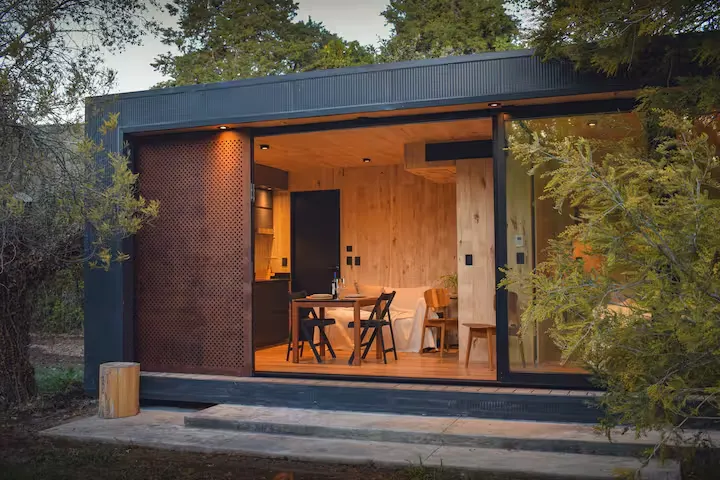
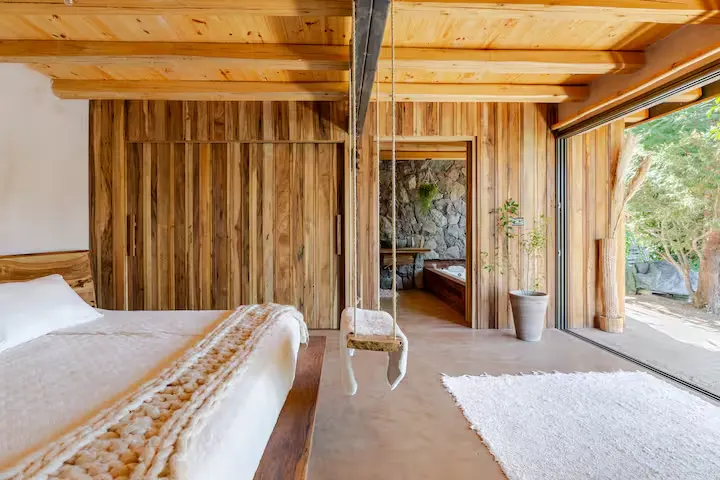
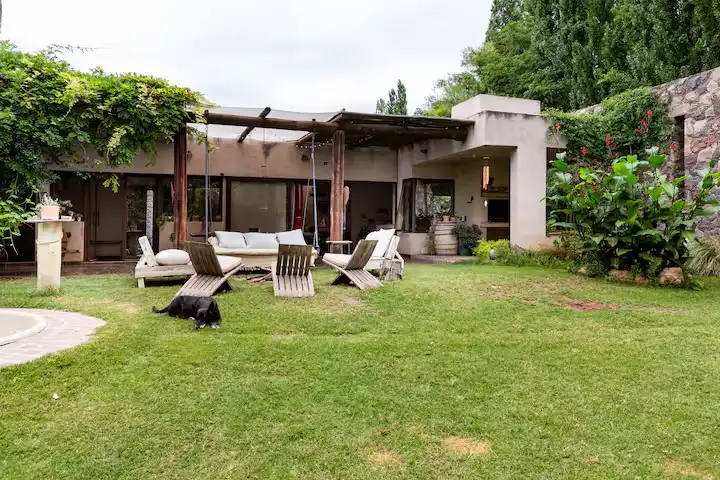
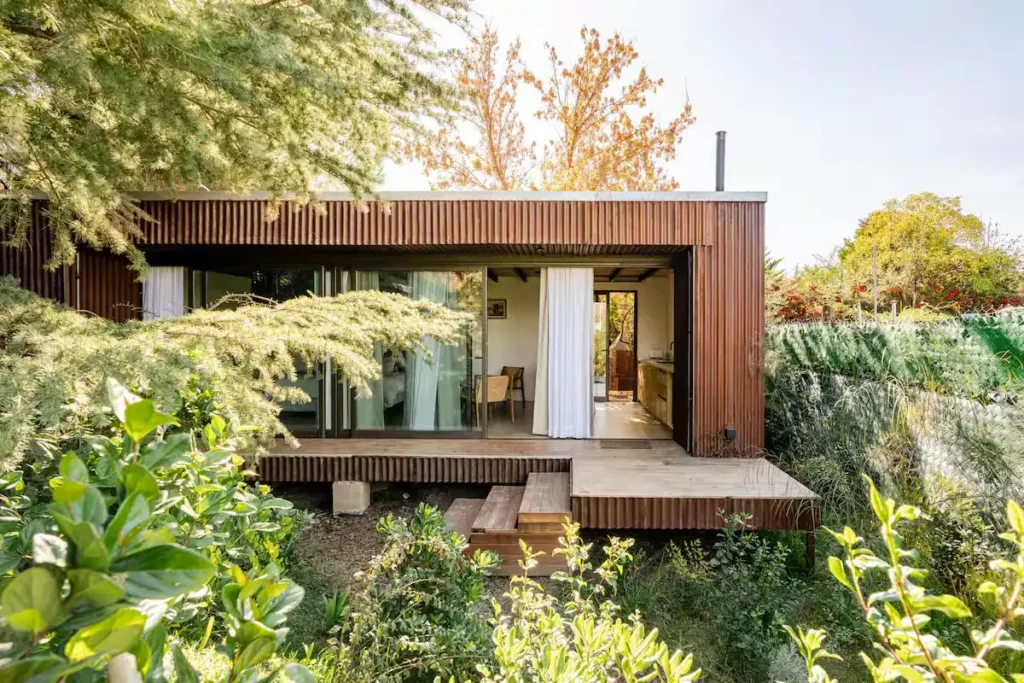
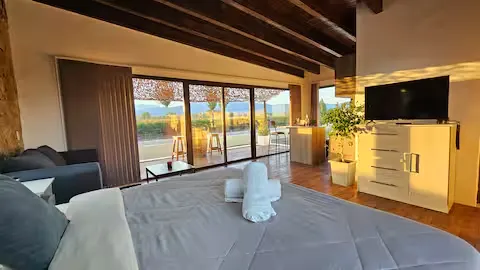
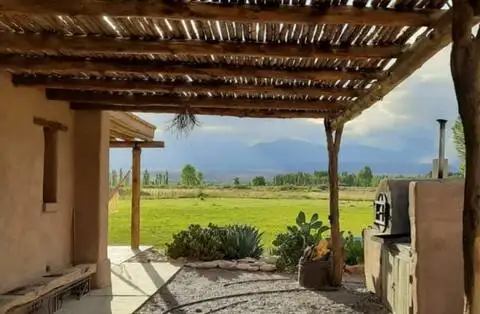
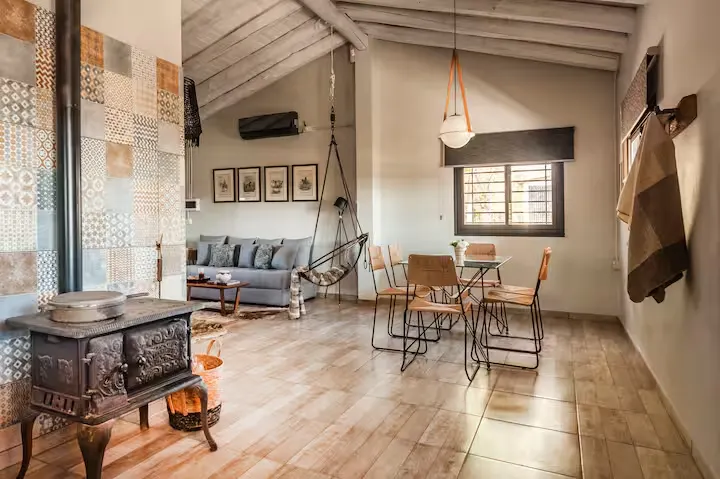
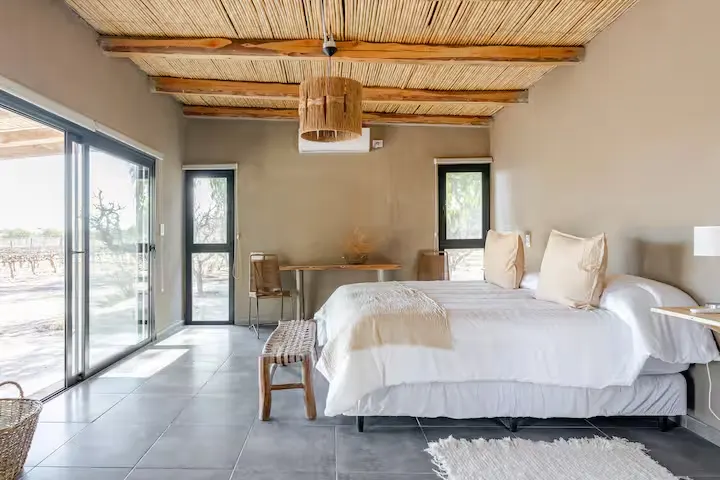
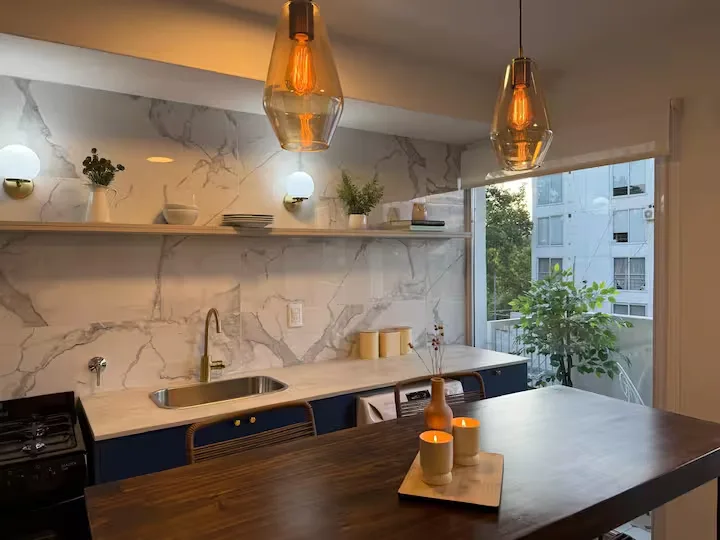
Find below our curated selection of boutique hotels and design apartments that offer exceptional value, atmosphere, and comfort during the off‑season — often at significantly lower rates than peak months.
Uncrowded Experiences & Tours
Skip the lines and experience iconic landmarks at your own pace. Discover curated local tours and cultural activities designed to show you the authentic side of the destination without the peak-season rush.
Handy Tips
Weather & Climate
The climate is generally arid and continental. Summers are hot and dry (can exceed 35ºC/95ºF). Winters are cold, especially at night, but often sunny. The high Andes are Alpine, with deep snow in winter and cool summers.
Local Customs And Etiquette
Siesta: In cities like Mendoza and San Juan, many businesses (especially outside of the main tourist zones) close for a siesta between 1 PM and 5 PM. Plan your day accordingly.
Punctuality: Argentine social time is relaxed. Arriving 15-20 minutes late for social events is normal, but try to be on time for formal tours/reservations.
Dining: Dinner is usually late, starting after 9 PM. Lunch is the main meal of the day.
Budgeting For Your Trip
Accommodation: Hostels ($15–$30), mid-range hotels ($60–$100), luxury ($130+).
Food: Fixed-price lunch menu ($8–$15), dinner at a mid-range restaurant ($20–$40 per person), fine dining ($50+).
Transport: Inter-city bus (regional), Mendoza public transport ($0.50/trip), Car rental ($35/day+).
Activities: Wine tasting tours ($15–$30), full-day wine tour with lunch ($80–$150), Aconcagua park entry ($15–$50 depending on trek).
Daily Budget:
- Budget: $50–$80 (hostels, market food, public transport).
- Mid-range: $90–$150 (hotels, restaurants, attractions).
- Luxury: $180+ (boutique hotels, gourmet meals, private tours).
Getting Around
By Car: A rental car is highly recommended to explore the remote wine valleys (especially Uco) and the vast distances to geological parks like Ischigualasto.
By Bus: Excellent, comfortable long-distance buses connect Mendoza with San Juan and San Luis. Local buses in Mendoza are affordable but can be slow.
By Wine Shuttle/Taxi: Many bodegas near Mendoza City are reachable by taxi or dedicated wine shuttles/tours.
Must-Try Food
Asado (Argentine BBQ): The quintessential meal. Try a cut of bife de chorizo (sirloin) or vacio (flank) cooked over wood or charcoal.
Empanadas Mendocinas: Small, savory pastries—the regional version is traditionally baked (not fried) and filled with hand-cut spiced beef, onions, and sometimes potato or olives.
Chivo a la Llama: Goat or kid roasted on a cross over an open flame (a la llama), a specialty of the San Juan and Mendoza countryside.
Carbonada: A rich, hearty beef and vegetable stew featuring dried fruit, often served inside a hollowed-out pumpkin.
Locro: A thick, Andean-origin stew made from corn, beans, potato, and various meats, traditionally eaten in winter.
Parrillada Mixta: A mixed grill platter that includes various cuts of meat and offal (achuras) like morcilla (blood sausage) and chinchulines (chitterlings).
Alfajores de Maicena: A classic sweet; cornstarch cookies sandwiched with dulce de leche (caramelized milk) and rolled in shredded coconut.
Sopaipillas: Fried dough often eaten for breakfast or a snack, sometimes dusted with sugar or served with dulce de leche.
Pastafrola: A sweet, shortcrust pastry tart filled with quince or sweet potato jam.
Tortitas: Small, savory rolls or bread, a popular accompaniment to any meal.
Must-Try Drinks
Malbec: The flagship red wine, known for its dark fruit, spice, and smooth finish. Try versions from Luján de Cuyo for classic style and Uco Valley for higher acidity and structure.
Torrontés: A highly aromatic, crisp white wine, San Juan is a significant producer.
Syrah/Shiraz: A bold red wine, often from warmer San Juan, known for its deep color and peppery notes.
Cabernet Franc: Increasingly popular in the region, offering an elegant alternative to Malbec.
Fernet-Cola: A highly popular digestif; the bitter, herbal Italian Fernet Branca mixed with Coca-Cola.
Chai (Mate): The communal, highly caffeinated herbal infusion, an essential part of Argentine social culture.
Cerveza Artesanal: Craft beer has exploded in popularity, with many local microbreweries in Mendoza City.
Agua Saborizada: Flavored water, usually carbonated and slightly sweetened, a refreshing non-alcoholic option.
Fresh Fruit Juices: Often made from local fruits like peach, pear, or grape.
Espresso/Café con Leche: Coffee culture is strong, with espresso-based drinks common after a meal or for an afternoon break.