 Skip to content


- When Is The Best Time To Visit The Grand Canyon Without The Crowds?
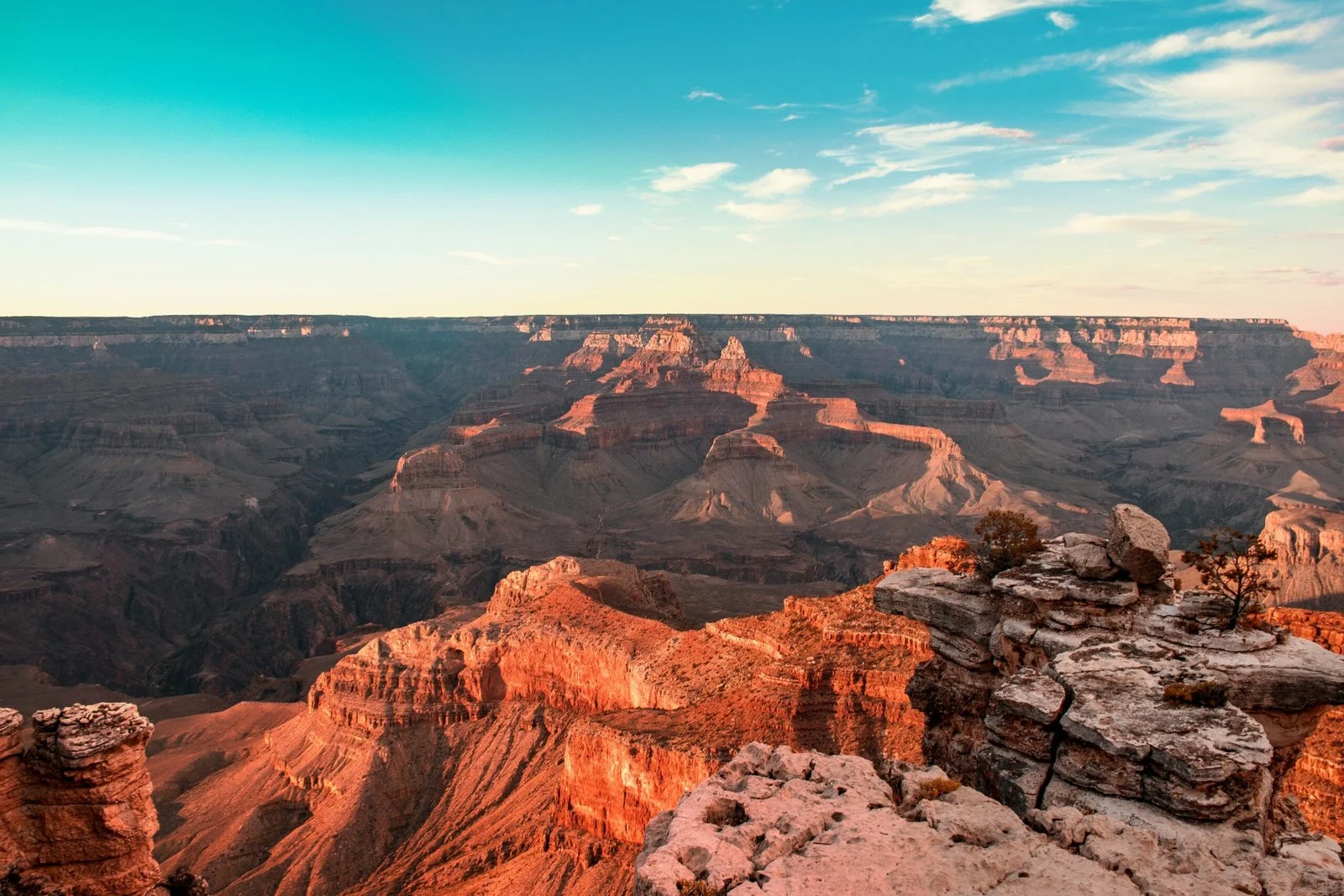
November through February is your ultimate window. While the South Rim remains open year-round, winter brings dustings of snow that transform the canyon into a breathtaking white-and-red masterpiece with nearly 80% fewer tourists than summer. You can stand at Mather Point and hear nothing but the wind.
The trade-off is worth it: hotel rates inside the park drop significantly, and you avoid the summer heat that makes hiking dangerous. Just check road conditions before driving, as the North Rim closes entirely from December to May. For real-time alerts and winter access updates, bookmark the official National Park Service page for Grand Canyon. For month-by-month timing across the region, visit our Off-Season Calendar.
- Is The Southwest Too Hot To Visit During Summer Or Is There A Smart Strategy?
There is absolutely a smart strategy, and it is called high-elevation escapes. While Phoenix and Las Vegas bake in July (100-115°F), places like Sedona, Flagstaff, Santa Fe, and Taos sit at 5,000 to 7,000 feet and stay pleasantly in the 80s. You get sunny skies, cool nights, and summer pricing that is half of what you would pay in winter.
The secret is to hike early morning, lounge by the pool in the afternoon, and enjoy the longest daylight hours of the year. Summer is also monsoon season, which means dramatic afternoon thunderstorms over the red rocks—an unforgettable spectacle. For statewide weather alerts and road conditions, the Arizona Department of Transportation website is an essential tool.
- What Is The Cheapest Month To Explore Utah's Mighty Five National Parks?
December is your answer, specifically the weeks before the Christmas holiday. Zion, Bryce Canyon, Arches, Canyonlands, and Capitol Reef see their lowest visitation numbers of the entire year in early December. You can drive the Zion Canyon scenic route without shuttle reservations, and Bryce's hoodoos covered in snow are pure magic.
The catch is that some facilities close and daylight is short, but hotel prices in gateway towns like Moab and Springdale drop by nearly 60%. Pack microspikes for icy trails and you will have these world-famous parks almost to yourself. For current trail conditions and winter safety tips, the National Park Service offers detailed seasonal guides for each Utah park.
- Does The Four Corners Region Have A Shoulder Season That Balances Weather And Value?
Yes, and it is April through mid-May plus late September through October. Spring brings wildflowers to the desert, comfortable 70-80°F days, and melting snowpack that fills canyon streams. Fall delivers crisp air, golden cottonwood trees along the Rio Grande, and the New Mexico wine harvest season.
Both windows offer the perfect Goldilocks conditions: warm enough for hiking, cool enough for camping, and significantly lower prices than summer or spring break weeks. You can "Exploit Travel Seasonality" by targeting these months for Monument Valley, Mesa Verde, or White Sands. For official fall foliage reports in Colorado and New Mexico, check Colorado Tourism or New Mexico True (both accessible via the state tourism portals).
- How Does Off-Season Travel To Las Vegas Differ From Visiting The National Parks Nearby?
Completely differently, and that is why this region is so versatile for smart travelers. Las Vegas has its own reverse seasonality: summer (June-August) brings scorching heat but dirt-cheap hotel rooms on the Strip because conventions slow down and fewer tourists want to walk outside. You can stay at five-star resorts for under $100 a night.
Meanwhile, the nearby parks like Red Rock Canyon and Valley of Fire are best visited in winter when hiking temperatures are perfect. The smart move is to fly into Las Vegas in September or February, book a bargain hotel on the Strip, and use it as a base for day trips to the desert parks. For official park alerts and visitor center hours near Las Vegas, the Bureau of Land Management (which manages Red Rock Canyon) provides excellent resources.

Home > Exploit The Seasons > Seasonal World Map > North America > United States > U.S. Southwest
U.S. SOUTHWEST & FOUR CORNERS
The Southwest’s red rocks and canyons hit differently without summer’s brutal heat and selfie-stick crowds. Sip prickly pear margaritas in Santa Fe, hike Arches in solitude, and watch snow dust the Grand Canyon—all for less than half the peak price.
Smart Travel Calendar
Shoulder Season
Your Smartest Windows
Mid-March to mid-May (wildflower explosion in desert; comfortable hiking temps statewide)
Mid-September to late October (summer heat breaks; aspen turning gold in Colorado & New Mexico mountains)
Avoid: Spring Break weeks (mid-March to early April — Moab, Sedona, Zion, Grand Canyon South Rim hit peak crowds and prices); Thanksgiving week (late November — Sedona, Santa Fe, Scottsdale spike); and the week of Easter/Semana Santa (Southwest border towns get busy)
What the Sky Does
Spring: High desert (4,000-7,000ft) — 10-26°C (50-78°F); Low desert (Phoenix, Tucson) — 18-32°C (65-90°F)
Fall: High desert — 8-24°C (46-75°F); Low desert — 18-32°C (65-90°F) September, cooling to 12-24°C (55-75°F) by late October
Spring brings desert wildflowers (March-April): Anza-Borrego, Saguaro National Park, Death Valley
Fall delivers aspen gold: San Juan Mountains (Colorado), Sangre de Cristo range (New Mexico), Kaibab Plateau (Arizona)
How Empty It Feels
45-65% fewer tourists vs. peak summer or Spring Break
Arches National Park — no timed-entry lottery needed; Delicate Arch viewpoint has breathing room
Grand Canyon South Rim — shuttles run but you’ll likely find a seat; no one-hour wait for Hermit Road buses
Antelope Canyon & Horseshoe Bend (Page, AZ) — tour capacity half-empty; Horseshoe Bend parking lot has spaces
Santa Fe Plaza — find a patio table at The Shed or Coyote Cafe without an hour wait
What You’ll Save
Hotels: 30-50% off summer/Spring Break rates (especially Moab, Sedona, Scottsdale, Santa Fe)
Flights to Phoenix, Las Vegas, Salt Lake City, Albuquerque: 20-40% off peak
National park entry — same price, but you can buy annual pass without long queues
Guided tours (slot canyons, jeep tours, hot air balloons) — less demand = easier booking and occasional last-minute discounts
The Secret Perk
Late March’s Navajo Nation festivals — Window Rock’s Northern Navajo Nation Fair (cultural dances, fry bread, silverwork)
October’s Balloon Fiesta (Albuquerque) — world’s largest hot air balloon event; book early but experience is unmatched
Wildflower explosion — March-April in Death Valley, Anza-Borrego, and Saguaro National Park (in wet years, it’s biblical)
Harvest & chile season — New Mexico’s Hatch green chile roast (August-September); apple picking in Wilcox, AZ
Photographer’s paradise — softer light, dramatic storm clouds over mesas, golden hour over Monument Valley without dust haze
The Tiny Trade-Off
Mountain passes may still have snow in early spring (San Juans, Rocky Mountain National Park, North Rim of Grand Canyon — closed until mid-May)
Spring winds can be fierce — March-April gusts 30-50km/h (20-30mph) in New Mexico, Arizona high desert, and Moab
Monsoon season lingers into September — afternoon thunderstorms (July-early September) can flood slot canyons dangerously
Some lodges and facilities close between shoulder and deep off-season (e.g., North Rim Grand Canyon closes mid-October to mid-May)
Smart Traveler Tip
Best balance windows: Late April to early May (wildflowers out, Spring Break crowds gone, not yet hot) OR first two weeks of October (aspens peaking, summer heat dead, Balloon Fiesta early Oct in Albuquerque)
Avoid Utah’s “Mighty Five” during Spring Break at all costs — March 15–April 15 Moab sees 5x normal traffic
Book Balloon Fiesta (Oct 1-12) a year in advance — but the rest of New Mexico is still quiet
Zion alternative: Rent an ebike instead of fighting for shuttle seats — even in shoulder season
Deep Off-Season
Your Smartest Windows
January through February (post-holiday — coldest, but emptiest; low desert perfect; high desert snowy and magical)
November (after Thanksgiving) through early December (before Christmas cheer crowds; low desert still warm)
Late December (Dec 26-31) — surprisingly quiet between Christmas and New Year’s in national parks (except ski towns)
Avoid: President’s Day week (mid-February) — Sedona, Scottsdale, Tucson, and Taos ski valley hit peak pricing; Christmas week in ski towns (Taos, Telluride, Durango, Park City — though Park City is Utah/Wasatch, adjacent)
What the Sky Does
Low desert (Phoenix, Tucson, Las Vegas, Palm Springs): 10-24°C (50-75°F) — sunny, mild, perfect winter escape
High desert (Santa Fe, Taos, Flagstaff, Moab, Monument Valley): -6°C to 10°C (20-50°F) — cold, snow possible
Four Corners region (Navajo Nation, Mesa Verde): -7°C to 8°C (19-46°F) — snow dusted on red rocks = jaw-dropping
Colorado Plateau (Grand Canyon South Rim, Page, Lake Powell): -4°C to 12°C (25-54°F) — cold but sunny; North Rim closed (snow)
How Empty It Feels
75-85% fewer tourists vs. October/Spring Break/Summer
Grand Canyon South Rim — literally empty viewing platforms at sunrise; Mather Point has 4 people instead of 400
Monument Valley — the iconic Forrest Gump Viewpoint sometimes just you and the wind
Mesa Verde — cliff dwellings viewed in total silence; ranger-led tours limited but intimate
Santa Fe & Taos plazas — adobe streets feel like the Georgia O’Keeffe painting came to life
What You’ll Save
Hotels: 60-80% off peak — Sedona resorts for $120/night; Santa Fe inns for $80
Flights to Phoenix, Las Vegas, Albuquerque: 50-70% off holiday/summer rates
Car rentals under $25/day — even 4×4 vehicles affordable
National park fees — no queue at entrance gates; annual pass desk empty
The Secret Perk
Ski & desert combo in one trip — ski Taos or Telluride in the morning, drive 2-3 hours to Santa Fe or Moab for red rocks the next day
Hot springs season — Ojo Caliente (NM), Truth or Consequences (NM), Strawberry Park (AZ) — empty and magical in winter
Cozy pueblo fireplaces — adobe inns with kiva fireplaces, hot chocolate, and snow views of the Sangre de Cristos
Stargazing at its absolute best — coldest nights = clearest skies; Cosmic Campground (NM) and Natural Bridges (UT) are pitch black
Genuine Navajo and Pueblo life — winter ceremonies (by invitation/public viewings available) in Navajo Nation and New Mexico pueblos; fewer tourists = deeper cultural access
The Tiny Trade-Off
North Rim of Grand Canyon CLOSED (mid-October to mid-May) — only South Rim and Desert View open
Some scenic roads closed — Trail Ridge Road (Rocky Mountain NP — though that’s CO/North), Mesa Verde’s Wetherill Mesa, Moki Dugway (UT) if snow
Restaurant closures — some small-town cafes (Mexican Hat, UT; Bluff, UT; Pie Town, NM) close or shorten hours
Daylight is short — sunset 4:30-5:30pm, limiting long desert hikes
Cold nights in high desert — -10°C to -5°C (14-23°F) in Moab, Flagstaff, Taos — pack for proper winter
Smart Traveler Tip
Mildest deep-off-season escape: Stick to low desert — Phoenix, Tucson, Las Vegas, Palm Springs. Sunny, 18-24°C (64-75°F), zero crowds.
Quietest month: January (post-New Year’s through Jan 31) — everyone recovers from holidays; Southwest is a ghost town.
Pack for everything — if crossing from low to high desert (e.g., Phoenix to Flagstaff to Moab), bring swimsuit AND down jacket.
Snow on red rocks magic: Go in late January or early February for the highest chance of fresh snow on Monument Valley, Grand Canyon, and Sedona’s red rocks. It’s spectacular.
Pre-spring sweet spot: Late February — slightly longer days, early wildflowers in Anza-Borrego and Death Valley, still deep discounts
Find Off-Peak Flights
Top Off‑Season Stays
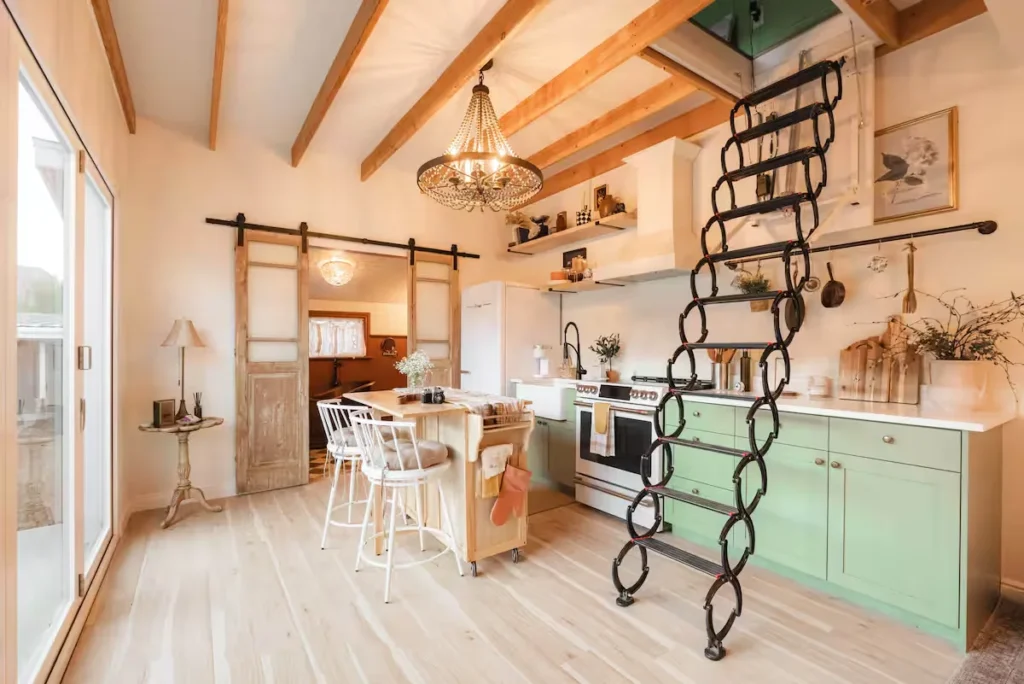
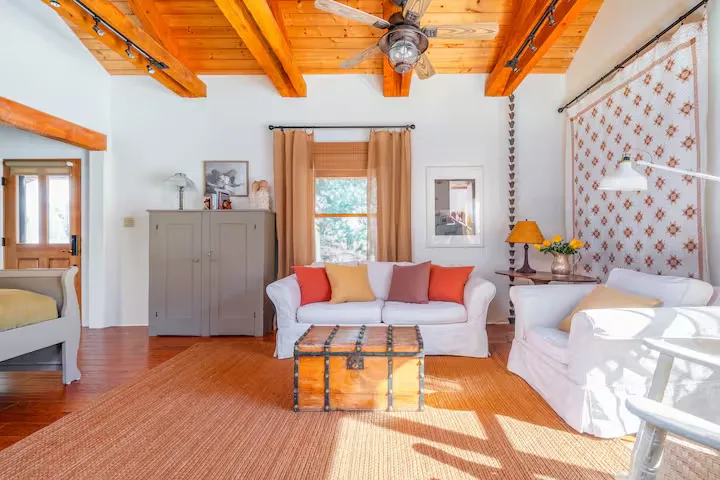
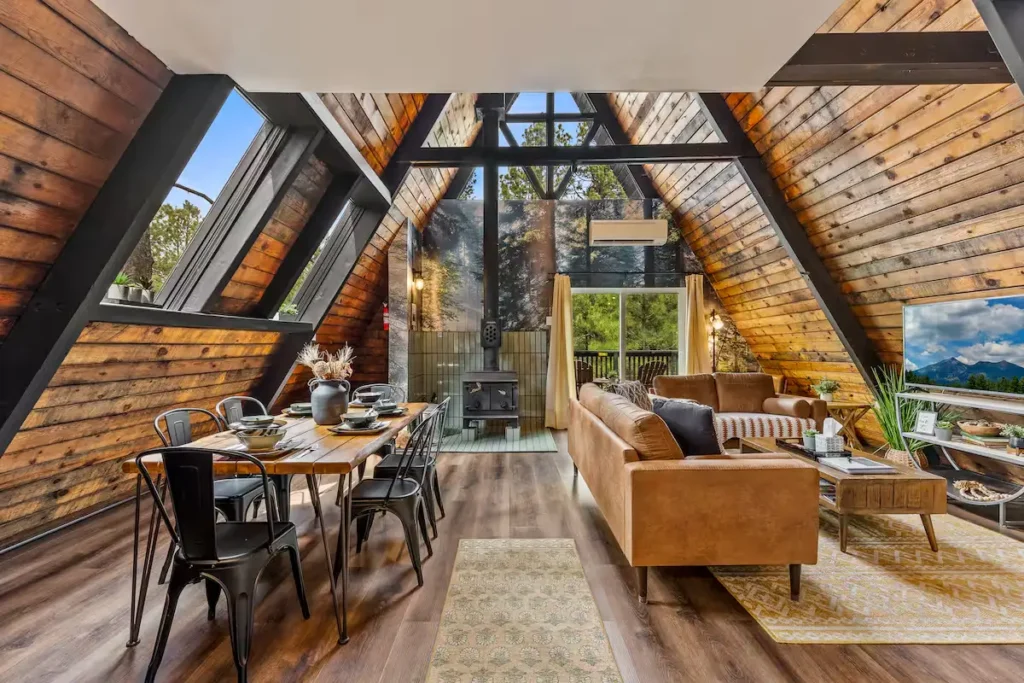
Find below our curated selection of boutique hotels and design apartments that offer exceptional value, atmosphere, and comfort during the off‑season — often at significantly lower rates than peak months.
Uncrowded Experiences & Tours
Skip the lines and experience iconic landmarks at your own pace. Discover curated local tours and cultural activities designed to show you the authentic side of the destination without the peak-season rush.
Handy Tips
Weather & Climate
The climate is generally arid (desert), with intense heat in the summer (often exceeding 38ºC or 100ºF) and mild winters. High-elevation areas like Flagstaff and parts of Utah’s parks experience cold, snowy winters and pleasant summers.
Local Customs And Etiquette
Respect Native Lands: When visiting tribal lands (such as the Navajo Nation), always follow posted rules, ask permission before taking photos of people, and respect sacred sites.
Tipping: Tipping is customary in the US. Tip 15–20% in restaurants and bars, and a few dollars for hotel services.
Water: The desert climate requires constant hydration. Always carry more water than you think you need when hiking, even on short trails.
Budgeting For Your Trip
Accommodation: Hostels ($30–$60), mid-range hotels ($100–$180), luxury ($250+). Las Vegas and park gateway towns have high weekend prices.
Food: Casual diner/fast food ($10–$15), dinner at a mid-range restaurant ($25–$50 per person), fine dining ($75+).
Transport: National Park entrance fees ($35/car, often valid for 7 days), Car rental ($40–$80/day), Las Vegas Monorail/rideshare ($5+).
Activities: Casino shows ($70+), hot air balloon rides ($200+), guided tours ($80+).
Daily Budget:
- Budget: $80–$130 (camping/hostels, simple meals, self-guided exploration).
- Mid-range: $180–$300 (hotels, restaurants, attractions).
- Luxury: $350+ (resort hotels, gourmet meals, private tours).
Getting Around
By Car: A car is essential for exploring the vast distances between cities and national parks. Book well in advance.
By Air: Major hubs like Las Vegas (LAS), Phoenix (PHX), and Salt Lake City (SLC) offer easy access. Regional airports connect to smaller cities like Santa Fe.
By Bus: Intercity bus services connect major population centers, but they are generally less flexible for sightseeing.
Must-Try Food
New Mexican Green Chile: Found in stews, on burgers, and over eggs—a defining flavor of New Mexico.
Navajo Fry Bread: Leavened, deep-fried dough; can be served plain, with honey, or as a base for a “Navajo Taco.”
Carne Adovada (car-nay ah-doe-VAH-dah): Pork marinated and simmered in a rich New Mexican red chile sauce.
Southwest BBQ: Slow-cooked meats with a rub often incorporating spices like cumin and chili powder.
Chili Dogs/Frito Pie: Regional takes on hot dogs or corn chips topped with chili con carne and cheese.
Tucson-style Mexican Food: Known for its Sonoran hot dogs and cheese crisps (a crispy tortilla with melted cheese).
Prickly Pear Cactus Candy: Sweets made from the fruit of the prickly pear cactus, often found in Arizona and New Mexico.
Biscochitos (bis-koh-CHEE-tohs): The official state cookie of New Mexico; a crisp, buttery anise and cinnamon cookie.
Sopaipillas (soh-pah-PEE-yahs): Fluffy, puffed fried bread, often served as a dessert with honey.
Pecan Pie (Southern Arizona Style): Pecans are a major crop in the region, leading to exceptional pies.
Must-Try Drinks
Margarita: Invented in the region, the classic tequila cocktail is a staple, particularly in Santa Fe.
Local Craft Beer: The Southwest has a growing craft beer scene, with many breweries using local ingredients like chile.
Arizona Wine: Wineries are emerging in high-elevation regions of Arizona, producing surprising reds and whites.
Horchata (ohr-CHAH-tah): A refreshing, sweet, milky drink made from ground rice, cinnamon, and vanilla.
Agave Spirits: Beyond Tequila, try locally-produced Mezcal or Sotol, often found in New Mexico and Arizona bars.
Local Root Beer: Regional soda brands often offer unique takes on classic root beer flavors.
Iced Tea (Sweet/Unsweet): A ubiquitous drink across the US, often served in large glasses.
Topo Chico: A popular, highly carbonated mineral water, especially in Texas and the Southwest.
Chai: Santa Fe and Northern New Mexico are known for independent coffee shops and unique chai recipes.
Lemonade: A popular and necessary refreshment to combat the intense desert heat.