 Skip to content




- When Is The Best Time To Visit Yellowstone And Grand Teton Without The Crowds?
September through early October and April through mid-May are your golden windows. Summer sees over 4 million visitors crammed into Yellowstone's loop roads, but September brings elk bugling season, golden aspen trees, and dramatically lighter traffic. You can watch Old Faithful erupt with just a handful of fellow travelers instead of hundreds.
April and May offer a magical transition period where lower elevations are snow-free but higher areas still have winter charm. The catch is that some park roads remain closed until late May, so plan your itinerary around the open sections. For real-time road opening dates and seasonal closure alerts, bookmark the official National Park Service page for Yellowstone. For month-by-month timing across the region, visit our Off-Season Calendar.
- Is The Rocky Mountain Region Worth Visiting During The Mud Season?
Absolutely, if you understand what "Mud Season" really means. Locals call April through May and October through November the "shoulder season of shoulders"—ski resorts are closed, summer hiking hasn't started, and prices in mountain towns like Jackson Hole, Aspen, and Park City drop by nearly 50%. You get luxury lodges at budget motel prices.
The secret is to focus on lower-elevation activities: hot springs soaking, scenic drives through valleys, visiting small-town museums, and enjoying farm-to-table dining without reservation battles. Yes, some trails will be muddy, but the solitude and value are unmatched. For current trail conditions and mud season safety tips, the U.S. Forest Service website provides detailed regional alerts for national forests across the Rockies.
- What Is The Cheapest Month To Experience Ski Town Vibes Without Skiing?
November is your answer, specifically the weeks between Halloween and Thanksgiving. This is the "dead zone" when ski resorts are spinning up lifts for testing but the snowpack isn't deep enough to attract skiers. You can stay at world-class resorts in Vail, Breckenridge, or Park City for under $150 a night while enjoying crisp mountain air, spa treatments, and cozy fireplaces.
The non-skier's paradise includes mountain coaster rides, scenic gondola tours, outlet shopping, and true relaxation without crowds. Plus, November offers stunning views of snow-dusted peaks against autumn golds and browns. For seasonal forecasts and resort opening dates across Colorado, check Colorado Ski Country USA for reliable updates.
- Does The Mountain West Have A Secret Season For Wildlife Watching?
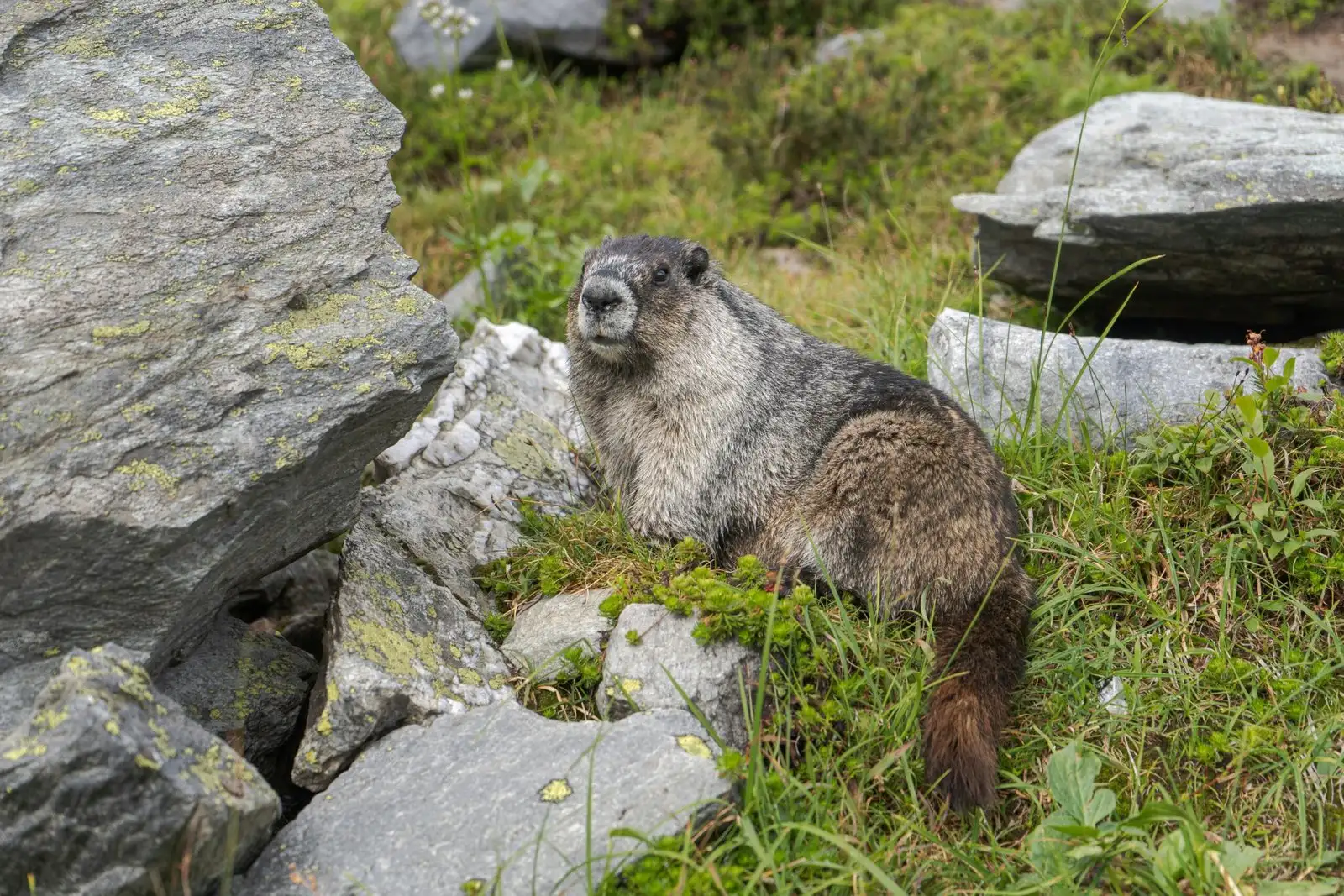
Yes, and it is late May through June for babies and September through October for the rut. In late spring, you will see bison calves, elk calves, bear cubs, and pronghorn fawns across Yellowstone, Grand Teton, and the National Elk Refuge. The animals are more visible because they descend to lower valleys where snow has melted first.
September brings the elk rut (mating season), where bull elk bugle and battle for harems in meadows throughout the Rockies. This is arguably the most dramatic wildlife viewing of the entire year, with far fewer tourists than summer. For wildlife migration patterns and seasonal viewing recommendations, the National Park Service offers excellent species-specific guides. For deeper regional breakdowns, visit our United States country guide.
- How Do The Rockies' Seasons Differ Between Northern And Southern Mountain Ranges?
Significantly, which gives you year-round off-season options. The Northern Rockies (Montana, Wyoming, Idaho) have shorter summers and harsh winters, making July and August the only reliably snow-free months for high-altitude hiking—but September is still magical and far less crowded. The Southern Rockies (Colorado, Utah, New Mexico) offer a longer shoulder season from May through June and September through October, with comfortable temperatures at 8,000-10,000 feet.
For smart travelers, this means you can "Exploit Travel Seasonality" by chasing the season that fits your comfort zone. Want wildflowers and no snow? Visit Colorado in July. Want dramatic storm clouds and empty trails? Visit Montana in September. Want budget rates and solitude? Visit Utah's mountain towns in November. For detailed weather averages and seasonal tips by subregion, explore our North America regional guide or use our AI Travel Assistant to build your perfect mountain itinerary.

Home > Exploit The Seasons > Seasonal World Map > North America > United States > U.S. Rockies And Mountain West
US ROCKIES & MOUNTAIN WEST
Colorado’s peaks and Wyoming’s valleys switch seasons dramatically — from powder chases to wildflower hikes. Ski for less in early December, hike without crowds in September, and find that mountain lodge for half the price of peak season.
Smart Travel Calendar
Shoulder Season
Your Smartest Windows
Late May to mid-June (post-ski season, pre-summer crowds — “green season” starts)
September to early October (post-Labor Day, pre-winter — peak aspen colors late September)
Late November to mid-December (pre-Christmas skiing — resorts open, crowds haven’t arrived yet)
Avoid: Christmas through New Year’s (absolute peak pricing everywhere in mountain towns); President’s Day week (mid-February — ski resorts packed, hotels 3x normal); Spring Break (mid-March to early April — Vail, Breck, Park City overrun with college students and families); and July 4th week (summer peak)
What the Sky Does
Spring (late May-mid June): 5-21°C (41-70°F) — snow melting at lower elevations; wildflowers starting; afternoons warm, nights cool
Fall (September-early October): 2-21°C (36-70°F) — crisp mornings, warm afternoons; aspen gold typically peaks Sept 20-Oct 5 depending on elevation
Late fall ski shoulder (late Nov-mid Dec): -7°C to 4°C (19-39°F) — resorts making snow; sunny days, cold nights
September offers the most reliable weather — no monsoon, no extreme cold, crystal clear skies
Early June is unpredictable — could be 24°C (75°F) or snowfall at high passes
How Empty It Feels
45-65% fewer tourists vs. summer peak (July-August) or winter peak (Christmas-February)
Rocky Mountain National Park — Bear Lake parking lot has spaces before 9am; Trail Ridge Road isn’t a caravan
Village at Vail or Breckenridge — gondolas walk right on; restaurant tables available without reservations
Jackson Hole’s Town Square — elk antler arches with space to photograph; Million Dollar Cowboy Bar has seats
Glacier’s Going-to-the-Sun Road — pull over at any overlook; Logan Pass parking available mid-week
What You’ll Save
Hotels: 40-65% off peak winter/summer rates — Aspen for $250/night; Jackson Hole for $180
Flights to Denver, Salt Lake City, Bozeman, Jackson Hole: 30-50% off peak
Ski rentals and lift tickets — late November/early December have “early season” discounts (often 30-50% off peak)
Campgrounds and backcountry permits — available without reservations booked months in advance
Car rentals — mountain towns drop dramatically after summer season
The Secret Perk
September’s elk rut (mating season) — Rocky Mountain NP and Estes Park: hear bugling elk at dawn, watch bull elk sparring (spectacular and uncrowded weekdays)
Late May’s wildflower explosion — Crested Butte (Colorado’s wildflower capital) and Mount Rainier (if extending west) — lupine, Indian paintbrush, columbine
Early October’s aspen gold — Kebler Pass (near Crested Butte), Independence Pass (Aspen), and La Plata Mountains (Durango) without leaf-peeping traffic
December’s early ski season — slopes open, snowmaking in full swing, but holiday crowds haven’t arrived; ski-in/ski-out lodging at 50% off
Photography dream — September light is soft golden, no haze from summer wildfires (typically), and snow-dusted peaks contrasting with gold aspens
Local festivals — Telluride Blues & Brews (September), Breckenridge’s Oktoberfest (September), Jackson Hole’s Fall Arts Festival (September)
The Tiny Trade-Off
Mud season (spring) is real — late April to mid-May: trails are sloppy, some ski resorts closed, summer operations not yet open; aim for late May instead
High passes may still be snowed in — Trail Ridge Road (Rocky Mountain NP) often opens late May; Going-to-the-Sun Road (Glacier) opens late June/early July — check before going
Some mountain passes close in fall — first snow can close Independence Pass (near Aspen) by mid-October
Early December skiing has limited terrain — resorts may only have 20-40% of runs open; expert skiers should wait until January
September is wildfire season risk — smoke from California or Pacific Northwest can drift in; check air quality
Daylight shorter in fall — sunset by 6:30pm September; 5:30pm October
Smart Traveler Tip
Best balance window: September 10–30 (post-Labor Day crowds gone, aspen colors peaking, elk rutting, no snow closures yet, ideal hiking weather)
For spring: Aim for first two weeks of June (not late April/early May) — trails drying out, wildflowers starting, summer operations open
For early ski season: Go December 1–15 — resorts open, holiday crowds haven’t arrived, early season lift ticket deals
Avoid weekends in September — locals and day-trippers flock to mountains for foliage; go Tuesday-Thursday for true solitude
Book September travel in August — hotels still reasonable but fill up for foliage weekends
Deep Off-Season
Your Smartest Windows
Late April through mid-May (“mud season” — true off-season; many closures but prices hit rock bottom)
Mid-October through mid-November (“shoulder between shoulders” — aspen leaves gone, snow not yet reliable for skiing)
Early December (Dec 1-15) (ski season starts but holiday crowds haven’t arrived)
January (post-New Year’s through Jan 31) — except MLK weekend (mid-January) gets busy
Avoid: Christmas through New Year’s (absolute peak pricing, everywhere); President’s Day week (mid-February — peak ski crowds); late February ski weekends (still busy); and July 4th week (summer peak)
What the Sky Does
Mud season (late April-mid May): 2-16°C (36-61°F) — unpredictable: sun, snow, rain, and mud all in one day
Late fall (mid-Oct to mid-Nov): -3°C to 12°C (26-54°F) — cold; first significant snowfalls at higher elevations; lower valleys still mild
Early December: -10°C to 2°C (14-36°F) — cold, sunny; resorts making snow
January: -12°C to -1°C (10-30°F) — coldest month; clear, crisp, excellent snow conditions (once you get past cold)
Difference between valleys and peaks: 5-10°C (10-18°F) cooler at ski resort elevations
How Empty It Feels
Mud season: 80-90% fewer tourists vs. peak summer/winter — mountain towns are ghost towns
Late fall (Oct 15-Nov 15): 80-85% fewer tourists — “secret season” locals love
January (post-New Year’s): 65-75% fewer tourists than Christmas week — quietest ski period of winter
Aspen, Vail, Jackson Hole, Telluride — walk into any restaurant without reservations; streets nearly empty mid-week
Mountain towns feel local — bartenders, shop owners, and locals finally have the place back
What You’ll Save
Hotels: 70-85% off peak winter/summer — Aspen luxury for $120-150/night; Jackson Hole under $100
Flights: 60-80% off peak season — Denver, Salt Lake City, Bozeman all bargain rates
Lift tickets — early December and late April (if still skiing) can be 50-70% off peak window rates
Car rentals under $20/day — sometimes $10/day in mud season
Ski rentals — deep discounts on gear in late fall and mud season
Restaurants — many offer “off-season” prix fixe menus or locals’ discounts
The Secret Perk
Mud season: nobody there — you’ll have mountain towns entirely to yourself; hot springs (Glenwood Springs, Pagosa Springs, Bozeman Hot Springs) empty
Late fall: “secret season” photography — snow-dusted peaks, no foliage, dramatic low-angle light, frozen waterfalls just starting
January: best snow quality (after holidays) — crowds gone, powder remains, shorter lift lines (except MLK weekend)
Late April: spring skiing deals — Arapahoe Basin, Loveland, and Snowbird often open into May/June; ski in a t-shirt, après ski patios open
Wildlife viewing at its easiest — elk and bison in lower valleys during mud season; bald eagles in late fall
Cozy cabin season — wood-burning fireplaces, hot cocoa, reading by the fire with snow outside (November/December)
Local interactions — you’ll meet ranchers, ski bums, and artists instead of tourists; genuine mountain town life
The Tiny Trade-Off
Mud season closures are extensive — many hotels, restaurants, and attractions close completely for 2-4 weeks (late April to mid-May) for maintenance and staff breaks. Call ahead.
Trails are unusable — mud so deep you’ll lose boots; snow persists at elevation; not for serious hiking
Limited ski terrain in early December — only 20-40% of runs open (experts beware)
Late fall (Oct 15-Nov 15) is dark, cold, and brown — no leaves, no snow (at lower elevations), just gray/brown landscapes
January cold is serious — -20°C to -30°C (-4°F to -22°F) wind chills possible in Wyoming and Montana; pack extreme cold gear
Some mountain passes close completely — Independence Pass (Aspen) closes mid-October to late May; Trail Ridge Road (Rocky Mountain NP) closes for winter
Daylight very short in winter — sunset 4:30-5:00pm
Smart Traveler Tip
Quietest, cheapest window: Late April to May 10 (mud season) — but call ahead to confirm hotels/restaurants are open. Some towns completely shut down. Aspen, Telluride, and Jackson Hole have more open than smaller towns.
Best value ski window: December 1-15 (early season) OR January 5-20 (after New Year’s, before MLK weekend). Both offer deep discounts and no crowds.
“Secret season” recommendation: October 15 – November 15 — if you want emptiness and don’t mind cold brown landscapes. Bring a camera for moody mountain photography.
Pack for everything in mud season: waterproof boots (mud), fleece, rain jacket, sun hat, gloves — four seasons in one day
For guaranteed snow-free hiking in fall: go before October 10 — after that, snow becomes likely at elevation
Pre-spring sweet spot: Late May (after Memorial Day) through early June — mud dries, wildflowers start, summer ops open, but summer crowds haven’t arrived
Find Off-Peak Flights
Top Off‑Season Stays
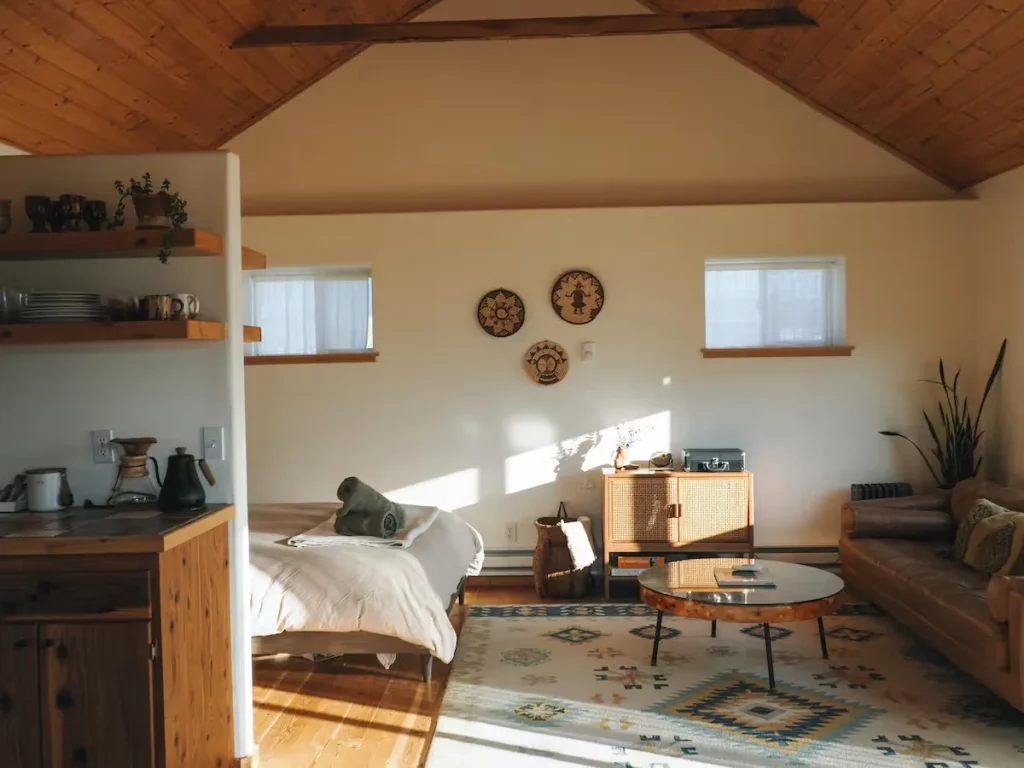
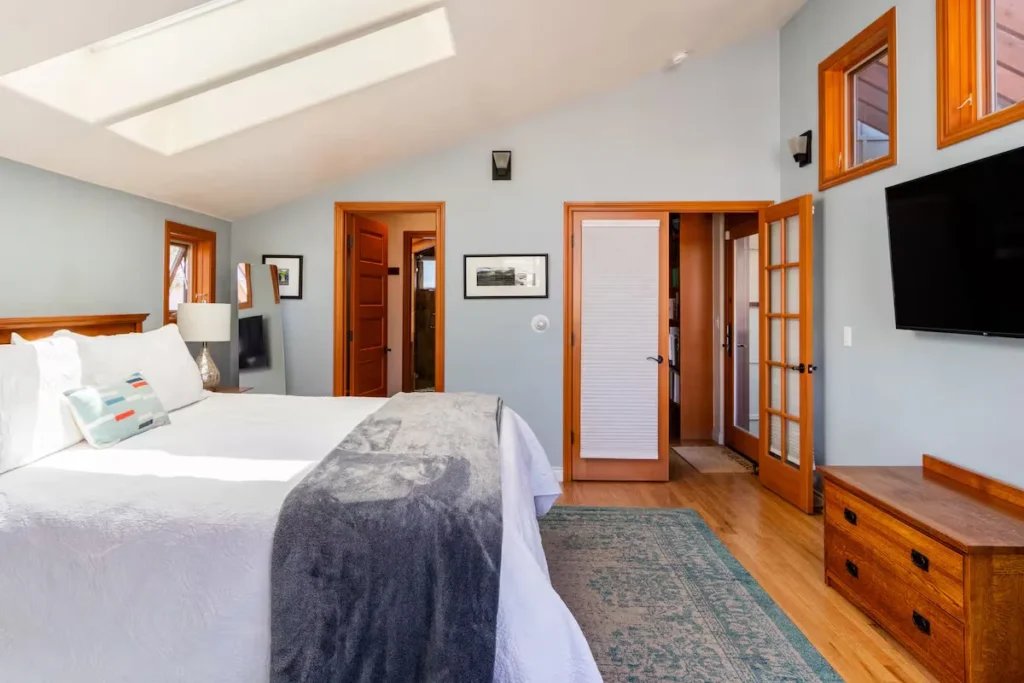
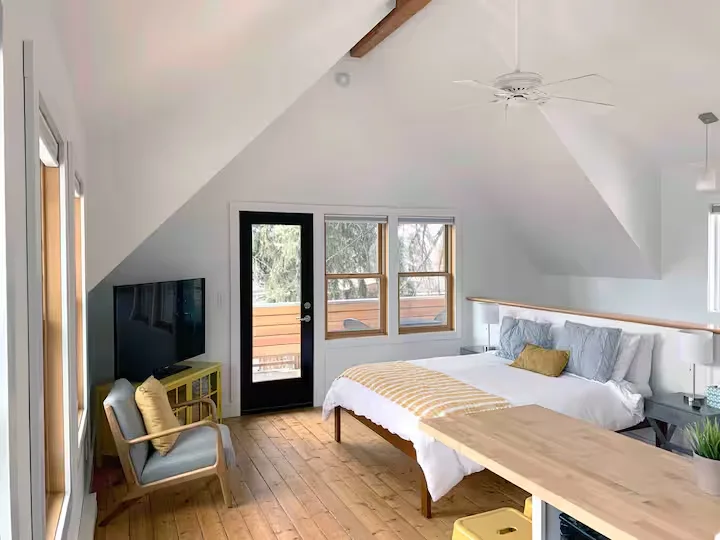
Find below our curated selection of boutique hotels and design apartments that offer exceptional value, atmosphere, and comfort during the off‑season — often at significantly lower rates than peak months.
Uncrowded Experiences & Tours
Skip the lines and experience iconic landmarks at your own pace. Discover curated local tours and cultural activities designed to show you the authentic side of the destination without the peak-season rush.
Handy Tips
Weather & Climate
The climate is defined by high elevation. Summers are warm and dry in the cities and mild in the mountains. Winters are long, cold, and snowy, especially at high altitudes. Expect extreme temperature swings (5ºC to 15ºC / 40ºF to 60ºF) between day and night.
Local Customs And Etiquette
Wildlife: Always maintain a safe distance from wildlife (especially bison, elk, and bears). Feeding animals is prohibited and extremely dangerous.
“Mountain Time”: Life moves at a slower pace than on the coasts. Be patient and enjoy the lack of rush.
Outdoor Ethics: Follow Leave No Trace principles. Pack out all trash, stay on designated trails, and respect the fragile mountain environment.
Budgeting For Your Trip
Accommodation: Hostels ($30–$60), mid-range hotels/lodges ($100–$200), luxury/resort ($250+). Prices are significantly higher in resort towns like Aspen and Jackson.
Food: Casual diner/burger ($15–$25), dinner at a mid-range restaurant ($30–$60 per person), fine dining in resort towns ($75+).
Transport: Car rental ($45–$80/day), shuttle/taxi (limited availability).
Activities: National Park entrance fee ($35/car), ski lift day pass ($120–$250), guided rafting trip ($80–$150).
Daily Budget:
- Budget: $100–$150 (camping/hostels, grocery store food, minimal paid activities).
- Mid-range: $175–$250 (mid-range hotels, local restaurants, some paid attractions).
- Luxury: $300+ (resort lodging, fine dining, private tours).
Getting Around
By Car: A car is essential for nearly all travel in this region. Distances are vast, and public transport is rare outside of major cities and some ski resorts.
By Plane: Flying between the few major hub cities (Denver, Salt Lake City) and smaller regional airports (Jackson, Bozeman) is common for covering long distances.
RVs/Campers: These are a very popular way to travel, but require early booking for campsites in national parks.
Must-Try Food
Rocky Mountain Oysters: (Don’t let the name fool you—they are bull testicles, usually fried. Try them for the experience!)
Bison Burger/Steak: Leaner and richer in flavor than beef, a staple in the Mountain West, especially in Montana and Wyoming.
Huckleberry Everything: (A small, dark berry similar to a blueberry, found only in the Northwest, common in Montana and Idaho): jams, pies, shakes, and pancakes.
Green Chile: (Often spelled Chili) A regional specialty, particularly in Colorado, served as a thick, savory stew or poured over burritos and eggs.
Rainbow Trout: Found in pristine mountain streams; often served pan-fried with a simple lemon and herb sauce.
Elk Chili/Stew: A hearty, warming dish perfect for cold mountain evenings.
Lamb: Often sourced from local ranches in the high plains of Wyoming and Montana.
Fry Bread: A flat, fried dough bread, a traditional staple of many Native American communities, often served savory or sweet.
Pasties (Pass-tees): A savory filled pastry, brought by miners to the historic mining towns in the region.
Palisade Peaches: A famous, sweet, and juicy peach variety from the Western Slope of Colorado (seasonal).
Must-Try Drinks
Craft Beer: The region, particularly Colorado, is a major hub for craft brewing, from IPAs to stouts.
Bourbon/Whiskey: Many high-altitude distilleries produce unique, award-winning spirits using local spring water.
Hot Toddy/Mountain Warmer: A classic cold-weather cocktail mixing whiskey, honey, lemon, and hot water.
Pisco Sour: (Colorado) While not local, Denver has a surprisingly strong Pisco Sour scene due to the high-altitude distillation process.
Spiced Cider: Warm apple cider (non-alcoholic) with cinnamon, cloves, and allspice, perfect for a snowy day.
Mead (Honey Wine): Several regional producers are making mead, a nod to ancient fermentation techniques.
Local Coffee Roasts: A focus on fresh, high-quality coffee for early mornings before hitting the slopes or trails.
Root Beer: Many local breweries produce a high-quality, non-alcoholic root beer.
Sparkling Water from Mountain Springs: The quality of the water is a source of regional pride, and many brands bottle local spring water.
Sarsaparilla: A flavor similar to root beer, sometimes found in local soda shops and diners.