 Skip to content




- When Is The Best Time To Visit Washington D.C. Without The Tourist Crowds?
August and January are your secret weapons. August is hot and humid, which scares away most visitors, but the Smithsonian museums are blissfully empty, and hotel prices near the National Mall drop by nearly 40%. January brings freezing temperatures but also the most peaceful experience at the monuments, especially at sunrise.
You can "Exploit Travel Seasonality" by booking a week in late August when Congress is on recess and the city feels like a local secret. Just pack a water bottle for summer or thermal layers for winter. For real-time crowd calendars at major attractions, check the official Washington D.C. Tourism website.
- Is The Mid-Atlantic Region Worth Visiting During The Fall Shoulder Season?
Absolutely, and it is actually the best-kept secret on the East Coast. October delivers crisp air, the famous Blue Ridge Parkway foliage, and zero humidity—but the secret is that prices don't spike like they do in New England. You get the same autumn colors with far fewer leaf-peeping tour buses.
The Chesapeake Bay towns like Annapolis or St. Michaels offer incredible seafood festivals and waterfront inn deals before winter arrives. For official fall foliage forecasts and peak color maps, bookmark the National Park Service page for Shenandoah National Park. For a deep dive into regional autumn travel, explore our North America regional guide.
- What Is The Cheapest Month To Explore Historic Philadelphia And Baltimore?
February is your answer, hands down. These historic port cities are at their quietest after the holiday rush and before spring break crowds. You can walk the Liberty Bell line in minutes, grab a table at Reading Terminal Market without waiting, and find hotel rooms near the Inner Harbor for under $100 a night.
Yes, it is cold, but that is precisely why you get better value and more authentic local interactions at pubs and museums. Bundle up and treat winter as your personal VIP pass. For updated operating hours and winter discounts at historic sites, the Visit Philadelphia website keeps a useful off-season calendar.
- Does The Mid-Atlantic Have A Beach Season That Works For Budget Travelers?
Yes, but you need to shift your timing by just two weeks. The Delaware and Maryland beaches (Rehoboth, Ocean City, Assateague) are packed from June through August with peak prices. Visit in early June or mid-September instead, and you get warm ocean water, sunny days, and hotel rates that drop by 50-60%.
The wild ponies of Assateague Island are actually more active in September because the summer crowds have vanished. You can also find incredible last-minute deals on boardwalk hotels that would cost triple just two weeks earlier. Use our AI Travel Assistant to find the perfect balance between weather and savings for your beach dates.
- How Does Weather Impact Off-Season Travel To The Capital Region?
Dramatically, and that is actually good news for smart travelers. Summer (July-August) brings heat and humidity but empties outdoor monuments by midday, so you can tour the U.S. Capitol and Library of Congress in air-conditioned bliss. Winter (December-February) brings cold and occasional snow, which turns the National Mall into a magical, crowd-free wonderland.
The key is matching your activities to the weather: summer is for world-class museums (all free and climate-controlled), winter is for monument photography and cozy historic taverns. Spring (March-April) is beautiful but packed for cherry blossom season, so avoid peak bloom week if you hate crowds. For seasonal park alerts and closure information, the National Park Service provides excellent real-time updates. For deeper regional breakdowns, visit our United States country guide.

Home > Exploit The Seasons > Seasonal World Map > North America > United States > U.S. Atlantic (New York And Washington Region)
MID-ATLANTIC & CAPITAL REGION
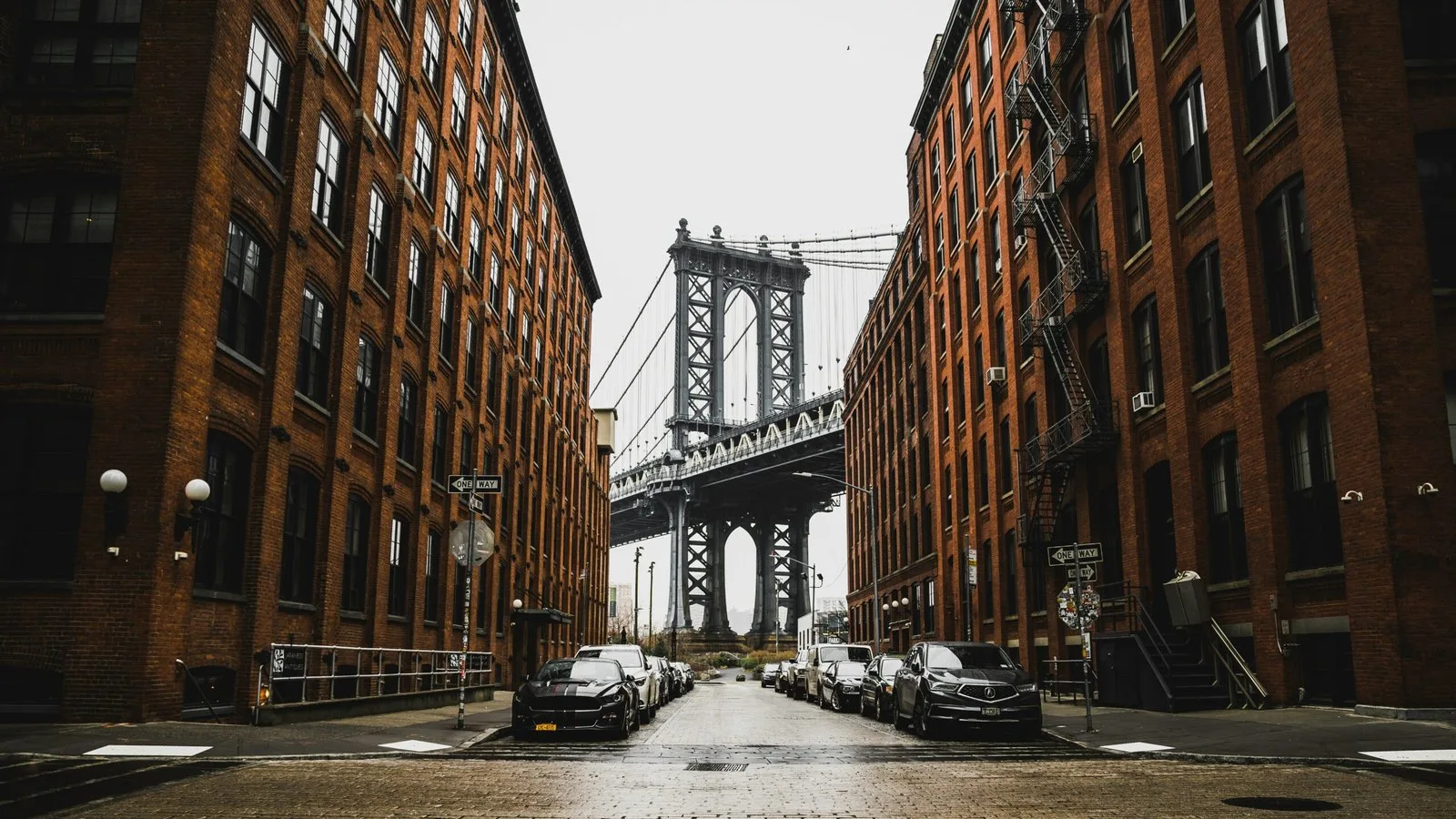
Between D.C.’s monuments and the Blue Ridge Parkway, the Mid-Atlantic rewards off-season travelers. Witness cherry blossoms without the swarm, walk battlefields in solitude, and snag a historic inn for a fraction of summer’s price.
Smart Travel Calendar
Shoulder Season
Your Smartest Windows
Late March to mid-May (after winter, before summer — but watch for Cherry Blossom peak)
September to early November (after Labor Day, before Thanksgiving — peak foliage mid-October)
Avoid: Cherry Blossom peak week (late March to early April — D.C. reaches Disney-level crowds); Easter weekend (Williamsburg, D.C. parades); and Thanksgiving week (family travel spikes)
What the Sky Does
Spring: 8-24°C (46-75°F) — volatile: 70°F one day, 40°F the next
Fall: 7-24°C (45-75°F) — crisp mornings, warm afternoons, low humidity
Spring brings the famous cherry blossoms (late March-early April), dogwoods, and redbuds
Fall delivers spectacular foliage: Blue Ridge (early-mid Oct), D.C. (mid-late Oct), Coastal (late Oct)
How Empty It Feels
40-60% fewer tourists vs. summer or Cherry Blossom peak
National Mall — find a bench without fighting for it; see the Vietnam Memorial in silence
Shenandoah’s Skyline Drive — pull over at any overlook, no caravan of slow RVs
Baltimore’s Inner Harbor & Philly’s Old City — walk cobblestones with locals, not tour groups
What You’ll Save
Hotels: 30-50% off summer rates (especially D.C., Alexandria, Annapolis)
Flights to DCA, IAD, BWI, PHL: 20-40% off peak
Museums are always free (Smithsonian) — but parking and nearby dining drop in price
No timed-entry ticket stress — Air & Space, Archives, and Holocaust Museum become same-day accessible
The Secret Perk
April’s National Cherry Blossom Festival — if you go just before or after peak bloom, you avoid crowds but catch the beauty
October’s foliage from a canoe — paddle the Potomac or Shenandoah River under orange and red canopies
Harvest season — Virginia wine country (Loudoun, Charlottesville) and Maryland’s Eastern Shore farmstands
Photography gold — morning mist over the Mall, golden hour at Arlington, fog lifting over Blue Ridge
Battlefield solitude — walk Gettysburg’s Pickett’s Charge or Antietam’s Sunken Road with only the wind
The Tiny Trade-Off
Cherry Blossom peak week (late March-early April) is a price and crowd nightmare — but avoidable if you time around it
Spring weather is unpredictable — pack layers and umbrella for “four seasons in one day”
Some beach towns (Ocean City, MD; Rehoboth, DE; Virginia Beach) have reduced boardwalk hours in September
Mountain roads (Skyline Drive, Blue Ridge Parkway) may close briefly for early November ice or snow
Smart Traveler Tip
Perfect balance window: First two weeks of October (foliage near peak, still warm, no holiday crowds)
Spring strategy: Visit D.C. the week after Cherry Blossom peak — blossoms may linger, crowds vanish overnight
Avoid Memorial Day weekend (late May) at all coastal and mountain destinations — traffic is brutal
For fall colors without traffic, go weekdays only; weekends on Skyline Drive still get busy
Deep Off-Season
Your Smartest Windows
January through February (post-holiday, pre-spring — coldest, but emptiest)
Early December (first two weeks) (holiday markets and decorations without Christmas rush)
Late November (after Thanksgiving) through early December (Thanksgiving crowds gone, winter holiday not yet peaked)
Avoid: President’s Day week (mid-February) — ski resorts in Pennsylvania, Maryland, and Virginia hit peak pricing; also avoid week between Christmas and New Year’s (D.C. hotels spike for celebrations)
What the Sky Does
Typical range: -2°C to 8°C (28-46°F) — colder inland (western MD, PA), milder on coast (Delaware, Virginia Beach)
Snow is possible but not guaranteed — average 10-25cm (4-10 inches) annually; more in mountains
January and February are the coldest, cloudiest, and darkest months
Coastal areas (Norfolk, VA Beach, Rehoboth) run 3-5°C (5-10°F) warmer than inland
How Empty It Feels
70-80% fewer tourists vs. spring/fall peak or Christmas week
National Mall and memorials — sometimes you’ll be the only person at the Jefferson or FDR Memorial
Smithsonian museums — walk straight into the Hope Diamond or Wright Brothers plane without waiting
Small historic towns (Fredericksburg, VA; Harpers Ferry, WV; New Hope, PA) feel like they’re yours alone
What You’ll Save
Hotels: 50-70% off peak (D.C. business hotels drop dramatically; beach hotels are bargains)
Flights: 40-60% off fall/spring shoulder pricing
Car rentals: as low as $20-30/day
No “peak season” surcharges on historic tours, ghost walks, or boat cruises
The Secret Perk
Cozy indoor wonders — National Gallery of Art, Library of Congress, and Mount Vernon’s mansion tours (heated, uncrowded)
Skiing & snow tubing within 1-3 hours of D.C./Philly/Baltimore — Liberty Mountain, Whitetail, Seven Springs, Blue Knob
Winter holiday lights — Winter Lights at Seneca Creek (MD), Christmas Village in Philly, D.C.’s ZooLights
Fireplace taverns — historic pubs in Annapolis, Alexandria, and Lancaster with mulled wine and colonial charm
Genuine local life — catch a Capitals game, a Philly cheesesteak at an empty counter, or a Chesapeake Bay oyster roast
The Tiny Trade-Off
Beach towns are mostly shuttered — Cape May, Rehoboth, Ocean City, Virginia Beach: 60-80% of restaurants/hotels closed
Outdoor attractions limited — boat tours (Potomac, Baltimore Harbor), open-top buses, and water taxis stop or reduce schedules
Daylight is short — sunset 4:30-5:00pm, limiting outdoor sightseeing
Some mountain roads close — Skyline Drive may close sections for ice; Blue Ridge Parkway has seasonal closures
Smart Traveler Tip
Quietest month: January (after New Year’s, before President’s Day) — especially the first three weeks
Mildest deep-off-season escape within the region: head to Virginia Beach, Norfolk, or the Eastern Shore (5-10°C/41-50°F, less snow)
Pack the real winter gear — coat, gloves, hat, scarf. Mid-Atlantic cold is damp and bites harder than dry cold.
Use saved money for indoor splurges — top-floor restaurant at the Kennedy Center, spa day in Charlottesville, fine dining in Georgetown
Pre-spring sweet spot: Late February — slightly longer days, early bulbs appearing, still deep discounts
Find Off-Peak Flights
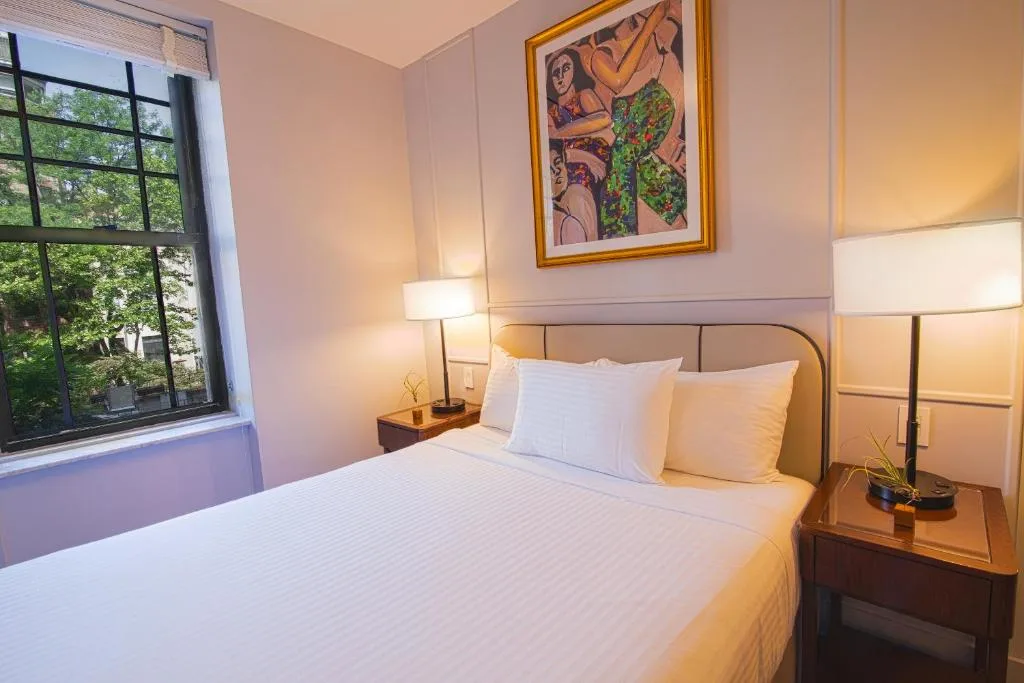
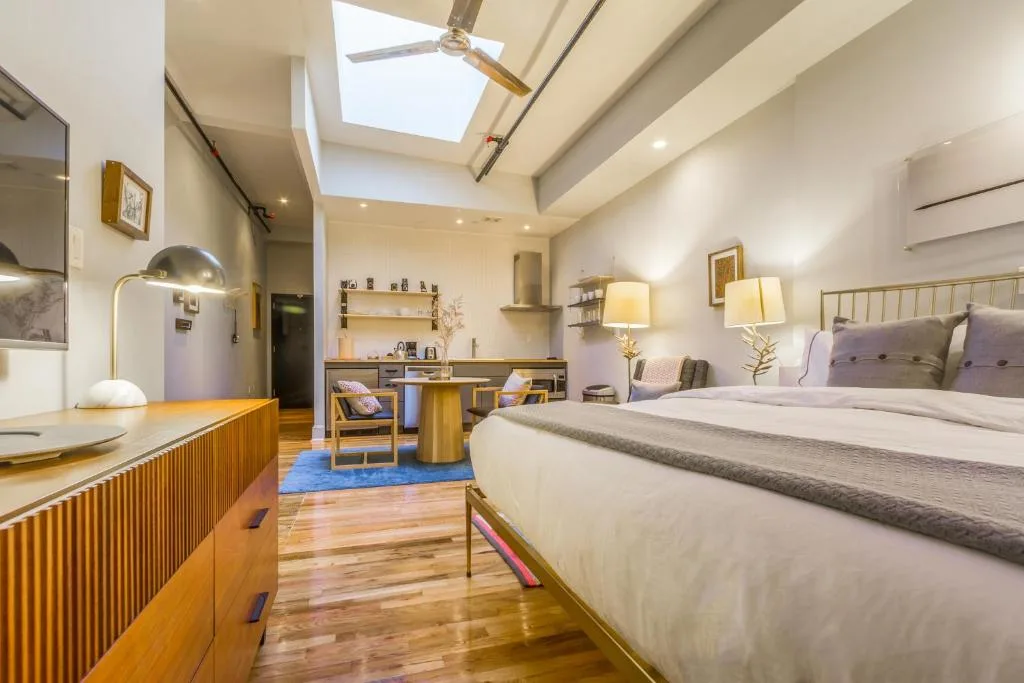
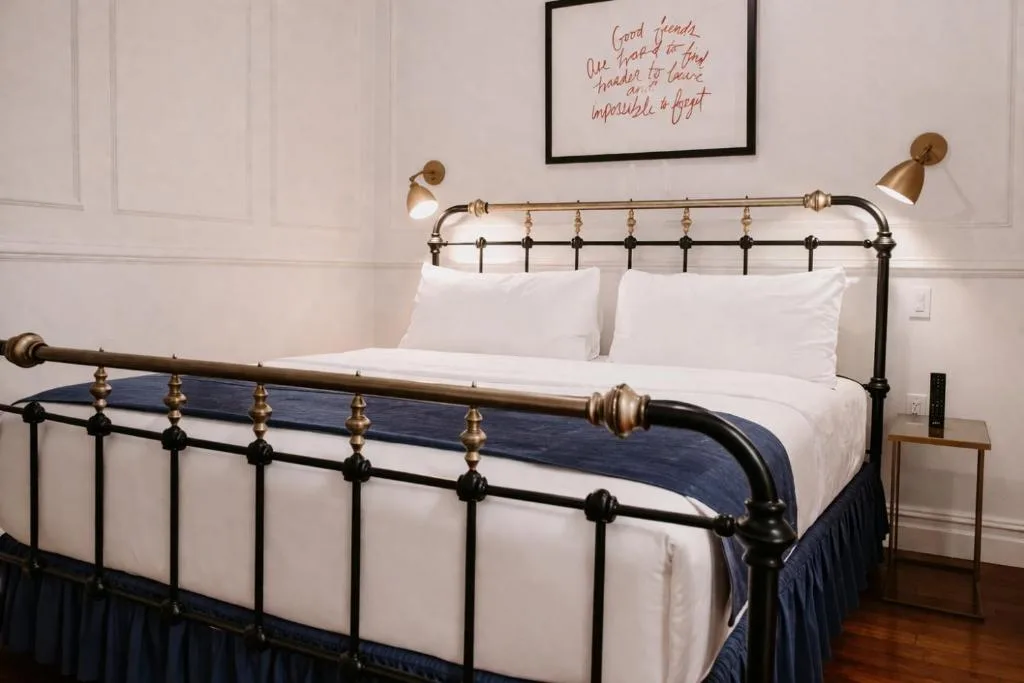
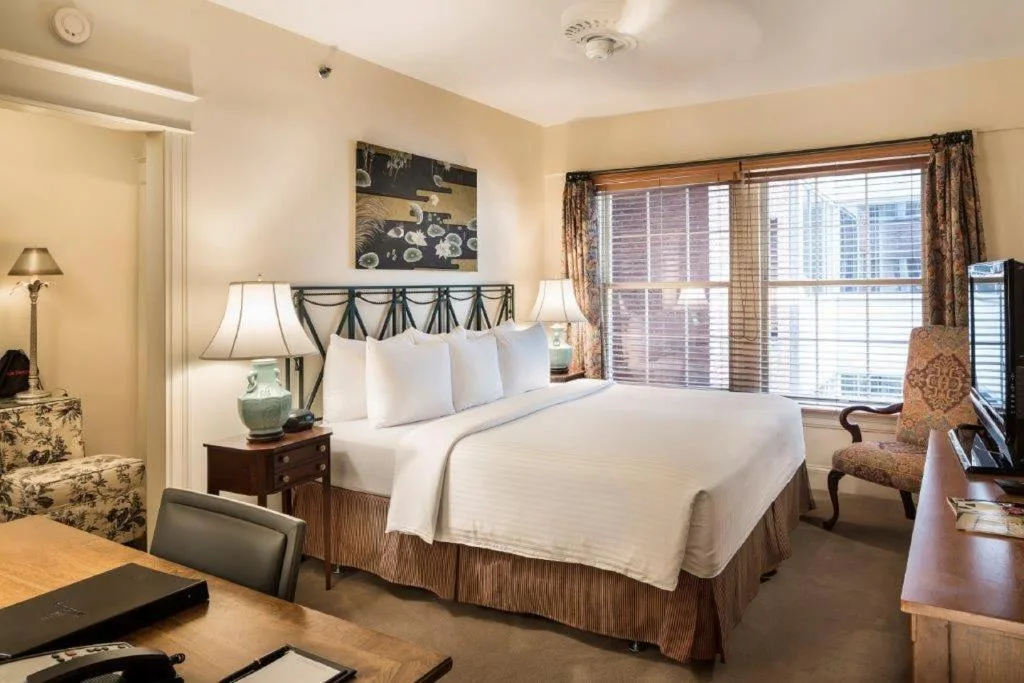
Top Off‑Season Stays
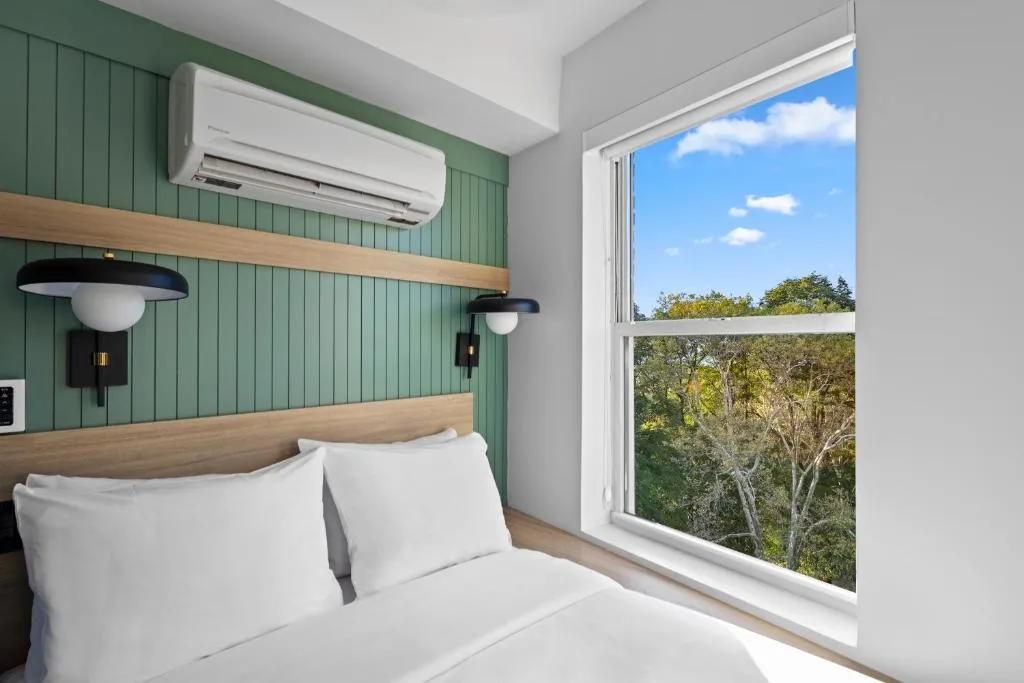
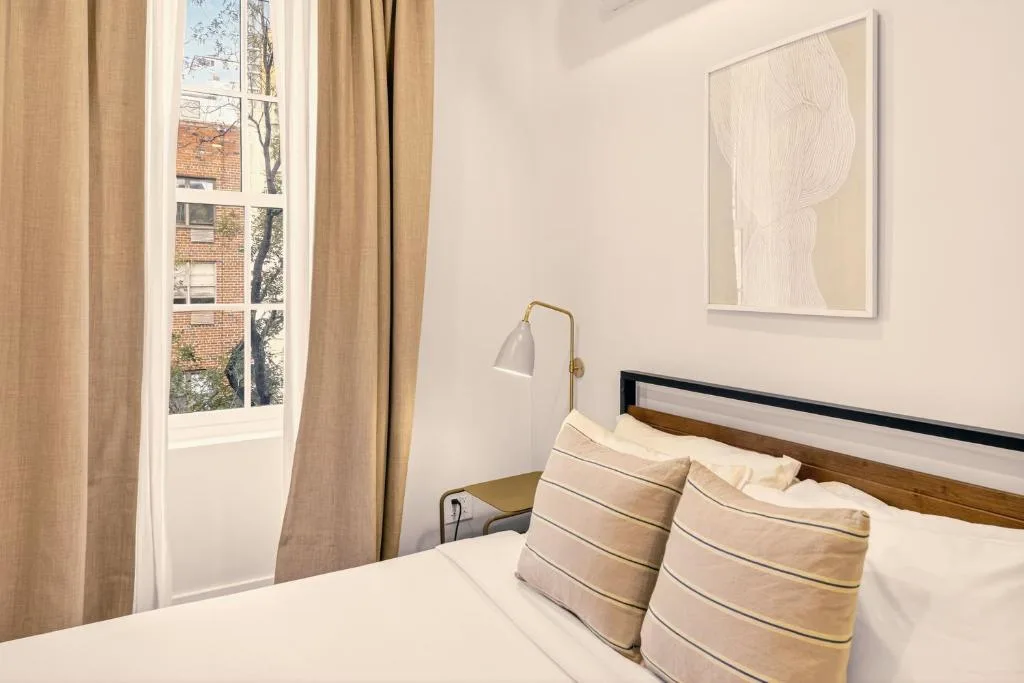
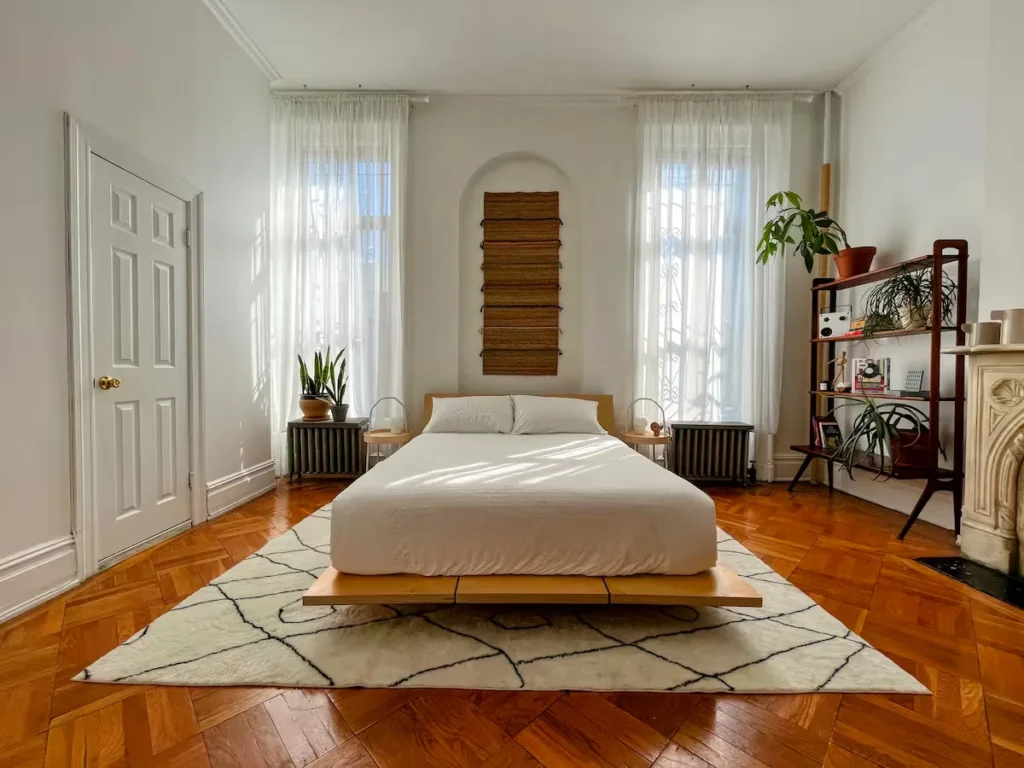
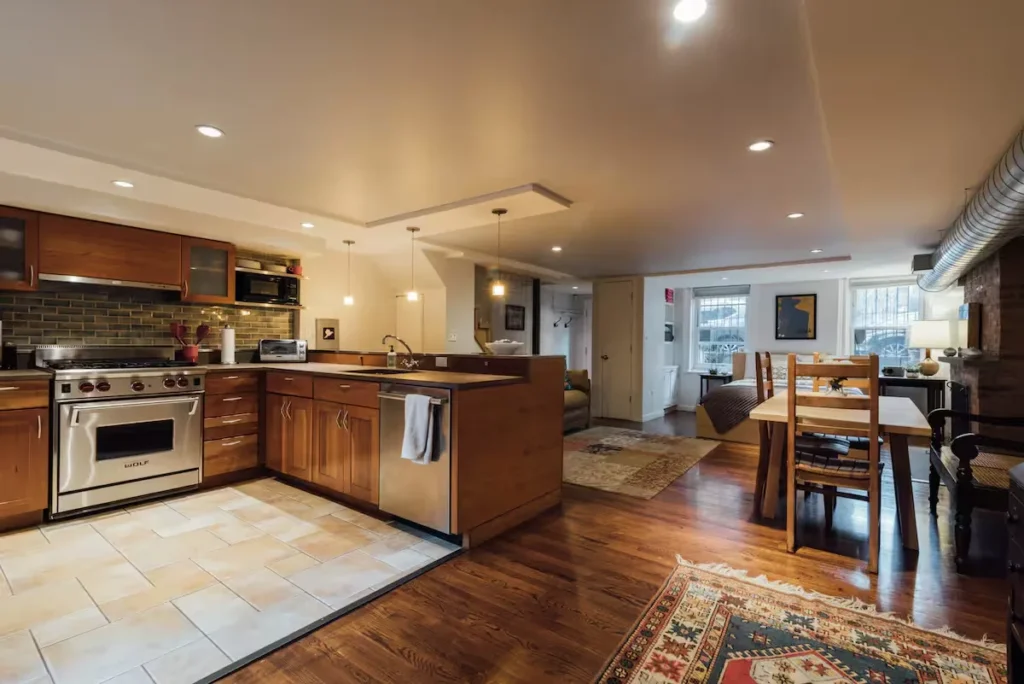
Find below our curated selection of boutique hotels and design apartments that offer exceptional value, atmosphere, and comfort during the off‑season — often at significantly lower rates than peak months.
Uncrowded Experiences & Tours
Skip the lines and experience iconic landmarks at your own pace. Discover curated local tours and cultural activities designed to show you the authentic side of the destination without the peak-season rush.
Handy Tips
Weather & Climate
- Summer: Hot and humid (26–32ºC / 79–90ºF).
- Winter: Cold, with snow inland (−5–5ºC / 23–41ºF).
- Spring/Autumn: Mild and ideal for travel (10–22ºC / 50–72ºF).
The coast is milder year-round; inland areas like Pennsylvania can be significantly colder in winter.
Local Customs And Etiquette
Tipping: Tipping is mandatory and expected in restaurants, bars, and for services like taxi/ride-share drivers. A minimum of 15–20% is standard for good service in a sit-down restaurant.
Pace: Cities, especially NYC, operate at a fast pace. Avoid blocking sidewalks or subway entrances while walking.
The Subway: In NYC, let people exit the subway car before you try to enter. Have your metro card ready.
Budgeting For Your Trip
Accommodation: Hostels ($40–$70), mid-range hotels ($150–$250), luxury ($350+). Prices vary wildly by location and season.
Food: Fixed-price lunch menu ($15–$25), dinner at a mid-range restaurant ($40–$70 per person, before tip), fine dining ($100+).
Transport: NYC MetroCard ($2.90 per ride), D.C. Metro ($2–$6 per ride), ride-share (price varies).
Activities: Broadway show ($80+), museum entrance ($15–$30), many D.C. museums are free.
Daily Budget:
- Budget: $100–$150 (hostels, fast food/street food, public transport).
- Mid-range: $200–$350 (hotels, restaurants, attractions).
- Luxury: $400+ (boutique hotels, gourmet meals, private tours).
Getting Around
By Public Transit: NYC and D.C. have excellent, extensive subway systems (the “Metro” in D.C., “Subway” in NYC). They are the best way to travel within the cities.
By Train: Amtrak’s Northeast Corridor (NEC) is a fast, efficient train line connecting major cities: Boston, NYC, Philadelphia, Baltimore, and D.C.
By Car: A car is best for exploring rural areas, like the Catskills or Pennsylvania countryside. Driving in the major cities is slow, and parking is expensive.
Must-Try Food
New York Style Pizza: Thin crust, large, foldable slices, often sold by the slice.
New York Bagel: Boiled and baked, resulting in a dense, chewy interior and a slightly crispy crust.
Philly Cheesesteak: Thinly sliced rib-eye beef, melted cheese (usually Cheez Whiz, American, or Provolone), and sometimes fried onions, all on a long roll.
Maryland Crab Cakes: Flaky patties of blue crab meat, often broiled or pan-fried with minimal filler.
Half-Smoke: A spicy, local sausage smoked in Washington D.C., typically grilled and served in a bun.
Pastrami on Rye: A New York Jewish deli classic: sliced pastrami, mustard, and rye bread.
Buffalo Wings: Fried chicken wings coated in a spicy vinegar-based sauce, invented in Buffalo, NY.
Scrapple: A Mid-Atlantic breakfast meat of pork scraps, cornmeal, and spices, often pan-fried.
Black & White Cookie: A soft, sponge cake-like cookie topped with half vanilla and half chocolate frosting.
Saltwater Taffy: A chewy, sweet candy pulled and twisted, particularly popular along the Jersey Shore.
Must-Try Drinks
Craft Beer: The region is a major hub for craft breweries, with strong scenes in Pennsylvania, New York, and D.C. Try local IPAs or stouts.
Manhattan: A classic cocktail made with whiskey, sweet vermouth, and bitters.
Egg Cream: A non-alcoholic, chocolate-flavored fountain drink made with milk, seltzer water, and chocolate syrup (no egg or cream).
Finger Lakes Wine: Wines, particularly Riesling, from the Finger Lakes region of New York State.
Hard Cider: Popular in New York and Pennsylvania, made from fermented apple juice.
Milkshakes: Thick, cold, blended drinks made from milk, ice cream, and flavorings.
Delaware Valley Beer: Lagers from historic Philadelphia breweries.
D.C. Coffee: The district has an excellent third-wave coffee scene with many independent roasters.
The Arnold Palmer: A refreshing non-alcoholic mix of iced tea and lemonade.
Hot Cocoa: A warm chocolate drink popular during the cold winter months.