 Skip to content



- When Is The Best Time To Visit New Orleans Without The Crazy Crowds?
July through September is your secret season, with one major exception: avoid the two weeks leading up to Mardi Gras if it falls during that window. Summer in New Orleans is hot and humid, but that means you get the city's famous jazz clubs, Creole restaurants, and above-ground cemeteries with 70% fewer tourists.
Hotel prices in the French Quarter drop dramatically, and you can actually walk down Bourbon Street without elbowing through crowds. Plus, summer is festival season for locals, including the Essence Festival and Satchmo SummerFest. For hurricane season updates and real-time weather alerts, bookmark the National Weather Service New Orleans office. For month-by-month timing across the region, visit our Off-Season Calendar.
- Is The Gulf Coast Still Worth Visiting During Hurricane Season?
Yes, with a simple smart strategy. Hurricane season runs June through November, but peak risk is August and September. The trade-off is that May and October sit just outside the highest-risk windows while still offering warm, swimmable water and sunshine along the Florida Panhandle, Alabama Gulf Shores, and Mississippi Gulf Coast.
You can "Exploit Travel Seasonality" by booking flexible, refundable accommodations during these shoulder months and purchasing travel insurance. The beaches are nearly empty, condo rentals drop by 40-50%, and local seafood is at its freshest. For official storm tracking and seasonal risk forecasts, the National Hurricane Center is your essential pre-trip resource.
- What Is The Cheapest Month To Explore Smoky Mountain National Park?
January is your answer, specifically after the holiday decorations come down. The most visited national park in America sees over 12 million summer visitors, but January drops to barely 500,000. You get the misty mountain views, elk herds in the valleys, and Cades Cove loop road with almost zero traffic.
Yes, higher elevations may be closed for snow, and some visitor facilities shut down. But Gatlinburg and Pigeon Forge hotel prices plummet, and you can enjoy cozy cabin rentals with fireplace rates at summer-budget prices. For current road closures and winter trail conditions, check the official National Park Service page for Great Smoky Mountains.
- Does The Deep South Have A Secret Off-Season For Beach Lovers?
Absolutely, and it is October hands down. The summer humidity breaks, water temperatures along the Gulf Coast stay in the pleasant upper 70s through mid-October, and the spring break families are long gone. Destinations like Gulf Shores, Destin, Myrtle Beach, and Hilton Head become peaceful retreats with perfect sunset weather.
The secret bonus is that October is also prime fishing season for redfish and speckled trout, plus the start of oyster season across Louisiana, Alabama, and Florida. For official beach water quality updates and park hours in Florida, the Florida Department of Environmental Protection website provides reliable seasonal information.
- How Does Southern Humidity Actually Help Off-Season Travelers?
It sounds counterintuitive, but humidity is your ticket to savings. Late July and August see the Deep South at its sweatiest, which scares away 90% of casual tourists. For smart travelers, this means poolside afternoons, air-conditioned blues clubs, and museum hopping (think the Civil Rights Museum in Memphis or the World of Coca-Cola in Atlanta) with zero wait times.
The key is shifting your daily schedule: sightsee from 8 AM to noon, take a siesta through the hottest hours, then head back out for evening live music and alfresco dining. You will save up to 50% on hotels and experience the South exactly as locals do. For a complete guide to matching your travel style with regional weather patterns, our AI Travel Assistant can build your perfect summer itinerary.

Home > Exploit The Seasons > Seasonal World Map > North America > United States > US Deep South And Gulf Coast
U.S. DEEP SOUTH & GULF COAST
Savannah’s oaks, New Orleans’ jazz, and the Gulf’s sugar-white sand — all without the swampy sauna. The Deep South reveals its storybook charm when summer breaks and the crowds thin, leaving front-porch hospitality all to you.
Smart Travel Calendar
Shoulder Season
Your Smartest Windows
Late February to mid-April (before summer heat and after winter chill — but watch for Spring Break)
October to mid-November (post-hurricane season, pre-Thanksgiving — warm but not hot)
Avoid: Mardi Gras week (February or early March — New Orleans reaches absolute peak pricing and insanity); Spring Break (mid-March to early April — Gulf Shores, Panama City Beach, Myrtle Beach packed with students); Jazz Fest (late April to early May — New Orleans spikes again); Thanksgiving week (late November — family travel)
What the Sky Does
Spring: 15-26°C (59-78°F) — pleasant; occasional quick thunderstorms
Fall: 18-27°C (64-80°F) — warm days, cooler nights, low humidity after October
Spring brings azalea and magnolia blooms — Charleston, Savannah, Natchez, and Mobile garden tours peak
Fall offers “second summer” (October) followed by crisp, perfect weather (November) — ideal for cemetery tours and porch sitting
How Empty It Feels
40-60% fewer tourists vs. summer, Mardi Gras, or Jazz Fest
New Orleans French Quarter — find a table at Cafe du Monde in 5 minutes, not 45; Bourbon Street is walkable
Savannah’s Forsyth Park — share the fountain with photographers, not busloads
Charleston’s Rainbow Row — actually see the colors without dodging selfie sticks
Gulf Coast beaches (Gulf Shores, Destin, 30A) — beach chairs available, restaurants seat you immediately
What You’ll Save
Hotels: 35-55% off peak — New Orleans boutique hotels at half-price; Charleston inns with last-minute deals
Flights to New Orleans, Savannah, Charleston, Mobile, Pensacola: 25-45% off spring break/summer rates
Parking — no $40 event parking in New Orleans; find street parking in Savannah’s historic district
Ghost tours and carriage rides — book same-day, often with empty seats
The Secret Perk
Late February’s Mardi Gras (before Fat Tuesday) — if you go the week before, parades are happening but crowds haven’t peaked; hotel prices still reasonable
October’s Halloween in New Orleans — the city does Halloween bigger than almost anywhere; cemeteries open late, parades, and the weather is perfect
Azalea blooming (March-April) — Savannah’s Tour of Homes & Gardens, Charleston’s Festival of Houses and Gardens, Mobile’s Azalea Trail
Lowcountry oyster season — months with “R” (September-April) means fresh Apalachicola, Gulf, and Carolina oysters
Photography perfection — soft golden hour light over marsh grasses, no heat haze, dramatic Live Oak Spanish moss
The Tiny Trade-Off
Hurricane season peaks early fall — September and early October still carry storm risk; buy travel insurance if booking then
Spring Break crowds target specific beach towns (Panama City Beach, Gulf Shores, Myrtle Beach) — avoid those, and the rest is fine
Mardi Gras dates move — if it falls in early March, those weeks are peak; if late February, shoulder pricing applies
Some beachfront restaurants close in October for “off-season renovation week” — call ahead
Smart Traveler Tip
Best balance window: Mid-to-late October (post-hurricane season, pre-Jazz Fest, humidity vanished, Halloween energy starting)
Spring alternative: Early April (azaleas peaking, Spring Break students gone by mid-April, Jazz Fest still ahead)
Avoid New Orleans completely during Mardi Gras week and Jazz Fest unless you want $600 hotel rooms and hour-long bar lines. Go the week before or after instead.
For Gulf Coast beaches, choose October over March — water is still warm from summer, but spring breakers haven’t arrived yet
Deep Off-Season
Your Smartest Windows
January through mid-February (post-holiday, pre-Mardi Gras — coldest, but emptiest and cheapest)
July through August (counterintuitive, but many travelers avoid due to heat/humidity — resorts drop prices dramatically)
Early December (first two weeks) (Christmas decorations up, holiday spirit humming, but crowds haven’t arrived)
Avoid: Christmas week through New Year’s (late December) — New Orleans, Savannah, Charleston pack with holiday revelers; also avoid Mardi Gras week (Feb/Mar) — already covered
What the Sky Does
Summer (July-August): 26-34°C (78-93°F) — hot, humid, afternoon thunderstorms daily (but brief)
Winter (January-February): 5-18°C (41-64°F) — mild by northern standards; occasional cold snaps below freezing
Summer has daily “gulf coast afternoon pop-up storms” — 20 minutes of downpour, then sun returns
Winter is the dry season — rain is rare; crisp, sunny days perfect for walking historic districts
How Empty It Feels
Summer: 60-70% fewer tourists than spring/fall shoulder — locals think you’re crazy, but you’ll have the place to yourself
Winter (Jan-early Feb): 70-80% fewer tourists than peak — New Orleans feels like a local secret
Charleston’s King Street shopping — browse boutique stores with no lines at checkout
Savannah’s riverfront — hear the cobblestones echo; find a rocking chair at any cafe
Natchez and Mobile’s historic homes — you and the docent alone in rooms full of antiques
What You’ll Save
Hotels: Summer: 50-70% off peak; Winter: 60-80% off peak — New Orleans French Quarter hotels for $89/night
Flights: 50-70% off spring/fall shoulder rates
Car rentals under $20/day — drive the Gulf Coast on a budget
Attraction bundles — city passes discounted further; plantation tours offer “off-season” rates
The Secret Perk
Summer: “Hurricane specials” — coastal hotels offer deep discounts during low hurricane-activity periods (early July, mid-August) to fill rooms
Winter: Christmas lights without crowds — St. Augustine’s Nights of Lights, New Orleans’ Reveillon dinners, Savannah’s Holiday Tour of Homes (early December only)
Genuine local interaction — bartenders, shopkeepers, and carriage drivers have time to chat; they’ll tell you where they eat
Summer’s afternoon thunderstorms — dramatic sky photography, then sunset over the marsh with steam rising
All-you-can-eat shrimp and crawfish — summer is peak seafood season, prices drop, no wait for tables
July’s “Christmas in July” sales — weird southern tradition? No. But hotel deals are real.
The Tiny Trade-Off
Summer heat is serious — 35°C (95°F) with 80% humidity feels like 43°C (110°F). Limit outdoor activity to morning and evening. Air conditioning is mandatory.
Summer afternoon thunderstorms — daily like clockwork (3-5pm). Plan indoor activities then (museums, shopping, naps).
Hurricane risk (June-November) — peak season August-September. Buy travel insurance, watch forecasts, have a flexible plan.
Winter: some beachfront bars and casual seafood shacks close (December-January) or reduce hours
Daylight shorter in winter — sunset 5:00-5:30pm
Mosquitoes — present year-round but worse in summer; pack repellent
Smart Traveler Tip
Best-value summer strategy: Book late July through mid-August — families are done traveling, hurricane activity usually low, hotels desperate for bookings
Best-value winter: January 5 – January 31 (post-New Year’s, pre-Mardi Gras) — absolute rock-bottom prices, cool but sunny weather
Heat survival for summer travelers: Do outdoor activities before 10am or after 5pm; midday is for museums, galleries, air-conditioned restaurants, and porch naps
Pack for summer: Linen or cotton only; umbrella (for pop-up storms); mosquito repellent; good walking sandals (cobblestones get hot)
Hurricane peace of mind: Book with free cancellation and buy third-party travel insurance. September is riskiest; October much safer.
New Orleans workaround: Even in deep off-season, weekends in New Orleans have energy — go Thursday-Wednesday for best prices
Find Off-Peak Flights
Top Off‑Season Stays
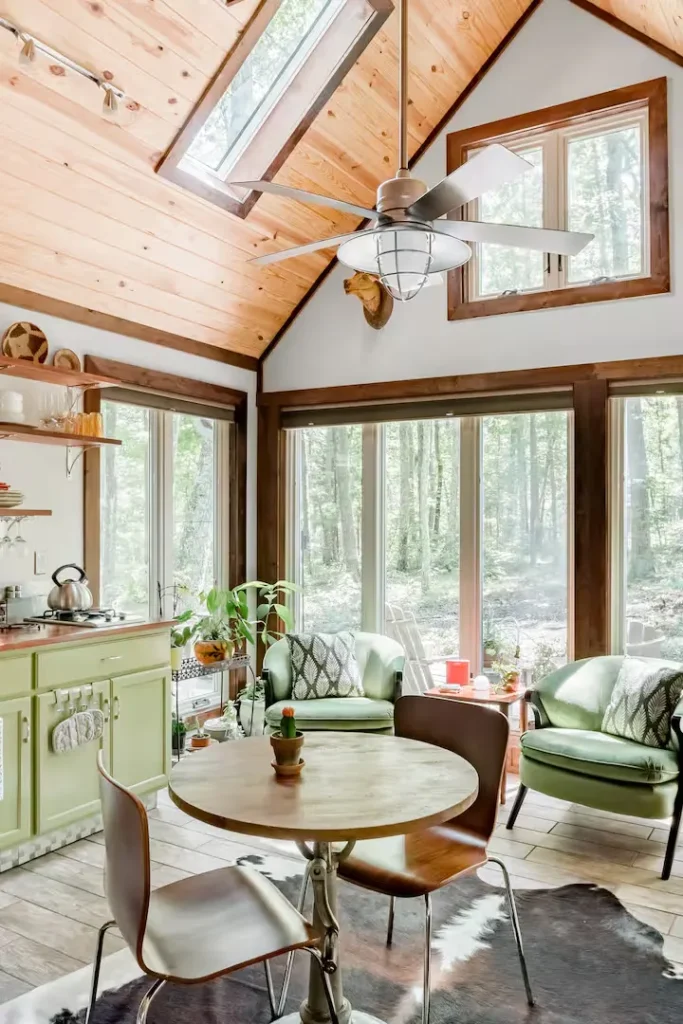
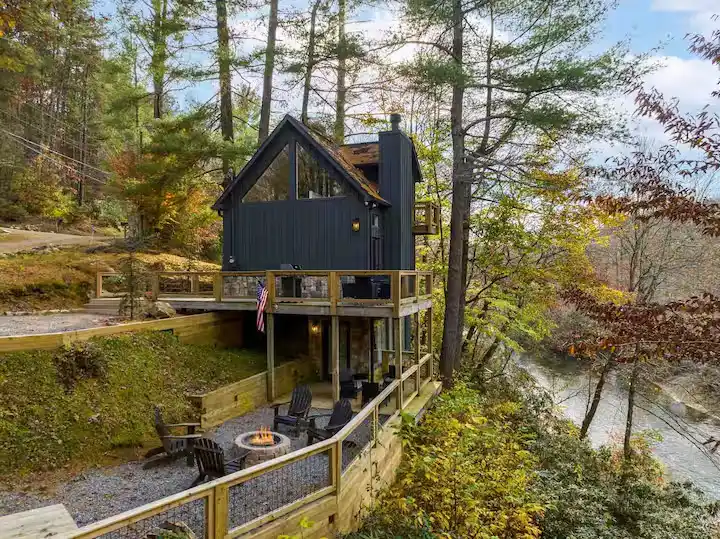
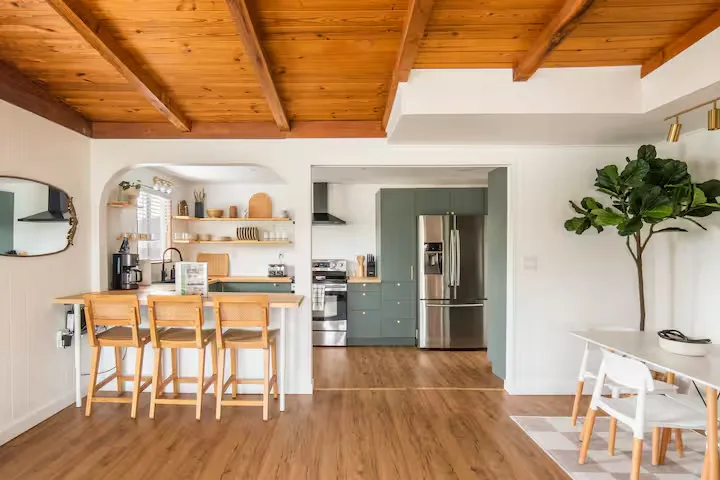
Find below our curated selection of boutique hotels and design apartments that offer exceptional value, atmosphere, and comfort during the off‑season — often at significantly lower rates than peak months.
Uncrowded Experiences & Tours
Skip the lines and experience iconic landmarks at your own pace. Discover curated local tours and cultural activities designed to show you the authentic side of the destination without the peak-season rush.
Handy Tips
Weather & Climate
Expect hot, humid summers (28–35ºC / 82–95ºF) and mild winters (10–18ºC / 50–65ºF). Coastal areas may experience tropical storms or hurricanes from June to November.
Local Customs And Etiquette
Hospitality: Southern hospitality is real. Be prepared for friendly, polite interactions and a slightly slower pace of life.
History: The region has a complex and sensitive racial history. Be respectful when visiting historic sites, especially plantations and civil rights landmarks.
Tipping: Tipping is customary and expected for all service industry workers (restaurants, bars, tours).
Language: A distinct Southern English dialect and accent is prevalent. Cajun French is still spoken in parts of Louisiana.
Budgeting For Your Trip
Accommodation: Hostels ($30–$60), mid-range hotels ($100–$180), luxury ($200+). Prices are significantly higher during major events like Mardi Gras or Jazz Fest.
Food: Casual Lunch/Plate Lunch ($15–$25), dinner at a mid-range restaurant ($30–$60 per person), fine dining ($70+).
Transport: Car rental ($40/day), city trolley/bus ($1.50–$3 per ride).
Activities: Swamp tour ($40–$60), museum admission ($15–$25).
Daily Budget:
- Budget: $90–$140 (hostels, fast-casual food, public transport).
- Mid-range: $160–$250 (hotels, restaurants, attractions).
- Luxury: $300+ (boutique hotels, gourmet meals, private tours).
Getting Around
By Car: A car is essential for exploring the Mississippi Delta, the Gulf Coast beaches, and for travelling between major cities.
By Air: Flights are the most efficient way to travel between distant cities like New Orleans, Charleston, and Savannah.
In Cities: Major cities like New Orleans (trolleys) and Charleston/Savannah (walking) are best explored on foot or using limited public transit.
Must-Try Food
Gumbo: A rich, savory stew with a roux base, meat, seafood, and the “holy trinity” of vegetables.
Jambalaya: A single-pot rice dish with meat (like sausage, chicken) and/or seafood, a staple of Creole/Cajun cuisine.
Étouffée (ay-too-FAY): Seafood (usually crawfish or shrimp) served in a thick, blonde roux-based sauce over rice.
Shrimp and Grits: A Lowcountry classic of creamy grits topped with bacon-flavored gravy and sautéed shrimp.
Po’Boy: A traditional Louisiana sandwich served on New Orleans French bread, often filled with fried seafood or roast beef.
Oysters (Raw or Chargrilled): Especially popular along the Gulf Coast. Try the famous chargrilled oysters in New Orleans.
BBQ Pulled Pork: A regional staple, often served with a vinegar-based (Carolina) or tomato-based (Memphis) sauce.
Fried Green Tomatoes: A classic Southern side dish, sliced, battered, and deep-fried.
Beignets (BEN-yays): Square pieces of dough, fried and covered with a generous dusting of powdered sugar.
Pecan Pie: A sweet tart filled with a mixture of pecan nuts, eggs, butter, and corn syrup.
Pralines (PRAH-leens): A creamy, sweet candy made with pecans, sugar, and cream, a New Orleans specialty.
Must-Try Drinks
Sazerac: Officially the “Official Cocktail of New Orleans,” made with rye whiskey, absinthe, Peychaud’s bitters, and a sugar cube.
Mint Julep: The quintessential Southern cocktail made with bourbon, fresh mint, and sugar, served over crushed ice.
Hurricane: A sweet rum-based cocktail often associated with the French Quarter, served in a distinctive curvy glass.
Local Craft Beer: The craft beer scene is rapidly growing, especially in major cities like New Orleans, Charleston, and Savannah.
Sweet Tea: The omnipresent, highly-sugared iced black tea. Refusing it can be considered impolite in some areas.
Cajun Coffee: Strong, dark-roast coffee, often blended with chicory (especially popular in New Orleans).
Abita Beer: A popular local Louisiana brewery with several signature brews.
Lemonade: A refreshing, non-carbonated drink, often served fresh-squeezed.
Root Beer: A distinctly American non-alcoholic, sweetened, and carbonated beverage.
Bourbon: While made in Kentucky, it is the primary whiskey of choice across the region.