 Skip to content






- When Is The Best Time To Drive The Pacific Coast Highway With Fewer Crowds?
Yes, September through October is your golden window. The summer families have gone home, the famous June Gloom has burned off, and you get crystal-clear views of the ocean without fighting for parking at every turn.
You can "Exploit Travel Seasonality" by booking coastal hotels in places like Big Sur or Monterey for nearly half the summer rate. Just be aware that May can bring fog, while winter offers dramatic waves but occasional road closures from mudslides. For official road conditions and scenic alerts before you drive, check the California Department of Transportation page on Visit California . For month-by-month timing, visit our Off-Season Calendar.
- Is It Worth Visiting The Pacific Northwest During The Rainy Season?
Absolutely, if you bring a jacket and the right attitude. The "rainy season" (November through March) is when Washington and Oregon turn into a misty, emerald wonderland with 90% fewer tourists at iconic spots like Olympic National Park or Columbia River Gorge.
The waterfalls are at their most powerful, cozy lodge fireplaces are roaring, and Portland's food scene has zero wait times. For current trail conditions and weather alerts in Washington's rainforests, bookmark the official Washington State Parks website. For urban exploration and budget stays, this is actually the smartest time to visit the Pacific Northwest.
- What Is The Cheapest Month To Fly Into California For A Beach Trip?
April is your answer, specifically the weeks right after spring break but before Memorial Day. The ocean might still be cool for swimming (that's what wetsuits are for), but the beaches themselves are peaceful, and flight/hotel prices drop significantly.
You can walk the Santa Monica Pier or watch sunset at La Jolla Cove without shoulder-to-shoulder crowds. If you want warmer water combined with deals, push your trip to late September when the ocean has had all summer to warm up but prices have already fallen. Use our AI Travel Assistant to find the exact dates that match your budget.
- Does California Have A Real Off-Season For Wine Country?
Yes, and it is January through March. This is when Napa and Sonoma are at their most authentic and affordable. The vines are dormant, sure, but tasting room fees drop by nearly half, you can actually talk to winemakers, and there are zero traffic jams on Highway 29.
Many global travelers assume summer is the only time for wine tasting, but the winter rains create a lush green landscape that locals adore. To check which wineries remain open for winter tastings and special off-season events, the National Park Service (which manages several historic wine-related sites in California) offers excellent seasonal visitor guides. For culinary travelers, this hidden gem beats peak season every time.
- How Does The Pacific Coast's Weather Vary Between North And South In The Off-Season?

Home > Exploit The Seasons > Seasonal World Map > North America > United States > California And Pacific Coast
CALIFORNIA & THE PACIFIC COAST
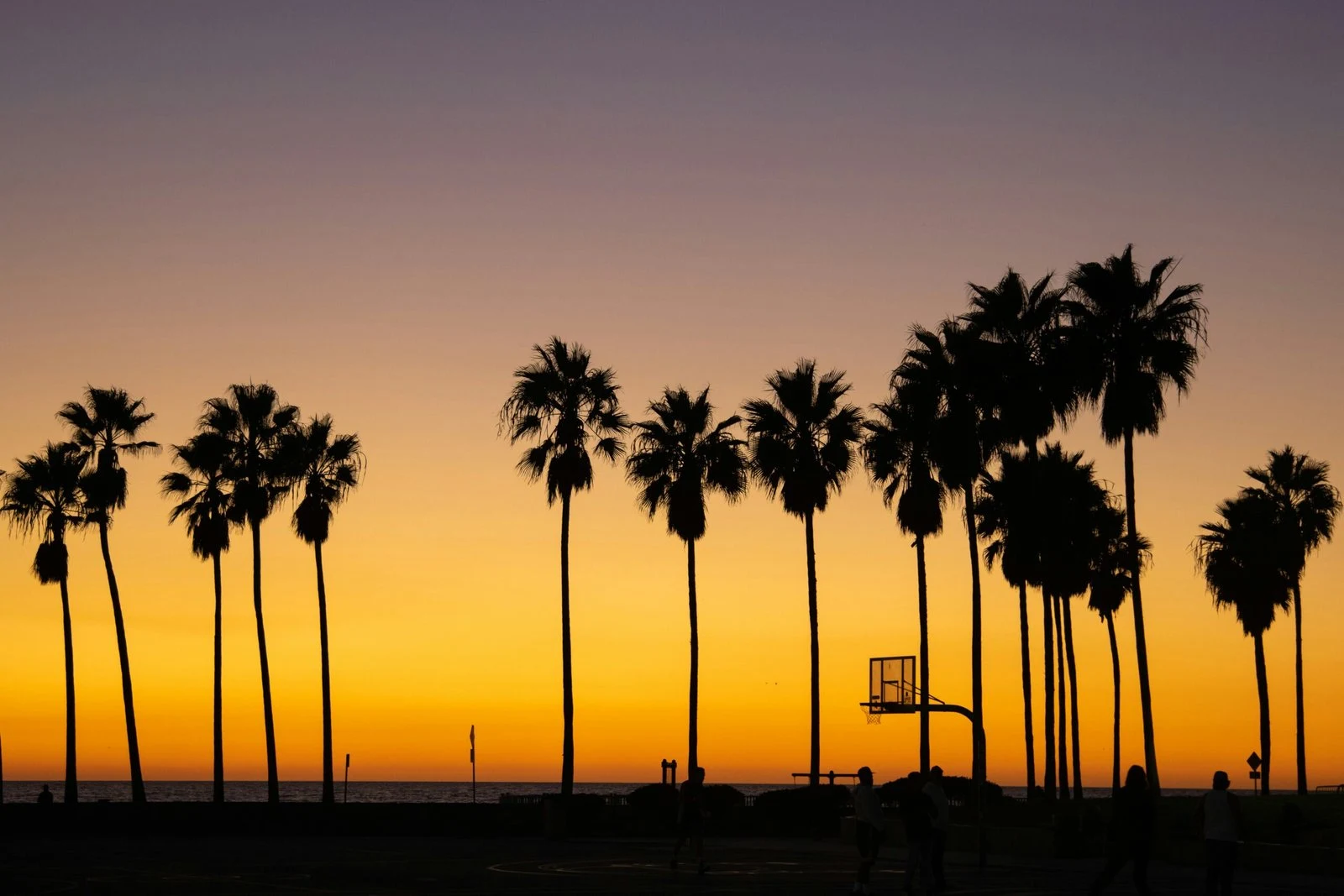
California’s Highway 1 meets Oregon’s wild shores and Washington’s moody rainforests. The Pacific Coast reveals its true soul when summer fog lifts and crowds thin—glassy waves, cliffside inns with parking, and whales gliding past empty beaches.
Smart Travel Calendar
Shoulder Season
Your Smartest Windows
Late April to mid-June (after spring rains, before summer crowds)
September to mid-October (after Labor Day, before winter storms)
Avoid: Thanksgiving week (late November) along the entire coast; Christmas through New Year’s in ski towns (Lake Tahoe, Whistler, Mt. Hood); and Memorial Day weekend (late May) — coastal traffic nightmare
What the Sky Does
Spring: 12-21°C (55-70°F) along coast; 15-27°C (60-80°F) inland valleys
Fall: 10-21°C (50-70°F) coast; 18-29°C (65-85°F) interior (September heat possible)
Spring: Wildflowers explode in Carrizo Plain, Antelope Valley, and Columbia River Gorge
Fall: Indian summer warmth (September) followed by crisp, clear skies — perfect for coastal sunsets
How Empty It Feels
40-60% fewer tourists vs. peak summer or Christmas ski weeks
Big Sur vista points — pull over anytime, no fighting for parking at Bixby Bridge
SF’s Golden Gate Bridge viewpoints — share them with a handful of people, not hundreds
Oregon’s Cannon Beach & Haystack Rock — walk for miles seeing only seabirds and tide pools
What You’ll Save
Flights: 20-35% off summer rates; hotels: 30-50% off coastal properties
Car rentals drop 40% — convertible season without convertible prices
Wine tasting fees often waived or discounted in Napa, Sonoma, and Willamette Valley (slow season = generous pours)
No Alcatraz or Space Needle sellouts — book a day before, or even same morning
The Secret Perk
April’s wildflower superblooms (in good rain years) — Carrizo Plain, Anza-Borrego, Columbia Gorge
September’s grape harvest — crush season means winery events and fresh press parties
Whale watching peak — gray whales southbound (Dec-Feb) then northbound (March-May); humpbacks near Monterey Bay (Sept-Dec)
Photographer’s dream — no marine layer = dramatic golden hour over cliffs, lighthouses, and sea stacks
Lone tide pools — explore low tides at Point Reyes, Olympic Coast, or Palos Verdes without jostling for space
The Tiny Trade-Off
Some coastal boardwalk attractions (Santa Cruz, Santa Monica Pier rides, Seaside OR) run reduced hours or close weekdays
Spring can bring rain in Oregon & Washington — pack a solid rain jacket
May’s “May Gray” and June’s “June Gloom” along SoCal coast (morning fog burns off by noon)
Mountain passes (Donner, Siskiyou, Snoqualmie) may still have snow into May or get early October dustings
Smart Traveler Tip
Best balance window: Second week of September through first week of October — summer crowds gone, ocean still warmish, skies clear
Beat the gloom: In May/June, start inland (Napa, Willamette, Redding) in the morning, hit the coast by afternoon when fog lifts
Avoid driving Highway 1 on Memorial Day, July 4th, or Labor Day weekends at all costs
For Oregon & Washington, choose September over May — much drier and sunnier
Deep Off-Season
Your Smartest Windows
January through February (post-holiday lull, before spring break)
November (after Thanksgiving) through early December (holiday lights without holiday prices)
Avoid: President’s Day week (mid-February) — Lake Tahoe, Whistler, and Big Bear ski resorts hit peak pricing; week between Christmas and New Year’s is peak everything
What the Sky Does
Coastal: 8-16°C (46-61°F) — cool but rarely freezing; Inland valleys: 2-14°C (36-57°F)
Northern coast (Oregon, Washington, Northern California): steady rain — this is why it’s a rainforest
Southern California (San Diego to Santa Barbara): sunny and mild — winter escape weather
Snow in Sierra Nevada & Cascades (ski season in full swing); coastal mountains may get dustings
How Empty It Feels
70-80% fewer tourists vs. summer or Christmas week
Highway 1 from Big Sur to Carmel — you’ll count cars, not curse them
Redwood National & State Parks — have entire groves to yourself; only sound is dripping rain
Small coastal towns (Cambria, Mendocino, Yachats, Port Townsend) feel like local secrets, not postcard sets
What You’ll Save
Hotels: 50-70% off summer coastal rates — that $600/night Big Sur cabin drops to $200
Flights to San Francisco, LAX, Seattle, Portland: 40-60% off peak
Car rentals under $25/day — sometimes convertibles too
No state park entry fees on select winter weekdays (check California State Parks “Off-Season Free Days”)
The Secret Perk
Storm watching — book a oceanfront room in Mendocino, Cannon Beach, or Tofino (BC) to watch Pacific winter swells
Ski & coast combo — ski Lake Tahoe or Mt. Hood in the morning, drive to the coast by evening (2-3 hours)
Crab season — Dungeness crab fresh off the boat from Northern California to Washington (Dec-Feb)
Cozy fireside inns — fireplaces, reading nooks, and board games without the summer premium
Genuine local pubs — warm up in Astoria, Eureka, or Bodega Bay bars with fishermen and artists, not tourists
The Tiny Trade-Off
Closed or reduced: Some campgrounds, seasonal ferries (Channel Islands, some Washington islands), and small coastal museums
Rain is real — Oregon & Washington average 10-15 rainy days per month Nov-Feb (bring proper gear)
Daylight is short — sunset 4:30-5:30pm depending on latitude
Some Highway 1 sections may close due to landslides (especially Big Sur area) — always check CalTrans
Smart Traveler Tip
Mildest deep off-season: Stick to Southern California (San Diego to Santa Barbara) — sunny, 15-20°C (60-68°F), and very little rain
Quietest month: January (after New Year’s, before President’s Day) — everyone recovers from holiday travel
Pack for three seasons — waterproof boots, fleece, sunglasses, and a swimsuit (SoCal pools are heated)
Pre-spring sweet spot: Late February — early wildflowers in SoCal deserts, still empty everywhere, slightly longer days
For storm watching, book mid-December or late January for biggest Pacific swells
Find Off-Peak Flights
Top Off‑Season Stays
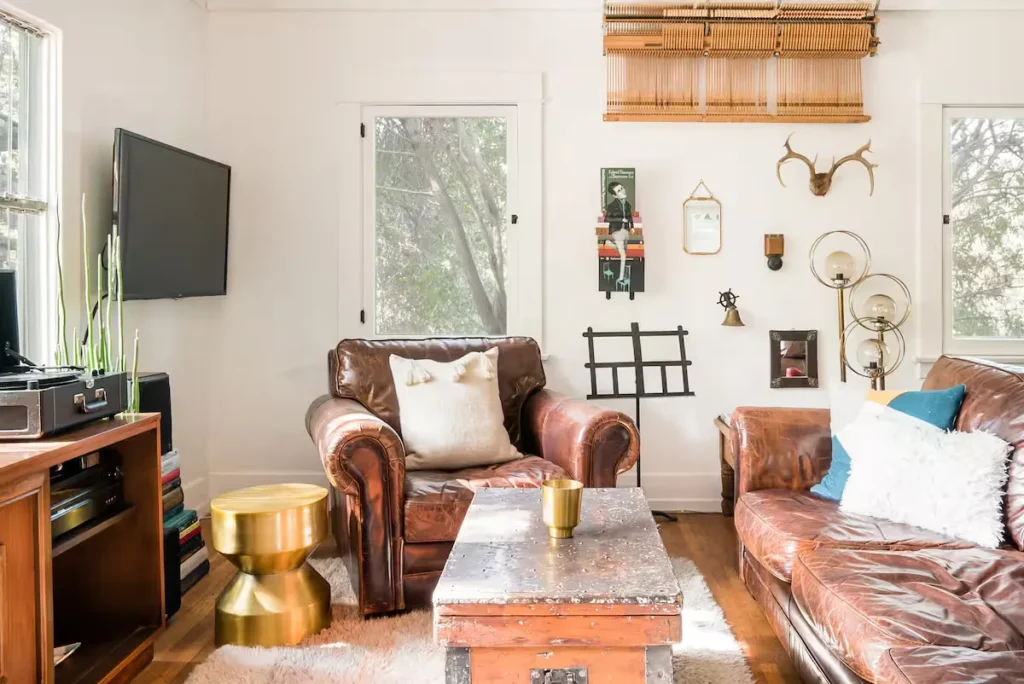
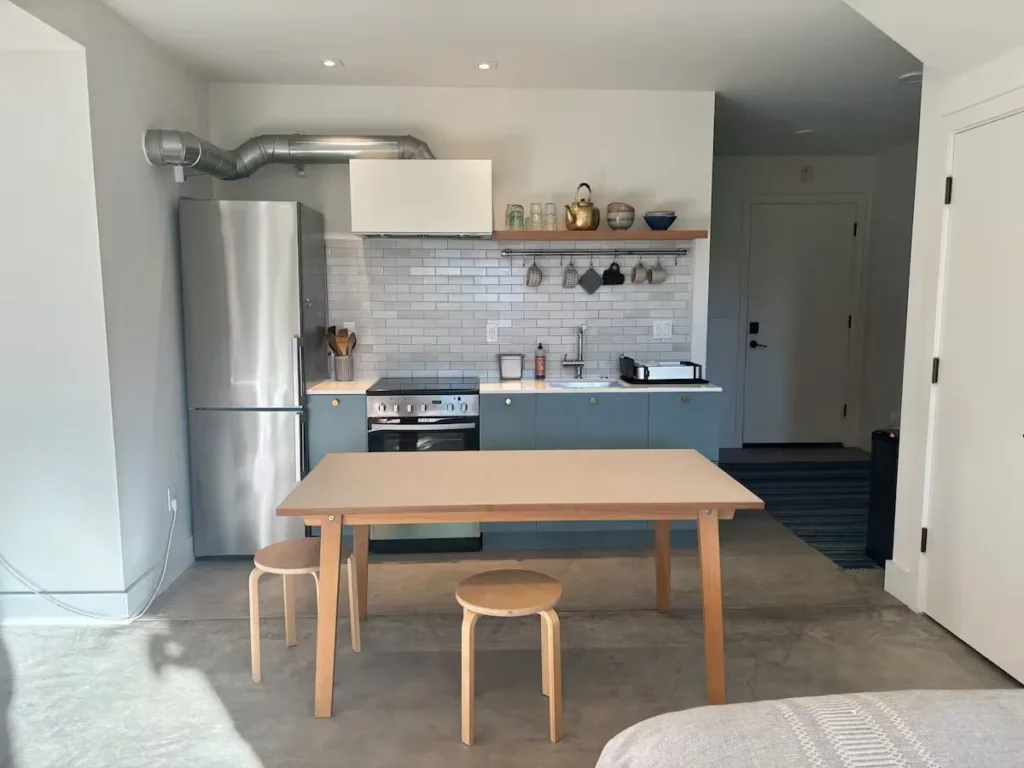
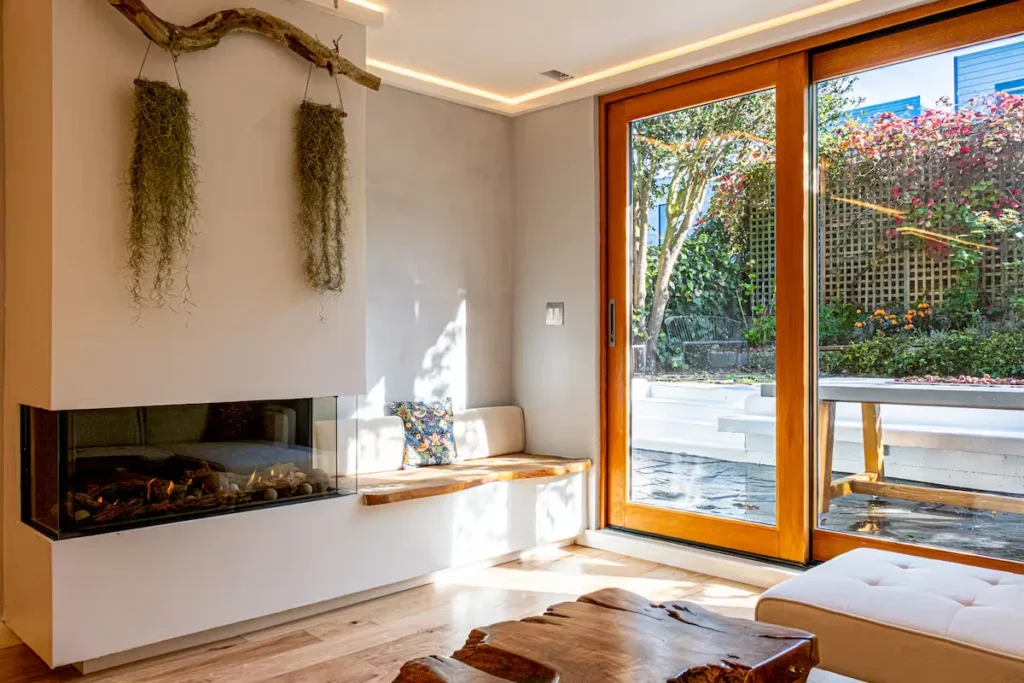
Find below our curated selection of boutique hotels and design apartments that offer exceptional value, atmosphere, and comfort during the off‑season — often at significantly lower rates than peak months.

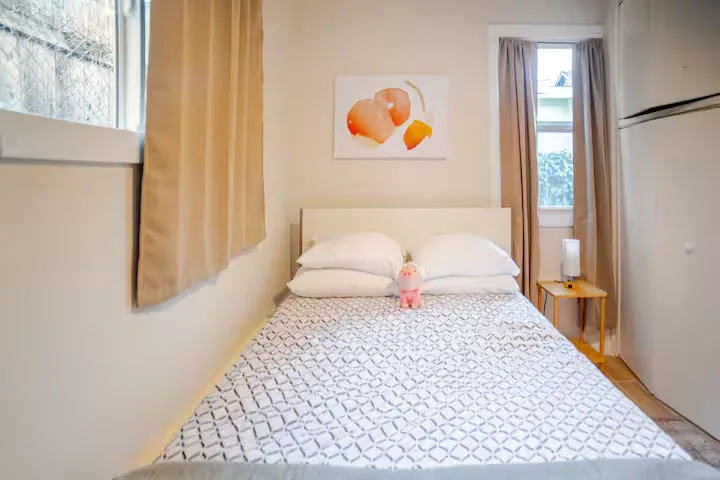
Hollywood Apartment
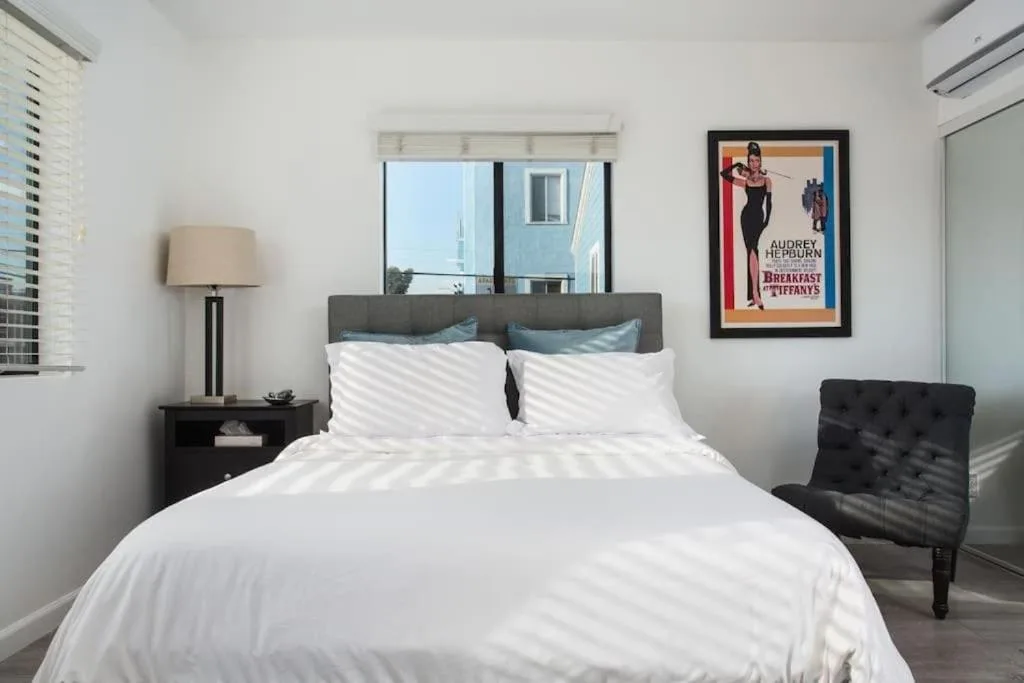
Studio Venice Beach

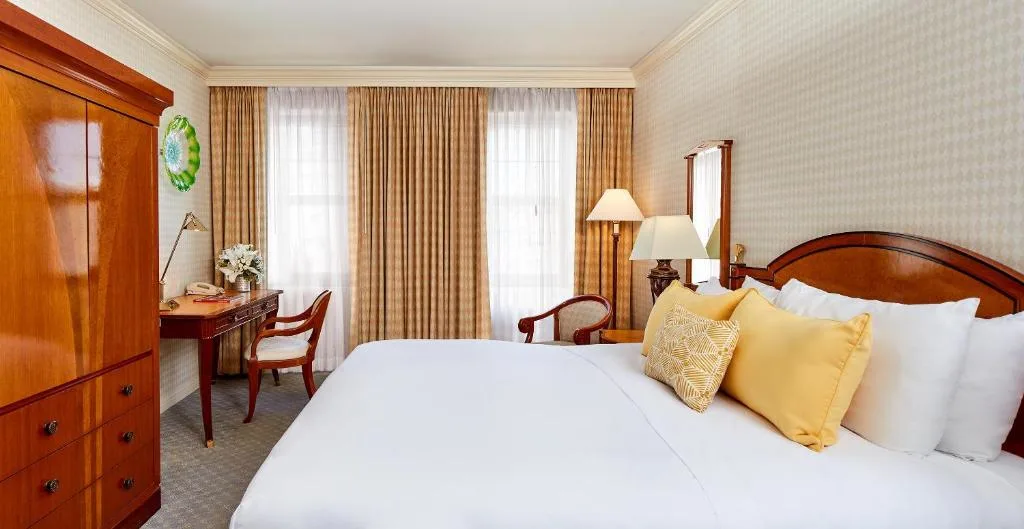
ViewPoint Suites
Uncrowded Experiences & Tours
Skip the lines and experience iconic landmarks at your own pace. Discover curated local tours and cultural activities designed to show you the authentic side of the destination without the peak-season rush.
Handy Tips
Weather & Climate
The climate is diverse. Southern California has hot, dry summers and mild, wet winters. The Pacific Northwest is famous for its mild, rainy climate. The interior mountains have cold, snowy winters and hot summers.
Local Customs And Etiquette
Language: English is dominant, but Spanish is widely spoken, particularly in Southern California.
Tipping: Tipping for service (restaurants, bars, taxis) is mandatory, with 15–20% being the standard.
Traffic & Driving: Traffic congestion, particularly in LA and Seattle, can be severe. Always give yourself extra travel time. Carpool lanes require two or more passengers.
Environmental Awareness: Recycling and eco-conscious habits are widely embraced, especially in the Pacific Northwest.
Budgeting For Your Trip
Accommodation: Hostels ($40–$60), mid-range hotels ($130–$250), luxury ($300+). Prices are highest in San Francisco, LA, and during special events.
Food: Casual lunch ($15–$25), dinner at a mid-range restaurant ($35–$60 per person), fine dining ($100+).
Transport: Car rental ($50–$80/day), light rail/subway ticket ($2.50–$3.50).
Activities: Wine tasting fees ($25–$75), national park entrance fee ($35/car).
Daily Budget:
- Budget: $100–$150 (hostels, small plate food, public transport).
- Mid-range: $200–$350 (hotels, restaurants, attractions).
- Luxury: $450+ (boutique hotels, gourmet meals, private tours).
Getting Around
By Car: A car is essential for exploring the vast national parks and the Pacific Coast Highway. Be prepared for high traffic in major cities.
By Air: Flights are the most efficient way to travel between the major hubs (LA, SF, Seattle).
By Public Transit: Major cities like San Francisco, Seattle, and Portland have excellent bus/light rail systems. Los Angeles’s system is expanding but less comprehensive.
Must-Try Food
Sourdough Bread: The iconic, tangy bread perfected in San Francisco.
Fish Tacos: Baja-style battered fish, a Southern California staple.
In-N-Out Burger: A famous West Coast fast-food chain, try the ‘Animal Style’ (off-menu).
Seattle Salmon: Fresh, often wild-caught, King or Sockeye salmon, prepared grilled or smoked.
Avocado Toast: Ubiquitous in California, often served with a variety of toppings.
San Francisco Cioppino: A hearty fish stew with a tomato base, loaded with Dungeness crab and other seafood.
California Burrito: A San Diego invention containing carne asada, cheese, and french fries inside the tortilla.
Dungeness Crab: A large crab found along the Pacific Coast, especially popular in winter.
Pink Cookies (Pfeffernüsse): A sweet, soft, often peppermint-flavored cookie popular in the Pacific Northwest around the holidays.
Boysenberry Pie: A sweet-tart pie made from the blackberry/raspberry hybrid, popular in the Central Coast.
Must-Try Drinks
California Cabernet Sauvignon: The king of Napa Valley red wines, known for its bold, complex flavors.
Pinot Noir (Oregon/Sonoma): The signature grape of Oregon’s Willamette Valley and Sonoma Coast, known for its lighter, earthy profile.
IPA (India Pale Ale): The West Coast is famous for its hop-forward, often very bitter, style of craft beer.
Seattle Espresso: The birthplace of modern coffee culture, order a meticulously prepared espresso or a latte.
Pisco Sour: The popular South American cocktail, enjoyed across the region, especially in the Bay Area.
Kombucha: Fermented tea beverage, popular in its natural and flavored forms.
Oregon Pinot Gris: A crisp, light-bodied white wine perfect for seafood.
Craft Cider: Increasingly popular, especially in the Pacific Northwest, with a variety of apple and berry blends.
Cold Brew Coffee: Coffee concentrate steeped in cold water for a long time, resulting in a smooth, low-acidity drink.
Moscato: A light, sweet, and often fizzy white wine, popular as a dessert pairing.