 Skip to content





- Is The Weather Too Hot Or Too Smoggy During The Off-Season?
It depends on which off-season you choose, and that is where smart timing wins. The shoulder seasons bring pleasant, dry weather ideal for exploring cities like Amritsar, Lucknow, and Agra, with clear blue skies and temperatures that feel comfortable for full days of walking between historical monuments.
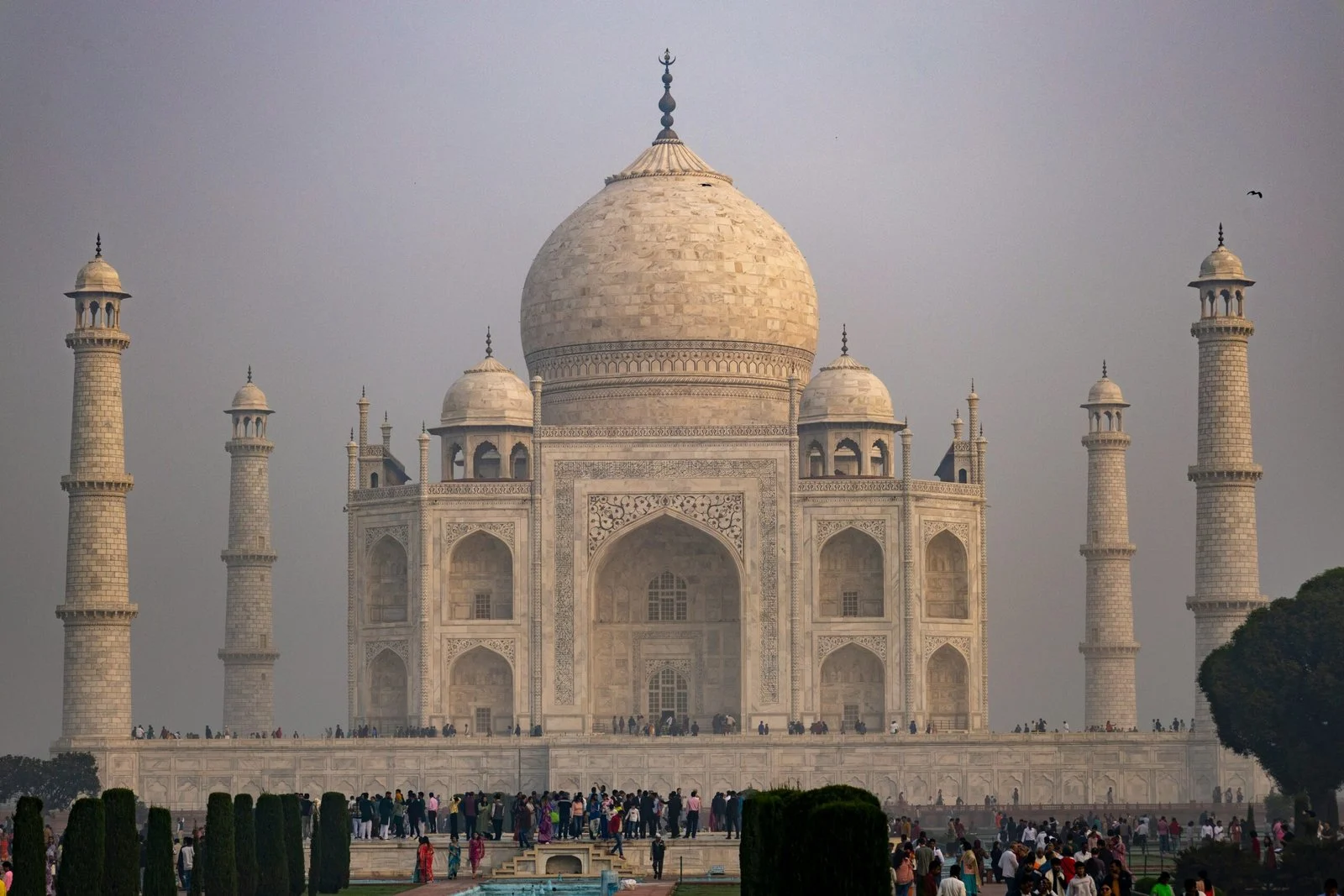
The trade-off is that the deeper off-season can bring dense winter fog or pre-monsoon haze that occasionally reduces visibility. You can exploit this by planning morning indoor activities like museum visits and cooking classes, then enjoying iconic sites like the Golden Temple or the Taj Mahal in the clearer afternoon light with 60% fewer tourists around you.
- Can I Travel Reliably Between Delhi, Agra, And Jaipur?
Yes, the famous Golden Triangle route remains fully operational and actually becomes more pleasant. Express trains and luxury buses run on schedule, you will find seat availability even for last-minute bookings, and ticket prices drop by 20% to 35% compared to the peak winter holiday crush.
The realistic drawback is that dense fog in December and January can occasionally slow down train schedules by an hour or two. However, the major highways and expressways are well-maintained, and the bonus of having nearly empty train cars means you can finally stretch out across two seats for that four-hour journey.
- Will I Save Real Money On Hotels Near The Monuments?
Absolutely, and this is where exploiting travel seasonality pays off spectacularly. Hotels within walking distance of the Taj Mahal or the Red Fort reduce their room rates by 40% to 60%, meaning you can afford a heritage property with rooftop views for the same price as a roadside guesthouse in peak season.
The catch is that some budget hostels and smaller family-run places may close for deep off-season maintenance. Stick to the mid-range and luxury hotels instead, where staff are eager to serve the few guests present and will often upgrade your room or include free breakfast just to be hospitable.
- Why Should I Bother With The Crowded Monuments During The Off-Season?
Because the words crowded monuments no longer apply to your experience. Walking through the courtyards of Fatehpur Sikri or the corridors of the Amber Fort with only a handful of other visitors allows you to actually hear the echoes of history instead of shouting over tour group leaders.
Yes, the midday sun can still feel warm, so carry water and wear a hat. But the payoff is taking unlimited photographs without strangers photobombing every shot, spending as long as you want at each viewpoint, and feeling the spiritual silence of sacred sites rather than the chaos of shoulder-to-shoulder shuffling.
- Is The Local Food Scene Still Vibrant During The Off-Season?
Yes, and in many ways it becomes even more authentic. The street food stalls in Old Delhi, the butter chicken joints in Ludhiana, and the chaat wallahs in Lucknow remain open daily, but now you can actually approach the counter without fighting through a crowd of hungry tourists.
The honest downside is that some rooftop restaurants with panoramic monument views may reduce their evening hours. In their place, you gain access to underground food tours, family-run kitchens that invite you to learn paratha rolling, and the rare experience of having the most famous chai wallahs remember your order after just one visit because you are one of only a handful of customers that week.

Home > Exploit The Seasons > Seasonal World Map > Asia > India > North Indian Plains
NORTH INDIAN PLAINS
North India’s plains transform dramatically, from foggy winter mystique to scorching summer starkness. This guide shows you when to explore the Ganga, golden temples, and Mughal wonders without melting, fighting crowds, or overspending.
Smart Travel Calendar
Shoulder Season
Your Smartest Windows
February – March
October – November
Avoid: Diwali (Oct/Nov) — Delhi and Amritsar hotels double in price. Also, Kartarpur Corridor sees huge pilgrim spikes on Guru Nanak’s birthday (November).
What the Sky Does
Pleasant days: 18°C to 28°C (64°F to 82°F). Nights cooler at 10-15°C (50-59°F).
February still has some morning fog — clears by 10 AM for crystal-clear Taj views.
October has zero rain, crisp blue skies, and golden harvest light over mustard fields.
March sees rising dust haze but still comfortable before the April heat explosion.
How Empty It Feels
35-45% fewer tourists than December peak season.
Delhi’s Red Fort and Qutub Minar — walk right in, no queue at ticket counters.
Varanasi’s evening Ganga aarti: arrive 15 minutes early and still get front-row ghat seating.
Punjab’s rural homestays have genuine availability without rush bookings.
What You’ll Save
30-40% savings on hotels vs. December. Delhi five-stars from $70-100/night.
Flights to Delhi, Amritsar, or Lucknow 25% cheaper.
Private car with driver (Delhi-Agra-Jaipur triangle) 30% off peak rates.
Street food walks in Chandni Chowk — no waits for parathas or jalebis.
The Secret Perk
Holi in March in Mathura-Vrindavan — the world’s most spectacular color festival, authentic and electric.
Mustard fields of Punjab bloom brilliant yellow in February — stunning countryside drives.
Fresh sugarcane juice harvest season (Oct-Nov) — vendors crush it right before your eyes.
Soft winter morning light over the Ganga ghats — photography perfection without harsh shadows.
Sikh temple volunteers have time to explain the kitchen’s inner workings — a genuine cultural exchange.
The Tiny Trade-Off
February morning fog can delay trains and flights by 2-4 hours unpredictably.
October heat returns to 30°C+ (86°F+) by midday — slower sightseeing required.
Boatmen in Varanasi charge slightly higher pre-Holi rates in March.
Restaurants in Delhi’s Connaught Place may close for a week in October inventory count.
Smart Traveler Tip
Late February (20th onward) offers perfect weather before Holi crowds. Book Agra and Amritsar for this window.
Start sightseeing at 7:30 AM to beat March’s midday heat and get empty monuments.
Avoid driving from Delhi to Agra on Saturdays in October — wedding season weekend traffic.
Deep Off-Season
Your Smartest Windows
June – August
Avoid: April and May are unbearably hot (45°C+/113°F+), not recommended unless you enjoy severe heat stress. Also, avoid Kartarpur Sahib on Guru Nanak’s birthday (November).
What the Sky Does
Brutally hot: 35°C to 45°C (95°F to 113°F) with intense direct sun. Nights stay above 28°C (82°F).
No rain in June/July except pre-monsoon dust storms. August sees occasional heavy showers that offer relief.
Sky is hazy white from dust and heat shimmer — forget mountain views from Delhi.
Humidity stays low (20-40%) until August, then jumps to 70% — sticky, heavy air.
How Empty It Feels
70-80% fewer tourists than peak season. International visitors almost none.
Taj Mahal feels abandoned — you can sit on the bench Diana did with no one else around.
Museums and indoor sites (National Museum, Partition Museum in Amritsar) are blissfully empty with focused staff.
Small Ganga towns feel like only locals exist — no touts, no hassles, just real life.
What You’ll Save
55-65% savings vs. December peak. Delhi five-star hotels from $40-55/night.
Domestic flights at lowest annual prices — Delhi to Amritsar or Varanasi under $50 one-way.
Heritage havelis in Lucknow and Agra offer monsoon discounts up to 60%.
Car rental with driver: $25-30/day fully inclusive (peak season $60+).
The Secret Perk
Afternoon siesta culture — locals nap 1-4 PM. You can too, then explore air-conditioned museums for free.
Monsoon photography in August: dramatic black skies over golden temples, reflections on wet marble.
Langar hall volunteering — Golden Temple needs extra hands in summer. Rolling chapatis alongside pilgrims is unforgettable.
Rural Punjab harvest break — farmers celebrate with folk music and buttermilk in village courtyards.
Shopkeepers in Chandni Chowk offer ice-cooled bottles of water and genuine conversation — no pressure to buy.
The Tiny Trade-Off
Open-air sightseeing is impossible between 11 AM and 4 PM — heat exhaustion risk is real.
Nightlife in Delhi is dead — clubs and bars with outdoor seating shut entirely.
Many small restaurants in Varanasi’s lanes close for the season (owners retreat to hill stations).
Daylight lasts until 7 PM but heat lingers until sunset — no pleasant evening walks before 7:30 PM.
Smart Traveler Tip
June is slightly better than July — before monsoon humidity peaks. Book air-conditioned everything.
Visit Amritsar in August — monsoon lowers temperatures to 35°C (95°F), and the Golden Temple’s evening reflection in rainwater is magical.
Pack: lightweight cottons, wide hat, sunglasses, electrolyte powders, and a reusable water bottle.
For the mildest deep off-season, focus on Punjab — breezier than Delhi and UP due to open agricultural plains.
Find Off-Peak Flights
Top Off‑Season Stays
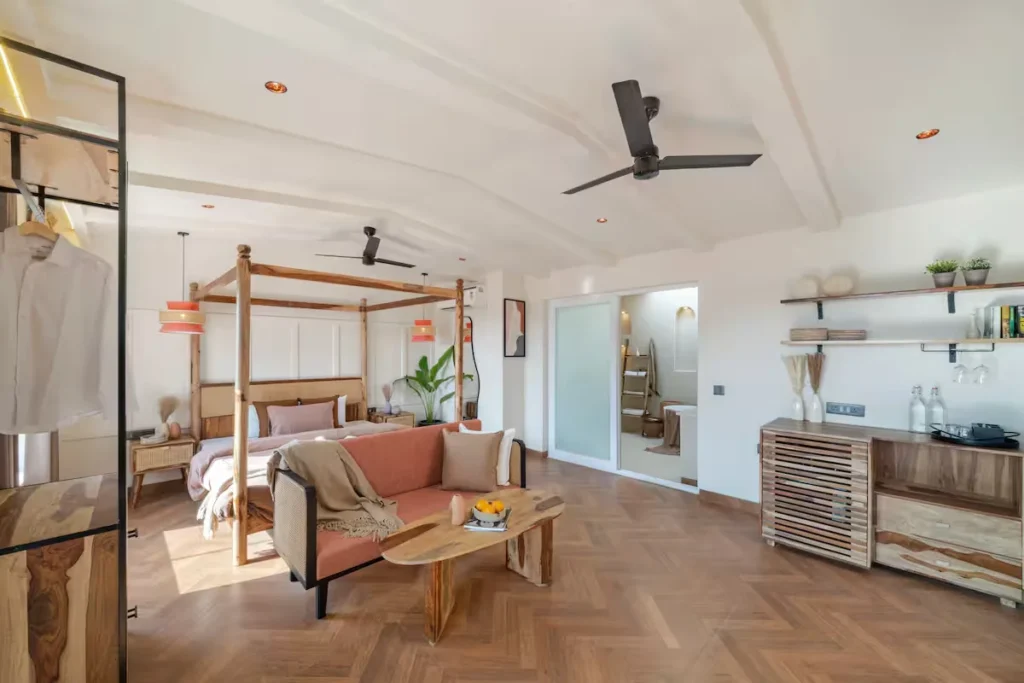
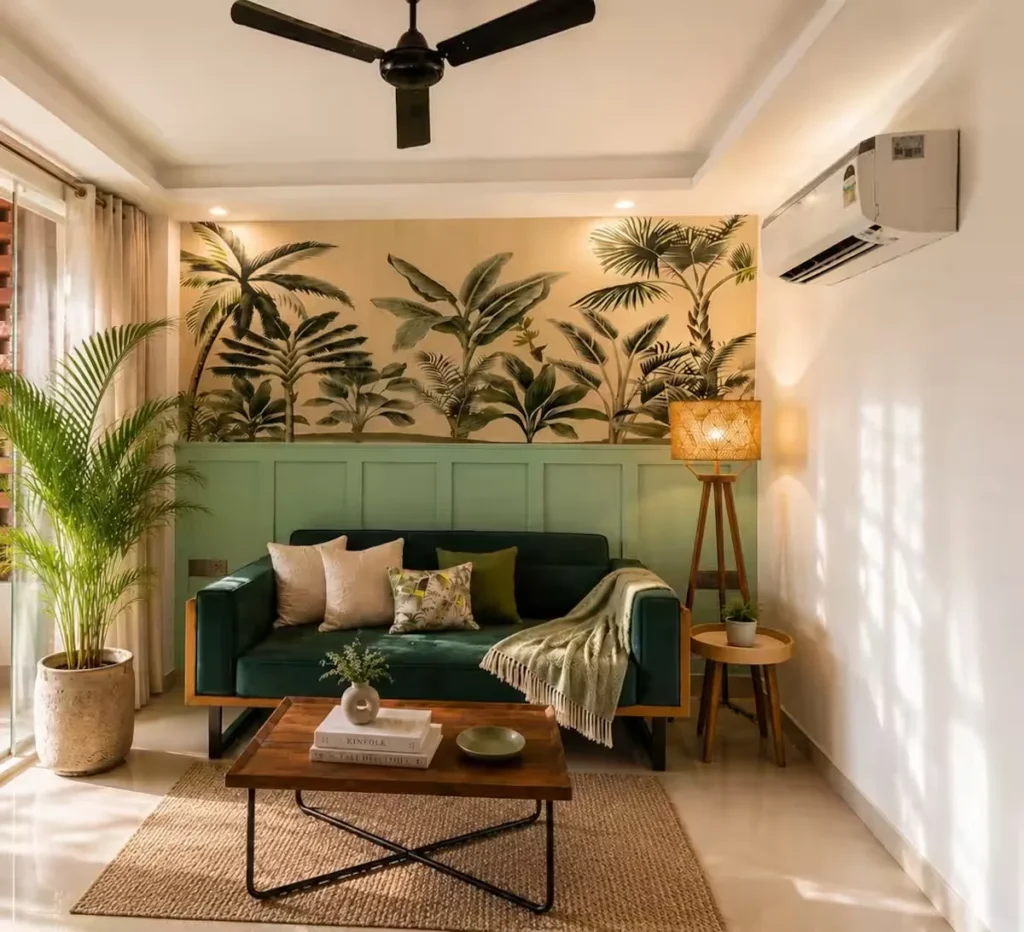
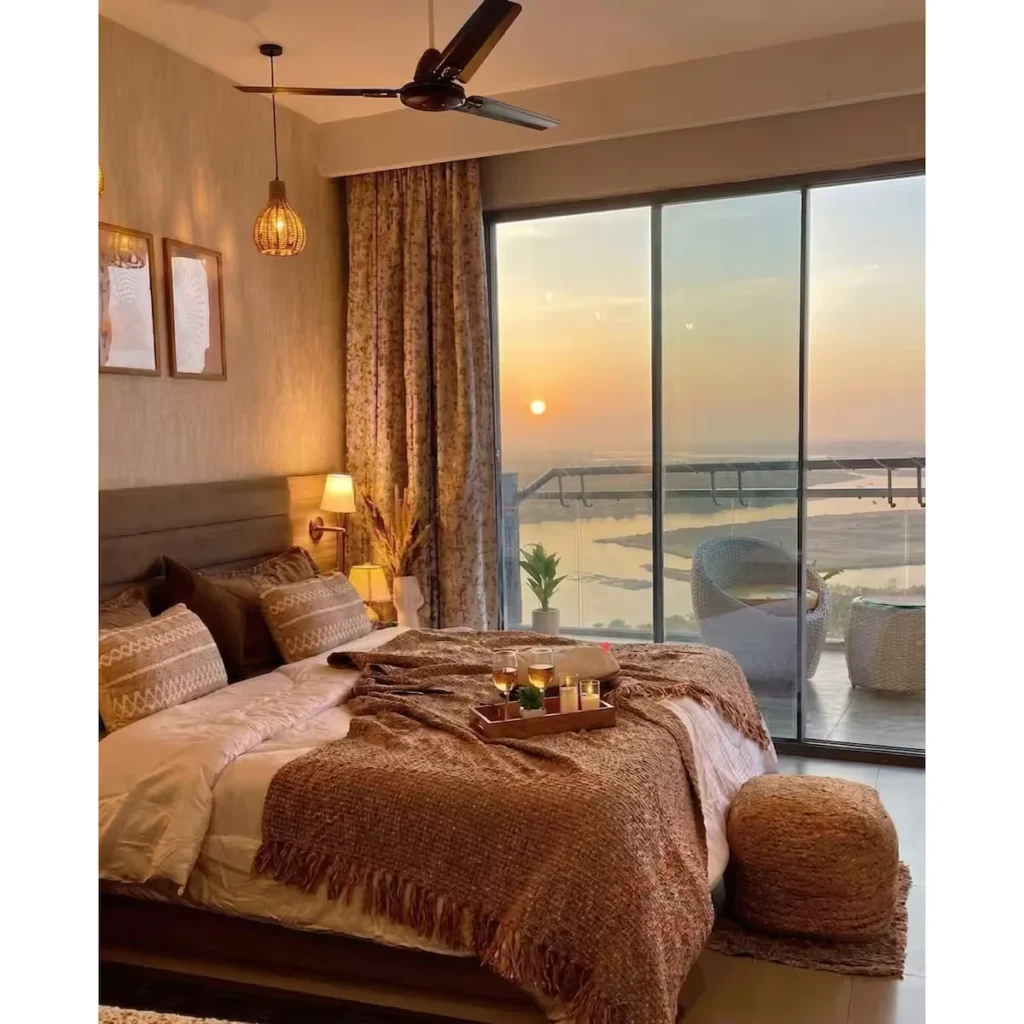
Find below our curated selection of boutique hotels and design apartments that offer exceptional value, atmosphere, and comfort during the off‑season — often at significantly lower rates than peak months.
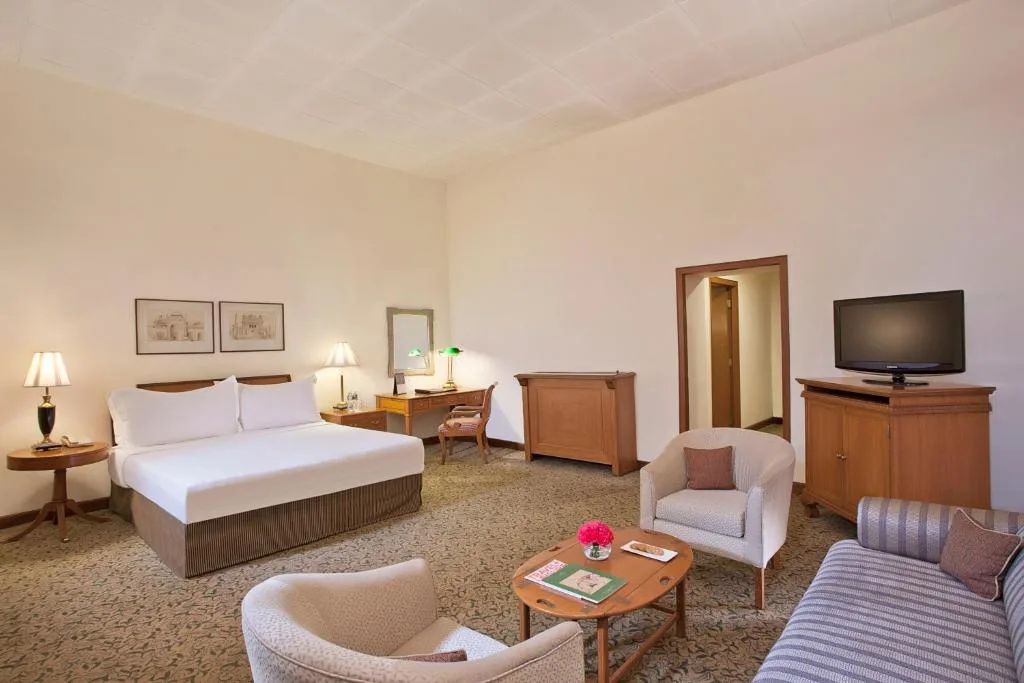
Maidens Hotel New Delhi
Uncrowded Experiences & Tours
Skip the lines and experience iconic landmarks at your own pace. Discover curated local tours and cultural activities designed to show you the authentic side of the destination without the peak-season rush.
Handy Tips
Weather & Climate
The region has a subtropical continental climate. Summers (April–June) are extremely hot and dry. The Monsoon (July–September) brings heavy rains and high humidity. Winters (October–March) are cool and dry, with occasional cold waves and fog.
Local Customs And Etiquette
Temple Etiquette: Always remove your shoes before entering any temple or shrine. Dress conservatively—cover your shoulders and knees.
The ‘Namaste’: Greet people by joining your hands in a prayer position and saying ‘Namaste’ (or ‘Namaskar’). A handshake is fine, but this gesture is widely appreciated.
Eating: Only use your right hand when giving, receiving, or eating, as the left hand is considered unclean. Do not put serving spoons in your mouth.
Budgeting For Your Trip
Accommodation: Hostels ($5–$15), mid-range hotels ($30–$70), luxury ($100+). Heritage hotels in cities like Jaipur can cost significantly more.
Food: Street food/small meal ($2–$5), fixed-price thali lunch ($5–$10), dinner at a mid-range restaurant ($15–$30 per person).
Transport: Intercity train ticket (AC Chair Car/Sleeper, varies widely), local auto-rickshaw ($1–$4), local taxi/app-based ride ($4+).
Activities: Monument entrance fee ($5–$20 for foreigners), private guided tour ($30–$70/day).
Daily Budget:
- Budget: $30–$50 (hostels, street food, public transport).
- Mid-range: $60–$120 (hotels, casual dining, taxis, main attractions).
- Luxury: $150+ (boutique hotels, gourmet meals, private car/driver).
Getting Around
By Train: The Indian Railways network is the backbone of travel, connecting all major cities. Booking in advance is essential. Higher-class AC carriages are clean and comfortable.
By Car/Driver: Hiring a private car and driver for a multi-day trip is a popular and very convenient option for flexibility, especially for the Golden Triangle.
By Air: Flights connect major hubs like Delhi, Lucknow, and Amritsar, offering a fast alternative for long-distance travel.
Must-Try Food
Butter Chicken (Murgh Makhani): Tender chicken in a mildly spiced, creamy tomato gravy, a global classic.
Tandoori Roti/Naan: Flatbreads cooked in a searing-hot clay oven (tandoor).
Chole Bhature: A fluffy, deep-fried bread (bhatura) served with a spicy chickpea curry (chole), a famous Punjabi breakfast.
Dal Makhani: Black lentils and kidney beans slow-cooked with butter and cream.
Samosa: A deep-fried pastry filled with spiced potato and peas, a favorite snack.
Kachori: A deep-fried, crispy, savory pastry, often served with a spicy potato curry.
Chaat: A broad category of tangy, savory street snacks combining fried dough, potatoes, chickpeas, yogurt, and chutneys.
Kulfi: A dense, creamy traditional Indian ice cream, often flavored with pistachio or saffron.
Jalebi: A crispy, deep-fried pretzel-shaped sweet, soaked in sugar syrup and served hot.
Gulab Jamun: Deep-fried milk solids dumplings, soaked in a fragrant rose-water sugar syrup.
Must-Try Drinks
Chai: India’s famous milky, sweet, spiced tea, served hot everywhere.
Lassi: A creamy, refreshing yogurt drink, which can be sweet (often flavored with mango) or savory (salty and spiced).
Aam Panna: A cooling drink made from raw, green mangoes, spices, and mint, popular in summer.
Jaljeera: A spicy, tangy, and cooling mix of water, cumin, ginger, lemon, and mint.
Nimbu Pani: Freshly squeezed lime or lemon soda, a common thirst quencher.
Thandai: A creamy, cold drink made with milk, almonds, fennel seeds, rose petals, and spices, especially popular during the festival of Holi.