 Skip to content
- Is The Cold Too Extreme For Comfortable Travel In The Himalayas?
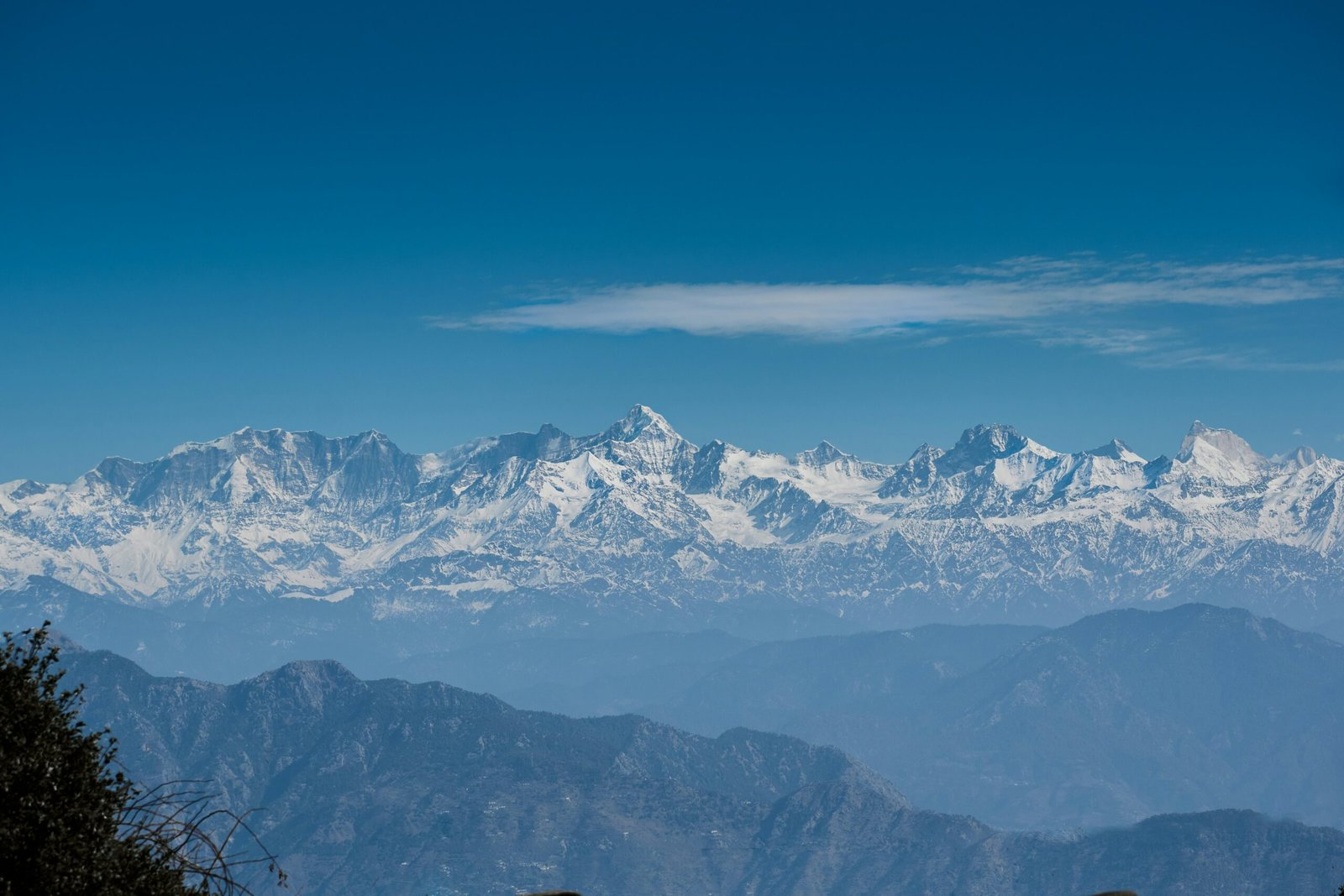
It is genuinely cold, but that is exactly what makes this landscape unforgettable. The off-season brings crystal clear skies, snow-dusted pine forests, and the kind of mountain views that simply vanish during cloudy monsoon months, while hotels slash prices by 40% to 60%.
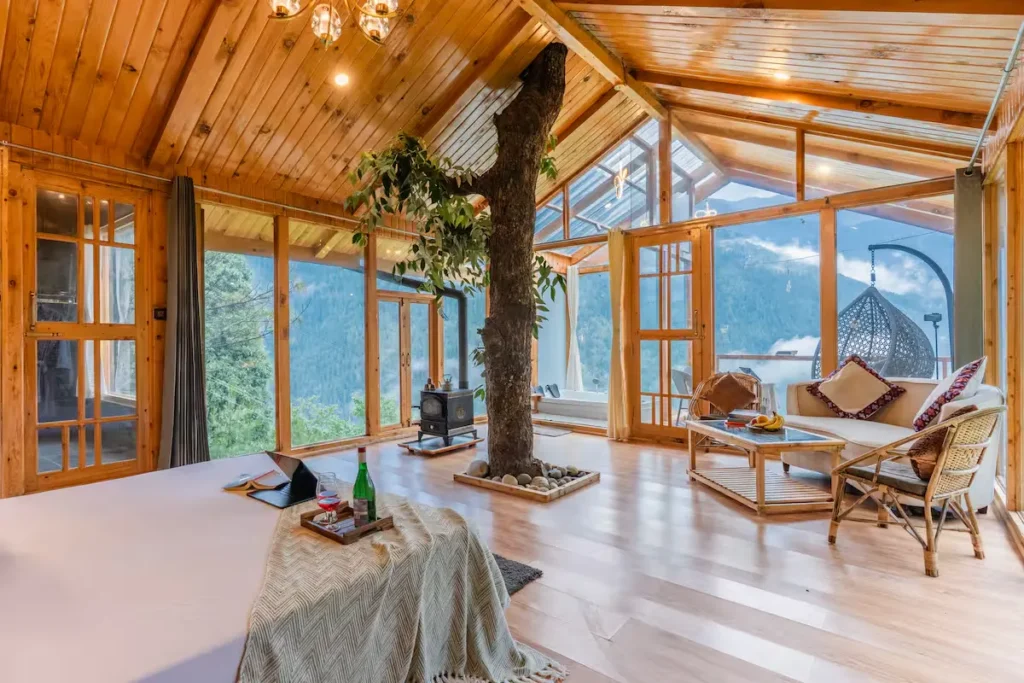
The trade-off is that temperatures drop significantly at night, especially above 3,000 meters. You can exploit this by staying in guesthouses with wood stoves or room heaters, packing proper thermal layers, and enjoying popular hill stations like Manali or Nainital with 80% fewer tourists.
- Can I Still Drive The Famous Mountain Roads To High Altitude Villages?
Yes for the shoulder season, but caution is required for deeper off-season months. Major roads to destinations like Dharamshala, Rishikesh, and Auli remain open, with bus and taxi fares discounted by 20% to 30% and absolutely zero traffic jams on those narrow mountain passes.
The realistic drawback is that high altitude roads to remote places like Ladakh or Spiti Valley close completely during peak winter. Plan your trip for early or late off-season instead, and you will have those legendary routes almost to yourself before the summer crowds arrive.
- Will I Save Real Money On Trekking And Homestay Experiences?
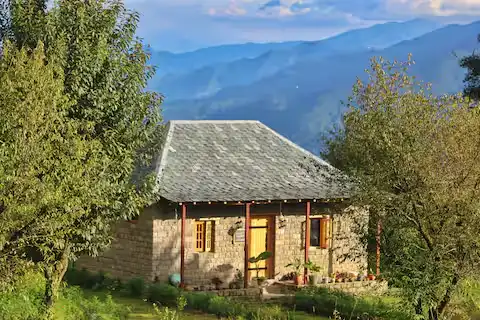
Absolutely, and this is where exploiting travel seasonality delivers exceptional value. Local guides and homestay owners reduce their packages by 35% to 55%, meaning you can afford longer treks, private guides, and cozy mountain cottages for the same price as shared dorms in peak summer.
The catch is that some high altitude tea houses and trekking routes may be inaccessible due to snow. Stick to lower elevation treks near Kasar Devi or the Parvati Valley instead, where the trails are quieter, the rhododendrons are blooming, and the mountain views are still spectacular.
- Why Should I Bother With The Himalayas When It Is Not Peak Summer?
Because you will witness the mountains in their most dramatic and photogenic state. The fresh snow caps every peak, the rivers run a stunning turquoise blue, and the famous sunrise views from Kempty Falls or Naggar Castle come without fifty other tourists jostling for the same photograph.
Yes, you will need to wear crampons on icy paths and carry a reliable thermos for hot tea. But the payoff is meditating in a nearly empty hilltop monastery, hearing only the wind and prayer flags, plus having legendary cafes in McLeod Ganj or Old Manali completely free of laptop-wielding digital nomads.
- Is The Local Vibe Too Quiet Or Completely Shut Down?
The vibe becomes peaceful and spiritual, not dead at all. Local chai stalls, Tibetan bakeries, and craft shops remain open, the monks still pray in the gompas, and you will find that shopkeepers and guides are far more relaxed and willing to share stories without rushing off to the next tourist.
The honest downside is that some popular adventure sports like river rafting and paragliding may suspend operations. In their place, you gain access to indoor meditation sessions, traditional thangka painting workshops, and the rare experience of having the Ganges aarti in Rishikesh feel intimate rather than like a stadium concert.

Home > Exploit The Seasons > Seasonal World Map > Asia > India > Himalayan North
HIMALAYAN NORTH
From Ladakh’s moon landscapes to Himachal’s pine forests, discover the Trans-Himalaya when roads open and crowds haven’t arrived. This guide reveals when to find empty trails, authentic monastery stays, and epic mountain silence.
Smart Travel Calendar
Shoulder Season
Your Smartest Windows
Mid-May to June 15
September to mid-October
Avoid: Losar (Tibetan New Year, Feb/Mar) in Spiti, Kinnaur, and Ladakh – homestays fill with local travelers. Christmas-New Year in Manali, Shimla, and Dharamshala – peak rates for basic rooms.
What the Sky Does
May-June: 10°C to 25°C (50-77°F) in valleys; 0-10°C (32-50°F) at high altitudes. Clear skies, no monsoon clouds.
Sept-Oct: 5°C to 20°C (41-68°F). Post-monsoon crispness. Clearer than spring. October brings first snow to high passes.
Ladakh: Dry, intense sun. Nights are cold (0-5°C / 32-41°F) even in June.
Himachal valleys (Manali, Kasol): Pleasant, occasional brief showers in September.
How Empty It Feels
50-60% fewer tourists vs peak summer (July-August) and peak autumn (late October).
Manali to Leh road – just a handful of bikers and jeeps versus the usual convoy.
Rohtang Pass – no queues for permits (permits still required but easily available).
Shimla’s Mall Road – walkable, cafes have empty window seats.
What You’ll Save
25-40% on flights to Leh, Dharamshala (Kangra), and Dehradun.
30-50% off homestays in Spiti, Kinnaur, and Tirthan Valley.
15-25% on shared taxis from Manali to Leh or Keylong.
No “peak season surcharge” on camping permits treks (Hampta, Beas Kund).
The Secret Perk
Hemis Festival (June) – Ladakh’s biggest monastery festival without the July-August rush.
Rhododendrons in bloom across Himachal and Uttarakhand (May-June).
Fresh apricots in Ladakh (September harvest) – try them sun-dried or fresh.
Golden hour over Nubra Valley – sand dunes and camels with snow peaks behind.
Chat with pashmina weavers in Leh market without bargaining pressure.
The Tiny Trade-Off
Early June: Some high passes (Baralacha, Tanglang La) may just be opening.
September: Occasional monsoon hangover showers in Himachal valleys.
Ladakh in May – Pangong Tso may still be partially frozen; nights are freezing.
Small teahouses on treks – fewer options than July-August.
Smart Traveler Tip
Aim for June 1-15 – roads are open, but schools are still in session (family crowds arrive June 20+).
October 1-15 is the sweet spot for Spiti – clear skies, golden poplars, no snow closures yet.
Book Leh homestays directly via WhatsApp numbers on Google Maps – cheaper than booking sites.
Deep Off-Season
Your Smartest Windows
January to March (winter)
November to mid-December
Avoid: Hemis Monastery festival week (June/July) – if you want low prices, avoid this specific window. Christmas week in McLeod Ganj (Dharamshala) – backpackers flood.
What the Sky Does
Winter (Jan-Mar): -15°C to 5°C (5-41°F). Snow, clear blue skies above the clouds. Ladakh roads closed.
Nov-Dec: 0°C to 15°C (32-59°F). Dry, crisp, clear. First snow in higher reaches (3,000m+).
Shimla/Manali: Snow possible December-February. Days are sunny, nights freezing.
Lower Himalayan towns (Dharamshala, Rishikesh): 8-20°C (46-68°F) – much milder.
How Empty It Feels
80-90% fewer tourists vs summer (June-August).
Ladakh – almost empty except for a few winter diehards (only accessible by air).
Spiti Valley – villages feel like a time capsule; you might be the only traveler in Kaza.
Manali’s Old Town – cafes are closed or open just for locals; real mountain silence.
What You’ll Save
50-70% on flights to Leh (from Delhi, Srinagar) – but note: flights are fewer.
Hotels at 60-80% off – luxury resorts in Manali for budget guesthouse prices.
Private taxis – drivers are desperate for work; negotiate hard.
Treks – not available, but snowshoeing and winter walks are free.
The Secret Perk
Snow leopard tracking in Hemis National Park (Jan-March) – top winter wildlife experience.
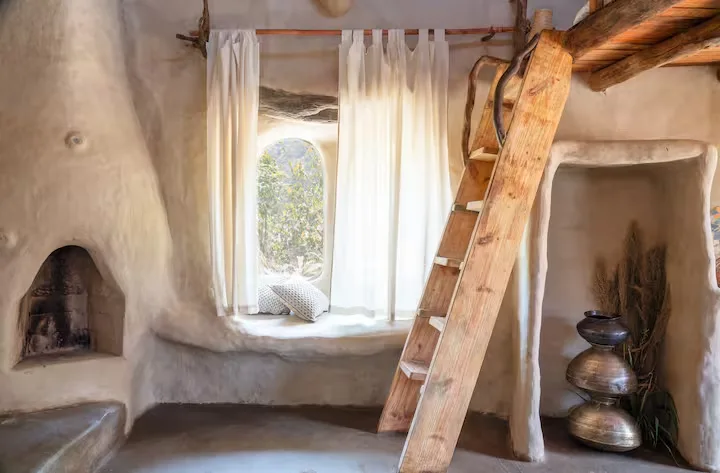
Cozy homestays with bukhari (wood stove) – local food, stories, and incredible warmth.
Losar celebrations (Feb/Mar, varies) – Tibetan New Year in Spiti, Ladakh, and McLeod Ganj.
Winter treks to waterfalls – frozen Kempty Falls (Mussoorie) or Jogini (Manali).
Genuine local connection – you’ll be invited for tea simply because you’re there.
The Tiny Trade-Off
Ladakh is inaccessible by road (Nov-May) – fly or stay home.
High-altitude treks (Hampta, Pin Parvati, Chadar) – only Chadar is open (Jan-Feb).
Many restaurants in Manali/Shimla close November-February.
Daylight – only 7-8 hours in December (sunset ~4:30 PM in Himalayan towns).
Smart Traveler Tip
Visit Spiti in January for the ultimate empty Himalayan experience – roads open only from Kullu side.
December is the quietest month overall – Christmas week is an exception (book ahead).
Pack thermals, down jacket, woolen socks, and a sleeping bag liner – even homestays can be cold.
For mildest deep off-season: Rishikesh or Dharamshala (lower altitude, 10-20°C).
Find Off-Peak Flights
Top Off‑Season Stays
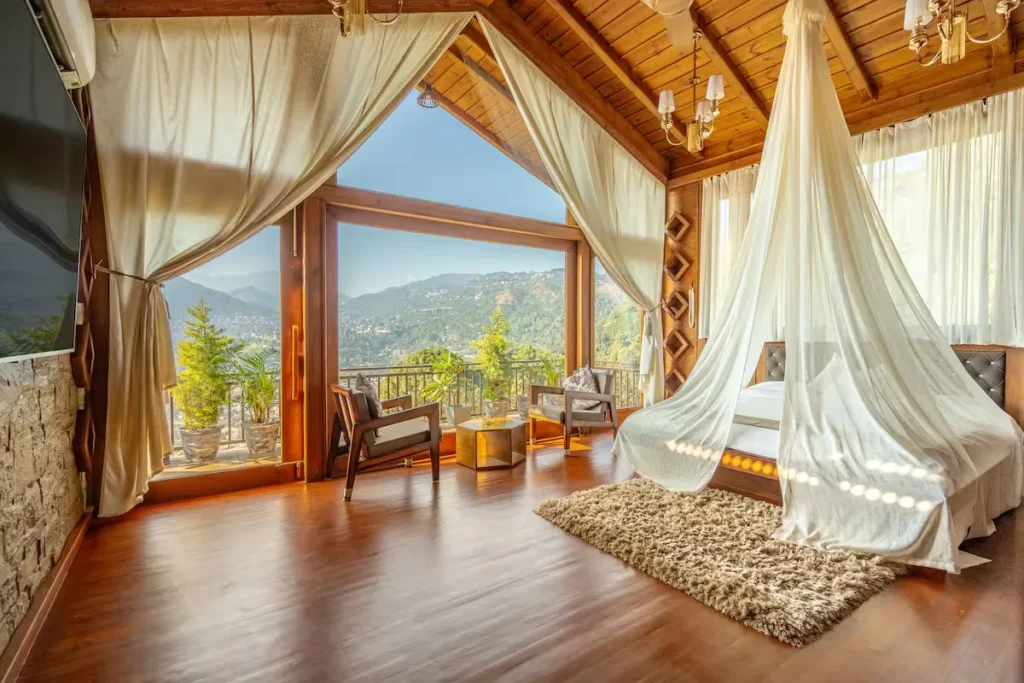
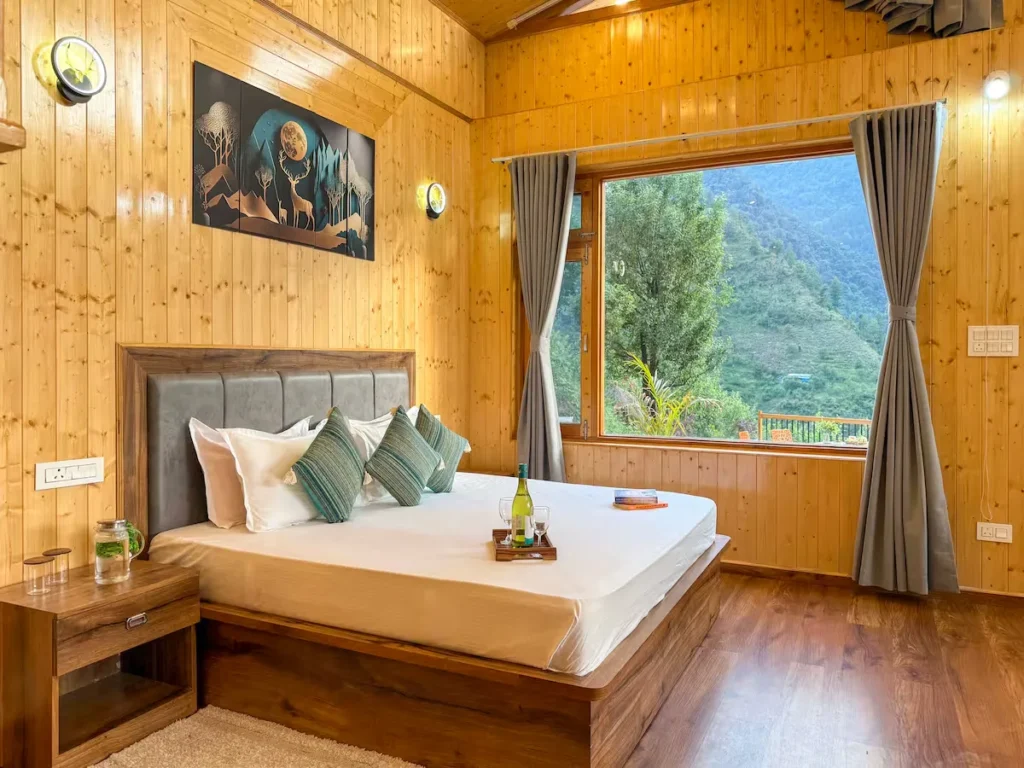
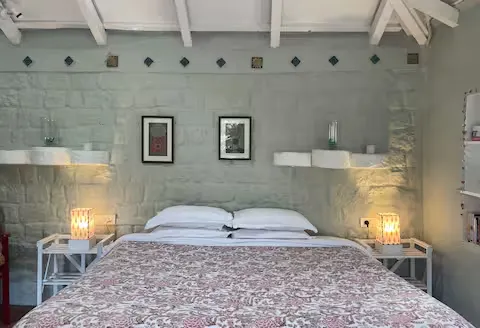
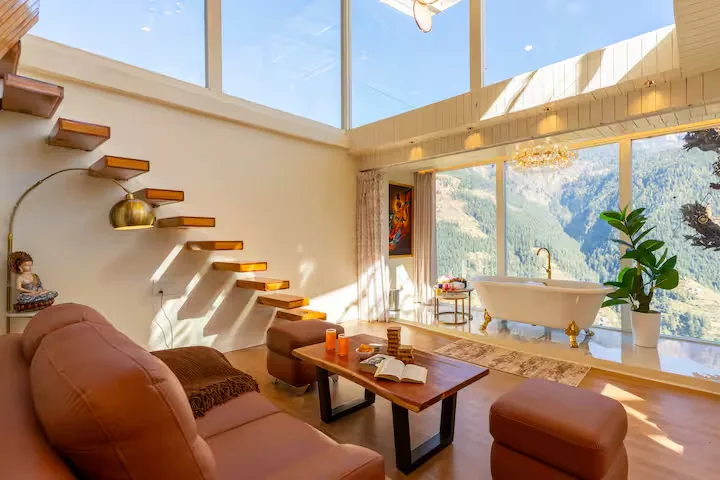
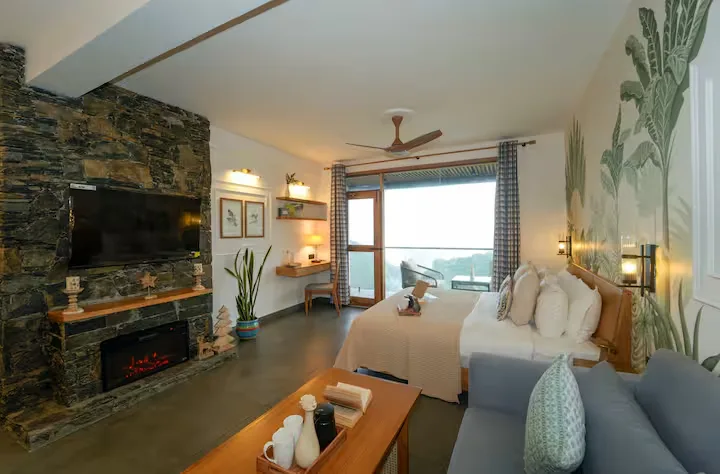
Find below our curated selection of boutique hotels and design apartments that offer exceptional value, atmosphere, and comfort during the off‑season — often at significantly lower rates than peak months.
Uncrowded Experiences & Tours
Skip the lines and experience iconic landmarks at your own pace. Discover curated local tours and cultural activities designed to show you the authentic side of the destination without the peak-season rush.
Handy Tips
Weather & Climate
The climate is varied. The lower foothills have pleasant summers and mild winters. The middle hills (like Shimla) have temperate summers and cold, snowy winters. High-altitude regions (like Ladakh) have freezing winters and dry, mild summers.
Local Customs And Etiquette
Language: Hindi is widely understood, but local languages like Ladakhi, Punjabi, Himachali, and Garhwali are common. English is often spoken in tourist areas.
Religious Sites: Always remove your shoes before entering temples or monasteries. Dress modestly, covering your shoulders and legs. Walk around stupas and prayer wheels in a clockwise direction.
Photography: Always ask permission before taking a photo of a person, especially monks or sadhus.
Eating: Use only your right hand when eating or passing food, as the left hand is considered unclean.
Budgeting For Your Trip
Accommodation: Hostels ($5–$15), mid-range hotels/guesthouses ($25–$60), luxury ($80+). Prices vary greatly depending on the area.
Food: Street food ($1–$3), dinner at a mid-range restaurant ($5–$15 per person), fine dining ($30+).
Transport: Local bus fare (less than $1), shared taxi ($5–$15 for long distances), hiring a private car/driver ($40–$70/day).
Activities: Trekking guide ($30–$50/day), whitewater rafting ($15–$30).
Daily Budget:
- Budget: $25–$40 (hostels, local food, public transport).
- Mid-range: $50–$90 (guesthouses/mid-hotels, restaurants, attractions).
- Luxury: $100+ (boutique hotels, private cars, guided tours).
Getting Around
By Car/Driver: The most flexible and popular way to travel, especially for reaching remote mountain areas like Spiti and Ladakh. Roads are often challenging.
By Bus: An extensive and affordable network of government and private buses connects most towns, but journeys can be slow and often crowded.
By Air: Flights connect major cities like Delhi to Leh, Srinagar, and Dehradun, saving significant travel time.
By Train: The famous Kalka–Shimla Railway is a UNESCO World Heritage site and a must-do experience for scenic travel to Shimla.
Must-Try Food
Momos: Steamed or fried dumplings, typically filled with minced vegetables, paneer, chicken, or mutton. A Tibetan/Nepali staple.
Thukpa: A hearty and warming Tibetan noodle soup with vegetables and/or meat. Perfect for the high-altitude chill.
Chholey Bhature: A popular North Indian dish from Punjab, consisting of spicy chickpea curry (chholey) served with deep-fried bread (bhature).
Rajma Chawal: Red kidney beans in a thick gravy served with rice (chawal), a staple comfort food across Himachal and Uttarakhand.
Gundruk: A fermented green vegetable dish, popular in the Nepali and Gorkha-influenced parts of the region.
Aloo Tikki: Spiced potato patties often deep-fried and served with chutneys and yogurt.
Bhang ki Chutney: A tangy, green chutney made from roasted hemp seeds (bhang) and herbs, unique to Uttarakhand.
Churpe: Hard yak cheese, often chewed like gum in Ladakh and high-altitude areas.
Bal Mithai: A brown, fudge-like sweet from Kumaon, coated with white sugar balls.
Malpua: A deep-fried sweet pancake, often soaked in sugar syrup, popular during festivals.
Must-Try Drinks
Chhaang (Barley Beer): A mild, home-brewed alcoholic beverage, slightly sour, popular in Ladakh and Kinnaur.
Arak: A potent, distilled spirit made from grain, popular in the Himalayan belt.
Local Fruit Wines: Wines made from apples, apricots, or plums, especially in Himachal Pradesh.
Old Monk Rum: A classic, dark Indian rum, a favorite for warming up in the cold mountains.
Masala Chai: The ubiquitous, sweet, milky, and spiced black tea, the backbone of all Indian travel.
Butter Tea (Gond-Gondh/Gur-Gur Chai): A salty beverage made with tea leaves, yak butter, and salt, a necessity in high-altitude regions like Ladakh.
Kawa (Kashmiri Kahwa): A fragrant green tea brewed with saffron, cardamom, and almonds.
Lassi: A thick, creamy drink made from yogurt, served either sweet (with sugar/fruit) or savory (namkeen).
Fresh Juice: Sugarcane, pomegranate, or orange juice, often freshly pressed by street vendors.
Thandai: A traditional, cooling drink made from milk, nuts, and spices (often served around festivals).