 Skip to content



- Is The Humidity Overwhelming During The Tamil Nadu Off-Season?
It can be noticeable, but smart travelers know how to work around it. The off-season brings greener landscapes, empty temple corridors, and a refreshing coastal breeze that makes places like Mahabalipuram and the French Quarter of Puducherry feel alive and lush.
The trade-off is that midday humidity requires planning your schedule carefully. You can exploit this by doing temple visits in the morning, enjoying siestas or spa treatments in the afternoon, and saving beach walks for the stunning sunset hours.
- Can I Still Explore The Great Living Chola Temples Easily?
Yes, and this is when these UNESCO wonders truly belong to you. The massive Brihadeeswarar Temple in Thanjavur and the Bronze Gallery in Darasuram see 70% fewer visitors, allowing you to study the intricate carvings without tour groups pushing past you.
The realistic drawback is that some smaller, remote temple sites may have limited guide availability. However, the major temples remain fully open, and the cooler stone floors actually feel pleasant to walk on barefoot when the sun is not blazing at full strength.
- Will I Save Money On Beach Resorts In Mamallapuram Or Pondicherry?
Absolutely, and the savings are substantial enough to upgrade your entire trip. Beachfront properties and heritage bungalows reduce their rates by 35% to 55%, meaning you can afford that sea-view room with a private balcony for the same price as a standard room in peak season.
The catch is that some smaller French bistros and boutique shops may close on weekdays during the deepest off-season weeks. Stick to the well-established restaurants and the bustling Goubert Market instead, where local life continues without interruption.
- Why Should I Bother With Temple Hopping When It Might Rain?
Because rain transforms the granite temples into dramatic, dark-mood masterpieces perfect for atmospheric photography. The sound of ritual bells echoing through empty, dripping corridors creates a spiritual experience that crowded peak season simply cannot replicate.
Yes, you will need an umbrella and waterproof shoes for your sandals. But the payoff is having the towering gopurams of Madurai or the rock-cut reliefs of Mahabalipuram almost entirely to yourself, with 80% fewer tourists photobombing your memories.
- Is The Famous South Indian Food Still Available And Fresh?
Yes, and the off-season actually guarantees fresher ingredients for certain dishes. The monsoon rains mean lush vegetable supplies for sambar and avial, the coffee houses in Kodaikanal stay wonderfully cozy, and you will never wait forty minutes for a masala dosa or a filter coffee.
The honest downside is that some rooftop vegetarian restaurants may close during heavy rain. In their place, you gain access to underground banana leaf meals, family-run messes that welcome you like a guest, and the rare experience of having the famous Murugan Idli shop completely free of queues.

Home > Exploit The Seasons > Seasonal World Map > Asia > India > Tamil Nadu
TAMIL NADU
Tamil Nadu pulses with temple drums and ocean breezes. From humid to cool Palani hills, timing your visit means sharing thousand-year-old corridors with only priests, pigeons, and perfect light.
Smart Travel Calendar
Shoulder Season
Your Smartest Windows
October – November
February – March
Avoid: Pongal harvest festival (mid-January) — Chennai and Madurai hotels fill with domestic tourists and prices jump 40-50%. Also Diwali (October/November).
What the Sky Does
Comfortable days: 28°C to 32°C (82°F to 90°F). Nights cool to 22-25°C (72-77°F).
October sees retreating northeast monsoon — brief afternoon showers, then rainbows over temples.
February is dry and pleasant — low humidity, blue skies, perfect for outdoor temple exploration.
March warms up but sea breezes keep coastal cities (Chennai, Mahabalipuram, Pondicherry) comfortable.
How Empty It Feels
35-45% fewer tourists than December-January peak season.
Madurai’s Meenakshi Temple — enter the Thousand Pillar Hall without weaving through groups.
Mahabalipuram’s Shore Temple — sunrise visits have maybe five other people.
Kanyakumari’s sunset viewpoint — find a bench without jostling for position.
What You’ll Save
30-40% savings on hotels vs. December peak. Heritage hotels in Madurai from $40-60/night.
Flights to Chennai, Madurai, or Coimbatore 25% cheaper than Pongal week rates.
Car rentals with driver for temple circuit 20-30% off.
Cooking classes in Chettinad — smaller groups, more hands-on Chettiar cuisine.
The Secret Perk
Deepam festival (November/December dates) — Thiruvannamalai’s massive hill lamp draws pilgrims, but the week before sees incredible energy without crowds.
Post-monsoon greenery — October landscapes are lush, waterfalls near Courtallam and Hogenakkal flow full.
Fresh mango season begins (March) — street vendors pile high with sweet, golden Alphonsos.
Golden hour light over gopurams — February’s clear skies make Chola bronzes and temple towers glow.
Boatmen at Kanyakumari have time to chat — real conversations about three seas and local fishing life.
The Tiny Trade-Off
October northeast monsoon means a 50% chance of afternoon showers — pack a compact umbrella.
November cyclone season is real — once every few years, a system disrupts Chennai flights for 1-2 days.
March midday heat in Madurai hits 35°C (95°F) — start temple visits at 7 AM sharp.
Some smaller beach resorts in Pondicherry close for maintenance in October (post-monsoon repair).
Smart Traveler Tip
Late October to mid-November is ideal — after heavy monsoon but before December crowds and cyclone peak.
Schedule temple towns (Thanjavur, Trichy, Madurai) for mornings (7-10 AM) — afternoons get hot and sleepy.
If visiting during Pongarai (post-Pongal week), pre-book transport to hill stations — locals flood Kodaikanal and Ooty.
Deep Off-Season
Your Smartest Windows
May – September
Avoid: Pongal week (mid-January) and Diwali week (October/November). Also avoid April school holidays if you dislike heat.
What the Sky Does
Hot and humid: 32°C to 38°C (90°F to 100°F). Coastal humidity 70-80% feels heavier.
May and June are pre-monsoon scorchers — heat shimmers off temple granite by 10 AM.
July to September sees southwest monsoon on west coast — Tamil Nadu gets lighter rain but high humidity and dramatic skies.
Hill stations (Kodaikanal, Ooty) stay pleasant: 18°C to 25°C (64-77°F) — a true escape.
How Empty It Feels
70-80% fewer tourists than December peak season. International visitors almost none.
Thanjavur’s Brihadeeswarar Temple feels abandoned — you can hear your own footsteps on ancient granite.
Pondicherry’s French Quarter has no selfie sticks — just quiet colonial streets and cats.
Kanyakumari’s sunrise viewpoint has local pilgrims only — peaceful, not performative.
What You’ll Save
55-70% savings vs. December peak. Chennai business hotels from $30-45/night (peak $100+).
Flights to Tamil Nadu at lowest annual prices — Chennai to Madurai under $35 one-way.
Heritage bungalows in Chettinad from $25-40/night with incredible Chettiar architecture.
Auto-rickshaw drivers offer day rates 40-50% below peak — you’ll be their only fare.
The Secret Perk
Hill station season in reverse — Kodaikanal, Ooty, and Yercaud have pleasant weather while coasts swelter. Book last-minute luxury stays cheap.
Monsoon photography in Mahabalipuram — wet granite, black clouds over the Shore Temple, dramatic waves.
Arapalis (cattle festivals) in June/July — rural villages celebrate with decorated bulls, folk music, and community feasts.
Chettinad mansions open doors — descendants of trading families give private tours of palatial homes for a small donation.
Chai breaks with temple priests — when no tourists rush, priests invite you into cool stone chambers for stories.
The Tiny Trade-Off
Open-air sightseeing on the coast (Mahabalipuram, Kanyakumari) is brutal 11 AM to 3 PM — high UV and heat.
Pondicherry’s beachfront cafes operate with reduced hours or close entirely in May-June.
Boat rides to Vivekananda Rock Memorial (Kanyakumari) run less frequently — every 45 minutes instead of 15.
Daylight lasts until 6:30 PM but heat lingers — evening walks begin after 5 PM.
Smart Traveler Tip
June is smarter than May — pre-monsoon humidity is lower, and mangoes are at their absolute peak.
Visit Kodaikanal or Ooty in July-August — 20°C (68°F) days, light mist, and luxury hotels at 60% off. Book nothing in advance — walk in.
Pack: lightweight cottons, linen, rain jacket (July-Sept), powerful sunscreen, and a reusable water bottle.
Schedule indoor sights (museum at Thanjavur, Sri Meenakshi’s cool interior) for midday; outdoor temples for 7-10 AM and 4-6 PM.
Find Off-Peak Flights
Top Off‑Season Stays
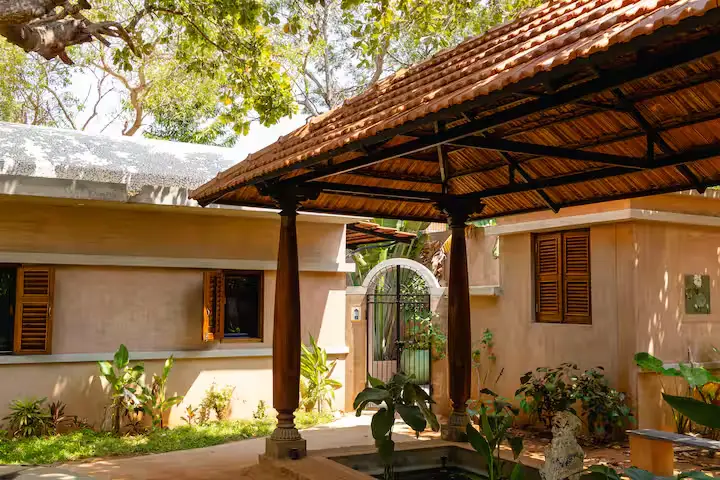
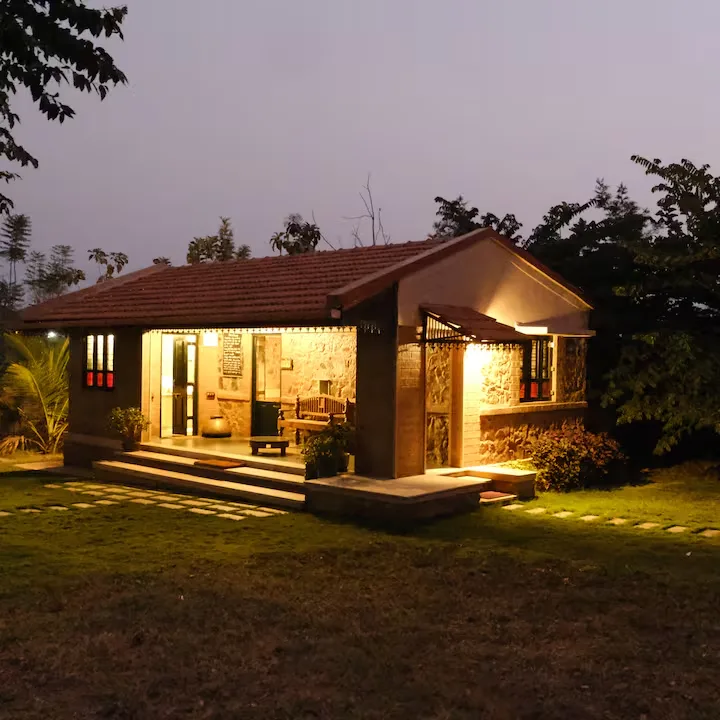
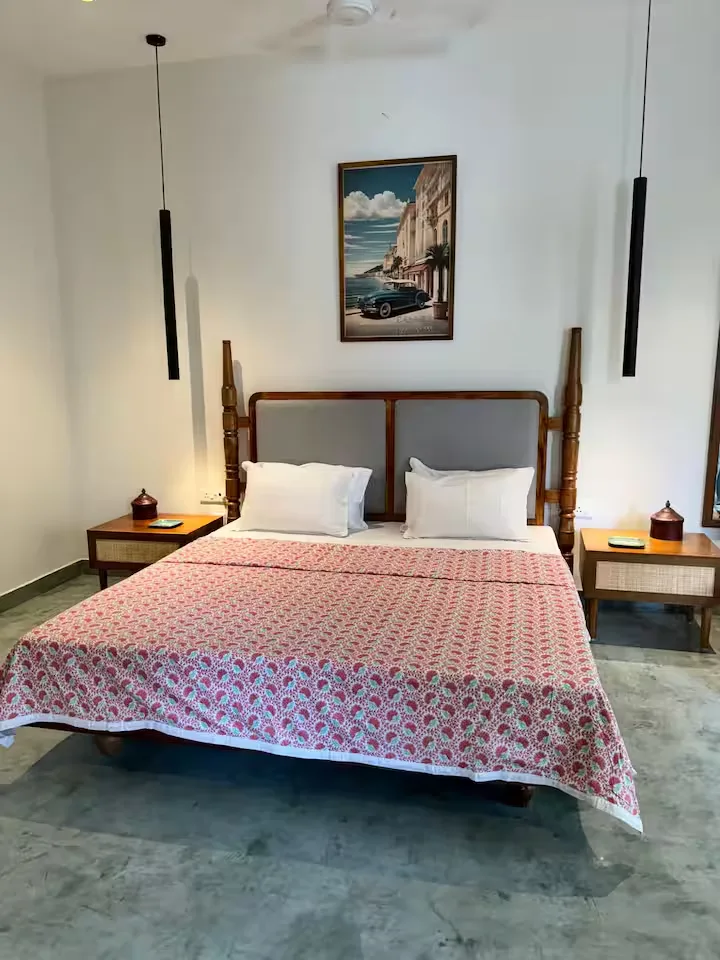
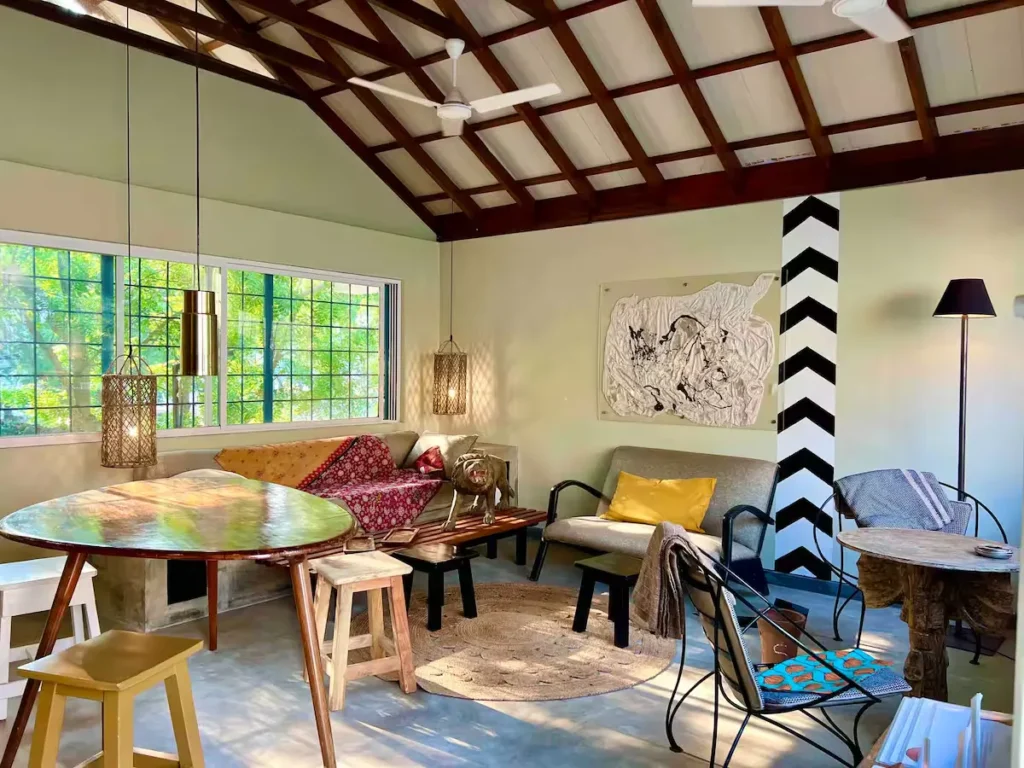
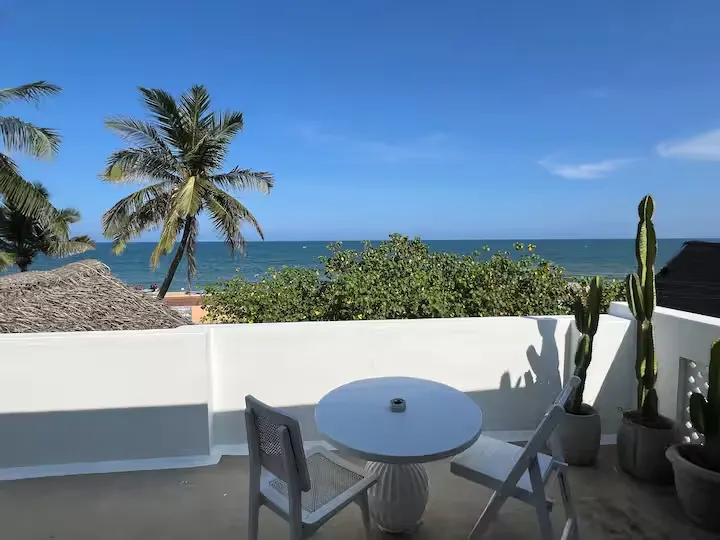
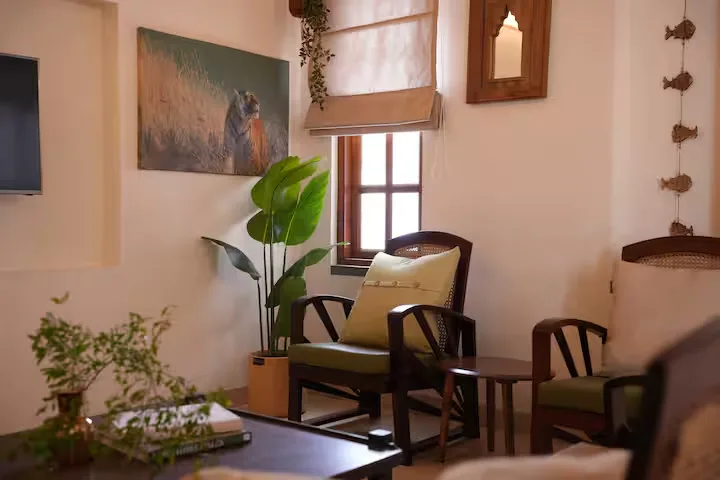
Find below our curated selection of boutique hotels and design apartments that offer exceptional value, atmosphere, and comfort during the off‑season — often at significantly lower rates than peak months.
Uncrowded Experiences & Tours
Skip the lines and experience iconic landmarks at your own pace. Discover curated local tours and cultural activities designed to show you the authentic side of the destination without the peak-season rush.
Handy Tips
Weather & Climate
The climate is predominantly tropical. The plains, including Chennai and Madurai, are hot and humid year-round, with high temperatures in summer (April-June). The hill stations like Ooty have a much cooler, pleasant climate. The state receives its main rainfall during the North-East Monsoon (October-December).
Local Customs And Etiquette
Dress Code: Dress modestly, especially when visiting temples. Men should wear a shirt and dhoti or trousers; women should wear traditional Indian attire or a long skirt/dress. Some major temples may require men to remove their shirt before entering the inner sanctum.
Footwear: Always remove your footwear before entering a temple or a home.
Hands: Use your right hand for giving or receiving items, especially money, and for eating. The left hand is considered less clean.
Budgeting For Your Trip
Accommodation: Hostels ($8–$15), mid-range hotels ($30–$60), luxury ($80+). Prices are significantly higher in Chennai and Puducherry’s French Quarter.
Food: Street food/small eatery meal ($2–$5), fixed thali lunch ($4–$8), dinner at a mid-range restaurant ($15–$25 per person), fine dining ($40+).
Transport: Auto-rickshaw/local bus ($0.50–$3), taxi/app-based ride ($5–$20 depending on distance), train ticket (intercity sleeper class).
Activities: Temple entrance (usually free, small fee for camera), museum entrance ($2–$10), Nilgiri Mountain Railway ride ($5–$15).
Daily Budget:
- Budget: $30–$50 (hostels, simple meals, public transport).
- Mid-range: $60–$100 (hotels, restaurants, attractions).
- Luxury: $120+ (boutique hotels, gourmet meals, private tours).
Getting Around
By Train: Indian Railways is the best way to travel long distances between major cities like Chennai, Madurai, and Tiruchirappalli. Sleeper Class or AC Class are recommended.
By Bus: An extensive network of public and private buses connects nearly every town and village. It is a very affordable way to travel short to mid-range distances.
By Car/Taxi: Hiring a car with a driver is a comfortable and popular option, especially for exploring temple circuits or the hill stations.
Must-Try Food
Idli/Dosa/Vada: Fermented rice and lentil batter preparations, often served for breakfast with sambar (lentil stew) and chutneys.
Chettinad Chicken/Fish Curry: A fiery, aromatic curry using the famous spice blend of the Chettinad region.
Thali/Meals: A large platter of rice, various vegetable curries, sambar, rasam (spicy soup), and curd, traditionally served on a banana leaf.
Parotta: A flaky, layered flatbread often served with a salna (thin meat or vegetable gravy).
Filter Coffee: Strong, sweet, and milky coffee, traditionally poured from a height to cool and froth it.
Paniyarams: Small, savory or sweet dumplings made from the same idli/dosa batter, cooked in a special mold.
Rasam: A thin, peppery, tamarind-based soup, often consumed at the end of a meal for digestion.
Kothu Parotta: Shredded parotta mixed and fried on a griddle with eggs, meat, or vegetables.
Jigarthanda: A refreshing, chilled drink from Madurai, made with milk, nannari syrup, almond gum, and ice cream.
Payasam: A sweet pudding made with milk, sugar/jaggery, vermicelli, or rice, often flavored with cardamom and nuts.
Must-Try Drinks
Filter Coffee: The most iconic non-alcoholic drink; a strong, frothy, milky brew.
Tender Coconut Water: Sold everywhere, it’s the best natural electrolyte and thirst quencher.
Buttermilk (Neer Mor): A spiced, savory yogurt drink, perfect for the hot climate.
Paanagam: A traditional, sweet, and tangy drink made from jaggery, lemon juice, and ginger, often served during festivals.
Fresh Fruit Juices: Mango, pineapple, sugarcane, and lime juice are widely available and freshly pressed.
Local Beers: Indian Pale Lagers are commonly available in bars and hotels.
South Indian Tea: A sweet, milky chai, often less spiced than its North Indian counterpart.