 Skip to content
- Why Is Traveling To India’s Northeast And East During The Off-Season A Smart Move For Global Travelers?
By choosing the shoulder or low season, you are directly applying our "Exploit Travel Seasonality" philosophy to one of Asia's most untouched frontiers. You will encounter misty hills and lush green landscapes that are completely free of the peak season crowds, offering a sense of discovery that high-season travelers rarely feel.
However, you should expect a few trade-offs for this authenticity. Some homestays and smaller family-run lodges may close for the deep off-season, and national parks often have specific closure dates. While you save a significant amount on flights and internal transport, you will need to pack extra patience for sudden weather changes and reconfirm transport schedules locally.
- How Does The Weather Actually Impact Sightseeing During The Shoulder Season In Eastern India?
The weather can be your greatest ally or a minor inconvenience, depending on your attitude. During the shoulder months, you will find crisp, clean air and dramatic, photogenic skies that make the rolling tea estates and ancient monasteries look surreal. The temperature is rarely extreme; instead of harsh sun, you get a soft light perfect for long walks and cultural exploration.
The drawdown is that this region is famous for being one of the wettest on Earth, so you will need waterproof gear. Instead of canceling plans, you will learn to embrace the "rainy charm" where waterfalls roar to life and local markets feel more intimate. Just know that high-altitude vistas may be partially clouded, but the 30% to 40% discount on guided treks more than compensates for the occasional drizzle.
- Are There Really Fewer Tourists, Or Is The Region Still Crowded?
Absolutely, the difference is night and day. During the off-season, you will often have entire viewpoints at living root bridges or river islands almost entirely to yourself. You are moving away from the "tick-box" tourist rush, which means you get authentic interactions with local vendors who actually have time to talk about their crafts and cuisine.
The flip side of this solitude is that the energy of a busy tourist hub will be missing. If you thrive on bustling backpacker parties or organized group convoys, the quiet of the off-season might feel too slow. For the Volomundi traveler who wants deep cultural immersion rather than a party scene, walking through a near-empty heritage street is a priceless reward.
- What Discounts Can I Realistically Expect On Travel Packages?
You can expect to see prices drop significantly, often between 25% and 50% off standard peak season rates. Accommodation providers in this region lower their rates drastically to keep their doors open, so that heritage bungalow or eco-resort that was out of your budget becomes instantly affordable. Domestic flight connections and train bookings also tend to have promotional off-season fares that reward early planning.
Just remember that "discount" doesn't mean "cheap service." You are still getting high-quality tea, incredible hospitality, and safe transport; you are just paying a smarter price for it. The only caveat is that frequency of public transport may reduce, so you might spend a little more time waiting for a shared taxi or ferry, but that time saved on cost is usually well worth the wait.
- How Complicated Is Transportation During The Shoulder And Low Seasons In This Region?
Transportation is generally reliable, but it requires a more flexible mindset than peak season. Trains and government-run buses continue to operate smoothly, meaning you can still connect major towns without a hitch. You will find that booking last-minute tickets is actually easier because you aren't competing with domestic tourists for seats, which is a huge stress reliever.
The complication arises with secondary roads and small ferries. Heavy rainfall during the deep off-season can occasionally cause landslides or river currents to run high, leading to delays. Local drivers are incredibly skilled and cautious, but you should always leave a buffer day in your itinerary. Exploit the seasonality by using these slower travel days to read a book or chat with a homestay owner about local legends.

Home > Exploit The Seasons > Seasonal World Map > Asia > India > India Northeast And East
INDIA'S NORTHEAST AND EAST
Between November and March, Northeast India reveals its best self—crisp mountain air, tea gardens glistening, and wildlife thriving. This guide helps you navigate the seasons, avoid monsoon washouts, and find authentic cultural moments without peak-season crowds.
Smart Travel Calendar
Why Choose Northeast & East India Off-Season?
Beat the Monsoon Blues: Visit from October to April to dodge the heavy rains that turn trails into slippery slides .
Fewer Tourists at the Taj: While North India crowds swell, East India offers quieter pathways through Darjeeling and Kolkata .
Wildlife Comes to You: Winter is prime for spotting one-horned rhinos in Kaziranga as animals venture out for sun .
Shoulder Season
Your Smartest Windows
Late September to October – The greenery is lush post-monsoon, but the heavy rains have retreated.
March to April – Pleasant warmth before the pre-monsoon humidity spikes in Kolkata.
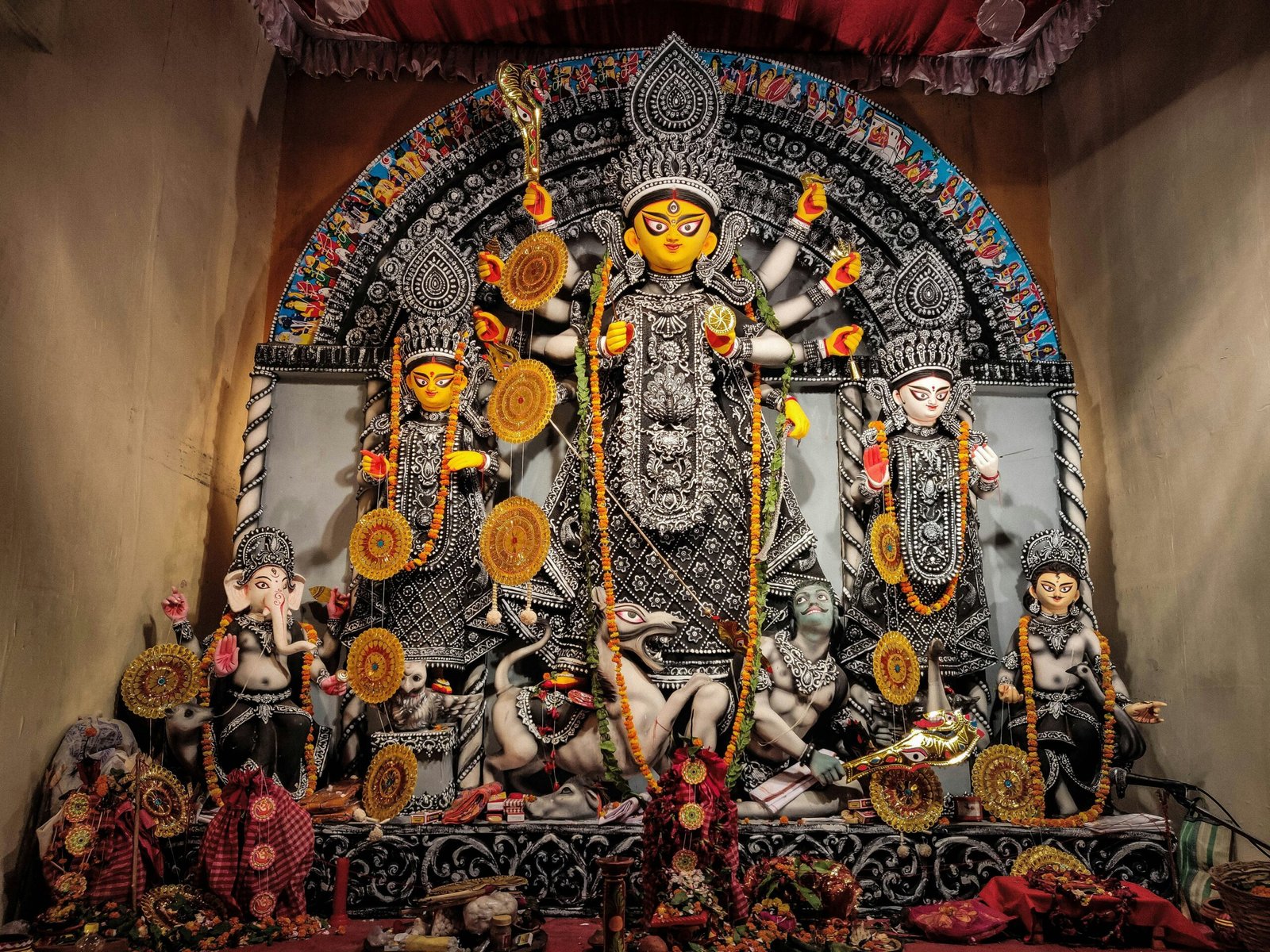
Avoid: The specific week of Durga Puja (Sept/Oct) in Kolkata—while beautiful, hotels triple prices and transport grinds to a halt.
What the Sky Does
Temperatures: Pleasant range of 15°C to 25°C (59°F to 77°F) .
Meghalaya: The “Abode of Clouds” lives up to its name, with dramatic, moody skies perfect for waterfall viewing .
Kolkata: Warm and humid, but the famous “Kaal Boishakhi” (Nor’wester) storms bring evening relief.
Darjeeling: Clear views of Kanchenjunga are common in October, though March brings light, blooming flowers.
How Empty It Feels
30% fewer tourists compared to the Dec-Jan peak season.
Gangtok & Shillong: A pleasant hum of activity, but you can still find a table at the famous cafes in Police Bazaar .
Sundarbans: The trails feel private, as summer heat keeps the casual tourists away.
Benefit: Uncrowded toy train rides on the Darjeeling Himalayan Railway (no queuing for window seats).
What You’ll Save
Flights: Save roughly 20% on airfare to Guwahati (GAU) or Kolkata (CCU) compared to peak winter.
Homestays: Up to 40% off in Sikkim’s mountain lodges before the Christmas rush.
Attractions: No “VIP” bribe culture needed; monument entry is quick and easy.
Tea Tasting: Free upgrades at tea estates in Assam who want to keep their tasting rooms busy.
The Secret Perk
Blooming Rhododendrons: In March, the Himalayan states erupt in red and pink rhododendron flowers .
Post-Monsoon Waterfalls: October is the best time to see Nohkalikai Falls in Meghalaya absolutely roaring .
Harvest Season: See tea pluckers in action in the Dooars region during the “second flush” season.
Golden Hour: The pre-winter light is soft and amber, perfect for photographing the Darjeeling tea estates.
The Tiny Trade-Off
Monsoon Hangover: In September, some trekking routes (like Dzongri) may still be muddy and leech-prone .
Heat in Bengal: March can feel like summer in Kolkata (up to 35°C/95°F), requiring good AC.
Reduced Flights: Some smaller airlines reduce frequency to Dimapur or Imphal during the rainy transition month of October.
Holiday Price Spike: Avoid traveling in the first week of October if you dislike chaos, as Gandhi Jayanti triggers mini domestic tourism spikes.
Smart Traveler Tip
October is your “Golden Window”: Specifically the 2nd and 3rd weeks of October, when Durga Puja ends and the crowds clear but the festive spirit lingers.
Pack Layers: March mornings in Shillong are cold, but afternoons turn warm; wear a jacket and carry a t-shirt.
Deep Off-Season
Your Smartest Windows
July to August – The true monsoon. India’s “abode of clouds” is at its dramatic peak, but tourism is at its lowest.
Avoid: June to September – Heavy monsoon season causes landslides in Sikkim and Assam, making road travel risky and unpredictable .
What the Sky Does
Heavy Rainfall: Meghalaya and Cherrapunji receive some of the highest rainfall on earth—it is a wet, saturated experience 20°C to 25°C (68°F to 77°F) .
Kolkata: Characterized by high humidity (over 80%) and persistent, drenching rain.
Leopard Alert: In higher altitudes, leopards often come down to human habitation due to the cold wet forest cover.
How Empty It Feels
Up to 70% fewer tourists vs. peak season.
Heritage Sites: You might have the Victoria Memorial gardens entirely to yourself (between rain showers).
Museums: Excellent time for the Indian Museum in Kolkata or Don Bosco Museum in Shillong—they are warm, dry, and empty .
Small Towns: You are the only foreigner in sight; a very immersive, raw local experience.
What You’ll Save
50-60% savings vs. peak winter prices.
Flights: Cheapest airfare of the year (excluding cyclone disruptions) from Delhi/Mumbai to Guwahati.
Hotels: Luxury heritage hotels in Kolkata offer “Monsoon Madness” discounts.
Private Taxis: Rates are highly negotiable for long routes (e.g., Siliguri to Gangtok), as drivers are desperate for work.
The Secret Perk
Ayurveda & Spas: With external activities halted, it’s the perfect time for a long, cheap massage or traditional Bengali spa treatment.
Cozy Cafés: Shillong’s rock music scene thrives indoors; sit in a smoky café listening to local blues while it pours .
Rice Harvest: Witness the transplantation of paddy in the rural Bengal countryside, a vibrant cultural dance of labor.
Adventure: The Umngot River in Dawki is crystal clear and best experienced when tourists are absent (though water levels are high).
The Tiny Trade-Off
Landslides: National Highway 10 (connecting Siliguri to Gangtok) is prone to blockages, stranding travelers for hours .
No Trekking: High-altitude treks in Sikkim (Green Lake, Goechala) are closed or dangerously slippery .
Leeches: You will encounter leeches if you go off-road in Meghalaya—gaiters are essential, not optional.
Early Sunsets: Days are short, giving you limited daylight hours (sunset by 4:30 PM) to explore.
Smart Traveler Tip
Focus on Culture, Not Nature: Use the rainy off-season to explore the indoor cultures of Kolkata (coffee houses, bookstores) and the vibrant bazaars of Guwahati.
The “Winter” Alternative: If you hate heat, go high. Mtm (around 3,500m) in Sikkim offers snow instead of rain during this period, though it is freezing
Find Off-Peak Flights
Uncrowded Experiences & Tours
Skip the lines and experience iconic landmarks at your own pace. Discover curated local tours and cultural activities designed to show you the authentic side of the destination without the peak-season rush.
Handy Tips
Weather & Climate
The region has a highly diverse climate: tropical in the South and East (hot, humid summers, mild winters), and alpine in the North (cold, snowy winters, mild summers). Monsoon (June–September) brings extremely heavy rainfall.
Local Customs And Etiquette
Permits: An Inner Line Permit (ILP) or Protected Area Permit (PAP) is often required for foreigners and sometimes domestic tourists for parts of Arunachal Pradesh, Mizoram, Nagaland, and Sikkim. Check requirements before travel.
Photography: Always ask permission before photographing people, especially in tribal areas and monasteries. Be respectful of local beliefs.
Footwear: Remove your shoes before entering temples, monasteries, or private homes.
Budgeting For Your Trip
Accommodation: Hostels ($10–$25), mid-range hotels ($40–$80), luxury ($100+). Prices are higher in main cities and during festivals.
Food: Street food ($1–$3), dinner at a mid-range restaurant ($8–$15 per person), fine dining ($25+).
Transport: Intercity Bus ($5–$15), shared taxi/jeep ($10–$30 for longer routes), domestic flight (varies).
Activities: Kaziranga Safari (jeep $25–$40, elephant $20), Monastery entrance ($2–$5).
Daily Budget:
- Budget: $35–$60 (hostels, local food, public transport).
- Mid-range: $70–$120 (hotels, restaurants, attractions).
- Luxury: $150+ (boutique hotels, private cars, guided tours).
Getting Around
By Air: Flights are the fastest way to cover long distances between state capitals (e.g., Kolkata, Guwahati, Bagdogra).
By Train: An extensive but slower network connects the Eastern states and Assam. Rail travel is scenic and affordable.
By Shared Taxi/Jeep: This is the primary mode of transport in the mountainous regions (Sikkim, Arunachal Pradesh, Meghalaya), offering a relatively quick and affordable option between towns.
Must-Try Food
Thukpa: A hearty, clear noodle soup with vegetables or meat, popular in the Himalayan regions (Sikkim, Arunachal Pradesh).
Momos: Steamed or fried Tibetan-style dumplings with fillings like minced meat or vegetables, often served with a fiery chili dipping sauce.
Khar: A traditional, alkaline-based curry from Assam, often made with meat or fish and raw papaya.
Masoor Tenga: A sour fish curry from Assam, made with tomatoes and a tangy fruit called tenga.
Pitha: A range of rice cakes and pancakes from West Bengal and Assam, which can be savory or sweet.
Litti Chokha: A savory baked wheat ball stuffed with spiced gram flour (sattu), served with mashed vegetables (chokha), popular in Bihar/Jharkhand.
Roshogolla / Rasgulla: The famous, soft, spongy balls of cottage cheese (chhena) soaked in light sugar syrup, a delicacy of West Bengal.
Sondesh: A simpler, fudge-like Bengali sweet made from sweetened chhena.
Misti Doi: Sweetened, baked yogurt with a creamy texture, another popular Bengali dessert.
Bamboo Shoot Dishes: Various pungent and savory dishes made with fermented or fresh bamboo shoots, a staple in many Northeastern states.
Must-Try Drinks
Assam Tea / Darjeeling Tea: Two of the world’s most famous teas. Assam is known for its strong, malty flavor; Darjeeling for its lighter, muscatel flavor.
Chang/Chaang: A fermented millet or rice beverage served warm in bamboo mugs, popular in the Himalayan regions like Sikkim.
Zutho: A fermented rice beer from Nagaland, often described as a milky drink.
Arak/Apong: Indigenous rice beer consumed in different forms across the Northeast.
Black Tea/Chai: The ubiquitous, sweet, milky, spiced tea found everywhere in India.
Lassi: A sweet or savory yogurt-based drink, often blended with fruit like mango.
Todi/Palm Wine: A mildly alcoholic drink tapped from palm trees in the coastal regions (Odisha).
Paan: Not a drink, but a very common after-meal digestive/mouth freshener made of betel leaf stuffed with spices, nuts, and sometimes tobacco.
Jhol: A generic term for a light, soupy curry or liquid, often served alongside a main meal.