 Skip to content
- Is The Summer Heat In India Really Unbearable For Tourists?
Yes, in the low-lying plains it can be brutally intense, but that is exactly why you get the best deals. From April to June, temperatures in Rajasthan and Delhi often hit 40°C (104°F), which scares away the peak-season crowds. However, you can "Exploit Travel Seasonality" here by heading to the Himalayan foothills (like Manali or Darjeeling), where it is a pleasant 25°C (77°F) during this same period.
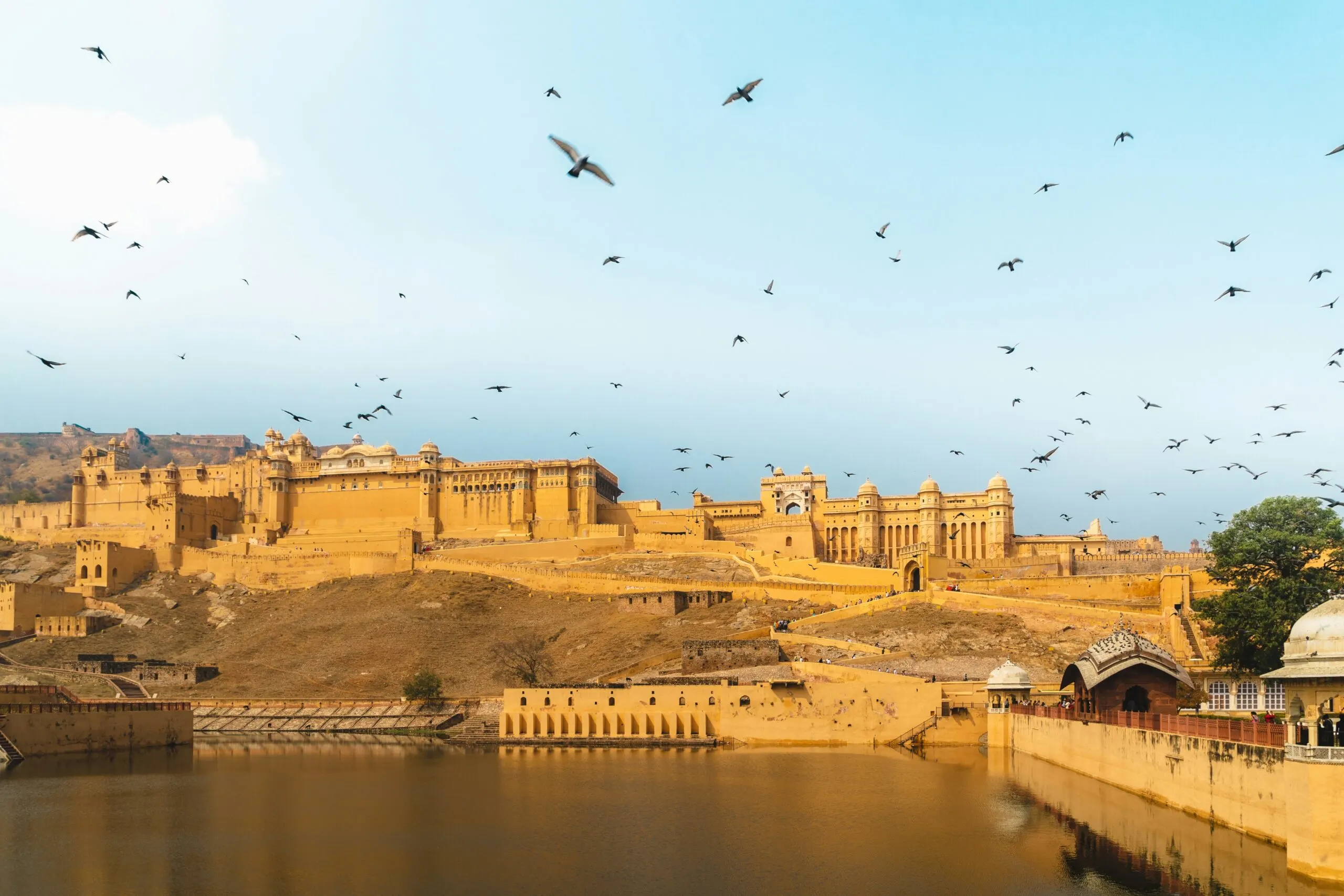
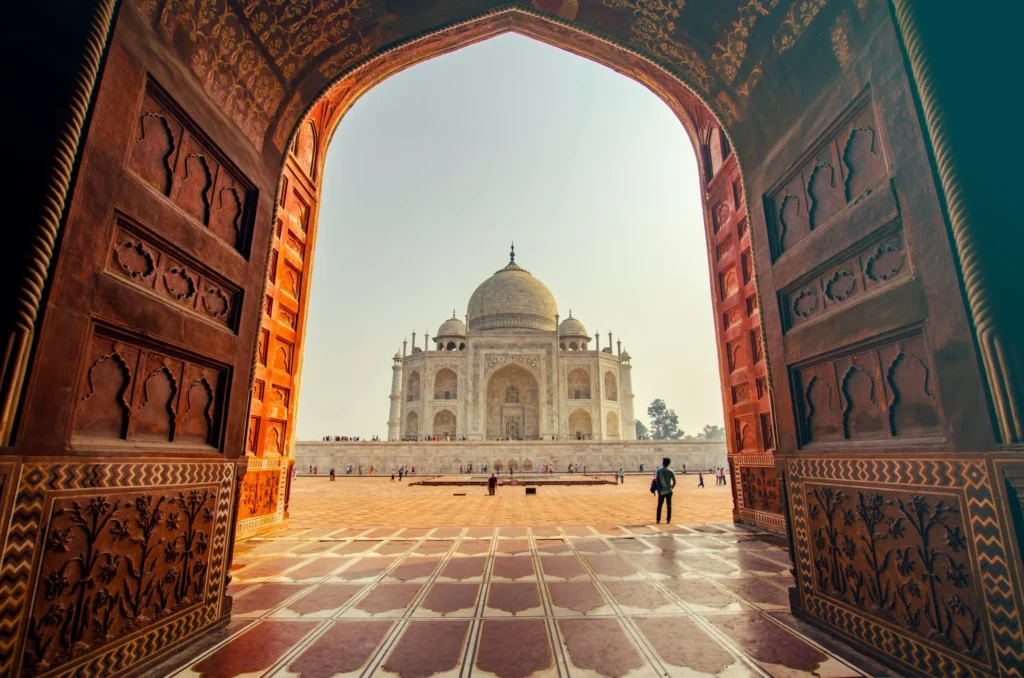
The downside is real if you pick the wrong region. Walking around the Taj Mahal in May feels like walking into a hair dryer. But the payoff is massive: hotel rates drop by 50-70%, and you will have the amber forts of Jaipur virtually empty by midday.
- When Does The Monsoon Rain Actually Ruin A Trip To India?
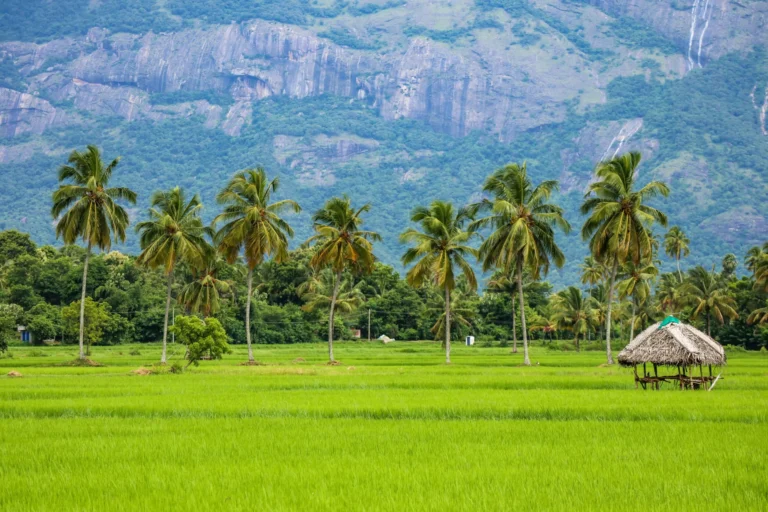
It rarely "ruins" a trip, but it does transform it completely. The monsoon (June to September) brings dramatic, breathtaking thunderstorms that usually last 1-2 hours and then clear to lush, emerald-green landscapes. In fact, this is the best time for Ayurvedic treatments in Kerala and for watching waterfalls in full, roaring force across the Western Ghats.
The catch is mobility. Heavy rains can flood low-lying streets in Mumbai and cause train delays in the south. Plus, humidity levels spike to nearly 100%, which can be exhausting for walking tours. That said, you will see India at its most authentic and least touristy.
- Will I Get Stomach Sick More Often If I Visit In The Off-Season?
Not necessarily, but you do need to be slightly more vigilant. The risk of food and waterborne illness is slightly higher during the hot, humid off-season because food spoils faster. However, smart travelers exploit this low season by eating only freshly cooked street food (look for high turnover stalls) and sticking to bottled water, just as they would in peak season.
The positive twist? The off-season forces you to eat like a local. Since fewer international restaurants are open, you will end up at family-run dhabas (roadside eateries) serving the freshest vegetarian thalis—which are actually safer because everything is cooked to order.
- Are There Fewer Tourists At The Taj Mahal During The Rainy Season?
Absolutely. You can practically have the monument to yourself on a drizzly August morning. During peak season (October to March), over 50,000 people visit the Taj Mahal daily. In the off-season, that number drops to around 8,000—a staggering 84% reduction. The rain also washes away the smog, giving you crystal-clear views of the white marble that you never get in winter.
The drawback is the photography lighting. You probably won't get that perfect golden-hour sunrise shot because it will be overcast. But you will get unique, dramatic shots of wet marble reflecting the grey sky—images that 99% of travellers never capture.
- Why Are Flights To India So Cheap Between July And September?
Because the entire Indian travel industry goes into "hibernation mode" to seduce you. Airlines slash international fares by up to 45% during these months to fill seats that European and American tourists usually avoid. You can often find round-trip flights from London to Delhi for under $400 USD, and domestic flights within India drop to nearly bus-fare prices.
The trade-off is flexibility. That cheap flight might be delayed by an hour due to rain in Mumbai, and that budget hotel you booked will likely have less thorough air conditioning. But here is the Volomundi secret: spend the money you saved on flights to upgrade to a 5-star heritage palace hotel for $100 a night—where the service is impeccable regardless of the weather outside.

Home > Exploit The Seasons > Seasonal World Map > Asia > India
INDIA
India isn’t just a destination; it’s a vivid, shifting kaleidoscope. From Himalayan mists to tropical shores, timing your visit unlocks hidden serenity, local festivals, and incredible value away from the bustling crowds.
Smart Travel Calendar
Why Choose India Off-Season?
Embrace the monsoon magic. Lush green landscapes, fewer tourists, and romantic, dramatic skies over forts and tea plantations.
Enjoy Heritage sites almost alone. Walk the Taj Mahal or Jaipur’s palaces with space to breathe and reflect.
Snap up luxury for less. Five-star hotels and palace stays drop to a fraction of peak-season rates.
Witness unique local rhythms. Rain-fed festivals, temple rituals, and chai shops buzzing without international crowds.
Spot wildlife at waterholes. Animals gather at shrinking water sources as summer peaks, offering prime safari views.
Savor authentic culinary depth. Hot pakoras, monsoon chai, and regional comfort foods come alive in cooler, rainy weather.
Shoulder Season
Your Smartest Windows
October – November
February – March
Avoid: Diwali (Oct/Nov dates vary) and Holi (March) — prices spike 30-50% and domestic travel is packed.
What the Sky Does
Pleasant days: 23°C to 32°C (73°F to 90°F), low to moderate humidity.
Clear, crisp light in February/March — ideal for photography.
October sees retreating monsoon rain, mostly in afternoons in the south.
Comfortable for both northern palaces and southern backwaters.
How Empty It Feels
40-50% fewer tourists than peak (Dec-Jan).
Delhi, Agra, Jaipur: busy but not overwhelming — no long queues at major monuments.
Goa and Kerala coast: some crowds, but easily find beach shacks with seating.
Trains and domestic flights have last-minute availability.
What You’ll Save
25-35% savings on flights and hotels vs. peak season.
Car rentals and private drivers 20% cheaper.
Same-day entry to the Taj Mahal without pre-booking.
Meals at rooftop restaurants — no wait and occasional monsoon discounts.
The Secret Perk
Pushkar Camel Fair (Oct/Nov) — a riot of color, music, and culture.
Himalayas start blooming with wild rhododendrons in February.
Fresh mustard greens and sugarcane juice harvest season.
Soft golden winter light — perfect for golden hour at forts.
Locals are more relaxed and chatty without rush-tourist stress.
The Tiny Trade-Off
Some smaller beach huts in Goa still closed until mid-October.
Occasional short, sharp rain in October or March dust storms in the north.
Ferry services to remote Andaman islands may be reduced.
Holi and Diwali weeks cause transport price surges and full trains.
Smart Traveler Tip
Late October to mid-November is the sweet spot: post-monsoon greenery, pre-winter crowds.
Book hill station stays (Shimla, Manali) for February — snow possible but sunny days.
Avoid traveling by train three days before and after Diwali.
Deep Off-Season
Your Smartest Windows
June – September
Avoid: Peak summer school holidays (mid-May to June end) — hill stations still crowded. Also, local monsoon breaks (July-August) in Kerala and Northeast see landslides.
What the Sky Does
Hot to wet: 25°C to 38°C (77°F to 100°F) plus high humidity. Mountains cooler at 15-25°C (59-77°F).
Heavy southwest monsoon rains — dramatic, cleansing, but daily downpours.
Leh-Ladakh stays dry and sunny — perfect off-season escape.
Humidity often 70-90% in coastal regions.
How Empty It Feels
Up to 70-80% fewer foreign tourists than peak season.
Major forts and monuments in Rajasthan feel almost private.
Museums and indoor galleries (Mumbai, Kolkata) are blissfully uncrowded.
Small towns welcome you like family — no touts, just real life.
What You’ll Save
50-60% savings vs. December peak.
International flights to India at lowest annual prices.
Five-star hotels in Delhi, Jaipur, Goa from $60-90/night.
Car rentals and domestic flights 40% cheaper.
The Secret Perk
Cozy monsoon cooking classes — learn to make pakoras and masala chai.
Ayurvedic monsoon treatments in Kerala (considered the best season by locals).
Witness the Teej and Raksha Bandhan festivals with authentic neighborhood joy.
Ladakh’s summer trekking season begins (June-July) — no rain, crystal clear.
Shopkeepers and artisans have time to chat, bargain, and tell stories.
The Tiny Trade-Off
Beach swimming in Goa, Gokarna, or Varkala discouraged due to strong currents.
Nightlife and open-air rooftop bars largely shut or under cover.
Many small cafes and family-run guesthouses close for the season (especially in coastal Goa).
Daylight lasts until 7 PM but overcast skies limit sunset views.
Smart Traveler Tip
August is the quietest month nationwide — great for meditation retreats.
Visit Ladakh or Spiti Valley in June-July for dry, warm off-season value.
Pack a good rain jacket, waterproof shoes, and quick-dry clothes. Umbrellas are useless in wind.
For mildest deep off-season, head to Karnataka or Telangana — less rain than Kerala.
Find Off-Peak Flights
FAQs
Explore India
Essential Trip Information
Visa and Entry Requirements
India requires most travelers to obtain a visa prior to arrival.
Check eligibility and apply through the official Indian visa portal: https://indianvisaonline.gov.in
e-Visa options are available for tourism, business, and medical travel (valid for 30, 90, or 180 days).
Passports must be valid for at least 6 months beyond your date of arrival.
Proof of return ticket, accommodation, and sufficient funds may be requested at immigration.
Visa fees vary based on nationality and type; e-Tourist visas for U.S. citizens typically cost US$25–100.
Currency
India uses the Indian Rupee (INR). Common bills: ₹10, ₹20, ₹50, ₹100, ₹200, ₹500, ₹2000.
Best Ways to Handle Currency
Before Your Trip: Exchange a small amount for arrival; better rates at Indian ATMs.
During Your Trip: ATMs are widely available in cities (look for SBI, HDFC, ICICI). Visa and Mastercard are accepted at hotels, restaurants, and large stores, but cash is essential for small shops and rural areas.
What to Avoid: Avoid airport currency exchange booths due to poor rates. Decline dynamic currency conversion—always choose INR when paying by card.
Language
Hindi and English are widely spoken. Each region also has its own local language (Tamil, Bengali, Gujarati, etc.).
English is commonly used in airports, hotels, and restaurants.
Helpful phrases: “Namaste” (hello), “Shukriya” (thank you), “Kitne ka hai?” (How much is this?)
Safety & Security
India is generally safe, but petty theft and scams can occur in tourist hotspots.
Be cautious at night in isolated areas and avoid flashing valuables.
Use registered taxis or ride apps over informal transport.
For emergencies, dial 112 (universal emergency helpline).
Health & Insurance
Recommended vaccinations: Hepatitis A, Typhoid, and Tetanus.
Carry insect repellent in rural or tropical areas.
Tap water is not safe to drink—stick to bottled or filtered water.
Pharmacies are widespread; common chains include Apollo, MedPlus, and 1mg.
Travel insurance is essential for medical emergencies.
Transportation
Railways: India’s extensive train network connects most cities. Use IRCTC or apps like Trainman for booking.
Domestic flights are frequent and inexpensive between metros and tourist hubs.
Buses: Government and private operators (RedBus, KSRTC) connect cities and towns.
Rickshaws and taxis: Ideal for short trips, but negotiate rates beforehand if no meter.
Walking is doable in historic or compact areas, though chaotic traffic can make it tricky in larger cities.
Price Level
India offers excellent value for all types of travelers. Prices vary across regions, with metro cities being pricier.
Accommodation
Budget: Guesthouses/hostels (US$10–30/night)
Mid-range: 3-star hotels (US$40–90/night)
Luxury: 4–5 star hotels (US$100–300+/night)
Food
Street food: US$1–3 (try chaat, dosa, or momos)
Mid-range restaurants: US$5–15/person
Fine dining: US$30+/person (especially in top hotels)
Drinks
Beer: US$2–5 (local brands like Kingfisher)
Cocktails: US$6–12 in major cities
Bottled water: US$0.20–0.50 (always drink bottled)
Transportation
Auto-rickshaw: US$0.50–3 (short distances, always negotiate or use meter)
Metro (Delhi/Mumbai): US$0.20–0.80/ride
Ride-hailing: Uber/Ola: US$2–10 for short city trips
Domestic flights: US$40–100 for intercity routes
Money-Saving Tips
Use the metro in big cities to avoid traffic and save time.
Eat where locals eat—canteens, thali joints, and food courts.
Consider overnight trains or budget airlines for long-distance travel.
Many attractions (like temples or markets) are free or very low-cost.
Planning Your Trip
Local Customs And Etiquette
Respect:
- Dress modestly, especially at temples (shoulders/knees covered).
- Remove shoes when entering homes or places of worship.
Tipping:
- Restaurants: 10–15%.
- Porters/Drivers: US$1–2/day.
Photography:
- Ask permission before taking photos of people or in religious settings.
Greetings:
- A polite “Namaste” with folded hands goes a long way.
Right Hand Rule:
- Eat, give, and receive with the right hand—left is considered unclean.
Bargaining:
- Common in markets. Smile, be respectful, and enjoy the process!
Budgeting For Your Trip
India is one of the best destinations for value, from street eats to palace stays.
Accommodation:
- Hostels: US$8–25
- Hotels: US$40–120
- Luxury: US$200–600+
Food:
- Street food: US$1–3
- Casual meals: US$5–15
- Fine dining: US$25–70+
Transport:
- Flights: US$30–100
- Rickshaws/Uber: US$2–10
- Trains/Metro: US$0.30–5
Activities:
- Temples, bazaars, and many sights are free.
- Guided tours or safaris: US$15–50
- Taj Mahal entry: US$15–20 for foreigners
Daily Budget:
Budget: US$30–60 (hostels, street food, buses)
Mid-range: US$80–150 (AC hotel, meals, guided tours)
Luxury: US$250+ (boutique stays, private car, fine dining)
Internet & Mobile
Wi-Fi:
- Available in most hotels, cafés, and airports.
- Speeds can vary—reliable in urban areas.
SIM Cards:
- Easy to purchase at airports or shops (Airtel, Jio, Vi).
- Valid passport/visa needed.
- Plans: US$10–20 for 28 days with 10–20GB data.
eSIMs:
- Available through services like Airalo or local providers.
Tip: Signal may drop in remote areas—download offline maps.
Travel Insurance
Highly recommended, especially if traveling to remote regions or participating in adventure activities.
Health: India has private clinics and hospitals in cities, but travel insurance should cover emergencies and evacuation.
Delays/Cancellations: Trains and flights can be delayed—coverage helps.
Activities to check in policy: Camel safaris, white-water rafting, and mountain trekking.
Accomodation Options
India offers a rich range of stays—from opulent palaces to friendly homestays.
Luxury:
- Taj Lake Palace (Udaipur), Oberoi Amarvilas (Agra), The Leela (Goa).
- Expect spa treatments, private pools, and heritage charm.
- Rates: US$350–1000+/night.
Mid-range Hotels:
- Radisson, Lemon Tree, and FabHotels offer reliable comfort.
- Ideal for city stays with AC, Wi-Fi, and breakfast.
- Rates: US$50–150/night.
- Budget Hotels/Guesthouses:
- Clean, simple rooms available for US$15–40.
- Look for well-rated properties on Booking.com or Agoda.
Hostels:
- Zostel and goStops are popular with backpackers.
- Great for meeting travelers, with dorms from US$8–20.
Heritage/Boutique Stays:
- Havelis in Rajasthan or tea estates in the northeast offer immersive local experiences.
Airbnb:
- Increasingly popular in cities and remote regions.
- Check reviews for accuracy.
Tip: Book early in peak season (Dec–Feb), and always check if breakfast and AC are included.
Getting Around
Getting around India is an adventure in itself—busy, colorful, and full of contrasts. Here’s how to navigate effectively:
Domestic Flights:
- Affordable and efficient for long distances. Airlines like IndiGo, Vistara, and Air India operate regular routes.
- Book early for best prices—fares as low as US$30–100 one-way.
Trains:
- Iconic and scenic (e.g., Himalayan Toy Train or Konkan Railway).
- Use IRCTC or platforms like 12Go Asia to book tickets.
- AC classes (1AC, 2AC) offer comfort and are worth the upgrade.
Metro Systems:
- Available in Delhi, Mumbai, Bengaluru, Kolkata, and more.
- Cheap, air-conditioned, and efficient. Fares: US$0.30–1.
Taxis/Rideshares:
- Uber and Ola operate in most major cities.
- Always confirm the fare or use the app to avoid haggling.
Rickshaws:
- Auto-rickshaws are everywhere—fun and authentic for short distances.
- Negotiate fare before the ride if there’s no meter.
Buses:
- Extensive network, especially for intercity travel.
- Luxury AC coaches like Volvo are good for longer routes.
Walking:
- Useful in compact areas but sidewalks may be chaotic.
- Watch out for traffic—even on pedestrian crossings.
Tip: For first-timers, using a mix of flights, Uber/Ola, and guided day tours is easiest.