 Skip to content
- Is The Heat Too Intense For Wildlife Safaris In Central India?
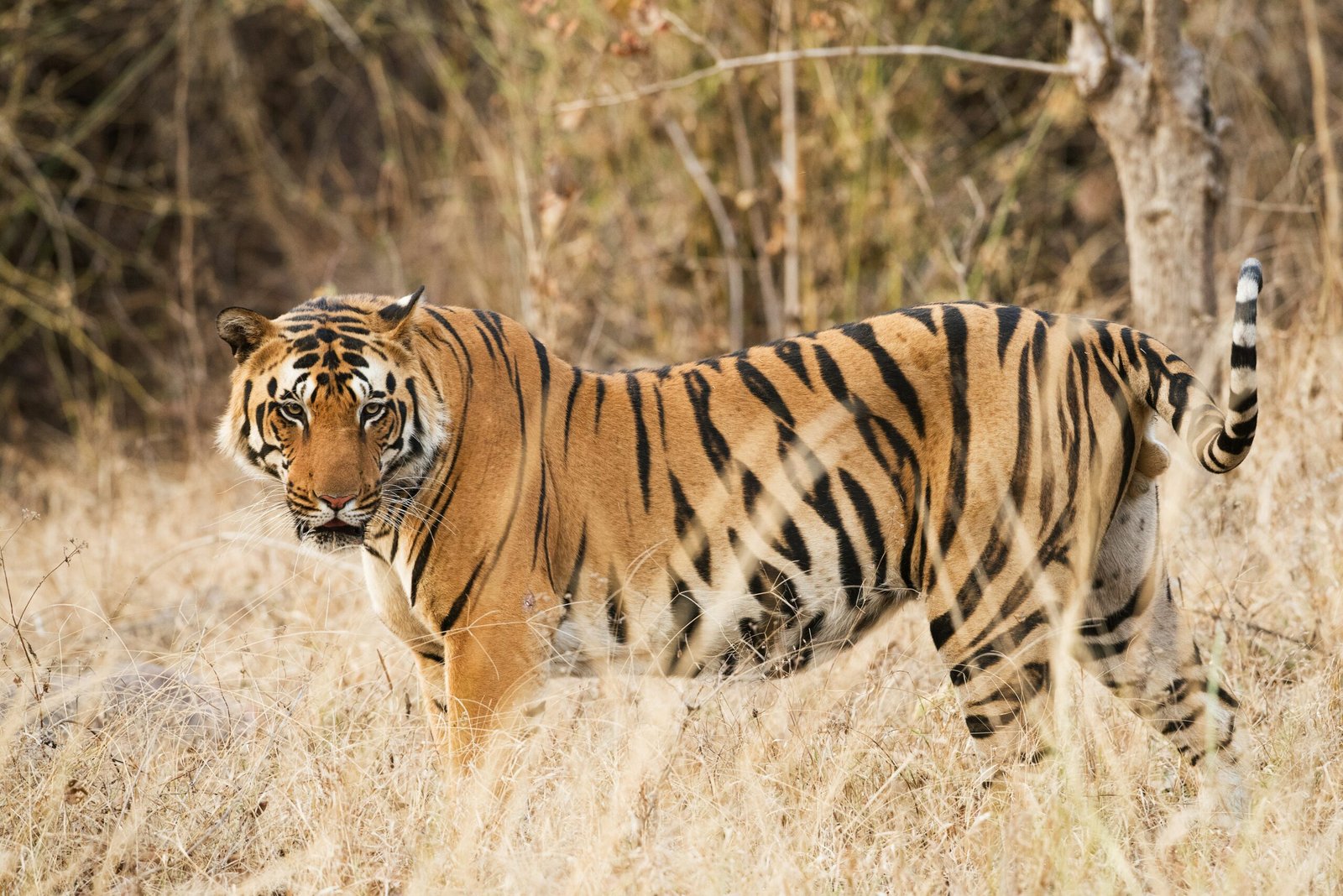
It depends on which off-season you choose, so timing is everything here. The shoulder seasons offer warm but manageable mornings for tiger tracking in Bandhavgarh and Kanha, while winter off-season provides crisp, cool weather that actually makes safaris more comfortable than summer.
The trade-off is that deeper off-season can get hot by midday. You can exploit this by doing early morning safaris, resting through afternoon heat, and enjoying jungle lodge price drops of 40% to 55%.
- Can I Still Visit The Khajuraho Temples Without Peak Season Crowds?
Yes, and these UNESCO wonders become truly peaceful when you have them almost to yourself. The famous erotic sculptures and ancient stone carvings see 70% fewer visitors, allowing you to study every detail without tour groups pushing past you.
The realistic drawback is that some small local guides may be harder to find on weekdays. However, the major temples remain fully open, the stone floors stay cool, and you will have the entire complex for hours of uninterrupted exploration.
- Will I Save Money On Jungle Lodges Near Tiger Reserves?
Absolutely, and this is where exploiting travel seasonality delivers incredible value. Premium resorts near Pench, Satpura, and Bandhavgarh slash their rates by 35% to 50%, meaning you can afford luxury tented camps for the same price as basic rooms in peak winter.
The catch is that some budget forest rest houses may close during deeper off-season weeks. Stick to established eco-resorts instead, where naturalists have more time to customize your safari experience with smaller groups.
- Why Should I Bother With Central India When Wildlife Sightings Are Harder?
Because the forests transform into a different kind of wonderland during the off-season. The deciduous trees burst into fresh green leaves, migratory birds arrive in huge numbers, and watering holes attract wildlife predictably, actually making some animal sightings easier.
Yes, tall summer grass can make spotting tigers slightly more challenging. But the payoff is hearing the jungle come alive with bird calls, enjoying jeep safaris without twelve other vehicles racing toward the same sighting, and having veteran naturalists all to yourself.
- Is The Tribal Art And Village Culture Still Accessible Year-Round?
Yes, Central India's tribal villages and craft traditions never pause for tourist seasons. The famous Dhokra metal artists of Bastar and the Gond painters of Patangarh continue their work, and you will find weavers far more willing to demonstrate their skills without a crowd watching.
The honest downside is that some larger tribal dance festivals are seasonal events. In their place, you gain intimate access to family workshops and authentic home-cooked tribal meals, plus the rare chance to watch master craftspeople work in peaceful silence while paying 30% to 40% less for handmade souvenirs.

Home > Exploit The Seasons > Seasonal World Map > Asia > India > Central India
CENTRAL INDIA
From Kanha’s jungles to Khajuraho’s stone temples, discover India’s wild heart away from the tiger-chasing crowds. This guide reveals when to find empty safari jeeps, monsoon-green forests, and ancient UNESCO sites in peaceful silence.
Smart Travel Calendar
Shoulder Season
Your Smartest Windows
February to March
October to mid-November
Avoid: Diwali week (Oct-Nov) – domestic travel spikes, tiger reserves see local crowds. Christmas-New Year – lodges near parks hike prices.
What the Sky Does
Feb-Mar: 18°C to 32°C (64-90°F). Dry, pleasant days. Cool mornings and evenings. Drying vegetation, good visibility.
Oct-Nov: 20°C to 33°C (68-91°F). Post-monsoon freshness. Lush landscapes, clear skies, lower humidity.
Night temperatures: Drop to 10-15°C (50-59°F) – safari mornings require layers.
No rain in either window – excellent for photography and driving.
How Empty It Feels
40-50% fewer tourists vs peak winter (Dec-Jan).
Kanha and Bandhavgarh safari zones – walk-up permits available; no bidding wars for zones.
Khajuraho Western Group of Temples – share sunrise with 10 people instead of 100.
Sanchi Stupa complex – parking lot half empty, guides eager to negotiate.
What You’ll Save
25-35% on flights to Jabalpur, Khajuraho, or Raipur.
35-50% off premium jungle lodges – a $300/night tented camp drops to $150-180.
20-30% on private safari jeeps – negotiable on arrival, no advance booking required.
No “peak season supplement” on park entry fees and guide charges.
The Secret Perk
Khajuraho Dance Festival (Feb/Mar) – classical dance against floodlit temples; rooms still available.
Bastar Dussehra (Oct) – Chhattisgarh’s 75-day unique festival (yes, 75 days) starts in October.
Fresh mahua flowers and tendu leaves harvest – local tribal markets are vibrant (March-April).
Soft winter light – perfect for tiger photography (no harsh summer shadows).
Rivers and waterfalls flowing (October) – Bedaghat, Dhuandhar, and Chitrakoot are full.
The Tiny Trade-Off
February mornings: Dense fog possible until 8 AM – safari start may be delayed.
March starts heating up – afternoon temperatures hit 35°C (95°F) by late March.
Some park zones rotate closing days; check before booking.
October vegetation still thick – tiger sightings slightly harder than dry peak (Feb is better).
Smart Traveler Tip
Aim for early February (post-fog, pre-heat) or mid-October (post-Dussehra, pre-Diwali).
Book directly with lodge owners in Kanha or Bandhavgarh – they offer airport pickups.
Wear layers: fleece for 6 AM safaris, t-shirt by 2 PM.
Deep Off-Season
Your Smartest Windows
July to September (monsoon closure)
April to June (pre-monsoon heat)
Avoid: National Park closure – Kanha, Bandhavgarh, Pench, Satpura closed July 1 to September 30 (NO safaris). Plan around this.
What the Sky Does
Monsoon (July-Sept): 24°C to 32°C (75-90°F). Heavy, dramatic rains. Lush greenery everywhere. Parks closed.
Pre-monsoon (April-June): 28°C to 45°C (82-113°F). Extremely hot, dry, dusty. May is brutal, June sees pre-monsoon storms.
Humidity – Monsoon is humid; pre-monsoon is dry heat.
Chhattisgarh – same temperatures, slightly higher humidity.
How Empty It Feels
Parks closed in monsoon – zero tourists. For culture sites: 80-90% fewer.
Khajuraho temples in April-May – you’ll have the complex nearly alone.
Sanchi Stupa in monsoon – locals seeking shelter, no tour buses for months.
Bhandhavgarh village – seasonal quiet; lodges closed or on skeleton staff.
What You’ll Save
50-70% on flights to Jabalpur, Indore, or Raipur – but fewer daily flights.
Hotels at 60-80% off – even luxury properties drop to budget rates.
Private cars with drivers – half the peak rate; drivers happy for any work.
Khajuraho light and sound show – walk up same night, no advance booking.
The Secret Perk
Waterfalls at full thunder – Dhuandhar (Jabalpur), Chitrakoot, and Kapil Dhara are spectacular (monsoon).
Amarkantak’s Narmada source – holy town at its greenest, quietest, and most peaceful.
Bastar’s monsoon tribal fairs – genuine local events, no tourists, just Chhattisgarh village life.
Indore’s street food without queues – Sarafa Bazaar at midnight, all to yourself.
Lodge owners become personal guides – they have nothing else to do; ask for cultural tours.
The Tiny Trade-Off
No tiger safaris July-September – parks completely closed.
April-June heat is extreme – outdoor sightseeing impossible 11 AM to 4 PM.
Many jungle lodges close June-September – call ahead.
Daylight – summer days are long, but midday is unusable outdoors.
Smart Traveler Tip
For culture-only travelers (Khajuraho, Sanchi, Mandu, Orchha): July-September is fine – it’s green, empty, and very cheap.
For tiger lovers: Wait for October opening week (Oct 1-15) – parks reopen, rates low, crowds not yet arrived.
Visit in April for empty temples – start at sunrise (6 AM), finish by 10 AM, nap through heat, resume 4 PM.
Pack: cotton, sunscreen, hat, water bottle (summer) – monsoon: rain jacket, quick-dry clothes, waterproof bag for cameras.
Find Off-Peak Flights
Uncrowded Experiences & Tours
Skip the lines and experience iconic landmarks at your own pace. Discover curated local tours and cultural activities designed to show you the authentic side of the destination without the peak-season rush.
Handy Tips
Weather & Climate
The climate is predominantly tropical. Summers (March-June) are extremely hot and dry, with temperatures often exceeding 40ºC. The Monsoon season (June-September) brings heavy rain. Winters (November-February) are mild and pleasant, with cool nights.
Local Customs And Etiquette
Respectful Dress: When visiting temples and religious sites, dress conservatively (shoulders and knees covered). Remove your shoes before entering temples and sometimes shops or homes.
Photography: Always ask permission before photographing people, especially in tribal areas. A friendly gesture goes a long way.
Greetings: A simple “Namaste” with palms pressed together is the respectful and standard greeting.
Pace of Life: Things move at a slower pace than in major metropolitan cities. Be prepared to be patient and flexible with schedules.
Budgeting For Your Trip
Accommodation: Hostels/Guesthouses ($10–$25), mid-range hotels ($40–$80), luxury/safari lodges ($150+).
Food: Street food/small eateries ($2–$5), dinner at a mid-range restaurant ($10–$20 per person), fine dining ($30+).
Transport: Intercity AC train ticket (regional) ($15–$35), taxi/rickshaw (negotiated fare).
Activities: Half-day safari permit/entry ($30–$50, excluding guide/vehicle), museum entry ($3–$10).
Daily Budget:
- Budget: $40–$70 (hostels, local transport, small eateries).
- Mid-range: $80–$150 (hotels, AC transport, restaurants, attractions).
- Luxury: $200+ (boutique hotels, private cars, all-inclusive safari lodges).
Getting Around
By Train: Indian Railways connects major cities like Bhopal, Indore, and Raipur. Sleeper class trains are cost-effective for long distances. Book well in advance.
By Car & Driver: For multi-day sightseeing and reaching remote sites like Khajuraho and the National Parks, hiring a private car and driver is the most convenient and comfortable option.
By Air: Airports in major cities offer domestic flights, which can save a lot of travel time between key destinations.
Must-Try Food
Poha: A popular and light breakfast of flattened rice, seasoned with spices, onions, and often topped with sev (crispy noodles).
Dal Bafla/Baati: Whole wheat balls baked in a tandoor, crushed and topped with ghee (clarified butter), and served with dal (lentil soup) and chutney.
Bhutte Ka Kees: A savory dish from Indore made from grated, slow-cooked corn mixed with milk, spices, and mustard seeds.
Sabudana Khichdi: A filling and delicious preparation of tapioca pearls, potatoes, peanuts, and green chilies, especially popular during fasts.
Indori Namkeen: The wide variety of spicy and salty dry snacks (namkeen), particularly sev, are a local specialty.
Kachori: A deep-fried, crisp pastry stuffed with a spicy filling like lentils (dal) or potato.
Biryani: A fragrant, layered rice dish cooked with meat (usually chicken or mutton) or vegetables, highly popular in the region’s Muslim culinary tradition.
Jalebi: A crispy, deep-fried pretzel-like sweet, soaked in a sugary syrup, often eaten warm for breakfast.
Malpua: A sweet pancake-like dessert, deep-fried and dipped in sugar syrup, often served with rabri (sweetened condensed milk).
Mawa Bati: A richer, larger version of a gulab jamun, made with khoya (milk solids) and fried and soaked in syrup.
Must-Try Drinks
Lassi: A thick, creamy, yogurt-based drink, often sweetened or flavored with fruits like mango, banana, or rosewater.
Chaas (Buttermilk): A refreshing, thin, and lightly spiced yogurt drink, popular for aiding digestion, often seasoned with cumin and mint.
Masala Chai: The classic Indian tea, brewed strong with milk, sugar, and a blend of aromatic spices like ginger, cardamom, and cloves.
Shikanji: A refreshing lemonade made with fresh lime juice, water, sugar, salt, and often black pepper or cumin powder.
Sugarcane Juice (Ganne ka Ras): Freshly pressed juice from sugarcane, often served with a dash of ginger and mint, incredibly refreshing in the heat.
Mohua (Alcoholic): A traditional liquor distilled from the flowers of the Mohua tree, prominent in tribal communities.
Feni (Alcoholic): While typically from Goa, some traditional local fruit-based spirits can be found in tribal/rural areas.
Nimbu Paani: Simple fresh lime water, essential for hydration and cooling down.
Thandai: A chilled, sweet drink made with a blend of almonds, fennel seeds, rose petals, poppy seeds, cardamom, and saffron.
Aam Panna: A sweet and tangy drink made from raw (green) mangoes, popular in the summer for its cooling properties.