 Skip to content
- Why Should I Visit Melbourne During The Shoulder Season?
The shoulder seasons bring crisp, clear days perfect for exploring laneway cafes, wandering through the Royal Botanic Gardens, or hopping on trams to St Kilda Beach, all without the summer festival rush or winter chill.
The trade-off is that Melbourne's famous "four seasons in one day" weather becomes even more unpredictable. You might start with sunshine, encounter rain by lunch, and need a jacket by dinner. However, locals embrace this quirk, and so should you, packing layers and enjoying the cozy indoor attractions when the weather shifts.
- How Much Can I Save On Great Ocean Road Tours During The Low Season?
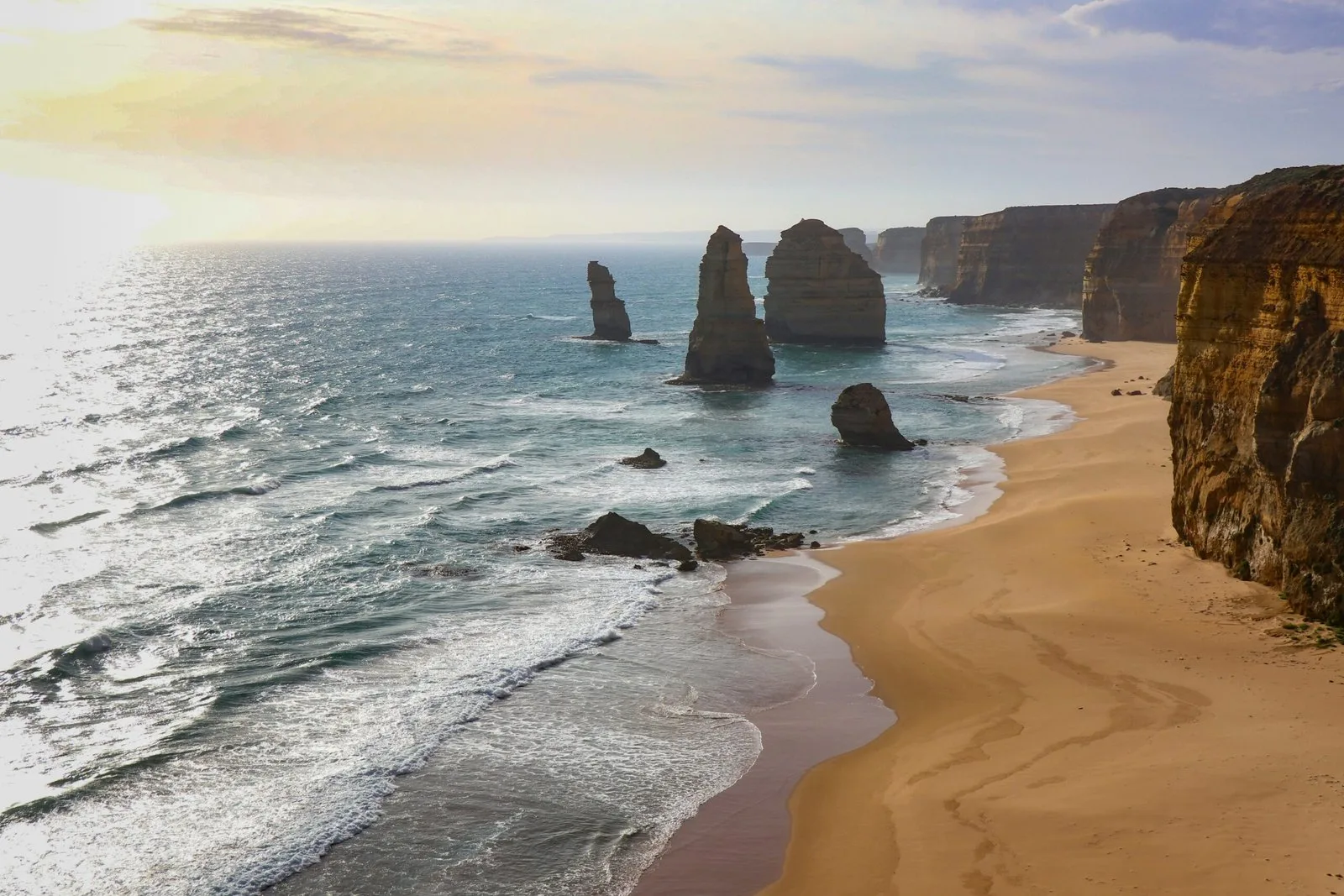
You can often unlock discounts of 30% to 50% on small-group tours along the Great Ocean Road. Because the summer holiday crowds vanish, tour operators drop prices significantly to fill their vehicles, making that bucket-list drive to see the Twelve Apostles surprisingly affordable.
The honest drawback is that some boutique tour companies reduce their daily departures from multiple to single trips. The positive spin is that with fewer tourists, you will have the famous lookout platforms almost to yourselves, especially at sunrise or sunset, creating intimate moments that summer visitors never experience.
- Is The Great Ocean Road Driving Dangerous In Off-Season Weather?
No, but you need to adjust your driving habits slightly. The road itself remains open and well-maintained year-round, and the shoulder seasons actually offer safer conditions than winter with its heavy rains or summer with its bumper-to-bumper traffic and impatient drivers.
The potential drawback is that morning fog can occasionally settle over the coastal cliffs, reducing visibility temporarily. The solution is simple: start your drive a bit later, around 10 am, allowing the sun to burn off any mist. You will arrive at the Apostles with clearer skies and far fewer tour buses blocking your views.
- Will The Phillip Island Penguins Still Parade During The Off-Season?
Yes, absolutely, every single night of the year without fail. The little penguins do not take holidays or care about tourist seasons, returning to shore at dusk to feed their chicks regardless of whether it is January or July. You will witness this magic whenever you visit.
The only caveat is that during colder shoulder months, the penguins may arrive slightly earlier as darkness falls sooner. Bring warm clothing and perhaps a blanket, as the Antarctic winds off Bass Strait can bite. The incredible upside is that the viewing platforms will be pleasantly uncrowded, giving you prime positioning without elbowing other travelers.
- Is The Yarra Valley Wine Tasting Still Enjoyable In Rainy Weather?
Yes, and rainy days are actually perfect for wine tasting. The Yarra Valley's cellar doors are designed for cozy exploration, with roaring fireplaces, floor-to-ceiling windows overlooking misty vineyards, and knowledgeable hosts eager to spend extra time with fewer guests.
The honest drawback is that the vineyard views are less dramatic without bright sunshine. However, the cooler, damp conditions produce exceptional cool-climate Pinot Noir and Chardonnay, varieties that thrive in exactly this weather. Swirling a glass of world-class wine while rain patters on the roof is a genuinely romantic experience you will not forget.

Home > Exploit The Seasons > Seasonal World Map > Oceania > Australia > Victoria And Melbourne
VICTORIA & MELBOURNE
Victoria is a study in contrasts: Melbourne’s laneway buzz, coastal drama along the Great Ocean Road, and alpine chill in the High Country. This guide unlocks the quiet calendar for empty twelve apostles viewing platforms and wine bars with actual bar stools free.
Smart Travel Calendar
Shoulder Season
Your Smartest Windows
March to April – Autumn: warm days, cool nights, and the crunch of falling leaves
September to October – Spring: blossoms, baby animals, and Melbourne’s fashion week energy
Avoid: Victorian school holidays (mid-April for 2 weeks, late September for 2 weeks) plus Easter long weekend – Great Ocean Road accommodation triples and sells out 2 months ahead
What the Sky Does
March/September averages: Melbourne 20°C (68°F), Great Ocean Road 18°C (64°F), High Country 16°C (61°F)
Autumn brings “Melbourne’s best weather” – stable highs, no summer humidity, and golden light
Spring delivers “four seasons in one day” – pack a raincoat, sunglasses, and a scarf in the same bag
The Great Ocean Road has fewer wind gusts than summer – actually better for photography
How Empty It Feels
45-55% fewer tourists compared to peak summer (December–January) and peak autumn (March school holidays aside)
The Twelve Apostles platform has space at the rail – you can actually lean and contemplate instead of elbow
Hosier Lane (street art) has quiet moments – take photos without strangers photo-bombing your shot
Queen Victoria Market feels like a local shop instead of a human conveyor belt
What You’ll Save
Melbourne CBD hotels drop 35-45% from Australian Open (January) and Grand Prix (March) peak rates
Flights into Melbourne Airport (MEL) cost 30-40% less than Christmas school holidays
Car rentals for the Great Ocean Road reduce 45-55% – get a convertible for coastal views
Yarra Valley wine tours offer “mid-week autumn specials” with 25-35% off including lunch
The Secret Perk
March brings the Melbourne Food & Wine Festival – the city’s best event without summer tourist chaos
Autumn colours along the Great Ocean Road turn the Otways into gold, orange, and red tunnels
Spring means baby animal season at Healesville Sanctuary and Phillip Island – impossibly cute
The light in autumn is photographers’ gold – soft, golden, and dramatic against the Twelve Apostles
Locals reclaim their city – bartenders at hidden laneway bars actually have time to recommend their favourite pour
The Tiny Trade-Off
September can have a rainy week – Melbourne’s reputation exists for a reason, pack a jacket
March school holidays (mid-month) create a 2-week price spike – avoid those exact dates
Some coastal kiosks along the Great Ocean Road close in April after the summer rush
Outdoor pools and rooftop bars reduce hours from April onwards
Smart Traveler Tip
Target the first three weeks of March (before school holidays) or the last two weeks of October for perfection
Base yourself in Fitzroy or Carlton instead of the CBD – lower rates, better cafes, tram access
Book the Great Ocean Road for a Monday–Wednesday window – weekend traffic disappears
Avoid the week before Easter and the week after entirely – that’s when prices jump 50-60%
Deep Off-Season
Your Smartest Windows
May to August – Winter: crisp days, fireplace pubs, snow in the High Country, and the lowest prices of the year
November to early December – “Pretend summer”: warm days before peak prices kick in (note: November is shoulder in north but deep-off in Victoria due to weather unpredictability)
Avoid: Winter school holidays (late June to mid-July) when the High Country ski fields (Mt Buller, Falls Creek, Hotham) get packed and accommodation triples in price
What the Sky Does
July averages: Melbourne 12°C (54°F), Great Ocean Road 11°C (52°F), High Country -1°C to 5°C (30-41°F)
Melbourne winter means crisp, sunny days with clear blue skies – better weather than humid summer, honestly
The Great Ocean Road in winter has dramatic storm skies – photographers travel from overseas for this light
Snow falls in the High Country (Mt Buller, Falls Creek, Hotham) from June to August – proper skiing 3 hours from Melbourne
Rainfall is actually lower in winter than spring – fewer of those “four seasons in one day” surprises
How Empty It Feels
65-75% fewer tourists than December–February peak and March event season
The Twelve Apostles viewing platform feels like a private balcony – you’ll hear waves, not tour guides
Hosier Lane has moments with zero people – impossible in summer, surreal in winter
The NGV (National Gallery of Victoria) has quiet galleries – stand in front of masterpieces alone
Small towns along the Great Ocean Road (Apollo Bay, Lorne, Port Fairy) feel genuinely local
What You’ll Save
Save 55-70% on flights from Europe, Asia, and North America compared to December–January
Melbourne CBD 4-star hotels drop 60-75% – stay at the Ritz for the price of a Travelodge in summer
Car rentals bottom out at 60-70% off summer rates – drive a luxury SUV for economy car prices
Yarra Valley cellar door fees waived (normally $10-15) with no minimum purchase required
Great Ocean Road helicopter tours offer “winter specials” at 40-50% off peak rates
The Secret Perk
Cozy up in Melbourne’s hidden bars with open fireplaces – $12 mulled wine and whisky specials everywhere
Hit the slopes at Mt Buller, Falls Creek, or Hotham – Victoria has Australia’s best ski resorts
The Ian Potter Centre at Federation Square has quiet winter exhibitions – no queues for blockbuster shows
Truffle season in the Yarra Valley (June–August) – join a truffle hunt with a French chef and a truffle dog
Winter wild weather on the Great Ocean Road means massive surf and dramatic sea spray – bucket-list photography
AFL football at the MCG – buy a finals ticket without a mortgage and feel the roar of 90,000 locals
Healesville Sanctuary’s “Winter Warmer” packages with kangaroo feeding and hot chocolate
The Tiny Trade-Off
Beach swimming is impossible without a wetsuit (water temperature 11-13°C / 52-55°F)
The Great Ocean Road has reduced sunset hours (5:00 PM in June) – start your coastal drive by lunchtime
Some outdoor attractions like Peninsula Hot Springs have shorter hours or reduced outdoor pools
Phillip Island Penguin Parade is colder and windier – bring a thermal layer and a blanket
Daylight ends around 5:00 PM in June, so start morning activities early
A few coastal cafes and small tour operators (kayaking, snorkelling) close from June to August
Smart Traveler Tip
Avoid the two weeks of winter school holidays (late June to mid-July) – ski traffic jams the Hume Highway and resort prices triple
The quietest month is August – ski crowds have thinned, spring hasn’t started, and Melbourne hotels are 70% off
For winter sun with mild conditions, target May – crisp days, golden light, and the best Great Ocean Road photography
Pack exactly like you’re visiting London – layers (t-shirt, jumper, waterproof jacket), gloves, and a beanie for evenings
The Yarra Valley is magical in winter mist – book a winery with a fireplace and a view of foggy vines
Regional Victoria (Ballarat, Bendigo, Daylesford) has gorgeous winter weekends – book spa retreats at 50% off summer rates
Find Off-Peak Flights
Top Off‑Season Stays
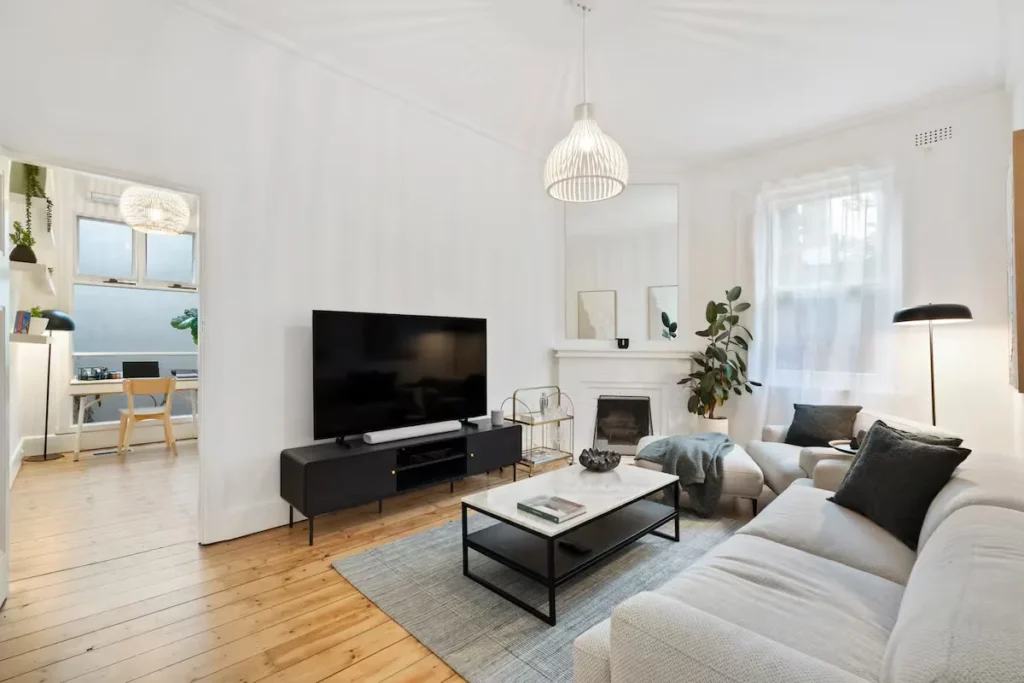
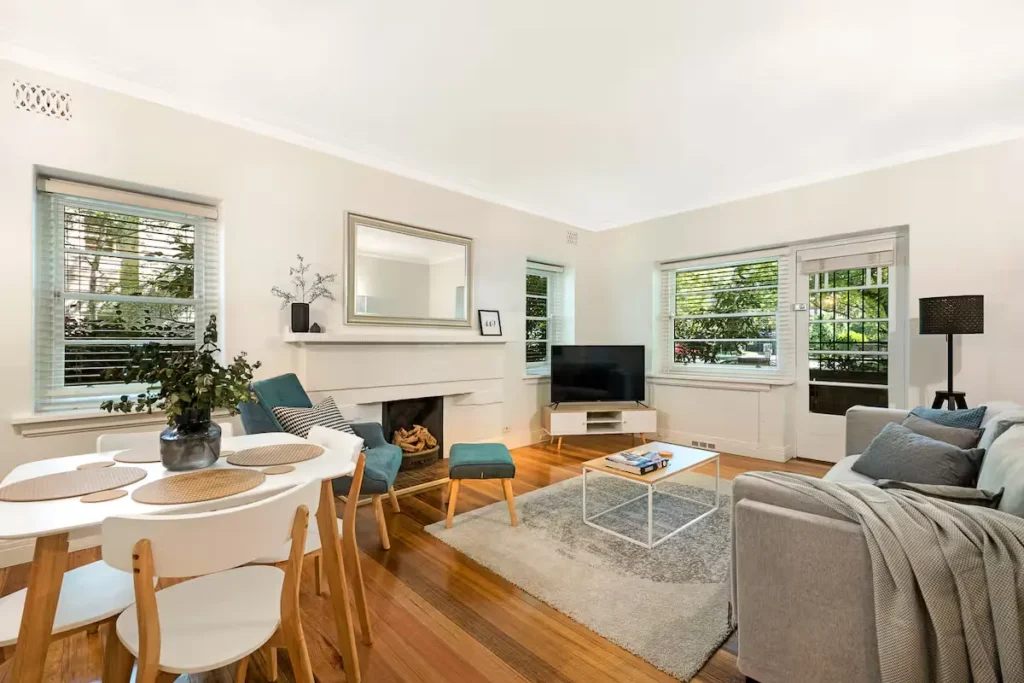
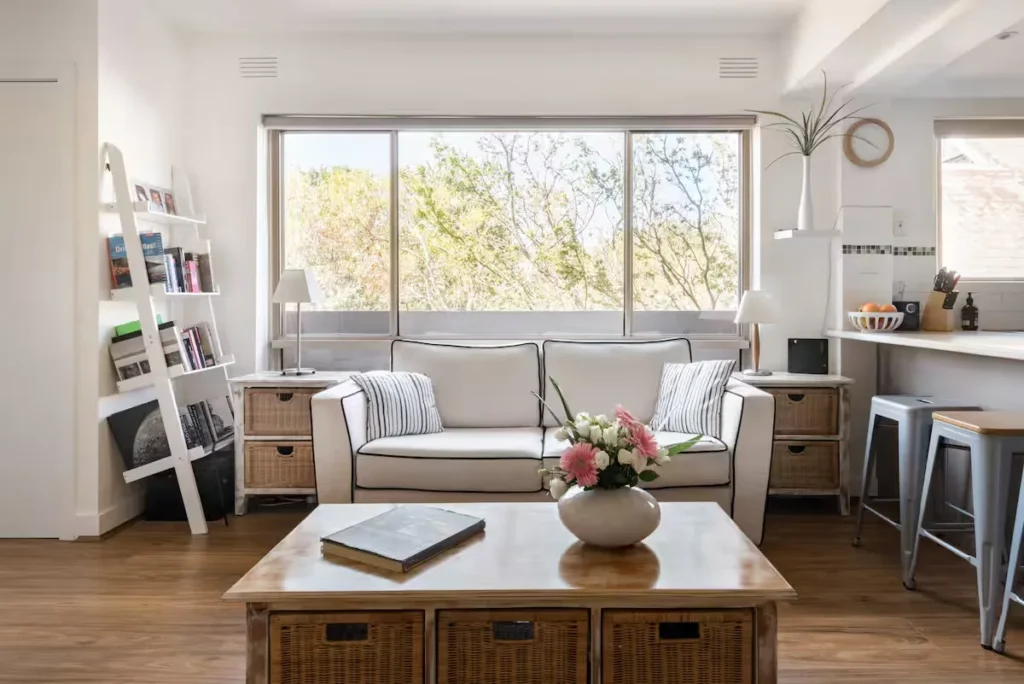
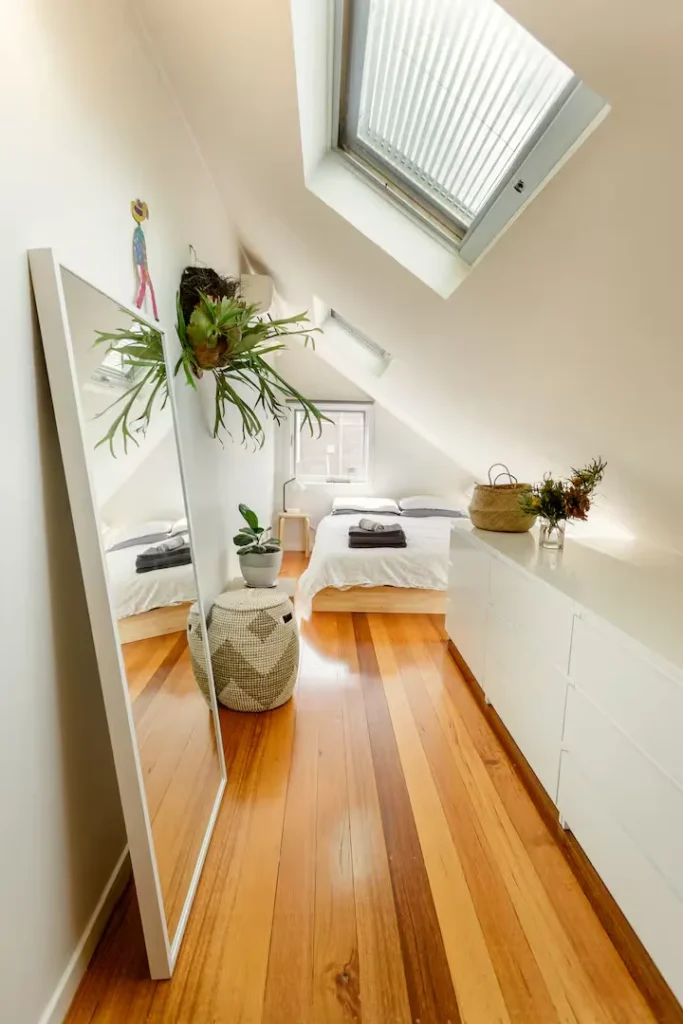
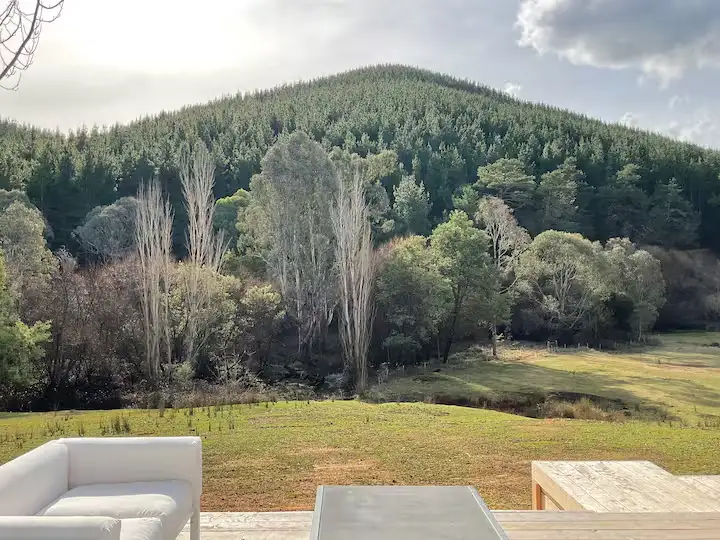
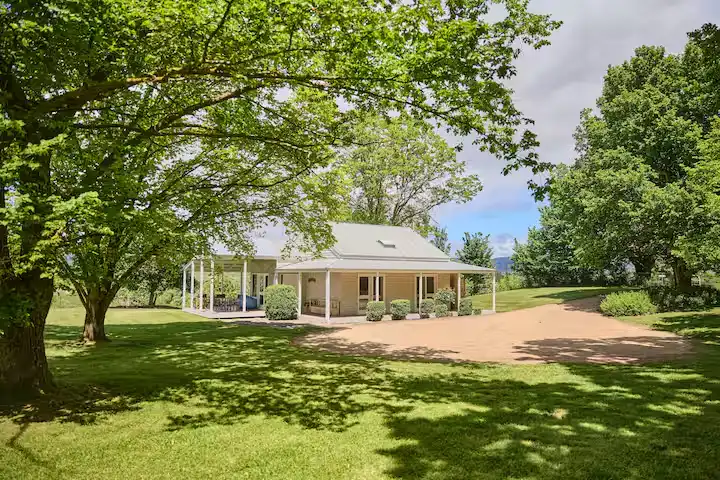
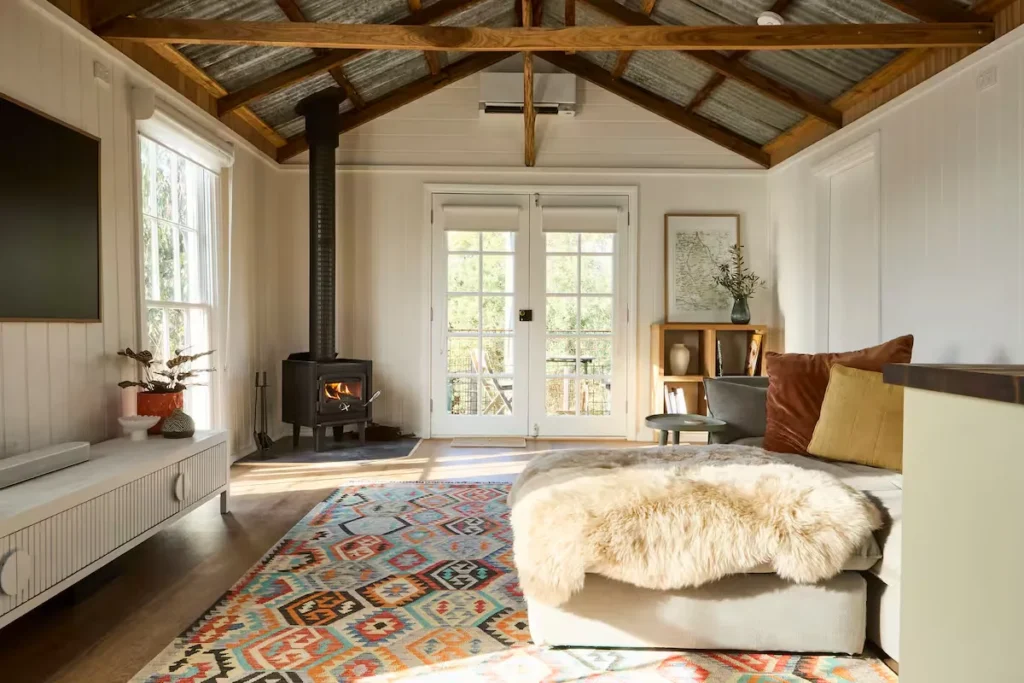
Find below our curated selection of boutique hotels and design apartments that offer exceptional value, atmosphere, and comfort during the off‑season — often at significantly lower rates than peak months.
Uncrowded Experiences & Tours
Skip the lines and experience iconic landmarks at your own pace. Discover curated local tours and cultural activities designed to show you the authentic side of the destination without the peak-season rush.
Handy Tips
Weather & Climate
Melbourne is famous for its “four seasons in one day.” Summers are warm and dry, often with sudden cool changes. Winters are cool and overcast. The high country (Alps) has a cold, snowy alpine climate in winter.
Local Customs And Etiquette
Tipping: Tipping is not customary in Australia but is appreciated for excellent service.
Coffee Culture: Melburnians take coffee very seriously. Skip the large chain and try a local café—ordering a “flat white” is a local must.
Road Rules: When driving, be mindful of trams in the city; you must stop behind a tram when its doors are open. The ‘Hook Turn’ in the CBD is also unique (look for signage).
Budgeting For Your Trip
Accommodation: Hostels ($35–$60), mid-range hotels ($130–$250), luxury ($300+). Prices are significantly higher during major sporting events (e.g., Australian Open).
Food: Casual café lunch ($15–$25), dinner at a mid-range restaurant ($40–$70 per person), fine dining ($100+).
Transport: Myki public transport card (Melbourne, $6 card + load value), car rental ($40–$70/day).
Activities: Penguin Parade ($35+), museum/gallery entry (often free), wine tasting tour ($120+).
Daily Budget:
- Budget: $100–$150 (hostels, market food, public transport).
- Mid-range: $180–$300 (mid-range hotel, restaurants, attractions).
- Luxury: $350+ (boutique hotels, gourmet meals, private tours/transport).
Getting Around
By Public Transport: Melbourne has an extensive train, tram, and bus network (Myki card required). The tram system in the CBD is within the “Free Tram Zone.”
By Car: Essential for exploring the Great Ocean Road, Goldfields, and regional areas. Driving is on the left.
By Air: Melbourne Airport (MEL) is a major hub for domestic and international flights.
Must-Try Food
Meat Pie: The quintessential Australian snack, flaky pastry filled with minced meat and gravy.
Parma/Parmi: A chicken schnitzel topped with tomato sauce and melted cheese (Chicken Parmigiana).
Dim Sim (Melbourne Style): A large, steamed or fried dumpling, often found in local takeaway shops.
Smashed Avo: Smashed avocado on toast, a Melbourne brunch staple.
Prawn/Shrimp (on the Barbie): Fresh seafood is a must, especially during summer.
Flathead Fillet: A popular, local white fish often served battered or grilled.
Lamington: A square of sponge cake dipped in chocolate sauce and coated in desiccated coconut.
Tim Tam: Australia’s most popular chocolate biscuit, famous for the ‘Tim Tam Slam’ (used as a straw for a hot drink).
Pavlova: A meringue-based dessert, crispy on the outside and soft on the inside, topped with whipped cream and fresh fruit.
Wagyu Beef: Victoria is a major producer of high-quality, internationally renowned Wagyu.
Must-Try Drinks
Yarra Valley Pinot Noir: The region is famous for this delicate cool-climate red wine.
Craft Beer (Melbourne Laneways): Melbourne is a hub for microbreweries and unique craft beers; try a local Pale Ale or IPA.
Rutherglen Muscadelle: A sweet, fortified wine from the Rutherglen region, excellent with dessert.
Victorian Gin: The local craft distilling scene is booming; try a local botanical gin.
Sparkling Wine (Tasmanian/Victorian): Cold-climate sparkling wine rivals champagne.
Chardonnay: The state produces some of Australia’s finest, from crisp to buttery styles.
Flat White: Australia’s signature coffee drink—espresso with steamed milk and a thin layer of foam.
Iced Coffee/Iced Chocolate: A classic sweet beverage topped with cream and often a scoop of ice cream.
Kombucha: Locally brewed fermented tea, extremely popular and widely available.
Milkshakes/Thickshakes: A nostalgic Australian classic, especially popular in summer.