 Skip to content



- Why Should I Visit North Queensland During The Shoulder Season?
Because this is when you can experience two World Heritage sites with far fewer tourists. The shoulder seasons bring stable weather conditions that are perfect for reef snorkeling and rainforest walking, without the oppressive heat and sticky humidity of the tropical summer.
The trade-off is that you might encounter a passing shower or two, especially in the Daintree. However, these brief rains keep the rainforest impossibly green and the waterfalls thundering, creating the lush, prehistoric atmosphere that North Queensland is famous for.
- How Much Can I Save On Great Barrier Reef Trips During The Low Season?
You can often unlock discounts of 35% to 55% on liveaboard dive trips and island resort stays. Because the reef tourism industry slows down dramatically outside of school holidays, operators slash prices to fill their boats, making a multi-day snorkeling adventure surprisingly affordable.
The honest drawback is that some outer reef tours reduce their frequency or run with smaller vessels. The positive spin is that you will share the snorkel sites with far fewer people, often having entire pristine reef sections to yourself rather than floating among dozens of other tourists.
- Is The Rainforest Too Wet To Enjoy During The Off-Season?
Not at all, and this is a common misconception. The Daintree Rainforest is actually at its most spectacular during the wetter months, with every shade of green imaginable, dramatic mist rising from the canopy, and all the waterfalls flowing at full force.
The potential drawback is that some walking tracks may be muddy or temporarily closed after heavy rain. Your guide will simply redirect you to elevated boardwalks or crystal-clear swimming holes like Mossman Gorge, where the water remains refreshing and inviting year-round.
- Will Stinger Jellyfish Ruin My Beach Swimming Experience?
Yes and no, depending on how you prepare. During the warmer, wetter months, marine stingers are present in the coastal waters, which is a legitimate concern. However, this is easily managed by swimming only at beaches with protective stinger nets or wearing a stinger suit.
The honest caveat is that you cannot simply jump into any random beach without precautions. The excellent news is that stinger suits are cheap to rent or buy, and the nets are well-maintained. Plus, avoiding the open water means you will discover incredible tidal pools and resort pools that summer visitors ignore.
- Can I Still See The Great Barrier Reef Clearly During The Green Season?
Yes, absolutely, though the underwater experience is different. During the shoulder and low seasons, water visibility can still be excellent, often ranging from 10 to 20 metres, which is more than enough to appreciate the vibrant corals and darting clownfish.
The only drawback is that occasional rainfall can stir up sediment near river mouths temporarily. The solution is simple: book a tour that heads to outer reef sites rather than inner fringing reefs. These offshore locations maintain clearer water year-round, and the reduced boat traffic means you will have the reef guides' full attention.

Home > Exploit The Seasons > Seasonal World Map > Oceania > Australia > Tropical North Queensland
NORTH QUEENSLAND
North Queensland flips the script: winter means dry sunshine and calm seas, while summer brings the wet’s wild energy. This guide reveals the quiet calendar for reef snorkeling without bumping fins and rainforest walks without tour bus crowds.
Smart Travel Calendar
Shoulder Season
Your Smartest Windows
May – The transition month from wet to dry, everything green and uncrowded
October – End of dry season, still perfect before November humidity builds
Avoid: Australian school holidays (mid-April, late June–early July, late September) plus Easter long weekend – reef boats sell out 3 days in advance
What the Sky Does
May/October averages: Cairns 26°C (79°F), Whitsundays 27°C (81°F), humidity below 65%
May brings the last of wet-season waterfalls at full flow before they slow down by July
October offers perfect reef visibility – up to 25 metres (80 feet) underwater clarity
Trade winds calm down in May and pick up again in November – October has gentle breezes
How Empty It Feels
50-60% fewer tourists compared to peak dry season (July–August)
The Daintree River ferry has no queue – drive straight on instead of waiting 45 minutes
Kuranda Scenic Railway has empty carriages – you can switch sides for both views
Green Island feels like castaway territory instead of a floating shopping mall
What You’ll Save
Cairns hotels drop 30-40% from July–August peak rates
Reef tour prices stay the same but operators offer “upgrade to helicopter” deals to fill seats
Flights from Sydney and Melbourne cost 35-50% less than winter school holidays
Car rentals from Cairns to Port Douglas reduce 40-55% – get a convertible for beach drives
The Secret Perk
May offers the Cairns Indigenous Art Fair (biannual) – authentic cultural experiences without crowds
The Daintree glows with bioluminescent fungi after early wet-season rains (October–November)
Baby turtle hatching season starts in January and runs through March – a true bucket list moment
Photographers love May’s “golden wet” – lush greenery plus dramatic cloudy skies
Locals have time to chat at the Port Douglas Sunday market instead of battling tourists
The Tiny Trade-Off
May still has occasional rain – pack a light rain jacket and embrace the green landscapes
October can feel warm and slightly sticky by late afternoon as humidity builds
Some reef tour operators reduce schedules in May before peak season demand kicks in
No major closures – shoulder season in North Queensland is remarkably reliable
Smart Traveler Tip
Target the last two weeks of May or the first two weeks of October for perfection
Fly into Cairns and out of Hamilton Island (Whitsundays) for a one-way road trip
Book reef tours at least 5 days ahead in May – local school groups fill boats early
Avoid the week either side of Easter entirely if you want empty reef experiences
Deep Off-Season
Your Smartest Windows
January to March – The Wet Season: tropical rain, dramatic storms, and lush green everything
June to August – The Dry Season peak (but this is actually high season here – so for off-season value, target wet season months)
True off-season: November to December (build-up months before wet, read note below)
Avoid: Christmas and New Year (December 20–January 5) when southerners flee south-coast summer for North Queensland’s “winter” warmth – prices double
What the Sky Does
February averages: Cairns 28°C (82°F), humidity 80-85%, rainfall 400mm (16 inches)
The Wet means daily afternoon thunderstorms lasting 1-2 hours – mornings are often sunny
The Build-Up (Nov–Dec) brings heat and rising humidity but still sunny mornings
Cyclones are possible (approx 1-2 per season) but rarely hit Cairns directly – monitor forecasts
Water temperatures stay 28-30°C (82-86°F) year-round – the ocean is a bathtub
How Empty It Feels
70-80% fewer tourists than August peak – you’ll have reef pontoons nearly to yourself
The Daintree boardwalks feel like your private jungle – count how many cassowaries you spot alone
Kuranda Village has empty cafes – baristas remember your coffee order the next day
Snorkel tours run with 6-8 people instead of 60 – you get a private guide by accident
What You’ll Save
Save 55-70% on flights from southern cities compared to July peak
Cairns luxury resorts drop 60-75% – the Pullman or Riley become genuinely affordable
Reef tours offer “wet season specials” with 40-50% discounts for the same Outer Reef experience
The Secret Perk
Waterfalls are absolutely epic – Barron Falls crashes with ferocious power from December to April
The rainforest is at its most vibrant – every leaf drips with life and colours pop
Swimming holes (Crystal Cascades, Josephine Falls) are empty and refreshing after a warm rain
Northern Hemisphere visitors escape their winter – you get summer in January without European crowds
Locals throw “wet season parties” – genuine cultural connection at tiny bar gigs
Mangoes, lychees, and tropical fruit are at peak harvest – eat them fresh from roadside stalls
The Tiny Trade-Off
Reef visibility drops from 25m to 10-15m on days after heavy rain (still good, just less spectacular)
Some island resorts (like Fitzroy Island) reduce schedules or close for maintenance in February
Hiking trails can be muddy and slippery – proper footwear is non-negotiable
Stinger (marine jellyfish) season runs November to May – wear a stinger suit for ocean swimming
Daylight hours remain consistent (sunrise 5:45 AM, sunset 6:45 PM) but afternoon storms limit outdoor time
Smart Traveler Tip
The best-value window is early February – Christmas crowds gone, flights bottom out, waterfalls peak
For minimal rain risk with off-season prices, target late November (build-up but still mostly sunny mornings)
Pack rapid-dry clothing, water-resistant sandals, and a lightweight rain jacket – umbrellas are useless in tropical downpours
Book refundable accommodations and check cyclone outlooks – flexibility is your superpower
The wet season is the best time for photographers – dramatic storm skies and impossibly green landscapes
Find Off-Peak Flights
Top Off‑Season Stays
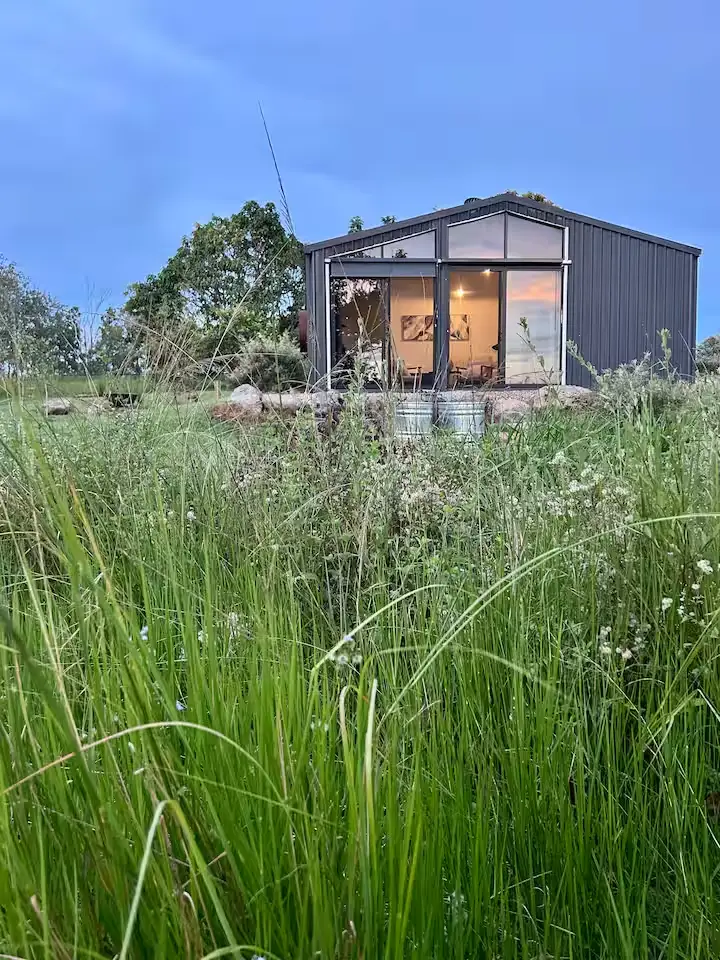
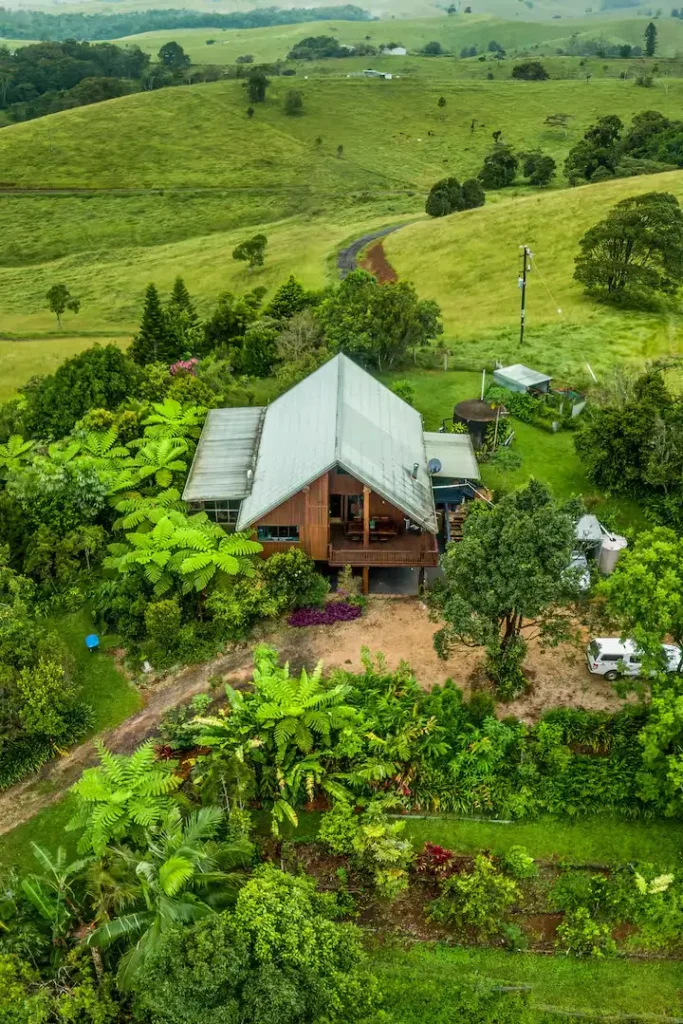
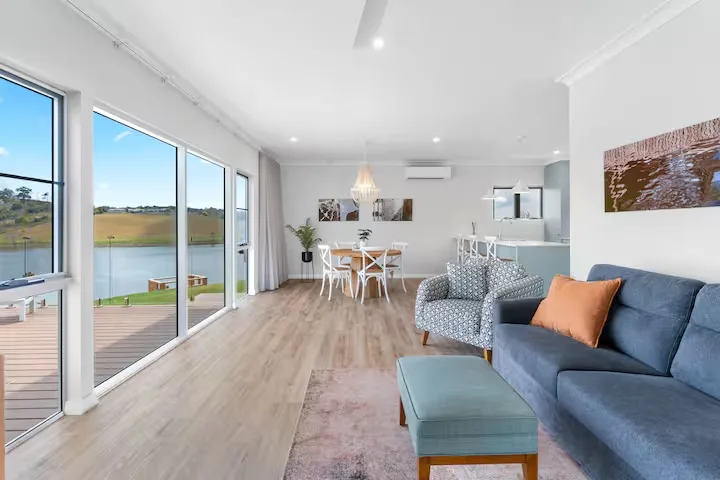
Find below our curated selection of boutique hotels and design apartments that offer exceptional value, atmosphere, and comfort during the off‑season — often at significantly lower rates than peak months.
Uncrowded Experiences & Tours
Skip the lines and experience iconic landmarks at your own pace. Discover curated local tours and cultural activities designed to show you the authentic side of the destination without the peak-season rush.
Handy Tips
Weather & Climate
The region has a tropical climate defined by two distinct seasons. The Wet Season (Summer) brings high heat, humidity, and monsoonal rains. The Dry Season (Winter) is characterized by lower humidity, mild temperatures, and very little rain.
Local Customs And Etiquette
Language: English is the official language.
Safety: The biggest etiquette is safety. Always heed warnings regarding Marine Stingers (Nov-May, wear stinger suits), and Crocodiles (never swim in unapproved waterways or near warning signs).
Tipping: Tipping is not customary in Australia, but it is appreciated for excellent service in restaurants or on tours.
Sun Protection: Australian sun is extremely strong. Always wear a hat, sunglasses, and use SPF 30+ sunscreen.
Budgeting For Your Trip
Accommodation: Hostels ($25–$50), mid-range hotels ($120–$250), luxury ($300+). Prices are significantly higher in the peak season (June-August).
Food: Budget takeaway lunch ($10–$18), dinner at a mid-range restaurant ($30–$55 per person), fine dining ($70+).
Transport: Car rental ($40–$70/day), local bus ticket ($3–$5).
Activities: Outer Reef tour ($180–$300), Skyrail/Scenic Railway combo ($130–$160), Daintree tour ($150+).
Daily Budget:
- Budget: $100–$150 (hostels, self-catered food, public transport/walking).
- Mid-range: $250–$400 (mid-range hotels, restaurants, main attractions).
- Luxury: $450+ (boutique hotels, gourmet meals, private tours).
Getting Around
By Car: Essential for exploring the Atherton Tablelands, the Daintree, and the rainforest areas at your own pace.
By Shuttle/Bus: Shuttle services connect Cairns Airport, Cairns City, and Port Douglas, offering a convenient alternative to driving the scenic Captain Cook Highway.
By Tour: For the Great Barrier Reef and deep Daintree exploration, specialized tours (boat, 4WD) are the most common and safest way to travel.
Must-Try Food
Local Seafood Platter: Featuring fresh prawns, mud crabs, and local fish like Barramundi, caught off the Queensland coast.
Barramundi: A mild, flaky local fish, often served grilled or pan-fried.
Fresh Tropical Fruits: Look for mangoes, lychees, and the local Rambutan (a spiky, sweet fruit) at roadside stalls.
Queensland Beef: Australia is famous for its beef. Try a premium steak from a local producer.
Crocodile Meat: A white, lean meat with a mild flavor, often served in small tasting portions or as a steak.
Kangaroo: A lean, gamey red meat, usually served as a steak or fillet.
Lamington: Australia’s national dessert: a square sponge cake dipped in chocolate and covered in desiccated coconut.
Aussie Meat Pie: A handheld savory pie, typically filled with minced meat and gravy, perfect for a quick lunch.
Macadamia Nuts: Native to Australia, these creamy, buttery nuts are often sold fresh from Tablelands farms.
Pavlova: A meringue-based dessert with a crisp crust and soft, light inside, topped with whipped cream and fresh tropical fruits.
Must-Try Drinks
Aussie Craft Beer: Many local breweries in the region offer light, refreshing lagers and pale ales, perfect for the tropical heat.
Bundaberg Rum: A famous dark rum from Queensland, often mixed with cola.
Wines from the Granite Belt (QLD): Although not local to the TNQ region, Queensland-produced wine is available, with the cooler Granite Belt specializing in white and sparkling varieties.
Tropical Fruit Smoothies/Juices: Made with the abundant local produce (mango, passionfruit, pineapple).
Ginger Beer: A popular, non-alcoholic, naturally fermented, and spicy soft drink.
Iced Coffee: A refreshing blend of coffee, milk, ice, and often topped with ice cream or whipped cream.
Lemon Lime & Bitters: A non-alcoholic blend of lemonade, lime cordial, and Angostura bitters.
Cane Spirit: A clear spirit distilled from sugarcane, similar to white rum.
Espresso Martini: A popular choice in the chic bars of Port Douglas and Cairns.
Local Coffee: The Atherton Tablelands region is home to several coffee plantations producing high-quality Arabica beans.