 Skip to content
- Why Should I Visit The Red Centre During The Shoulder Season?
The shoulder seasons bring mild, sunny days and cool, crisp nights that are absolutely perfect for hiking around Uluru, walking Kings Canyon rim, or sleeping under the stars without the brutal summer heat exceeding 40 degrees.
The trade-off is that temperatures can vary dramatically between day and night, sometimes swinging 15 to 20 degrees. You will need to pack layers and be prepared for a chilly sunrise followed by a warm afternoon. For savvy travelers, this is a small price for avoiding the oppressive summer furnace.
- How Much Can I Save On Uluru Resorts During The Low Season?
You can often unlock discounts of 25% to 45% on accommodation within Yulara, the resort town at Uluru's doorstep. Because the summer heat drives most international visitors away, hotels and glamping sites drop their rates significantly to attract smart travelers like you.
The honest drawback is that some outdoor experiences like camel rides or sunset barbecue tours may run less frequently. However, the money saved on your room can easily fund a scenic helicopter flight over Kata Tjuta, an experience that peak season visitors pay a fortune to enjoy with hundreds of others.
- Is The Heat Bearable For Walking Around Uluru Base?
During the shoulder months, absolutely yes. The 10-kilometre base walk of Uluru becomes a genuinely enjoyable experience when temperatures sit in the pleasant mid-20s to low-30s range, rather than the scorching 40-plus degrees of the Australian summer.
The potential drawback is that there is almost no shade on the walk, so sun protection remains essential. The positive spin is that the softer, golden light of the shoulder seasons makes the rock's colours explode in ways that harsh summer sun simply cannot achieve, creating unforgettable photographs at every turn.
- Will Flights And Road Trips Be Affected By Weather Off-Season?
Rarely, and this is the Red Centre's hidden advantage. Unlike coastal regions that deal with cyclones or southern states with fog, the interior desert experiences stable weather patterns year-round. Flight cancellations due to weather are extremely uncommon in Alice Springs or Uluru.
The honest caveat is that summer storms can occasionally cause flash flooding on unsealed roads leading to remote gorges. However, all major highways and sealed roads remain open, and reputable tour operators monitor conditions closely. For most travelers sticking to main routes, the off-season presents zero transport issues.
- Is The Field Of Light Uluru Installation Still Running Off-Season?
Yes, the famous Field of Light installation operates every single night of the year regardless of season. Bruce Munro's breathtaking solar-powered artwork continues to bloom across the desert floor as darkness falls, offering the same magical experience whether you visit in high season or low season.
The only drawback is that the cooler shoulder season nights mean you will want to bring a warm jacket for the viewing platform. The incredible upside is that you will share this spiritual experience with far fewer people, often having wide sections of the viewing path to yourselves rather than shuffling along in a crowded line.

Home > Exploit The Seasons > Seasonal World Map > Oceania > Australia > Australia ‘Red Centre’
THE 'RED CENTRE'
The Red Centre reveals its soul when summer heat empties car parks and winter crowds melt away. This guide unlocks the quiet desert calendar for Uluru at sunrise without selfie sticks and canyon walks with only dingo tracks beside you.
Smart Travel Calendar
Shoulder Season
Your Smartest Windows
March to April – Summer heat breaks, autumn colours tint the spinifex
September to October – Spring wildflowers bloom, days are warm, nights are cool
Avoid: Australian school holidays (mid-April for 2 weeks, late September for 2 weeks) when Alice Springs motels spike prices by 50-70% and Uluru accommodation sells out 6 weeks ahead
What the Sky Does
March/September averages: Uluru 28°C (82°F) days, 14°C (57°F) nights – genuinely perfect
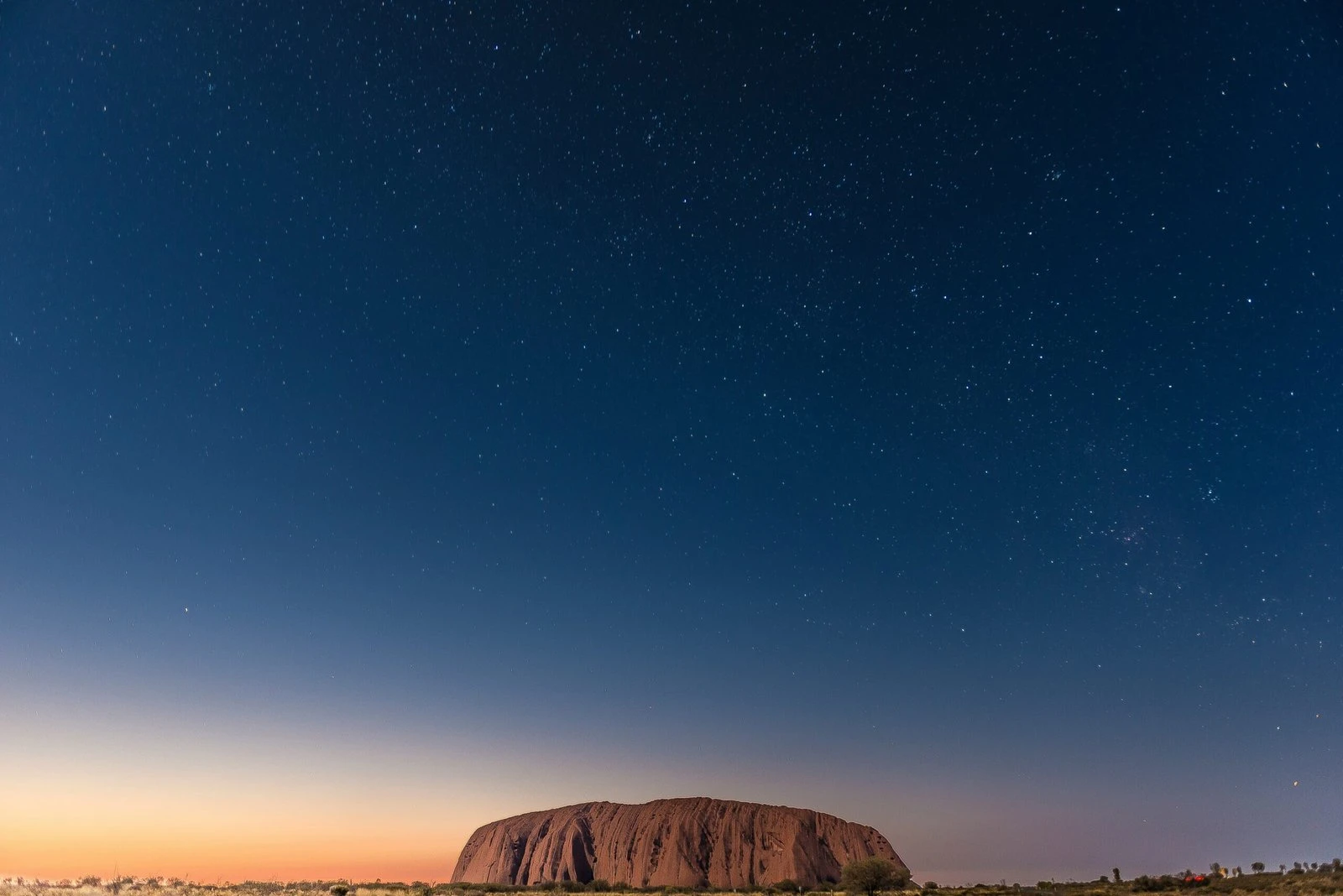
Autumn brings stable air with no thunderstorms – the Milky Way appears razor-sharp every night
September means wattle trees and desert oaks in flower – rare colour across red landscapes
Humidity stays below 20% – your sweat evaporates instantly, making heat feel 5°C cooler
How Empty It Feels
45-55% fewer tourists compared to peak winter (June–August)
The Uluru base walk has quiet stretches – you’ll walk ten minutes without seeing another person
Kata Tjuta’s Valley of the Winds has parking available at 10 AM – unheard of in peak season
Kings Canyon Resort’s bar has seats with a view instead of a crowded scrum
What You’ll Save
Uluru hotels drop 30-40% from July peak rates – Sails in the Desert becomes reasonable
Flights to Ayers Rock Airport (AYQ) cost 35-45% less than winter school holidays
Campervan and 4WD rentals reduce 40-50% – upgrade to a LandCruiser for sedan money
Field of Light Uluru has same price but unlimited same-day bookings – no planning required
The Secret Perk
The Camel Cup in Alice Springs (March) – bizarre outback fun with zero international tourists
Rare desert wildflowers carpet the ground after late summer rain – a once-in-years spectacle
The Milky Way arches directly over Uluru from horizon to horizon – astrophotography heaven
Aboriginal cultural tours run longer because guides aren’t rushing between back-to-back groups
The temperature sweet spot means you can hike at midday – something impossible in summer or winter
The Tiny Trade-Off
March can still have a heatwave day hitting 38°C (100°F) – pack a wide hat and start hikes at dawn
October afternoons feel warm (32°C/90°F) but dry shade makes it manageable
Some tour operators reduce frequency in April before the winter ramp-up resumes
Flies are still present – bring a head net or you’ll learn why locals call them “bush confetti”
Smart Traveler Tip
Target the first three weeks of September or the last two weeks of March for flawless conditions
Fly into Alice Springs and out of Ayers Rock (or reverse) to avoid backtracking
Book your Uluru sunset viewing spot arrives 60 minutes before sunset – peak season needs 120 minutes
Avoid the week before and after Easter entirely – that’s when domestic crowds surge
Deep Off-Season
Your Smartest Windows
November to February – Summer in the desert: scorching days, spectacular storms, and zero crowds
May to June – The “pre-peak” window after heat breaks but before school holidays arrive
Avoid: Christmas and New Year (December 20–January 5) – prices rise 40-60% despite the heat because Australians road-trip to “see the rock”
What the Sky Does
January averages: Uluru 38°C (100°F) days, 22°C (72°F) nights; Alice Springs 36°C (97°F) days
Summer means afternoon thunderstorms that transform the desert into temporary wetlands – dramatic skies and roaring waterfalls at Uluru
May brings crisp mornings (5-10°C / 41-50°F) and perfect hiking days (22-25°C / 72-77°F)
June nights can drop below freezing (0°C / 32°F) while days stay pleasant – pack everything
Humidity remains low year-round so 38°C feels more like 32°C in Sydney – dry heat is manageable
How Empty It Feels
70-85% fewer tourists than July peak – you’ll feel like you own the national park
Uluru base walk sees five people per hour instead of five hundred – count the dingo tracks, not footprints
The cultural centre has no queue for information – rangers give you 20-minute private consultations
Kings Canyon’s rim walk feels genuinely solitary – your car might be the only one in the carpark
Local roadhouses (remote gas stations) become social hubs where travellers share stories
What You’ll Save
Save 60-75% on flights from Sydney, Melbourne, and Brisbane compared to July peak
Uluru accommodation drops 65-80% – stay at Sails in the Desert for backpacker prices
Campervan rentals hit annual lows at 60-70% off – long-term discounts for 2+ weeks
Tour operators offer “summer survival” packages with 40-50% off including extra water and earlier start times
Entry to Uluru-Kata Tjuta National Park remains $38 AUD for 3 days – but the experience is priceless with fewer people
The Secret Perk
Watch Uluru waterfall – after summer rain, the rock transforms into a cascading wonder, seen only a few times per year
Swim at Ellery Creek Big Hole (MacDonnell Ranges) with zero crowd – a waterhole all to yourself
Stargazing without tour groups – lie on your campervan roof and see the Southern Cross alone
Genuine local connections – pub owners in Alice Springs have time for two-hour chats about outback life
The “desert blooms” after cyclones push rain inland – a carpet of wildflowers that happens once a decade
Todd River flows (rarely) in summer – locals come out to watch the “river” that’s usually bone dry
The Tiny Trade-Off
Midday hiking is dangerous (November–February) – plan all activities for sunrise (6-9 AM) and late afternoon (4-7 PM)
Some outback roadhouse restaurants reduce hours or close for annual leave in January
The heat means flies are relentless – a head net is mandatory, not optional
Flights can be cancelled by afternoon thunderstorms – build buffer days into your itinerary
Daylight starts early (5:30 AM) and ends late (7:30 PM) in summer – good for avoiding heat, bad for sleep schedules
Smart Traveler Tip
The absolute best value window is early February – Christmas crowds gone, flights bottom out, waterfalls still flowing from monsoon rains
For cooler temperatures with off-season prices, target May – winter crowds haven’t arrived yet but days are perfect for hiking
Pack for temperature swings of 25°C+ (45°F+) – shorts and t-shirts for day, fleece and beanie for night
Start every activity at sunrise (5:30 AM in summer) – hike from 6-9 AM, then siesta through midday heat
Book refundable accommodations and avoid non-refundable rates – summer storms can delay flights by 24-48 hours
The quietest month is February – international tourists assume it’s too hot (it’s fine if you’re smart)
Find Off-Peak Flights
Uncrowded Experiences & Tours
Skip the lines and experience iconic landmarks at your own pace. Discover curated local tours and cultural activities designed to show you the authentic side of the destination without the peak-season rush.
Handy Tips
Weather & Climate
The climate is semi-arid/desert. Summers (Nov-Mar) are intensely hot, with temperatures often over 40ºC and occasional heavy rains. Winters (Jun-Aug) are mild and sunny during the day, but nights are often freezing, dropping to 0ºC or below.
Local Customs And Etiquette
Respecting Sacred Sites: Always observe signs indicating areas where photography is forbidden or where walks are discouraged due to cultural sensitivity (e.g., certain areas of Uluru).
Indigenous Engagement: Be respectful when interacting with Anangu people. Always ask permission before taking a photo. Support local communities by purchasing art from reputable cultural centres.
Water & Safety: The desert sun is intense. Carry and drink plenty of water (at least 3-4 litres per person per day) and wear a hat and sunscreen.
Budgeting For Your Trip
Accommodation: Hostels ($30–$55), mid-range hotels ($120–$200), luxury resorts ($250+). Prices are higher near Uluru.
Food: Casual café lunch ($15–$25), dinner at a mid-range restaurant ($30–$55 per person), fine dining ($70+).
Transport: 4WD Car Rental ($60–$150/day – essential for some remote areas), bus transfer (Alice Springs to Uluru $100+ one-way).
Activities: Uluru-Kata Tjuta National Park Entry ($38/person for 3 days), guided cultural tours ($100+), hot air ballooning ($350+).
Daily Budget:
- Budget: $100–$150 (hostels, self-catering/basic food, shuttle transport).
- Mid-range: $200–$350 (mid-range hotels, restaurants, essential tours).
- Luxury: $400+ (premium accommodation, scenic flights, private tours).
Getting Around
By Car: A car is highly recommended for flexibility, especially to explore the MacDonnell Ranges and get between Alice Springs and Kings Canyon. Allow plenty of time and be aware of fuel stops.
By Air: Flights connect major cities to Alice Springs and Ayers Rock (Uluru) Airport (AYQ).
By Tour/Bus: Various tour operators run air-conditioned coaches and guided tours from Alice Springs to Uluru, Kings Canyon, and other major sites.
Must-Try Food
Kangaroo Steak: A lean, gamey meat often served with native spices or bush tomato relish.
Barramundi: A large, flaky white fish, often served grilled.
Bush Tucker Pizza: A pizza topped with local ingredients like emu, crocodile, or native herbs.
Emu Fillet: A very lean red meat, usually served thinly sliced.
Crocodile: Often served as a light, slightly gamey stir-fry or skewer.
Witchetty Grub: A traditional staple of the local Indigenous diet (usually roasted).
Damper: A traditional soda bread, cooked in the ashes of a fire, often served with golden syrup.
Bush Tomato: A native fruit, intensely flavoured and used in sauces, jams, and relishes.
Quandong Pie: A tart made from the native Australian peach (the Quandong).
Wattle Seed: Roasted and ground, it adds a nutty, coffee-like flavour to desserts and bread.
Must-Try Drinks
Australian Beer: A wide variety of classic lagers and craft beers (e.g., XXXX Gold, Coopers Pale Ale).
Aussie Red Wine: Shiraz, in particular, is excellent, often full-bodied and robust.
Lemon Squash: A refreshing, sweet and sour soft drink popular in summer.
Iced Coffee/Iced Chocolate: A classic, indulgent Australian cafe drink, often served with a scoop of ice cream.
Billy Tea: A traditional tea made over a campfire, often infused with native leaves like Gum Leaf.
Ginger Beer: Non-alcoholic, spicy, and very refreshing in the heat.
Native Cocktails: Cocktails infused with local ingredients like Kakadu Plum or Wattleseed liqueur.
Bundaberg Rum: A famous dark rum from Queensland, often mixed with coke.
Flat White: The classic Australian coffee.
Milkshakes: Thick and often very sweet, a perfect cool-down treat.