 Skip to content
- Is The Australian Weather Terrible During The Off-Season?
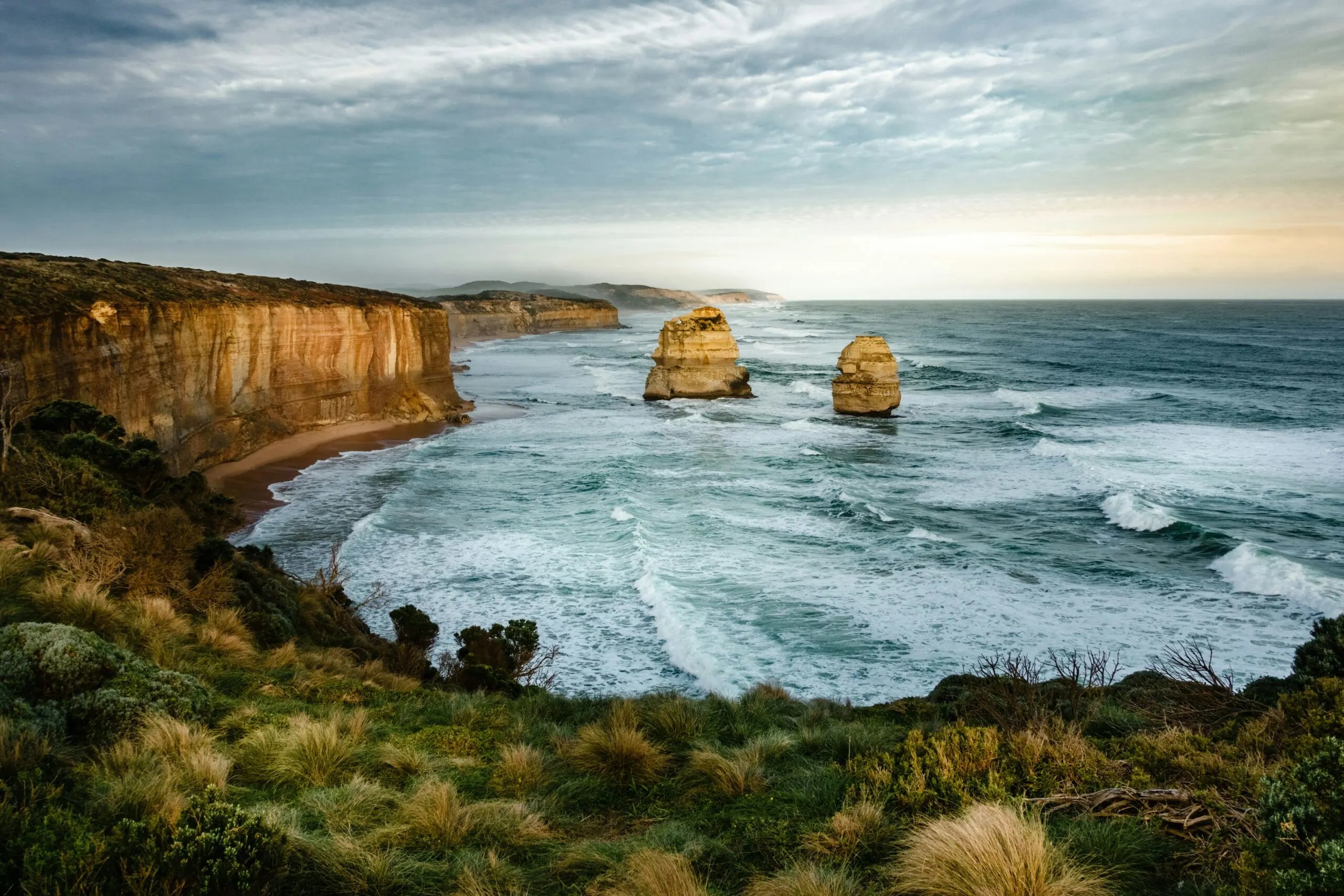
No, not at all. "Terrible" is the wrong word; think "dynamic." Australia’s off-season (typically Mar-Oct) is actually the dry season in the tropical north, meaning sunny skies and perfect temperatures for exploring places like Kakadu. The south does get cooler and wetter, which is when you can "Exploit Travel Seasonality" to enjoy cozy city cafes and dramatic storm-watching along the Great Ocean Road.
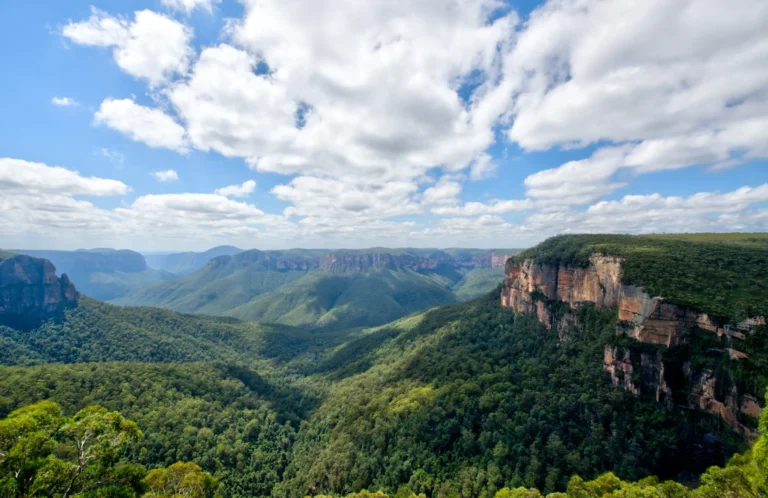
Yes, you will need a jacket in Sydney or Melbourne. However, this cooler weather makes hiking in places like the Blue Mountains or Cradle Mountain much more comfortable than in summer. Plus, you will see lush, green landscapes that peak-season travelers miss entirely.
- Will I Save Real Money Or Just A Few Dollars?
Yes, you will save significantly. Accommodation and domestic flight prices across Australia drop by 30-50% during the off-season, meaning your travel budget stretches much further. You can easily upgrade to a higher-tier hotel or add that scenic flight over the Whitsundays for the same price as a basic room in peak season.
Think of it as getting premium value for a standard price. You are not just saving money; you are re-investing that 30-40% discount into better experiences, longer stays, or unique tours.
- Will The Famous Beaches And Parks Be Closed?
No, the beaches and national parks remain open, but the experience changes. The iconic beaches like Bondi or Surfers Paradise are quieter and less guarded, so you must be more cautious with rips, but you will often have the sand almost to yourself. National parks swap swimming for stunning waterfall viewing after rains.
The drawdown is that some ferry services to remote islands (like the Whitsundays) run on a reduced schedule, and a few coastal kiosks may close. However, the trade-off is escaping the "human gridlock" of peak season.
- Aren’t The Crowds Still Everywhere In The Cities?
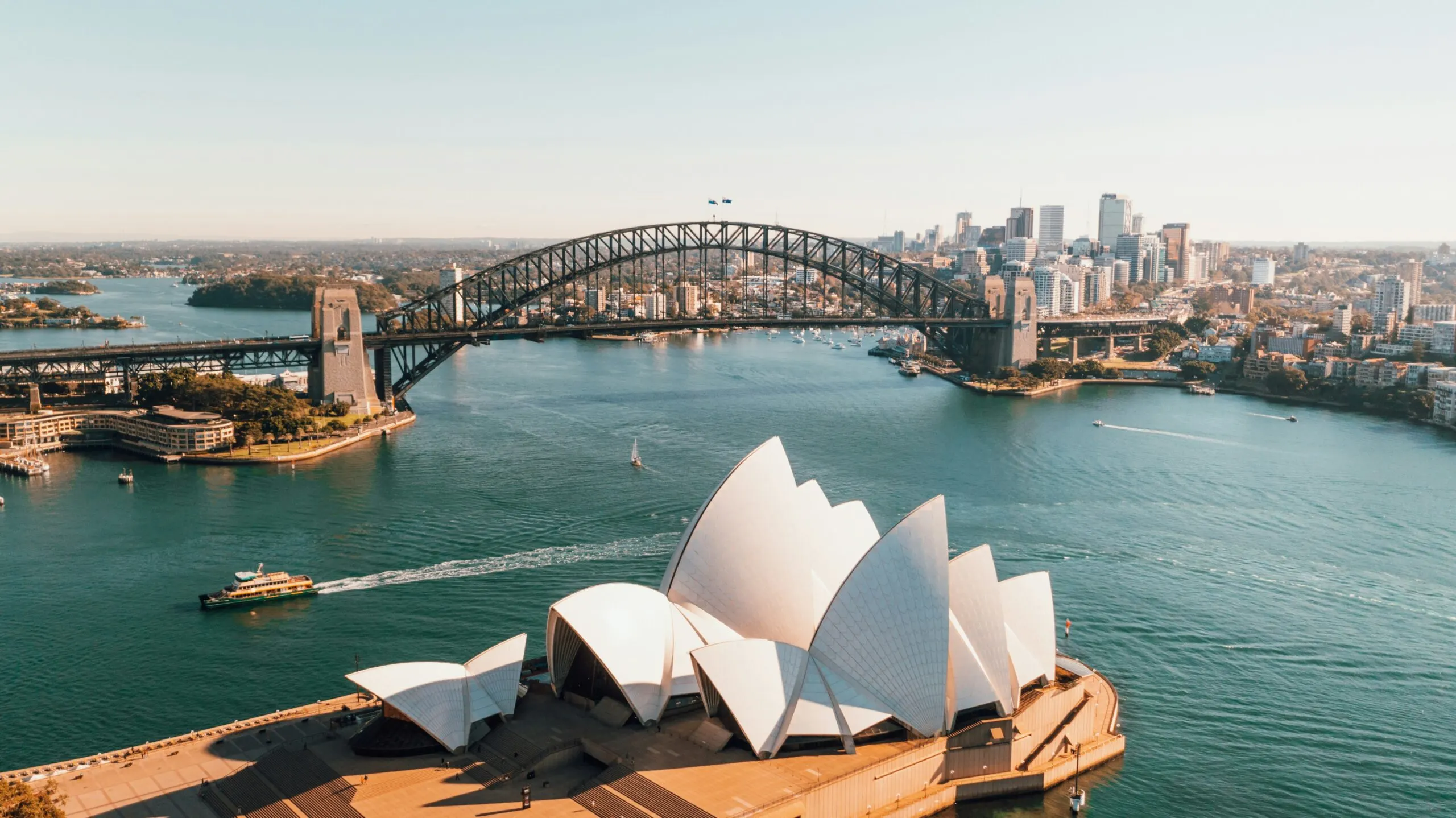
No, the city crowds thin out dramatically. You can visit the Sydney Opera House, Melbourne’s laneways, or Brisbane’s South Bank without the peak-season elbow-to-elbow shuffle. Wait times for popular restaurants and attractions like the Taronga Zoo can be 60-70% shorter, which feels like a secret VIP pass.
The only exception is during school holidays (July), when domestic travel picks up. But compared to the December-January chaos of international tourists and cruise ships, the off-season offers a much more relaxed and authentic Aussie city vibe. You can truly "Exploit Travel Seasonality" here for a calmer adventure.
- Is Getting Around The Country A Problem In Low Season?
Yes, some logistics require extra planning. Domestic flights are still plentiful and cheaper (often 20-30% less), but road trips in southern regions like Victoria or Tasmania demand caution for fog, ice, or heavy rain. The real win is that rental car prices also drop by nearly 40%, so your freedom to roam costs less.
The key is to be flexible. While a tropical cyclone could affect the far north, or a cold snap might hit the south, these events are rare. For most travelers, the low season means empty highways and last-minute campervan deals.

Home > Exploit The Seasons > Seasonal World Map > Oceania > Australia
AUSTRALIA
Australia shifts from the tropical monsoon to the alpine chill, offering empty red centre tracks and uncrowded surf breaks. This guide unlocks the quiet calendar for genuine local moments and serious savings without the peak season price tag.
Smart Travel Calendar
Why Choose Australia Off-Season?
Fewer backpackers on the road means you get hostel dorms almost to yourself.
Lower rental car demand means you can score a campervan for half the price.
Wildlife spotting gets easier as kangaroos and koalas become more active in cooler hours.
No queue for selfies at Uluru means sunrise views without fifty other tourists.
Local pub chats replace crowded tours because bartenders actually have time to talk.
Domestic flight deals pop up weekly connecting Melbourne to Cairns without the holiday surcharge.
Shoulder Season
Your Smartest Windows
March to April – Autumn across the south, still dry in the tropics
September to October – Spring wildflowers bloom from Perth to Sydney
Avoid: Australian school holidays (mid-April, early July, late September) plus Easter long weekend when caravan parks and coastal motels spike prices by 40-60%
What the Sky Does
March/September averages: Sydney 22°C (72°F), Melbourne 18°C (64°F), Cairns 28°C (82°F)
Australian autumn brings crisp nights and golden light – perfect for outdoor exploring without sweating through your shirt
Spring means unpredictable “four seasons in one day” weather, especially in Melbourne and Adelaide
Tropical north (Darwin, Cairns) stays dry and sunny with lower humidity than summer
How Empty It Feels
40-50% fewer tourists compared to peak summer (December–January)
Major cities like Sydney and Melbourne feel relaxed – Opera House forecourt has open bench space
Coastal hotspots like Byron Bay and the Gold Coast have parking spots available at midday
You can walk right into top restaurants on Friday night without a reservation
What You’ll Save
Flights drop 30-40% and hotels fall 35-50% from December peak rates
Campervan and car rentals cost 40-60% less than summer holiday weeks
National park passes and attraction tickets – no price change, but unlimited availability means no advance booking required
Dining deals and happy hours return as venues compete for locals instead of tourists
The Secret Perk
March brings the Melbourne Food & Wine Festival without the summer chaos
Spring transforms Western Australia into a carpet of 12,000 wildflower species
Whale migration peaks along the east coast (September–October) from Hervey Bay to Eden
The golden hour light becomes legendary – photographers call it “Australia’s soft focus season”
You’ll chat with farmers at country markets instead of elbowing through souvenir stalls
The Tiny Trade-Off
Some coastal kiosks and small tour operators close in April and October between rushes
A few rainy days possible in southern capitals – pack a light jacket and flexible plans
Reduced ferry frequency to Rottnest Island and Kangaroo Island outside peak summer
No major trade-offs – shoulder season is genuinely Australia’s best-kept secret
Smart Traveler Tip
For the perfect balance, target late March or early October when school holidays haven’t started yet
Start in the south (Melbourne, Tasmania) early in autumn, then move north as winter approaches
Book campervans at least three weeks ahead – shoulder season still sees local demand
Avoid the week before and after Easter entirely if you want true savings
Deep Off-Season
Your Smartest Windows
May to August – Winter across southern Australia, dry season in the tropical north
Avoid: Winter school holidays (late June to mid-July) when ski fields near Melbourne and Sydney get packed and prices triple for accommodation
What the Sky Does
July averages: Melbourne 12°C (54°F), Sydney 15°C (59°F), Cairns 25°C (77°F). Tasmania drops to 5-10°C (41-50°F)
Southern cities get crisp, clear days with frosty mornings – perfect for city exploring and red wine by the fireplace
The Top End (Darwin, Kakadu) enjoys its dry season with blue skies and zero humidity
The Red Centre (Uluru, Alice Springs) sees mild days around 20°C (68°F) and cold nights – ideal for hiking
How Empty It Feels
60-75% fewer international tourists than December–February peak
Uluru base walk feels like your own private meditation – you’ll see more kangaroos than people
Museums and galleries (NGV, MONA, Australian Museum) become quiet sanctuaries with no school groups
Small towns along the Great Ocean Road feel genuinely local – the fish and chip shop owner learns your name
What You’ll Save
Save 50-70% on flights from Asia, Europe, and North America compared to Christmas season
Sydney harbour view hotels drop 60-80% from New Year’s Eve premium pricing
Expect 4-star city hotels for the price of backpacker hostels – Melbourne CBD rooms from $80 AUD
Car rentals bottom out at 60-75% off summer rates – upgrade to an SUV for pocket change
The Secret Perk
Cozy up in Melbourne’s hidden laneway wine bars with $10 mulled wine specials
Hit the snowfields around Thredbo and Perisher – Australia’s ski season runs June to August
Swim with whale sharks at Ningaloo Reef (June–July) with half the tour boats empty
Truffle season in Western Australia (June–August) – join a truffle hunt followed by a long lunch
Locals actually welcome conversations because they’re not exhausted by tourist crowds
The Tiny Trade-Off
Beach swimming is too cold in the south (Sydney to Perth) unless you wear a wetsuit
Nightlife outside of major cities winds down – clubs in Byron and Noosa close on weeknights
Some coastal cafes and tour operators shut completely from June to August
Daylight ends around 5:00 PM in July, so plan morning hikes and afternoon museums
Smart Traveler Tip
Avoid the two weeks of winter school holidays (late June to mid-July) – ski villages become mini peak season
The quietest month is August: everyone has returned from ski break, and spring hasn’t started yet
Head north for warmth: Cairns, Darwin, and Broome offer 25°C+ (77°F+) winter days
Pack in layers – Uluru can swing from -2°C (28°F) at night to 22°C (72°F) by midday
Tasmania is magical but brutal in July – bring thermals, gloves, and a waterproof shell
Find Off-Peak Flights
FAQs
Explore Australia
Essential Trip Information
Visa and Entry Requirements
Australia has strict border policies. Most travelers need to apply for a visa before arrival.
Check your eligibility and apply through the official site: immi.homeaffairs.gov.au
Common options include:
- eVisitor (subclass 651) for EU nationals (free).
- ETA (subclass 601) for eligible countries (US$15).
- Visitor Visa (subclass 600) for others.
Passport must be valid for at least six months beyond your stay.
Be ready to show proof of onward travel, accommodation, and sufficient funds.
Australia has strict biosecurity rules—declare all food, plant, and animal items.
Currency
Australia uses the Australian Dollar (A$). Notes: A$5, A$10, A$20, A$50, A$100. Coins: 5¢ to A$2.
Best Ways to Handle Currency
Before Your Trip: Exchange some cash; ATMs at arrival airports often have better rates than booths.
During Your Trip: Use ATMs at major banks (Commonwealth, Westpac). Credit cards (Visa/Mastercard) are widely accepted. Carry A$20–50 for small transactions.
What to Avoid: Airport exchange kiosks and dynamic currency conversion (always choose AUD).
Price Level
Australia is moderately expensive, especially in big cities like Sydney and Melbourne.
Accommodation
Budget: Hostels/motels (US$40–80/night)
Mid-range: Hotels, guesthouses (US$120–200/night)
Luxury: Boutique or chain hotels (US$250+/night)
Food
Quick bites: Cafés, takeaways (US$10–15)
Casual dining: US$20–35/person
Fine dining: US$60+/person
Drinks
Beer: US$6–9 (bars), US$2–4 (bottle shops)
Cocktails: US$12–18
Transportation
Public transport: US$2–5/trip (Opal/Myki cards needed)
Uber/taxis: US$15–40 for short trips
Rental cars: US$40–70/day
Money-Saving Tips
Use public transport cards (Opal in Sydney, Myki in Melbourne).
Visit free attractions like beaches, national parks, and museums.
Explore vibrant local food scenes at food markets (e.g., Queen Victoria Market).
Language
English is the official language.
Aussie slang is common—don’t be surprised by phrases like “no worries,” “arvo,” or “mate.”
Helpful phrases: “Where’s the nearest…?”, “How much is this?”, “Thanks heaps!”
Safety & Security
Very safe country for tourists.
Exercise caution in remote areas, especially when hiking or driving long distances.
Petty theft is rare but still stay alert in busy areas.
Emergency number: 000
Health & Insurance
No special vaccinations required.
Travel insurance strongly recommended (healthcare is excellent but expensive for non-residents).
Pharmacies are widespread. Tap water is safe to drink.
Transportation
Domestic flights are common due to the country’s size (Qantas, Virgin, Jetstar).
Trains and buses connect major cities and towns (NSW TrainLink, Greyhound).
Driving offers freedom—roads are well-maintained but distances can be vast.
In cities: public transport is efficient, but not 24/7.
Walking and biking are safe in urban centers.
Planning Your Trip
Local Customs And Etiquette
Tipping: Not expected but appreciated (10% in restaurants).
Greetings: Casual (“G’day!”), handshakes common.
Beach Culture: Follow surf etiquette (locals take priority).
Indigenous Culture: Respect sacred sites (e.g., Uluru climbing banned).
Environmental Care: Strict biosecurity laws—declare all food/plants on arrival.
Smoking/Vaping: Banned in many public places. Look for designated zones.
Budgeting For Your Trip
Australia can be pricey, but planning helps.
Accommodation: Hostels: US$25–60, Hotels: US$120–250, Luxury: US$350+.
Food:
- Cafés/fast food: US$10–15, casual dining: US$20–35, fine dining: US$80+ per person.
- Tipping is not expected but appreciated in upscale restaurants.
Transport:
- Metro/buses: US$2.50–4/ride, rideshare: US$10–25, intercity flights: US$50–200.
Activities:
- Many beaches, hikes, and museums are free.
- Wildlife parks: US$25–40, guided tours: US$50–100+.
Daily Budget:
Budget: US$70–120 (hostels, public transport, cheap eats).
Mid-range: US$150–250 (hotels, mix of paid/free activities).
Luxury: US$350+ (premium stays, gourmet dining, private tours).
Internet & Mobile
Free Wi-Fi: Limited—available in cafes, libraries.
SIM Cards: Telstra (best coverage), Optus (cheaper). Prepaid plans ~US$20–40 for 10GB.
eSIMs: Supported (Airalo, local providers).
Travel Insurance
Essential for: Medical emergencies (healthcare costly for foreigners).
Adventure coverage: Needed for diving, hiking, remote travel.
Flight delays: Common due to distance/weather.
Pro Tip: Pack for all climates—Australia can swing from desert heat to alpine chill!
Accomodation Options
Hotels:
- Luxury: Crown Towers (Melbourne), Qualia (Whitsundays).
- Mid-range: Ibis, Mercure (city centers).
- Budget: Motel chains (e.g., Big4 Holiday Parks).
Hostels:
- Base, YHA for backpackers (Sydney, Cairns).
Airbnb/VRBO:
- Great for groups (try Byron Bay, Blue Mountains).
Unique Stays:
- Wilderness lodges (Kangaroo Island), beachfront glamping (NSW).
Tip: Book ahead for peak seasons (Dec–Jan, Easter).
Getting Around
Australia’s distances are vast—plan transport wisely.
Domestic Flights:
- Qantas, Jetstar, Virgin Australia connect major cities (e.g., Sydney–Melbourne from US$50).
- Essential for long distances (e.g., Sydney to Perth).
Trains:
- Scenic routes only (e.g., Indian Pacific, Sydney–Melbourne). Slow but picturesque.
Buses:
- Greyhound Australia for budget coast travel (e.g., Brisbane–Cairns).
Car Rentals:
- Best for flexibility (US$30–80/day). Drive on the left!
- Campervans popular for coastal road trips (Great Ocean Road, East Coast).
Public Transport:
- Major cities have trains/trams (Opal Card in Sydney, Myki in Melbourne).
- Uber/Taxis widely available but expensive in remote areas.
Ferries:
- Key for islands (e.g., Whitsundays, Tasmania).