 Skip to content



- Why Should I Visit New South Wales During The Shoulder Season?
The shoulder seasons bring mild, sunny days ideal for coastal walks, wine tasting in the Hunter Valley, and exploring the Blue Mountains without the summer heatwaves or winter chills.
The trade-off is that the weather can be slightly unpredictable, with a chance of a rainy day or two during your trip. However, the dramatic skies make for stunning photography at Bondi Beach or the Three Sisters, and the thinner crowds at major attractions more than compensate for packing a light jacket.
- How Much Can I Save On Accommodation In Sydney During The Low Season?
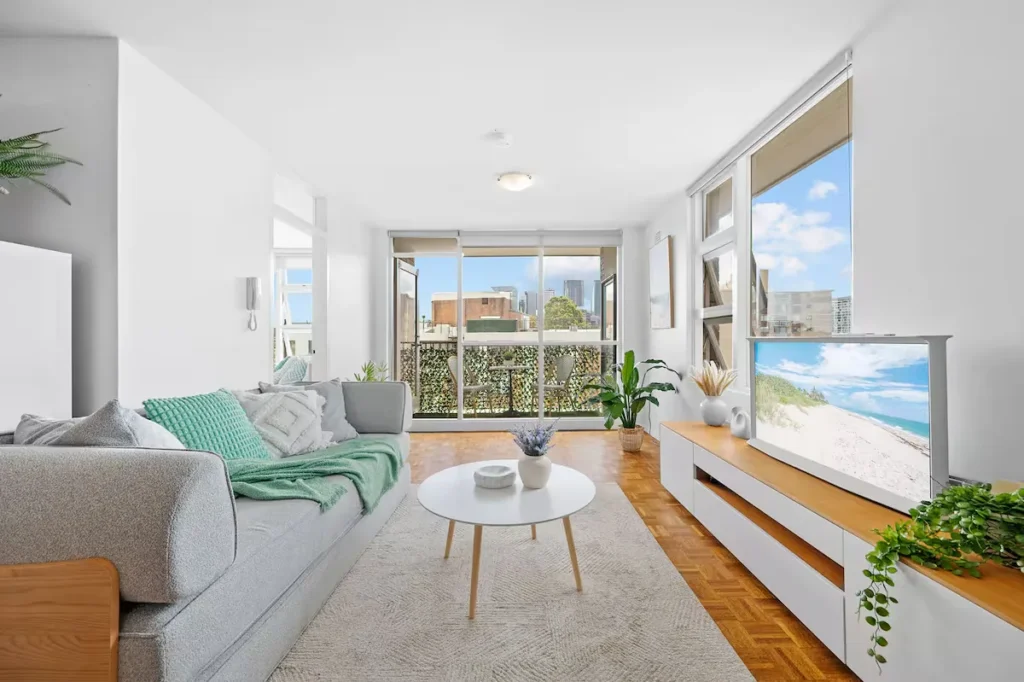
You can often unlock discounts of 30% to 50% on hotels and serviced apartments compared to peak summer and holiday rates. This is where Volomundi's concept of "Smart Travel" truly shines, allowing you to stay in harbour-view rooms or trendy Surry Hills boutiques that would normally break your budget.
The honest drawback is that some beachfront cafes and smaller tour operators reduce their hours. The positive spin is that the money you save on lodging can be spent on unforgettable experiences like a seaplane flight to the Hawkesbury River or a private surfing lesson at Manly Beach.
- Is The Weather Still Good For Hiking In The Blue Mountains?
Yes, absolutely, and many locals argue it is actually better. During the shoulder seasons, the temperatures are cooler and far more comfortable for tackling the Grand Canyon Walk or the Three Sisters trails, with none of the oppressive summer humidity or winter frost on the cliff edges.
The potential drawback is that fog can occasionally roll into the valleys, obscuring some viewpoints temporarily. The upside is that this creates a mystical, rainforest-like atmosphere, and the fog typically burns off by mid-morning, leaving you with crystal-clear views and significantly fewer hikers on the trails.
- Are The Beaches Too Cold For Swimming In The Off-Season?
It depends on your tolerance for brisk water, but generally no. The shoulder seasons see ocean temperatures that are still perfectly swimmable for most global travelers, especially if you are active and get your heart rate up with a walk along the Bondi to Coogee coastal path first.
The honest caveat is that you will not find the bathtub-warm waters of February. However, the beaches are gloriously uncrowded, meaning you can actually find parking, spread out your towel, and enjoy a peaceful swim without dodging summer tourists or competing for waves with hundreds of surfers.
- Will The Whale Migration Still Be Visible Outside Of Peak Season?
Yes, you can absolutely catch the ends of the whale migration during the shoulder months. The humpbacks travel north between May and July and return south between September and November, meaning savvy off-season visitors often overlap perfectly with these magnificent creatures passing Sydney Heads.
The only drawback is that your sighting window is narrower compared to the absolute peak of the migration. Booking a whale watching cruise early in your trip maximizes your chances, and the quieter boats during off-season mean you will have more railing space for that perfect breach photograph without elbowing other tourists.

Home > Exploit The Seasons > Seasonal World Map > Oceania > Australia > New South Wales
NEW SOUTH WALES
New South Wales wears two faces: Sydney’s harbour buzz and coastal calm stretching to Byron. This guide skips the summer crowds to reveal empty beaches, misty Blue Mountains trails, and genuine local moments without the peak season price surge.
Smart Travel Calendar
Shoulder Season
Your Smartest Windows
March to April – After summer heat breaks, before winter chill arrives
September to October – Spring blossoms, whale migration, and wildflower season
Avoid: NSW school holidays (mid-April for 2 weeks, early July for 2 weeks, late September for 2 weeks) plus Easter long weekend – coastal Airbnbs triple in price
What the Sky Does
March/September averages: Sydney 22°C (72°F), Byron Bay 24°C (75°F), Blue Mountains 16°C (61°F)
Autumn brings warm ocean water (still 22°C/72°F in March) with cooler air – perfect swimming weather
Spring delivers “Sydney sprinkles” – brief showers that clear fast, leaving rainbow-filled skies
The South Coast stays mild while the North Coast remains dry – ideal for driving both directions
How Empty It Feels
45-55% fewer tourists compared to peak summer (December–January)
Bondi Beach has towel space – you’ll find a spot without stepping over strangers
The Bondi to Coogee coastal walk feels meditative instead of a crowded obstacle course
Taronga Zoo has quiet animal viewing – the koalas actually get sleep without screaming kids
What You’ll Save
Sydney hotels drop 35-45% from New Year’s Eve premium pricing
Flights into Sydney Airport cost 30-40% less than Christmas school holidays
Car rentals from Sydney to Byron reduce 45-55% – upgrade to a convertible for fun
Harbour Bridge Climb and Taronga Zoo offer same prices but unlimited same-day bookings
The Secret Perk
March brings the Sydney WorldPride or Mardi Gras overflow (check dates) – incredible energy without January chaos
Whale watching peaks in October as humpbacks pause in Sydney Harbour on their southbound journey
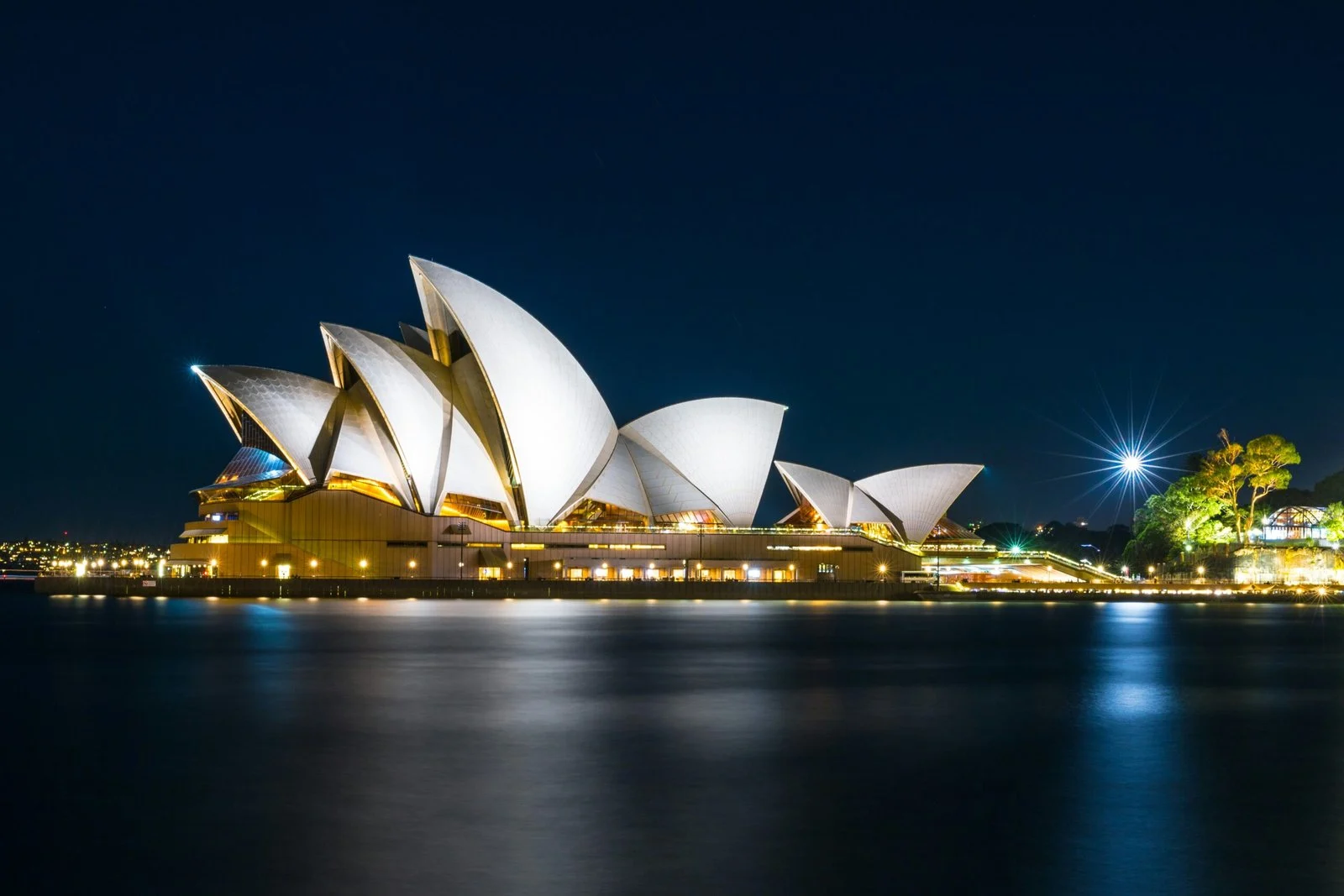
Autumn light turns the Opera House sails golden-pink at sunset – photographers’ dream
Farmers markets in the Southern Highlands overflow with apples, pears, and truffles
Locals reclaim the beaches – you’ll learn the best hidden coves from someone who grew up here
The Tiny Trade-Off
Some small coastal kiosks between Sydney and Byron close in April after Easter
A few rainy days possible in April and October – pack a light jacket and flexible attitude
Outdoor cinemas shut down after March (summer-only attraction)
April school holidays create a two-week price spike – avoid those exact dates
Smart Traveler Tip
Target the first three weeks of March or the last two weeks of October for flawless conditions
Base yourself in Paddington or Surry Hills instead of the CBD – lower rates, better cafes
Book a South Coast road trip (Jervis Bay to Eden) in April – autumn colours are spectacular
Avoid the week before Easter and the week after entirely – that’s when prices jump 50%
Deep Off-Season
Your Smartest Windows
May to August – Winter across NSW, from snowy Blue Mountains to mild northern beaches
Avoid: Winter school holidays (late June to mid-July) when Thredbo and Perisher ski fields become packed and Jindabyne accommodation triples in price
What the Sky Does
July averages: Sydney 16°C (61°F), Byron Bay 19°C (66°F), Blue Mountains 8°C (46°F), Snowy Mountains -1°C (30°F)
Sydney winter means crisp, sunny days with 7-8 hours of blue sky – better weather than humid summer
The North Coast (Byron, Coffs Harbour) stays mild enough for beach walks, just not swimming without a wetsuit
Rainfall is actually lower in winter than summer for most of NSW – fewer afternoon storms
How Empty It Feels
65-75% fewer international tourists than December–February peak
Circular Quay and The Rocks feel like a local secret – you’ll hear more Aussie accents than foreign languages
The Blue Mountains Three Sisters lookout has space to lean on the railing and just breathe
Small towns like Berry, Kangaroo Valley, and Mudgee feel genuinely community-owned
What You’ll Save
Save 55-70% on flights from Europe, Asia, and North America compared to December
Sydney harbour-view rooms drop 65-75% – the Park Hyatt becomes almost reasonable
Car rentals bottom out at 60-70% off summer rates – drive a campervan for sedan prices
Hunter Valley wine tours offer “winter warming” packages with 30% off including lunch
The Secret Perk
Cozy up in Sydney’s hidden basement bars with $15 mulled wine or whisky by a fireplace
Hit the slopes at Thredbo or Perisher – NSW has Australia’s best skiing from June to August
Whale watching continues into June – see mothers with calves in sheltered bays
Truffle season in the Southern Highlands (June–August) – join a truffle hunt with a French chef
Vivid Sydney lights up the city for three weeks in May-June with free installations and smaller crowds
The Tiny Trade-Off
Beach swimming is too cold south of Newcastle without a 4mm wetsuit (Byron Bay is borderline)
Outdoor attractions like the Bondi Icebergs pool are cold – it’s called Icebergs for a reason
Some coastal cafe kiosks close between Sydney and Byron from June to August
Daylight ends around 5:00 PM in June, so start hikes by 9:00 AM to enjoy full light
Smart Traveler Tip
Avoid the two weeks of winter school holidays (late June to mid-July) – ski traffic jams the Snowy Mountains Highway
The quietest month is August: ski crowds have thinned, spring hasn’t started, and Vivid is over
Head north for warmth: Byron Bay and the North Coast offer 19-20°C (66-68°F) winter days
Pack exactly like you’re visiting San Francisco – layers, a waterproof jacket, and a beanie for evenings
The Blue Mountains are magical in winter mist – but book accommodation with a fireplace
Find Off-Peak Flights
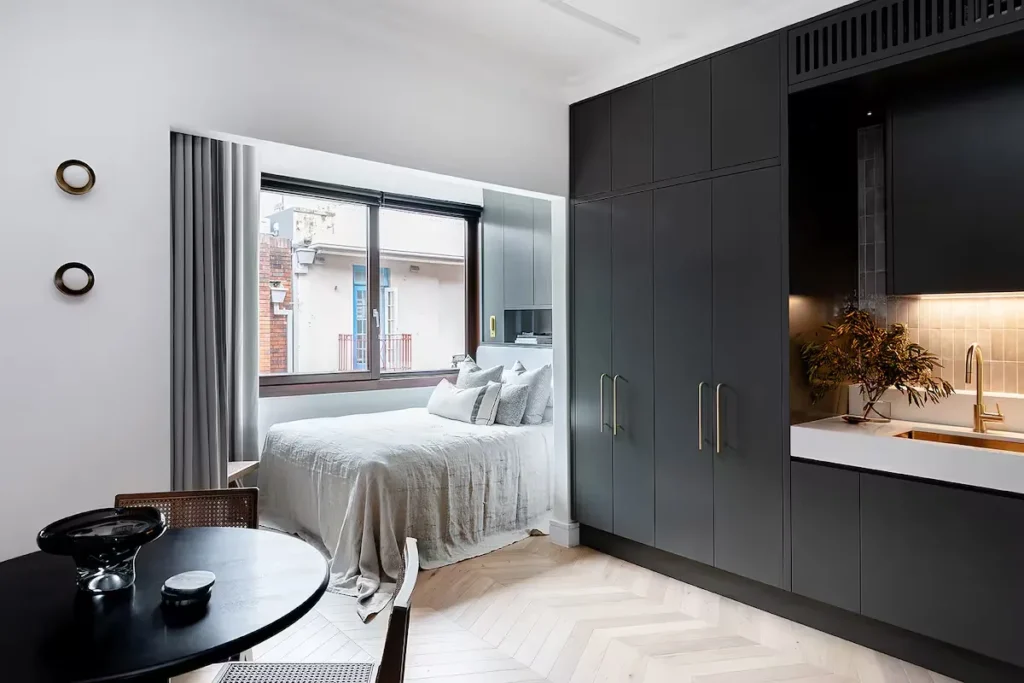
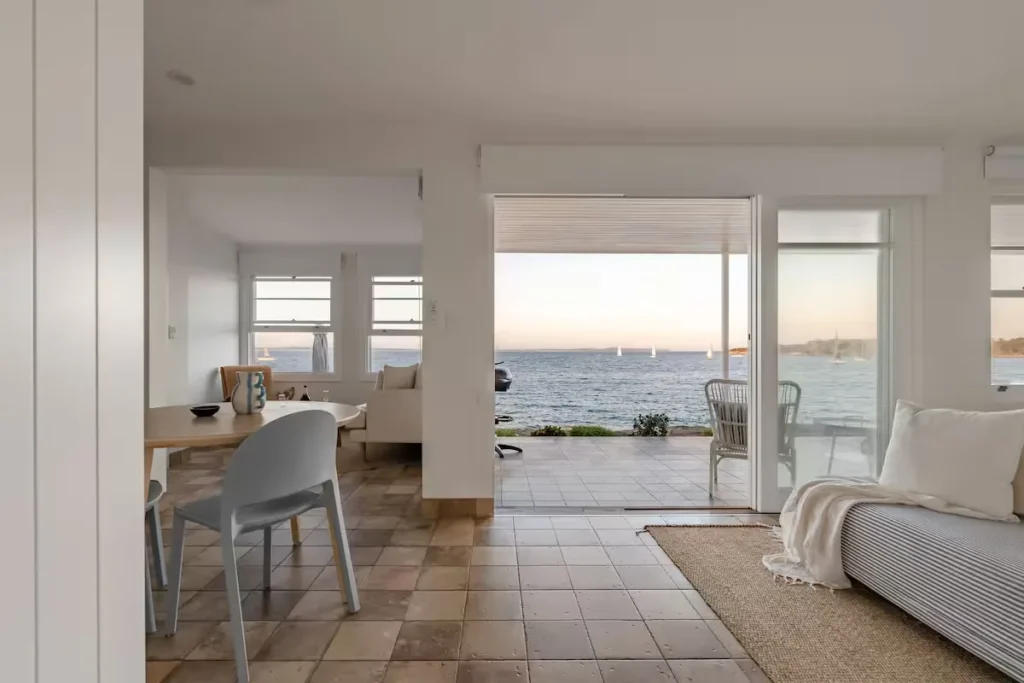
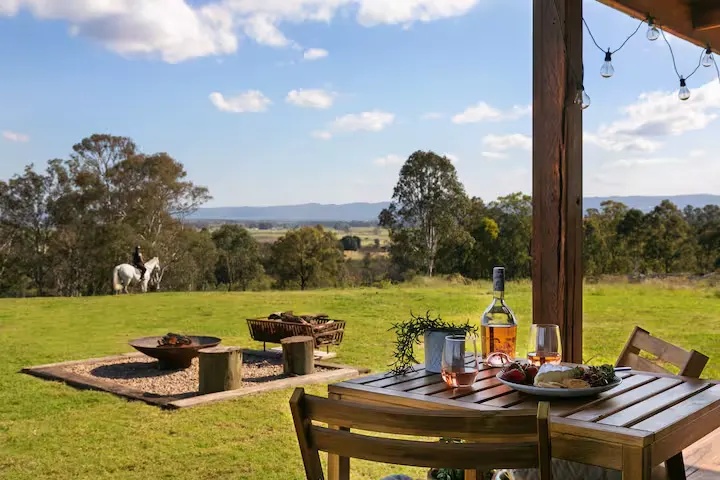
Top Off‑Season Stays
Find below our curated selection of boutique hotels and design apartments that offer exceptional value, atmosphere, and comfort during the off‑season — often at significantly lower rates than peak months.
Uncrowded Experiences & Tours
Skip the lines and experience iconic landmarks at your own pace. Discover curated local tours and cultural activities designed to show you the authentic side of the destination without the peak-season rush.
Handy Tips
Weather & Climate
Sydney and the coast have a temperate climate with warm to hot summers and mild winters. Inland areas, particularly west of the Great Dividing Range, experience hotter summers and colder winters.
Local Customs And Etiquette
Language: The official language is English, spoken with a distinctive Australian accent (known as ‘Aussie’).
Tipping: Tipping is not mandatory but is appreciated for good service, particularly in mid-to-high-end restaurants (usually around 10%).
Beach Safety: Always swim between the red and yellow flags, which mark areas patrolled by lifesavers. Sun protection (hat, sunscreen, sunglasses) is essential.
Budgeting For Your Trip
Accommodation: Hostels ($30–$60), mid-range hotels ($120–$250), luxury ($300+). Prices in Sydney and coastal hotspots are significantly higher in summer.
Food: Casual café lunch ($15–$25), dinner at a mid-range restaurant ($35–$60 per person), fine dining ($80+).
Transport: Opal Card (Sydney public transport), Car rental ($40–$80/day).
Activities: Sydney Harbour Bridge Climb ($200+), National Park entry fees (variable, often $8–$12 per vehicle).
Daily Budget:
- Budget: $80–$130 (hostels, fast food/groceries, public transport).
- Mid-range: $150–$280 (hotels, restaurants, attractions).
- Luxury: $350+ (boutique hotels, gourmet meals, private tours).
Getting Around
In Sydney: The Opal Card covers all public transport (trains, buses, ferries, light rail) and is the most efficient way to get around the city and surrounding areas.
By Car: A car is essential for exploring the regions outside Sydney (Blue Mountains, Coastlines). Remember to drive on the left.
By Plane: Domestic flights connect Sydney to regional centres like Coffs Harbour and Ballina (for Byron Bay).
Must-Try Food
Meat Pie: The quintessential Australian snack: a handheld pastry filled with minced meat and gravy.
Fish and Chips: Often eaten by the beach; look for fresh catches in coastal towns.
Barramundi: A prized local fish, often grilled or pan-fried.
Prawns on the Barbecue: Popularly known as “shrimp on the barbie” (though Aussies call them prawns), a summer classic.
Sausage Sizzle: A simple, popular fundraising staple: a sausage served on a slice of white bread, with onion and sauce.
Lamingtons: A soft sponge cake coated in chocolate sauce and desiccated coconut.
Vegemite Toast: A salty, strong-tasting yeast extract spread; try a thin scraping on buttered toast.
Anzac Biscuits: Sweet biscuits originally made by the wives of soldiers during WWI, made with oats and coconut.
Aussie Burger: A classic beef burger topped with beetroot, pineapple, and a fried egg.
Sydney Rock Oysters: Small, delicate oysters considered a local delicacy, best enjoyed fresh.
Must-Try Drinks
Flat White: A popular coffee drink made with espresso and steamed milk, similar to a latte but with a thinner layer of foam.
Sydney Lager/Ale: Try beers from local craft breweries like Young Henrys, or a classic Aussie beer like Tooheys New.
Hunter Valley Semillon: A crisp, dry white wine from the nearby Hunter Valley wine region, famous for its ageing potential.
Shiraz: Australia’s most famous red grape, grown across NSW, producing bold, peppery wines.
Ginger Beer: A non-alcoholic, spicy carbonated drink, often served chilled on hot days.
Bundaberg Rum & Cola: A classic Australian dark rum, usually mixed with cola.
Lemon, Lime and Bitters: A refreshing non-alcoholic mixer of lemonade, lime cordial, and a dash of Angostura bitters.
Australian Sparkling Wine (Bubbly): Excellent quality sparkling wines are produced in cooler regions of NSW.
Cordial: A concentrated fruit-flavoured syrup mixed with water, popular with children.
Chai Latte: A sweet and milky tea drink, very popular in Sydney’s extensive café culture.