 Skip to content
- Is The Black Forest Too Cold Or Snowy For Hiking And Scenic Drives In The Off-Season?
Yes, winter brings real cold, snow, and occasional road closures to this mountainous region. However, you will see the famous pine forests and half-timbered villages looking like a genuine fairy tale, with the highest peaks like Feldberg offering stunning white panoramas that summer visitors never experience.
The real drawdown is that many mountain hiking trails become slippery or impassable without snowshoes. To Exploit Travel Seasonality, swap hiking boots for cross-country skis or simply drive the scenic Black Forest High Road, which is usually well-plowed, and enjoy hotel rates that drop by 35% to 50% compared to summer peak prices.
- Can I Still Visit The Famous Cuckoo Clock Shops And Open-Air Museums When It Is Cold?
Absolutely, and the indoor attractions become warm, welcoming havens. You can browse the traditional cuckoo clock workshops in Triberg and Titisee with almost no other tourists, taking your time to chat with craftsmen who are not rushed by summer crowds.
The trade-off is that the open-air museums like Vogtsbauernhof close some outdoor exhibits or reduce hours. Instead of chasing every outdoor display, focus on the heated workshops and indoor historical homes, then warm up with a slice of Black Forest cake in a cozy village cafe, often at 15% to 25% lower prices than summer.
- How Do I Get Around The Black Forest When Mountain Roads Might Be Icy?
Yes, the main roads and highways are reliably cleared and salted after snowfalls. You can easily drive between charming towns like Baden-Baden, Freudenstadt, and Schluchsee, but you absolutely need winter tires on your rental car by law.
The main drawback is that some of the smaller, winding mountain passes close completely during heavy snow. The smart solution is to stick to the well-maintained B500 Schwarzwaldhochstraße route, then use the excellent regional trains for day trips, often at 20% to 30% lower transport costs compared to summer guided tours.
- Are The Famous Spas And Thermal Baths Still Worth Visiting In The Off-Season?
Yes, and honestly, winter is the absolute best time for thermal bathing. You can soak in the hot mineral waters of Baden-Baden's Friedrichsbad or Caracalla Therme while snow falls gently around you, an experience that summer visitors can only dream about.
The downside is that the outdoor sunbathing areas and rooftop pools are less appealing on freezing days. However, you can Exploit Travel Seasonality by booking a spa package at a fraction of summer prices, often with discounts of 25% to 40%, then spend a full rainy day moving between saunas and steam rooms without ever feeling rushed.
- Is The Black Forest Worth Visiting In The Off-Season If The Famous Waterfalls Are Less Impressive?
Yes, because the waterfalls transform into something completely different and magical. The Triberg Waterfalls, when partially frozen or surrounded by snow-dusted rocks, look like something from a fantasy film, and you will have the viewing platforms almost entirely to yourself.
The realistic drawback is that low water flow in autumn or frozen conditions in winter can reduce the dramatic roar of summer. To turn this around, focus on the smaller cascades and hidden streams that you would never notice during crowded summer months, then spend your energy on the heated indoor attractions and cuckoo clock workshops, saving up to 35% on accommodation compared to peak season.

Home > Exploit The Seasons > Seasonal World Map > Europe > Germany > Black Forest
BLACK FOREST
The Black Forest transforms from a snowy winter tale into misty, emerald-green valleys and sun-drenched vineyards. This guide reveals when to escape the crowds for authentic cuckoo clocks, thermal spas, and better value without missing the magic.
Smart Travel Calendar
Shoulder Season
Your Smartest Windows
Mid-April to mid-June
Mid-September to late October
Avoid: The week of Pfingsten (Whit Monday, May/June) when German school holidays send families to every hiking trail; also avoid October 3rd (German Unity Day) long weekend.
What the Sky Does
May: 10-20°C (50-68°F) | Sep-Oct: 8-18°C (46-64°F)
Mornings often bring mystical fog rolling over the tree canopy.
Westerly showers pass quickly; you’ll find a rainbow every other afternoon.
Snow only lingers on the highest peaks (Feldberg) in late October.
How Empty It Feels
55-65% fewer tourists compared to August peak season.
Triberg’s waterfall and cuckoo clock shops have space to breathe.
Lake Titisee feels local again, not a beach blanket war zone.
You’ll find a parking spot at any gondola station without circling.
What You’ll Save
25-40% on hotels and flights to Stuttgart or Basel.
Car rental rates drop by nearly half after mid-September.
No queues for the Schlossbergbahn funicular in Freiburg.
€10-15 saved per person on spa entry with midweek discounts.
The Secret Perk
Wine festivals (September/October). The Black Forest’s lesser-known vineyards host harvest parties.
The ‘Goldener Herbst’ (Golden Autumn). Larch needles turn fiery orange against dark pines.
Wild mushroom foraging. Join local guides for porcini and chanterelles after rain.
Soft, diffused light for photographing half-timbered houses like Gengenbach.
Local bakers have time to chat about Black Forest cherry cake secrets.
The Tiny Trade-Off
Some high-altitude hiking huts close between mid-October and May.
Lake swimming is chilly (16-18°C / 61-64°F) by October.
Open-air museum (Vogtsbauernhof) reduces hours after mid-October.
Expect two rainy days per week – pack a proper rain jacket.
Smart Traveler Tip
Target last week of September for the best balance: golden foliage, warm afternoons, and harvest energy.
Avoid German Unity Day (Oct 3) – a long weekend that spikes local travel.
Deep Off-Season
Your Smartest Windows
Early November to mid-December (before the first Advent weekend)
Mid-January to end of February
Avoid: The week between Christmas and New Year’s Eve (Dec 27-Jan 1) when ski resorts in the Northern Black Forest are packed with holidaymakers and guesthouse prices triple.
What the Sky Does
0-6°C (32-43°F) in valleys; -6 to 0°C (21-32°F) at higher elevations.
Frequent low clouds and mist – very atmospheric but less sun.
Snow is reliable above 800m (2,600ft), especially January to February.
Humidity is high (80-90%), making the cold feel sharper.
How Empty It Feels
75-85% fewer tourists than July/August.
Historic towns like Schiltach feel completely yours at 9 AM.
Indoor thermal spas have just locals and a few savvy travelers.
Small villages like St. Märgen seem frozen in a 19th-century painting.
What You’ll Save
Up to 60% off peak season rates on lodging.
Flights to Frankfurt or Zurich are at their lowest (except Xmas).
€20-30/night less than shoulder season for mid-range hotels.
Ski rentals are discounted before Christmas holidays.
The Secret Perk
Cozy ‘Besenwirtschaften’ (broom taverns). Farmers open their homes for winter wine and hearty food.
Cross-country skiing on the Rinken.
New Year’s Eve ‘Räbeliechtli’ turnip lantern parades (rare local tradition).
Smoked ham and kirsch tastings without summer crowds.
You’ll learn real Alemannic dialect because no one switches to tourist English.
The Tiny Trade-Off
Most Alpine coasters and summer toboggans are closed (Nov–March).
Nightlife is dead outside Freiburg and Baden-Baden.
Many family-run guesthouses close for 2-4 weeks (often Nov or Feb).
Daylight lasts only from 8 AM to 4:30 PM (January).
Smart Traveler Tip
February is the quietest month (after school holidays end) – perfect for spa + snowshoeing.
Book your spa session for midweek before 11 AM to have the pools nearly empty.
Pack wool layers + waterproof boots – damp cold penetrates everything.
Find Off-Peak Flights
Top Off‑Season Stays
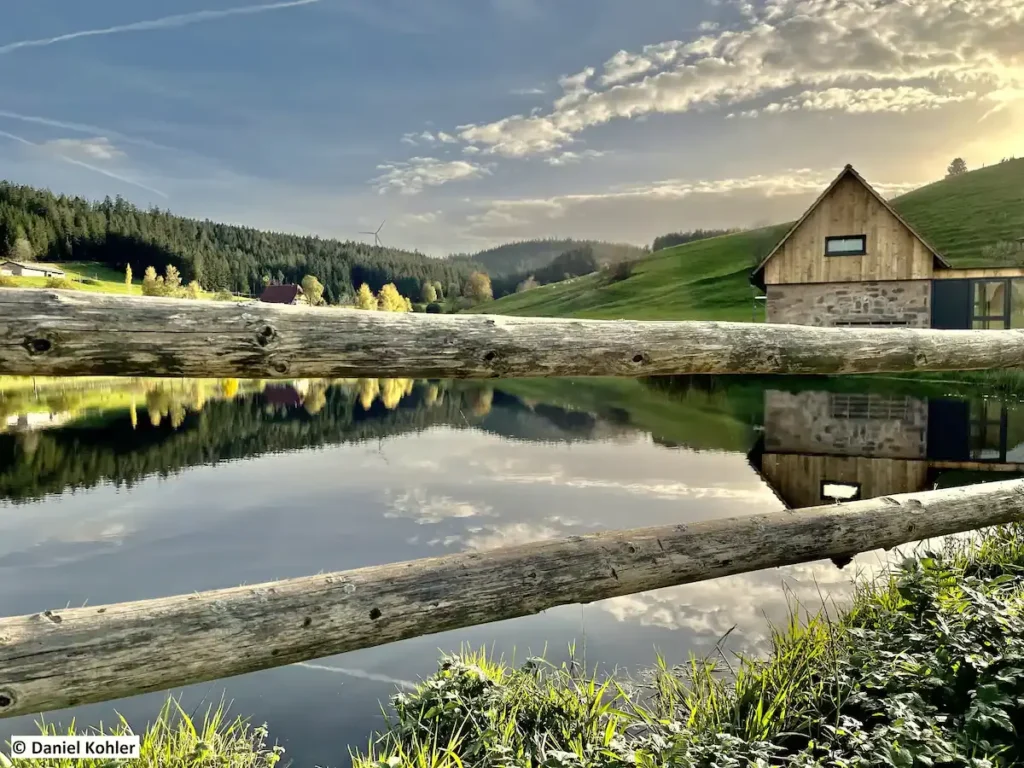
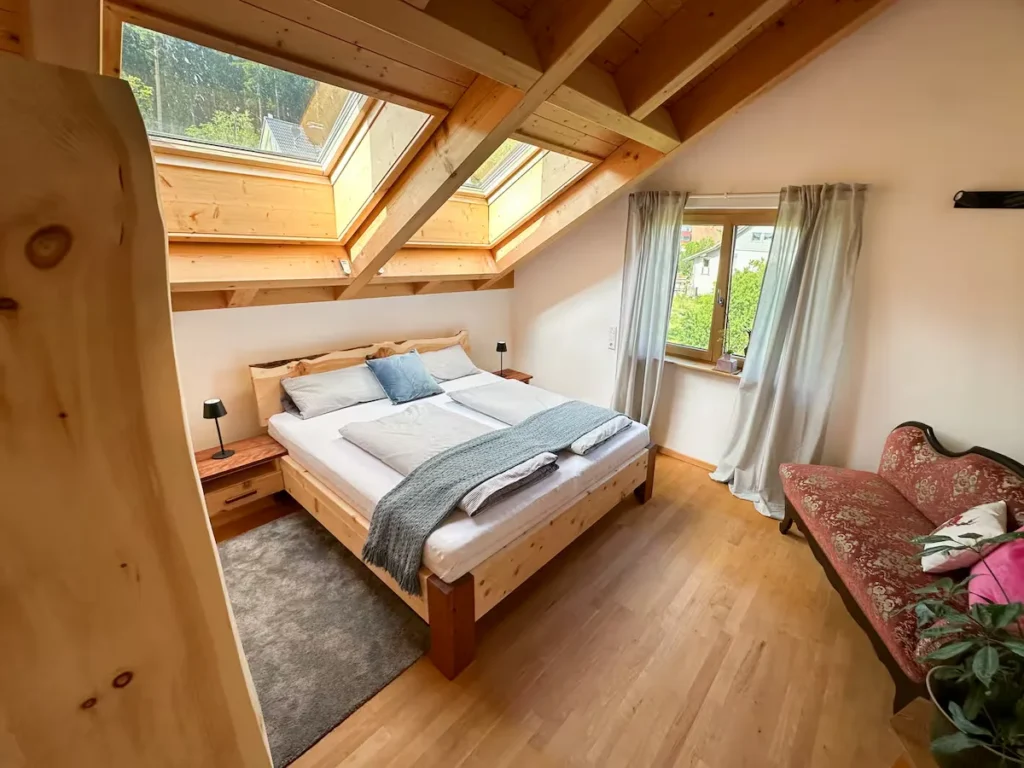
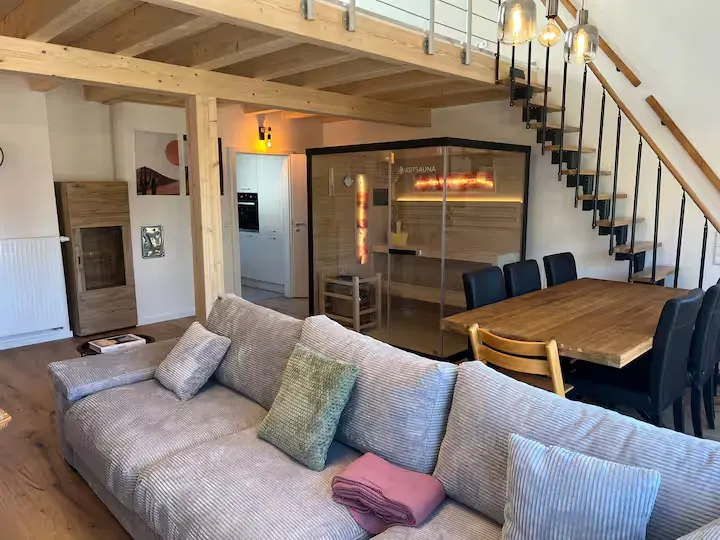
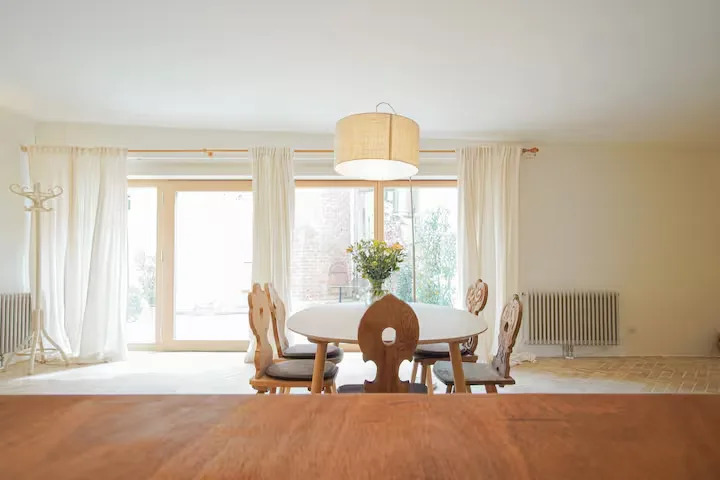
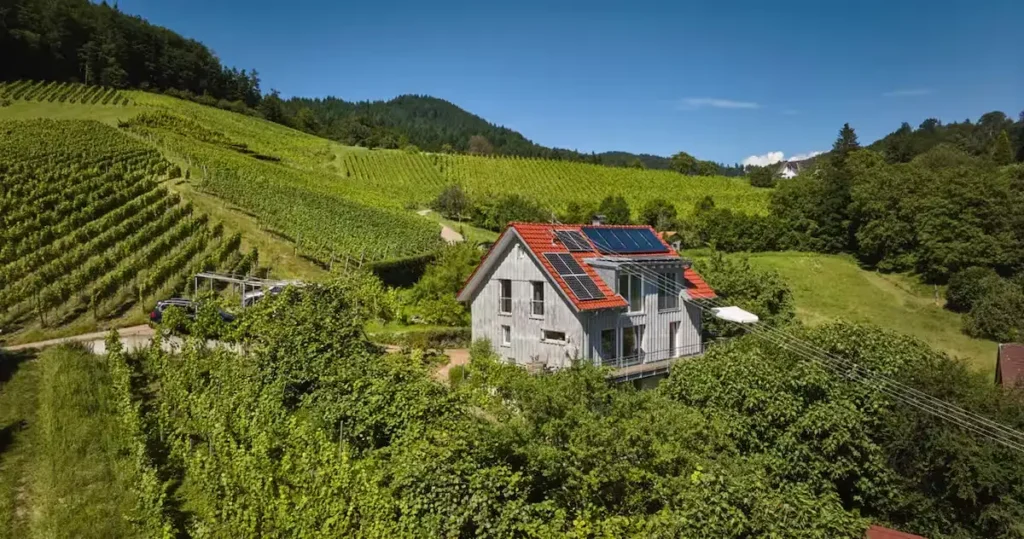
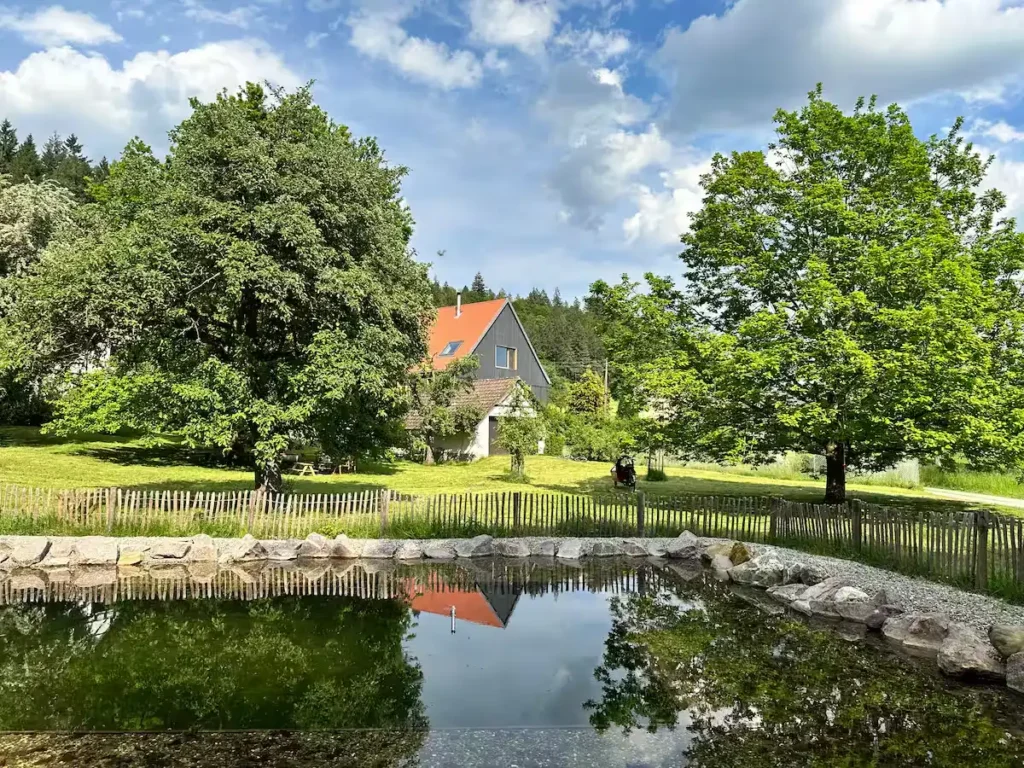
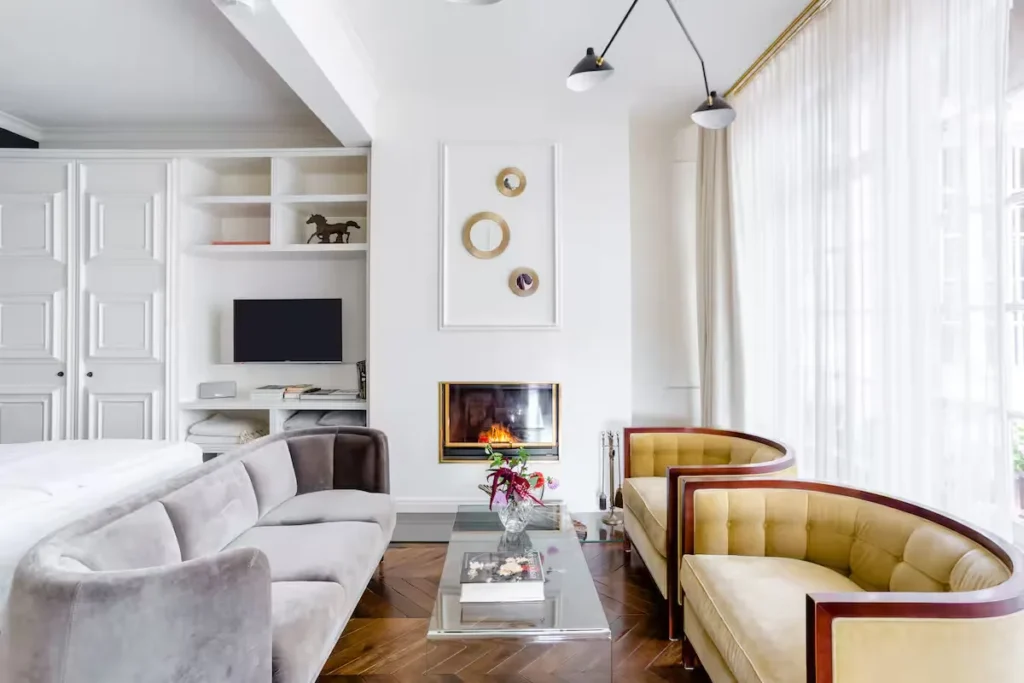
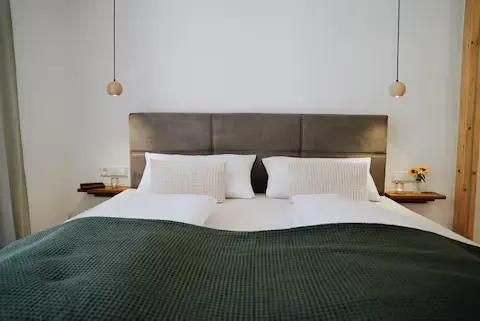
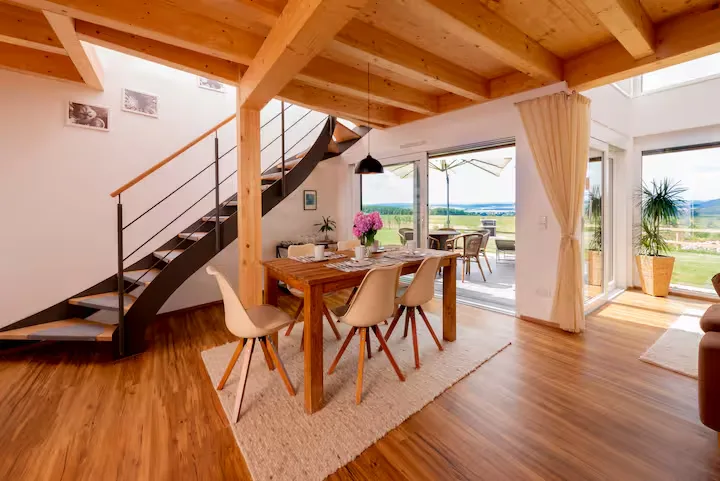
Find below our curated selection of boutique hotels and design apartments that offer exceptional value, atmosphere, and comfort during the off‑season — often at significantly lower rates than peak months.
Uncrowded Experiences & Tours
Skip the lines and experience iconic landmarks at your own pace. Discover curated local tours and cultural activities designed to show you the authentic side of the destination without the peak-season rush.
Handy Tips
Weather & Climate
The climate is temperate, but conditions vary significantly with altitude. Summers are generally mild and pleasant. Winters can be cold, with significant snow, especially in the higher southern and central parts, making it ideal for skiing.
Local Customs And Etiquette
Language: The official language is German. English is widely spoken in hotels and tourist centers, but knowing a few basic German phrases is helpful in smaller towns.
Hiking Etiquette: Stay on marked paths to preserve the delicate forest environment. A common greeting on the trails is “Hallo” or “Guten Tag” (Good day).
Tipping: Tipping in restaurants is customary, usually rounding up the bill or adding 5-10% for good service.
Budgeting For Your Trip
Accommodation: Hostels ($35–$60), mid-range hotels ($80–$140), luxury ($160+). Prices are higher in spa towns like Baden-Baden and during major festivals.
Food: Fixed-price lunch menu ($15–$25), dinner at a mid-range restaurant ($30–$50 per person), fine dining ($70+).
Transport: Car rental ($40/day), regional train ticket ($15–$30). Many tourist passes include free local transport.
Activities: Museum entry ($8–$15), spa day pass ($30–$50), ski lift pass ($35–$55).
Daily Budget:
- Budget: $80–$120 (hostels, market food, public transport).
- Mid-range: $130–$200 (hotels, restaurants, attractions).
- Luxury: $220+ (boutique hotels, gourmet meals, private tours).
Getting Around
By Car: A car is the ideal way to explore, allowing you to drive the scenic Schwarzwaldhochstraße (B500) and reach remote villages and trailheads.
By Train/Bus: The train network is excellent, connecting major towns like Offenburg, Freiburg, and Freudenstadt. Regional buses fill the gaps, and many hotels provide a KONUS Guest Card for free travel on local transport.
Hiking/Biking: Many areas are best explored by foot or bicycle, with a vast network of well-maintained trails.
Must-Try Food
Schwarzwälder Schinken: A famously smoky, air-dried ham, a Protected Geographical Indication product often served thinly sliced.
Maultaschen: Large, square pasta pockets traditionally filled with spiced ground meat, smoked ham, spinach, and bread. They are often served in a clear broth or pan-fried.
Spätzle: Soft egg noodles, typically served as a side dish, sometimes mixed with cheese to make Käsespätzle.
Zwiebelrostbraten: A regional specialty of thinly sliced roast beef with a rich gravy and heaps of crispy fried onions.
Badische Schneckensuppe: A creamy snail soup, a local delicacy in the Baden region.
Bibiliskäs: A light, creamy quark cheese seasoned with chives and typically served with Bratkartoffeln (fried potatoes).
Schäufele: A cured and smoked pig’s shoulder, often slow-cooked until extremely tender.
Forelle (Trout): Fresh trout is a staple, often served “Müllerin Art” (pan-fried with butter, parsley, and lemon).
Schwarzwälder Kirschtorte (Black Forest Gateau): The legendary dessert made of chocolate sponge cake, sour cherries, whipped cream, and Kirschwasser (cherry brandy).
Kirschwasser: A clear, strong cherry schnapps used in the gateau and served as an after-dinner digestif.
Must-Try Drinks
Kirschwasser: A clear fruit brandy (schnapps) distilled from sour cherries. It’s a staple of the region.
Obstwasser/Obstler: General term for fruit brandies (schnapps) made from apples, pears, plums (Zwetschgenwasser), or mirabelle plums.
Badischer Wein (Baden Wine): The sunniest wine region in Germany, specializing in excellent dry white wines like Riesling and Pinot Blanc (Weißburgunder), and reds like Pinot Noir (Spätburgunder).
Bier (Beer): German beer purity laws ensure high quality. Try local brews like Rothaus Tannenzäpfle (a popular pilsner).
Apfelsaftschorle: A popular non-alcoholic mix of apple juice and sparkling water—refreshing and common everywhere.
Glühwein: A hot, spiced mulled wine, essential for visiting the Christmas Markets in winter.
Kaffee: German filter coffee is standard. Be sure to try it with a slice of Schwarzwälder Kirschtorte!