 Skip to content
- Is Bavaria Too Cold Or Snowy To Enjoy The Castles And Scenic Drives In The Off-Season?
Yes, winter brings real cold, snow, and shorter daylight hours to the Alpine region. You will see Neuschwanstein Castle looking like a actual fairy tale with snow on its towers, and the drive through the German Alpine Road becomes a stunning white wonderland instead of a traffic jam.
The real drawdown is that mountain passes like the famous Zugspitze road can close temporarily after heavy snow. However, you can Exploit Travel Seasonality by focusing on the lowland castles like Hohenschwangau and Linderhof, which remain accessible, plus hotels in Füssen and Garmisch drop by 35% to 50% compared to summer peak rates.
- Can I Still Hike The Famous Trails And Mountains When The Weather Is Unpredictable?
Yes, but you need to swap hiking boots for snowshoes or cross-country skis. The lower trails around Lake Eibsee or the Partnach Gorge remain walkable with proper footwear, and the lack of summer crowds means you might hear nothing but your own breathing and the crunch of snow.
The main drawback is that high-altitude trails to peaks like the Zugspitze become dangerous without a guide and proper gear. To work around this, ride the cable cars to the summits instead, often at 20% to 30% lower winter prices, then enjoy the empty mountain restaurants with panoramic views that summer hikers fight for.
- Are The Romantic Road Villages Still Charming When It Is Grey Or Raining?
Absolutely, and the lack of sunshine actually adds a moody, storybook quality to the walled towns. You will walk through Rothenburg ob der Tauber's cobblestone alleys with almost no other tourists, making it feel like the medieval town was built just for you.
The trade-off is that the outdoor beer gardens and summer festivals shut down completely. Instead of chasing al fresco dining, duck into a traditional wood-paneled taverna for a hearty plate of schnitzel and a warm mug of Glühwein, often at percentage discounts of 15% to 25% compared to summer restaurant prices.
- How Do I Get Around Bavaria When The Weather Affects Train And Road Conditions?
Yes, the Deutsche Bahn regional trains and buses continue running reliably, with snow-clearing equipment ready on major routes. You can easily hop between Munich, Nuremberg, and the Alpine foothills, but rural bus routes to tiny villages run less frequently in winter.
The main downside is that rental cars require winter tires by law, and some scenic mountain roads close completely. The smart solution is to buy the Bayern-Ticket for unlimited regional train travel, which already offers excellent value, then use it to reach major hubs where local buses connect, with overall transport costs often 20% lower than summer.
- Is Bavaria Worth Visiting In The Off-Season If I Miss The Famous Oktoberfest Celebration?
Yes, and many locals would argue the region is actually better without the festival chaos. You will explore Munich's beer halls with actual breathing room, sitting next to Bavarians instead of tourists, and the same breweries serve the same excellent beer at normal, non-festival prices.
The realistic downside is that the carnival rides, tents, and outdoor party atmosphere of Oktoberfest are gone. To Exploit Travel Seasonality, visit a traditional brewery tavern in the countryside instead, where a full meal with beer might cost 30% to 40% less than a single Oktoberfest beer, and you can actually hear yourself think while watching the snow fall outside.

Home > Exploit The Seasons > Seasonal World Map > Europe > Germany > Bavaria
BAVARIA
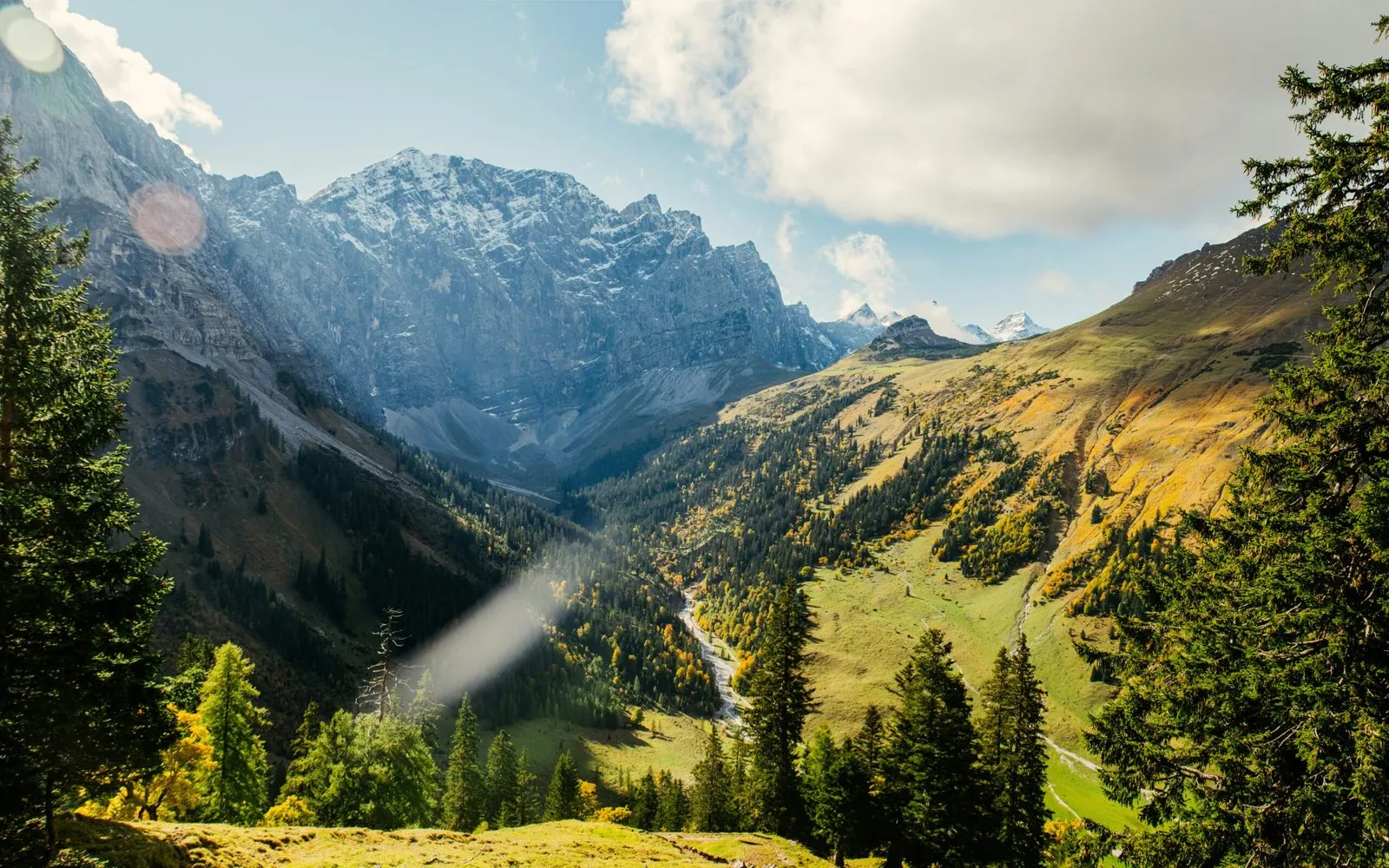
Bavaria isn’t just Oktoberfest and Neuschwanstein. Discover misty Alps, empty castle courtyards, and village inns glowing with tradition. This guide unlocks Bavaria’s quiet soul, seasonal secrets, and genuine value.
Smart Travel Calendar
Shoulder Season
Your Smartest Windows
Mid-April to mid-June
Mid-September to mid-October
Avoid: The full two weeks of Oktoberfest (late Sept to first weekend Oct) – Munich becomes impossible; also avoid the week of Frohnleichnam (Corpus Christi, 60 days after Easter) when villages host religious processions and book solid.
What the Sky Does
Daytime 12-22°C (54-72°F), crisp nights 4-10°C (39-50°F)
May brings sudden showers and lush green meadows
September offers golden “Altweibersommer” (Indian summer) with stable high pressure
Foggy mornings in the Alps burn off to brilliant blue skies
How Empty It Feels
40-60% fewer tourists than July-August peak
Munich beer gardens have seating without the wait
Neuschwanstein Castle queues shrink to 20 minutes or less
Small towns like Rothenburg feel peacefully unhurried
What You’ll Save
30-50% off summer flight and hotel rates
Rental cars are nearly half the peak-season price
Same-day tickets for castle tours without premium booking fees
Lunch menus at traditional Wirtshäuser cost €3-5 less than summer
The Secret Perk
May: Alpine huts open with blooming edelweiss and fresh mountain cheese
September: The legendary Munich Oktoberfest starts (late Sep), but hotels still reasonable early month
October: Harvest festivals (Erntedank) with local wine, schnapps, and roasted chestnuts
Golden hour extends over the Alps, perfect for photographers
The Tiny Trade-Off
Some cable cars close for maintenance (usually 2-3 weeks in April or November)
Lake swimming is brisk, not balmy (water temps 12-16°C)
Higher alpine passes may still have snow in early May
Oktoberfest (late Sep) spikes Munich hotel prices dramatically for one week
Smart Traveler Tip
Aim for mid-September or late May. Mid-September offers warm days, Oktoberfest energy (if you want it), and post-summer calm. Late May gives you long daylight until 9 PM and wildflowers without the June crowds. Book Munich hotels before Oktoberfest dates if avoiding the fest.
Deep Off-Season
Your Smartest Windows
Early November to mid-December (before the first Advent weekend)
Mid-January to end of February
Avoid: The week between Christmas and New Year’s Eve (Dec 27-Jan 1) when ski resorts and Christmas market towns are packed and prices for alpine lodging triple.
What the Sky Does
Daytime -5°C to 5°C (23-41°F), nights often below freezing
Snow blankets the Alps and frequently falls on lowland towns
The “Nebel” (fog) settles over valleys, creating eerie, beautiful atmospheres
Rainfall is low; most precipitation is dry snow in the mountains
How Empty It Feels
70-85% fewer tourists than summer
Neuschwanstein feels like your private fairy-tale castle
Munich’s art museums (Pinakotheken) are blissfully quiet on weekday afternoons
Villages like Mittenwald or Berchtesgaden feel genuinely local, not curated for tourists
What You’ll Save
50-70% off peak summer prices
Flights to Munich at their absolute lowest (except Christmas week)
Four-star hotels for the price of two-star hostels in summer
Car rentals as low as €15-25/day
The Secret Perk
Cozy Kaffeeklatsch: Afternoon coffee and cake in a wood-paneled Stube by a tiled stove
Winter hiking & snowshoeing on empty, groomed trails without ski resort crowds
Thermal baths (Erding or Bad Reichenhall) feel like Roman royalty in the cold
February: Faschings (Mardi Gras) parades in Munich and villages – wild, local, and free
Genuine pub conversation with Bavarians over Weissbier when tourists are gone
The Tiny Trade-Off
Most lake boat services and outdoor pools are closed
Nightlife outside Munich is very sleepy or closed entirely
Some mountain inns and smaller restaurants take month-long winter breaks
Daylight is short: sunrise ~8 AM, sunset ~4:30 PM in December
Smart Traveler Tip
Visit January for the quietest month of all – no holidays, no crowds, just deep winter peace. Pack thermal layers, waterproof boots, and a hat that covers your ears. For slightly milder temps, stick to western Bavaria (around Lake Constance) where the Alps block less snow.
Find Off-Peak Flights
Top Off‑Season Stays
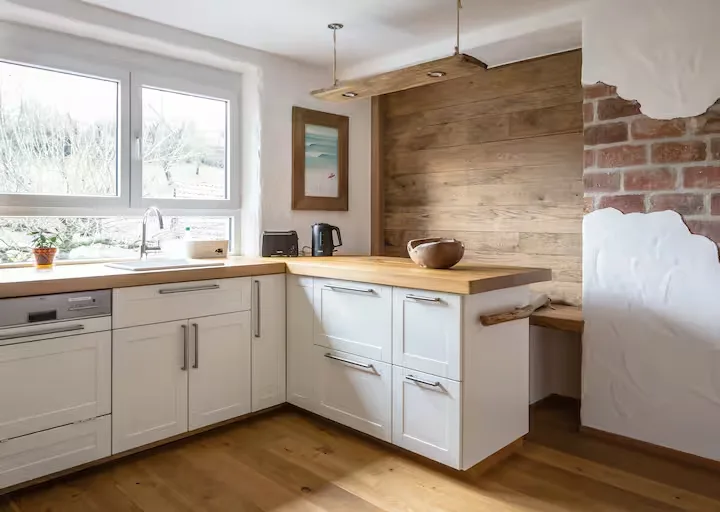
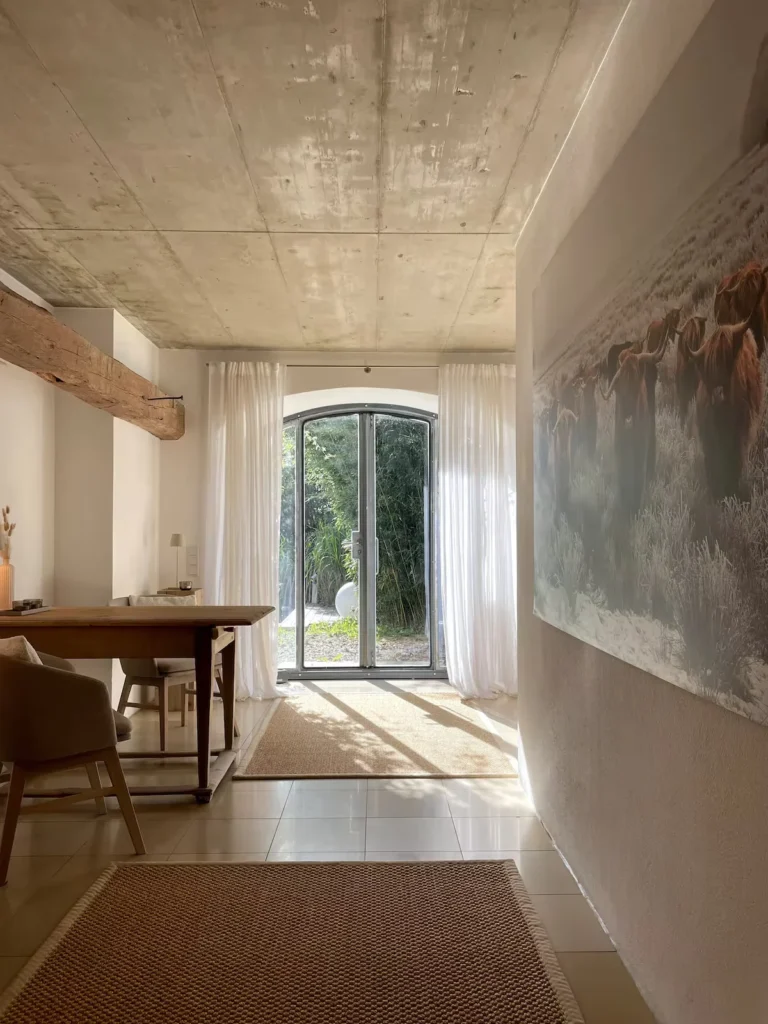
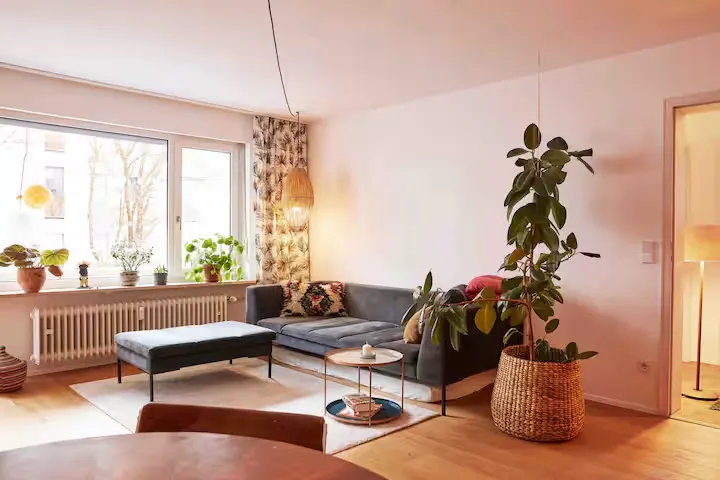
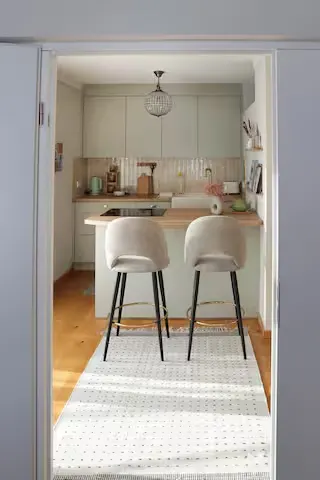
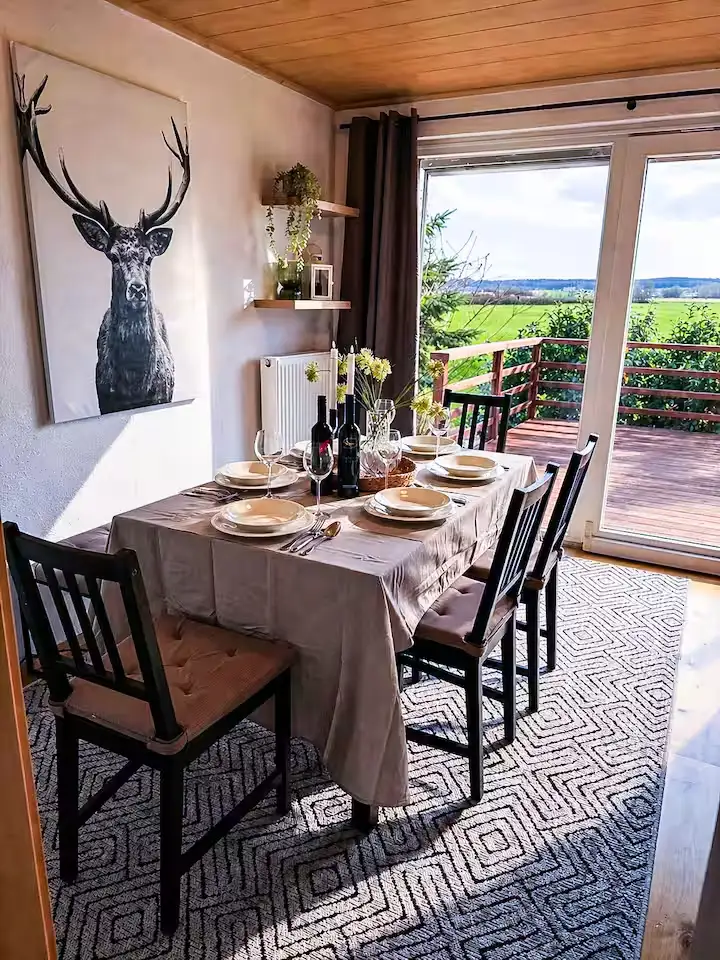
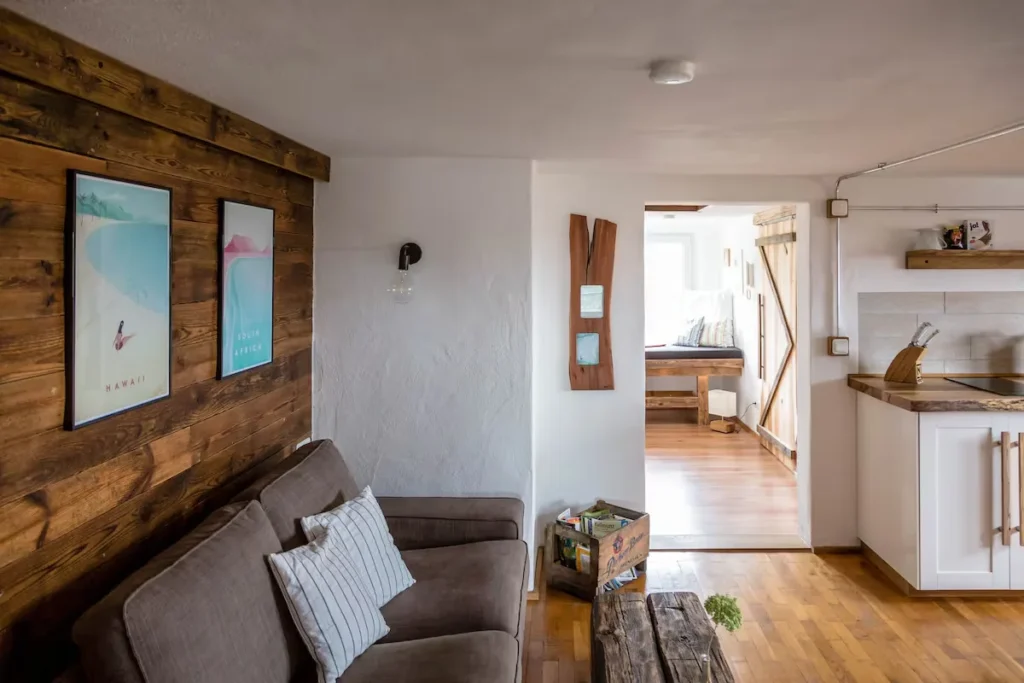
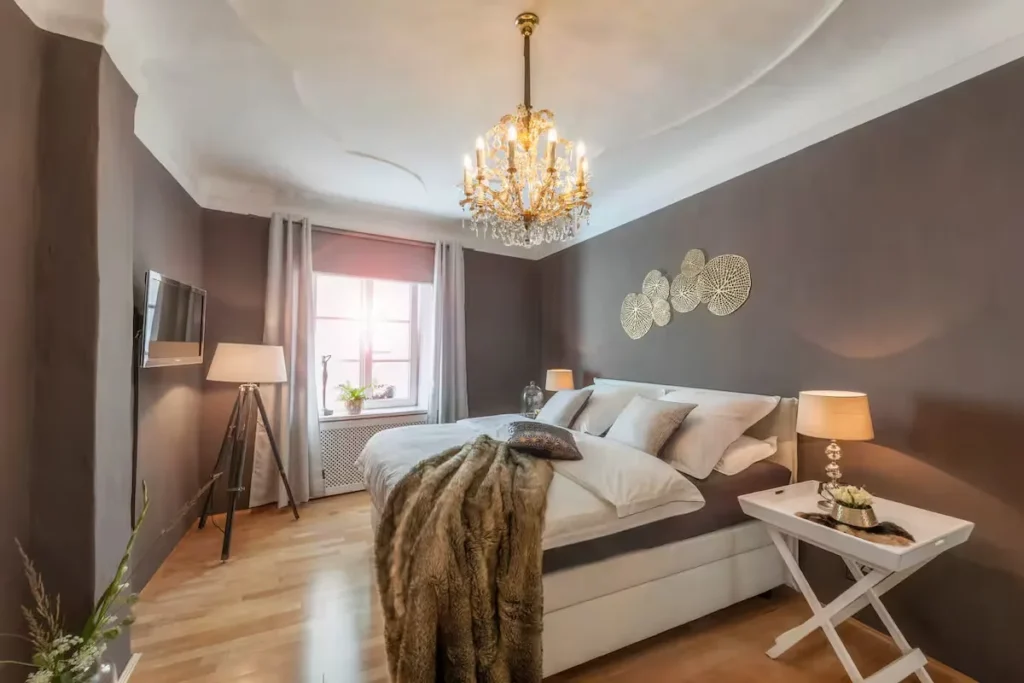
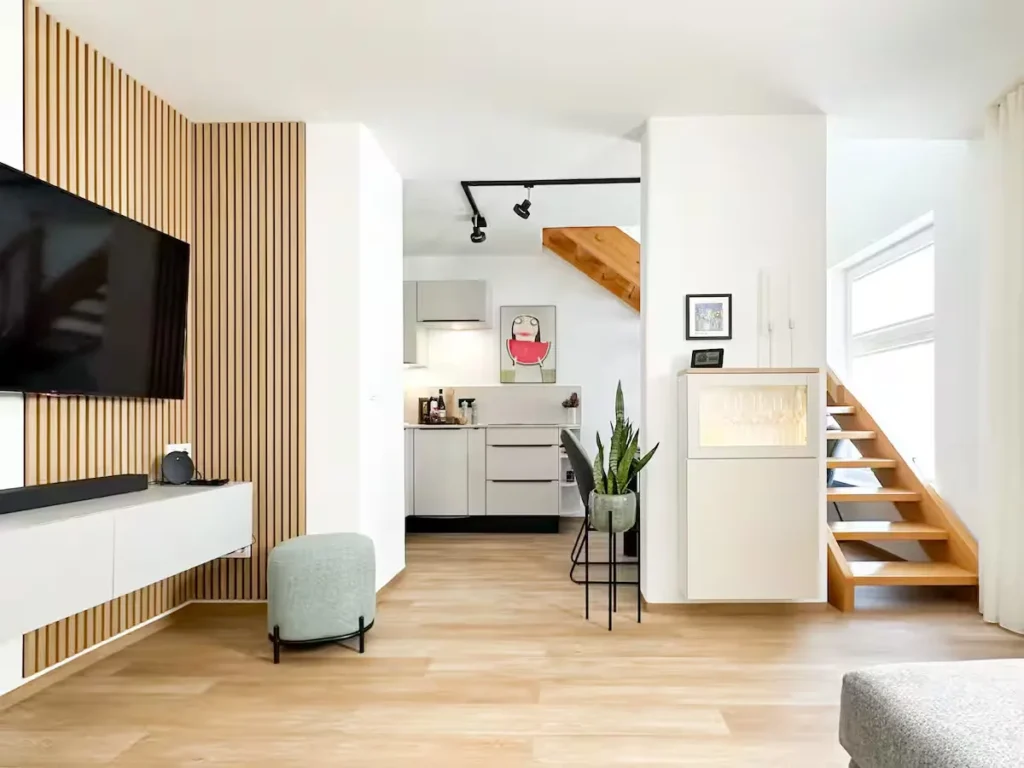
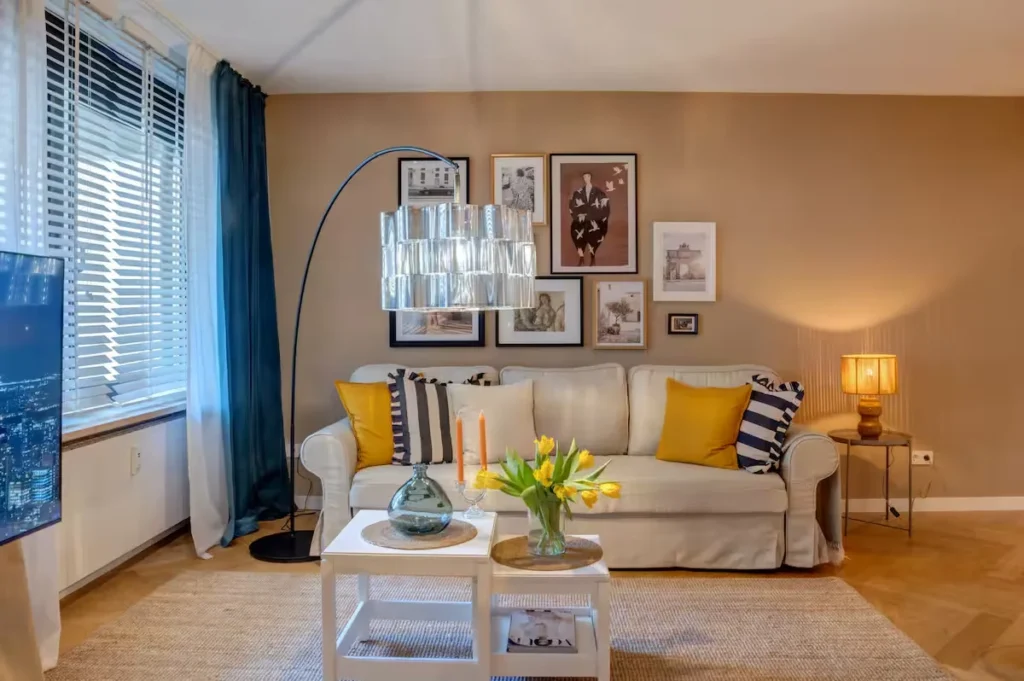
Find below our curated selection of boutique hotels and design apartments that offer exceptional value, atmosphere, and comfort during the off‑season — often at significantly lower rates than peak months.
Uncrowded Experiences & Tours
Skip the lines and experience iconic landmarks at your own pace. Discover curated local tours and cultural activities designed to show you the authentic side of the destination without the peak-season rush.
Handy Tips
Weather & Climate
The climate is generally moderate. Summers are warm with average highs in the 70s∘F (20s∘C), but thunderstorms are common. Winters are cold and snowy, especially in the Alps, with temperatures often below freezing.
Local Customs And Etiquette
Language: German is the official language. The Bavarian dialect (Bairisch) is distinct and widely spoken. English is commonly understood in tourist areas, but a few German phrases are appreciated.
Dining: Tipping is customary in restaurants, usually 5−10% of the bill. When buying a beer, you order the size by volume, like a “Maß” (one litre) or “Halbe” (half litre).
Tracht: The traditional clothing, Lederhosen (for men) and Dirndl (for women), are still worn today, not just for festivals like Oktoberfest, but for special occasions. It is a sign of local pride.
Budgeting For Your Trip
Accommodation: Hostels ($25–$50), mid-range hotels ($80–$140), luxury ($170+). Prices triple or quadruple during Oktoberfest.
Food: Fixed-price lunch menu ($15–$25), dinner at a mid-range restaurant ($30–$55 per person), fine dining ($70+).
Transport: Car rental ($40/day), train ticket (regional day pass, approx. $30 for a group of up to 5).
Activities: Castle entrance fee ($15–$30), lift ticket for Zugspitze ($65+).
Daily Budget:
- Budget: $70–$100 (hostels, market food, public transport).
- Mid-range: $120–$180 (hotels, restaurants, attractions).
- Luxury: $200+ (boutique hotels, gourmet meals, private tours).
Getting Around
By Car: A car is the ideal way to explore the smaller towns, the Romantic Road, and the Alps. Roads are excellent and well-maintained.
By Train: Germany’s Deutsche Bahn (DB) is highly efficient, connecting all major cities and towns. The Bayern Ticket is a great value for regional travel.
By Bus: Bus networks complement the train lines, especially for reaching remote villages and some castle sites.
Must-Try Food
Bayerische Weißwurst: A traditional white sausage made of veal and pork bacon, typically eaten only before noon with sweet mustard and a pretzel.
Schweinshaxe: A crispy-skinned, roasted pork knuckle, a hearty and famous Bavarian specialty.
Leberkäse: A baked loaf of meat (similar to a fine meatloaf), often served warm in a roll (Semmel).
Obatzda: A spicy, creamy Bavarian cheese spread made from Camembert, butter, and paprika, perfect with a pretzel.
Brez’n (Pretzel): The iconic Bavarian baked pretzel, large, soft, and sprinkled with coarse salt.
Knödel: Dumplings, a staple side dish. Options include Semmelknödel (bread) or Kartoffelknödel (potato), often served with gravy.
Käsespätzle: The German equivalent of mac and cheese—small egg noodles mixed with melted cheese and topped with fried onions.
Apfelstrudel: A warm, layered pastry filled with spiced apples and raisins, often served with vanilla sauce.
Prinzregententorte: An exquisite Bavarian layer cake consisting of six to eight sponge layers, chocolate buttercream, and a dark chocolate glaze.
Bayerische Cremè: A light, airy dessert cream made with eggs, sugar, and cream, often flavoured with vanilla.
Must-Try Drinks
Helles: The classic, clean, and crisp Bavarian pale lager, the most common beer.
Weißbier (Wheat Beer): A refreshing, unfiltered, and top-fermented beer with notes of banana and clove. Perfect in summer.
Dunkel: A smooth, malty, and dark lager with notes of caramel and toasted bread.
Rauchbier (Smoke Beer): A highly unique Franconian beer with a distinct smoky aroma and flavour derived from malts dried over an open flame.
Bock/Doppelbock: Stronger, often darker beers traditionally brewed by monks, perfect for the colder months.
Radler: A refreshing mix of beer and lemon-lime soda (similar to a shandy), popular for light drinking.
Franconian Wine: A region in northern Bavaria famous for its dry white wines, especially Silvaner, often served in a distinct flat-sided bottle called a Bocksbeutel.
Jägermeister: A herbal liqueur, though from Lower Saxony, it is a very popular after-dinner digestif.
Apfelschorle: A very common non-alcoholic, refreshing drink made from apple juice mixed with sparkling water.
Spezi: A popular non-alcoholic mix of cola and orange soda, especially common in Bavaria.