 Skip to content
- Is The Saxon Triangle Too Cold For Hiking In Saxon Switzerland National Park During The Off-Season?
Yes, winter brings real cold, snow, and ice to the sandstone mountains of Saxon Switzerland. However, you will see the famous Bastei Bridge and the Elbe River canyon dusted in white, looking like a landscape painting with up to 80% fewer hikers on the trails.
The real drawdown is that the steep iron stairs and exposed rock formations become dangerously slippery without proper footwear. To Exploit Travel Seasonality, stick to the lower valley paths or swap hiking boots for snowshoes, plus enjoy hotels in Bad Schandau and Rathen at discounts of 35% to 50% compared to summer peak rates.
- Can I Still Visit The Castles And Palaces Of Dresden And Chemnitz When The Weather Is Grey?
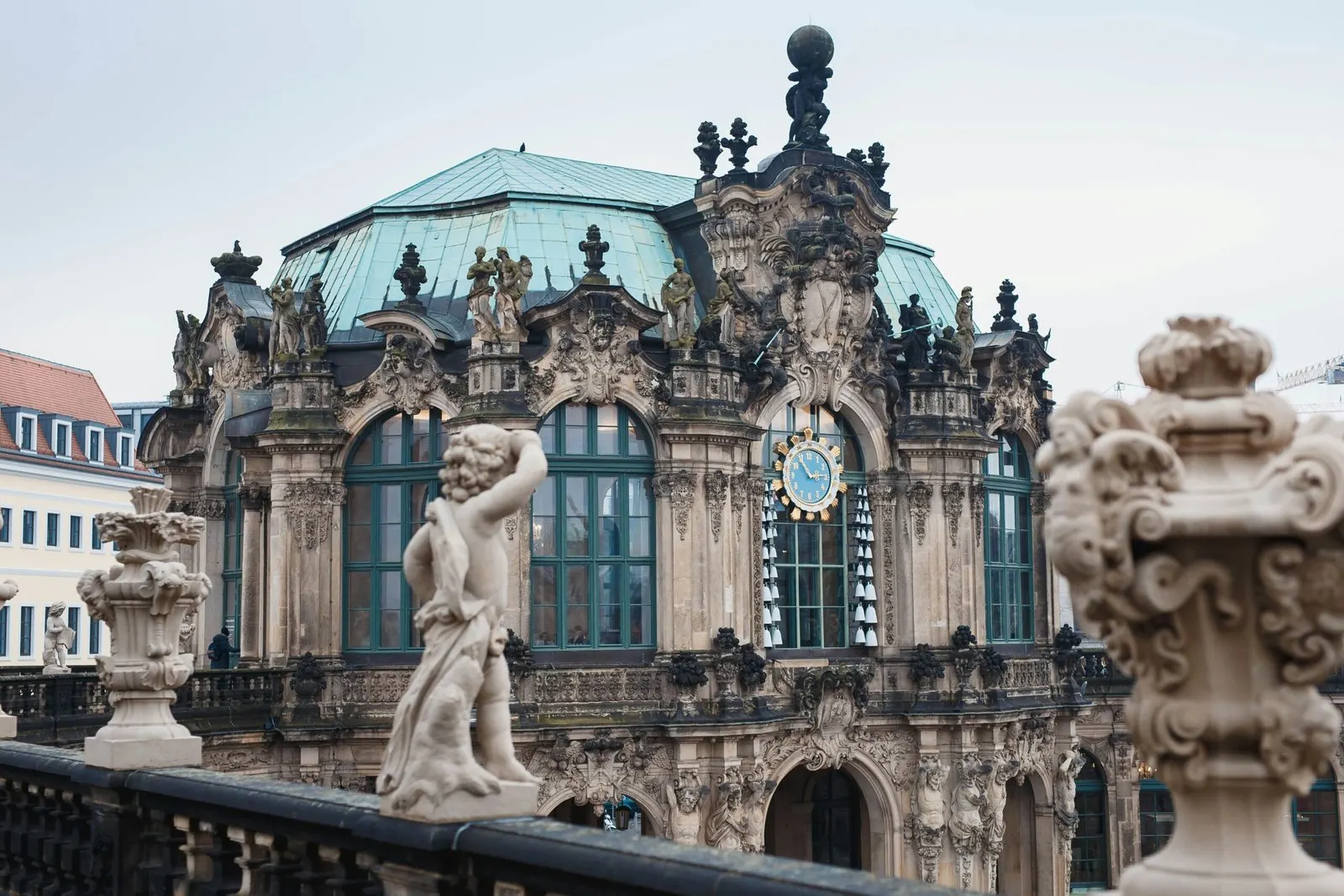
Absolutely, and the opulent interiors are the main event anyway. You can tour the Zwinger Palace, the Green Vault, and the Residenzschloss in Dresden with almost no waiting in lines, spending hours examining the treasures without feeling rushed by summer crowds.
The trade-off is that the outdoor palace gardens and courtyards lose their summer bloom and become bleak. Instead of lingering outside, focus on the warm indoor museums and the famous Semperoper opera house, where winter ticket prices can be 15% to 25% lower than summer festival rates, with far better seat availability.
- How Do I Get Between Dresden, Leipzig, Chemnitz, And The National Park In The Off-Season?
Yes, the regional train network connecting the Saxon Triangle cities runs reliably and frequently year-round. You can easily hop from Leipzig's Hauptbahnhof to Dresden in just over an hour, or from Dresden down to the Saxon Switzerland towns along the Elbe River, always finding a seat with no summer crowding.
The main drawback is that the historic paddle steamers on the Elbe stop running in winter, and some mountain bus routes to remote trailheads reduce their schedules. The smart solution is to buy the Quer-durchs-Land-Ticket for unlimited regional travel, often at 20% to 30% lower than summer transport passes, then use trains to reach major hubs where local buses connect.
- Will I Find Fewer Crowds And Better Value At The Leipzig Zoo And Other Family Attractions?
Yes, you are looking at up to 60% fewer visitors at the famous Leipzig Zoo, one of the best in Europe. The indoor tropical hall called Gondwanaland remains warm and humid year-round, so you can see gorillas and crocodiles while the outdoor exhibits are quieter and more peaceful.
The downside is that some outdoor animal enclosures close or the animals are less active in cold weather. However, the value proposition is excellent; you can often book combination tickets for the zoo and the Leipzig Panometer or the Cold War Museum at percentage discounts of 20% to 30% off peak summer family package prices.
- Is The Saxon Triangle Worth Visiting In The Off-Season If I Miss The Summer Music Festivals?
Absolutely, because the region is packed with year-round cultural treasures. You can explore the incredible car museums in Chemnitz and Zwickau, tour the porcelain workshops of Meissen, or attend a classical concert in Dresden's Frauenkirche, all without competing with festival crowds for tickets or hotel rooms.
The realistic drawback is that the open-air music festivals, riverfront parties, and summer beer gardens shut down completely. To Exploit Travel Seasonality, spend your festival budget on a weekend of opera or ballet at the Semperoper instead, often at 30% to 40% lower winter prices, then warm up in a traditional Leipzig coffeehouse with a slice of authentic Saxon cake while planning your next visit.

Home > Exploit The Seasons > Seasonal World Map > Europe > Germany > Saxon Triangle
SAXON TRIANGLE
Between the Baroque spires of Dresden and the sandstone peaks of Saxon Switzerland, discover Germany’s cultural heartland. This guide reveals when to hike dramatic cliffs and explore Bach’s Leipzig with fewer crowds and richer local moments.
Smart Travel Calendar
Why Choose The Saxon Triangle Off-Season?
Hike the Bastei in solitude. Experience the sandstone bridges without the summer selfie-stick crowds.
Save up to 40% on city palaces. Winter rates make royal residences like the Zwinger a steal.
Dodge the river cruise crowds. Elbe promenades belong to locals, not tour groups, in spring.
Shoulder Season
Your Smartest Windows
Mid-April to mid-June
Mid-September to late October
Avoid: The week of May 1st (Labor Day/Tag der Arbeit) when Leipzig gets rowdy street festivals; also avoid the week before Easter (Saxon school holidays) for family travel spikes to the sandstone mountains.
What the Sky Does
April/May: 7°C to 16°C (45°F to 61°F) / Sept/Oct: 9°C to 18°C (48°F to 64°F).
Spring brings crisp mornings giving way to golden afternoon light perfect for photography.
Autumn offers “Goldener Oktober” with clear skies and incredible foliage in the Elbe valley.
Expect quick showers. Pack a light raincoat for sudden sprinkles, though days are mostly dry
How Empty It Feels
40-50% fewer tourists compared to the chaotic summer peak.
Dresden’s Frauenkirche feels reverent and spacious, not shoulder-to-shoulder.
Saxon Switzerland trails are open and peaceful; you’ll hear birds, not echoes.
Königstein Fortress parking is stress-free, and you can find seating instantly at the hilltop café.
What You’ll Save
Flights drop by 25% and hotels by 30-40% compared to June .
Car rentals are cheaper. No summer “tourist tax” on vehicles for exploring the Ore Mountains.
No queues for tickets. Walk right up to the Green Vault ticket counter.
Dining deals abound. Many hotels include breakfast or dinner in spring/fall rates.
The Secret Perk
Wine Festival (September). Taste Saxon wines along the picturesque Elbe slopes.
The light is magical. Low-angle sun illuminates the sandstone cliffs of the Bastei for hours.
Wild garlic season. Forests smell of fresh ramps (Bärlauch) in April; try it in local soups.
Locals return to cafes. Chat with actual Dresden residents now that the tourists have left.
The Tiny Trade-Off
Outdoor pool season is short. Lidos (Badedampfer) might not be running in early April.
Unpredictable weather. You might get summer sun one day and winter wind the next.
Boat tours reduce frequency. Fewer steamers on the Elbe than in July.
No summer festivals. You’ll miss the big open-air concerts like Dresden Music Festival.
Smart Traveler Tip
Book late September. It offers the sweet spot of warm days, harvest festivals, and no snow.
Go early morning. In May, the light hits the Semperoper beautifully by 8 AM.
Avoid German Unity Day (Oct 3). Prices spike briefly for this national holiday.
Layer like an onion. A t-shirt, fleece, and windproof jacket cover all spring eventualities.
Deep Off-Season
Your Smartest Windows
Early November to mid-December (before the first Advent weekend)
Mid-January to end of February
Avoid: The week between Christmas and New Year’s Eve (Dec 27-Jan 1) when Dresden’s Striezelmarkt (world’s oldest Christmas market) is packed, and hotels in the city center triple their rates.
What the Sky Does
Average temps: -1°C to 5°C (30°F to 41°F), dropping to -10°C (14°F) in the Ore Mountains.
Foggy mornings give way to crisp, clear skies over Leipzig’s monuments.
Snow dusts the hills. The Ore Mountains (Erzgebirge) turn into a winter postcard .
Low humidity. The cold air makes the historic architecture look sharp and clear.
How Empty It Feels
70% fewer tourists. You will feel like you have the region to yourself.
The Zwinger Palace feels like a private gallery; guards outnumber guests.
Museums are bliss. The Panometer Leipzig is quiet, allowing you to lie down and stare at the panorama alone.
Small towns hibernate. In places like Zschopau or Pirna, you’ll see locals doing their shopping, not tourists .
What You’ll Save
Save 50-60% vs. Summer. February is statistically the cheapest month .
Flights are rock bottom. Mid-week flights to Leipzig/Halle are a bargain.
5-star hotels for 3-star prices. Stay in luxury along the river for under €100/night.
Car rental deals. Often found for under €20/day if you book in advance.
The Secret Perk
Christmas Markets (Dec). Experience the original Striezelmarkt in Dresden (invented in 1434).
Cozy “Kaffeekultur.” Hide from the cold in Leipzig’s legendary coffee houses (like Zum Arabischen Coffe Baum).
Stollen cake fresh. Watch them carry the giant 4-ton Christmas Stollen through the streets.
Opera season is on. Snag last-minute seats at the Semperoper for a fraction of summer prices.
Skiing locally. Head to the Vogtland or Klingenthal for cross-country or downhill skiing .
The Tiny Trade-Off
Hiking restrictions. The high cliffs in Saxon Switzerland can be icy and dangerous (spikes required).
Castle hours shorten. Many small castles close entirely or operate only on weekends.
River cruising stops. The paddle steamers dock for maintenance.
Short days. Sunrise is late (8 AM) and sunset is early (4 PM), limiting sightseeing time.
Smart Traveler Tip
Go for the markets, stay for the quiet. Book Dec 1-18 for festive vibes without the holiday premium.
Target February for absolute peace. It is the greyest month, but also the cheapest and quietest.
Use the train. Regional trains are warm, reliable, and run even when the roads are icy.
Pack proper boots. Snow and cobblestones require grip; leave the sneakers at home.
Find Off-Peak Flights
Uncrowded Experiences & Tours
Skip the lines and experience iconic landmarks at your own pace. Discover curated local tours and cultural activities designed to show you the authentic side of the destination without the peak-season rush.
Handy Tips
Weather & Climate
The climate is generally temperate. Summers are warm and often rainy; winters are cold, with a higher chance of snow in the Ore Mountains and surrounding hills.
Local Customs And Etiquette
Language: German is the official language. English is generally spoken in tourist areas, but learning a few basic German phrases is appreciated.
Dining: Punctuality for dinner reservations is expected. Tipping is customary; rounding up the bill or leaving a tip of 5-10% is standard.
“Kaffee und Kuchen”: The German tradition of coffee and cake in the late afternoon is particularly strong in Saxony. Don’t miss out!
Budgeting For Your Trip
Accommodation: Hostels ($35–$60), mid-range hotels ($80–$140), luxury ($160+). Prices are often higher during major trade fairs and the Christmas market season.
Food: Fixed-price lunch menu ($15–$25), dinner at a mid-range restaurant ($30–$55 per person), fine dining ($70+).
Transport: Local Day Ticket (public transport in Dresden/Leipzig, $8–$12), regional train ticket (e.g., Dresden to Leipzig, $20–$40), Car rental ($40/day).
Activities: Museum entry ($10–$15), Semper Opera ticket ($30+), Bastei Bridge (free to view).
Daily Budget:
- Budget: $70–$110 (hostels, market food, public transport).
- Mid-range: $120–$190 (hotels, restaurants, attractions).
- Luxury: $220+ (boutique hotels, gourmet meals, private tours).
Getting Around
By Public Transport: Saxony has an excellent and comprehensive network of local trains (S-Bahn and regional), trams, and buses connecting major cities and tourist spots like Saxon Switzerland.
By Car: A car is ideal for exploring the rural areas, castles, and the Ore Mountains, but driving and parking in the city centers can be difficult and expensive.
By Train: Major cities (Dresden, Leipzig, Chemnitz) are well-connected by fast Deutsche Bahn (DB) trains, and often to each other by cheaper, efficient regional lines.
Must-Try Food
Sächsischer Sauerbraten: A pot roast (often beef) marinated for days in a mixture of vinegar, spices, and herbs, served with a sweet and sour sauce.
Leipziger Allerlei: A vegetable dish made of carrots, peas, and asparagus, often with crayfish tails and small meat dumplings, considered a delicacy.
Quarkkeulchen: Small, fried dumplings made from potato, quark (curd cheese), flour, and egg, typically served dusted with sugar and cinnamon.
Bratwurst/Currywurst: Grilled sausage, a staple of German street food, or with curry ketchup (Currywurst).
Sächsische Kartoffelsuppe: A hearty Saxon potato soup, usually with sausage or bacon.
Klitscher: A variety of potato pancake, often thicker and heartier than others.
Plinse: Thin pancakes, similar to crêpes, served either savory or sweet.
Dresdner Eierschecke: A famous, three-layered baked cake consisting of a yeast dough base, a quark layer, and a top layer of a creamy egg-and-butter mixture.
Dresdner Christstollen: A world-renowned Christmas fruit bread made with dried fruit, nuts, and spices, typically dusted with powdered sugar.
Leipziger Lerche: A small, shortcrust pastry filled with marzipan and jam, traditionally made to commemorate the banning of lark hunting.
Must-Try Drinks
Sächsische Weine (Saxon Wine): Wines from the Saxon Wine Route, particularly local specialties like Goldriesling and Müller-Thurgau.
Radeberger Pilsner: A famous German Pilsner, one of the best-known beers from Saxony.
Freiberger Bier: Another popular beer brand from the region.
Schwarzbier: A dark lager with a mild, sweet flavor.
Pilsner: A light, hoppy German pale lager, universally popular.
Sekt: German sparkling wine, with the Saale-Unstrut region bordering Saxony producing quality varieties.
Glühwein: Traditional German mulled wine, essential for visiting the Christmas markets.
Kaffee: Coffee is a very important part of Saxon culture, often enjoyed with “Kuchen” (cake).
Apfelschorle: A refreshing mix of apple juice and sparkling water, a very popular non-alcoholic drink.
Meißner Fummel: A very thin, brittle pastry puff, often eaten with wine to prove the drinker is sober enough not to break it.