 Skip to content
- Is Germany Still Worth Visiting In The Off-Season When The Weather Is Cold And Grey?
Yes, absolutely, because Germany trades summer crowds for a cozy, authentic atmosphere you cannot find in July. You will have the fairy tale castles like Neuschwanstein and the historic streets of Rothenburg almost to yourself, with indoor museums and beer halls providing perfect warm escapes.
The real drawdown is that daylight hours are shorter and outdoor hiking is less appealing. However, you can Exploit Travel Seasonality by embracing the famous Christmas markets in December or enjoying quiet museum days in January and February, with hotel prices dropping by 25% to 40% compared to summer rates .
- How Do I Get Around Germany When The Weather Is Unpredictable Or Trains Are Less Crowded?
Yes, the Deutsche Bahn train network runs efficiently year-round, and off-season actually means you will almost always get a seat. You can zip between Berlin, Munich, and the Rhine Valley without the summer crush, using the reliable U-Bahn and S-Bahn systems in each city.
The main drawback is that winter fog or snow can occasionally cause short delays on regional lines. To work around this, take advantage of lower demand by booking flexible tickets or using the Deutschland Ticket for unlimited local travel, often at a 15% to 20% discount compared to peak summer transport passes .
- Will I Find Fewer Crowds And Better Value At Major Sights Like Neuschwanstein Castle?
Yes, you are looking at up to 70% fewer visitors at Germany's most famous attractions. You can walk across the bridge above Neuschwanstein without waiting in a long line of photographers, and tours of the castle interior feel almost private compared to the summer cattle call.
The trade-off is that some mountain roads to Alpine viewpoints close in winter, and castle tour hours shorten. However, the value is incredible; you can often book a charming guesthouse near the castles at percentage discounts of 30% to 50% off peak summer prices, with the added bonus of seeing the Alps dusted in snow .
- Are The Beer Gardens And Outdoor Attractions Still Fun When It Is Chilly Or Raining?
Yes, but with a German twist that is actually more authentic. The famous beer gardens swap outdoor benches for cozy indoor halls, and you will sit next to locals instead of tourists, enjoying the same great beer and pretzels without the summer chaos.
The realistic downside is that the open-air vibe and riverside cafes close up completely. To turn this around, focus on the incredible museum scene, from Berlin's Pergamon to Munich's Deutsche Museum, where you will find up to 60% fewer visitors, plus enjoy warm mulled wine at Christmas markets with prices often 15% lower than at summer festivals .
- Is Germany Worth Visiting In The Off-Season If I Am Not Here For The Christmas Markets?
5. Is Germany Worth Visiting In The Off-Season If I Am Not Here For The Christmas Markets?
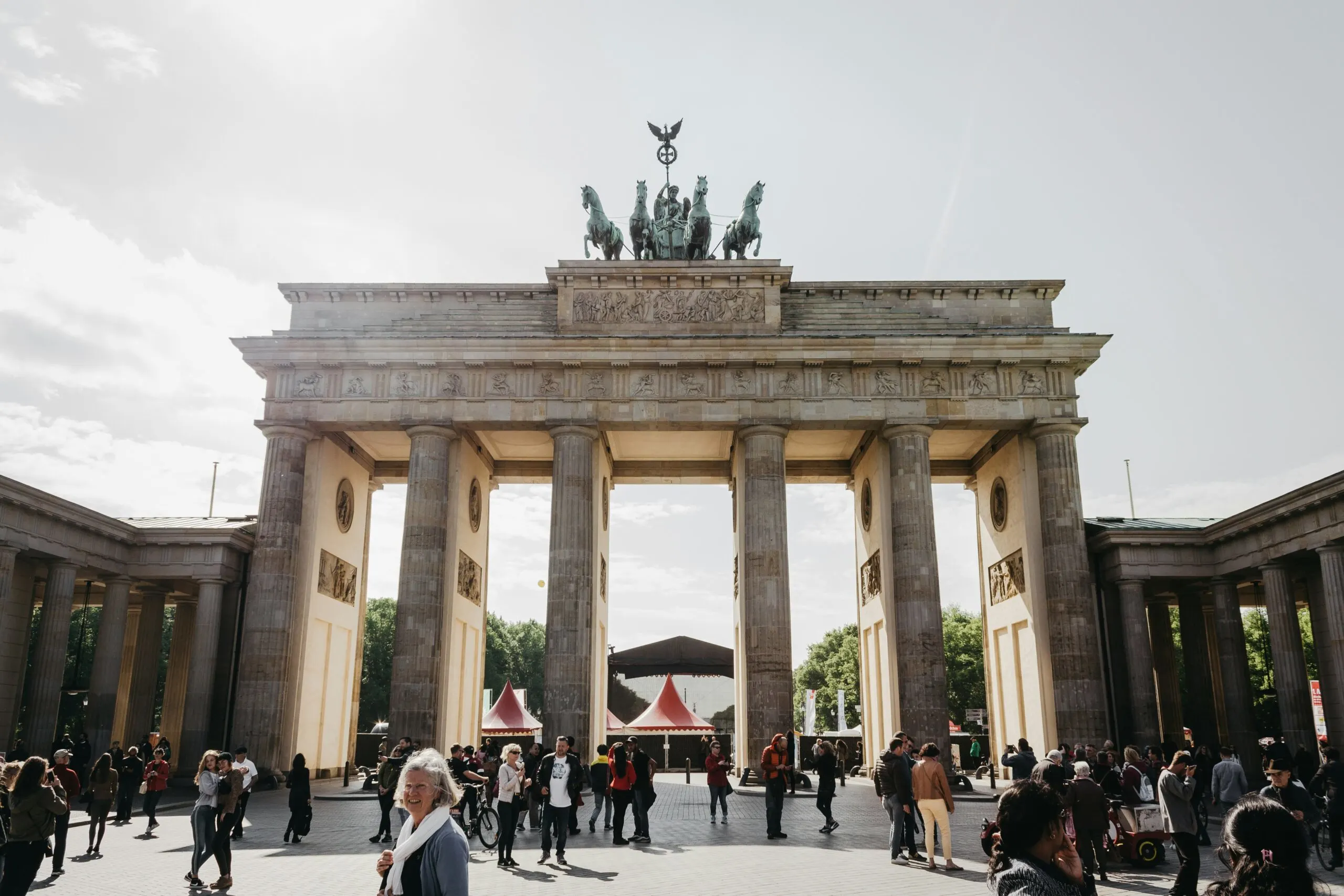
Absolutely, because November through February offers a completely different, quieter Germany that savvy travelers love. You will walk through the Brandenburg Gate or along the Rhine River with room to breathe, and the low season means you can finally afford that boutique hotel in a prime city center location.The downside is that some river cruises and castle boat tours stop running in deep winter. To Exploit Travel Seasonality, pivot to city-hopping by train, focusing on indoor attractions and thermal spas like Baden-Baden, all while enjoying accommodation discounts of 35% to 45% and flight prices that are often the cheapest of the entire year .

Home > Exploit The Seasons > Seasonal World Map > Europe > Germany
GERMANY
Germany transforms from fairy-tale castles in winter mist to sun-drenched beer gardens in summer. This guide reveals the quiet seasons for vineyard strolls, empty medieval lanes, and authentic Gemütlichkeit without the tourist crowds.
Smart Travel Calendar
Why Choose Germany Off-Season?
Fewer tour buses, more castle ramparts. Enjoy Neuschwanstein without elbowing through 15,000 daily visitors.
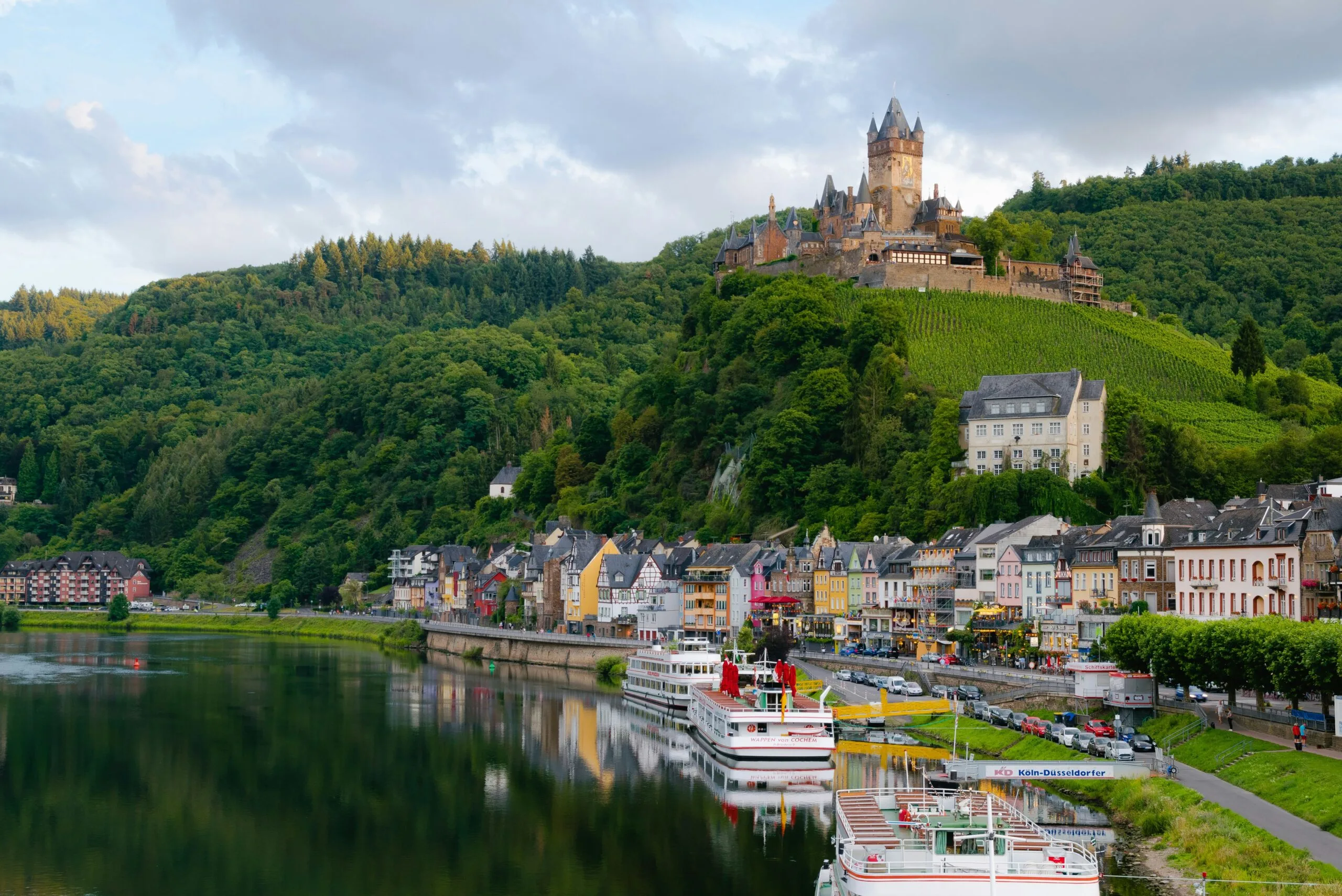
Your own Rhine cruise, not a flotilla. River vessels drop 70%, giving you the romantic solo view.
Local festivals, not tourist traps. Celebrate asparagus harvest or wine festivals with actual Germans.
Hotel staff have time to chat. Get restaurant tips and local stories instead of rushed check-ins.
Black Forest trails for you alone. Misty mornings and empty hiking paths feel like a private fairy tale.
Christmas markets without the crush. December weekdays offer glühwein and calm before holiday chaos.
Shoulder Season
Your Smartest Windows
Mid-April to mid-June
September to mid-October
Avoid: The two weeks of Oktoberfest (late Sept to early Oct) in Munich, and the week of German Unity Day (Oct 3rd), which creates long weekend price spikes.
What the Sky Does
Spring: 8°C to 20°C (46°F to 68°F); Autumn: 10°C to 18°C (50°F to 64°F)
April showers are real — pack a light rain jacket for sudden drizzles
September offers “Altweibersommer” — a second summer with crisp, sunny days
October brings foggy mornings over the Rhine valley, perfect for moody photography
How Empty It Feels
40-60% fewer tourists compared to July-August peak
Major cities like Berlin and Munich feel comfortably busy, not suffocating
Romantic Road villages (Rothenburg, Füssen) have parking spots and open benches
No queues for Reichstag dome or Neuschwanstein ticket offices
What You’ll Save
30-50% on flights and 4-star hotels vs. summer peak
Car rentals drop by nearly half — especially for castle-hopping
Same-day entry to museums and palaces without premium “skip the line” fees
€10-15 lunch menus instead of inflated summer tourist prices
The Secret Perk
Spargelzeit (Asparagus Season) — April to June brings white asparagus feasts at every local inn
Wine festivals along the Mosel and Rhine in September with free tastings and fireworks
Golden October light turns the Black Forest and Bavarian Alps into postcard perfection
Biergarten ease — find a table without circling for 20 minutes
The Tiny Trade-Off
Some lake ferries (e.g., Königssee, Chiemsee) start reduced schedules in October
Outdoor swimming pools and some castle gardens close after September
Early April can still see snow flurries in the Alps and Harz mountains
May 1st (Labor Day) brings city protests and some transport disruptions
Smart Traveler Tip
Target late May or late September for the best balance of sun, empty sites, and full services
Book the first week of June for warm days but before school holidays start (mid-June)
Avoid the Pfingsten (Pentecost) long weekend in May/June — domestic travel spikes prices
Pack layers: a sweater, light scarf, and umbrella cover you from chilly mornings to warm afternoons
Deep Off-Season
Your Smartest Windows
Early November to mid-December (excluding the week before Christmas)
Mid-January to end of February
Avoid: The week between Christmas and New Year’s Eve (Dec 27-Jan 1) when cities are packed with Christmas market visitors and hotel rates spike.
What the Sky Does
Typical range: -3°C to 7°C (27°F to 45°F); lower in Alps and Harz mountains
Northern Germany (Hamburg, Berlin): grey, drizzly, 0-5°C (32-41°F)
Bavarian Alps and Black Forest: reliable snow above 800m for winter sports
January and February are driest winter months in the east, foggiest in the Rhine valley
How Empty It Feels
70-80% fewer tourists than July-August peak
Historic sites like Heidelberg Castle feel nearly private — you and the ravens
Museums (Pergamon, BMW Welt) are blissfully quiet on weekday mornings
Small towns feel genuinely local: bakeries full of regulars, not selfie sticks
What You’ll Save
Up to 60% off peak-season travel costs
Flights from Europe as low as €30 each way; transatlantic deals appear in January
Luxury hotels in Munich and Berlin for the price of 3-star summer rates
Car rentals from €15/day — and no competition for winter tire-equipped vehicles
The Secret Perk
Cozy thermal spas — Baden-Baden’s Friedrichsbad and Erding’s Therme are pure hygge
Real winter sports without Alps prices: Harz mountains, Fichtelberg, and Sauerland
Karnival (Fasching) in February — Cologne and Mainz go wild with costume parades
Truffle hunting season in autumn-winter — book a forest walk with a trained dog
Genuine pub chats — landlords have time to teach you card games and pour local schnapps
The Tiny Trade-Off
Most lake and river cruises shut down entirely (November to March)
Nightlife in resort towns (Sylt, Rügen) is dead outside winter holidays
Many family-run guesthouses in alpine villages close for 4-6 weeks in November
Daylight lasts only 7-8 hours in December — plan indoor sights for afternoon
Smart Traveler Tip
Visit between January 7 and February 10 for the absolute quietest and cheapest window
Late February brings Frühling (early spring) events — carnival and the first crocuses
Pack thermal base layers, waterproof boots, and gloves — German winter wind is sharp
For mildest deep off-season, head to the Rhine valley or Lake Constance (Bodensee) region
Find Off-Peak Flights
FAQs
Explore Germany
Essential Trip Information
Visa and Entry Requirements
Germany is part of the Schengen Area, allowing visa-free travel for short stays (up to 90 days within 180 days) for citizens of the US, Canada, Australia, New Zealand, and the EU.
Check visa requirements based on nationality via the German Federal Foreign Office or your local consulate.
Passports must be valid for three months beyond your stay and issued within the last ten years. Six months of validity is recommended.
Immigration may request proof of onward travel (return ticket) and sufficient funds.
Currency
Germany uses the Euro (€). Banknotes: €5–€500 (€200/€500 rarely used). Coins: 1c–€2.
Best Ways to Handle Currency
Before Your Trip: Exchange a small amount for immediate needs; avoid airport rates. Consider travel cards (Revolut, Wise) for better rates.
During Your Trip: Use ATMs at major banks (Deutsche Bank, Sparkasse). Opt to be charged in euros. Cards (Visa/Mastercard) are widely accepted, but keep €50–€100 cash for smaller shops and rural areas.
What to Avoid: Tourist-area exchange offices and standalone ATMs with high fees.
Language
Official language: German. English is widely spoken in cities.
Learn basics: Guten Tag (Hello), Danke (Thank you), Sprechen Sie Englisch? (Do you speak English?).
Safety and Security
Generally very safe, but pickpocketing can occur in tourist areas (Berlin, Munich).
Use common sense with valuables in crowded places.
Emergency number: 112 (EU-wide).
Health
No special vaccinations required.
EU citizens: Bring EHIC card; others need travel insurance.
Pharmacies (Apotheke) provide over-the-counter help. Tap water is safe.
Transportation
Cities: Efficient U-Bahn (metro), S-Bahn (suburban trains), buses. Day passes save money.
Trains: ICE (high-speed), RE/RB (regional). Book early for discounts.
Driving: Well-maintained Autobahn (no speed limit on some sections), but parking can be expensive in cities.
Taxis/Ride-sharing: Uber available in major cities.
Price Level
Germany ranges from affordable (eastern regions) to expensive (Munich, Frankfurt).
Accommodation
Budget: Hostels/budget hotels (€30–€60/night)
Mid-range: 3-star hotels (€80–€150/night)
Luxury: 4-5 star hotels (€200+/night)
Food
Bakeries: €3–€7 for sandwiches
Café meals: €10–€18 (daily specials)
Restaurant dinners: €20–€35/person
Coffee: €1.50–€3.50 (espresso at the bar)
Drinks
Beer: €3.50–€7 (bars), €1–€3 (supermarkets)
Wine: €4–€10/glass
Cocktails: €8–€15
Transportation
Metro/bus: €2.50–€3.50/ride
ICE trains (high-speed): €20–€100 (book early for discounts)
Gasoline: ~€1.70–€2.00/liter
Money-Saving Tips
Travel off-peak (avoid Oktoberfest, Christmas markets).
Book trains in advance via Deutsche Bahn.
Use regional day tickets for unlimited travel.
Planning Your Trip
Local Customs And Etiquette
Greetings: A firm handshake with eye contact. “Guten Tag” (Good day) is polite.
Dining: Dinner starts 6–8 PM. Don’t cut potatoes with a knife—it’s a cultural quirk!
Tipping: Round up bills (5–10%) or say the total you’d like to pay (e.g., “€30” for a €28 meal).
Punctuality: Being on time is valued for trains, tours, and appointments.
Recycling: Germany takes it seriously—follow bin labels (e.g., Pfand for bottle returns).
Budgeting For Your Trip
Accommodation: Hostels (€20–€40), mid-range hotels (€70–€120), luxury (€200+).
Food: Currywurst (€3), café meal (€10–€20), fine dining (€50+).
Transport: ICE train (€20–€80), metro ticket (€2.90), car rental (€35/day).
Activities: Neuschwanstein Castle (€15), Berlin museums (€12–€20), free hiking trails.
Daily Budget:
Budget: €50–€80 (hostels, street food, public transport).
Mid-range: €100–€180 (hotels, restaurants, attractions).
Luxury: €250+ (designer stays, gourmet meals, private tours).
Internet & Mobile
Free Wi-Fi: Available in cafés, hotels, and some public squares (spotty in rural areas).
SIM Cards: Buy from Vodafone/Telekom (€10–€20 for 5GB). EU travelers enjoy free roaming.
eSIMs: Supported by major providers (Airalo, Deutsche Telekom).
Travel Insurance
Essential for: Medical emergencies, trip cancellations, and lost luggage.
EU Citizens: EHIC/GHIC covers basic healthcare (supplement with insurance).
Adventure Sports: Ensure coverage for skiing or hiking in the Alps.
Accomodation Options
From boutique design hotels to rustic alpine lodges, Germany has diverse stays.
Hotels:
Budget chains (Ibis, Motel One) to luxury (e.g., Brenners Park-Hotel in Baden-Baden).
Tip: Book early for Oktoberfest (Munich) or Christmas markets.
Hostels:
Affordable dorms (€20–€40/night) or private rooms. Popular in cities (e.g., Generator Berlin).
Apartments/Airbnb:
Great for families or longer stays. Check for central locations.
Pensions/Gasthäuser:
Family-run guesthouses in small towns or countryside. Often include breakfast.
Luxury Stays:
Castle Hotels: Splurge on the Rhine or in Bavaria (e.g., Burg Eltz).
Design Hotels: Berlin and Hamburg offer trendy boutique options.
Getting Around
Germany’s transport system is efficient and well-connected.
Trains:
ICE High-Speed Trains: Link major cities (Berlin, Munich, Hamburg) quickly. Book via Deutsche Bahn (DB) for discounts.
Regional Trains (RE/RB): Affordable for shorter trips (e.g., Munich to Neuschwanstein).
EuroCity/Interrail: International connections to Austria, Switzerland, etc.
Buses:
Long-distance: FlixBus offers budget routes between cities.
Local buses: Useful for rural areas (e.g., Rhine Valley villages).
Flights:
Domestic flights (Lufthansa, Eurowings) connect Berlin, Munich, and Düsseldorf, but trains are often faster.
Car Rental:
Ideal for scenic routes (Romantic Road, Black Forest) or alpine getaways.
Requirements: Valid license + IDP (for non-EU drivers). Autobahns have no speed limits (but follow local rules!).
Public Transport in Cities:
Berlin/Munich: U-Bahn (metro) and trams cover cities efficiently. Buy a Tageskarte (day pass).
Taxis/Uber: Available but expensive; bikeshares (e.g., Nextbike) are popular.