 Skip to content
- Are The Famous Lençóis Maranhenses Lagoons Actually Full Of Water During The Rainy Shoulder Season?
Yes, and this is the single most important secret that smart travelers exploit in this region. The lagoons reach their maximum size and deepest blue colors exactly during the months when most tourists stay away, because the rains fill them up and the winds have not yet blown the sand bridges apart.
The trade-off is that accessing the dunes requires four wheel drive vehicles and patient local drivers who know the flooded paths. You can still reach the most spectacular lagoons like Lagoa Azul and Lagoa Bonita, and you will find guided tours offering percentage discounts of 30% to 45% compared to the dry season high demand window.
- Is It Possible To Trek Between Dunes Without Getting Stuck In Mud During Off Season?
You need to be smart about your route and listen to your local guide, but yes, it is absolutely possible and incredibly rewarding. The wet sand actually compacts better under your feet, making the trekking less exhausting than walking on loose, scorching dry sand in peak season.
The honest downside is that some connecting routes between the main dune fields become temporary lakes that you must walk around rather than through. However, you gain the advantage of cooler air temperatures for your hike, plus lodge prices in Atins and Santo Amaro drop by 35% to 50%, letting you stay closer to the park entrance.
- How Do The Preguiças River Boat Trips Change During The Low Season Around Barreirinhas?
The river flows higher and faster, which actually makes the boat trips more scenic and adventurous as you glide past flooded mangrove forests. You will see more wildlife because the capuchin monkeys and colorful birds congregate near the higher water lines where fruit trees grow.
The catch is that some of the smaller sandbar beaches used for swimming breaks might be submerged or inaccessible. That said, the boat captains simply show you alternative spots, and you will share the river with 70% fewer boats, making the journey feel like your own private Amazon tributary experience at percentage discounts of 20% to 35%.
- Is The Wind Too Strong For Kitesurfing On The North Coast During Deep Off Season?
No, in fact the wind conditions become more consistent and reliable for advanced riders during the transition months. The famous lagoons of Atins and Caburé offer flat water surfaces perfect for practicing new tricks without the chaotic peak season crowds jostling for space.
The honest reality is that beginners might find the stronger gusts more challenging, so booking a few extra lesson hours is a smart move. You can exploit this season by securing kite schools and wind sport lodges at percentage discounts of 25% to 40%, plus you get longer uninterrupted sessions on the water because there is no waiting line for launch spots.
- Are The Remote Fishing Villages Like Atins Still Worth Visiting When It Rains?
Absolutely, the rain transforms these villages into lush, green sanctuaries where life slows down to the most authentic pace possible. You get to eat freshly caught fish in family run restaurants while locals actually have time to tell you their stories, unlike in peak season when everyone is rushed and exhausted.
The trade-off is that some village paths turn to slippery red mud, so pack sandals with good grip and embrace the rustic charm. You can exploit the quiet season to stay in rustic eco lodges at percentage discounts of 40% to 60%, and you might find yourself as the only foreign visitor in the village, which means every local will remember your name and welcome you like family.

Home > Exploit The Seasons > Seasonal World Map > South America > Brazil > North Coast And Maranhão
NORTH COAST & MARANHÃO DUNES
Imagine miles of blinding white dunes dotted with turquoise rainwater lagoons. Northern Brazil’s coast is nature’s abstract art. Come off-season to wade through Lençóis Maranhenses’ liquid pools alone, before the tour buses arrive.
Smart Travel Calendar
Shoulder Season
Your Smartest Windows
June to August (dry season – but check lagoon levels!)
August to October (winter/spring – clearest skies)
Avoid: July school holidays (mid-July to early August) – Brazilian families flock to Lençóis; prices in Barreirinhas triple. New Year’s week (Dec 27–Jan 2) – Jeri becomes a party zoo.
What the Sky Does
June–August: 27°C to 32°C (81°F–90°F), dry, sunny, low humidity – actually the most comfortable weather of the year.
August–October: 28°C–34°C (82°F–93°F), brilliant blue skies, almost zero rain – peak visibility for photography.
Trade winds blow strong from August – kiteboarding and windsurfing conditions are world-class.
Nights cool down to 22°C–24°C (72°F–75°F) – no need for AC, just open windows and ocean breeze.
How Empty It Feels
45–60% fewer tourists compared to December–January summer peak – except July school holidays (see above).
Lençóis National Park entrada (entrance): 20-minute wait instead of 2 hours in high season.
Jericoacoara’s main beach: plenty of lounge chairs available without claiming your spot at 7am.
Atins village: the main sandy street has maybe 15 people at sunset instead of 150.
Parnaíba Delta boat tours: you’ll share with 4–6 people instead of 20–30.
What You’ll Save
35–50% savings on pousadas in Barreirinhas and Jericoacoara (avoiding July holidays).
Flights into São Luís (SLZ) or Fortaleza (FOR) drop 30–45% from US/Europe after Carnival.
4×4 tours to Lençóis lagoons: negotiate 20–30% off midweek rates.
Kitesurfing rental and lessons: 40% cheaper than December peak season.
The Secret Perk
August: Festival de Bumba Meu Boi in São Luís – the most authentic Maranhão cultural celebration; locals wear elaborate costumes and dance for hours.
Whale watching off the Delta coast (July–September) – humpbacks migrate past Parnaíba; local boatmen know exactly where.
Lagoon water at perfect temperature – 25°C–28°C (77°F–82°F), refreshing but not cold, like a natural swimming pool.
Photography at magic hour – low angle sun on dunes creates shadows that make the landscape look like another planet.
Learn to kitesurf with patient instructors – smaller class sizes in August–October mean real progress.
The Tiny Trade-Off
July school holidays (mid-July to early August) cause a 2-3 week spike in Brazilian tourists – avoid these exact weeks if possible.
Some Lençóis lagoons may be lower in October (drier) – but the landscape is still stunning, just less wading depth.
Wind can be strong in August–September – great for kitesurfing, less ideal for lounging on the beach (sand blows).
Restaurant options in Atins reduce by 20–30% in June – the best ones stay open, but fewer choices.
Smart Traveler Tip
Target late August to September for ideal balance: lagoons still full, kids back in school, winds steady but not insane.
For Lençóis, book tours after 10am – morning mist burns off for better visibility, and crowds from Barreirinhas haven’t arrived yet.
Avoid the entire July 15–31 window if you want emptiness – that’s peak Brazilian family travel in Maranhão.
Deep Off-Season
Your Smartest Windows
March to May (rainy season – but with a twist!)
October to mid-December (pre-summer lull)
Avoid: Entire month of January (summer peak + Brazilian holidays), Carnival week (Feb/Mar), and New Year’s week (Dec 27–Jan 2).
What the Sky Does
March–May: 25°C to 30°C (77°F–86°F), higher humidity, regular rain (often overnight), occasional downpours.
October–November: 28°C–33°C (82°F–91°F), mostly sunny, brief afternoon showers, humidity rising.
Rainy season (March–June) actually fills the lagoons – by May, Lençóis is at its most spectacular, but getting there requires 4×4 negotiation through mud.
Wind is lightest in April–May – no kiteboarding, but perfect for tranquility and flat-water lagoon swimming.
How Empty It Feels
75–85% fewer tourists than peak summer – you’ll feel like you discovered Lençóis before Instagram did.
Barreirinhas riverfront: you and maybe two other tourist groups having dinner by the Preguiças River.
Lençóis National Park: you might hike for hours without seeing another human – just lagoons and dunes.
Atins: the few pousadas that stay open become mini-communities; you’ll know everyone by name by day two.
Delta boat captains have hours to talk – they’ll teach you about caranguejo fishing and mangrove ecology.
What You’ll Save
60–75% off peak rates for pousadas in Barreirinhas, Atins, and Jericoacoara.
Flights to São Luís or Fortaleza hit annual lows in April–May and November – sometimes 80% off December prices.
4×4 tours: negotiate private tours for the price of shared in high season (operators are desperate for clients).
Kitesurfing schools closed? Even better – you’ll have the lagoon entirely to yourself for swimming.
The Secret Perk
Lençóis at its most photogenic – March–May lagoons are full, green algae blooms create emerald hues against white sand, and no footprints ruin your shots.
São João festivities in Barreirinhas (June) – yes, it’s technically early off-season; bonfires, forró dancing, and local cachaça in a small riverside town.
Turtle nesting season on Delta beaches (March–June) – see olive ridley turtles laying eggs with local conservation guides.
Caranguejo (crab) harvest at its peak – March–May; eat the freshest crab you’ve ever tasted for R$15–20.
You’ll become friends with your guide – when you’re the only client, they’ll take you to secret lagoons not on any map.
The Tiny Trade-Off
Rain can disrupt 4×4 access to Lençóis lagoons – sometimes roads flood; you may need to wait a day or take a different route.
Jericoacoara: some restaurants and pousadas completely close April–June for owner break – call ahead.
Mosquitoes increase in mangroves (Delta area) during rainy season – bring serious repellent, not the natural stuff.
Kitesurfing is impossible in March–May (no wind) – if lessons are your goal, come August–October instead.
Daylight hours shorter (sunset 5:40pm) – start your dune hikes by 7am to get full day.
Smart Traveler Tip
For full lagoons AND lowest prices, come in May – rain is decreasing, lagoons are spectacular, tourists haven’t arrived yet.
November is Jericoacoara’s secret sweet spot: wind is back (but not insane), prices are still low, crowds are zero.
Pack sandals with straps (Chacos/Teva style) – Lençóis dunes get brutally hot midday, and flip-flops fly off in sandy 4×4s.
Want to avoid rain entirely? October to November in Jeri/Camocim – almost zero rain, warm water, steady winds, and still off-season prices until mid-December.
Find Off-Peak Flights
Top Off‑Season Stays
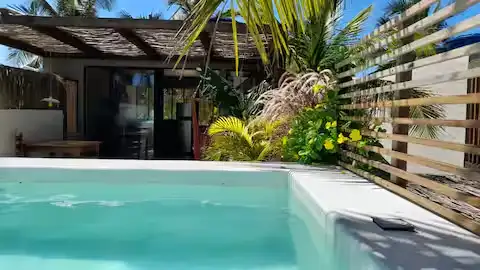
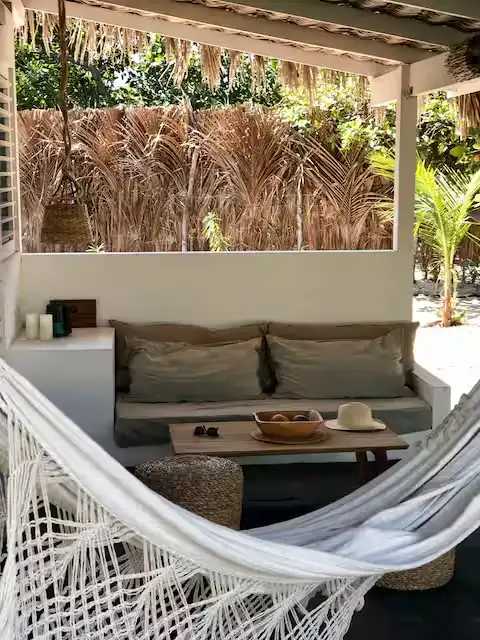
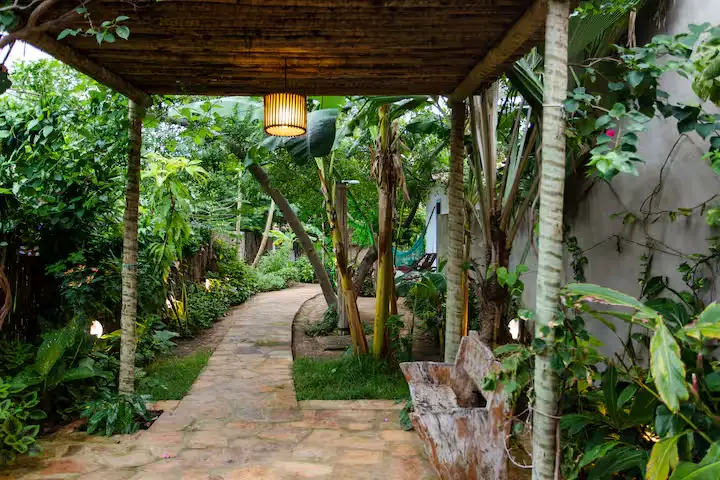
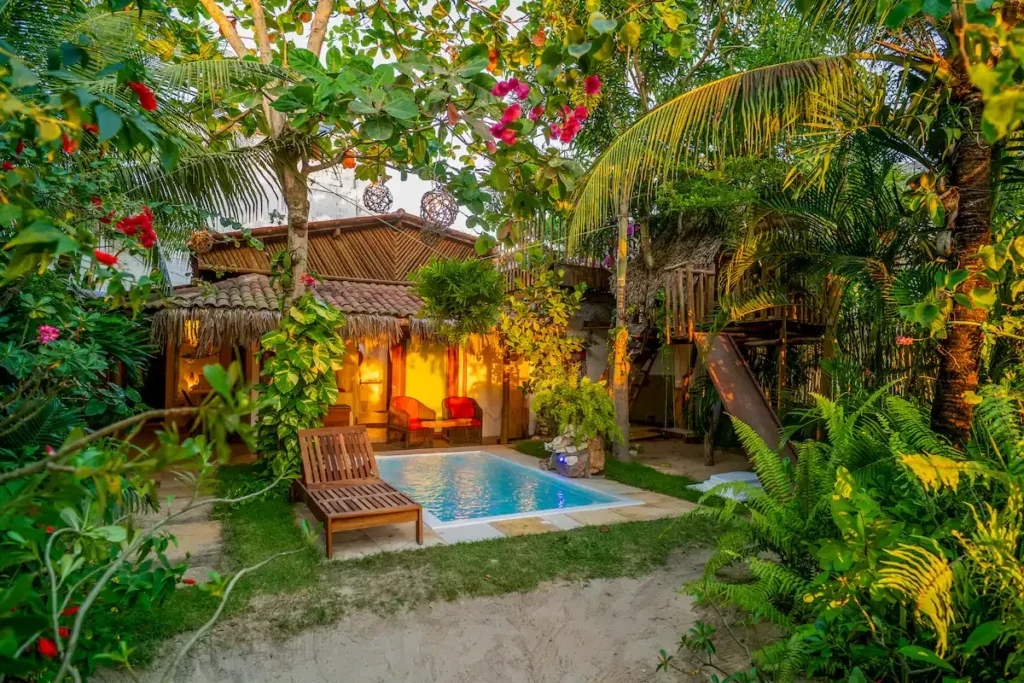
Find below our curated selection of boutique hotels and design apartments that offer exceptional value, atmosphere, and comfort during the off‑season — often at significantly lower rates than peak months.
Uncrowded Experiences & Tours
Skip the lines and experience iconic landmarks at your own pace. Discover curated local tours and cultural activities designed to show you the authentic side of the destination without the peak-season rush.
Handy Tips
Weather & Climate
The region has a tropical climate, characterized by high temperatures year-round (often 25ºC t 32ºC / 77ºF to 90ºF). There is a distinct rainy season (January to May) and a drier season (June to December).
Local Customs And Etiquette
Language: Portuguese is the only official language. English is rarely spoken outside of major hotels or high-end tour agencies. Learning basic phrases is highly recommended.
The Beach: This is a barefoot, informal region. Take your time, enjoy the sunset, and don’t be afraid to eat from beach stalls (barracas).
Driving: Off-road driving on dunes is common and necessary for tours; however, attempting it yourself without experience or the proper vehicle is dangerous and often prohibited. Always use licensed tour operators.
Budgeting For Your Trip
Accommodation: Hostels ($15–$35), pousadas (mid-range, $50–$90), luxury ($120+). Prices in Jericoacoara are higher than the regional average.
Food: Lunch at a simple restaurant ($8–$15), dinner at a mid-range restaurant ($20–$40 per person), upscale dining ($50+).
Transport: Shared 4×4 transfer to Jeri/Lençóis ($30–$50 per person), local bus/taxi (inexpensive).
Activities: Lençóis Maranhenses half-day tour ($20–$40), Kite-surfing lessons ($40+ per hour), Buggy tours ($40–$60 per buggy).
Daily Budget:
- Budget: $50–$80 (hostels, self-service meals, public transport).
- Mid-range: $90–$150 (pousadas, restaurants, daily tours).
- Luxury: $170+ (boutique hotels, gourmet meals, private transfers).
Getting Around
By Air: Flying into major hubs like Fortaleza (FOR) or São Luís (SLZ) is the standard. Jericoacoara has a small regional airport (JJD).
By 4×4 Transfer: For remote locations like Jeri and Lençóis, shared or private 4×4 transfers are the most efficient and sometimes the only way to reach your final destination.
By Bus: Comfortable, affordable inter-city buses connect all major coastal cities like Fortaleza, Natal, and São Luís.
In-Town: Many villages (like Jeri and Pipa) are easily navigable on foot, by bicycle, or with local táxis (usually buggies).
Must-Try Food
Moqueca de Camarão: A rich, coconut milk-based stew with shrimp, often served with rice and pirão (mashed manioc).
Carne de Sol (Sun-Dried Beef): A regional specialty, typically cooked and served with feijão (beans), manteiga de garrafa (bottled butter), and manioc.
Peixe Frito (Fried Fish): Freshly caught, whole fish (like snapper or sea bass), often seasoned simply and served at beach barracas.
Baião de Dois: A hearty dish of rice and beans cooked together with cheese and sometimes bacon or sun-dried beef. A Maranhão/Ceará staple.
Lagosta (Lobster): Found cheaply and abundantly in coastal villages, often grilled over charcoal and seasoned with lime.
Acarajé: Though more typical of Bahia, it can be found; a deep-fried patty of black-eyed peas, filled with shrimp and vatapá (a creamy paste).
Castanha de Caju (Cashew Nut): This region is a major producer of cashews, often found roasted and salted in local markets.
Torta de Limão (Lime Pie): A popular and refreshing dessert, similar to a key lime pie.
Bolo de Rolo (Roll Cake): A thin cake with a guava paste filling, rolled up like a log (a specialty from Pernambuco, common in the region).
Doce de Caju: A sweet candy or preserve made from the cashew fruit (not the nut), which has a unique, slightly astringent flavor.
Must-Try Drinks
Caipirinha: Brazil’s national cocktail, made with cachaça, sugar, and lime. In this region, you will also find variations with passion fruit or cashew fruit.
Cerveja Gelada: Literally “iced beer.” Brazilian lagers (like Skol or Brahma) served ice-cold, often by the bottle to share.
Batida: A blended cocktail made with cachaça, fruit (often coconut or pineapple), and condensed milk, served over ice.
Guaraná: A sweet, slightly fruity soda made from the Amazonian guaraná berry, a very popular non-alcoholic choice.
Água de Coco: Fresh coconut water, served directly from the chilled coconut (especially refreshing on a hot beach day).