 Skip to content



- Is The Green Coast Still Beautiful For Hiking During The Rainy Shoulder Season?
Yes, in fact the rainforest comes alive with dramatic waterfalls and misty mountain views that look like a painting. The trails in places like Tijuca National Park become less crowded and the humidity drops to comfortable levels for strenuous climbs.
The trade-off is that you will encounter muddy paths and occasional slippery rocks, so proper footwear is non-negotiable. However, you can exploit this quieter period to book luxury eco-lodges along the coast with percentage discounts of 35% to 50% that would be impossible during the dry summer months.
- How Do Boat Tours And Ferry Schedules Work In Off Season Around Rio?
They absolutely continue running, but with a wonderfully relaxed vibe and plenty of space on deck for sunset views. Trips to Ilha Grande or Paraty become more intimate experiences because you are not packed in like sardines with hundreds of other tourists.
The minor drawback is that departure frequencies might drop from hourly to every two or three hours on weekdays. Still, you can easily plan around this by checking timetables the night before, and you will find private boat charters offering percentage discounts of 20% to 30% just to fill their seats.
- Is Christ The Redeemer And Sugarloaf Mountain Still Worth Visiting With Cloudy Skies?
Yes, but you need to adjust your expectations and embrace the drama of the moment. The clouds often swirl around the statues creating a mystical, cinematic atmosphere that most peak-season visitors never get to witness.
The honest downside is that you might wait ten minutes for a clear photo before the mist rolls back in. That said, you will face 80% fewer people at the ticket gates, and combined transport packages often drop by 25% to 40%, making the experience feel like a private viewing rather than a cattle call.
- What Are The Beach Conditions In Rio During The Deep Off Season?
The beaches are emptier, windier, and perfect for long walks or solo surfing sessions without fighting for a patch of sand. You will find local lifeguards still on duty, and the water temperature remains swimmable for most global travelers used to cooler oceans.
The catch is that you will have fewer umbrella and chair rental vendors available, and some beach kiosks operate on reduced hours. However, you can exploit this by buying cold coconut water from the few remaining stalls and enjoying a stretch of Copacabana or Ipanema that feels like your own private coastline with hotel rates discounted by 45% to 60%.
- Does The Off Season Affect The Boat Access To Remote Green Coast Villages?
It changes the access but does not cut it off completely, which actually adds a sense of adventure to your journey. Smaller schooners and speedboats still connect destinations like Angra dos Reis and Paraty, just with a tighter focus on mid-morning departures when the seas are calmest.
The real benefit is that those hidden fishing villages feel authentically sleepy and local rather than overrun with day-trippers. While you might need to be more flexible with your pickup times, the percentage discounts on multi-day island hopping passes range from 30% to 55%, giving you serious value for exploring Brazil's most stunning coastline.

Home > Exploit The Seasons > Seasonal World Map > South America > Brazil > Rio de Janeiro And Green Coast
RIO DE JANEIRO & GREEN COAST
Rio’s Christ smiles over a coastline that shifts from electric city energy to hidden emerald coves. Ditch the summer stampede. Discover carnival spirit without chaos and waterfalls without crowds, all while the Atlantic keeps temperatures just right.
Smart Travel Calendar
Shoulder Season
Your Smartest Windows
April to mid-June (fall)
August to mid-October (winter/early spring)
Avoid: The week between Christmas and New Year’s Eve (Dec 26–31) plus Carnival Tuesday (dates shift Feb/Mar) – domestic travel spikes hard.
What the Sky Does
Fall: 22°C to 28°C (72°F–82°F) in Rio/SP; cooler in the south (15°C–22°C / 59°F–72°F).
Winter/spring: Sunny days in the Southeast, drier in Pantanal (perfect for jaguar spotting), brief tropical showers in the Northeast.
Humidity drops in Rio and São Paulo, making city walks genuinely pleasant.
Southern Brazil (Florianópolis, Porto Alegre) gets crisp, sweater-weather days and occasional cold fronts.
How Empty It Feels
40–60% fewer tourists compared to December–February peak.
Major sites like Iguazu Falls have short queues; you can ride the park train without a two-hour wait.
Coastal gems like Paraty and Ilha Grande feel peacefully populated, not claustrophobic.
Finding beachfront seating for sunset caipirinhas becomes effortless, not competitive.
What You’ll Save
30–50% savings on flights from the US/Europe and on mid-range hotels.
Car rental prices drop up to 40% outside of holiday weeks.
Attraction tickets (Christ the Redeemer, Iguazu) are readily available even same-day.
Many pousadas include breakfast and a free night for 4+ night stays.
The Secret Perk
April: Festival de Tiradentes (film and music in a tiny colonial gem).
August: Cachoeira’s Festa de Nossa Senhora do Rosário – Afro-Brazilian culture explodes.
Whale season (July–October) in Abrolhos and Santa Catarina – you’ll see humpbacks breaching.
Golden hour lasts longer because lower humidity means clearer sunset colors over Rio’s lagoons.
The Tiny Trade-Off
Some beach kiosks and boat tour operators reduce hours, especially in smaller towns.
Cold fronts (friagem) can surprise southern beaches with 15°C (59°F) and wind for 2–3 days.
Pantanal trails may be muddier in April–May, though wildlife viewing is still excellent.
The week of Corpus Christi (June) sees a sudden local mini-holiday spike – book ahead.
Smart Traveler Tip
Target May or mid-September for the best weather-and-crowds balance nationwide.
For Iguazu Falls, go in August–September: high but not flooded falls, fewer tourists, and cooler walking.
Avoid flights on Friday nights before long weekends – Brazilians also love shoulder-season travel
Deep Off-Season
Your Smartest Windows
Mid-June to July (winter in most of Brazil)
November to mid-December (pre-holiday lull)
Avoid: The entire month of January (Brazilian school holidays + summer peak) and Carnival Friday-Tuesday (Feb/Mar).
What the Sky Does
Winter: 13°C to 24°C (55°F–75°F) in Rio/SP; south can hit 5°C–15°C (41°F–59°F); Northeast stays warm (26°C–30°C / 79°F–86°F).
The Amazon experiences heavy but short daily rains – trails are lush, river levels are high for boat exploration.
The Pantanal enters dry season (June–July) – the absolute best window for jaguar spotting by vehicle.
Southern beaches (Santa Catarina) have sunny, crisp days – locals wear coats, but you’ll enjoy empty sands.
How Empty It Feels
Up to 70% fewer tourists than peak summer – historic towns feel almost suspended in time.
In Ouro Preto and Olinda, you can wander baroque churches entirely alone midweek.
Museums (Inhotim, MASP, Museu do Amanhã) feel spacious, with no timed-entry stress.
Small fishing villages like São Miguel do Gostoso feel authentic – you’ll be invited to local bars, not tourist menus.
What You’ll Save
50–70% off peak-season hotel rates, especially in Rio, Salvador, and Florianópolis.
Flights from Europe/US can drop to 40–60% of December prices.
Luxury pousadas sometimes operate at half price, including breakfast and transfers.
Domestic flights (e.g., Rio to Salvador) are cheap outside holidays – book 3 weeks ahead.
The Secret Perk
Cozy up in a historic pousada with a fireplace in Paraty or Cunha – yes, Brazil has fireplaces.
June party season (Festas Juninas) – corn cakes, mulled wine, quadrilha dances, and bonfires nationwide, especially in the Northeast and interior.
Jaguar tracking in the Pantanal from July to September – guides say it’s the world’s best big cat viewing.
Truffle season in São Paulo’s Italian-rooted restaurants (June–August) – affordable high-end dining.
You’ll learn Portuguese fast – when you’re one of the few gringos, locals open up and teach you expressions no app knows.
The Tiny Trade-Off
Beach swimming can be chilly in the South (18°C water / 64°F) – but the Northeast (Natal, Fortaleza) stays warm.
Buzios and Ilhabela have quieter nightlife – some clubs close or only open weekends.
In June–July, a few laid-back coastal restaurants close for two weeks of owner vacation.
Daylight is shorter – sunset around 5:30pm in the Southeast, so start your days earlier.
Smart Traveler Tip
For winter sun and low prices, head to Ceará or Rio Grande do Norte – 28°C (82°F) and sunny while São Paulo shivers.
November is Brazil’s hidden jackpot: prices are still low, jacaranda trees bloom purple, and summer hasn’t exploded yet.
Pack layers and a light rain jacket – even in the Northeast, quick showers cool things down for 20 minutes.
If you want to experience Carnival energy cheaply? Go to Salvador’s pre-Carnival (Fevereiro’s first weekend) – 90% the fun, 50% the price.
Find Off-Peak Flights
Top Off‑Season Stays
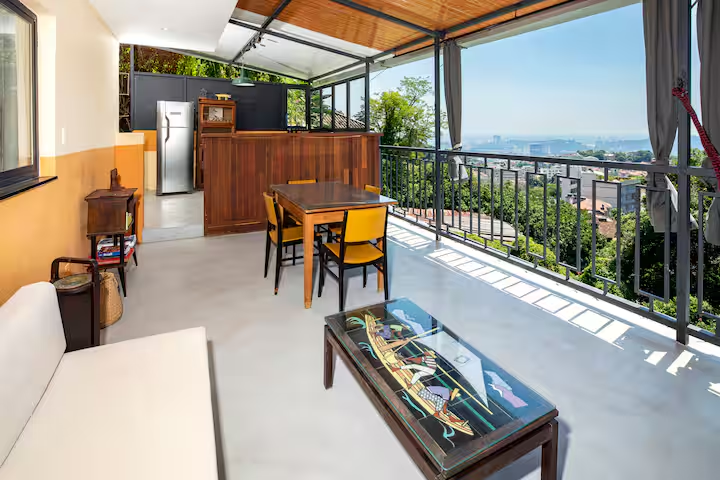
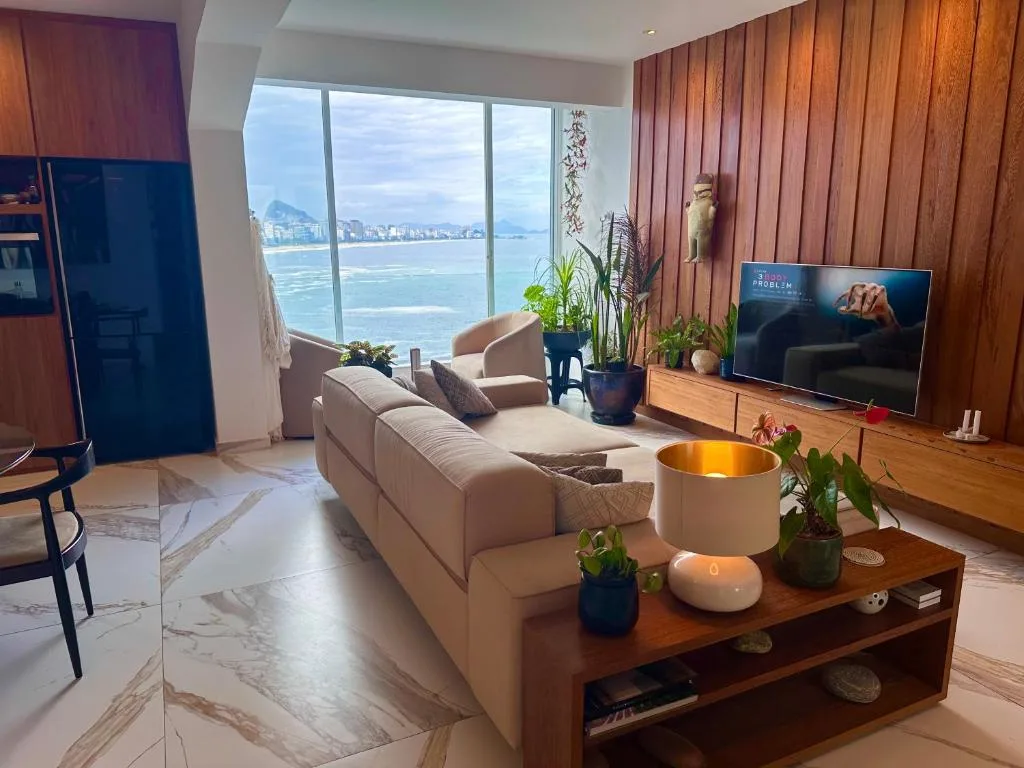
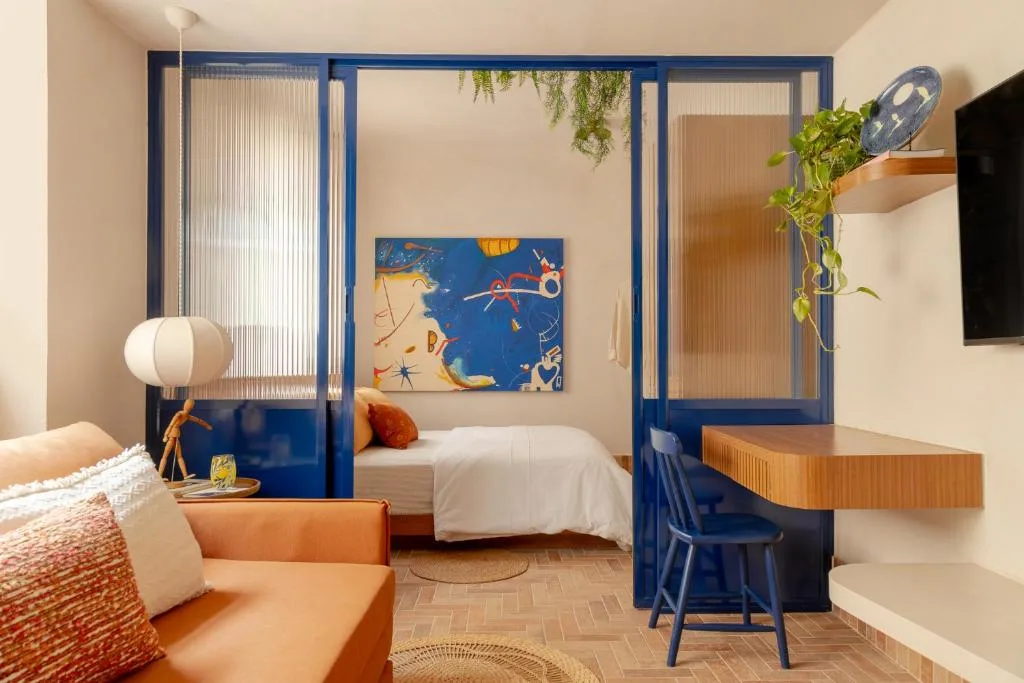
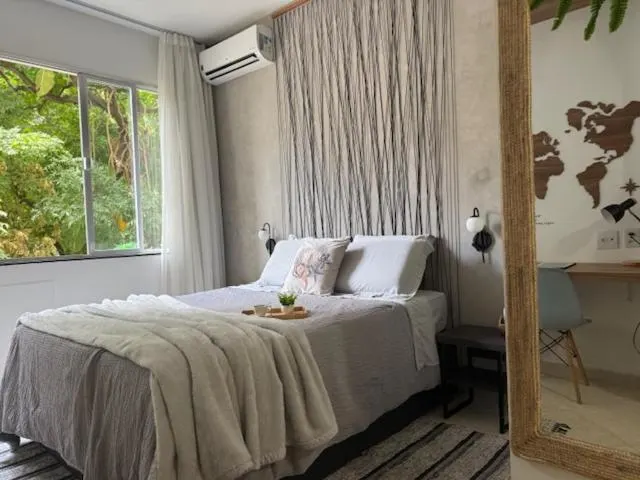
Find below our curated selection of boutique hotels and design apartments that offer exceptional value, atmosphere, and comfort during the off‑season — often at significantly lower rates than peak months.
Casa Rio
Studio Mar Azul

Apartamento Charmoso
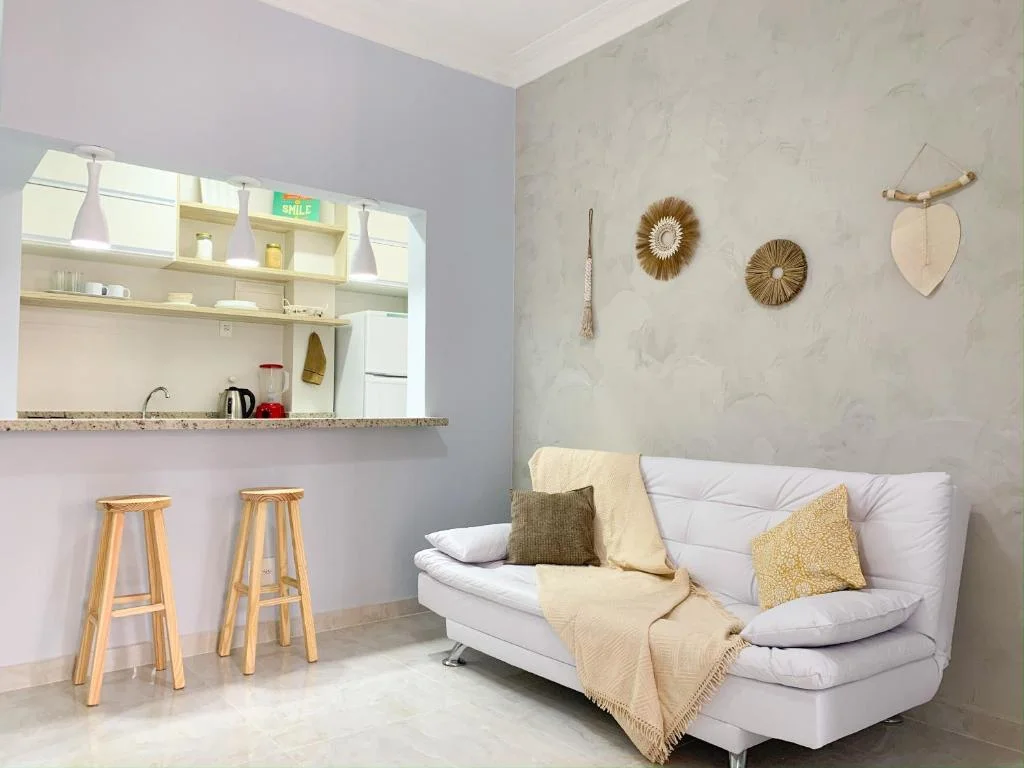
Conforto Em Copacabana
Uncrowded Experiences & Tours
Skip the lines and experience iconic landmarks at your own pace. Discover curated local tours and cultural activities designed to show you the authentic side of the destination without the peak-season rush.
Handy Tips
Weather & Climate
The region is generally tropical. Rio de Janeiro has hot and humid summers with average highs of 30ºC (86ºF), often with heavy rain. Winters are mild, with average highs around 25ºC (77ºF). The Green Coast has a similar climate, but the ocean breezes can make it feel slightly cooler.
Local Customs And Etiquette
Language: Portuguese is the official language. English is common in tourist areas of Rio, but less so in the Green Coast towns—learning a few basic phrases will be greatly appreciated.
Beach Culture: In Rio, tiny swimwear (fio dental) is common. Do not wear beach attire (bikinis, speedos) anywhere but the beach. Change before walking into stores or restaurants.
Safety: In Rio, avoid wearing expensive jewelry or taking out your phone in crowded or less-trafficked areas. It’s best to use Uber/taxis after dark.
Budgeting For Your Trip
Accommodation: Hostels ($15–$30), mid-range hotels/Pousadas ($60–$100), luxury ($150+). Prices double or triple during Carnival/New Year’s Eve.
Food: Lunch Buffet (Comida a Quilo) ($8–$15), dinner at a mid-range restaurant ($20–$40 per person), fine dining ($50+).
Transport: Metro/Bus Ticket ($1.50), short taxi/Uber ride ($5–$10), intercity bus Rio-Paraty ($30).
Activities: Sugarloaf/Christ the Redeemer ($20–$30), Paraty boat tour ($30–$50).
Daily Budget:
- Budget: $50–$80 (hostels, Comida a Quilo, public transport).
- Mid-range: $100–$150 (hotels, restaurants, attractions).
- Luxury: $180+ (boutique hotels, gourmet meals, private tours).
Getting Around
In Rio: The Metro is efficient, clean, and safe for major city areas. Uber/99 (local ride-sharing app) is recommended, especially at night.
Between Cities: Comfortable, air-conditioned intercity buses are the primary way to travel from Rio to Paraty or Búzios. The trips take about 4-5 hours.
On the Green Coast: Schooner/Speedboat taxis are necessary to reach the secluded beaches and islands of Paraty and Ilha Grande.
Must-Try Food
Feijoada: A hearty stew of black beans, various cuts of pork (smoked sausage, dried beef), and bacon, served with rice, collard greens, and orange slices. The national dish, traditionally eaten on Saturdays.
Pão de Queijo: Small, baked cheese rolls with a delightfully chewy texture, made from tapioca flour—naturally gluten-free.
Pastel: Deep-fried thin pastry pockets with various savory fillings (meat, cheese, palm heart).
Churrasco: High-quality cuts of meat, often served rodízio-style (all-you-can-eat) at a steakhouse, with servers carving directly onto your plate.
Acarajé: A Bahian specialty (common in Rio), a deep-fried black-eyed pea fritter stuffed with dried shrimp and pepper paste.
Moqueca: A seafood stew made with coconut milk, dendê oil (palm oil), tomatoes, and peppers, often with white fish or shrimp.
Biscoito Globo: The classic, airy, savory donut-shaped cookie sold by vendors on Copacabana and Ipanema beaches.
Açaí: A superfood berry blended into a thick, frozen sorbet, often topped with granola and banana. Perfect for a hot day.
Brigadeiro: Brazil’s national truffle, a chocolate bonbon made from condensed milk, cocoa powder, and butter, rolled in chocolate sprinkles.
Quindim: A bright yellow, baked coconut and egg custard with a glossy top and sweet, moist base.
Must-Try Drinks
Caipirinha: Brazil’s national cocktail, made with Cachaça (sugar cane spirit), sugar, and muddled lime. Try other fruit variations like passion fruit or cashew.
Cerveja: Brazilian lager beer (like Brahma, Skol, or Antarctica) is typically served “estupidamente gelada” (stupidly cold) in a small glass (copo).
Cachaça: The distilled sugar cane spirit fundamental to Brazilian culture. Enjoy it neat, aged (envelhecida), or in a cocktail.
Guaraná: A sweet, slightly apple-flavored carbonated soft drink made from the Amazonian guaraná berry.
Batida: A sweet, creamy cocktail made from cachaça, sugar, and fruit juices (often coconut or passion fruit).
Chopp: Draft beer served in a small, chilled glass, often a pilsen.
Coconut Water (Água de Coco): Drunk straight from a fresh, chilled green coconut, sold everywhere, especially on the beaches.
Sucos Naturais: Fresh, pure fruit juices, often exotic flavors like Caju (cashew fruit), Maracujá (passion fruit), or Manga (mango).