 Skip to content
- Is Brazil Worth Visiting During The Shoulder Season If I Am Worried About Rain?
Yes. Brazil’s shoulder season does bring increased showers, but this is exactly how you unlock the country’s true rhythm without the premium price tag. You will see the lush landscapes turn a brilliant, vibrant green that you simply miss during the dry months.
The trade-off is that you need to pack a light jacket and embrace a flexible itinerary. You can still enjoy sunny mornings and cultural city tours, while the afternoon downpours usually pass quickly, leaving you with cooler air and hotel rates reduced by 30% to 45%.
- How Do Flight Prices And Crowds Change During Brazil’s Off Season?
You will find that crowds thin out dramatically, often by 70%, especially at major transport hubs and iconic landmarks. This means you get to breathe easier in airports and enjoy spontaneous sightseeing without waiting in long ticket lines.
Flight prices become much more competitive, with domestic connections often seeing percentage discounts between 20% and 35% compared to peak July or December rates. While you might have slightly fewer flight options per day, the value you gain in personal space and lower fares is a massive win for smart travelers.
- What Is The Weather Reality For A Long Trip In The Brazilian Deep Off Season?
The weather is highly regional, but for most of the country, the deep off-season means cooler temperatures and lower humidity, which is a blessing for hiking and urban exploration. You get to walk for hours in Rio or Salvador without feeling exhausted by the tropical heat by noon.
The specific drawback is that some southern routes might feel a bit grey or chilly. However, you can easily exploit this by shifting your itinerary toward the north or interior, where the climate remains pleasant and accommodation prices drop by up to 50% to help you upgrade your stay.
- Are Tours And Attractions Still Running If I Travel During The Low Season In Brazil?
Yes, almost all major attractions remain fully operational, but with shorter queues and a more relaxed pace from local guides. You will find that guides have more time to chat personally with you, offering deeper cultural insights that get rushed during the peak season crush.
The only minor downside is that very niche river or jungle excursions might run with reduced weekly frequencies. To fix this, simply book your adventure tours two days in advance rather than two hours, and you will still secure percentage discounts of 15% to 25% off the standard high-season tour prices.
- How Does Off Season Travel In Brazil Help Me Avoid Tourist Traps?
It completely changes the energy of your trip, moving you from a passive observer to an active participant in local life. When the international crowds vanish, street vendors and small restaurant owners are more welcoming and less aggressive, offering authentic prices rather than peak-season markups.
You get to exploit the quiet period to explore neighborhoods that are normally overrun, like the cobblestone streets of historic colonial towns. While the nightlife may be a little quieter on weeknights, you gain a 40% to 60% discount on accommodation, allowing you to stay in boutique hotels that would normally be out of your budget.

Home > Exploit The Seasons > Seasonal World Map > South America > Brazil
BRAZIL
Forget postcard clichés. Brazil’s true magic hums in the quiet months, when jungle rains refresh the Amazon and empty beaches stretch for miles. This guide unlocks authentic Brazil with fewer crowds and smarter spending.
Smart Travel Calendar
Why Choose Brazil Off-Season?
Beat the Brazilian price surge: Flights and pousadas drop dramatically outside European and South American school holidays.
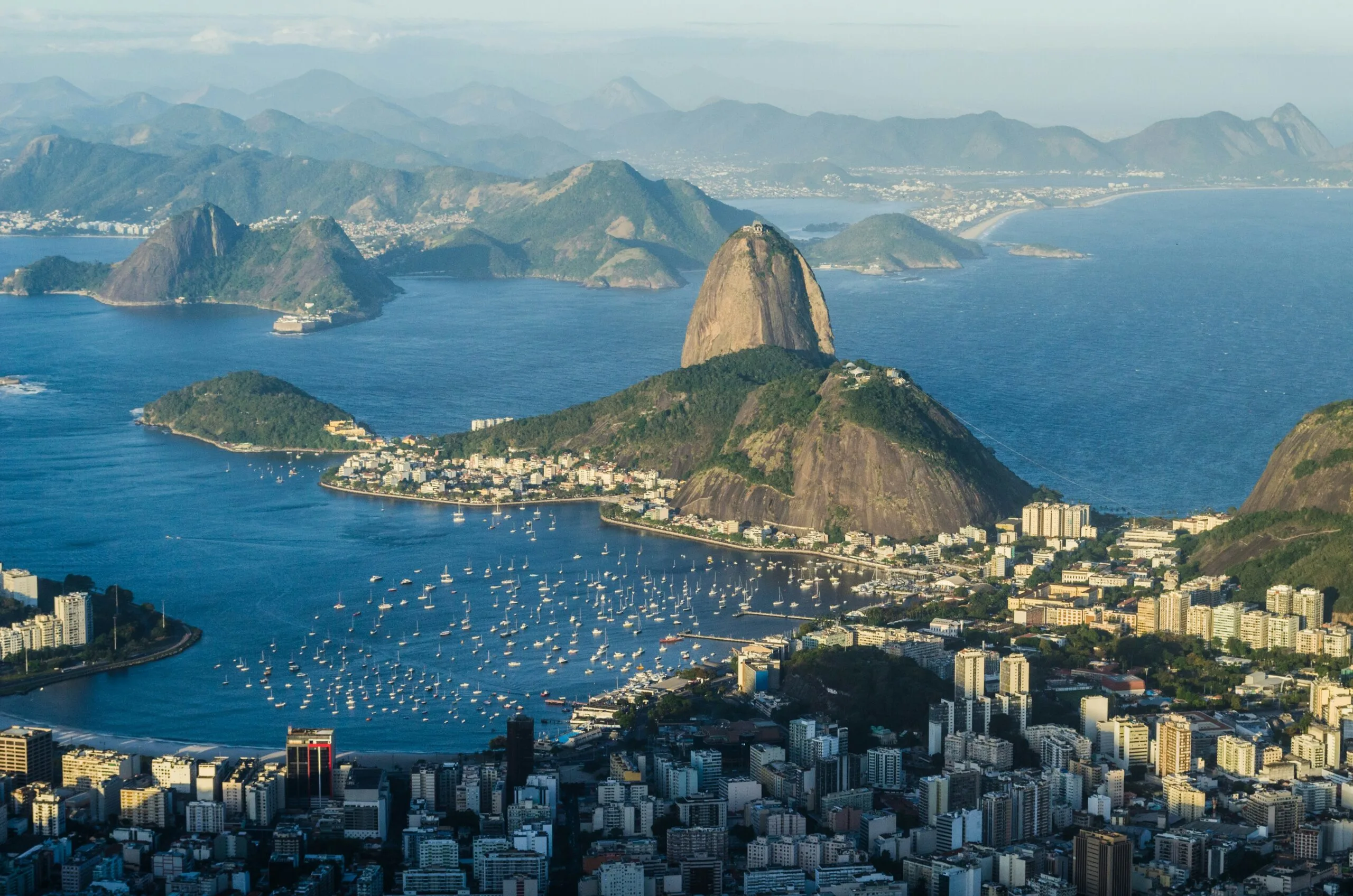
Have iconic sights almost alone: Christ the Redeemer and Sugarloaf without the shoulder-to-shoulder shuffle.
Feel the real rhythm of life: Locals reclaim the coast; you’ll get genuine smiles, not tourist-trap pitches.
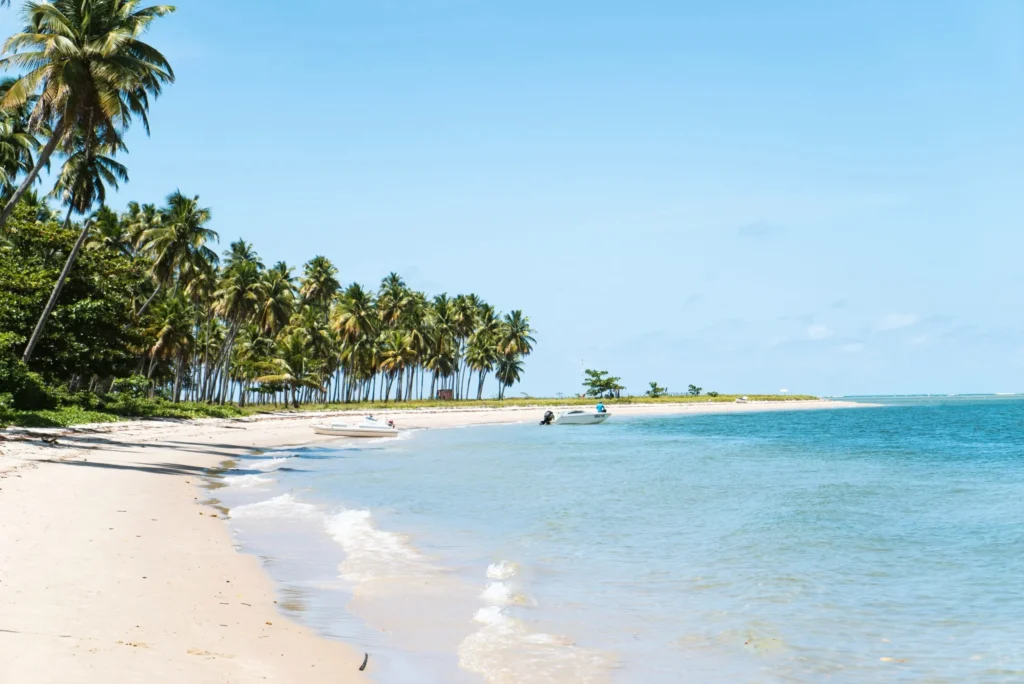
Experience carnival energy without the chaos: Street parties exist year-round in Salvador and Recife—just calmer.
Photograph dramatic, moody skies: Overcast light softens harsh shadows, perfect for rainforest and colonial architecture.
Snag last-minute Amazon lodge deals: Operators slash prices when river levels create natural, boat-accessible wonders.

Shoulder Season
Your Smartest Windows
April to mid-June (fall)
August to mid-October (winter/early spring)
Avoid: The week between Christmas and New Year’s Eve (Dec 26–31) plus Carnival Tuesday (dates shift Feb/Mar) – domestic travel spikes hard.
What the Sky Does
Fall: 22°C to 28°C (72°F–82°F) in Rio/SP; cooler in the south (15°C–22°C / 59°F–72°F).
Winter/spring: Sunny days in the Southeast, drier in Pantanal (perfect for jaguar spotting), brief tropical showers in the Northeast.
Humidity drops in Rio and São Paulo, making city walks genuinely pleasant.
Southern Brazil (Florianópolis, Porto Alegre) gets crisp, sweater-weather days and occasional cold fronts.
How Empty It Feels
40–60% fewer tourists compared to December–February peak.
Major sites like Iguazu Falls have short queues; you can ride the park train without a two-hour wait.
Coastal gems like Paraty and Ilha Grande feel peacefully populated, not claustrophobic.
Finding beachfront seating for sunset caipirinhas becomes effortless, not competitive.
What You’ll Save
30–50% savings on flights from the US/Europe and on mid-range hotels.
Car rental prices drop up to 40% outside of holiday weeks.
Attraction tickets (Christ the Redeemer, Iguazu) are readily available even same-day.
Many pousadas include breakfast and a free night for 4+ night stays.
The Secret Perk
April: Festival de Tiradentes (film and music in a tiny colonial gem).
August: Cachoeira’s Festa de Nossa Senhora do Rosário – Afro-Brazilian culture explodes.
Whale season (July–October) in Abrolhos and Santa Catarina – you’ll see humpbacks breaching.
Golden hour lasts longer because lower humidity means clearer sunset colors over Rio’s lagoons.
The Tiny Trade-Off
Some beach kiosks and boat tour operators reduce hours, especially in smaller towns.
Cold fronts (friagem) can surprise southern beaches with 15°C (59°F) and wind for 2–3 days.
Pantanal trails may be muddier in April–May, though wildlife viewing is still excellent.
The week of Corpus Christi (June) sees a sudden local mini-holiday spike – book ahead.
Smart Traveler Tip
Target May or mid-September for the best weather-and-crowds balance nationwide.
For Iguazu Falls, go in August–September: high but not flooded falls, fewer tourists, and cooler walking.
Avoid flights on Friday nights before long weekends – Brazilians also love shoulder-season travel.
Deep Off-Season
Your Smartest Windows
Mid-June to July (winter in most of Brazil)
November to mid-December (pre-holiday lull)
Avoid: The entire month of January (Brazilian school holidays + summer peak) and Carnival Friday-Tuesday (Feb/Mar).
What the Sky Does
Winter: 13°C to 24°C (55°F–75°F) in Rio/SP; south can hit 5°C–15°C (41°F–59°F); Northeast stays warm (26°C–30°C / 79°F–86°F).
The Amazon experiences heavy but short daily rains – trails are lush, river levels are high for boat exploration.
The Pantanal enters dry season (June–July) – the absolute best window for jaguar spotting by vehicle.
Southern beaches (Santa Catarina) have sunny, crisp days – locals wear coats, but you’ll enjoy empty sands.
How Empty It Feels
Up to 70% fewer tourists than peak summer – historic towns feel almost suspended in time.
In Ouro Preto and Olinda, you can wander baroque churches entirely alone midweek.
Museums (Inhotim, MASP, Museu do Amanhã) feel spacious, with no timed-entry stress.
Small fishing villages like São Miguel do Gostoso feel authentic – you’ll be invited to local bars, not tourist menus.
What You’ll Save
50–70% off peak-season hotel rates, especially in Rio, Salvador, and Florianópolis.
Flights from Europe/US can drop to 40–60% of December prices.
Luxury pousadas sometimes operate at half price, including breakfast and transfers.
Domestic flights (e.g., Rio to Salvador) are cheap outside holidays – book 3 weeks ahead.
The Secret Perk
Cozy up in a historic pousada with a fireplace in Paraty or Cunha – yes, Brazil has fireplaces.
June party season (Festas Juninas) – corn cakes, mulled wine, quadrilha dances, and bonfires nationwide, especially in the Northeast and interior.
Jaguar tracking in the Pantanal from July to September – guides say it’s the world’s best big cat viewing.
Truffle season in São Paulo’s Italian-rooted restaurants (June–August) – affordable high-end dining.
You’ll learn Portuguese fast – when you’re one of the few gringos, locals open up and teach you expressions no app knows.
The Tiny Trade-Off
Beach swimming can be chilly in the South (18°C water / 64°F) – but the Northeast (Natal, Fortaleza) stays warm.
Buzios and Ilhabela have quieter nightlife – some clubs close or only open weekends.
In June–July, a few laid-back coastal restaurants close for two weeks of owner vacation.
Daylight is shorter – sunset around 5:30pm in the Southeast, so start your days earlier.
Smart Traveler Tip
For winter sun and low prices, head to Ceará or Rio Grande do Norte – 28°C (82°F) and sunny while São Paulo shivers.
November is Brazil’s hidden jackpot: prices are still low, jacaranda trees bloom purple, and summer hasn’t exploded yet.
Pack layers and a light rain jacket – even in the Northeast, quick showers cool things down for 20 minutes.
If you want to experience Carnival energy cheaply? Go to Salvador’s pre-Carnival (Fevereiro’s first weekend) – 90% the fun, 50% the price.
Find Off-Peak Flights
FAQs
Explore Brazil
Essential Trip Information
Visa and Entry Requirements
Brazil’s visa policy varies by nationality. Check official requirements here (Ministry of Foreign Affairs).
Tourist visas (if required) cost ~US$80–160 and take 5–10 business days to process.
Passports must be valid for at least 6 months beyond your stay.
Immigration may ask for proof of onward travel, accommodation, and sufficient funds (recommended: US$50–100/day).
Visa waiver for select countries (e.g., U.S., Canada, Australia, Japan) for stays ≤90 days. Verify eligibility in advance.
Currency
Brazil uses the Brazilian Real (R$). Bills:R$2–200. Coins: R$0.05–1.
Best Ways to Handle Currency
- Before Your Trip: Exchange a small amount; ATMs offer better rates.
During Your Trip: Use ATMs at major banks (Banco do Brasil, Itaú). Credit cards (Visa/Mastercard) are widely accepted, but carry R$50–100 cash for small vendors/remote areas.
What to Avoid: Airport exchange kiosks (high fees) and dynamic currency conversion (always choose R$).
Language
Portuguese is the official language. English is limited outside tourist areas.
Helpful phrases: “Obrigado/a” (Thank you), “Quanto custa?” (How much?), “Onde fica…?” (Where is…?).
Safety & Security
Generally safe, but be vigilant in crowded areas (Copacabana, Salvador’s Pelourinho) and avoid flashing valuables.
Avoid isolated areas at night, especially in big cities.
Emergency number: 190 (police), 192 (ambulance).
Health & Insurance
Yellow fever vaccine recommended for Amazon/rainforest travel.
Tap water is unsafe to drink—stick to bottled/filtered water.
Travel insurance is advised (healthcare is good but private hospitals require payment).
Transportation
Metro: Efficient in Rio/São Paulo (closes around midnight).
Buses: Extensive but chaotic; use apps like “Moovit” for routes.
Ride-sharing: Uber is affordable and reliable.
Domestic flights: Best for long distances (e.g., Rio to Manaus).
Price Level
Brazil ranges from budget-friendly to luxury, with coastal cities (Rio, Florianópolis) being pricier.
Accommodation
Budget: Hostels/guesthouses (US$15–40/night).
Mid-range: 3-star hotels (US$60–120/night).
Luxury: 5-star beach resorts (US$200+/night).
Food
- Quick eats: Street food (pastel, coxinha) US$1–5,lanchonetes (U$5–10).
Casual dining: US$15–30/person (churrascarias, moqueca).
Fine dining: US$50+/person (Michelin-starred in São Paulo).
Drinks
Beer: US$1–3 (bars), US$0.50–1 (supermarkets).
Caipirinha: US$4–8.
Transportation
Metro/bus: US$1–2/ride (Rio/São Paulo).
Taxis/Uber: US$10–20 for short trips.
Domestic flights: US$50–150 (book in advance).
Money-Saving Tips
Free attractions: Beaches, parks (e.g., Ibirapuera), and historic centers.
Comida por kilo (pay-by-weight) restaurants for affordable meals.
Use bus systems for intercity travel (long-distance buses are comfortable and cheap).
Planning Your Trip
Local Customs And Etiquette
Language: Portuguese is key—learn basics like “Obrigado/a” (Thank you).
Greetings: Cheek kisses (1–3 depending on region) among friends.
Dress Code: Casual but modest in rural areas; swimwear only at beaches.
Tipping: 10% is standard; check if service charge is included.
Safety: Avoid flashing valuables; use hotel safes.
Budgeting For Your Trip
Accommodation: Hostels (US$10–25), hotels (US$50–150), luxury (US$200+).
Food: Street food (US$2–5), pratofeito (US$6–12), fine dining (US$30+).
Transport: Buses (US$5–20), flights (US$50–150), Uber (US$3–10 per ride).
Activities: Beach days (free!), Christ the Redeemer (US$25), Amazon tours (US$100+/day).
Daily Budget:
Budget: US$30–50 (hostels, buses, street food).
Mid-range: US$80–150 (hotels, meals out, tours).
Luxury: US$200+ (boutique stays, private guides).
Internet & Mobile
Free Wi-Fi: Available in malls, cafes, and airports (spotty in rural areas).
SIM Cards: Vivo/Claro shops sell prepaid plans (US$10–20 for 10GB).
eSIMs: Supported (Airalo, Nomad).
Travel Insurance
Essential for medical coverage (private hospitals are expensive).
Adventure coverage: Needed for hiking, diving, or jungle trips.
Check policies for theft protection (common in cities).
Accomodation Options
From jungle lodges to beachfront pousadas:
Hotels:
- Luxury: Belmond Copacabana Palace (Rio), Fasano (São Paulo).
- Mid-range: Ibis (nationwide), Selina (hostel/hotel hybrid).
Hostels:
- Popular in Rio (El Misti) and Salvador (Galeria 13).
Pousadas:
- Charming guesthouses (US$40–100/night); try in Paraty or Jericoacoara.
Airbnb:
- Great for apartments in cities (Copacabana, Vila Madalena).
Eco-Lodges:
- Amazon (Anavilhanas Lodge) or Pantanal (Caiman Lodge).
Tip: Book beach stays early for December–February.
Getting Around
Brazil is huge—prioritize flights for long distances.
Flights:
- Domestic airlines (LATAM, GOL, Azul) connect major cities. Book early for deals (US$50–150 one-way).
Buses:
- Comfortable long-distance buses (US$20–80 overnight); use reputable companies (Itapemirim, Cometa).
Metro/Taxis:
- Rio/São Paulo have reliable metros; avoid rush hour.
- Uber is affordable and safer than street taxis.
Car Rentals:
- Useful for scenic routes (e.g., Rio to Paraty) but avoid driving in big cities (chaotic traffic).
Ferries/Boats:
- Key for Amazon tours or coastal islands (Ilha Grande).