 Skip to content
- Is The Amazon Rainforest Still Safe To Explore During The Wet Off Season?
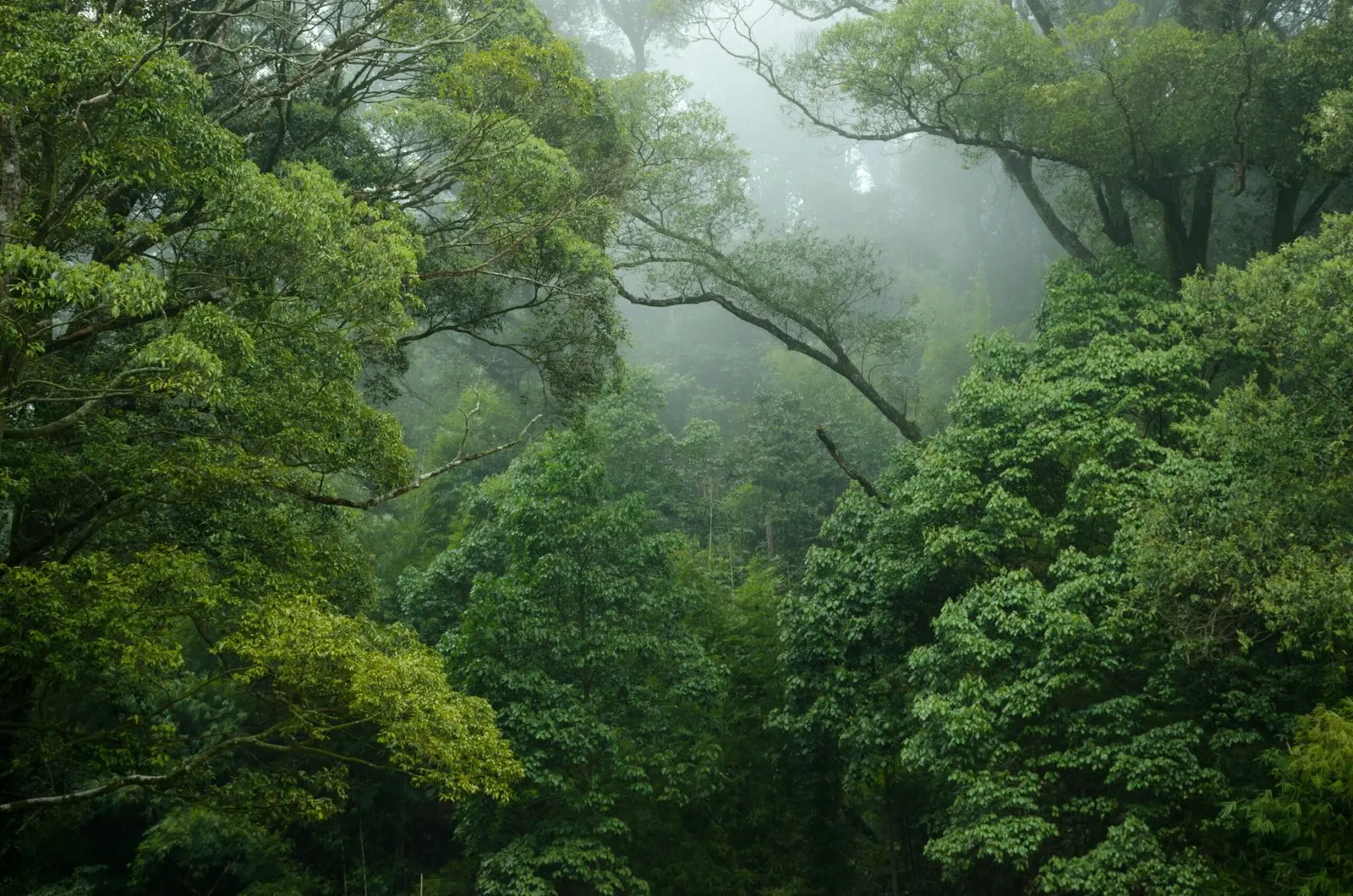
Yes, but you need to shift your expectations from jungle trekking to boat based exploration because the river levels rise by up to 15 meters. This flooded forest, known as Varzea, allows you to canoe right through the treetops and spot monkeys, sloths, and colorful birds at eye level without looking up.
The trade-off is that traditional forest floor hiking becomes impossible in many areas. However, you can exploit this unique window to access remote flooded igapó forests that remain completely invisible during the dry season, while jungle lodges offer percentage discounts of 30% to 45% for the very same floating rooms that cost a fortune in peak months.
- Will I See Less Wildlife In The Amazon During The Rainy Shoulder Season?
No, you will actually see different wildlife, often more easily, because the animals concentrate in the remaining dry areas and along the shrinking treetops. The pink river dolphins come closer to the flooded forest edges to feed, and birdwatching becomes spectacular as species gather in the highest branches above the water line.
The honest downside is that jaguar sightings along riverbanks become less predictable because the big cats follow the dry land further inland. That said, your chances of seeing howler monkeys, caimans, and giant river otters actually increase, and guided wildlife tours drop by 20% to 35%, giving you excellent value for extended boat safaris.
- Are The Mosquitoes Worse In The Amazon During The Deep Off Season?
No, this is a common myth that keeps smart travelers away from incredible value. The rising floodwaters actually submerge many of the stagnant breeding grounds where mosquitoes lay their eggs, leading to noticeably fewer insects around the main river channels compared to the receding dry season.
The catch is that you will still need good repellent, because this is the Amazon after all. However, the cooler, rain swept air means you can sleep comfortably without airtight netting, and you will find luxury jungle lodges with screened balconies at percentage discounts of 35% to 50% off their peak season rates.
- How Do Boat Trips From Manaus Change During The Amazon Off Season?
The famous Meeting of the Waters between the Rio Negro and Solimões becomes even more dramatic because both rivers run at full force. Your boat trips take you through a flooded labyrinth of channels that only exist for a few months each year, revealing secret lagoons and flooded villages that feel like discovering a hidden world.
The honest reality is that travel times between distant points can be longer because boats must take safer, deeper routes around submerged obstacles. Even with that extra time on the water, you gain the advantage of 70% fewer tourist boats, meaning you can hear the jungle sounds instead of engine noise, plus multi day river cruise discounts often reach 25% to 40%.
- Is The Amazon Basin Too Unpredictable For First Time Visitors During Low Season?
No, but you need to embrace flexibility as your superpower rather than fighting against nature's schedule. Local operators are experts at navigating the changing waters, and they will adapt your itinerary daily to show you the best accessible spots based on that morning's river levels.
The trade-off is that you should book an extra day or two of buffer time in case heavy rains temporarily delay small plane flights from remote lodges. You can exploit this season by securing private guide services at percentage discounts of 30% to 45%, meaning you get a naturalist all to yourself who can pivot your adventures in real time for the ultimate personalized Amazon experience.

Home > Exploit The Seasons > Seasonal World Map > South America > Brazil > Amazon Rainforest
BRAZIL AMAZON RAINFOREST
Forget the dry season hype. The Amazon reveals its deepest magic when floodwaters rise, creating an underwater forest. Paddle a canoe through submerged treetops, spot river dolphins, and experience Earth’s greatest wilderness with fewer boats on the river.
Smart Travel Calendar
Shoulder Season
Your Smartest Windows
June to August (dry season – but here’s the truth)
December to February (flood season start)
Avoid: September to November (peak dry season heat and tour boats) and Easter week (March/April) – Manaus hotels spike with Brazilian tourists.
What the Sky Does
June–August: 24°C to 32°C (75°F–90°F), mornings sunny, afternoon rains brief, nights comfortable – surprisingly pleasant.
December–February: 25°C–30°C (77°F–86°F), higher humidity, regular rain, rivers rising visibly week by week.
The famous “Amazon heat” is actually worse in September–November (dry season peak) – shoulders offer relief.
Cloud cover in flood season means you won’t bake on boat trips – but rain gear is mandatory.
How Empty It Feels
40–60% fewer tourists on jungle lodges compared to July–August peak (yes, August is still busy for Amazon).
Manaus’ Teatro Amazonas: tours available same-day without advance booking in shoulder windows.
Anavilhanas Archipelago boat routes: you’ll see 3-4 other boats instead of 15-20 in September.
Jungle lodge capacity: shoulders mean you get a guide to yourself or share with 2 others instead of 10.
Meeting of the Waters viewpoint in Manaus: manageable crowds even on weekends.
What You’ll Save
30–50% savings on Amazon jungle lodges (some offer “stay 4 pay 3” in June and December).
Flights into Manaus (MAO) drop 25–40% from US/Europe after Carnival.
Multi-day boat trips on Rio Negro: negotiate private cabins for shared-boat prices.
Local guides: cheaper rates and more personalized attention (they’re not juggling groups).
The Secret Perk
June: Festival Folclórico de Parintins – second-largest festival in Brazil (after Carnival); Boi-Bumbá performances are spectacular and mostly local.
Meeting of the Waters contrasts most dramatically – dry season means clearer water differential between Rio Negro (black) and Solimões (muddy).
Sunset over Encontro das Águas – lower humidity in June–August means vivid purple and orange skies.
No mosquitoes? Not zero, but fewer – flood season means moving water, which reduces mosquito breeding compared to stagnant dry season pools.
Canoe through the trees – December–February flood levels let you paddle WHERE THE TREES GROW. It’s surreal.
The Tiny Trade-Off
June–August: Amazon is busier than you’d think (European summer + North American vacation = peak).
December–February: higher chance of rain canceling a boat trip (though usually just a delay of 2-3 hours).
Flood season makes forest trail hiking impossible – everything is underwater (but canoeing replaces it).
Some remote jungle lodges close for 2-3 weeks in November (between seasons) – always confirm before booking.
Smart Traveler Tip
Target mid-June or early December for ideal balance: lodges not yet full, weather cooperative, prices fair.
For wildlife photography, go December–February – animals concentrated on remaining dry land, easier to spot.
Avoid the entire September 1–October 15 window – peak heat, peak dry season, peak tour boat traffic.
Deep Off-Season
Your Smartest Windows
March to May (peak flood season)
October to mid-November (dry season transition)
Avoid: January (Brazilian holiday peak + highest water actually limits access to some trails) and July (worldwide peak for Amazon).
What the Sky Does
March–May: 23°C to 29°C (73°F–84°F), daily rain (often heavy), humidity at 85-90%, rivers at their highest levels.
October–November: 25°C–33°C (77°F–91°F), less rain, higher heat, rivers dropping, exposing beaches and trails.
March–May is actual rainy season – expect rain every day, but usually morning sun followed by afternoon downpour.
Flood season creates incredible cloud formations – dramatic skies for photography, but pack a rain cover for your camera.
How Empty It Feels
70–85% fewer tourists at jungle lodges – you might be the only guest for days.
Manaus: January flood season empties tourists but fills with Brazilians (school holidays) – March is the real quiet month.
Flooded forest canoe trips: your guide will take you to secret igapó (flooded forest) areas with zero other humans.
River boat journeys (3-5 day trips): maybe 10 passengers instead of 60 – you’ll have the observation deck to yourself most of the day.
Anavilhanas National Park: you can camp on a beach (if exposed) and see no one for 24 hours.
What You’ll Save
60–75% off peak rates for jungle lodges – some offer “last minute Amazon” deals at 80% off.
Flights to Manaus in March and November can be 70% cheaper than July.
Private guide and boat for a week for the price of 2 nights in high season – negotiate directly with local operators.
Meals in Manaus: lunch at Mercado Adolpho Lisboa’s famous fish stalls for R$15 instead of R$40 in touristed spots.
The Secret Perk
Amazon at its most dramatic – March–May: igapó flooding means you canoe through what were treetops; fish swim between branches.
Crab season in the mangroves (March–April) – Maranhão border region; eat fresh caranguejo with locals at riverside bars.
Jaguar tracking in Mamirauá Reserve – flood season concentrates prey and predators on remaining high ground; researchers say sightings double.
Harvest season for açaí and cupuaçu (October–November) – taste these Amazon superfruits at their peak, foraged that morning.
You’ll learn to fish for piranha – and might actually catch one (guides say floods make them hungrier and more aggressive). Catch and release, of course.
The Tiny Trade-Off
Forest trails completely inaccessible March–May – if you’re a hiker, this is not your window. Embrace the canoe.
Rain can feel relentless – 3-4 hours of downpour daily (usually afternoon). Bring waterproof EVERYTHING.
Some luxury lodges (e.g., Anavilhanas Lodge) close completely March–April for annual maintenance – always check.
Humidity is brutal – clothes won’t dry overnight; pack quick-dry fabrics and accept you’ll be damp.
Mosquitoes actually increase in dry season (standing water), so flood season is ironically better for bugs.
Smart Traveler Tip
For authentic flood forest experience, come March–April – lowest tourist numbers, highest water levels, most dramatic paddling.
For the Amazon without extreme rain, choose October to mid-November – dry trails (hiking possible), lower water (more beach access), but still off-season prices.
Pack long sleeves, waterproof dry bag, and headlamp – rain is daily, electronics need protection, and jungle lodges have dim lighting after sunset.
Want to see pink dolphins up close? October–November – lower water pushes them into larger rivers; they’re more visible from boats.
Find Off-Peak Flights
Uncrowded Experiences & Tours
Skip the lines and experience iconic landmarks at your own pace. Discover curated local tours and cultural activities designed to show you the authentic side of the destination without the peak-season rush.
Handy Tips
Weather & Climate
The climate is Equatorial, meaning it is hot and humid all year with little temperature variation.
Local Customs And Etiquette
Language: Portuguese is the official language. English is rarely spoken outside of major hotels and dedicated tourist agencies; learning basic Portuguese is highly recommended.
Tipping: Tipping is not mandatory but is appreciated, especially for jungle guides, boat captains, and staff at eco-lodges.
Safety: Always book tours and travel with reputable, government-registered companies and guides. Never swim alone in the rivers.
Budgeting For Your Trip
Accommodation: Hostels ($20–$40 in cities), mid-range hotels ($60–$100), luxury jungle lodges ($250–$500+ per person, often all-inclusive).
Food: Street food/small local meals ($5–$10), dinner at a mid-range restaurant ($20–$40 per person), fine dining ($50+).
Transport: Intercity bus ($20–$50), boat travel (varies widely based on distance/luxury), internal flights ($100–$250+).
Activities: Jungle day tours ($50–$150), multi-day all-inclusive lodge packages ($400–$1000+).
Daily Budget:
- Budget: $70–$100 (hostels, market food, public transport).
- Mid-range: $120–$200 (city hotels, sit-down restaurants, short tours).
- Luxury: $250+ (high-end lodges/cruises, private guides, internal flights).
Getting Around
By Air: Flying is the most practical way to travel between major cities (Manaus, Belém, Santarém) due to the vast distances.
By Boat: The primary mode of transport. Local ferry boats offer an authentic, multi-day experience with hammocks, while tourist boats and luxury cruises offer comfort and guided tours.
By Car: Extremely impractical. Roads are few, often impassable during the wet season, and the major destinations are separated by the river.
Must-Try Food
Tambaqui or Pirarucu Assado: Large, flavorful Amazonian fish, typically roasted and served with a mix of herbs.
Tacacá: A hot, soupy dish from Belém made with tucupi (a manioc-root broth), jumbo shrimp, and jambu (a paralyzing herb).
Pato no Tucupi: Duck cooked in tucupi broth, often served during special occasions.
Maniçoba: A complex stew made from boiled manioc leaves and salted meats, taking days to prepare.
Açaí (Amazonian Style): Unlike the cold, sweetened version found elsewhere, Amazonian açaí is served unsweetened, savory, and eaten with tapioca, fish, or shrimp.
Cupuaçu: A creamy, tangy fruit pulp used in juices, ice cream, and desserts.
Pupunha (Peach Palm Fruit): The fruit of a palm tree, typically boiled and eaten with a pinch of salt.
Castanha-do-Pará (Brazil Nut): Local nut, widely available and often used in various dishes.
Must-Try Drinks
Guaraná: A soft drink made from the Amazonian fruit, a popular natural stimulant.
Cajuína: A clear, non-alcoholic drink made from the filtered and bottled juice of the cashew fruit, famous in the region.
Sucão/Vitaminas: Fresh juices (sucos) or smoothies (vitaminas) made from exotic Amazonian fruits like tucumã, graviola (soursop), and acerola.
Cachaça with Amazonian Fruits: The local sugarcane spirit infused with fruits like cupuaçu, bacuri, or taperebá.
Chibé: A simple, refreshing drink of water and manioc flour (farinha), often served on river trips.
Amazon Beer: A craft beer brewed in Belém, often featuring local ingredients like taperebá or açaí.