 Skip to content
- Is The Lake District Too Wet And Muddy For Off-Season Hiking?
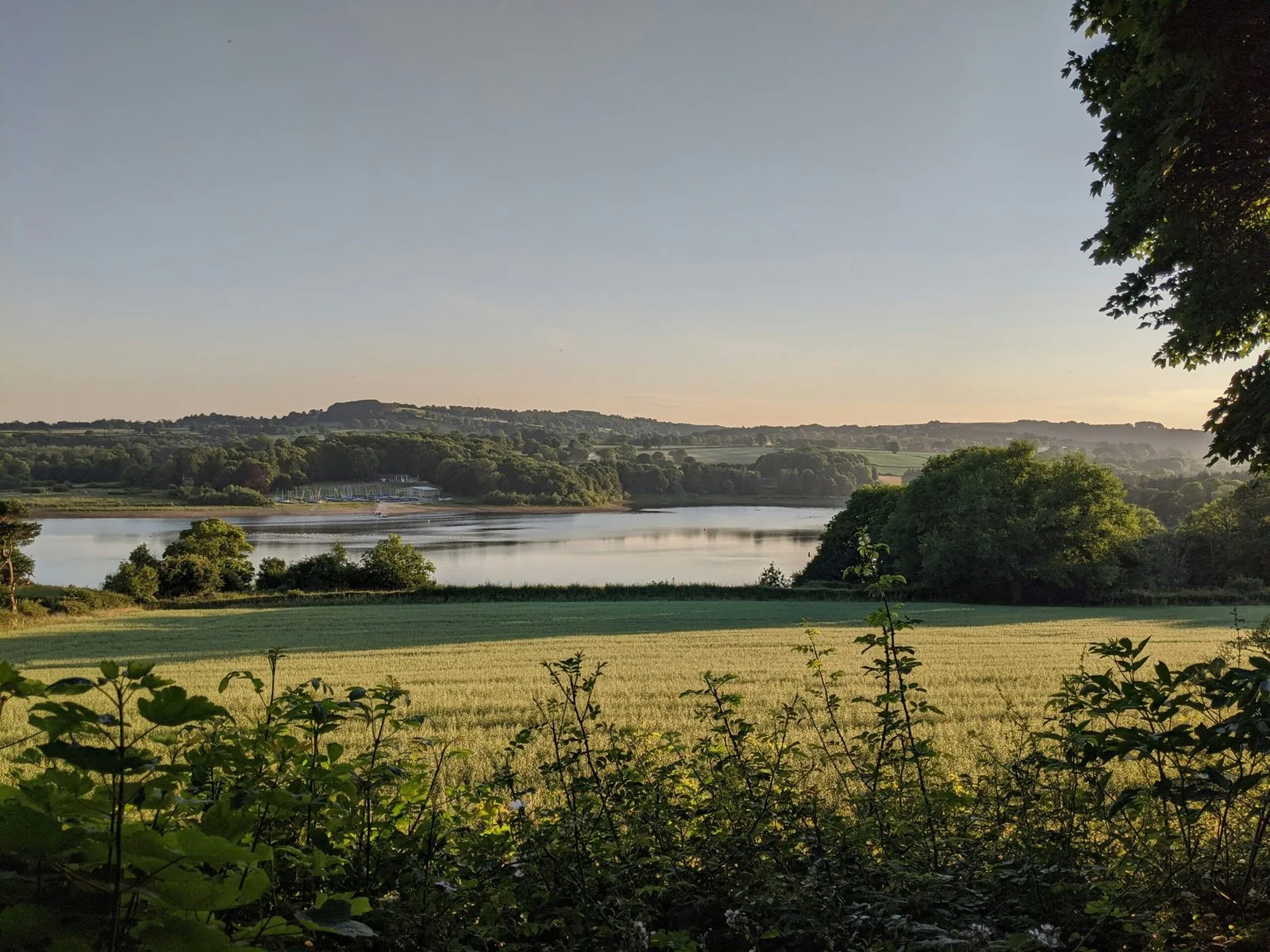
Yes, it rains frequently and trails turn into slippery mud, but that is precisely why you should 'Exploit Travel Seasonality' here. You will trade summer crowds of coach tours and school groups for dramatic, moody landscapes where waterfalls roar at full power and misty lakes reflect pewter skies without a single tourist boat disturbing the surface.
The drawback is you need proper waterproof boots, gaiters, and a willingness to embrace wet socks. On the positive side, you will save roughly 45% to 55% on cozy inns and lakeside hotels, enjoy famous literary landmarks with 90% fewer visitors, and discover why Wordsworth called this place the loveliest spot that man has ever known.
- Will The Famous Lakes And Boat Tours Operate During Winter?
No, most of the iconic pleasure cruises and steamers stop running from November through March. However, you gain something better: empty lakeshores where you can walk for miles without hearing anything except lapping water, calling birds, and your own footsteps on wet gravel.
The drawback is that you cannot access some remote islands or waterfront cafes. The upside is that lakeside hotels slash rates by approximately 40% to 50%, you can photograph mirror-like reflections without dodging ferries, and the rare privilege of having famous jetties and boathouses entirely alone for that perfect sunrise shot.
- Is It Worth Visiting The Charming Villages When Many Shops Are Closed?
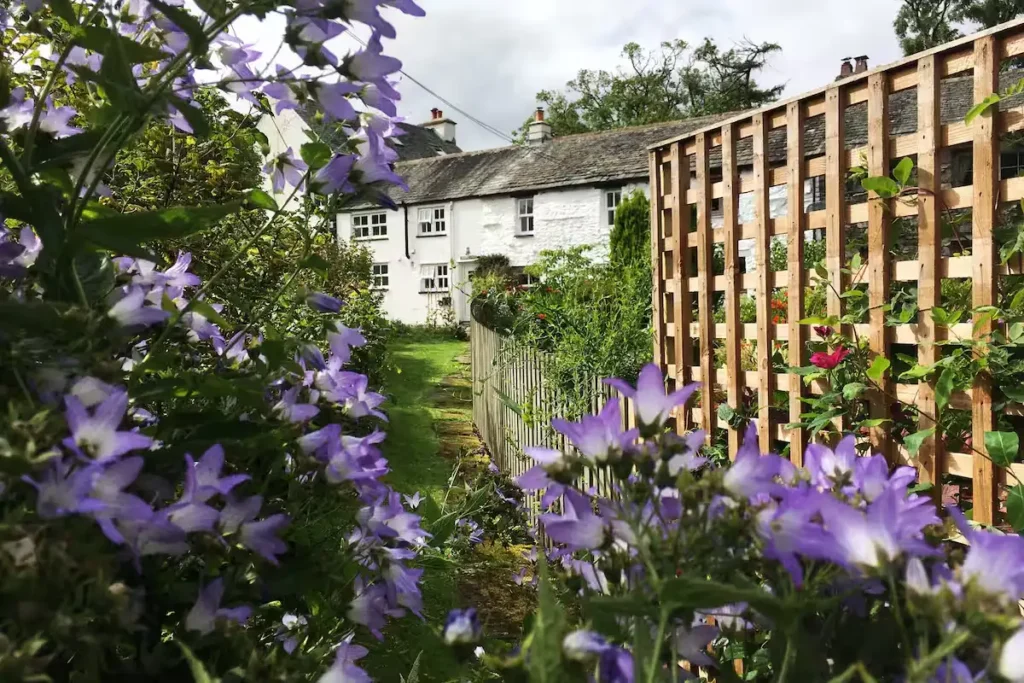
Yes, absolutely, because the villages transform from tourist hubs back into real working communities. You will wander through cobblestone streets lined with stone cottages, popping into cozy bookshops, traditional pubs, and local bakeries where residents actually do their shopping without dodging day-trippers.
The drawback is that souvenir shops and some tea rooms shutter until spring. However, you gain genuine conversations with villagers who have time to chat, accommodation discounts of roughly 45% to 55%, and the authentic experience of huddling by a roaring pub fire with a pint of local ale while rain streams down 18th-century windowpanes.
- Will I Miss The Famous Literary Festivals And Outdoor Events?
Yes, the summer poetry festivals and open-air theatre productions disappear when temperatures drop. You will trade crowded literary celebrations for intimate winter readings at cozy bookshops, peaceful visits to famous writers' homes with no queues, and afternoons spent writing your own thoughts by a window overlooking misty fells.
The drawback is that evening entertainment options become limited to pub quizzes and live folk music. The upside is that you save roughly 40% to 50% on accommodation, enjoy world-famous attractions like Hill Top or Dove Cottage with only a handful of dedicated visitors, and discover the quiet inspiration that actually motivated the region's greatest writers.
- Is Driving Between The Famous Valleys Safe And Practical In Winter?
Yes for main routes through the central lakes, but no for some high mountain passes which close during snow and ice. You will enjoy empty roads through legendary valleys like Borrowdale and Langdale, free parking at every trailhead, and rental car discounts of approximately 35% to 45% during low season.
The drawback is that sudden weather changes can make driving treacherous on narrow lanes between stone walls. To solve this, drive slowly between late morning and early afternoon, embrace the scenic train line that runs through the heart of the region using emptier carriages, or simply stay put in one valley for several days, exploring on foot and by local bus when available.

Home > Exploit The Seasons > Seasonal World Map > Europe > United Kingdom > UK Lake District
THE LAKE DISTRICT
Forget the summer crowds. The Lake District reveals its true soul in quieter months, when misty peaks mirror in still waters and cozy pubs welcome you like family. Discover England’s wild heart, unhurried.
Smart Travel Calendar
Shoulder Season
Your Smartest Windows
April to May (avoid Easter week)
September to October
Avoid: The two-week Easter school holidays (late March/April), the May Day bank holiday weekend (first Monday of May), and the October half-term week (mid-to-late October).
What the Sky Does
Average highs of 10-15°C (50-59°F) – crisp, fresh, and perfect for walking.
April showers are real – but they bring the greenest landscapes and rainbows over Derwentwater.
September offers a “second summer” – often calm, golden, and with softer light.
Mists and low clouds create dramatic, ever-changing scenery, especially in the central valleys.
How Empty It Feels
50-70% fewer tourists compared to the school holiday chaos of July/August.
Keswick and Ambleside: busy but breathable – you can actually walk on the pavements.
Windermere lake cruises: a short queue instead of an hour-long wait for the next boat.
No jostling for that famous photo at Castlerigg Stone Circle or Surprise View.
What You’ll Save
30-50% on hotels and holiday cottages – especially midweek.
Car hire is cheaper – and you won’t spend hours searching for a spot.
Attraction access: open and peaceful at the Beatrix Potter gallery or Hawkshead grammar school.
Dining: spontaneous meals at the Drunken Duck or Old Dungeon Ghyll without a reservation.
The Secret Perk
Lambing season in March/April: fellside farms are dotted with wobbly new lambs – pure joy.
Bluebells & bracken: ancient woodlands like Rannerdale become a carpet of electric blue in May.
September’s rush harvest: buy fresh, juicy plums and apples from honesty boxes at farm gates.
Low, dramatic light makes every fellside and dry-stone wall pop for landscape photography.
Real chats with locals: innkeepers and shop owners have time for a story, not just a transaction.
The Tiny Trade-Off
Some smaller attractions (like certain boat hire or seasonal cafes) close between November and March.
Weather is a gamble – you could get four seasons in one day, so pack waterproofs and sunnies.
Lake District passes can be foggy – Hardknott and Wrynose are best avoided in low cloud.
Easter school holidays spike prices and crowds for two weeks – aim for March before or May after.
Smart Traveler Tip
Aim for the second half of May or last two weeks of September for the best weather-to-crowd ratio.
Book midweek stays (Monday to Thursday) for the quietest fellside and lowest rates.
Use the bus! The 555 and 508 services run regularly in shoulder months, saving parking headaches.
Deep Off-Season
Your Smartest Windows
November to mid-December (avoid Christmas market weekends in Keswick/Ambleside)
January to February (excluding school half-term)
Avoid: The two weeks around Christmas & New Year (Dec 22 – Jan 3), plus the February school half-term week (usually mid-February). Many lake cruises and attractions close.
What the Sky Does
Average highs of 4-7°C (39-45°F) , with lows often below freezing at night.
Snow dusts the high fells (Helvellyn, Skiddaw) – spectacular but requires winter gear.
Rain is frequent but not relentless – expect dramatic, fast-moving storms followed by sunbreaks.
Shorter days: sunrise ~8am, sunset ~4pm – plan walks accordingly.
How Empty It Feels
Up to 90% fewer day-trippers – you’ll see more sheep than people on most trails.
Historic sites like Muncaster Castle or Hill Top feel like your private estate.
Museums (Keswick’s Pencil Museum, Windermere Jetty) are blissfully quiet – chat with guides at length.
Small villages like Grasmere or Hawkshead return to their sleepy, local rhythms.
What You’ll Save
50-70% off peak season rates for cottages and inns – some offer “4 nights for price of 3”.
Flights to Manchester or Newcastle are at their lowest (from where you drive ~1.5-2 hrs).
Hotel rates in Ambleside or Bowness can drop from £200+ to under £100 per night.
Car rental weekly rates often half of summer prices.
The Secret Perk
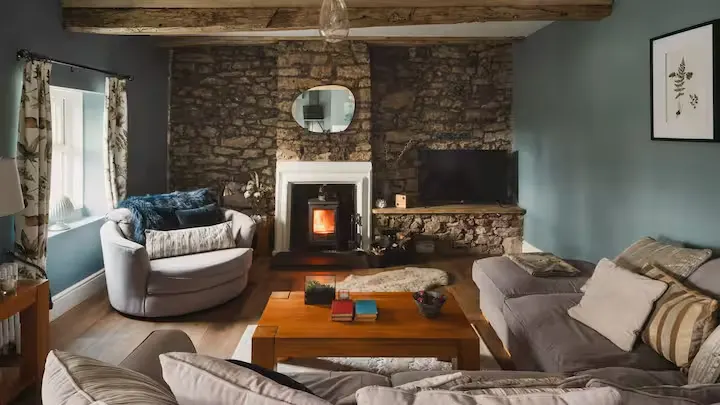
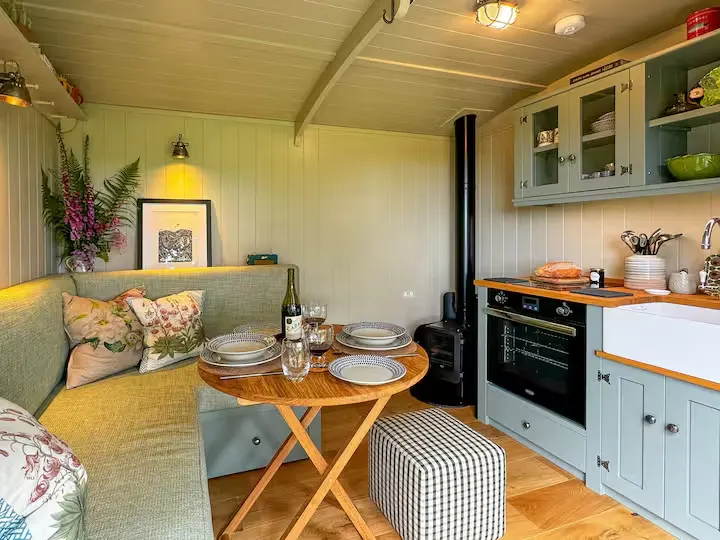
The ultimate cozy retreat: book a cottage with a wood-burning stove, then walk to a pub with one.
Winter fell walking – dramatic, silent, and breathtaking. Microspikes recommended for higher routes.
Keswick’s Christmas markets (early Dec) or Wordsworth’s birthday celebrations (April 7th, but winter prep).
No midge! Those tiny biting insects vanish completely from November to April.
Genuine local welcome: you’re not a tourist anymore, you’re an off-season explorer. Expect warmer hellos.
The Tiny Trade-Off
Lake cruises reduce or stop – only the main Windermere route runs, and less frequently.
Nightlife is quiet – evening means pub quizzes and fireside pints, not live music or late bars.
Some cafes and B&Bs close entirely for January/February – always check websites first.
Daylight is short – you have roughly 8 hours for hiking, so start early and carry a headtorch.
Smart Traveler Tip
January is the absolute quietest month – book then for total solitude, but pack for serious cold.
February often brings crisp, clear “big sky” days – perfect for photography and lower-level walks.
Pack in layers: thermal base, fleece, waterproof shell, hat, gloves. And proper boots – not trainers.
For mildest deep-off weather, stick to western valleys (Buttermere, Ennerdale) – they catch less snow.
Find Off-Peak Flights
Top Off‑Season Stays
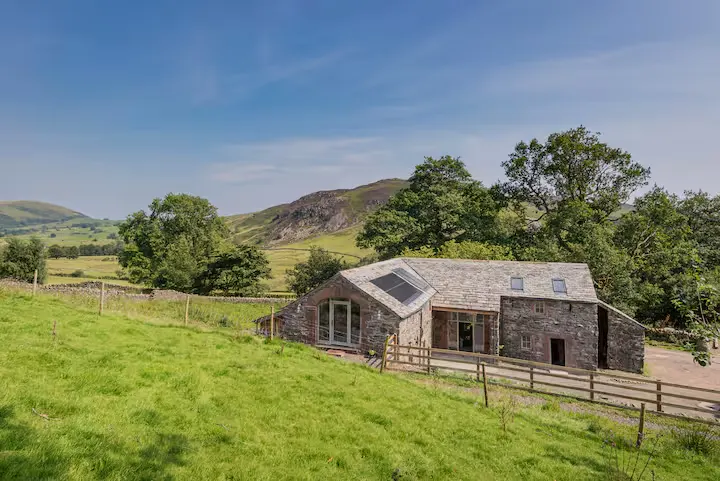
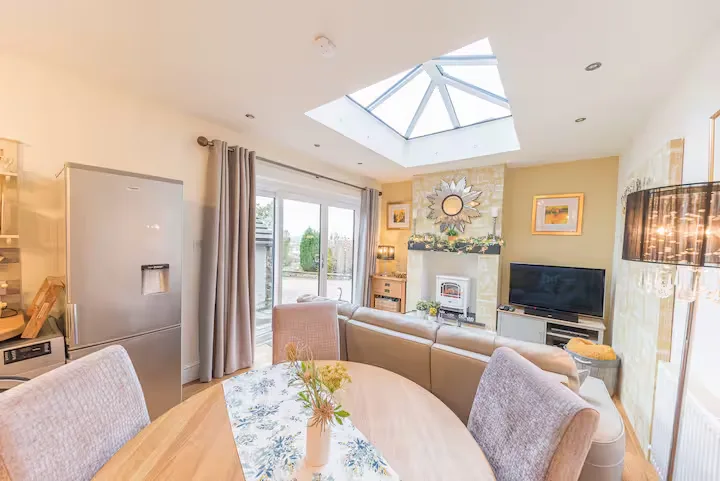
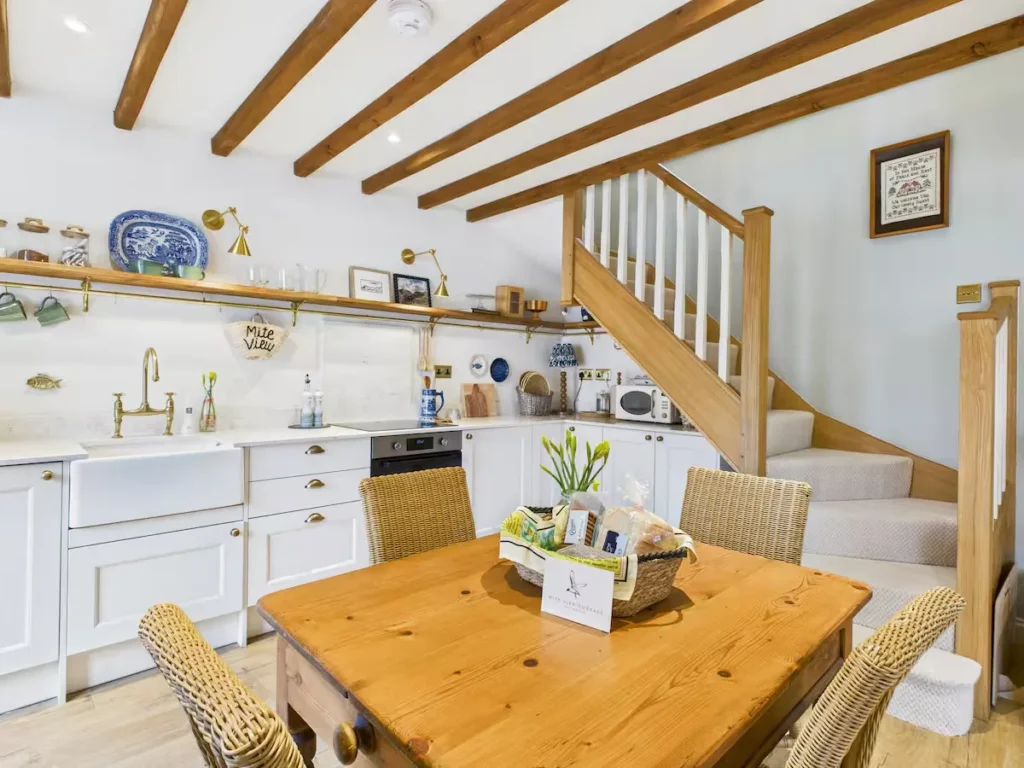
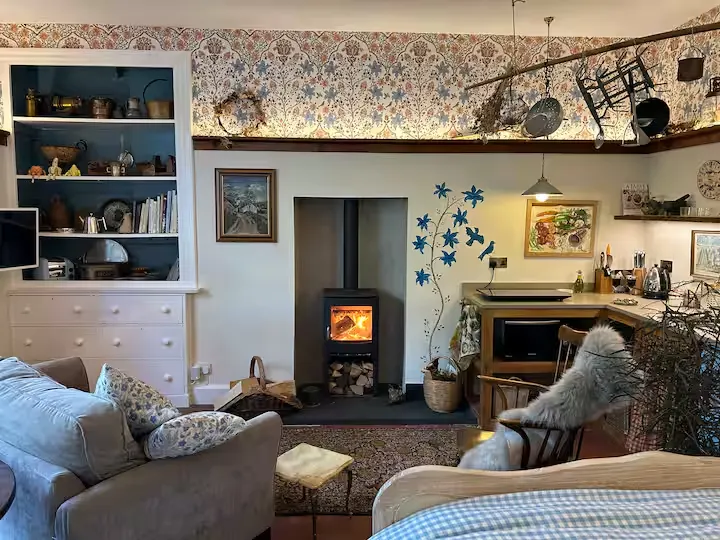
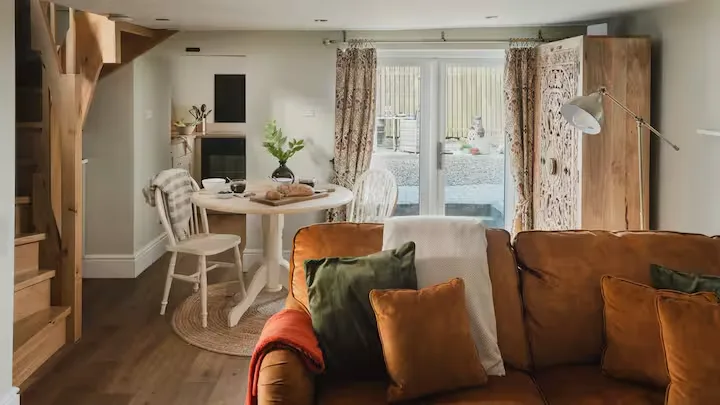
Find below our curated selection of boutique hotels and design apartments that offer exceptional value, atmosphere, and comfort during the off‑season — often at significantly lower rates than peak months.
Uncrowded Experiences & Tours
Skip the lines and experience iconic landmarks at your own pace. Discover curated local tours and cultural activities designed to show you the authentic side of the destination without the peak-season rush.
Handy Tips
Weather & Climate
The Lake District is notorious for its changeable weather. Expect frequent rain and high winds, even in summer. The valleys are generally milder, but temperatures drop significantly and snow is common on the high fells in winter. Always pack waterproof gear and layers.
Local Customs And Etiquette
Hiking Gear: Even for short walks, the weather can turn quickly. Wearing proper hiking boots and carrying waterproofs is highly recommended. Locals will spot a poorly equipped visitor immediately!
The Gates: If you open a farmer’s gate (to cross a field or enter a trail), ALWAYS close it immediately behind you to keep livestock contained.
Parking: Parking is limited and can be expensive in peak season. Arrive early at popular trailheads or use the efficient Park & Ride services.
Budgeting For Your Trip
Accommodation: Hostels ($30–$60), mid-range hotels/B&Bs ($100–$180), luxury ($200+).
Food: Pub lunch/sandwich ($10–$18), dinner at a mid-range restaurant ($30–$55 per person), fine dining ($70+).
Transport: Car rental ($35/day), bus ticket (local routes).
Activities: Lake cruise ($15–$25), museum entry ($10–$18).
Daily Budget:
Budget: $80–$120 (hostels, picnics/small café food, bus travel).
Mid-range: $130–$250 (B&Bs, country pubs/restaurants, rental car/local travel).
Luxury: $300+ (boutique hotels, gourmet meals, private tours).
Getting Around
By Car: A car offers the most flexibility to explore the valleys and remote areas. Be aware of narrow roads and limited parking in peak season.
By Bus: The Stagecoach bus network is excellent, connecting the major towns (Windermere, Ambleside, Keswick) and popular tourist attractions. The Lakes Rider 555 is a key route.
On the Water: Lake Windermere, Ullswater, and Coniston Water all have popular boat cruises or ferry services that are a lovely way to travel between villages.
Must-Try Food
Cumberland Sausage: A traditional, long, coiled pork sausage seasoned with pepper and herbs—not a link sausage.
Herdwick Lamb/Hogget: Meat from the local Herdwick sheep, known for its distinct, slightly gamey flavour due to the sheep grazing on the fells.
Morecambe Bay Shrimps: Tiny brown shrimp potted in seasoned butter.
Cumbrian Rarebit: A local take on Welsh rarebit, often with added ham or mustard.
Meat and Potato Pie: A hearty, traditional Northern English pub classic.
Cumbrian Cheeses: Look for artisan cheese from local dairies like Thornby Moor.
Grasmere Gingerbread: Sarah Nelson’s famous, sweet, chewy, and spicy confection—more of a cake-biscuit hybrid.
Sticky Toffee Pudding: A moist sponge cake drenched in a rich toffee sauce, often served with custard or ice cream—its modern birthplace is said to be the Lake District.
Kendal Mint Cake: A sugary, mint-flavoured glucose confection, famed for being carried on mountain expeditions (it’s not actually a cake).
Cumberland Rum Nicky: A pastry tart filled with rum, dates, and sugar.
Must-Try Drinks
Local Ales/Craft Beer: The Lake District is home to numerous excellent craft breweries like Tirril and Keswick Brewery.
Cumbrian Gin: Distilleries like The Lakes Distillery and Shed One produce locally-inspired gins, vodkas, and whiskies.
Damson Gin: A traditional fruit gin made with local Lyth Valley Damsons (small plums).
Cider: Look for local apple and pear ciders from Cumbrian orchards.
Ginger Wine/Cordial: A sweet, warming, non-alcoholic drink that pairs well with Grasmere Gingerbread.
Pennington’s Tea & Coffee: A popular local brand of hand-roasted coffee and fine teas.
Elderflower Fizz: A refreshing cordial often made with local elderflowers.