 Skip to content
- Are The Famous Honey-Colored Villages Still Worth Visiting In Grey Winter Weather?
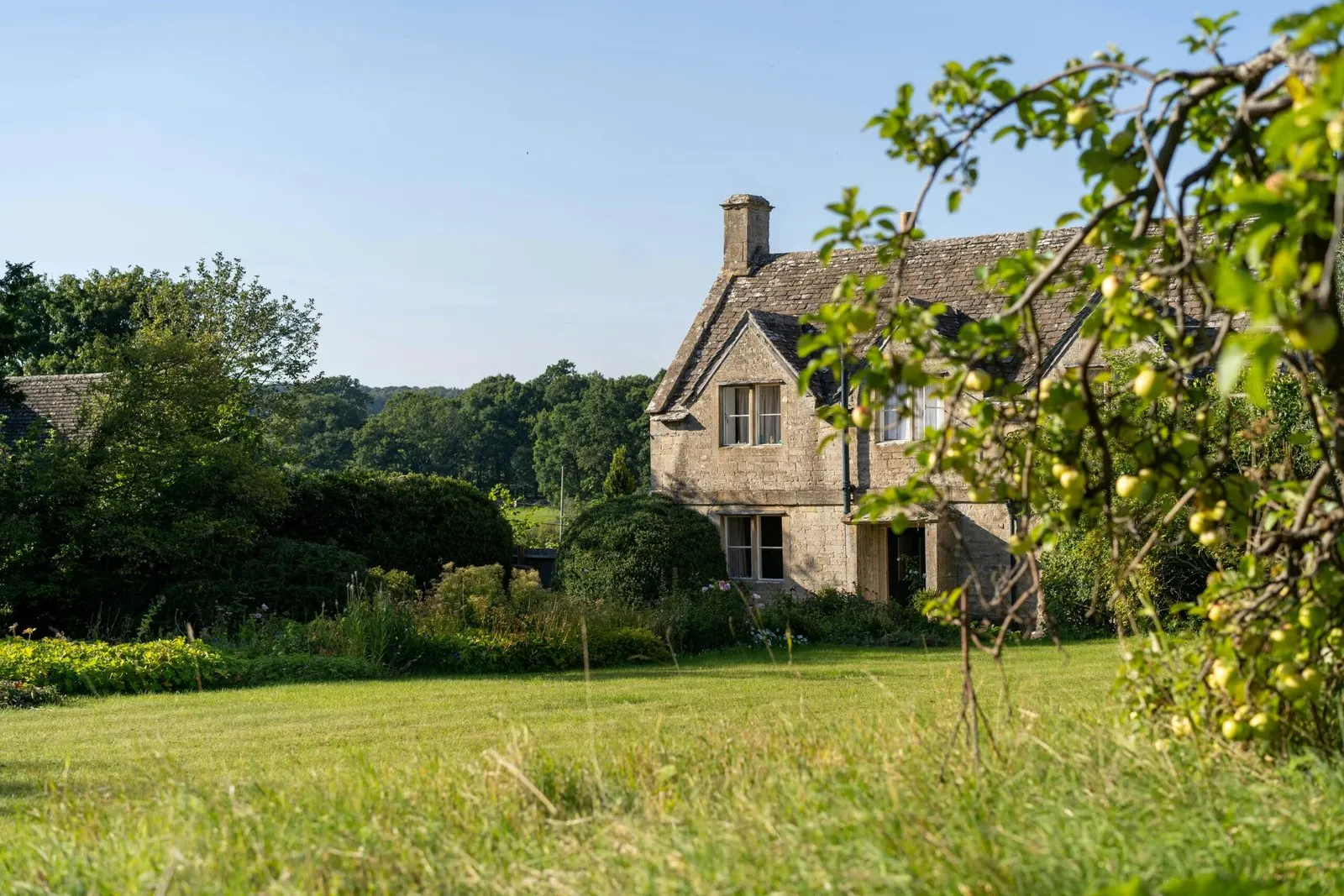
Yes, absolutely, because grey skies actually make the famous golden limestone glow even warmer. You will 'Exploit Travel Seasonality' by wandering through storybook villages with 90% fewer visitors, photographing iconic thatched cottages without tour buses parked in every frame, and discovering why artists say winter light reveals the true character of this landscape.
The drawback is that flowers have vanished and gardens are bare. On the positive side, you will save roughly 45% to 55% on charming bed and breakfasts, enjoy cozy tearooms with blazing fireplaces, and experience the rare privilege of having famous village streets and medieval churches entirely alone at golden hour.
- Is The Weather Too Muddy For Walking Between Villages?
Yes, footpaths turn into sticky, slippery mud from October through March, but that is the secret advantage. You will trade summer crowds on the famous trails for peaceful, solitary walks through misty meadows and ancient woodlands, where the only sounds are squelching boots and distant sheep bells.
The drawback is you need proper waterproof hiking boots and gaiters, and you will definitely bring mud back to your car. However, you gain massive discounts on countryside inns (roughly 40% to 50%), empty pub gardens where you can rest without fighting for a table, and the authentic English countryside experience that summer walkers completely miss.
- Do The Charming Tearooms, Antique Shops, And Pubs Close During Off-Season?
No, the legendary cream tea rooms and cozy pubs remain open year-round, though some reduce their winter hours. You will huddle inside 300-year-old taverns with roaring fires, browse antique shops without elbowing through crowds, and eat freshly baked scones while rain streams down diamond-paned windows.
The drawback is that some small family-run tearooms close completely between November and February. The positive trade-off is hotel rates slashed by approximately 45% to 55%, innkeepers who have energy to share local secrets, and the unforgettable experience of having a entire pub to yourself on a chilly Tuesday afternoon.
- Will I Miss The Famous Gardens And Lavender Fields By Visiting Off-Season?
Yes, the world-famous manor house gardens are dormant and lavender fields are bare brown stubble from autumn through spring. You will trade colorful blooms for sculptural topiary, empty garden benches, and the rare ability to explore famous landscape designs without shuffling behind guided tour groups.
The drawback is that garden cafes and plant nurseries close for winter. The upside is that entrance fees to grand estates drop by roughly 25% to 35%, you can photograph iconic garden architecture without hundreds of visitors in your way, and you discover why the bones of English garden design are actually best appreciated when flowers aren't stealing the show.
- Is Driving Between The Famous Villages Safe On Narrow, Winding Roads?
Yes, but winter brings risks of ice, fog, and mud on the famous single-track lanes with high hedgerows. You will enjoy empty roads through rolling hills, free parking directly outside every village, and rental car discounts of approximately 35% to 45% during low season.
The drawback is that sudden fog can reduce visibility to a few meters, making navigation stressful. To solve this, drive slowly between late morning and early afternoon, use a reliable GPS, embrace the local bus services that connect major villages with emptier schedules, or simply choose one or two villages to explore deeply on foot without moving your car every day.

Home > Exploit The Seasons > Seasonal World Map > Europe > United Kingdom > The Cotswolds
THE COTSWOLDS
The Cotswolds reveals its soul beyond summer: honey-hued villages draped in mist, roaring pub fires, and empty footpaths. This guide unlocks quieter seasons for authentic charm, lower costs, and that quintessentially English atmosphere.
Smart Travel Calendar
Shoulder Season
Your Smartest Windows
April to May (avoid Easter week)
September to October
Avoid: The two-week Easter school holidays (late March/April), the May Day bank holiday weekend (first Monday of May), and the October half-term week (mid-to-late October). Also avoid Cheltenham Festival week (mid-March) – prices and crowds spike significantly.
What the Sky Does
March to May: 8°C to 15°C (46°F to 59°F); September to October: 10°C to 18°C (50°F to 64°F)
Spring brings daffodils and sudden rain showers – pack a proper raincoat
September offers “golden hour” light that makes limestone cottages glow
Misty mornings are common, burning off to crisp, clear afternoons by midday
How Empty It Feels
50-60% fewer tourists compared to July and August
Bibury and Castle Combe feel peaceful instead of like open-air museums
Walking the Cotswold Way means seeing sheep, not selfie sticks
You’ll find parking easily and get a table at any tearoom without queuing
What You’ll Save
40-50% off summer hotel rates, especially at country inns
Car rental up to 35% cheaper than peak season
No ticket stress for popular spots like Hidcote Gardens
Set lunch menus at gastropubs for £15-20 instead of £30+
The Secret Perk
May’s Tetbury Wool Sack Race – a wonderfully weird local tradition
Bluebells carpeting ancient woodlands – a magical late April/early May spectacle
Apple pressing at farm shops – taste fresh cider straight from the press in October
Low autumn sun on limestone – photographers dream of this warm, directional light
Farmers who actually stop for a chat – off-season means genuine rural connections
The Tiny Trade-Off
Some smaller attractions close or reduce hours from October onward
April showers are real – you’ll need good waterproof boots and layers
Village cafes may close by 4pm instead of 6pm
No UK school holidays means fewer families but also fewer kids’ activities
Smart Traveler Tip
Visit in late September for the sweet spot: warm days, empty roads, and autumn colour starting
Book accommodation midweek for the best balance of weather and value
Avoid the May bank holiday weekend – prices spike and crowds return suddenly
Deep Off-Season
Your Smartest Windows
November to mid-December (avoid Christmas market weekends in Bath/Bristol spillover)
January to February (excluding school half-term)
Avoid: The two weeks around Christmas & New Year (Dec 22 – Jan 3), plus the February school half-term week (mid-February). Also avoid Cheltenham Festival week (mid-March) if travelling late Feb/early March.
What the Sky Does
Typical temperatures: 2°C to 8°C (36°F to 46°F)
Frosty mornings followed by low, pale sun – or steady grey drizzle
Higher villages like Stow-on-the-Wold get occasional snow; valleys stay milder
Rainfall is moderate but persistent – think drizzle, not downpours
How Empty It Feels
Up to 80% fewer tourists than August peak
Blenheim Palace’s parkland feels like your private estate
Museums like the Wilson in Cheltenham are blissfully quiet
Village pubs feel like community hubs, not tourist canteens
What You’ll Save
Up to 60% off peak season accommodation rates
Flights to Bristol or Birmingham often drop by 40-50%
Luxury B&Bs from £80-100 instead of £200+
Car hire from £20 per day – book last minute without worry
The Secret Perk
Roaring pub fires and board games – proper English winter cosiness
Christmas markets without the crowds (early December in Bath, Cheltenham)
Wassailing ceremonies in January – old orchard-blessing tradition with singing
Winter birdwatching at Slimbridge Wetland Centre – thousands of swans arrive
Locals outnumber tourists – the most genuine Cotswolds experience possible
The Tiny Trade-Off
Gardens are mostly bare – only structure and evergreens remain
Pubs close by 10pm or 11pm; no nightlife beyond a quiet pint
Some rural cafes and small B&Bs close entirely for January
Daylight ends by 4pm – you’ll eat dinner in the dark
Smart Traveler Tip
January is the quietest, darkest, and cheapest month – perfect for fireside retreats
Visit just before Christmas (17-22 Dec) for festive spirit without peak prices
Pack thermal layers, waterproof boots, and a proper wool jumper – the damp cold bites
Stick to lower villages like Painswick and Winchcombe for milder conditions
Find Off-Peak Flights
Top Off‑Season Stays
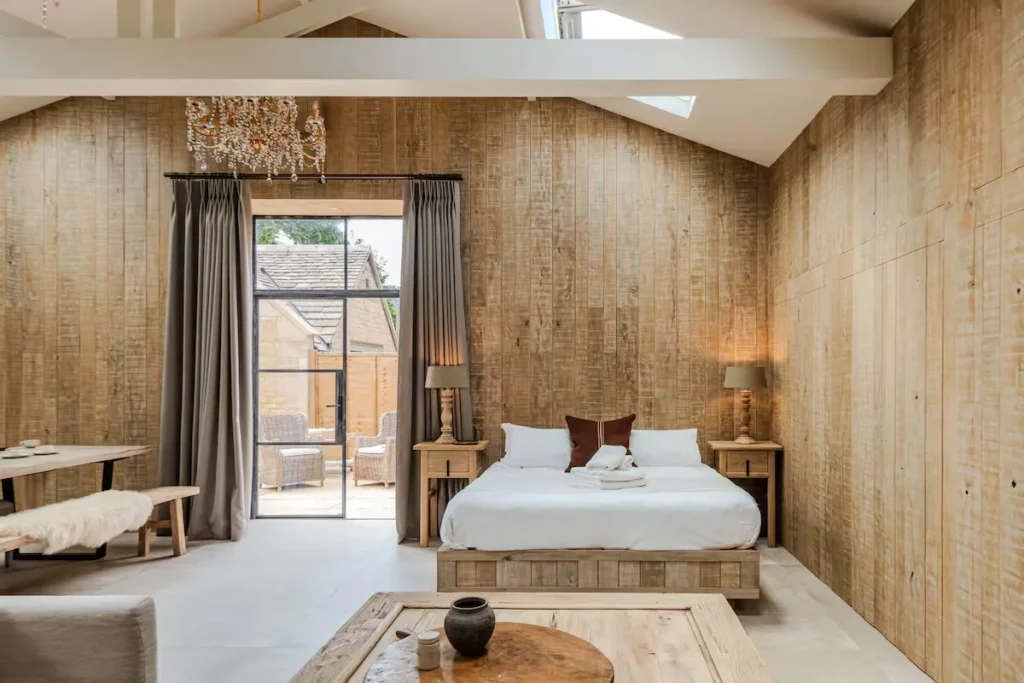
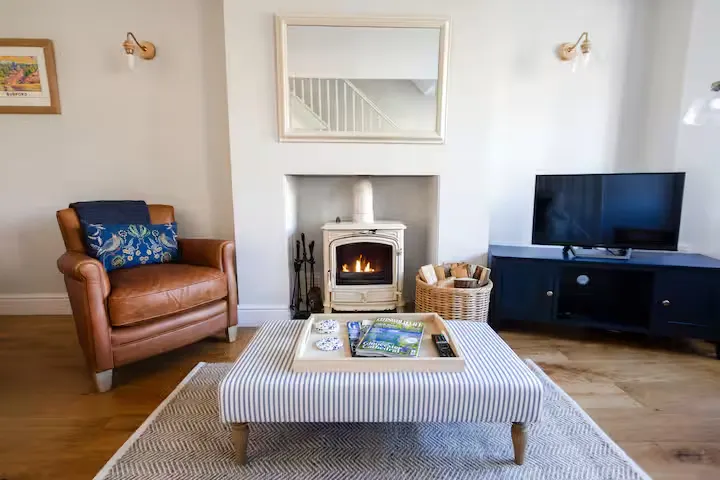
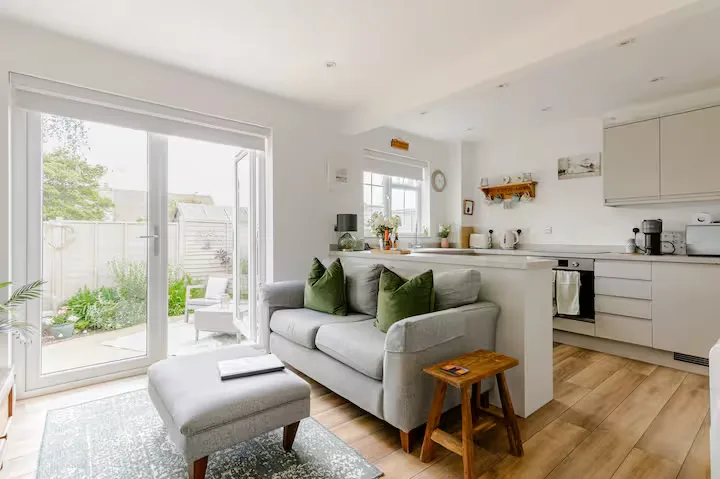
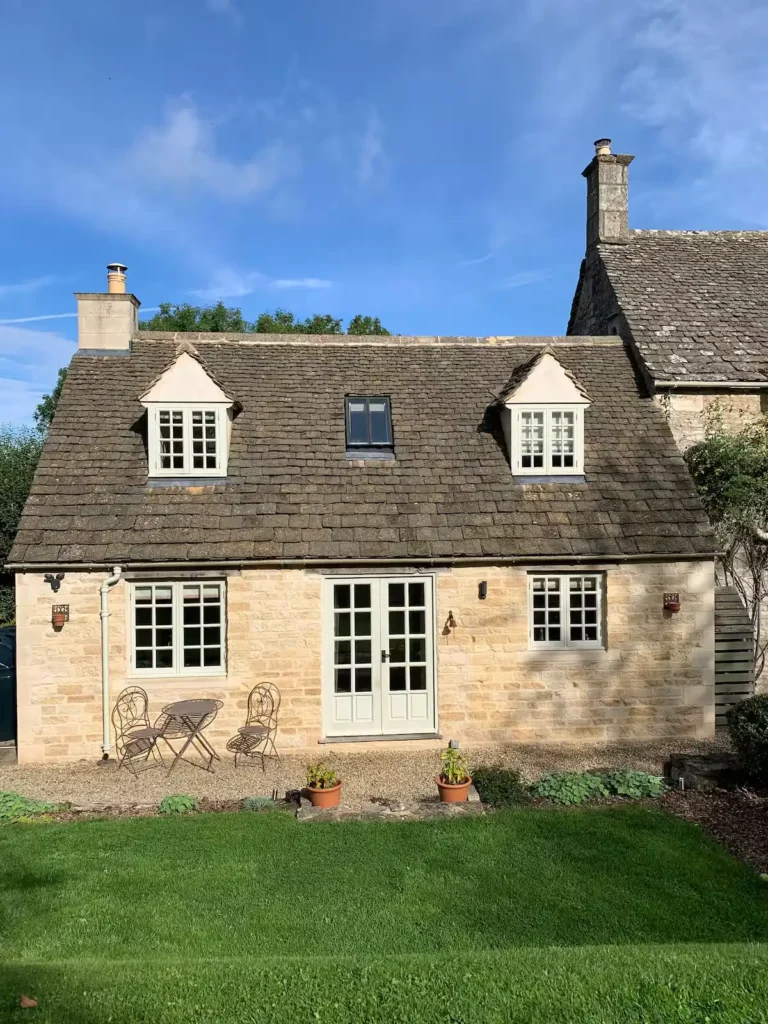
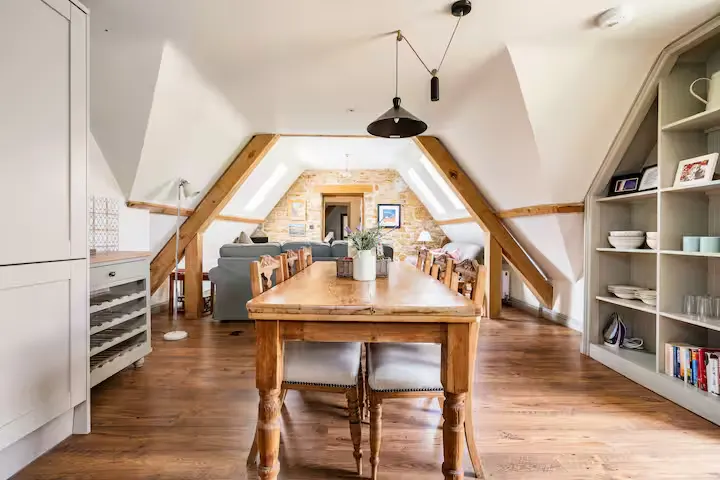
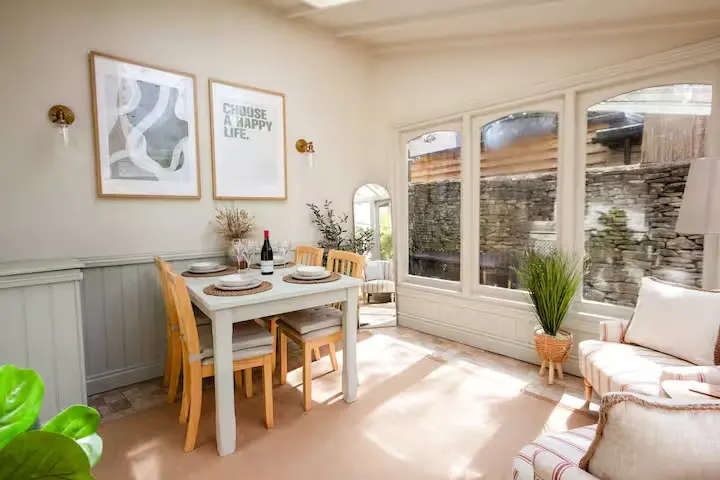
Find below our curated selection of boutique hotels and design apartments that offer exceptional value, atmosphere, and comfort during the off‑season — often at significantly lower rates than peak months.
Uncrowded Experiences & Tours
Skip the lines and experience iconic landmarks at your own pace. Discover curated local tours and cultural activities designed to show you the authentic side of the destination without the peak-season rush.
Handy Tips
Weather & Climate
The climate is temperate, with mild, damp winters and pleasant, often sunny summers. Rain is common year-round, so always pack layers and a waterproof jacket, even in summer.
Local Customs And Etiquette
Language: English.
Pub Etiquette: Order food and drinks at the bar, not the table. Tipping is appreciated but not mandatory; 10% is standard for table service in a restaurant.
Driving: Vehicles drive on the left. The narrow, winding lanes (called “country lanes”) often require caution and use of passing places.
Walking: Always close gates behind you when walking through fields to keep livestock safe.
Budgeting For Your Trip
Accommodation: Hostels ($35–$60), mid-range hotels/B&Bs ($120–$200), luxury ($250+). Prices are higher in summer and on weekends.
Food: Lunch in a pub ($15–$25), dinner at a mid-range restaurant ($35–$60 per person), fine dining ($80+).
Transport: Car rental ($40/day), local bus ticket ($4–$7), train to Bath/Cheltenham ($20–$40).
Activities: Entry to a stately home ($20–$30), afternoon tea ($15–$30).
Daily Budget:
- Budget: $80–$130 (hostels, picnics/pub food, walking/bus).
- Mid-range: $180–$280 (B&Bs, restaurants, attractions, car).
- Luxury: $350+ (boutique hotels, gourmet meals, private tours).
Getting Around
By Car: This is the most efficient and recommended way to explore the Cotswolds, as many of the best villages are not served by public transport.
By Bus: A network of local buses connects the main market towns, but services to smaller villages can be infrequent, especially on Sundays.
By Train: Major stations like Cheltenham Spa and Moreton-in-Marsh are on the train line from London and are good starting points.
Must-Try Food
Cotswold Lamb: Locally sourced lamb served in various forms, from roasts to stews.
Cotswold Cheese: Try Single Gloucester or Double Gloucester, two traditional local hard cheeses.
Faggots: Savoury meatballs traditionally made from off-cuts of meat and served with onion gravy.
Pork Pie: A classic British handheld pie with a filling of chopped pork and pork jelly.
Bangers and Mash: Sausages (often locally made) served with creamy mashed potatoes and gravy.
Fish and Chips: A classic takeaway dish of battered fried fish and thick-cut fries.
Ploughman’s Lunch: A traditional cold meal of cheese, bread, pickled onions, and chutney, often eaten in a pub.
Scotch Egg: A hard-boiled egg wrapped in sausage meat, coated in breadcrumbs, and deep-fried.
Scones with Jam and Clotted Cream: The essential part of a traditional Afternoon Tea.
Sticky Toffee Pudding: A moist sponge cake covered in a toffee sauce, served hot.
Must-Try Drinks
Local Ale/Cider: Sample a cask ale from a local brewery or a crisp, traditional cider at a historic pub.
Gin: Many small craft distilleries in the region produce award-winning gins.
English Wine: A growing number of vineyards in the area produce excellent sparkling and still wines.
Real Cider: Traditional, often cloudy, cider produced from apples grown in the region.
Pimm’s: A fruity, gin-based liqueur mixed with lemonade and fruit, popular in the summer.
Pot of Tea: Essential for an afternoon break, served with milk and sugar.
Elderflower Cordial: A refreshing, floral-flavored squash made from elderflower blossoms.