 Skip to content
- Is Wales Too Rainy And Wild For Off-Season Adventures?
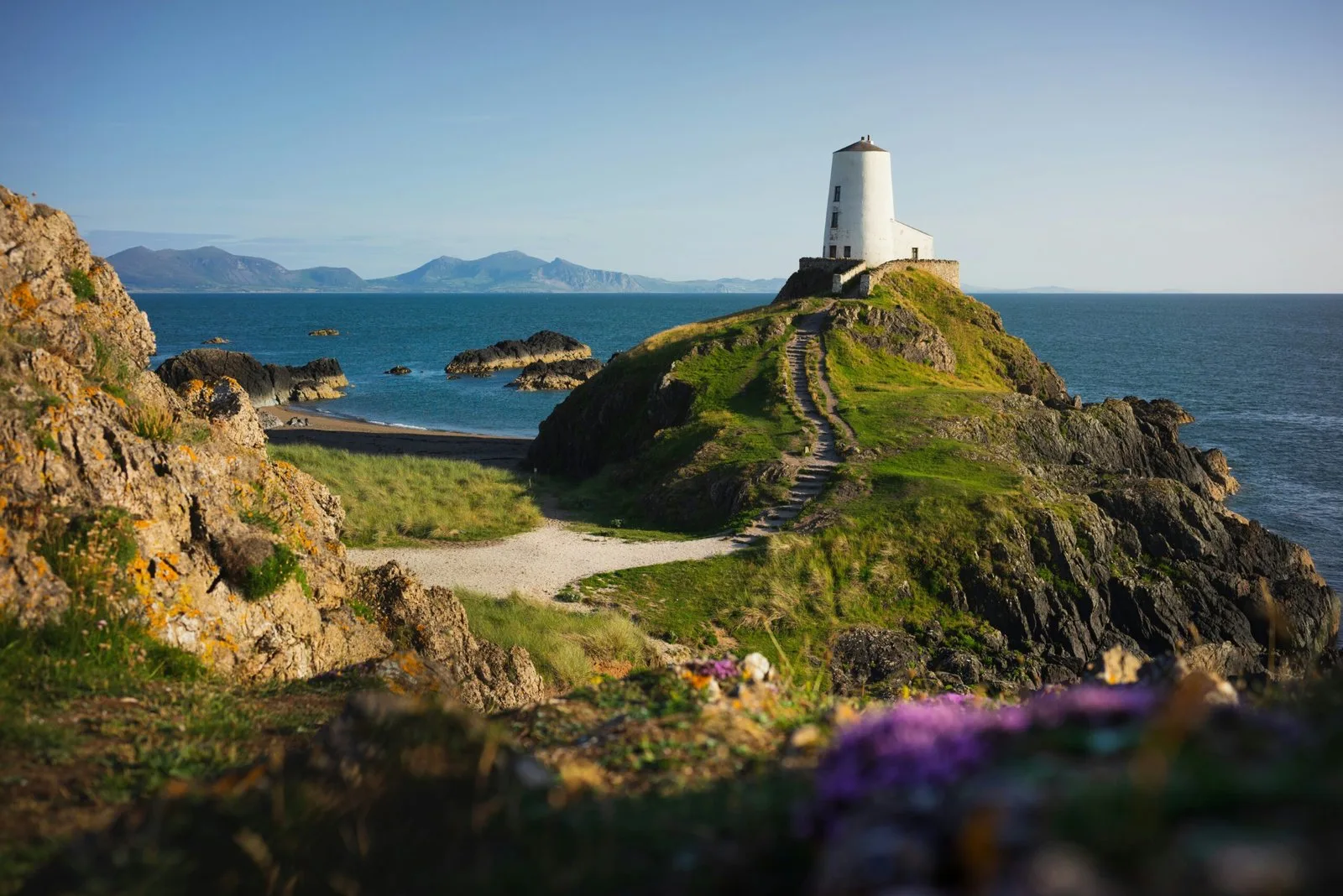
Yes, it rains frequently and winter storms can be fierce, but that is precisely why you should 'Exploit Travel Seasonality' here. You will trade summer crowds at the famous castles and trails for dramatic, moody landscapes where misty mountains, thundering waterfalls, and empty valleys look like something from a Celtic legend.
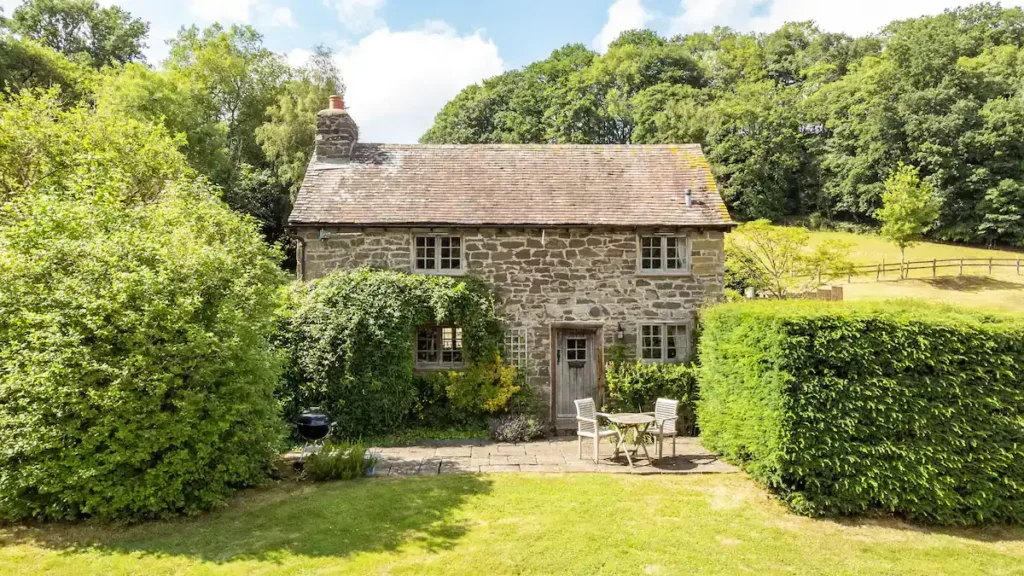
The drawback is you need serious waterproof gear, warm layers, and a flexible attitude toward changing weather. On the positive side, you will save roughly 45% to 55% on cozy inns and countryside cottages, enjoy world-famous attractions with 90% fewer visitors, and witness the raw, untamed beauty that makes this region so special.
- Will The Famous Mountain Railway And Hiking Trails Be Open In Winter?
No, the iconic mountain railway stops running from November through mid-March, and exposed high trails become dangerous due to ice and sudden weather changes. However, you gain something better: lower valleys, forest walks, and lakeside paths that are spectacularly empty and completely free.
The drawback is that reaching the summit of the highest peaks requires serious mountaineering skills. The upside is that you save on expensive railway tickets, enjoy free parking at every trailhead, rental car discounts of roughly 35% to 45%, and the rare privilege of having famous lakes and lower viewpoints entirely alone for photography.
- Do The Medieval Castles And Historic Sites Close During Low Season?
No, the magnificent UNESCO-listed castles and Roman ruins remain open with reduced winter hours. You will walk through imposing fortress walls and towering gatehouses with only a handful of other visitors, actually hearing the wind echo through great halls where summer crowds would drown out every sound.
The drawback is that some smaller historic houses and heritage sites shut down completely from November through February. The positive trade-off is entrance discounts of roughly 20% to 30%, hotel rates slashed by approximately 45% to 55%, and the rare privilege of having famous castle battlements entirely to yourself at sunset.
- Will The Charming Villages And Pubs Be Dead During The Off-Season?
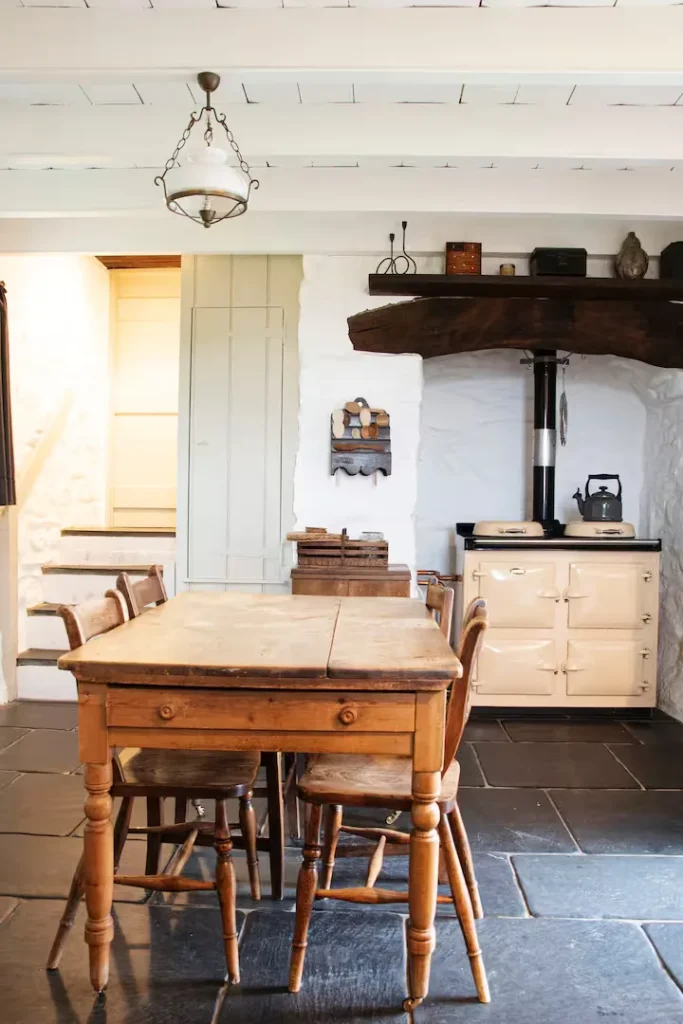
No, this is actually when the real North Wales comes alive. The legendary pubs with slate floors and roaring fires, traditional chip shops, and local bakeries serve residents instead of tourists, meaning you will hear Welsh spoken at the next table, eat authentic rarebit and cawl, and receive warm welcomes from locals not exhausted by summer crowds.
The drawback is that some tourist-oriented tea rooms and souvenir shops close until spring. However, you gain massive discounts on village accommodation (often 45% to 55%), genuine conversations with innkeepers who have time to chat, and the authentic experience of huddling inside a 16th-century pub while rain pounds against thick stone walls.
- Is Driving Through Snowdonia And Along The Coast Safe In Winter?
Yes for main roads through the valleys and along the coast, but the famous high mountain passes can close during snow and ice. You will enjoy empty coastal roads with spectacular sea views, free parking at every viewpoint, and rental car discounts of approximately 35% to 45% during low season.
The drawback is that sudden weather changes can bring fog, ice, or even snow within minutes on higher routes. To solve this, drive slowly between late morning and early afternoon, check weather forecasts for mountain passes, embrace the scenic train line that runs along the coast using emptier carriages, or simply base yourself in one historic town and explore nearby valleys and coast on foot.

Home > Exploit The Seasons > Seasonal World Map > Europe > United Kingdom > North Wales
WALES
Wales rewrites the rules of seasonal travel, transforming from misty, crowd-free mountain trails to cosy fireside escapes. This guide unlocks dramatic landscapes, authentic castle towns, and genuine value when the summer rush has faded.
Smart Travel Calendar
Shoulder Season
Your Smartest Windows
April to May (avoid Easter week)
September to October
Avoid: The two-week Easter school holidays (late March/April), the May Day bank holiday weekend (first Monday of May), and the October half-term week (mid-to-late October). Also avoid the weekend of the Llangollen Eisteddfod (early July, but spills into shoulder).
What the Sky Does
Mild and unpredictable: 8°C to 15°C (46°F to 59°F). Four seasons in one day.
April showers are real, but they create stunning rainbows over Snowdon.
September brings “hapus” days: calm, golden light, and softer sea breezes.
October sees misty mornings burning off to crisp, clear afternoons on the coast.
How Empty It Feels
50-60% fewer tourists than July and August peak season.
Major sites like Portmeirion feel peacefully explorable, not congested.
Beaches like Harlech and Llandudno’s West Shore offer solitary walks.
No queues for the Snowdon Mountain Railway or Zip World.
What You’ll Save
30-40% on holiday cottages and hotel rooms versus summer prices.
Car hire is nearly half the price, and parking is always available.
Walk into any castle or attraction without pre-booked timed tickets.
Sunday roasts and seaside fish & chips without peak-price surcharges.
The Secret Perk
The Gwledd Conwy Feast (October) – a food festival celebrating Welsh lamb, cheese, and ale.
The spectacle of rutting red deer in the woodlands of Penrhyn Castle.
Wild blackberries and bilberries ripe for picking on coastal paths.
Long, golden “magic hours” for photography over the Menai Strait.
Local slate mine tours with just you and a former miner sharing real stories.
The Tiny Trade-Off
Some small, family-run B&Bs and cafes close for two weeks in late October.
You will need a waterproof jacket and layered clothing every single day.
Reduced ferry schedules to Anglesey’s offshore islands (Puffin Island).
No price spike issues here – but avoid UK school Easter holidays for best value.
Smart Traveler Tip
May offers the best balance: long daylight, lush green valleys, and baby lambs everywhere.
Visit Snowdon on a weekday in September for the driest, quietest summit.
Avoid Easter fortnight if you want true “shoulder” prices and peace.
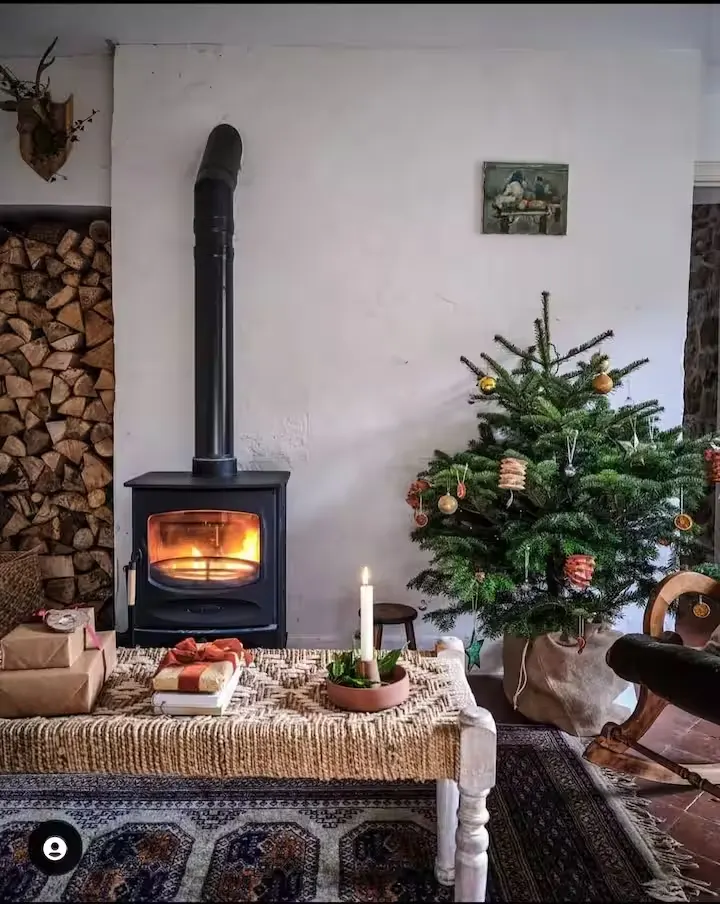
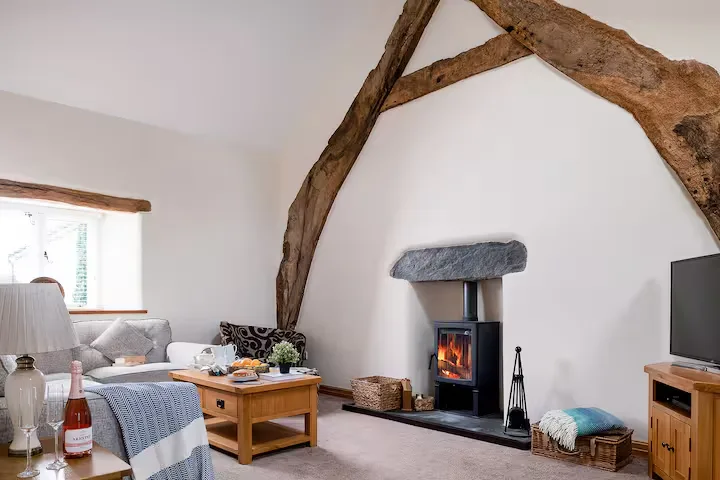
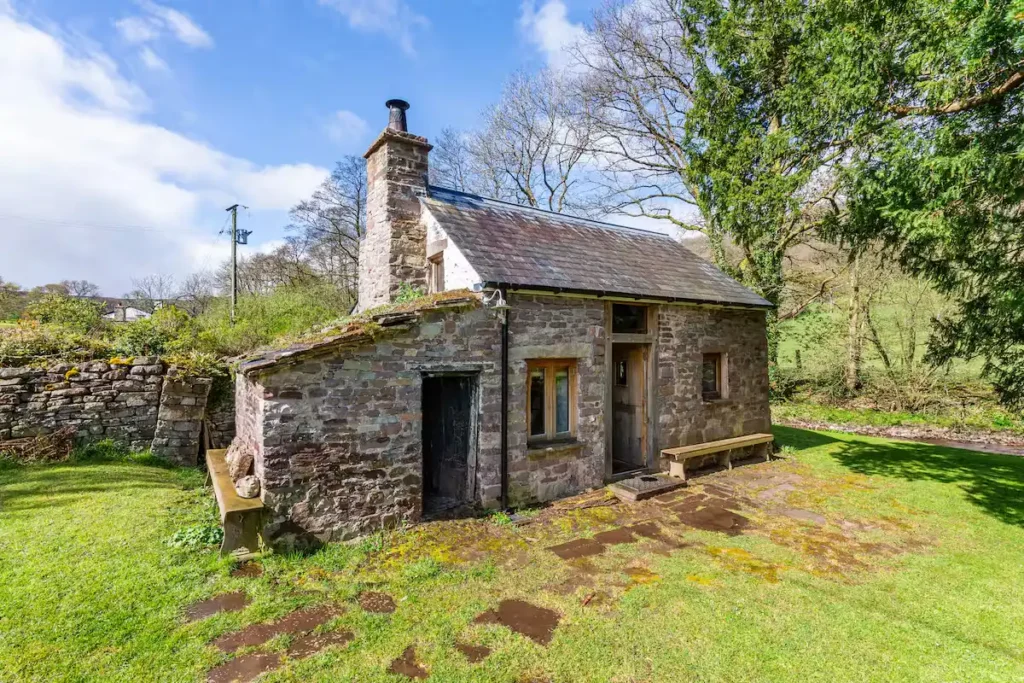
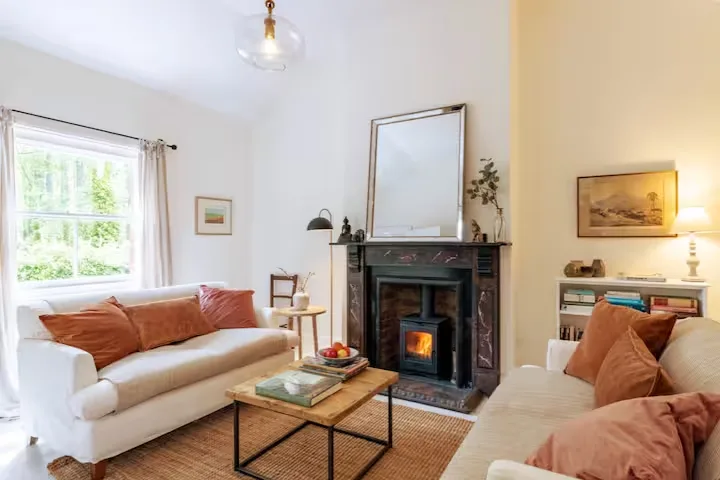
Book a cottage with a wood burner – you’ll still want that cosy vibe.
Deep Off-Season
Your Smartest Windows
November to mid-December (avoid St David’s Day weekend – March 1, and Christmas)
January to February (excluding school half-term)
Avoid: The two weeks around Christmas & New Year (Dec 22 – Jan 3), the February school half-term week (mid-February), and St David’s Day (March 1) weekend. Also avoid the weekend of the Conwy Feast (late October/early November – local event but busy)
What the Sky Does
Cold, wet, and dramatic: 2°C to 8°C (36°F to 46°F). Snow on mountain tops.
Snowdonia’s peaks get a dusting of snow – stunning from the valleys below.
Coastal areas are milder but windier; the interior is significantly colder.
Rainfall is frequent, but it’s why the waterfalls (like Swallow Falls) are thunderous.
How Empty It Feels
Up to 80% fewer tourists than peak summer.
Historic castles like Beaumaris feel like your private fortress.
Indoor gems like Llechwedd Slate Caverns have guides to yourself.
Small towns like Beddgelert feel exclusively local, with pubs full of Welsh conversation.
What You’ll Save
Up to 60% on accommodations compared to August peak season.
Flights into Manchester or Liverpool (for North Wales access) at lowest annual rates.
Luxury country house hotels for the price of a standard B&B in summer.
Car rental from £15 per day – an absolute steal.
The Secret Perk
Cosy pub crawling is the national sport: open fires, local ales, and Welsh rarebit.
Snowdonia’s winter mountaineering and ice climbing (for the adventurous).
The Llangollen Eisteddfod pre-season buzz – local choirs rehearsing openly.
Oyster and mussel harvest season along the Menai Strait – fresher than anywhere.
You’ll be treated like a friend, not a tourist, by every shop and pub owner.
The Tiny Trade-Off
Beach days are out – coastal walks are bracing, not sunbathing.
Nightlife is limited to warm pubs; no clubbing or late-night buzz.
Up to 30% of remote tearooms and activity centres are closed entirely.
Daylight is short: sunrise near 8:00 AM, sunset before 4:00 PM in December.
Smart Traveler Tip
January (post-New Year) is the quietest, cheapest, and most atmospheric month.
Book around St. David’s Day (March 1st) for the first hints of spring and local parades.
Pack thermal layers, a serious waterproof shell, and sturdy waterproof boots.
Stick to the Conwy Valley and Llanberis for slightly milder microclimates.
Find Off-Peak Flights
Top Off‑Season Stays
Find below our curated selection of boutique hotels and design apartments that offer exceptional value, atmosphere, and comfort during the off‑season — often at significantly lower rates than peak months.
Uncrowded Experiences & Tours
Skip the lines and experience iconic landmarks at your own pace. Discover curated local tours and cultural activities designed to show you the authentic side of the destination without the peak-season rush.
Handy Tips
Weather & Climate
The climate is maritime, meaning it is often mild but unpredictable. Expect rainfall year-round, which is why the scenery is so lush. Mountain weather in Eryri can change very quickly, so always pack layers and waterproof gear, even in summer.
Local Customs And Etiquette
Language: Welsh (Cymraeg) is spoken widely, particularly in rural North Wales. Road signs are bilingual. While everyone speaks English, using a few simple Welsh phrases like “Bore Da” (Good Morning) or “Diolch” (Thank you) is a sign of respect and is warmly received.
National Identity: The Welsh have a distinct national identity separate from the English. Avoid calling Welsh people “English.”
Punctuality: Generally, Welsh people are polite and hospitable. Punctuality is appreciated for scheduled appointments, but social gatherings can be a little more relaxed.
Budgeting For Your Trip
Accommodation: Hostels ($30–$50), mid-range hotels ($80–$140), luxury ($160+). Prices are significantly higher in coastal towns and near Eryri during peak season.
Food: Lunch in a pub ($15–$25), dinner at a mid-range restaurant ($30–$55 per person), fine dining ($70+).
Transport: Car rental ($40/day), train ticket (inter-city).
Activities: Castle admission ($10–$20), Zip World passes ($50–$90+).
Daily Budget:
- Budget: $70–$110 (hostels, small pub food, public transport).
- Mid-range: $120–$180 (hotels, restaurants, attractions).
- Luxury:$200+ (boutique hotels, gourmet meals, private tours).
Getting Around
By Car: A car is the most flexible and recommended way to explore, especially for reaching trailheads, remote areas, and the castles. Be prepared for narrow, winding country roads.
By Train: The mainline train runs along the North Wales coast, connecting major towns like Conwy and Llandudno.
By Steam Train: The historic Great Little Trains of Wales, such as the Ffestiniog & Welsh Highland Railways, are a scenic way to see the national park.
Must-Try Food
Cawl: A hearty, slow-cooked Welsh broth or stew, traditionally made with seasonal lamb (or beef) and vegetables like leeks, carrots, and potatoes.
Welsh Rarebit: Not just cheese on toast! It’s a rich, savoury sauce of melted cheese (often Caerphilly or Cheddar) mixed with ale, mustard, and Worcestershire sauce, served on toasted bread.
Laverbread (Bara Lawr): A traditional Welsh delicacy made from cooked and puréed laver seaweed. It has an umami, salty flavour and is often rolled in oatmeal and fried, served with bacon and cockles for breakfast.
Conwy Mussels: Delicious, freshly caught mussels from the Conwy Estuary, often steamed with wine or cider.
Glamorgan Sausage (Selsig Morgannwg): A traditional vegetarian sausage made from cheese (often Caerphilly), leeks, and breadcrumbs.
Salt Marsh Lamb (Oen Morfa): Lamb raised on coastal salt marsh pastures, giving the meat a uniquely sweet, herbaceous, and delicate flavour.
Welsh Cakes (Picau ar y Maen): Small, round, spiced cakes cooked on a griddle (or bakestone), containing currants and dusted with sugar. Perfect with a cup of tea.
Bara Brith: Meaning “speckled bread,” this is a sweet fruit loaf flavoured with tea, spices, and dried fruit. Traditionally served sliced and buttered.
Anglesey Sea Salt (Halen Môn): Pure, hand-harvested sea salt flakes from the Isle of Anglesey, a popular, high-quality ingredient.
Caerphilly Cheese: A traditional, crumbly, and slightly tangy Welsh cheese.
Must-Try Drinks
Welsh Whisky: A new but growing industry, notably from distilleries like Penderyn, which produces award-winning single malts and spirits.
Welsh Craft Beer and Ale: The region is home to many excellent independent breweries, such as Conwy Brewery and Tiny Rebel, offering a range of traditional and modern styles.
Welsh Gin: A huge rise in artisan gin production across Wales, often using local botanicals.
Cider & Perry: Traditional Welsh cider and perry (made from pears) from local orchards.
Penderyn Liqueur: A spirit-based liqueur, often honey-based or flavoured with local fruits.
Non-Alcoholic Drink: A simple, strong cup of Welsh Brew Tea, a popular blend in the region.