 Skip to content
- Is Yorkshire Too Cold And Bleak For Off-Season Exploring?
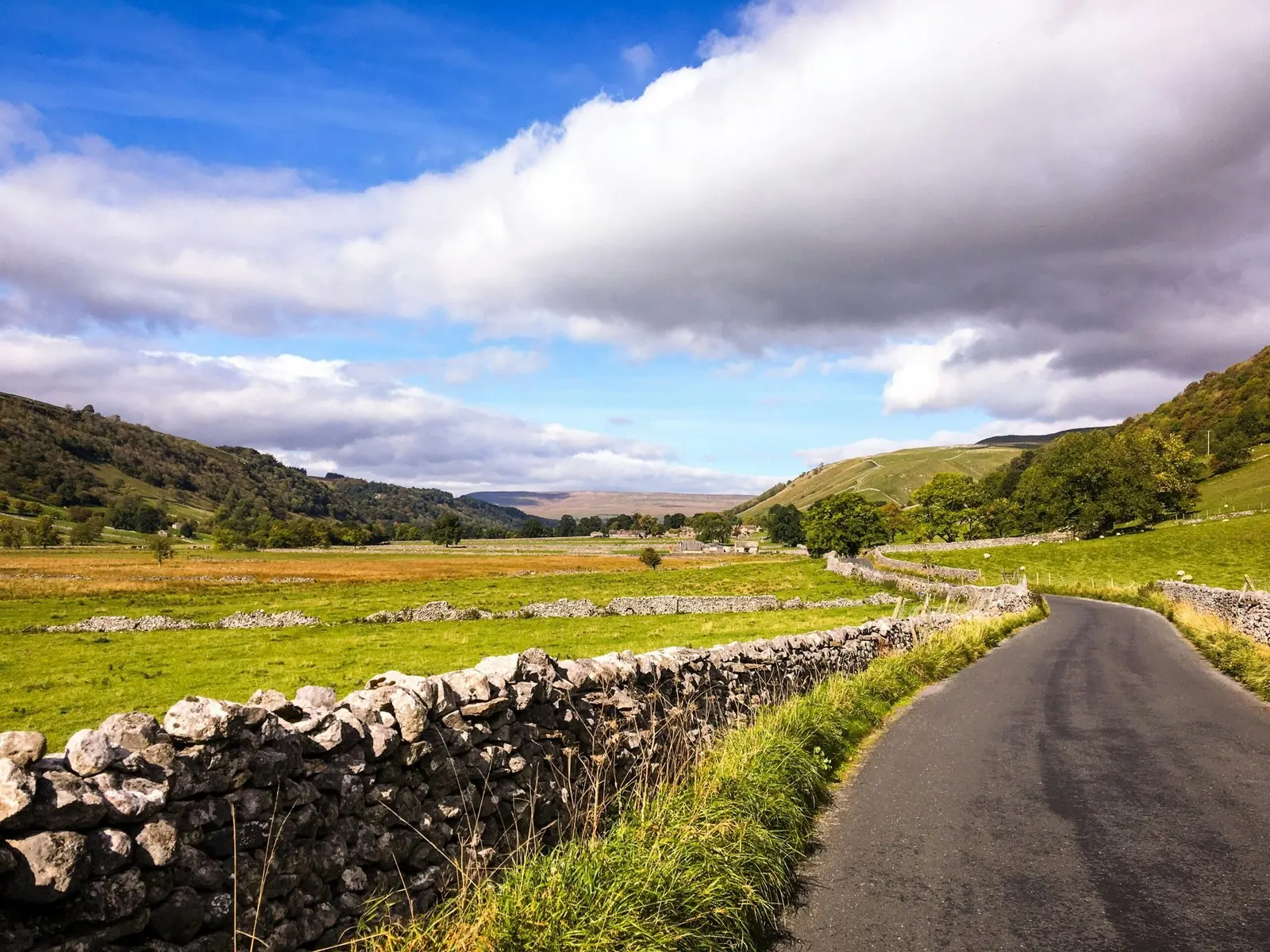
Yes, winters are genuinely cold with grey skies, frosty mornings, and occasional snow on higher ground, but that is the secret advantage. You will 'Exploit Travel Seasonality' by trading summer crowds in the famous dales for dramatic, empty landscapes where misty moors, roaring waterfalls, and ancient stone walls look hauntingly beautiful.
The drawback is you need a heavy coat, wool layers, and sturdy waterproof boots. On the positive side, you will save roughly 45% to 55% on cozy country inns and historic hotels, enjoy world-famous ruins and abbey grounds with 90% fewer visitors, and discover why Yorkshire's rugged beauty is actually best appreciated under moody winter skies.
- Will The Famous Moors And Dales Be Accessible For Hiking In Winter?
Yes for lower valleys and forest trails, but no for exposed high moorland which becomes treacherous with boggy ground, freezing fog, and sudden weather changes. You will walk along riverside paths through iconic green valleys with spectacular winter light, saving the famous open moors for clear, calm days only.
The drawback is that mountain rescue teams regularly pull unprepared hikers off the moors in winter. However, you gain empty car parks at famous trailheads, cozy pub lunches with roaring fires, rental car discounts of roughly 35% to 45%, and the unforgettable experience of having a stunning waterfall entirely to yourself.
- Do The Historic Cities, Cathedrals, And Ruins Close During Low Season?
No, the magnificent medieval cathedrals and Roman ruins remain open with reduced winter hours. You will walk through ancient abbey cloisters with only frost and silence for company, explore world-famous minsters without shuffling behind guided tour groups, and actually hear the echoes of history in empty stone chambers.
The drawback is that some smaller historic houses and gardens shut down completely from November through February. The positive trade-off is entrance discounts of roughly 20% to 30%, hotel rates slashed by approximately 45% to 55%, and the rare privilege of having iconic stained glass windows and crypts entirely to yourself.
- Will The Famous Pubs, Tea Rooms, And Markets Still Feel Alive In Winter?
Yes, absolutely, and this is the hidden magic of off-season Yorkshire. The legendary pubs with coal fires, traditional tea rooms serving fat rascals and parkin, and covered markets buzz with locals instead of tourists, meaning you will hear genuine Yorkshire accents, eat proper puddings, and receive warm hospitality from residents not exhausted by summer crowds.
The drawback is that outdoor market stalls and riverside cafes close completely. However, you gain massive discounts on boutique accommodation (often 45% to 55%), shorter queues at famous Bettys-style tea rooms, and the authentic experience of huddling inside a 17th-century pub while rain streams across ancient windowpanes.
- Is Driving Between The Famous Dales And Moors Safe On Narrow Roads?
Yes for main routes through the valleys, but the iconic high moorland roads and steep passes can close during snow and ice. You will enjoy empty roads through stunning scenery, free parking at every viewpoint, and rental car discounts of approximately 35% to 45% during low season.
The drawback is that sheep roam freely on unfenced roads, and sudden fog can reduce visibility to near zero. To solve this, drive slowly between late morning and early afternoon, check weather forecasts for moorland passes, embrace the scenic train lines that run through the heart of the region, or simply base yourself in one charming market town and explore nearby valleys on foot each day.

Home > Exploit The Seasons > Seasonal World Map > Europe > United Kingdom > Yorkshire
YORKSHIRE
Yorkshire sheds its crowded summer skin to reveal a raw, dramatic beauty. From misty moors to cozy, fire-lit pubs, this guide shows you when to find solitude, authentic charm, and surprising value across England’s most beloved county.
Smart Travel Calendar
Shoulder Season
Your Smartest Windows
April to May (avoid Easter week)
September to October
Avoid: The two-week Easter school holidays (late March/April), the May Day bank holiday weekend (first Monday of May), and the October half-term week (mid-to-late October). Also avoid the first week of August (Yorkshire’s ‘town and country shows’ season).
What the Sky Does
Mild to warm, but unpredictable. Average highs of 12-18°C (54-64°F) with crisp nights.
April showers are real – Expect four seasons in one day, but that’s what creates the rainbows over the valleys.
September brings a “second summer” – Often the driest and calmest month with soft, golden light.
Moorland colors explode – Purple heather blooms in August and lasts through early September.
How Empty It Feels
40-50% fewer tourists compared to the school summer holidays.
Major sites like Fountains Abbey feel spacious – You can hear the birdsong, not just footsteps.
Seaside towns are relaxed – Parking is easy, and you’ll find a bench on the promenade instantly.
No queuing for Yorkshire Dales waterfalls – Aysgarth Falls and Hardraw Force are all yours.
What You’ll Save
30% on hotels and holiday cottages compared to August peak rates.
Car rental is nearly half the price – Plus no competition for scenic lay-bys.
Instant access to stately homes – No timed entry tickets needed for Castle Howard or Harewood House.
££ off gastropub menus – Many offer midweek “off-season” lunch deals.
The Secret Perk
The Whitby Goth Weekend (April/Oct) – A spectacular, quirky festival of music and incredible costumes.
Baby lambs on the Dales – The hills come alive with frolicking lambs by mid-April.
Harvest festivals and game season – Taste fresh grouse, pheasant, and blackberries on local menus.
Magic Hour lasts for hours – The low sun casts long shadows over limestone pavements.
Chocolate Box Villages – Places like Hawes and Hutton-le-Hole feel like they’re just for you.
The Tiny Trade-Off
Some coastal amusements closed – A few arcades and independent fudge shops only open weekends in April.
One day might be a washout – You’ll need a backup plan (a stately home or a railway museum).
Reduced boat trips to seal colonies – Rough seas can cancel Bempton Cliffs excursions in early spring.
School Easter holidays spike prices – Avoid the two weeks of April that include Easter for best value.
Smart Traveler Tip
Aim for the last two weeks of September. You get golden weather, post-summer pricing, and the crowds have vanished. Book a cottage with a log burner just in case.
Deep Off-Season
Your Smartest Windows
November to mid-December (avoid St Andrew’s Day weekend – Nov 30)
January to February (excluding school half-term)
Avoid: The two weeks around Christmas & New Year (Dec 22 – Jan 3), the February school half-term week (mid-February), and the St Leger Festival (Doncaster – mid-September) if travelling early autumn.
What the Sky Does
Cold, crisp, and often spectacular. Average highs of 4-8°C (39-46°F), dropping below freezing at night.
Snow dusts the higher peaks – The Yorkshire Dales and North York Moors turn into a Narnia-like landscape.
West is wetter than the east – Leeds and the Dales see more rain; the Yorkshire Coast can be surprisingly bright.
Foggy mornings in the valleys – Creates haunting, beautiful atmospheres perfect for photography.
How Empty It Feels
Up to 80% fewer tourists on the moors and in country villages.
Historic ruins are profoundly silent – You might be the only person at Bolton Abbey or Rievaulx Terrace.
Museums feel private – The National Railway Museum in York has empty viewing benches.
Pub locals outnumber visitors – You’ll get the real chat, the real ale, and a warm welcome.
What You’ll Save
50-60% off peak summer rates for most hotels and B&Bs.
Flights to Leeds Bradford or Manchester are bargain-bin – Especially on weekdays in January.
Stay in a four-poster for a hostel price – Luxury country hotels slash their winter rates.
Free parking everywhere – From Whitby’s West Cliff to Malham Cove.
The Secret Perk
Open fires and “Sticky Toffee Pudding” season – The ultimate cozy British escape.
North Sea winter storms – Dramatic waves crashing against Scarborough Castle walls (watch from a warm cafe).
January sales in York’s Shambles – Shop historic streets without the tourist stampede.
Stargazing as a dark sky reserve – The North York Moors offer incredibly clear, cold winter stars.
The pace of life slows down – Landlords and shopkeepers actually have time to tell you a story.
The Tiny Trade-Off
Beach days are out – Too cold and windy for a paddle on Filey or Sandsend beach.
Nightlife dies down in villages – Pubs close at 10pm or 11pm; don’t expect late bars outside cities.
Some attraction closures – Smaller museums and seasonal farms shut entirely until March.
Daylight is short – You have about 7-8 hours of light (9am to 4pm) for sightseeing.
Smart Traveler Tip
Visit in January (post-New Year) for the absolute quietest week. Pack thermal layers, waterproof boots, and a headtorch for afternoon walks. The sunsets at 4pm mean early pub dinners – embrace it.
Find Off-Peak Flights
Top Off‑Season Stays
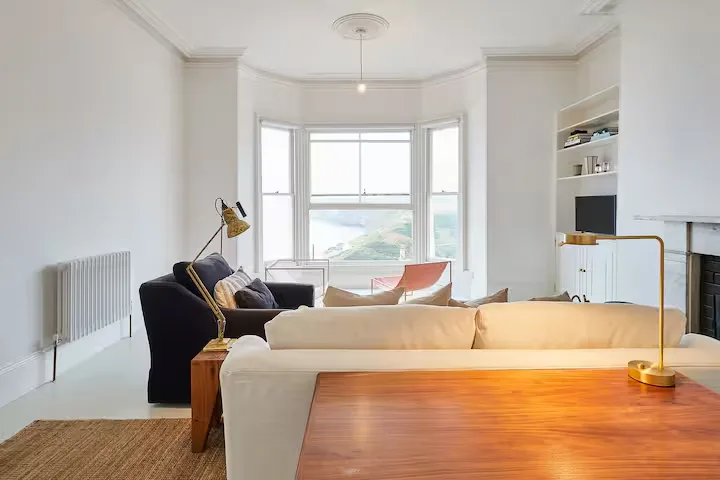
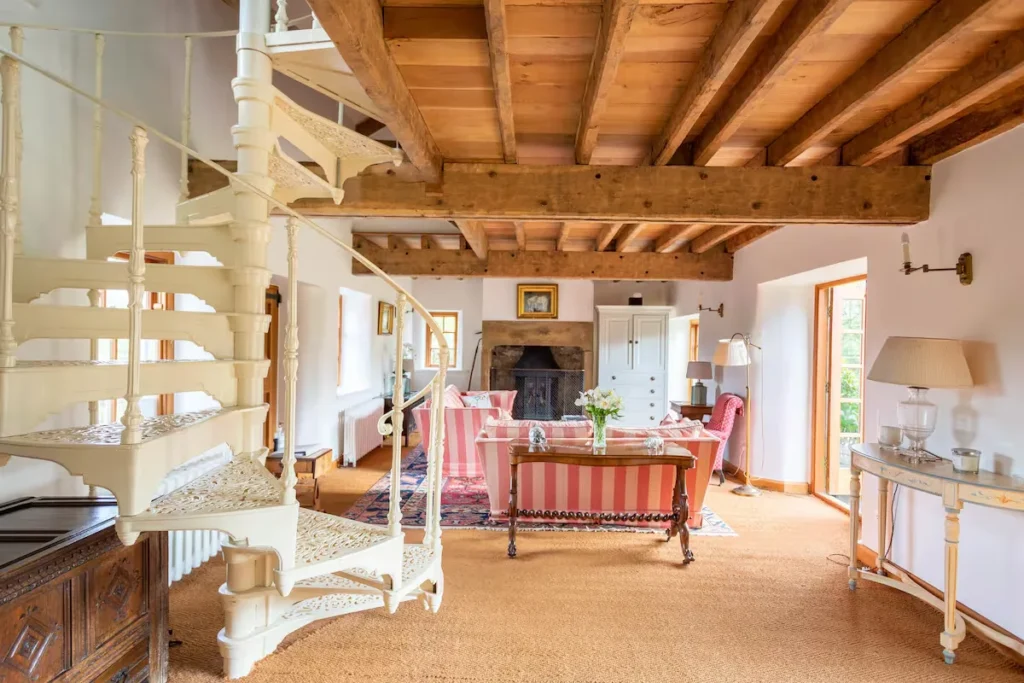
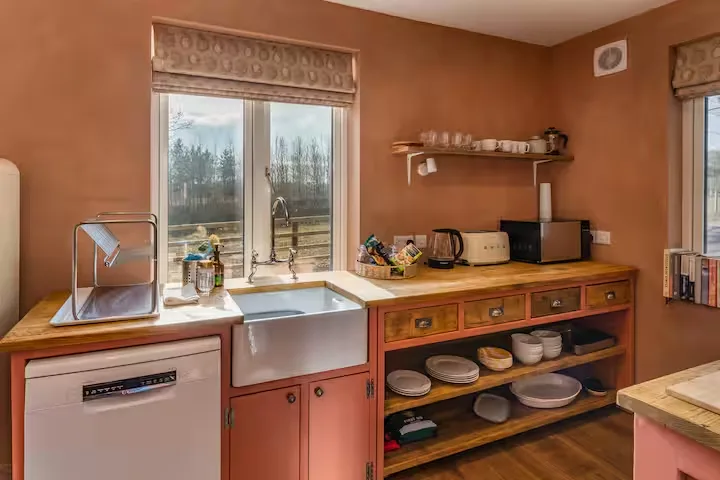
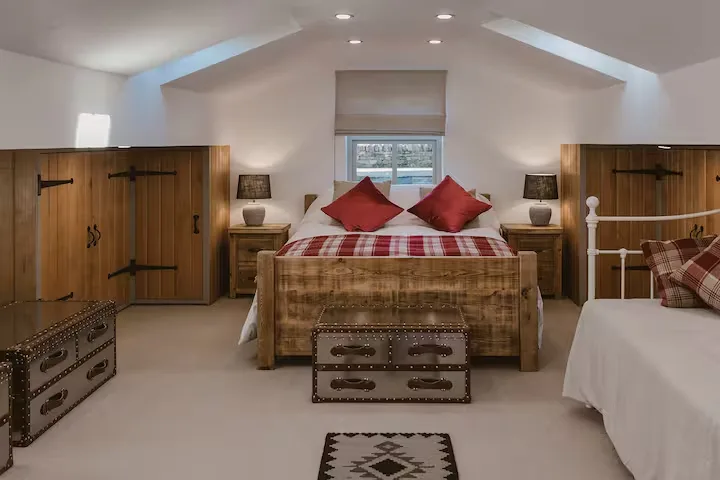
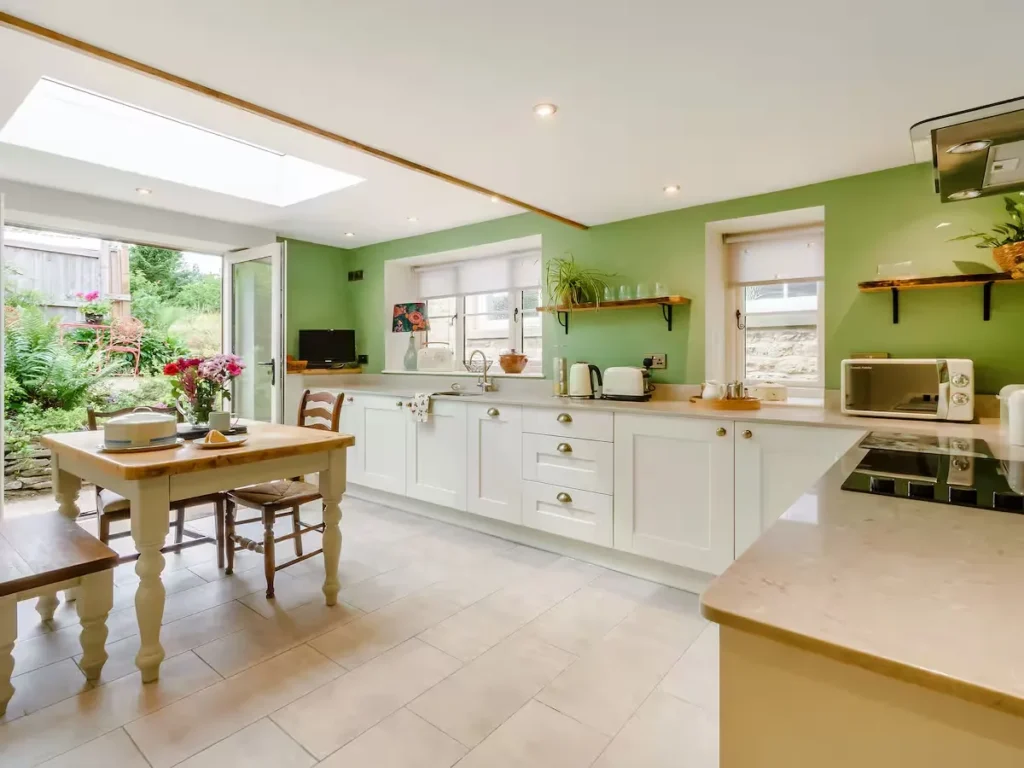
Find below our curated selection of boutique hotels and design apartments that offer exceptional value, atmosphere, and comfort during the off‑season — often at significantly lower rates than peak months.
Uncrowded Experiences & Tours
Skip the lines and experience iconic landmarks at your own pace. Discover curated local tours and cultural activities designed to show you the authentic side of the destination without the peak-season rush.
Handy Tips
Weather & Climate
The climate is generally temperate but wet. Summers are mild (15ºC to 22ºC), and winters are cold (1ºC to 7ºC), with occasional snow, especially on the high ground of the Moors and Dales. Always pack layers and waterproof gear, regardless of the season.
Local Customs And Etiquette
Language: Yorkshire has a strong regional accent and dialect. Don’t worry if you struggle to understand at first, and a friendly “Aye” (yes) will always be appreciated.
Pub Etiquette: Pubs are central to social life. Order drinks at the bar, not the table, and it is common to offer to buy a round for your group.
Walking Etiquette: When walking in the countryside, always close gates behind you to keep livestock contained and stick to public footpaths.
Budgeting For Your Trip
Accommodation: Hostels ($34–$68), mid-range hotels ($108–$189), luxury ($216+). Prices are significantly higher in York and Harrogate.
Food: Pub lunch/sandwich ($14–$20), dinner at a mid-range restaurant ($41–$68 per person), fine dining ($95+).
Transport: Car rental ($47/day), train ticket (intercity).
Activities: Museum entry ($14–$27), guided walking tour ($20–$41).
Daily Budget:
Budget: $95–$149 (hostels, market food, public transport).
Mid-range: $162–$257 (hotels, pub meals, attractions).
Luxury: $284+ (boutique hotels, gourmet meals, private tours).
Getting Around
By Car: A car is the most flexible way to explore the National Parks and remote villages. Be aware that some Dales roads can be narrow.
By Train: An efficient train network connects major cities like Leeds, York, and Sheffield. Scenic lines like the Settle-Carlisle railway are attractions themselves.
By Bus: Bus networks connect many towns, but services to remote villages can be infrequent, especially on Sundays.
Must-Try Food
Yorkshire Puddings: Essential. A light, airy batter cooked in hot fat, traditionally served with a Sunday Roast but often as a savory starter with gravy.
Wensleydale Cheese: A creamy, crumbly cheese from the Dales, famously served with apple pie.
Pork Pie: A savory pie of chopped pork, seasoning, and jelly, eaten cold. Perfect for picnics.
Henderson’s Relish: A spicy, vinegary condiment, similar to Worcestershire Sauce, that’s a Sheffield favorite.
Fish and Chips: Often seen as the UK’s best here. Try them by the sea in Whitby or Scarborough.
Faggots: A meatball made from minced off-cuts and offal, served in gravy—a traditional, hearty dish.
Parkin: A moist, dark gingerbread cake made with oatmeal and black treacle, often eaten around Guy Fawkes Night.
Fat Rascal: A type of scone/rock cake served exclusively at Betty’s Tea Rooms—best served warm with butter.
Rhubarb Crumble: Yorkshire is famous for its ‘rhubarb triangle’ and the forced rhubarb grown there; this dish is a local staple.
Curd Tart: A sweet pastry tart filled with cheese curd, eggs, and currants—a regional classic.
Must-Try Drinks
Yorkshire Tea: The most important drink! A strong, black tea blend, always served with milk.
Yorkshire Gin: A growing number of craft distilleries are producing high-quality local gins.
Real Ale: The region is a mecca for independent breweries. Try a local bitter or pale ale from a brewery like Timothy Taylor’s, Black Sheep, or Saltaire.
Stingo: A rare, very strong, dark ale with historical roots in Yorkshire brewing.
Dandelion and Burdock: A traditional, sweet, carbonated soft drink made from fermented roots.
Pop: A local term for any fizzy, carbonated drink (soda).