 Skip to content
- How Does Off-Season Weather In Northern Portugal Compare To The Rest Of The Country?
Northern Portugal is wetter and cooler than the south, but that is exactly what makes it so incredibly green and beautiful. The shoulder months offer temperatures from 12°C to 22°C (54°F to 72°F), while deep winter brings crisp days between 5°C and 14°C (41°F to 57°F) with regular rainfall that keeps the landscape lush.
The drawdown is that you will encounter rain on many days, especially from November through February, and the humidity can feel chilly. The positive trade-off is that the rain creates dramatic mist over the Douro Valley vineyards, roaring waterfalls in Gerês National Park, and an incredibly cozy atmosphere for ducking into Porto's port wine lodges. Pack a good raincoat and embrace the authentic green Portugal.
- What Percentage Discounts Can I Find On Porto Hotels And Douro Valley Wine Lodges?
Porto's boutique hotels and riverside guesthouses reduce their rates by 35% to 55% from November through February, and Douro Valley quintas (wine lodges) offer similar discounts of 40% to 60%.
The drawdown is that some smaller family-run quintas close entirely during deep winter months. The positive spin is that the wine lodges remaining open offer incredible value and personal attention from winemakers who are not rushed by summer crowds. You can afford a room overlooking the Douro River or a suite in Porto's historic Ribeira district for the same price as a basic room in September.
- Is The Douro Valley Wine Tasting Experience Still Good During Rainy Season?
Yes, and rainy days are actually perfect for port wine tasting because you will want to stay indoors anyway. The famous port wine lodges in Vila Nova de Gaia continue year-round operations, and the smaller quintas upriver welcome visitors with cozy fireplaces and generous pourings of tawny, ruby, and vintage ports.
The drawdown is that the stunning outdoor terraces with valley views become unusable in heavy rain, and vineyard walks are less enjoyable. The positive reward is that you will share the tasting rooms with 80% fewer tourists, meaning more attention from the staff and longer, more educational experiences. The rain also makes the valley look dramatically beautiful, with low clouds wrapping around the vine-covered hillsides.
- Is Peneda-Gerês National Park Accessible For Hiking During Off-Season?
Yes, but you need to choose your trails carefully and check conditions before heading out. The lower elevation trails near the park's edges remain accessible year-round, and the cooler temperatures from October through April make hiking actually more comfortable than summer's heat and humidity.
The drawdown is that higher mountain trails can be muddy, slippery, or closed due to flooding from November through March. Some forest roads also become impassable for standard rental cars. The helpful solution is to stick to the Roman road trails and river valley walks near the park's villages, and always ask at the park information office for current conditions. The reward is having Europe's best-protected ancient oak forests almost completely to yourself.
- Should I Visit Northern Portugal For Deep Winter Coziness Or Shoulder Season Hiking?
You should choose based on whether you prioritize wine tastings and city exploration or outdoor activities. The deep winter from December through February delivers maximum discounts of 45% to 65% and the coziest atmosphere imaginable, with Porto's cafes and port lodges offering warm refuge from the rain. The drawdown is that serious hiking becomes less reliable.
The shoulder months of April through June and September through October offer ideal conditions for hiking in Gerês, exploring the UNESCO sites of Braga and Guimarães, and cruising the Douro River with mild temperatures from 15°C to 22°C (59°F to 72°F). The positive reward is seeing the vineyards in spring bloom or autumn harvest colors. Choose winter for coziness and value, shoulder season for outdoor adventures.

Home > Exploit The Seasons > Seasonal World Map > Europe > Portugal > Northern Portugal
NORTHERN PORTUGAL
Northern Portugal wears its seasons like a handwoven wool blanket—rainy, lush, and deeply authentic. From Porto’s lantern-lit alleys to Peneda-Gerês’ misty peaks, discover wild beauty, Vinho Verde harvests, and genuine hospitality without summer crowds.
Smart Travel Calendar
Shoulder Season
Your Smartest Windows
April to mid-June
September to October
Avoid: Holy Week (Semana Santa – especially Braga’s processions drive hotel prices up 40%) and December 30-January 1 (Porto’s New Year’s Eve on the Douro)
What the Sky Does
Typical temperatures: 12°C to 22°C (54°F to 72°F)
April is famously unpredictable: sun, rain, and hail in one hour – pack everything
September offers the best of both: warm days, cooler nights, minimal rain
October brings dramatic mist over the Douro Valley – hauntingly beautiful for photos
How Empty It Feels
45-55% fewer tourists vs peak summer months
Porto’s Livraria Lello: 20-minute wait instead of 2 hours (still busy, but bearable)
Douro Valley train line (Linha do Douro): grab any seat, window views all yours
Gerês national park parking lots: spaces available before 10am
What You’ll Save
35-50% savings on Porto riverside hotels (Ribeira area drops significantly)
Douro Valley boat tours at nearly half the July price
Car rental from Porto airport: €15-20/day instead of €60+
Vinho Verde tasting flights for €5-8 instead of €12-15
The Secret Perk
Hydrangeas explode in June across Minho – blue carpets everywhere
Wild camellias bloom in spring gardens (especially in Ponte de Lima)
Roasted suckling pig (leitão) paired with young Vinho Verde – harvest energy
Soft, diffused light through Atlantic clouds – portrait photographer’s dream
Locals have time to guide you: shopkeepers recommend hidden tascas without rushing
The Tiny Trade-Off
Some Douro Valley quintas (wine estates) close tours on rainy weekdays
Ocean beaches north of Porto (Póvoa de Varzim) are too cold for swimming
Gerês mountain streams are freezing even in May
Easter week in Braga means processions = beautiful but crowded and expensive
Smart Traveler Tip
Visit the Douro Valley in the last week of September: harvest is active, weather stable
Start your Porto mornings early (by 9am) – rain often clears by afternoon
Late May offers the best balance: green landscapes, warm sun, no queues at Palácio da Bolsa
Book Easter accommodation in Braga by January – it’s a pilgrimage destination
Deep Off-Season
Your Smartest Windows
November to February (excluding Christmas/New Year)
Avoid: Christmas markets week (December 18-25 in Porto) and New Year’s Eve – charming but prices double
What the Sky Does
Typical temperatures: 5°C to 14°C (41°F to 57°F)
Rain is frequent and heavy – but that’s why Northern Portugal is so green
Serra do Gerês can see snow at higher elevations (900m+)
Porto averages 12-14 rainy days per month in winter – pack quality waterproof gear
Sunshine breaks are crisp, clear, and low-angle – spectacular for photography
How Empty It Feels
75-85% fewer tourists than July/August
Porto’s São Bento train station: just commuters, no selfie-stick armies
Guimarães castle: you and maybe two other people, echoey and atmospheric
Small Minho villages return to farm life – you’ll hear roosters, not tour guides
Douro Valley roads: drive like a local, not stuck behind a tour bus
What You’ll Save
Up to 70% off peak season hotel rates – Porto’s Ribeira for €60-80/night
Flights from London or Paris: often €15-30 one way
Five-star Douro Valley stays (e.g., Six Senses) from €150 instead of €500
Car rental from €5-8/day – unlimited mileage deals common
The Secret Perk
Cozy port wine lodges in Gaia: fireplaces, free tastings, no crowds at Sandeman
São Martinho fair (November 11) – chestnuts, jeropiga (sweet wine), and bonfires
Thermal springs in Gerês (Termas do Gerês) open and mostly empty – bliss
Mushroom foraging season in the mountains – ask locals, they’ll show you
Real fado in Porto’s Gaia caves: not tourist shows, but workers singing after shift
The Tiny Trade-Off
Douro Valley boat cruises reduced to weekends only (some stop completely)
Nightlife in Porto’s Galerias district: lively Friday/Saturday, dead otherwise
Rural restaurants in Gerês close entirely from mid-December to mid-January
Daylight is short: sunrise ~7:50am, sunset ~5:05pm (December)
Outdoor elevators (like Lada Bridge) may close for maintenance
Smart Traveler Tip
Avoid the December 20-January 2 window unless you want Christmas magic AND peak prices
January is the absolute quietest month – perfect for Porto museum marathons
February has Carnival in Ovar (near Porto) – vibrant, local, and not touristy
Pack: waterproof boots, merino wool layers, a proper raincoat (umbrella is useless in wind)
For mildest deep off-season, stick to coastal Minho (Viana do Castelo) – less rain than Porto
Book a cooking class in November – you’ll learn caldo verde with locals before Christmas
Find Off-Peak Flights
Top Off‑Season Stays
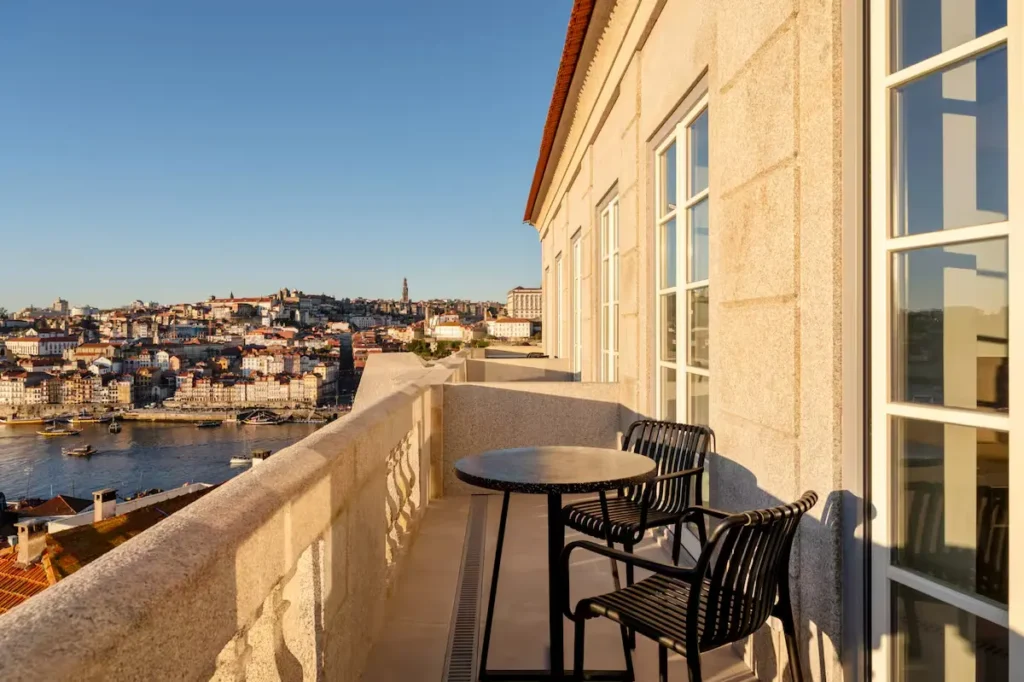
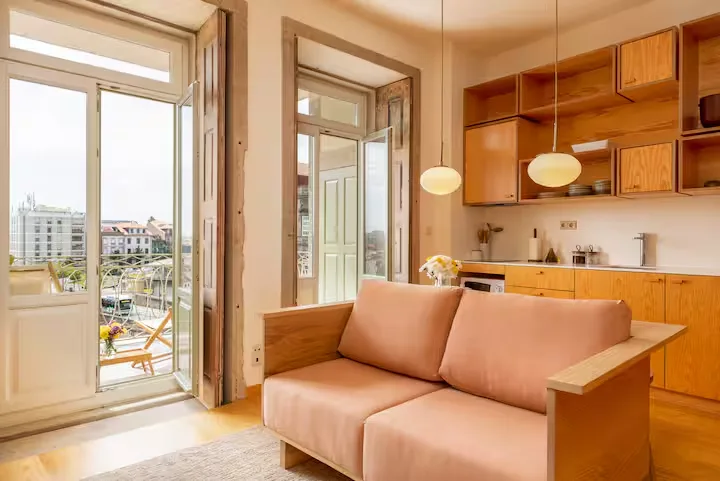
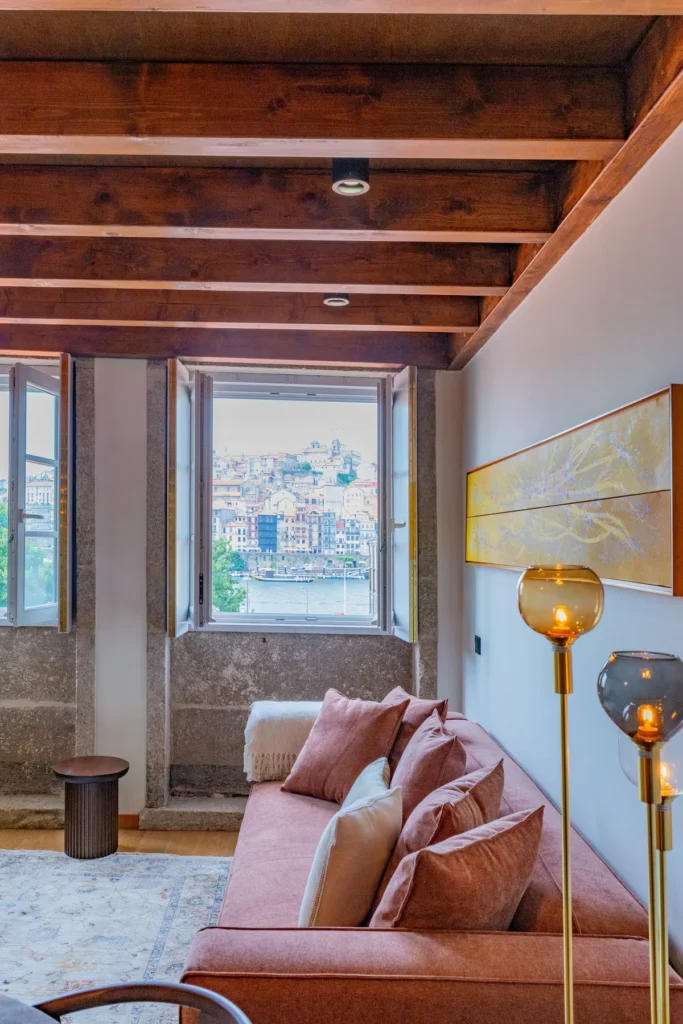
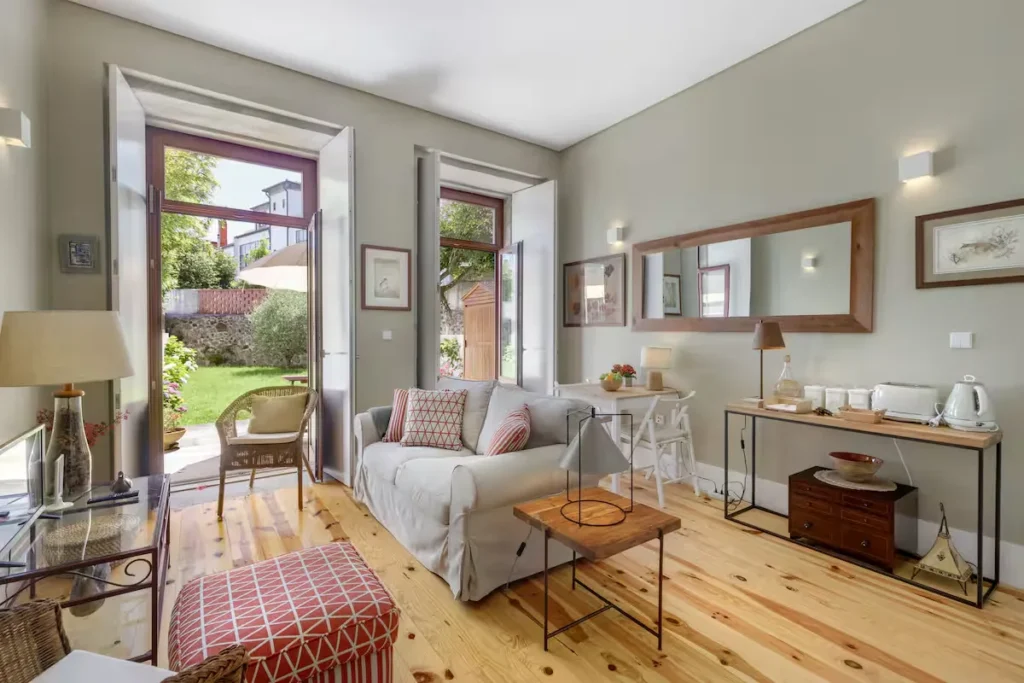
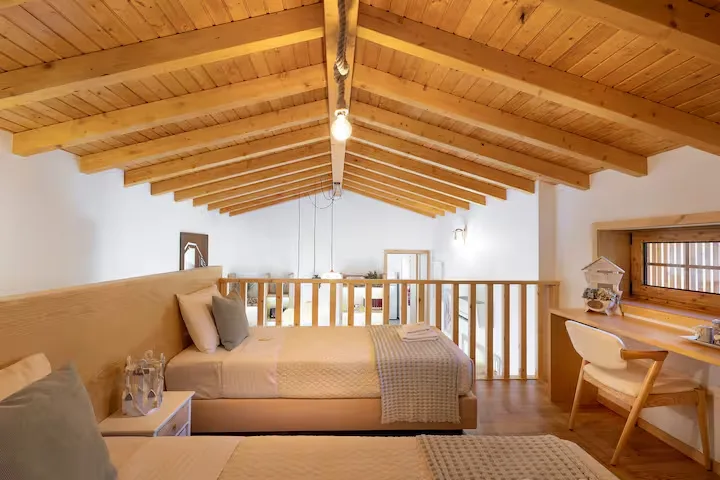
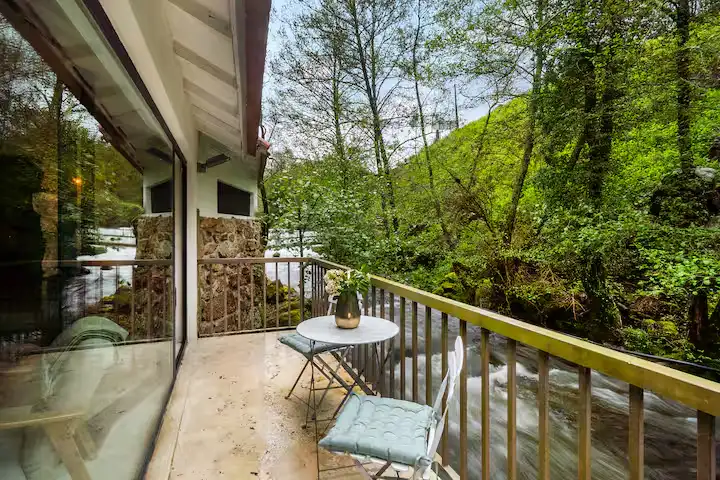
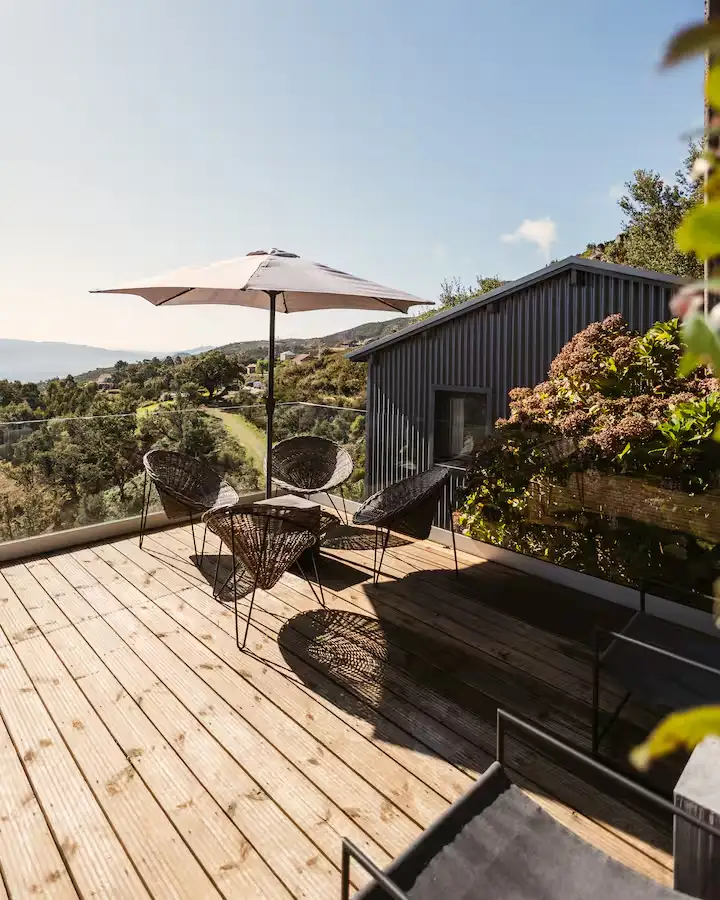
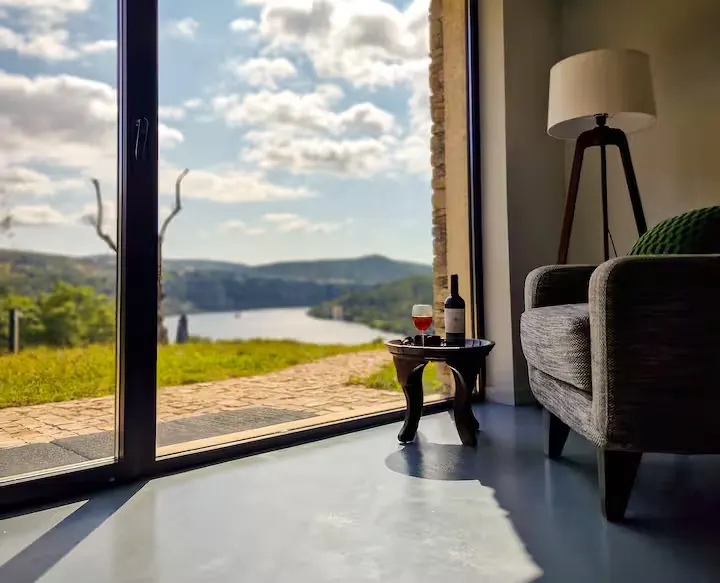
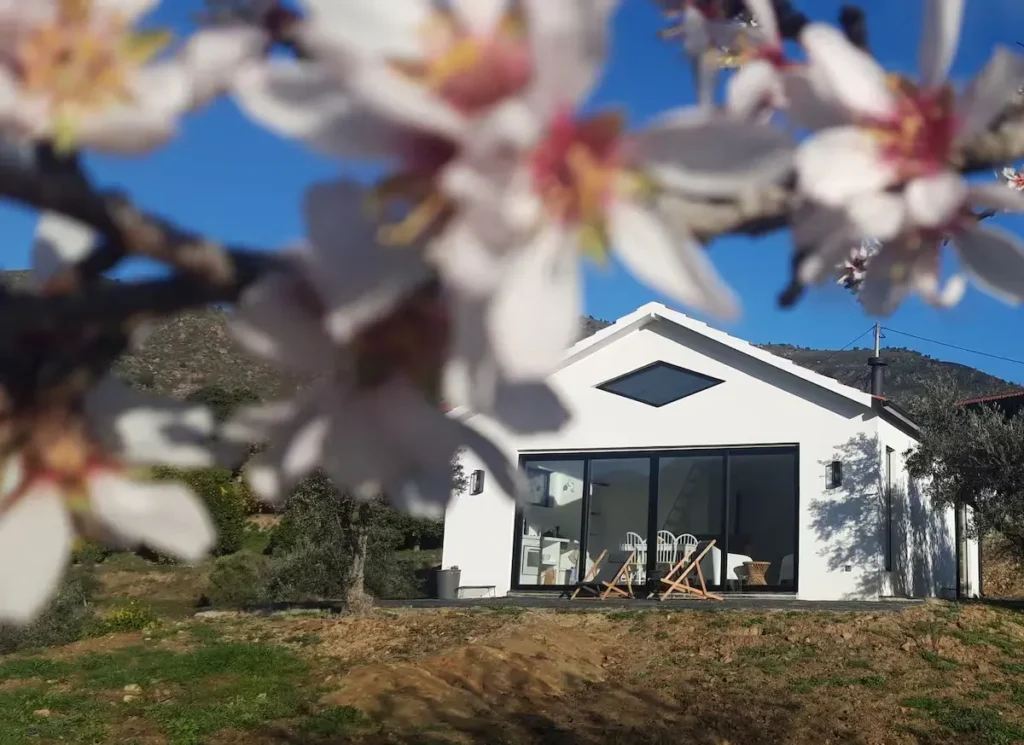
Find below our curated selection of boutique hotels and design apartments that offer exceptional value, atmosphere, and comfort during the off‑season — often at significantly lower rates than peak months.
Uncrowded Experiences & Tours
Skip the lines and experience iconic landmarks at your own pace. Discover curated local tours and cultural activities designed to show you the authentic side of the destination without the peak-season rush.
Handy Tips
Weather & Climate
Northern Portugal has an Atlantic climate, which means cool, wet winters (especially November-February) and warm, sunny, but often humid, summers. Inland areas like the Douro Valley can get extremely hot in July and August.
Local Customs And Etiquette
Language: Portuguese is the official language. Never speak Spanish to a Portuguese person unless you know they speak it; it may be seen as disrespectful. “Obrigado” (men) / “Obrigada” (women) means “Thank you.”
Dining: Lunch is generally the main meal, and dinner is eaten later (around 8:30 PM). It is customary to greet your waiter with “Desculpe” (Excuse me) to get attention.
Punctuality: People in the north tend to be more punctual than in the south, but generally, a relaxed approach to time is common for social gatherings.
Budgeting For Your Trip
Accommodation: Hostels ($25–$50), mid-range hotels ($80–$130), luxury ($180+). Porto prices are highest in summer.
Food: Fixed-price lunch menu (Menu do Dia) ($10–$18), dinner at a mid-range restaurant ($20–$40 per person), fine dining ($55+).
Transport: Car rental ($35/day), train ticket (Porto–Braga regional return, approx. $15).
Activities: Port wine tasting tour ($15+), Douro Valley river cruise (from $25).
Daily Budget:
- Budget: $70–$100 (hostels, market food, public transport).
- Mid-range: $110–$180 (hotels, restaurants, attractions).
- Luxury: $200+ (boutique hotels, gourmet meals, private tours).
Getting Around
By Car: Highly recommended for exploring the Douro Valley, the Minho region, and Peneda-Gerês National Park, as public transport can be limited in rural areas.
By Train: An efficient and affordable network connects major cities like Porto, Braga, and Guimarães. The scenic train line through the Douro Valley is an attraction itself.
By Metro/Tram: Porto has an excellent metro network. Historic tram lines offer a charming way to see the city.
Must-Try Food
Francesinha: A hearty sandwich from Porto, layered with various meats, covered in melted cheese, and smothered in a rich, spicy, beer-based tomato sauce.
Tripas à Moda do Porto: A traditional Porto stew made with tripe, white beans, and smoked meats (earning Porto natives the nickname Tripeiros).
Bacalhau à Gomes de Sá: A famous codfish casserole from Porto, made with shredded cod, potatoes, onions, boiled eggs, and black olives.
Caldo Verde: The national soup, originating from the Minho region, made with potato, collard greens, and slices of chouriço (sausage).
Arroz de Sarrabulho: A rich Minho rice dish often prepared with various meats and, traditionally, pig’s blood.
Alheira de Mirandela: A smoked sausage traditionally made without pork (originally by Portuguese Jews during the Inquisition), typically using poultry and game meats.
Rojões à Moda do Minho: Succulent cubes of pork marinated in wine and spices, then fried and often served with tripe sausage and chestnut rice.
Polvo à Lagareiro: Roasted octopus, often seasoned with garlic and olive oil and served with smashed potatoes.
Pudim Abade de Priscos: A rich, caramel custard dessert from Braga, uniquely made with bacon (though the bacon flavour is subtle).
Pastel de Nata: Portugal’s famous custard tart, found everywhere, but essential to try fresh from an oven in Porto.
Must-Try Drinks
Port Wine: The celebrated fortified wine, with styles ranging from Ruby (young and fruity) to Tawny (aged and nutty) to vintage.
Vinho Verde: A unique, often slightly fizzy, crisp, and refreshing “green wine” (referring to its youth, not colour) from the Minho region.
Douro DOC Wines: Unfortified red and white table wines from the same region as Port, increasingly recognized as world-class.
Espumante da Bairrada: Excellent quality sparkling wine, often referred to as the Portuguese Champagne.
Moscatel do Douro: A fortified wine, like Port, but made from the Moscatel grape, sweet and often enjoyed as a dessert wine.
Ginja: A sweet liqueur made by infusing sour cherries in alcohol, often served in a small chocolate cup.
Super Bock/Sagres: Portugal’s two main national beers, with Super Bock being more commonly associated with the north.
Café (Expresso): A tiny, strong espresso is the most common way to drink coffee. Order simply by saying “Um café, por favor.”
Sumo de Laranja Natural: Freshly squeezed orange juice, a popular and refreshing non-alcoholic choice.
Água das Pedras: Portugal’s most famous sparkling mineral water, bottled at source near Vila Real.