 Skip to content
- Is Portugal Actually Warm Enough To Visit During Off-Season?
Yes, Portugal is one of Europe's best off-season destinations thanks to its mild Atlantic climate. The shoulder months of March through May and September through October offer pleasant temperatures from 15°C to 25°C (59°F to 77°F), while deep winter stays relatively manageable between 8°C and 15°C (46°F to 59°F), much warmer than most of Europe.
The drawdown is that the Algarve's beach weather fades by November, and winter brings regular rain, especially in Porto and northern Portugal. The positive trade-off is that you can comfortably explore Lisbon's hills, Sintra's palaces, and the Douro Valley vineyards without summer heat exhaustion or tourist crowds. Pack layers and a light rain jacket, and you will outsmart every summer visitor.
- What Percentage Discounts Can I Find On Algarve Resorts And Lisbon Hotels?
Four-star resorts in the Algarve reduce their rates by 45% to 65% from November through February, and Lisbon's boutique hotels offer similar discounts of 35% to 55% outside peak holiday periods.
The drawdown is that some smaller coastal guesthouses in the Algarve close entirely during deep winter months. The positive spin is that the hotels remaining open offer incredible value, and you can afford a room with an ocean-view balcony or a suite in Lisbon's historic Chiado district for the same price as a basic room in August. Your dining budget also stretches much further at Portuguese tascas.
- Are The Sintra Palaces Still Worth Visiting During Cloudy Or Rainy Weather?
Yes, absolutely, and the misty weather actually enhances the magical atmosphere of Sintra's fairytale palaces. The famous Pena Palace shrouded in low clouds looks like a castle from a fantasy film, and the lush gardens of Quinta da Regaleira feel mysterious and enchanting when fog drifts through the initiation well.
The drawdown is that the views from the Moorish Castle ramparts disappear in thick fog or heavy rain. The positive reward is that you will explore Sintra's palaces with 70% to 80% fewer tourists, meaning no hour-long queues and no strangers in your photographs. The damp weather also makes the palace interiors feel cozier and more atmospheric. Go early, pack a waterproof jacket, and embrace the moody beauty.
- Is The Douro Valley Wine Region Accessible During Off-Season?
Yes, the stunning Douro Valley remains open year-round, and off-season offers a more authentic wine experience. The terraced vineyards look spectacular with autumn colors or winter frost, and the famous port wine lodges in Vila Nova de Gaia continue tastings and tours throughout the year.
The drawdown is that river cruise boats run less frequently, with some operators stopping completely from December through February. Some smaller quintas (wine estates) also close for winter maintenance. The helpful solution is to focus on land-based visits to the larger, year-round wineries and use the excellent train line along the Douro River, which offers spectacular views without summer crowds. Discounts on tastings and accommodations reach 25% to 40% during off-season.
- Should I Visit Madeira Or The Mainland During Portugal's Off-Season?
You should choose Madeira if you want the warmest off-season temperatures in Portugal. Madeira's subtropical climate keeps daytime temperatures between 16°C and 20°C (61°F to 68°F) even in January and February, making it perfect for winter hiking, levada walks, and garden visits. The island also offers excellent discounts of 30% to 50% outside the New Year period.
The drawdown is that the mainland offers more variety with Lisbon, Porto, the Algarve, and the Douro Valley all within easy reach. The positive reward is that Madeira's famous flower gardens bloom almost year-round, and the island's dramatic mountains stay green when the mainland turns brown. Choose Madeira for guaranteed mild winter weather and mainland for cultural variety and coastal exploration. Both deliver excellent value compared to summer.

Home > Exploit The Seasons > Seasonal World Map > Europe > Portugal
PORTUGAL
Portugal reveals its soul beyond summer, from misty Atlantic coastlines to sun-warmed Alentejo plains. Discover when to find authentic fado echoes, village festivals, and dramatic waves without the crowds or peak prices.
Smart Travel Calendar
Why Choose Portugal Off-Season?
Fewer photo-bombers at Belém Tower: Lisbon’s hills and alleys feel yours alone on a Tuesday morning.
Surf on empty lineups: Nazaré’s winter giants draw big-wave legends, not summer beginners.
Fado without the upcharge: Coimbra’s student fado performances feel intimate, not tourist-driven.
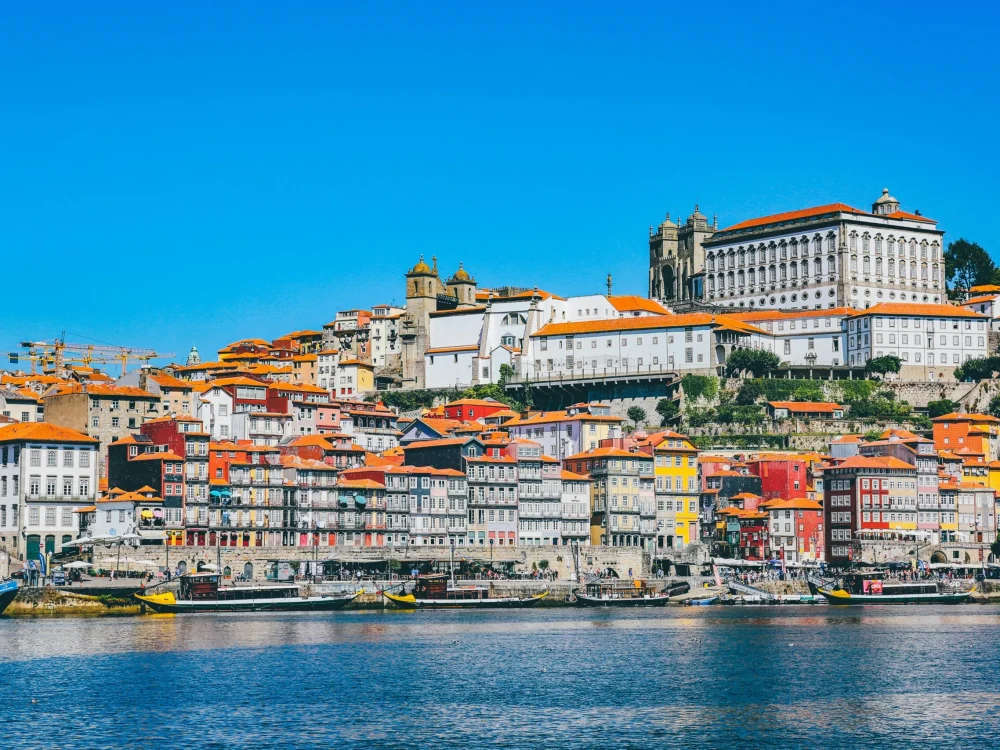
Algarve beaches all to yourself: Golden cliffs and caves, zero sunbed wars, and real tranquility.
Olive oil and wine flow freely: Harvest season means estate tours with the producers themselves.
No baking heat while exploring: Porto’s bridges and Évora’s chapel are actually pleasant to walk.
Shoulder Season
Your Smartest Windows
April to early June
September to October
Avoid: Easter Week (Holy Week – Semana Santa) and the month of August (Portuguese holiday month with domestic travel surge)
What the Sky Does
Typical temperatures: 15°C to 25°C (59°F to 77°F)
April brings sudden showers, then brilliant sunshine – pack a light shell jacket
September offers warm ocean waters and golden light lasting into early evening
October can be moody and dramatic on the coast – perfect for photography
How Empty It Feels
40-60% fewer tourists vs peak summer season
Major sites like Jerónimos Monastery: walk right in, no 90-minute queues
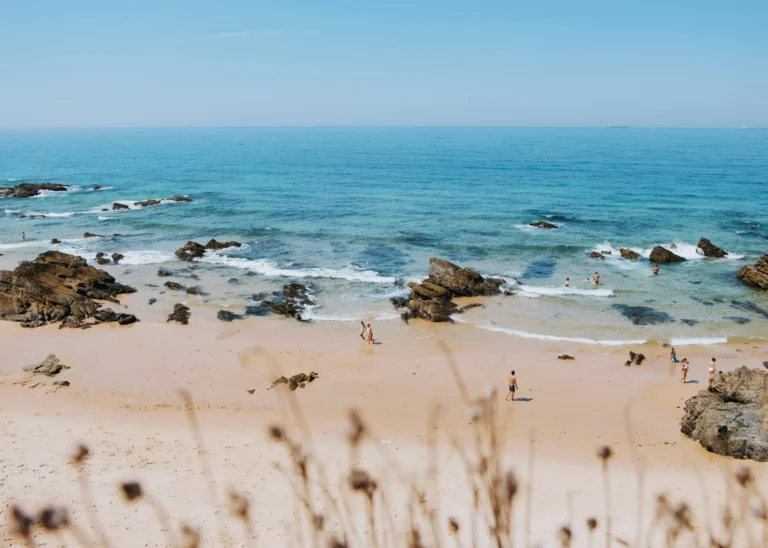
Algarve beaches: locals outnumber visitors, parking is easy
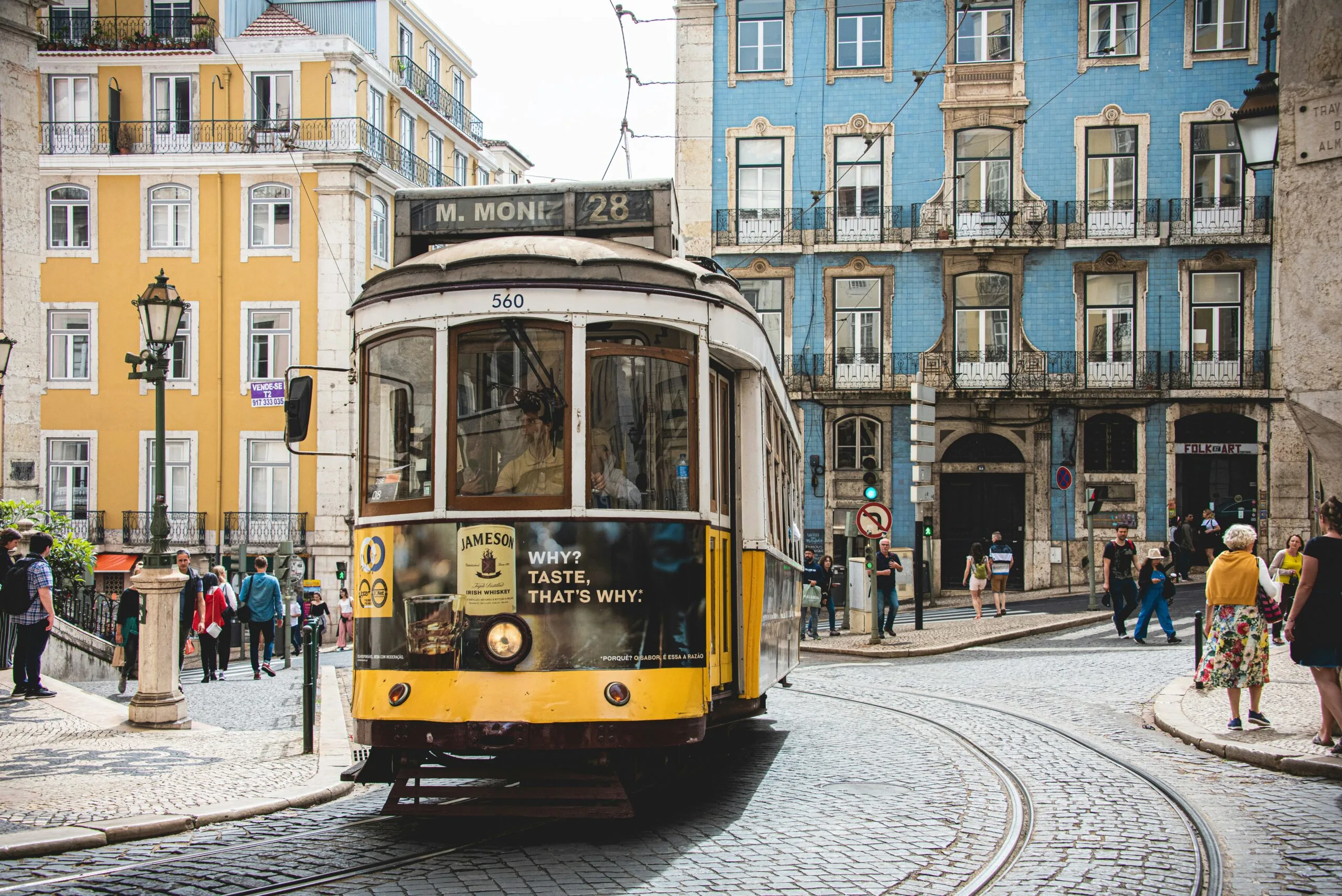
Trams in Lisbon: you’ll actually get a seat, especially Line 28
What You’ll Save
30-50% savings on flights and hotels compared to August
Car rental prices drop by half – no bidding wars for automatic vehicles
Same-day entry to Sintra’s Pena Palace without pre-booked tickets
Fresh seafood meals for €10-15 instead of €25+
The Secret Perk
Almond blossom season in the Algarve (February/March) lingers into April
Wildflowers carpet the Alentejo – rolling hills of purple and yellow
Wine harvest festivals in the Douro Valley with tastings at the press
Soft, golden hour light that lasts for two hours before sunset
Locals have time to chat – shopkeepers, waiters, and drivers are unhurried
The Tiny Trade-Off
Some coastal restaurants close from mid-October until March
Ocean swimming can be chilly (18°C/64°F) without a wetsuit
Reduced ferry schedules to islands like Berlengas or Arrábida
Easter week prices spike close to summer levels, especially in the Algarve
Smart Traveler Tip
Visit the Douro Valley in early October for harvest and still-warm days
Start your days by 9am for crisp mornings, save afternoons for wine
Late September offers the best balance: warm sea, cool nights, no crowds
Book accommodation for Easter at least 3 months ahead – it fills quietly but completely
Deep Off-Season
Your Smartest Windows
November to February (excluding Christmas/New Year)
Avoid: Christmas week (December 22-January 2) and New Year’s Eve in Lisbon, Porto, or Madeira – festive but pricey
What the Sky Does
Typical temperatures: 8°C to 16°C (46°F to 61°F)
Lisbon and Algarve stay mild; interior (Serra da Estrela) sees snow
Rain is frequent but comes in bursts – followed by dramatic blue skies
Humidity is high on the coast; pack wool layers, not just cotton
How Empty It Feels
70-80% fewer tourists than July/August
Historic sites: you and the custodian only – Óbidos castle walls are silent
Museums feel private – Berardo Collection with three other people
Small villages return to local life: no souvenir stalls, just bakeries and wine
What You’ll Save
Up to 70% off peak season hotel rates
Flights from major European cities from €20-40 round trip
Five-star hotels in Lisbon for under €100/night
Car rental from €5-10/day – upgrade to a convertible for fun
The Secret Perk
Cozy fado nights in tiny Lisbon tascas with just locals and port wine
Serra da Estrela has ski slopes (yes, Portugal skis) from December to February
Chestnut roasting festivals (Magusto) in November – fire, wine, and convívio
Olive harvest: help press the first oil in Alentejo farmhouses
You’ll be invited for coffee by strangers – genuine winter hospitality
The Tiny Trade-Off
Beach lounging is out – water too cold, wind too sharp
Nightlife in Lagos or Albufeira is mostly closed until spring
Many rural guesthouses close completely from mid-December to late January
Daylight is short: sunrise ~7:45am, sunset ~5:15pm (December)
Smart Traveler Tip
Avoid the December 23-January 1 window unless you want Christmas markets and higher rates
January is the quietest month – book anything last minute with ease
February has Carnival celebrations (especially Loulé and Torres Vedras) before Lent
Pack layers, a waterproof jacket, and sturdy boots – and one nice outfit for fado
For mildest deep off-season, stick to the Algarve coast or Madeira (20°C/68°F in winter)
Find Off-Peak Flights
FAQs
Explore Portugal
Essential Trip Information
Visa and Entry Requirements
Portugal is part of the Schengen Zone. Check official visa requirements based on your nationality here.
Passports must be valid for at least three months beyond your stay.
Immigration may ask for proof of onward travel, accommodation bookings, and sufficient funds (€75–100/day).
Visa-free travelers (e.g., U.S., Canada, UK) can stay up to 90 days within 180 days.
Currency
Portugal uses the Euro (€) as the official currency.
Bills: €5–€500 (larger denominations are less common).
Coins: 1¢–€2.
Best Ways to Handle Currency
Before Your Trip: Exchange a small amount of cash before departing or use an international ATM card upon arrival for better exchange rates.
During Your Trip: Use ATMs at major banks (e.g., Millennium BCP, Santander). Credit/debit cards (Visa, Mastercard) are widely accepted, but it’s useful to carry €20–€40 for small purchases.
What to Avoid: Avoid using currency exchange kiosks at airports and tourist areas due to high fees.
Language
Portuguese is the official language.
English is spoken in tourist areas, but it’s helpful to know a few key phrases:
- “Excuse me” – Desculpe
- “Thank you” – Obrigado (male) / Obrigada (female)
- “Where is…?” – Onde fica…?
Safety and Security
Portugal is one of the safest countries in Europe, but like any major city, take precautions in crowded places.
Watch for pickpockets in tourist areas such as Lisbon’s Baixa district and Porto’s Ribeira.
Emergency number: 112 (same for police, fire, and medical emergencies).
Health & Insurance
No specific vaccinations are required for travel to Portugal.
Travel insurance is recommended, as healthcare can be expensive for tourists.
Pharmacies (e.g., Farmácia signs) are common, and tap water is safe to drink.
Transportation
Metro: Efficient in major cities like Lisbon and Porto, generally open from 6 AM to 1 AM.
Buses and Trams: Extensive networks available in Lisbon, Porto, and other cities.
Walking/Biking: Many attractions are within walking distance, especially in Lisbon’s Alfama and Baixa districts.
Taxis/Ride-sharing: Uber and Bolt are available and affordable, but surge pricing may apply during peak hours.
Price Level
Portugal offers a moderate to affordable price range, especially outside major cities like Lisbon and Porto.
Accommodation
Budget: Hostels/budget hotels (€40–€80/night)
Mid-range: 3-star hotels (€100–€180/night)
Luxury: 4-5 star hotels (€200+/night)
Food
Quick eats: Bakeries and cafes (€5–€12), street food (€6–€15)
Casual dining: €15–€30/person
Fine dining: €40+/person
Drinks
Beer: €2–€4 (bars), €1–€2 (supermarkets)
Cocktails: €6–€12
Transportation
Public transport: Metro/tram/bus (€1.50–€3/ride)
Taxis/Uber: €10–€20 for short trips
Bike rentals: €10–€15/hour
Money-Saving Tips
Visit free museums in Lisbon and Porto (many are funded by the government).
Use public transport (metro, trams) for affordable travel.
Dine in local neighborhoods like Alfama or Baixa for more budget-friendly options.
Planning Your Trip
Local Customs And Etiquette
Dining:
- Tipping is optional but appreciated (5–10% in restaurants).
- Dinner starts late (8–11 PM); lunch is the main meal in smaller towns.
Greetings: A handshake or kiss on both cheeks (among friends).
Dress Code: Casual but neat—avoid beachwear in cities.
Language: Learn basic Portuguese (e.g., Obrigado/a = Thank you).
Punctuality: Relaxed for social events, but on time for tours/business.
Budgeting For Your Trip
Accommodation:
- Hostels (US$25–50), mid-range hotels
- (US$80–150), luxury (US$250+).
Food & Drink:
- Pastry + coffee at a pastelaria (US$3–5), lunch (US$10–20), fine dining (US$70+).
- Wine is inexpensive and excellent—glass for US$3–5, bottle at dinner US$10–20.
Transport:
- Metro tickets ~US$1.80 per ride; day passes (US$6–8).
- Intercity trains: US$10–30 depending on route and class.
Activities:
- Museums (US$5–12), Fado shows (US$20–40), river cruises (US$25–50).
Daily Budget:
Budget: US$60–90 (hostels, cafés, local transport).
Mid-range: US$120–200 (3-star hotels, restaurants, entrance fees).
Luxury: US$300+ (5-star stays, private tours, upscale dining).
Internet & Mobile
Wi-Fi: Widely available and fast in hotels, cafés, airports, and even some parks.
SIM Cards: Vodafone, MEO, and NOS shops sell prepaid SIMs (US$15–30 for 10–15GB).
eSIMs: Easy to set up—try Airalo or Holafly for seamless coverage.
Travel Insurance
Highly recommended—covers delays, theft, and medical emergencies.
EU citizens can use the EHIC card; others should ensure coverage includes Portugal.
Check fine print for coverage on surfing, kayaking, or off-road biking.
Theft from rental cars occasionally happens—insurance may be required by rental agencies.
Accomodation Options
From luxury pousadas (historic hotels) to budget hostels, Portugal caters to all.
Hotels:
- Luxury: Pestana Palace (Lisbon), Six Senses Douro Valley.
- Mid-range: Tivoli, NH Collection (city centers).
- Budget: Ibis, local guesthouses.
Hostels:
- Lisbon: Yes! Lisbon (social vibe), Home Hostel (family-style).
- Porto: The Passenger Hostel (train station location).
Airbnb/VRBO:
- Great for local stays—try Alfama (Lisbon) or Ribeira (Porto).
Unique Stays:
- Wine estates (Quinta do Vallado, Douro).
- Surf camps (Ericeira, Algarve).
Tip: Book 3–6 months ahead for summer in popular areas (Algarve, Lisbon).
Getting Around
Portugal’s compact size and good transport links make travel easy.
Trains:
- CP (Comboios de Portugal): Efficient for city connections (Lisbon–Porto: ~3h, US$25–40).
- Alfa Pendular (fastest) and Intercidades (cheaper) cover major routes.
- Regional trains are slower but scenic (e.g., Linha do Douro).
Buses:
- Rede Expressos covers towns without train access (cheaper but longer).
- FlixBus offers budget intercity routes.
Metro/Trams:
- Lisbon: Metro (US$1.70/ride) and iconic Tram 28 (touristy but scenic).
- Porto: Metro (includes tram lines) and historic Funicular dos Guindais.
Taxis/Rideshares:
- Uber/Bolt are affordable (Lisbon to airport: ~US$15).
- Traditional taxis use meters; insist on them to avoid scams.
Driving:
- Rentals (~US$30–50/day) useful for rural areas (Alentejo, Douro).
- Tolls on highways (Via Verde transponder saves time).
- Parking can be tricky in cities—opt for paid lots.
Walking:
- Lisbon and Porto are hilly but walkable (wear comfortable shoes).