 Skip to content
- What Is The Weather Really Like In Central Portugal During Off-Season?
Central Portugal offers a dramatic mix of climates depending on where you go. The coastal areas near Nazaré stay mild between 10°C and 17°C (50°F to 63°F) in winter, while the inland Alentejo region around Évora can drop to 4°C to 14°C (39°F to 57°F) with colder nights. The Serra da Estrela mountains receive genuine snow from December through February.
The drawdown is that rain is common, especially from November through March, and the plains can feel windswept and chilly. The positive trade-off is that the rain keeps the landscape green instead of the summer brown, and you will explore Coimbra's Joanina Library and the Alcobaça Monastery with 75% fewer tourists. Pack layers and a waterproof jacket for this varied region.
- What Percentage Discounts Can I Find On Historic Pousadas And Coimbra Hotels?
The state-run pousadas housed in castles, convents, and palaces reduce their rates by 35% to 55% from November through February, making stays in places like the Pousada de Óbidos or Pousada de Batalha genuinely affordable.
The drawdown is that some of these historic properties may operate with reduced restaurant hours or fewer staff during deep winter. The positive spin is that you can afford to stay in a converted medieval castle or a former monastery for the same price as a standard hotel room in summer. Coimbra's riverside hotels also offer discounts of 30% to 50%, perfect for exploring the historic university.
- Can I See The Famous Nazaré Giant Waves During Off-Season?
Yes, and the off-season winter months are the only time you can witness this spectacular natural phenomenon. The famous Nazaré Canyon creates monster waves reaching over 20 meters (65 feet) primarily between October and February, attracting the world's best big-wave surfers. The drawdown is that these waves only appear during specific swell conditions, so you need some luck.
The helpful solution is to watch the surf forecast and plan to spend two to three days in Nazaré to increase your chances. The drawdown is that the headland viewing spots can get crowded when conditions are perfect, but nothing like summer beach crowds. The positive reward is seeing something genuinely unforgettable that you cannot experience anywhere else on Earth. Winter also offers the best discounts on Nazaré hotels, often 40% to 60% off summer rates.
- Is Serra Da Estrela Accessible For Winter Activities Without A Car?
Yes, but having a car makes exploring Portugal's only ski mountain much easier. The ski resort at Torre, the mainland's highest point at 1,993 meters (6,539 feet), operates from December through March when snow conditions allow. You can take buses from Lisbon or Coimbra to nearby towns like Manteigas or Seia, but local transport to the slopes is limited.
The drawdown is that ski conditions are less reliable than the Alps, with some seasons seeing minimal snow. The positive reward is that lift ticket prices are a fraction of Alpine resorts, costing 70% to 80% less than comparable French or Swiss destinations. Off-season discounts on mountain lodges reach 35% to 50%, and you will share the slopes almost entirely with Portuguese locals rather than international crowds.
- Should I Visit Central Portugal For Winter Mountains Or Shoulder Season Plains?
You should choose based on whether you want snow or comfortable countryside exploration. The deep winter from December through February is your only window for Serra da Estrela snow activities and the Nazaré giant waves, with discounts of 40% to 60% across the region. The drawdown is that hiking the Alentejo plains feels cold and windy.
The shoulder months of April through June and September through October offer ideal conditions for exploring Évora's Roman temple, the Knights Templar castle in Tomar, and the Batalha Monastery complex with temperatures from 15°C to 24°C (59°F to 75°F). The positive reward is seeing the plains covered in spring wildflowers or autumn colors. Choose winter for unique natural spectacles, shoulder season for comfortable sightseeing.

Home > Exploit The Seasons > Seasonal World Map > Europe > Portugal > Central Portugal
CENTRAL PORTUGAL
Central Portugal is where the country breathes deepest—ancient university towns, Europe’s largest limestone caves, and the continent’s only ski slope. From star-lit dark sky reserves to convent-patented sweets, discover authentic Portugal when crowds are sleeping.
Smart Travel Calendar
Why Choose Central Portugal Off-Season?
Óbidos castle walls without the selfie stick: Walk the medieval ramparts alone at sunrise
Nazaré’s giant waves just for you: Winter storms bring 100-foot surf and zero summer traffic
Convent sweets with no queue: Pick up fresh pastéis de Tentúgal directly from the nuns
Shoulder Season
Your Smartest Windows
April to mid-June
September to October
Avoid: Holy Week (especially Tomar’s Festa dos Tabuleiros in even-numbered years — massive price spikes) and August 10-15 (Nossa Senhora da Assunção — domestic holiday surge)
What the Sky Does
Typical temperatures: 10°C to 23°C (50°F to 73°F)
April brings rapid shifts: sun, rain, then rainbow — pack layers and optimism
September offers stable warmth, perfect for Serra da Estrela hiking before snow
October turns the Beiras region gold and amber — stunning driving routes
How Empty It Feels
40-50% fewer tourists vs peak summer months
Batalha Monastery: echoey halls with just a handful of visitors
Nazaré’s north canyon cliff: space to breathe, not fight for railing views
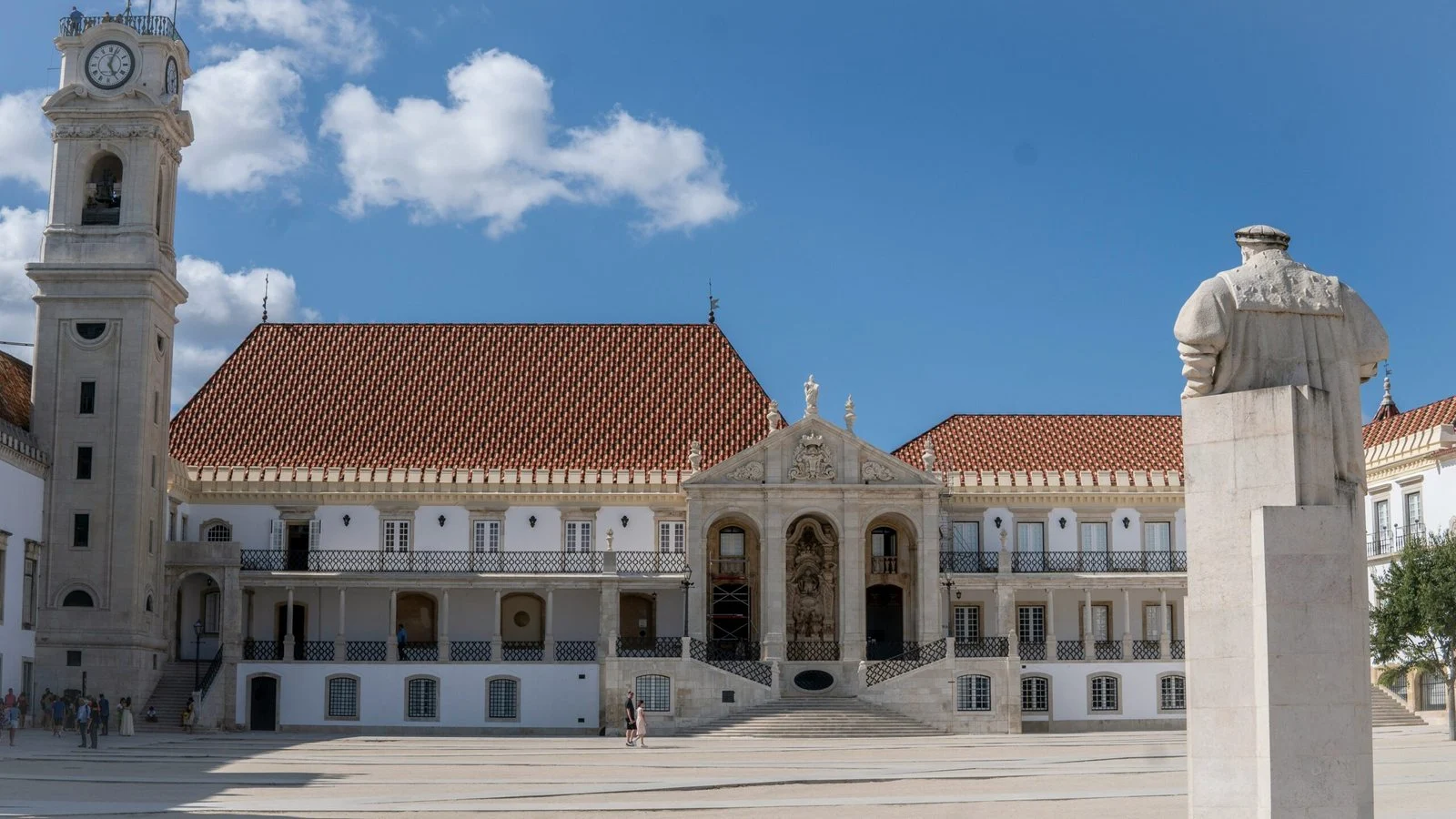
Coimbra’s Joanina Library: no timed entry battles, actual quiet for studying
What You’ll Save
35-55% savings on pousadas (historic hotels like Óbidos or Convent of Christ)
Ski rentals in Serra da Estrela: half the December holiday price
Car rental from Lisbon to Central region: €20-25/day instead of €70
Fresh cheeses (Serra da Estrela DOP) at farmgate prices, not tourist markups
The Secret Perk
Cherry blossoms in Cova da Beira (April-May) — pink valleys, local festivals
Wild orchids bloom across the limestone massif of Sicó (May-June)
Serra da Estrela cheese season — spring milk produces the creamiest wheels
Morning mist over the Zêzere River valley — photographers’ golden hour paradise
Locals invite you for coffee in schist villages — no rush, real conversation
The Tiny Trade-Off
Some mountain restaurants in Serra da Estrela close between ski seasons (April/November)
Cave tours (Moinho de Mata, Mira d’Aire) are cooler and damp year-round — no issue
Nazaré’s funicular may reduce hours after October
Easter week prices in Tomar and Fátima rival summer peaks (pilgrimage demand)
Smart Traveler Tip
Visit the Schist villages (Piódão, Talasnal) in late May — green hills, flowing streams, no fog
Start your Serra da Estrela hikes by 8am for clear skies before afternoon clouds
Mid-September offers the best balance: warm days, harvest activity, pre-snow tranquility
Book Fátima sanctuary accommodation 6 months ahead for major pilgrimage dates (May 13, October 13)
Deep Off-Season
Your Smartest Windows
November (excluding late December holidays)
January to February
Avoid: 20 December – 5 January (Christmas markets + New Year crowds)
What the Sky Does
Typical temperatures: 2°C to 13°C (36°F to 55°F)
Serra da Estrela sees real snow (sometimes 1-2 meters) from December to February
Coastal Nazaré: mild but windy (10-15°C/50-59°F) — perfect for storm watching
Inland Beiras: frosty mornings, crisp blue afternoons, zero humidity
Rainfall is moderate (80-100mm/month) — nothing like the persistent north
How Empty It Feels
70-80% fewer tourists than July/August
Convent of Christ in Tomar: you and the Templar echoes — genuinely moving
Serra da Estrela ski lifts: short queues, mostly Portuguese families
Óbidos at night: lantern-lit streets with only locals going to dinner
Small schist villages feel suspended in time — no souvenir stalls, just smoke from chimneys
What You’ll Save
Up to 75% off peak season pousada rates (Óbidos castle hotel from €70/night)
Flights to Lisbon (90 minutes from Central region) from €15-25 from European hubs
Serra da Estrela ski packages: lift + rental + lesson for €30-40 (summer: €70+)
Car rental from €6-10/day — unlimited mileage deals common
The Secret Perk
Cozy lareira (fireplace) evenings in schist village guesthouses — port wine included
Serra da Estrela skiing (yes, Portugal!): 3 small lifts, zero crowds, family-run slopes
Chestnut roasting festivals (Magusto) in November — fire, jeropiga, and village parties
Olive oil press tours in the Beiras — watch the first cold-press of the season
Genuine warmth: you’ll be invited to a local’s home for broa de milho (cornbread) and cheese
The Tiny Trade-Off
Beach towns like Nazaré are for wave watching, not swimming (water: 14°C/57°F)
Nightlife in Leiria or Castelo Branco is limited to weekends only
Some rural schist village accommodations close from mid-December to late January
Daylight is short: sunrise ~7:30am, sunset ~5:10pm (December)
Funicular to Óbidos castle walls may close for winter maintenance
Smart Traveler Tip
Avoid the December 6-10 window (Immaculate Conception + bridge holidays) — Fátima gets packed
January is the quietest month — you’ll have Serra da Estrela slopes almost solo
February has Carnival in Torres Vedras (technically Central’s edge) — famous and free
Pack: thermal layers, waterproof boots, glove liners (Serra da Estrela is genuinely cold)
For mildest deep off-season, stick to coastal Nazaré or Peniche — 10°C warmer than inland
Visit the Covão dos Conchos (the “hole” in the lake) in winter — water levels reveal the secret
Find Off-Peak Flights
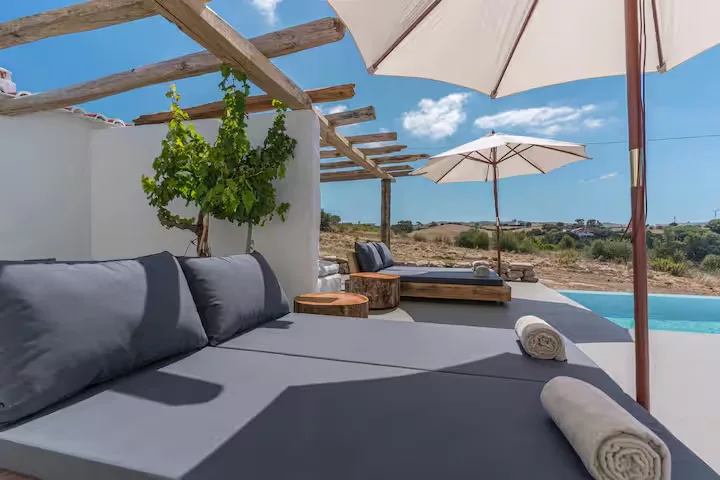
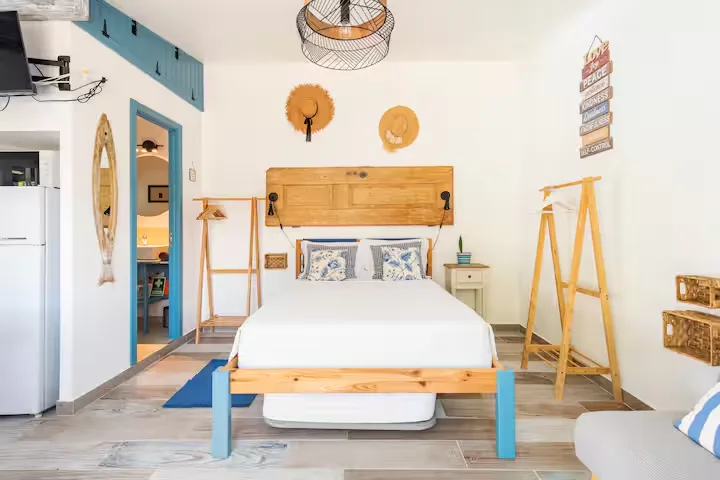
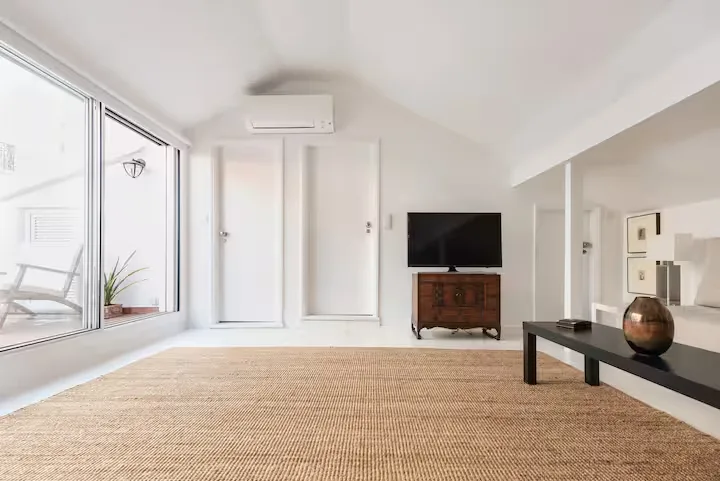
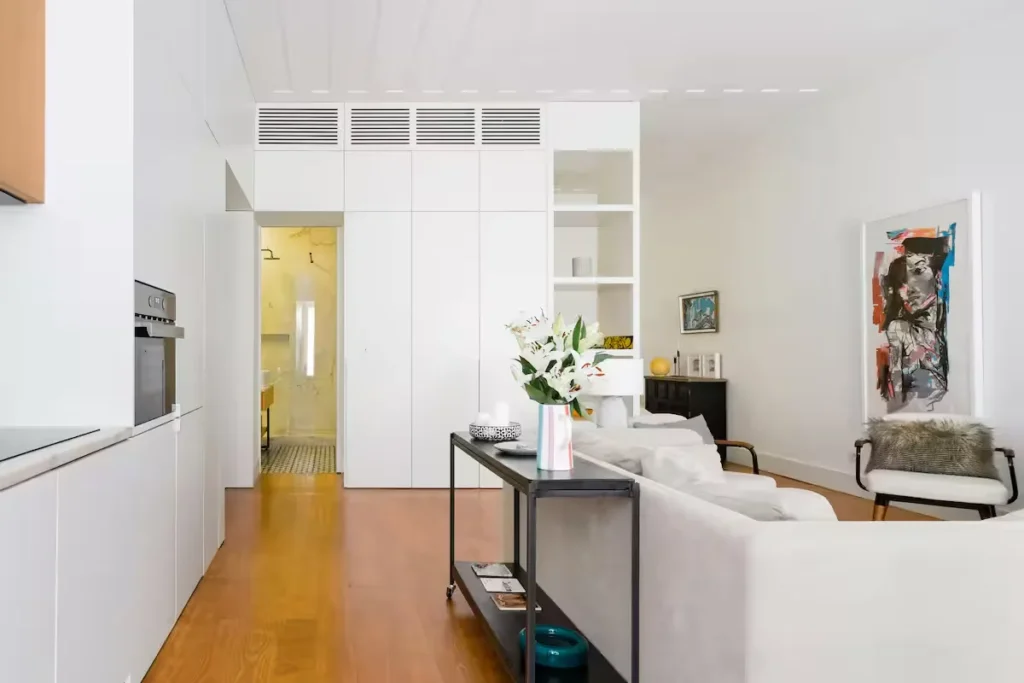
Top Off‑Season Stays
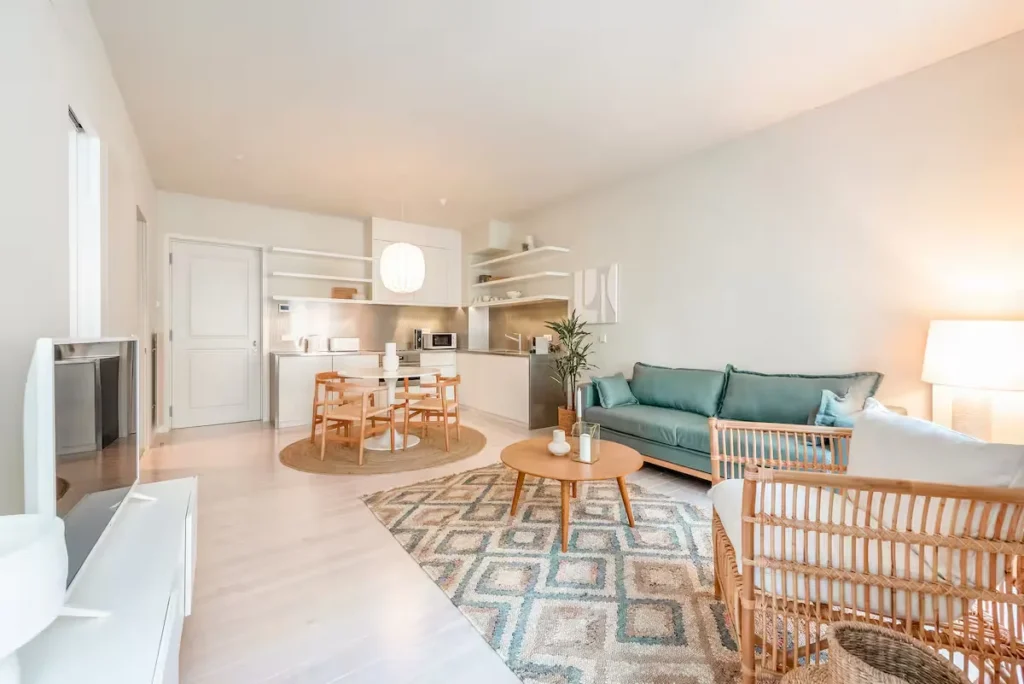
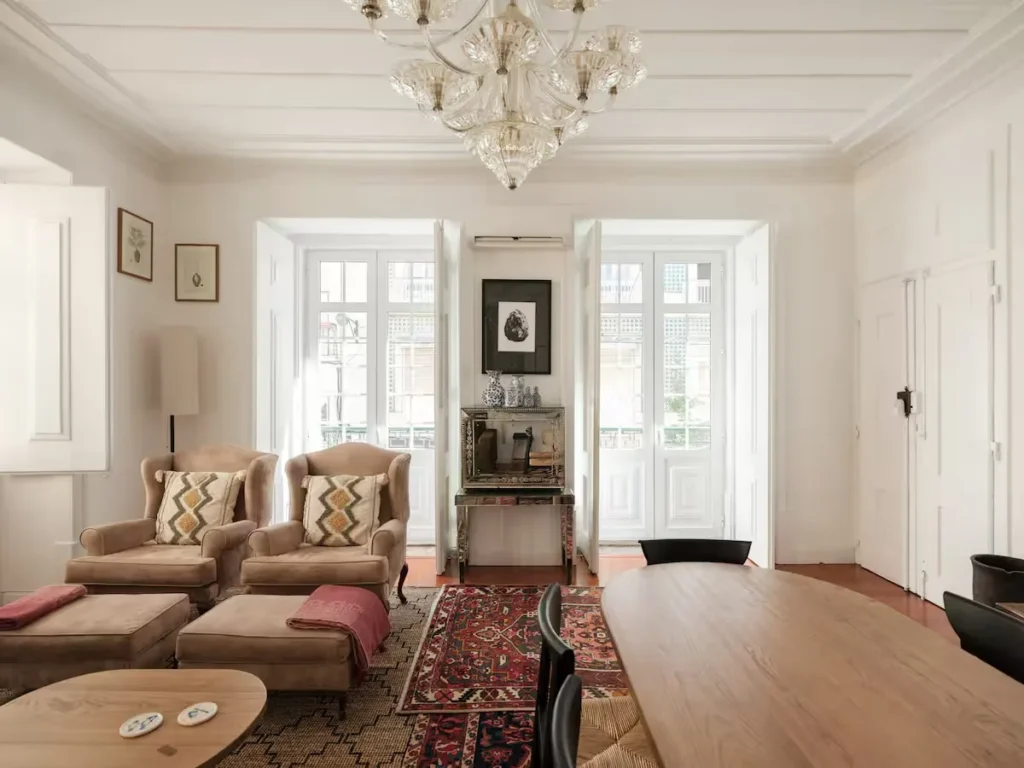
Find below our curated selection of boutique hotels and design apartments that offer exceptional value, atmosphere, and comfort during the off‑season — often at significantly lower rates than peak months.
Uncrowded Experiences & Tours
Skip the lines and experience iconic landmarks at your own pace. Discover curated local tours and cultural activities designed to show you the authentic side of the destination without the peak-season rush.
Handy Tips
Weather & Climate
The climate is Mediterranean, but with significant variation. The coast is tempered by the Atlantic, with milder summers. Inland, summers are hot and dry, and winters can be cold, especially in the mountains.
Local Customs And Etiquette
Language: Portuguese is the official language. Locals appreciate any attempt to speak it. Avoid speaking Spanish, as it can sometimes be perceived as dismissive of their distinct national identity.
Pace: Life is generally taken at a slower, more relaxed pace. Patience is key when dealing with service.
Tipping: Tipping is not mandatory but is welcomed. A few Euros for good service in a restaurant or cafe is standard.
Budgeting For Your Trip
Accommodation: Hostels ($20–$35), mid-range hotels ($60–$110), luxury ($140+). Prices are higher on the coast in peak season.
Food: Fixed-price lunch menu (Menu do Dia) ($10–$18), dinner at a mid-range restaurant ($20–$40 per person), fine dining ($55+).
Transport: Car rental ($25/day), train ticket (regional).
Activities: University of Coimbra visit ($15–$25), surf lesson ($40–$60).
Daily Budget:
- Budget: $50–$80 (hostels, market food, public transport/walking).
- Mid-range: $90–$150 (hotels, restaurants, attractions, car travel).
- Luxury: $170+ (boutique hotels, gourmet meals, private tours).
Getting Around
By Car: Highly recommended for exploring the historic villages and the mountains (Serra da Estrela). Roads are generally excellent.
By Train: An efficient train network connects major cities like Coimbra and Aveiro.
By Bus: The bus network is well-developed and often the best way to reach smaller towns not served by the train.
Must-Try Food
Leitão à Bairrada: The region’s most famous dish: roast suckling pig with incredibly crispy skin, traditionally from the Bairrada area.
Caldeirada de Peixe: A hearty and delicious fish stew, popular along the coast, made with various fresh fish, tomatoes, and potatoes.
Bacalhau à Lagareiro: Salt cod (Bacalhau) baked with generous amounts of olive oil, baked potatoes, and garlic.
Arroz de Marisco: A rich and flavourful seafood rice dish, best enjoyed at coastal restaurants.
Queijo Serra da Estrela: A unique, creamy, DOP-protected sheep’s milk cheese from the mountain region, often eaten with a spoon.
Maranhos: A specialty from the Beira Baixa region, a type of sausage made with lamb or goat meat, rice, and herbs, served like a haggis.
Pastéis de Tentúgal: A delicate, crispy, and sweet pastry made from thin filo dough and a rich egg yolk filling, from the Coimbra area.
Ovos Moles de Aveiro: Traditional sweets made of paper-thin wafer shells filled with a rich, sweet egg yolk cream—the most famous treat from Aveiro.
Fatias do Freixo: A conventual sweet from the region, made from thick, sweet slices of bread fried and soaked in syrup.
Brisas do Lis: Almond and egg yolk pastries, a specialty of Leiria.
Must-Try Drinks
Bairrada Wine (Red & Sparkling): Known for its intense, tannic red wines and high-quality, acidic sparkling wines (espumante).
Dão Wine: Produced in the Dão region, these are structured, elegant red and white wines, often made from the Touriga Nacional grape.
Ginja de Óbidos (Ginjinha): A sweet liqueur made from sour cherries, often served in a small edible chocolate cup in the town of Óbidos.
Água das Pedras: A naturally carbonated mineral water from the Vila Real area, popular as a refreshing accompaniment to meals.
Licor Beirão: A popular, sweet, and aromatic Portuguese herbal liqueur, often enjoyed as a digestive.
Vinho Verde (Green Wine): While mainly from the north, this crisp, lightly effervescent young wine is a perfect, refreshing drink to enjoy with seafood on the coast.