 Skip to content
- Is The Algarve Still Warm Enough For Beach Days During Off-Season?
Yes, but with realistic expectations about what beach day means. The shoulder months of April through June and September through October offer genuinely warm weather from 18°C to 26°C (64°F to 79°F) and sea temperatures swimmable for most global travelers. The deep winter from November through February brings cooler days from 12°C to 18°C (54°F to 64°F), perfect for coastal walks but not sunbathing.
The drawdown is that from December through February, the Atlantic wind can feel biting, and many beach bars and seasonal restaurants close completely. The positive trade-off is that you will have famous beaches like Marinha, Benagil, and Dona Ana almost completely to yourself for long walks and photography, with discounts of 45% to 65% on nearby hotels.
- What Percentage Discounts Can I Find On Algarve Resorts And Alentejo Mountain Inns?
Four-star resorts in Lagos, Albufeira, and Tavira reduce their rates by 45% to 70% from November through February. Alentejo's rural mountain inns near Évora and Monsaraz offer similar discounts of 35% to 55%.
The drawdown is that some smaller family-run resorts and remote country inns close entirely during deep winter months. The positive spin is that the hotels remaining open offer incredible value and genuine hospitality. You can afford a room with an ocean-view balcony or a suite inside a converted Alentejo monastery for the same price as a basic room in August. Your dining budget also stretches much further at local restaurants.
- Is The Famous Ria Formosa Lagoon Still Worth Visiting During Cooler Months?
Yes, and off-season is actually the best time for birdwatching at this stunning natural park. The Ria Formosa's channels, islands, and salt pans become a winter haven for migratory birds, with flamingos, spoonbills, and dozens of other species visible from October through March. The drawdown is that boat tours run less frequently, and kayak rentals are harder to find.
The helpful solution is to explore the lagoon by foot along the boardwalks near Faro and Olhão, or by taking the public ferries to islands like Culatra or Armona, which operate year-round on reduced schedules. The positive reward is having the wooden walkways and bird hides almost entirely to yourself, and the winter light reflecting off the calm lagoon waters creates spectacular photography conditions that summer visitors never experience.
- Can I Explore Alentejo's Cork Forests And Marble Towns During Rainy Weather?
Yes, absolutely, and the rain actually enhances the Alentejo experience. The cork forests smell incredible when wet, and the famous white marble towns like Estremoz, Vila Viçosa, and Borba look strikingly clean and bright against dramatic grey skies. The region's excellent indoor attractions include marble museums, castle towers, and the stunning Évora Cathedral.
The drawdown is that unpaved country roads can become muddy, and some rural wine estates close their outdoor tasting areas. The positive reward is that you will explore the Roman Temple of Évora, the Chapel of Bones, and the hilltop fortress of Monsaraz with 80% fewer tourists. The cozy indoor wine tastings become more meaningful when you can chat at length with the winemakers. Pack waterproof boots and embrace the authentic Alentejo atmosphere.
- Should I Visit The Algarve Or Alentejo During Deep Winter For The Best Value?
You should choose the Algarve if you want coastal walks, dramatic sea cliffs, and the most resort amenities still open. The Algarve's larger towns like Lagos, Tavira, and Faro maintain more year-round restaurants and activities, and the southern coastline gets slightly more sunshine than the rest of Portugal. Discounts reach 50% to 70% during deep winter.
You should choose Alentejo if you want cultural immersion, historic towns, wine tastings, and the coziest inland atmosphere. Alentejo's winter is colder but offers even more dramatic solitude and discounts of 40% to 60%. The drawdown is that Alentejo is more spread out, requiring a car for comfortable exploration. The positive reward is that both regions deliver incredible value compared to summer. Choose based on whether you prefer coast or countryside.

Home > Exploit The Seasons > Seasonal World Map > Europe > Portugal > Southern Portugal
SOUTHERN PORTUGAL
Southern Portugal dreams in gold and blue—rolling cork forests, cliff-backed beaches, and Moorish hill towns. From Alentejo’s endless olive groves to Algarve’s secret sea caves, discover authentic warmth, fresh seafood, and empty horizons when summer leaves.
Smart Travel Calendar
Shoulder Season
Your Smartest Windows
March to May
September to November
Avoid: Easter Week (Semana Santa – especially in Évora and remote Alentejo villages, prices jump 50%) and the entire month of August (Algarve is packed with Europeans, roads gridlock)
What the Sky Does
Typical temperatures: 16°C to 26°C (61°F to 79°F)
March brings almond blossoms across Algarve – white and pink carpets, dramatic skies
May offers warm days (24°C/75°F) and cool evenings – perfect for Alentejo walks
September has the warmest sea of the year (22°C/72°F) – last true beach weather
November in Algarve? Mild 18°C/64°F, sunny spells, and dramatic Atlantic storms for wave watching
How Empty It Feels
45-65% fewer tourists vs peak July/August (Algarve drops dramatically after September 15)
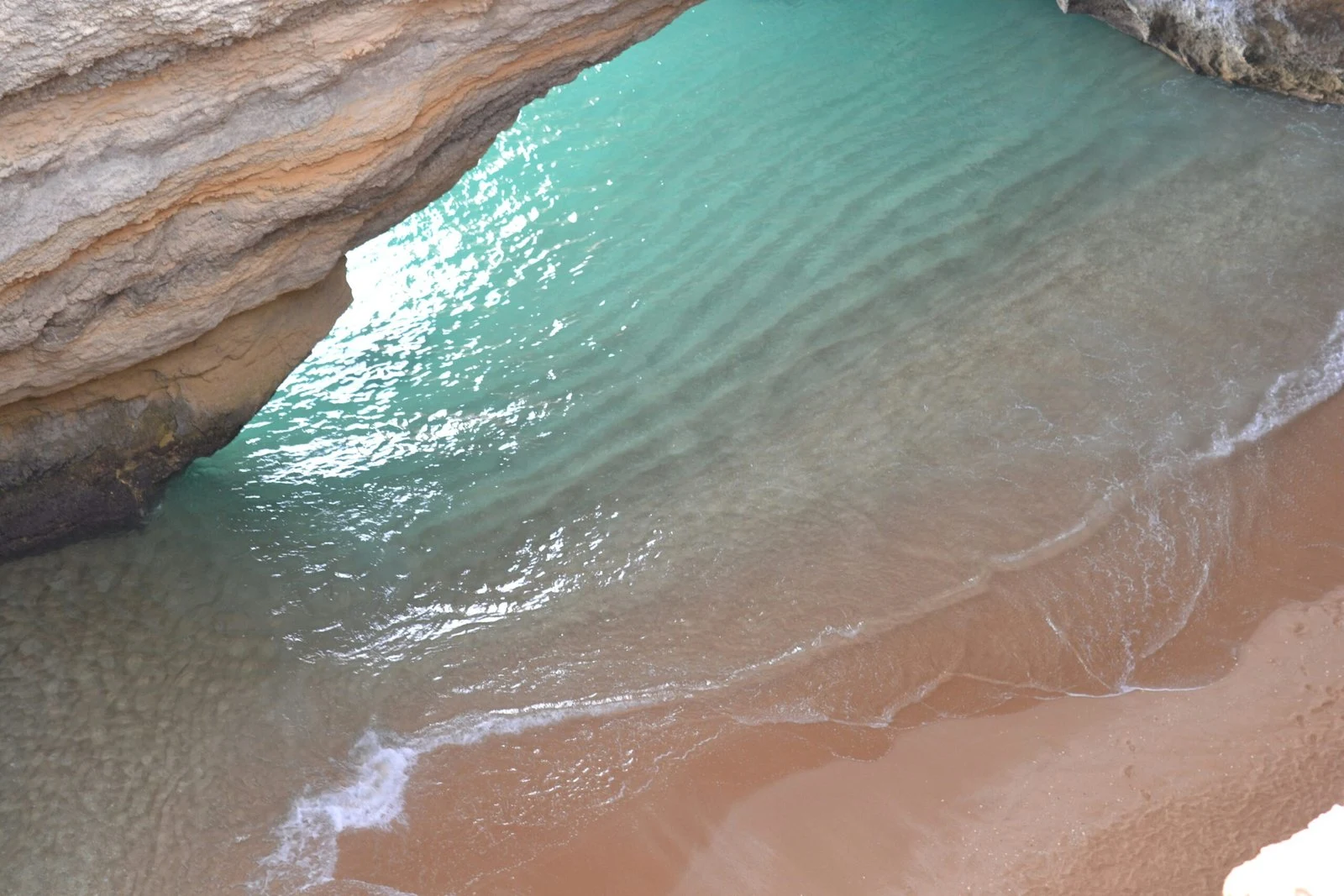
Benagil Cave: walk right in (in summer: 2-hour queue for a 2-minute photo)
Évora’s Roman Temple: just you and the storks nesting on ancient stones
Lagos Old Town: locals reclaim their streets – you’ll hear Portuguese, not English
Costa Vicentina beaches: absolutely empty – 50km of sand, zero sunbathers
What You’ll Save
40-60% savings on Algarve cliff-top hotels (Lagos, Carvoeiro from €60/night)
Flights to Faro drop from €150 to €30-50 from major European hubs
Car rental from Faro airport: €10-15/day (August: €70-100)
Fresh seafood lunch: €10-12 for grilled sardines with salad and wine (August: €25)
Golf green fees: half price from November – courses are empty
The Secret Perk
Almond blossom festival in Algarve (February-March) – white petals, folk music, honey tastings
Wildflowers carpet Alentejo in April – purple, yellow, and red for 100km
Cork harvest season (May-June) – watch farmers strip cork bark by hand, ancient tradition
Golden light in Alentejo: two-hour sunset over endless plains – photographer’s heaven
Locals have time: winemakers pour tastings and tell family stories, not just pour and move on
The Tiny Trade-Off
Some Algarve beach bars and restaurants close from mid-October to March
Ocean swimming in May is cool (18°C/64°F) – wetsuit recommended
Boat tours to Benagil Cave reduce frequency in November (weather dependent)
Easter week in Alentejo: beautiful processions but accommodation gets scarce and expensive
Smart Traveler Tip
Visit Algarve in late September for the sweet spot: warm sea, empty beaches, post-summer prices
Start your Évora day early (by 9am) – summer heat is gone, but afternoons are still warm
Early October offers St. Martin’s Summer (Verão de São Martinho) – a week of 25°C/77°F days around October 11-18
Book Easter accommodation in Évora by January 15 – it’s a pilgrimage destination for Alentejo
Deep Off-Season
Your Smartest Windows
December to February (excluding Christmas/New Year)
Avoid: December 20-January 2 (Christmas markets + New Year’s Eve in Albufeira – prices double) and February 28-March 4 (Carnival in Loulé and Torres Vedras – fun but book ahead)
What the Sky Does
Typical temperatures: 8°C to 18°C (46°F to 64°F)
Algarve is mainland Europe’s warmest winter destination – average 15°C/59°F in January
Alentejo interior is colder (3-12°C/37-54°F) – frosty mornings, crisp blue afternoons
Rain is infrequent (Algarve gets 50-70mm/month vs 150mm in Porto)
Sunshine averages 5-6 hours per day – enough for outdoor lunches on terraces
Snow in Algarve? Almost never (last recorded 1954). Alentejo? Rare but possible in Serra de São Mamede.
How Empty It Feels
75-85% fewer tourists than July/August
Benagil Cave: you might be the only person inside (in summer: 500 people/hour)
Algarve’s famous beaches (Marinha, Dona Ana, Camilo) – completely empty at 9am
Évora’s Cathedral rooftop: just you and 360° of golden plains
Small Alentejo villages (Monsaraz, Marvão) feel suspended in time – no souvenir stalls, just smoke from fireplaces
Golf courses: tee off whenever you want – no booking needed
What You’ll Save
Up to 80% off peak season Algarve hotel rates (cliff-top 5-star from €50-70/night)
Flights to Faro from London: €10-20 one way (Ryanair/easyJet winter sales)
Golf: €30-40 for championship courses (summer: €100-150)
Car rental from €3-5/day – convertibles available for winter sun drives
Dining: lunch menus (prato do dia) for €6-8 with wine included
The Secret Perk
Thermal springs in Alentejo (Termas de São Pedro do Sul) – empty, hot, healing
Orange blossom scent in Algarve (January-February) – groves explode into fragrance
Fresh seafood at source: sardines, clams, and octopus at fishing village prices
Winter birdwatching in Ria Formosa: flamingos, spoonbills, and migratory birds from northern Europe
Genuine Algarve: fishing boats still working, not just tourist charters
Real Alentejo silence: no summer traffic, no tour buses – just wind and cork trees
New Year’s Eve on Algarve coast: fireworks over the ocean, mild enough for outdoor dinner
The Tiny Trade-Off
Beach swimming is for polar bears – water at 14-16°C/57-61°F
Nightlife in Albufeira’s “Strip” is mostly dead (some might call this a perk)
Some Algarve water parks and zoos close entirely (Zoomarine, Aquashow)
Boat tours to sea caves depend on weather – winter storms cancel 20-30% of trips
Daylight is shorter: sunrise ~7:30am, sunset ~5:15pm (December)
Some Alentejo wineries close tasting rooms on weekdays (call ahead)
Smart Traveler Tip
Avoid the December 20-January 2 window unless you want Algarve’s festive side (it’s charming but expensive)
January is the absolute quietest month – and Algarve still averages 15°C/59°F
February has almond blossoms (early) and Carnival (late) – two great reasons to visit
Pack: light layers for Algarve (daytime), warmer clothes for Alentejo (mornings are cold), sunglasses (essential year-round)
For mildest deep off-season, stick to coastal Algarve between Lagos and Tavira – 3-5°C warmer than interior
Book a cooking class in January – learn cataplana (seafood stew) with local families
Visit the Costa Vicentina in winter – storms produce dramatic waves, and you’ll have the cliffs to yourself
Find Off-Peak Flights
Top Off‑Season Stays
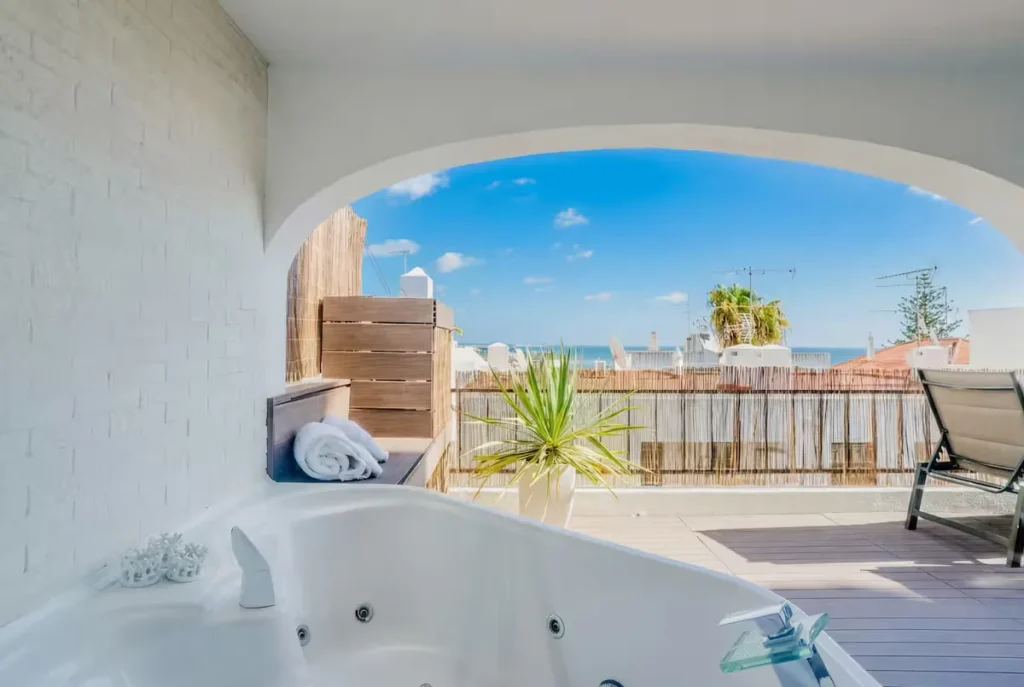
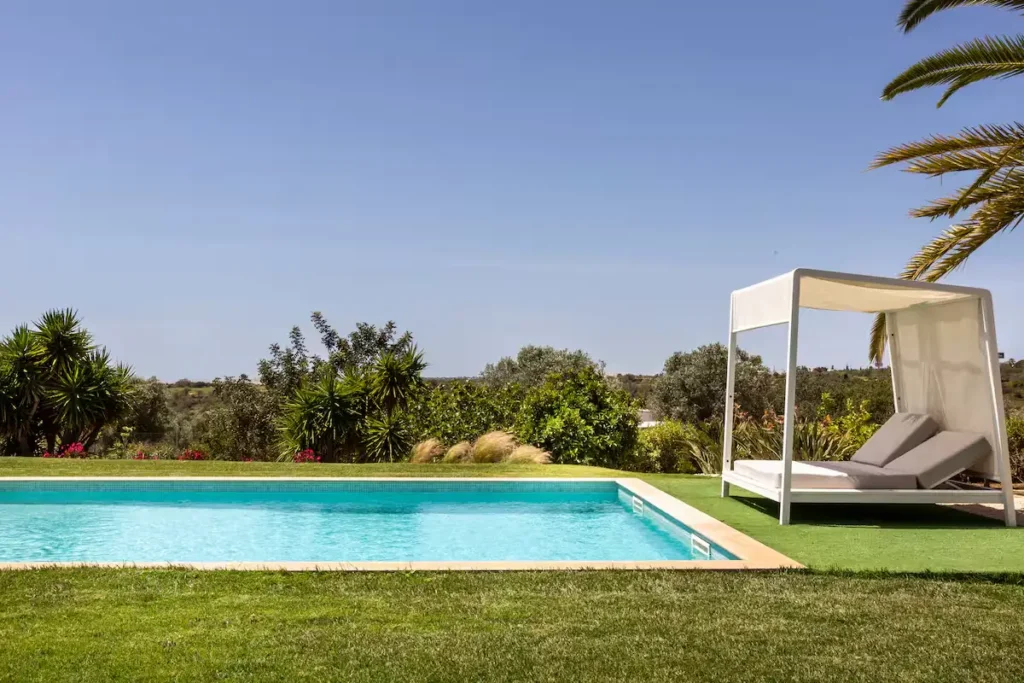
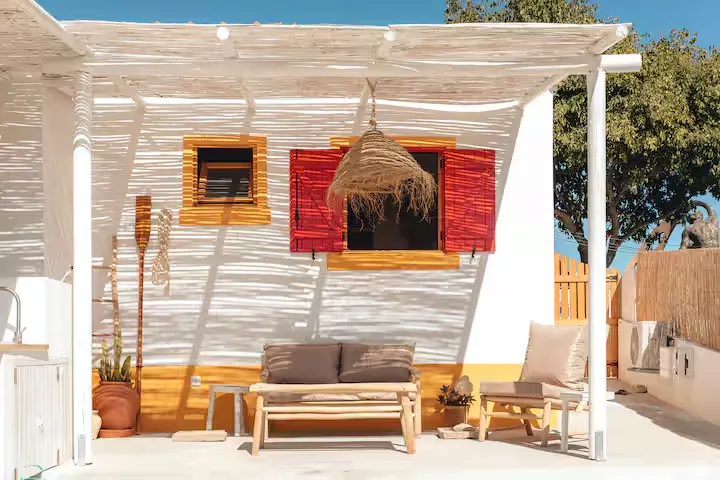
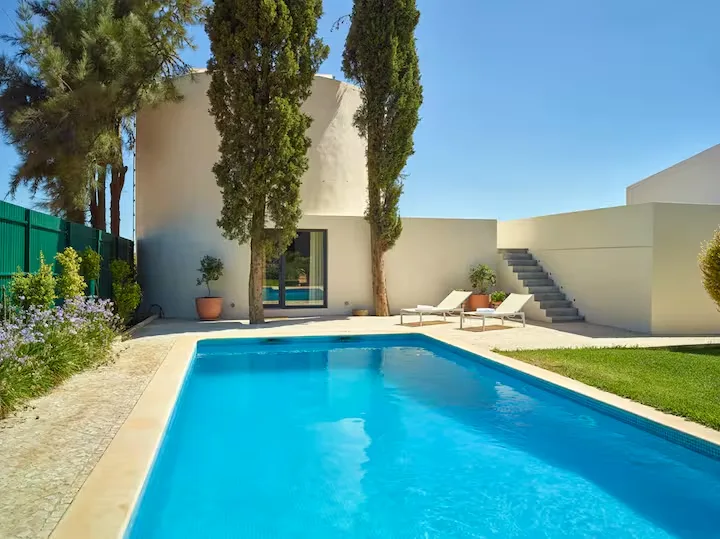
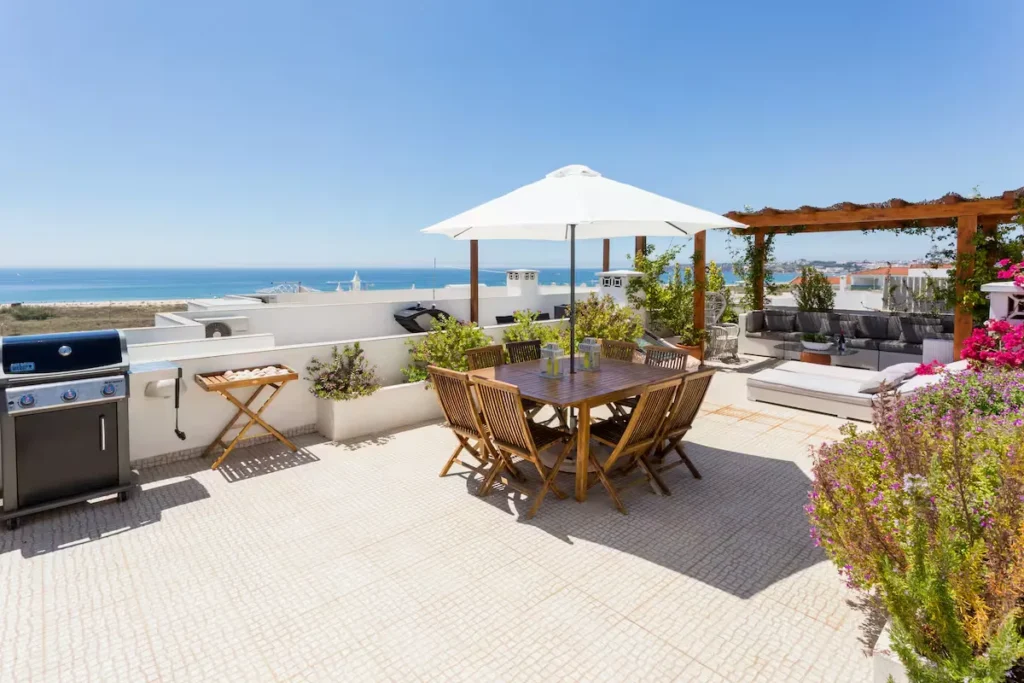
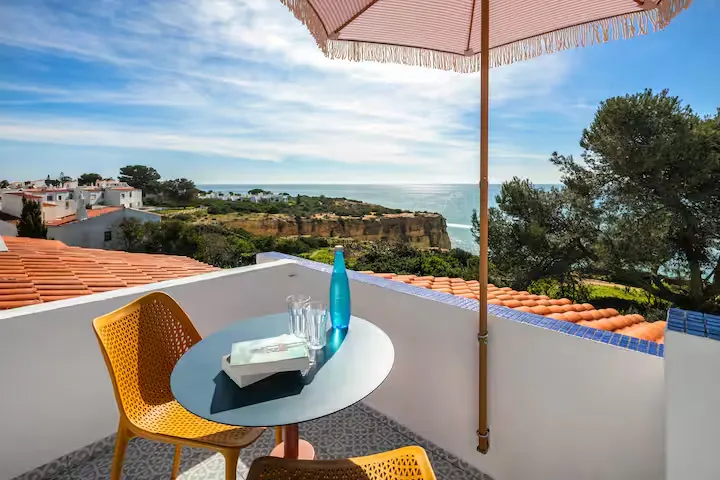
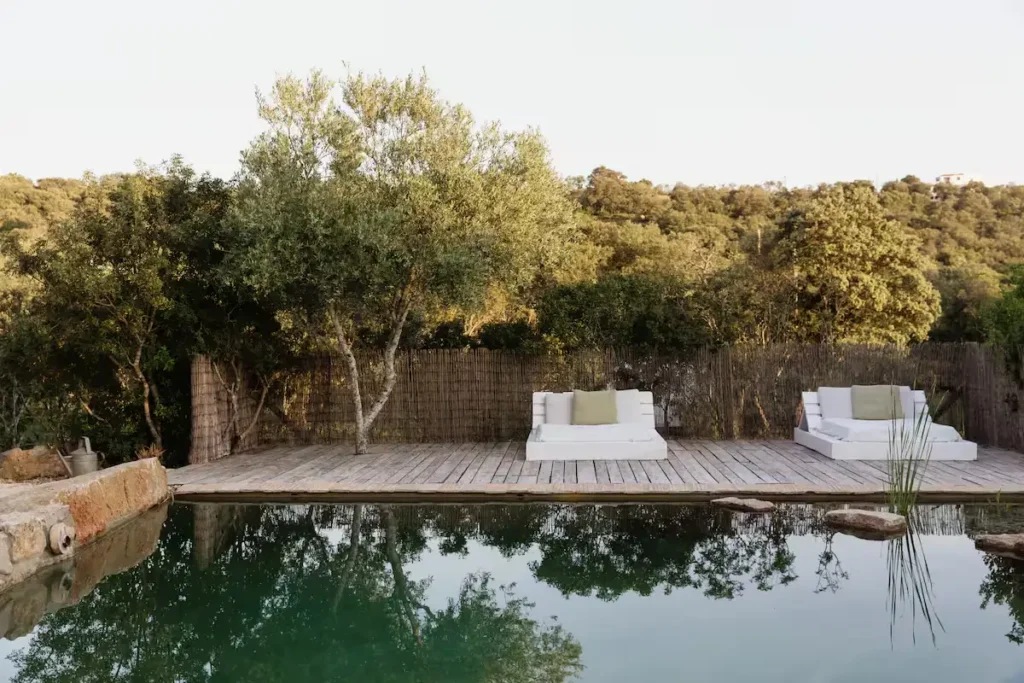
Find below our curated selection of boutique hotels and design apartments that offer exceptional value, atmosphere, and comfort during the off‑season — often at significantly lower rates than peak months.
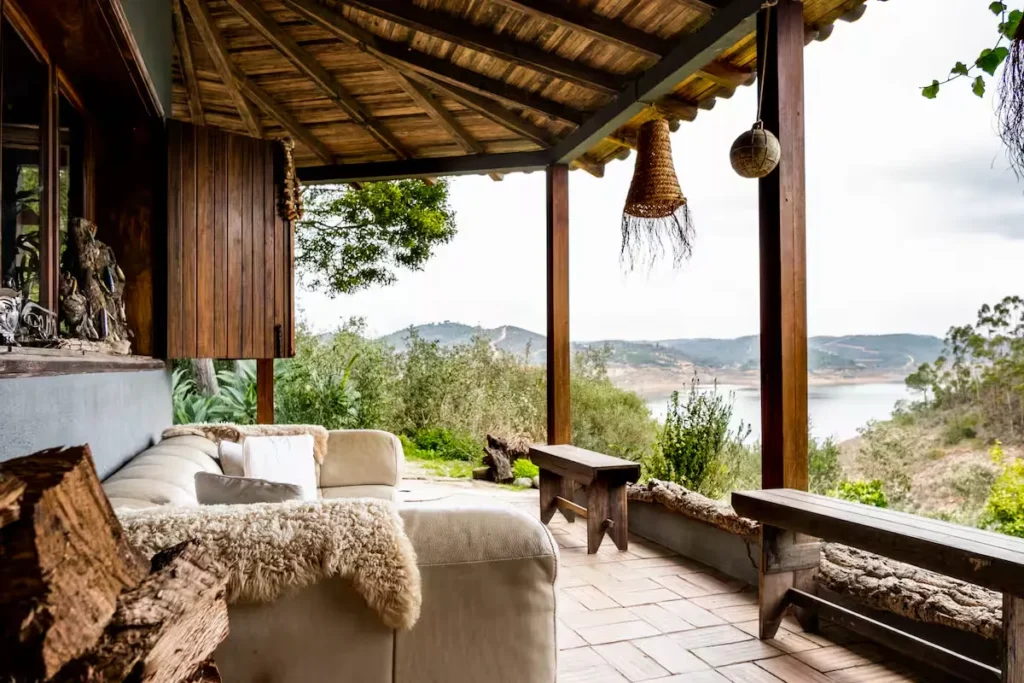
Guest Suite in Barragem de Santa Clara-a-Velha
Uncrowded Experiences & Tours
Skip the lines and experience iconic landmarks at your own pace. Discover curated local tours and cultural activities designed to show you the authentic side of the destination without the peak-season rush.
Handy Tips
Weather & Climate
The climate is Mediterranean, with over 300 days of sunshine a year. Algarve has mild winters and hot, dry summers. Alentejo inland can be significantly hotter in summer, with daytime temperatures often exceeding 95∘F (35∘C), while its winters are cooler and wetter.
Local Customs And Etiquette
Language: Portuguese is the official language. English is widely spoken in the Algarve, but knowing basic Portuguese phrases in Alentejo is appreciated.
Dining: Lunch is typically the largest meal. Tipping is not mandatory but rounding up the bill or leaving 5−10% for good service is common.
Bread/Couvert: The bread, olives, and cheese (couvert) placed on your table are not free; if you eat them, you will be charged. Politely decline if you don’t want them.
Budgeting For Your Trip
Accommodation: Hostels ($25–$50), mid-range hotels ($80–$140), luxury ($180+). Prices double in the Algarve in July/August.
Food: Fixed-price lunch menu (menu do dia) ($15–$25), dinner at a mid-range restaurant ($30–$50 per person), fine dining ($70+).
Transport: Car rental ($35/day, but book early for summer), regional train/bus ticket ($10–$30).
Activities: Boat tour to caves ($30–$50), wine tasting tour ($20+).
Daily Budget:
- Budget: $70–$110 (hostels, market food, public transport).
- Mid-range: $130–$200 (hotels, restaurants, attractions).
- Luxury: $250+ (boutique hotels, gourmet meals, private tours).
Getting Around
By Car: A car is the most convenient way to explore Alentejo and the best way to hop between beaches and explore the inland Algarve. Be aware of tolls on the main highways (A2/A22).
By Train: An old but scenic regional train line connects the main coastal towns of the Algarve from Lagos to Vila Real de Santo António. Intercity trains connect Lisbon to Évora and Faro.
By Bus: The Vamus bus network covers the Algarve well, connecting all major towns and some beaches. Rede Expressos connects the regions to the rest of Portugal.
Must-Try Food
Cataplana: A signature Algarve seafood or pork and clam stew cooked and served in a distinctive hinged copper pot.
Carne de Porco à Alentejana: A delicious mix of marinated black pork and clams with potatoes, a classic surf-and-turf dish.
Frango Piri-Piri: Charcoal-grilled chicken slathered in a fiery chili sauce, best sampled in the Algarve.
Porco Preto: Premium black Iberian pig, often served as delicious grilled cuts like secretos (pork belly) or plumas (loin).
Açorda Alentejana: A comforting peasant soup of bread, garlic, olive oil, coriander, and a poached egg, sometimes with fish.
Queijo de Serpa: A pungent, semi-soft sheep’s milk cheese from the Alentejo that can be eaten with a spoon.
Lulas Recheadas: Squid stuffed with minced meat, rice, and herbs, a traditional Algarve dish.
Bacalhau: Salted cod, served in countless ways, such as Bacalhau à Brás (shredded with eggs and potatoes).
Pastéis de Nata: The iconic Portuguese custard tart, found everywhere but always best fresh.
Sericaia: A traditional Alentejo dessert, a sweet egg pudding baked with cinnamon and often served with local plums.
Dom Rodrigos: A typical Algarve convent sweet, a cylindrical treat made of sweet egg threads, sugar, and almond.
Must-Try Drinks
Alentejo Wine: The region produces superb full-bodied red wines (often from Aragonês, Trincadeira, and Castelão grapes) and fresh, aromatic whites.
Medronho: A potent, traditional fruit brandy, or ‘firewater,’ distilled from the fruit of the arbutus tree, especially from the Monchique hills.
Licor de Amêndoa Amarga: A sweet liqueur made from bitter almonds, often served chilled in the Algarve.
Vinho Verde: While from the North, its crisp, slightly fizzy profile is a refreshing summer drink.
Moscatel de Setúbal: A sweet, fortified wine often served as an aperitif or with dessert.
Sagres/Super Bock: The two main national beer brands—perfectly refreshing on a hot beach day.
Bica: The standard small, strong espresso shot; the preferred coffee drink.
Galão: Coffee served in a tall glass with milk, essentially a Portuguese latte.