 Skip to content


- Is The Weather In Bangkok Bearable During The Rainy Shoulder Season?
Yes, but you must accept that afternoon downpours are a daily guarantee rather than a surprise. The heavy rain typically lasts for one to two hours and then clears, leaving the city noticeably cooler and the air fresher than during the brutal dry season. You will also find the famous rooftop bars and floating markets nearly empty during these wetter months.
The trade-off is that street flooding can temporarily paralyze traffic and make sidewalk walking adventurous. Pack a sturdy umbrella, waterproof sandals, and a positive attitude, and you will navigate just fine. Volomundi recommends using the rain as your signal to duck into a cozy shopping mall or indulge in a traditional Thai massage until the skies clear.
- How Much Can I Save On Hotels In Bangkok During The Deep Off-Season?
You can secure discounts of 40% to 60% at luxury riverside hotels during the lowest rainfall months. Those five-star properties with infinity pools and breakfast buffets become genuinely affordable for budget-conscious travelers. Your money will easily stretch to include a suite upgrade or daily spa treatments at no extra cost.
The only catch is that some smaller boutique hotels may close their rooftop bars or restaurants on weekdays due to low occupancy. However, the major international chains remain fully operational and are eager to fill rooms. You will often receive complimentary late checkout or free airport transfers just because staff have the time to be generous.
- Will The Famous Temples And Markets Feel Too Empty Or Closed During Low Season?
No, the major attractions like Wat Pho and the Grand Palace remain open and wonderfully serene. You can explore the famous reclining Buddha with 70% fewer tourists elbowing you for photos, which transforms the experience from chaotic to genuinely spiritual. The Chatuchak weekend market also continues operating, though some stalls may close on very rainy days.
The trade-off is that certain canal boat tours and river taxi services run on reduced schedules. You might wait fifteen extra minutes for a boat, but you will likely have the entire vessel to yourself. For travelers seeking that perfect Instagram shot without strangers in the background, this quieter atmosphere is actually a massive blessing.
- Is Getting Around Bangkok By Boat And Train Difficult During The Shoulder Season?
Not at all, the BTS Skytrain and MRT subway run perfectly regardless of rainfall. These elevated and underground systems are completely immune to street flooding, making them your best friends during the wet season. You can zip across the city quickly while watching the traffic below sit completely still in the rain.
The only real challenge is that traditional tuk-tuks and motorcycle taxis become less appealing when the sky opens up. Chao Phraya river boats may also suspend service during severe thunderstorms for safety reasons. Stick to the Skytrain and subway during heavy rain, and you will still reach every major attraction without significant delays.

Home > Exploit The Seasons > Seasonal World Map > Asia > Thailand > Bangkok Area
BANGKOK AREA
Bangkok swaps chaos for calm when the rains arrive — think empty BTS seats, riverside temples without chatter, and hotel pools all to yourself. This guide reveals when to dodge the masses for authentic street-side moments and serious savings.
Smart Travel Calendar
Shoulder Season
Your Smartest Windows
May to early June
September to October
Avoid: Songkran (mid-April) — the city shuts down for water fights, roads are impassable. Also avoid Chinese New Year (late Jan/early Feb) when Chinatown hotels double in price.
What the Sky Does
Typical shoulder weather: 27°C to 34°C (81°F to 93°F) — hot, humid, with short daily downpours.
Afternoon storms roll in like clockwork between 2-5pm, lasting 1-2 hours max.
September is the wettest, but showers often come as dramatic bursts that clear skies fast.
October sees gradual drying — humidity drops slightly, and breezes return to the river.
How Empty It Feels
35-45% fewer tourists than peak season (November to February).
The Grand Palace feels busy but movable — no shuffling for 20 minutes to see the Emerald Buddha.
Chatuchak Market on weekends is pleasant, not panic-attack-inducing.
You’ll find seating on the BTS during rush hour. Yes, really.
What You’ll Save
30-50% on flights and 40-60% on riverside hotels versus high season.
River taxis and private long-tail charters are half price — negotiate freely.
No need to book popular Muay Thai fights or dinner cruises in advance.
Rooftop bars run happy hours that actually mean something — 2-for-1 sunset drinks.
The Secret Perk
Experience Asahna Bucha Day (July) — candlelit temple processions with no tourists around.
The green lung (Bang Krachao) is lush, flooded, and jungle-thick — bike rides feel adventurous.
Durian season peak — cheapest, creamiest fruit of the year from local markets.
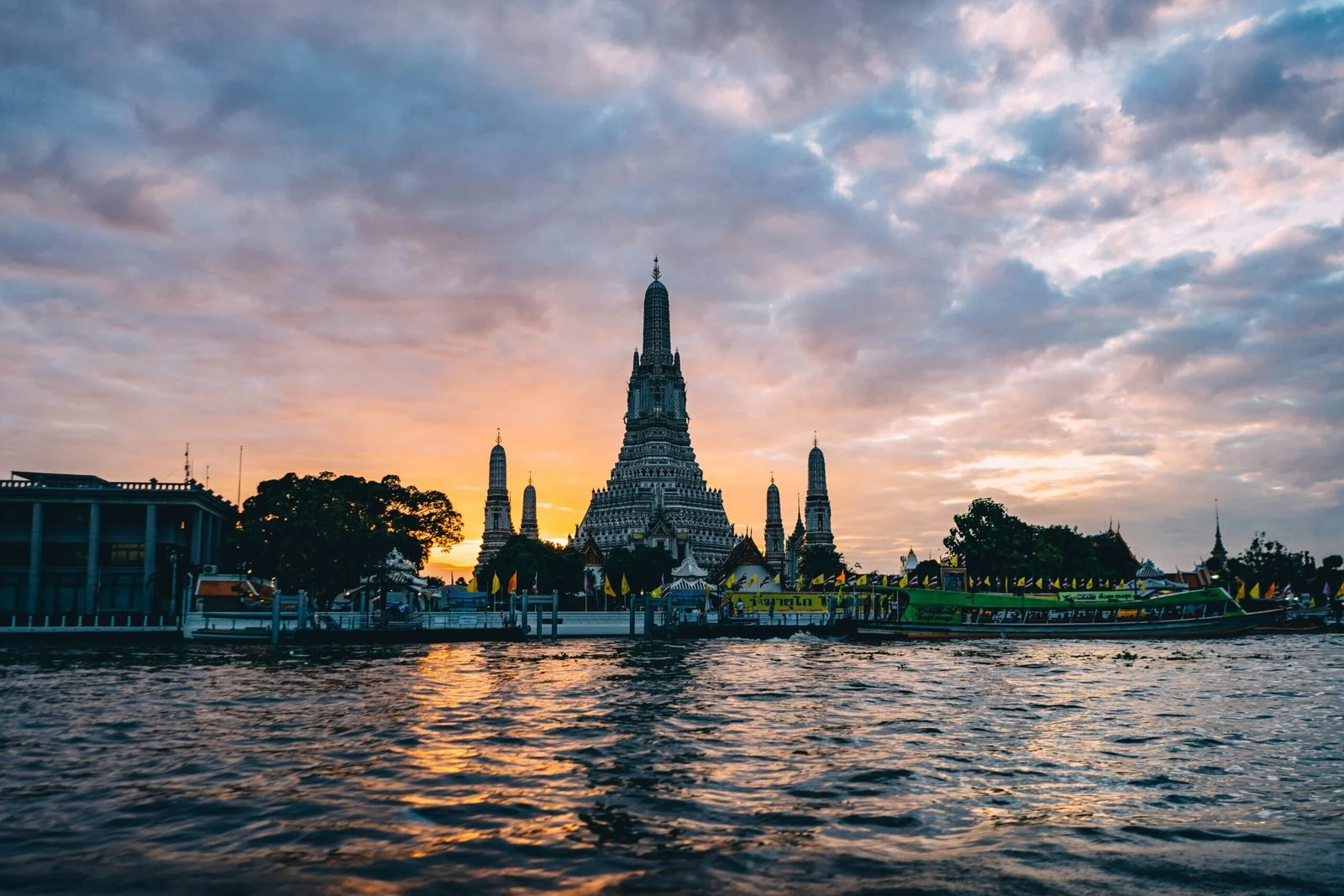
Rain-washed skies create electric sunsets over Wat Arun — magenta and gold, zero filter needed.
Street vendors have time to teach you a phrase or two — “Aroy mai?” (Delicious, right?) goes a long way.
The Tiny Trade-Off
Some river dinner cruises reduce schedules or run with smaller boats.
Outdoor rooftop bars may close during heavy rain — call ahead.
Flooding possible in low-lying areas (Bang Phlat, Thonburi) after extreme downpours.
Loy Krathong (November) isn’t in this window, so no floating lantern magic.
Smart Traveler Tip
Target October for ideal balance: rain tapers, prices haven’t risen, and crowds are still thin.
Do indoor sights (museums, malls, temples) before 1pm, then plan a late lunch through the storm.
The first week of May (Labor Day) bumps domestic flights slightly — avoid if connecting from Chiang Mai or Phuket.
Pack a compact umbrella, waterproof phone case, and sandals that shrug off puddles.
Deep Off-Season
Your Smartest Windows
June to August
Avoid: The first two weeks of October (Buddhist Lent end — local pilgrims flood major temples, plus some river transport undergoes maintenance).
What the Sky Does
Typical deep off-season weather: 25°C to 32°C (77°F to 90°F) — consistent monsoon with high humidity.
Frequent, heavy downpours — but Bangkok drains faster than beach towns. Expect wet mornings or afternoons.
Northern suburbs (Pathum Thani) see similar rain; riverside areas feel muggier.
Humidity sits around 85-90% — you’ll sweat, but every mall has arctic AC waiting.
How Empty It Feels
55-65% fewer tourists than peak season — you’ll wonder where everyone went.
Wat Pho’s Reclining Buddha temple has maybe 10 people at a time, not 200.
Museums like MOCA Bangkok or the Erawan Museum feel private — security guards nod you in.
Chinatown’s street food scene is local-only — no TikTok crowds, just families eating.
What You’ll Save
50-70% off peak-season rates for flights and luxury hotels.
Bangkok to Chiang Mai flights drop below $20 USD one way.
5-star riverside hotels (think Mandarin Oriental, Peninsula) from $80-120 USD — a fraction of high season.
Long-tail boat charters for $10-15 USD/hour, down from $30-40.
The Secret Perk
Cozy indoor days are perfect for Thai cooking classes — you’ll have the instructor to yourself.
Khao San Road is dead quiet — great for actual conversation and cheap Chang beers.
Experience Khao Phansa (Buddhist Lent) in July — local temple fairs with zero tourists.
Visit weekend markets without heatstroke — rain keeps temperatures mercifully lower.
Tuk-tuk drivers will quote actual fair prices because they’re just happy for any fare.
The Tiny Trade-Off
River ferries may reduce frequency — wait times can stretch to 15-20 minutes.
Some skybridge connections flood (Siam area, Asok) — wear sandals, not leather shoes.
Rooftop bars like Mahanakhon or Octave may close suddenly for lightning risk.
Daylight is shorter — sunset around 6pm, so start your evenings earlier.
Smart Traveler Tip
July is the absolute quietest month in Bangkok — even tourist police look bored.
Early August often brings surprising sunny streaks before September’s heavy rains.
Pack light, quick-dry clothes, a proper rain jacket (not a poncho — wind rips them), and waterproof shoes like Crocs or Tevas.
For least rain and still great value, target the last week of August into early September.
Consider staying in Ari or Ekkamai — fewer flood-prone streets than lower Sukhumvit.
Find Off-Peak Flights
Top Off‑Season Stays
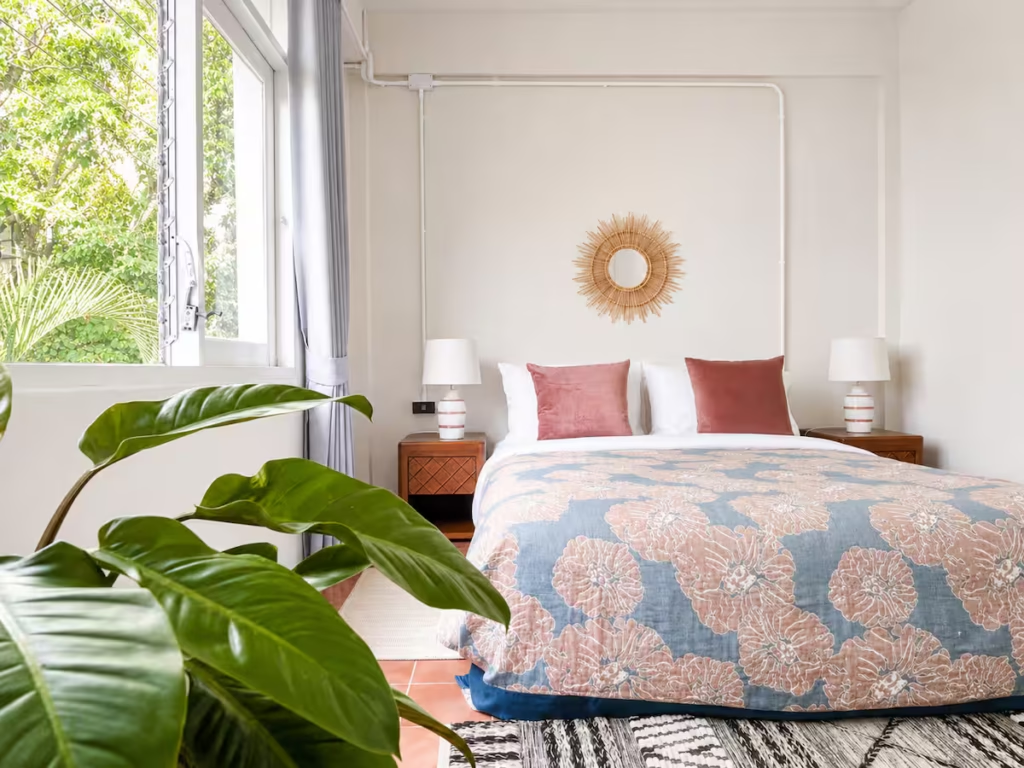
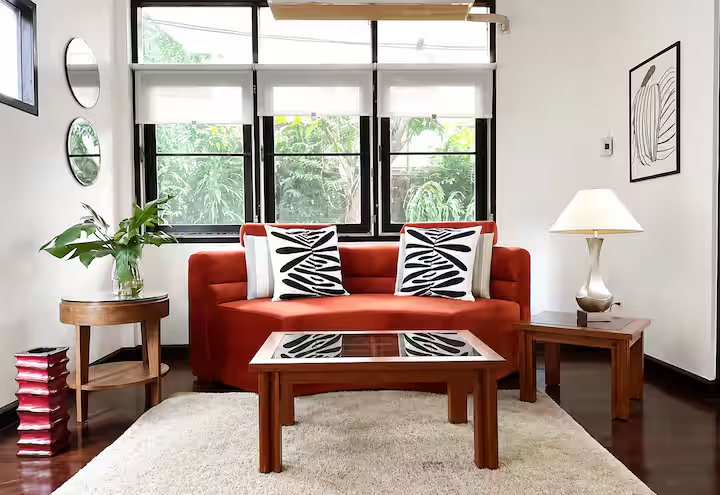
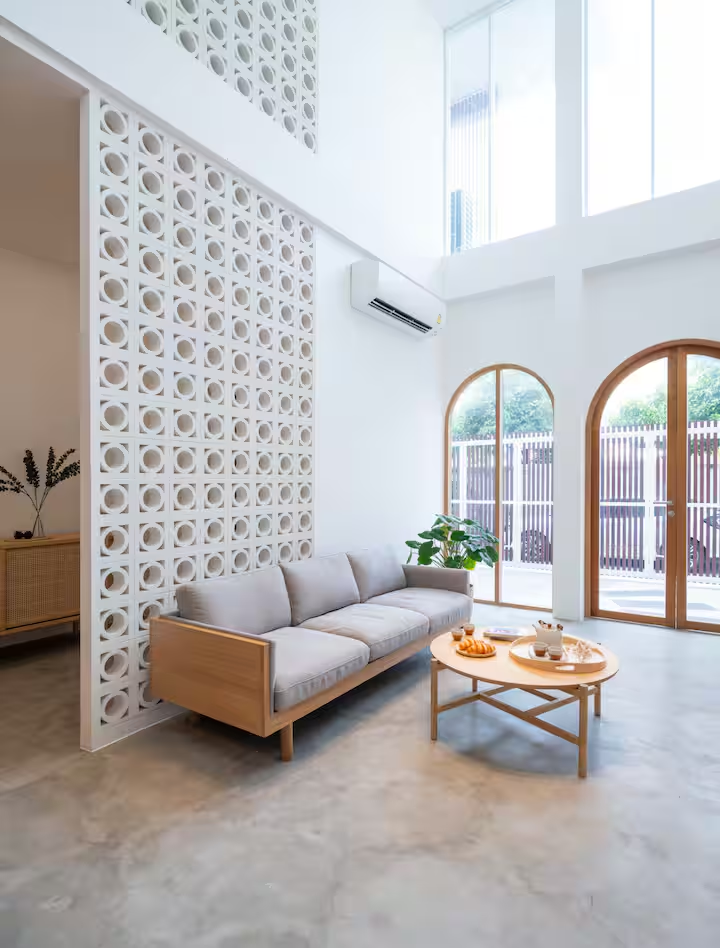
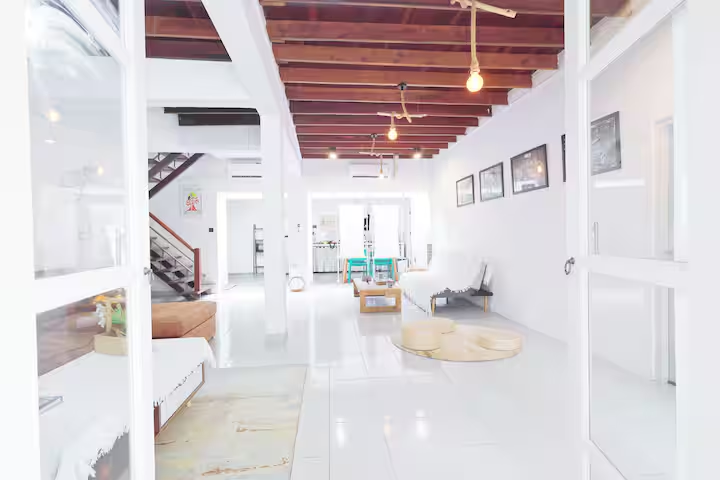
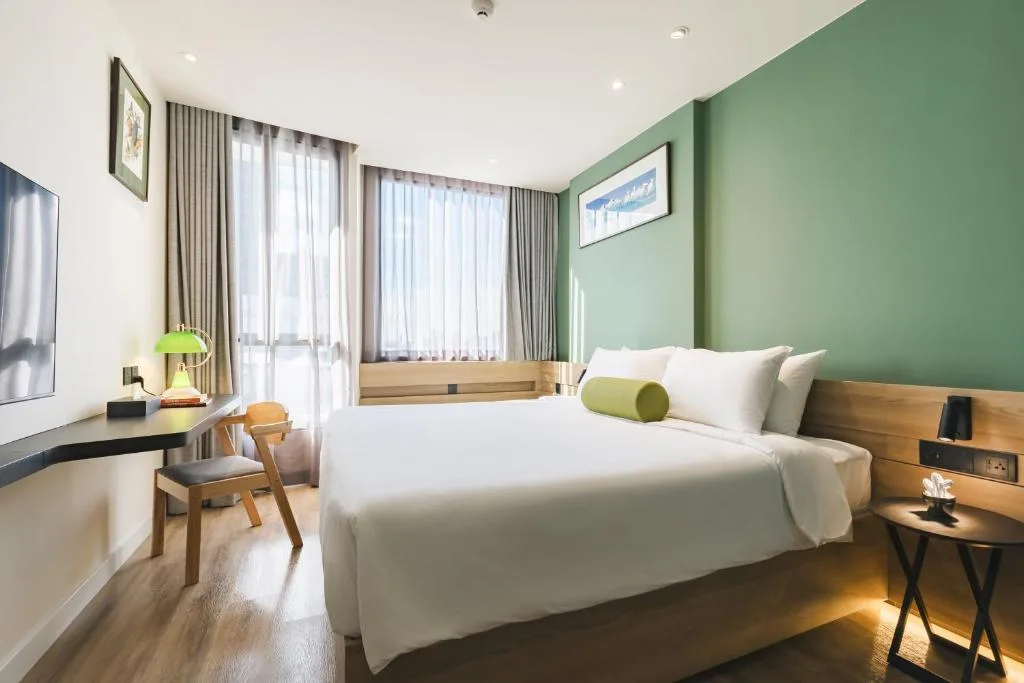
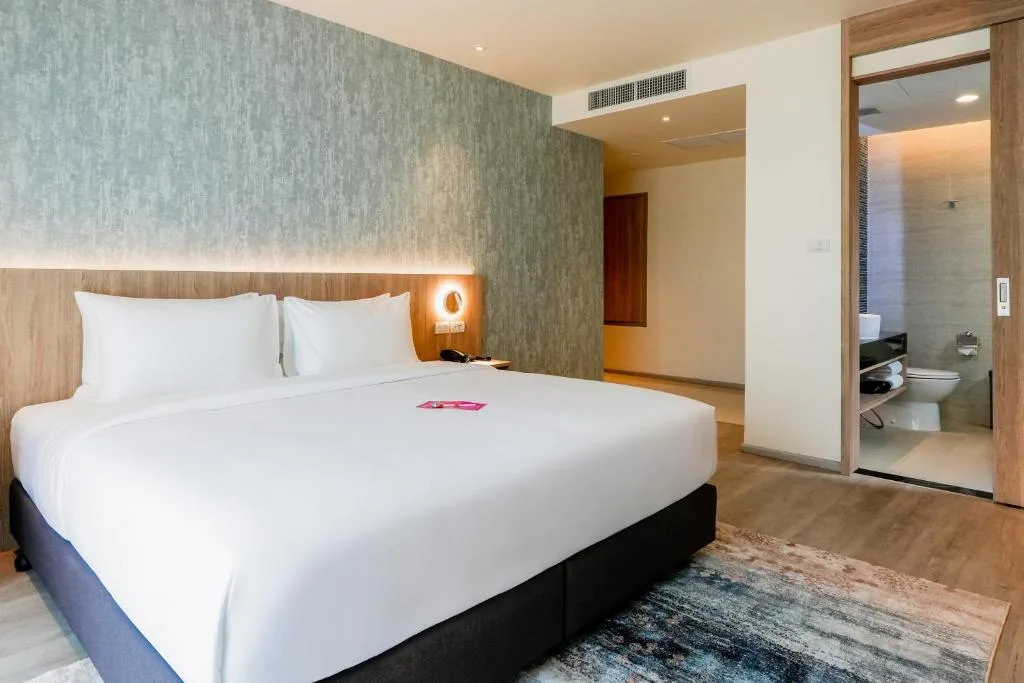
Find below our curated selection of boutique hotels and design apartments that offer exceptional value, atmosphere, and comfort during the off‑season — often at significantly lower rates than peak months.
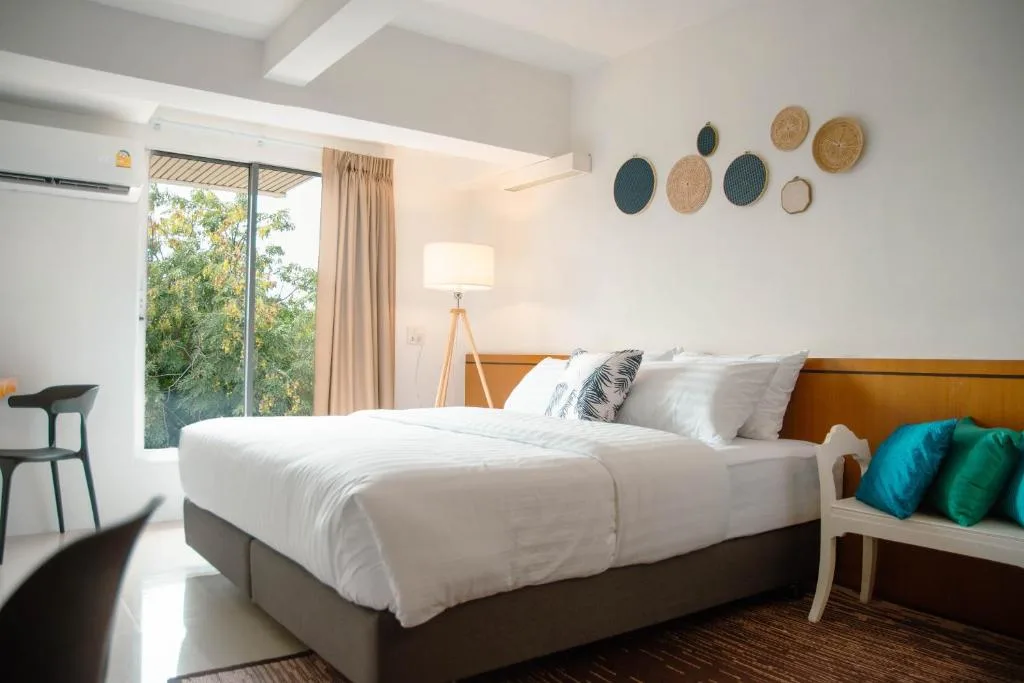
Alley & Pier
Uncrowded Experiences & Tours
Skip the lines and experience iconic landmarks at your own pace. Discover curated local tours and cultural activities designed to show you the authentic side of the destination without the peak-season rush.
Handy Tips
Weather & Climate
The climate is tropical, with high humidity year-round. There are three main seasons: hot (March–May), rainy (June–October), and cool (November–February), though “cool” is relative, with daytime temperatures rarely dropping below 20°C.
Local Customs And Etiquette
The Monarchy: The Thai Royal Family is deeply respected. It is extremely important to show respect for the King and all members of the Royal Family.
Temples (Wats): Always remove your shoes before entering a temple building. Dress modestly—shoulders and knees should be covered for both men and women.
The Head & Feet: Never touch a Thai person’s head (considered the most sacred part of the body). Conversely, never point your feet at anyone or any sacred object (feet are considered the lowest part).
Budgeting For Your Trip
Accommodation: Hostels ($10–$25), mid-range hotels ($40–$80), luxury ($120+). Luxury is very affordable here compared to Western cities.
Food: Street food meal ($1–$4), dinner at a mid-range restaurant ($15–$30 per person), fine dining ($50+).
Transport: BTS/MRT ticket ($1–$2), Tuktuk ride (negotiate price first!), taxi/Grab ride (cheap for short distances).
Activities: Temple entrance fees ($2–$6), cooking class ($40–$70).
Daily Budget:
- Budget: $40–$70 (hostels, street food, public transport).
- Mid-range: $80–$140 (hotels, restaurants, attractions).
- Luxury: $160+ (boutique hotels, gourmet meals, private tours).
Getting Around
Public Transport: The BTS Skytrain and MRT Subway are clean, efficient, and air-conditioned, connecting most modern parts of the city.
By Boat: The Chao Phraya Express Boat and canal (khlong) boats are a fast, cheap, and scenic way to avoid traffic.
Taxi/Grab (Ride-Share): Readily available and inexpensive. Always insist the taxi driver uses the meter or use the Grab app.
Tuk-Tuk: A must-try experience, but always agree on the fare before you get in. Best for short distances.
Must-Try Food
Pad See Ew: Wide rice noodles stir-fried with Chinese broccoli, egg, and a dark, sweet soy sauce.
Khao Pad: Simple but perfect Thai-style fried rice, often with chicken, pork, or shrimp.
Massaman Curry: A rich, mild, and slightly sweet curry with influences from Indian and Malay cuisine, usually containing potato, peanuts, and meat.
Tom Yum Goong: The iconic hot and sour soup, flavored with lemongrass, galangal, kaffir lime leaves, chillies, and shrimp.
Som Tam: A spicy salad made from shredded green papaya, tomatoes, peanuts, and lime juice, often served with grilled chicken (Gai Yang).
Pad Kra Pao: Stir-fried meat (often chicken or pork) with Thai basil and chilli, served over rice with a fried egg.
Guay Teow Reua (Boat Noodles): Small bowls of intensely flavored noodle soup traditionally sold from boats on the canals.
Roti Gluay: A simple, sweet street dessert of thin, fried pastry stuffed with sliced bananas and drizzled with condensed milk.
Mango Sticky Rice (Khao Niao Mamuang): Slices of fresh mango served with sweet coconut sticky rice, a seasonal favorite.
Khanom Krok: Small, sweet, creamy coconut-rice pancakes cooked in a hot dimpled pan.
Must-Try Drinks
Singha / Leo / Chang Beer: The three main, ubiquitous Thai lager brands. Light, crisp, and perfect for the hot climate.
Mekhong / SangSom: Popular Thai rums (often incorrectly called whiskeys) that form the base for many cocktails, often mixed with soda and lime.
Thai Iced Tea (Cha Yen): A creamy, sweet, and bright orange-colored tea made with condensed milk and evaporated milk.
Fresh Coconut Water (Maphrao): Served directly from the chilled coconut, an essential and natural refresher.
Ovaltine / Milo Volcano: A sweet, chilled chocolate malt drink topped with a huge, overflowing mound (“volcano”) of undissolved powder.
Fruit Shakes (Nam Pan): Blended fresh fruit (mango, pineapple, watermelon) often mixed with ice and simple syrup.
Krating Daeng (Red Bull): The original, non-carbonated Thai energy drink, which is much sweeter and often more potent than its Western counterpart.
Thai Coffee (Oliang): A strong, dark, black iced coffee, often sweetened with sugar and served with evaporated milk.
Butterfly Pea Flower Tea (Nam Dok Anchan): A mild, naturally blue-colored drink that turns purple when lime juice is added.