 Skip to content



- Is The Rain On The Andaman Coast Really That Bad During The Shoulder Season?
Yes, the wet season here is genuinely intense, but that is exactly why savvy travelers can find incredible deals. The monsoon brings dramatic skies, powerful waves, and daily downpours that keep almost all tourists away, leaving you with empty beaches and silent jungles. You will feel like you own entire islands if you time your visit right.
The trade-off is that swimming in the sea becomes dangerous due to strong rip currents and rough conditions. However, this is the perfect time to explore indoor attractions, take cooking classes, or enjoy luxurious resort amenities at a fraction of peak pricing. Just watch the weather forecast closely and plan indoor backup activities for stormy afternoons.
- How Much Can I Save On Beachfront Resorts During The Andaman Low Season?
You can secure massive discounts of 50% to 70% on stunning beachfront villas and bungalows. Those overwater-style resorts that cost a fortune from November to April become genuinely affordable for regular travelers during the monsoon months. Your budget will easily cover a private pool villa or a suite with direct beach access.
However, some smaller resorts on remote islands close completely during the deepest off-season months. The ones that remain open often run exceptional promotions, sometimes including free meals or spa credits worth up to 40% of your room rate. Always confirm ferry schedules to your chosen island before booking, as services become less frequent.
- Will The Famous Islands Like Phi Phi And Koh Lanta Be Accessible During Deep Off-Season?
No, not always, and you must accept that some destinations are simply off-limits. Ferry services to certain islands stop running entirely when the waves become too dangerous, and national parks often close their marine zones for environmental recovery. You cannot reach Koh Phi Phi during the heart of the low season.
The good news is that mainland destinations like Krabi and Trang remain accessible and surprisingly enjoyable. You will still find beautiful limestone karsts, caves to explore, and local markets to discover without any crowds. Volomundi recommends focusing on mainland Andaman Coast areas rather than remote islands during the wettest months for safety and convenience.
- Is Diving And Snorkeling Still Possible During The Andaman Shoulder Season?
Yes, but only in specific protected areas and with careful planning. The diving conditions actually improve in some locations because the nutrient-rich waters attract larger marine life like whale sharks and manta rays. Visibility may drop compared to peak season, but the chance to see rare creatures makes up for it.
The major drawback is that many dive shops close or operate with limited schedules and fewer boat trips. You will need to book in advance and remain flexible, as trips can be canceled last minute due to rough seas. For experienced divers willing to adapt, the shoulder season offers unique encounters that peak season crowds never get to witness.

Home > Exploit The Seasons > Seasonal World Map > Asia > Thailand > Andaman Coast (Phuket Region)
ANDAMAN COAST
The Andaman Coast wears two faces: dazzling sun from November to April, then wild, dramatic beauty when monsoon hits from May to October. This guide reveals when to find empty beaches, cheaper longtails, and that perfect stormy sunset without the crowds.
Smart Travel Calendar
Shoulder Season
Your Smartest Windows
Early May (first two weeks)
Late October to early November
Avoid: Songkran (mid-April) — last-minute high-season surge before rains. Also avoid Christmas through New Year (Dec 20-Jan 10) — peak of peaks, prices double or triple.
What the Sky Does
Typical shoulder weather: 26°C to 32°C (79°F to 90°F) — humid, with building clouds and intermittent showers.
Early May sees the first monsoon squalls — spectacular lightning shows over the sea, then clearing.
Late October brings transitional weather: rains ease, winds calm, skies slowly brighten by November.
Sea conditions can be choppy — check ferry schedules before booking island hops.
How Empty It Feels
40-50% fewer tourists compared to November-February peak season.
Railay Beach feels like a quiet village again — no climbing over sunbathers to reach the path.
Phi Phi’s main walking street is strollable, not shoulder-to-shoulder chaos.
Longtail boat drivers haggle with you instead of quoting take-it-or-leave-it prices.
What You’ll Save
40-60% on beachfront resorts and 30-50% on flights to Phuket or Krabi.
Longtail charters to Phi Phi or Hong Islands: $40-60 instead of $120-150.
No advance booking needed for James Bond Island or Maya Bay tours — just show up.
Massage shops on the beach offer 2-for-1 deals just to have customers.
The Secret Perk
Experience Sat Fish Festival (May) — local fishermen’s celebration with zero tourists.
Waterfalls in Khao Sok and Krabi are absolutely roaring — perfect for swimming holes.
Durian and rambutan are at peak harvest — cheap from roadside stalls.
Storm clouds and sunbreaks create dramatic, moody photos of limestone karsts.
Local restaurant owners have time to chat about their lives, not just serve and rush.
The Tiny Trade-Off
Some island boat tours (Similan, Surin, Tachai) close from mid-October to mid-May — check dates.
Afternoon downpours can disrupt beach time — always have an indoor backup plan.
Ferry schedules reduce frequency — Koh Lipe, Koh Lanta connections may be only 1-2 trips daily.
Sea lice (tiny jellyfish larvae) can appear in calm waters — wear a rash guard.
Smart Traveler Tip
Target late October specifically — rain is fading, but prices haven’t bounced to high-season rates yet.
Book morning longtail trips (8am-12pm) to beat both rain risk and afternoon heat.
Stick to Krabi mainland (Ao Nang, Railay) for better shelter — open sea islands get rougher water.
Avoid the first week of May if ferry reliability matters — that’s when annual maintenance happens.
Deep Off-Season
Your Smartest Windows
June to September
Avoid: Late September (strongest monsoon swells, many ferries pause completely, and some resorts close for annual renovation).
What the Sky Does
Typical deep off-season weather: 24°C to 30°C (75°F to 86°F) — consistent monsoon, high humidity, daily heavy rain.
Expect big waves on west-facing beaches (Patong, Kata, Karon, Railay West) — swimming is often prohibited.
East-facing bays (Krabi’s Tonsai, Phuket’s Chalong Bay) stay calmer — better for kayaking or paddleboarding.
Rainfall 250-400mm monthly — pack proper rain gear and waterproof bags for electronics.
How Empty It Feels
65-75% fewer tourists than peak season — you’ll feel like a castaway on some beaches.
Maya Bay (when open) has a fraction of visitors — the famous wall is nearly people-free.
Indoor attractions (Sea Gypsy villages, cave temples, cooking schools) feel privately guided.
Small islands like Koh Jum or Koh Yao Noi feel genuinely local — shops close for lunch, kids play on the beach.
What You’ll Save
60-80% off peak-season prices for bungalows and mid-range resorts.
Phuket or Krabi flights from Bangkok can drop below $20 USD each way.
Beachfront bungalows in Railay or Koh Lanta from $15-25 USD per night.
Car rentals on Phuket or Krabi mainland for $8-12 USD/day — great for storm-chasing flexibility.
The Secret Perk
Cozy up in a beachfront bar with a coconut while rain drums on the roof — pure tropical zen.
Loy Krathong (November) is just past off-season, but some islands celebrate early — ask locals.
Learn to dive on Koh Lanta — dive shops are empty, instructors are bored, you get 1-on-1 training.
Witness the Chao Leh (Sea Gypsy) ceremonies in June — no tourists, just village blessings.
You’ll be invited into local homes for tea when rain strands you — genuine hospitality, not a transaction.
The Tiny Trade-Off
West-facing beaches are unsafe for swimming — red flags everywhere, heed them.
Nightlife in Patong, Phi Phi, or Ao Nang is very quiet — many clubs closed, bars empty.
Many smaller restaurants and resorts shut completely for low season — call ahead or check Google Maps.
Ferry services to Koh Lipe, Koh Tarutao may stop entirely in July-August — fly to Langkawi instead.
Daylight is shorter (sunset around 6:15pm) and some days are too grey for photography.
Smart Traveler Tip
July is the quietest month on the Andaman Coast — even the famous viewpoints have nobody there.
For mildest conditions, stay on Krabi’s mainland (Klong Muang, Tubkaek) rather than open-sea islands.
Pack a lightweight rain jacket that dries fast, strap sandals, waterproof phone pouch, and quick-dry hiking shorts.
Check resort opening dates before booking — some smaller places close entirely from June to September.
Consider Koh Lanta for deeper off-season — it has a drier microclimate than Phuket or Krabi.
Find Off-Peak Flights
Top Off‑Season Stays
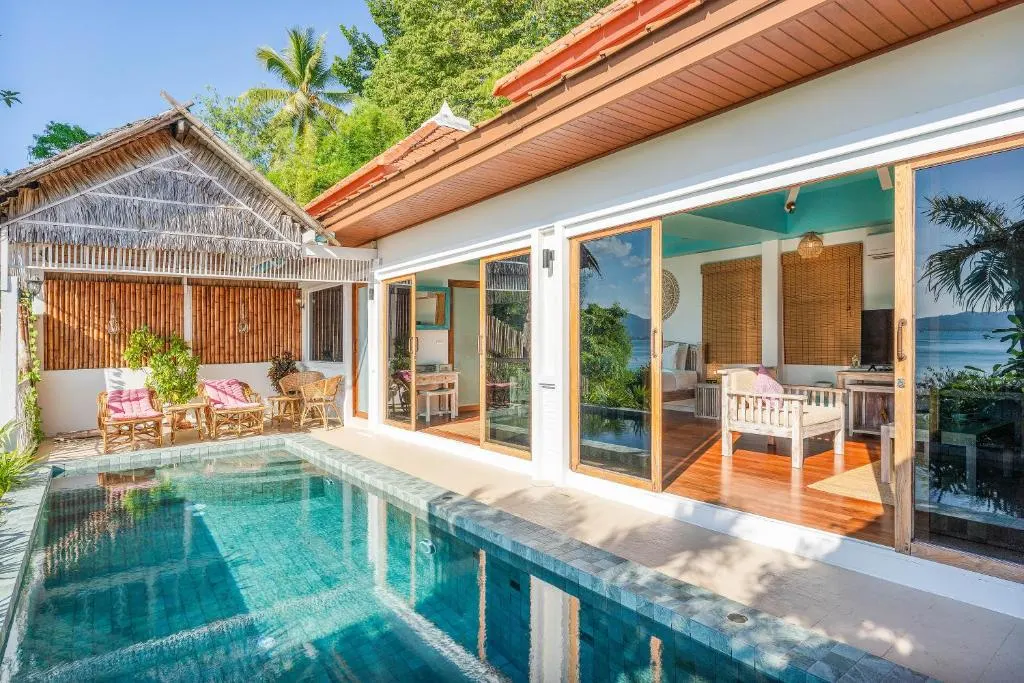
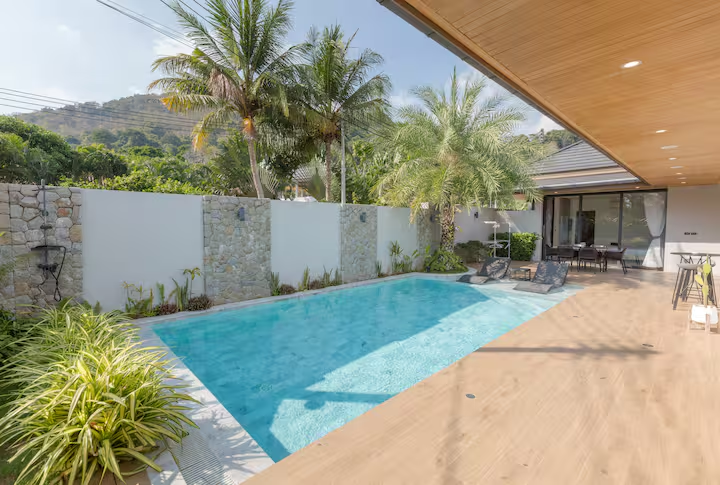
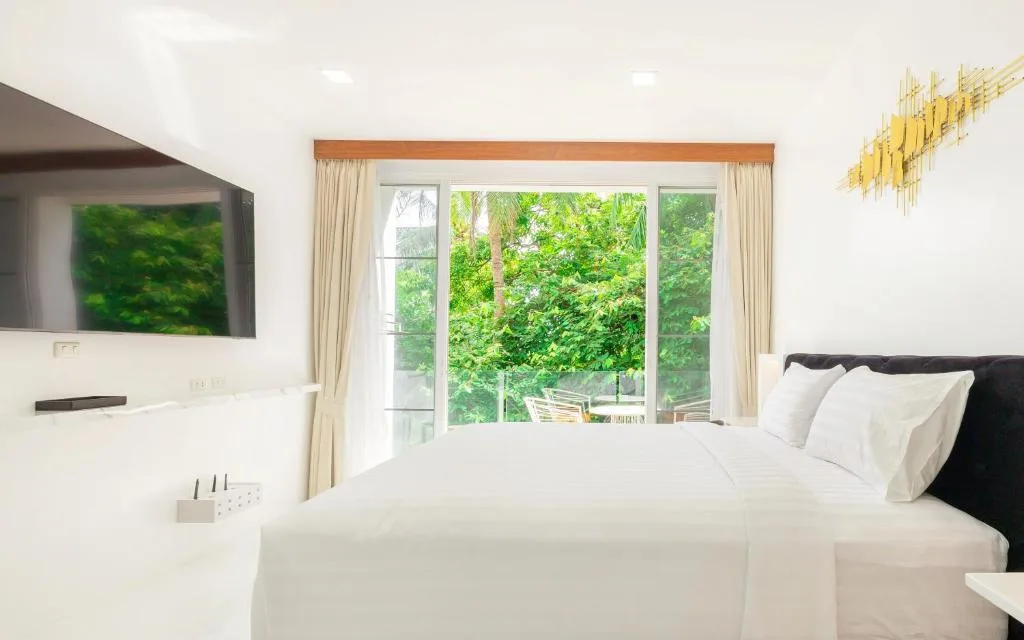
Find below our curated selection of boutique hotels and design apartments that offer exceptional value, atmosphere, and comfort during the off‑season — often at significantly lower rates than peak months.
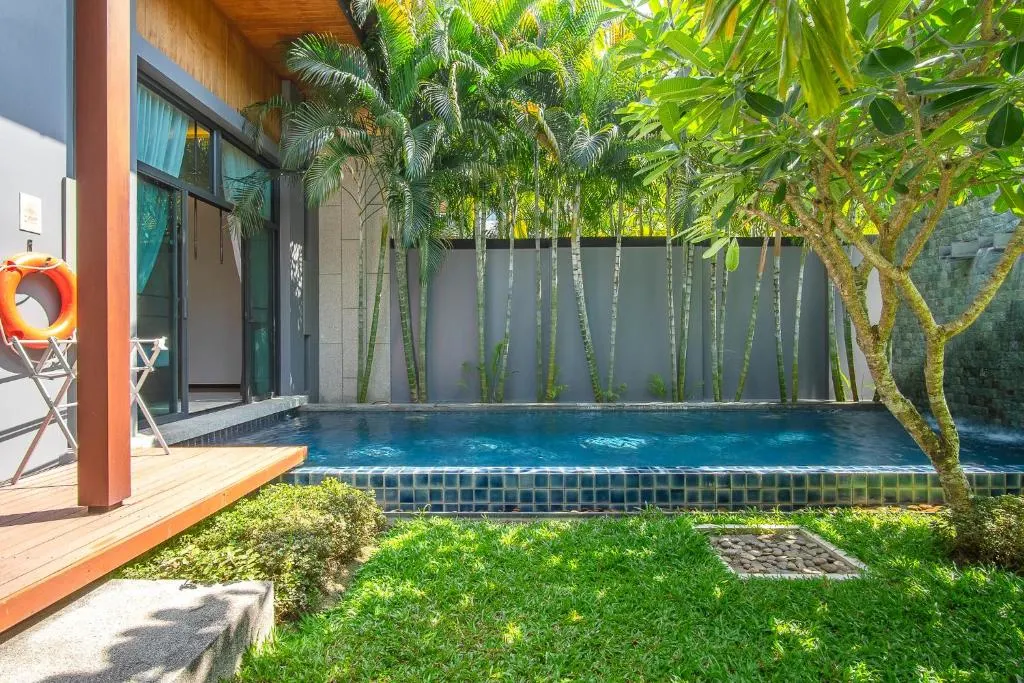
ONYX Villa
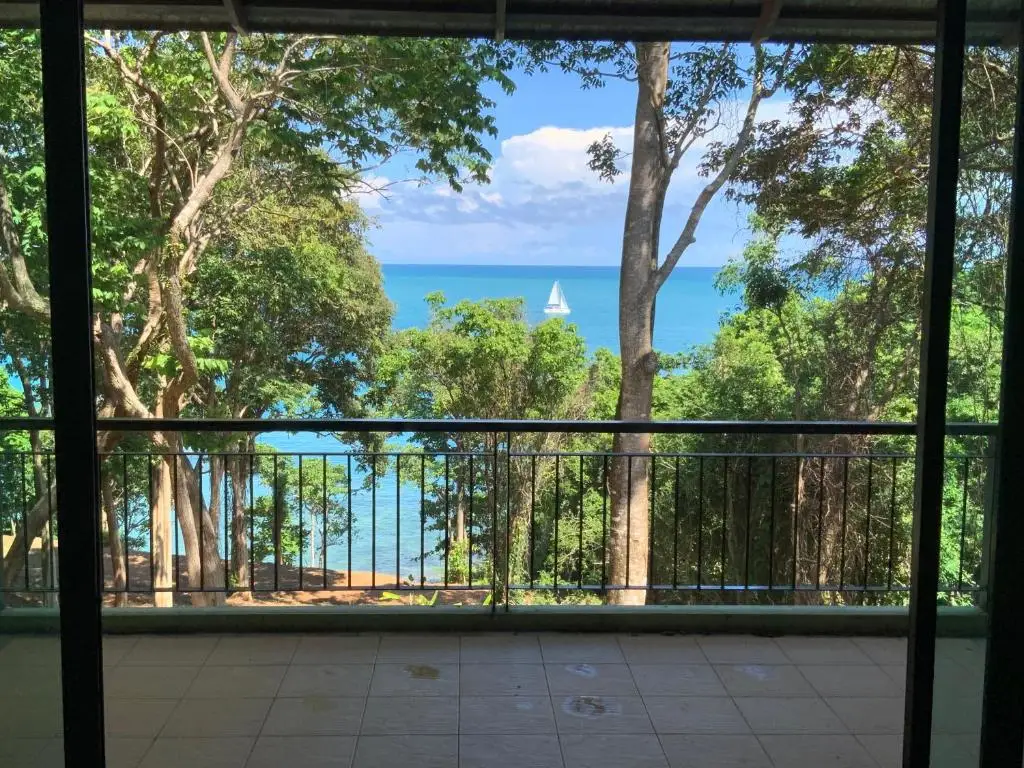
Rawai Villa
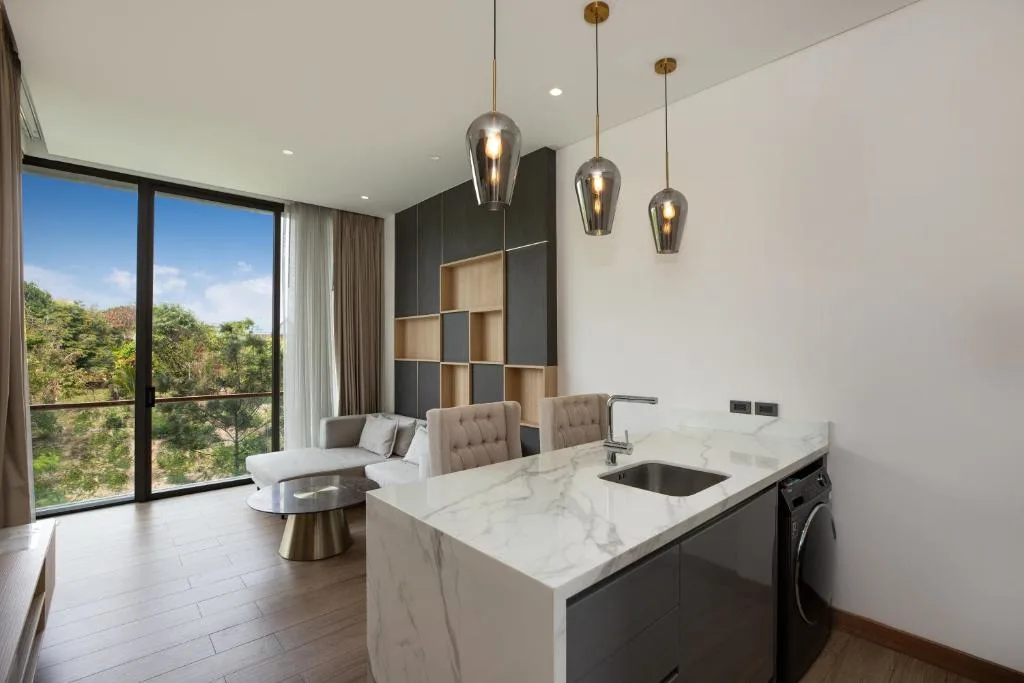
Elite Atoll Serviced Apartments Phuket
Uncrowded Experiences & Tours
Skip the lines and experience iconic landmarks at your own pace. Discover curated local tours and cultural activities designed to show you the authentic side of the destination without the peak-season rush.
Handy Tips
Weather & Climate
The climate is tropical monsoon. The dry season (November to April) is hot and sunny. The wet season (May to October) brings high humidity and heavy, though often short-lived, rain showers.
Local Customs And Etiquette
Respect the Monarchy: Always show high respect for the King and the Thai Royal Family. Never criticize or make light of them.
Head and Feet: The head is considered the most sacred part of the body; do not touch a Thai person’s head. The feet are the lowest; avoid pointing your feet at people or sacred objects.
Wai: A prayer-like hand gesture with a slight bow (Wai) is the traditional Thai greeting. Generally, a younger person Wais an elder, who returns the gesture.
Budgeting For Your Trip
Accommodation: Hostels ($10–$20), mid-range hotels ($40–$70), luxury ($100+). Prices double during Peak Season.
Food: Street food/local restaurant meal ($3–$6), dinner at a mid-range restaurant ($15–$25 per person), fine dining ($40+).
Transport: Scooter rental ($7/day), longtail boat ride (negotiable), ferry ticket (regional).
Activities: Scuba dive ($70+), day tour to Phi Phi/James Bond Island ($35–$60).
Daily Budget:
- Budget: $40–$60 (hostels, street food, public transport).
- Mid-range: $70–$120 (hotels, local restaurants, tours).
- Luxury: $150+ (boutique resorts, private transfers, premium excursions).
Getting Around
By Ferry & Speedboat: This is the primary way to travel between islands and coastal towns. Services are reliable and frequent in the dry season.
By Car/Scooter: Renting a scooter is the most popular way to explore individual islands, but drive cautiously as road conditions and traffic can be challenging.
By Taxi/Tuk-Tuk: Tuk-tuks and local taxis are the main short-distance transport in towns and on the mainland. Always negotiate the price before you get in.
Must-Try Food
Massaman Curry: A rich, mild, and slightly sweet Thai-Muslim curry with potatoes, peanuts, and often beef or chicken.
Pad See Ew: Wide rice noodles stir-fried with soy sauce, Chinese broccoli, egg, and a choice of meat, known for its smoky flavor.
Tom Yum Goong: Thailand’s famous hot and sour soup, seasoned with lemongrass, galangal, kaffir lime leaves, and fresh prawns.
Gai Yang (Grilled Chicken): Often marinated in turmeric and spices, grilled to perfection, and served with a spicy dipping sauce.
Som Tam (Green Papaya Salad): A spicy, tangy, and crunchy salad, typically made with shredded unripe papaya, chili, tomatoes, and peanuts.
Hoi Tod (Oyster Omelet): A crispy, starchy pancake filled with oysters or mussels and served with a chili sauce.
Khao Pad Subparod (Pineapple Fried Rice): Fried rice with curry powder, cashews, raisins, and often seafood, served inside a hollowed-out pineapple.
Roti with Banana and Egg: A sweet, thin, fried flatbread drizzled with condensed milk, a popular street food dessert.
Khao Niao Mamuang (Mango Sticky Rice): Sweet sticky rice served with ripe mango slices and a drizzle of thick coconut cream.
Khanom Krok (Coconut Pancakes): Small, sweet, warm, and creamy coconut milk custard cups, cooked on a griddle.
Must-Try Drinks
Thai Iced Tea (Cha Yen): Strong black tea, sweetened with sugar and condensed milk, poured over ice to create a distinctive orange color.
Singha / Leo / Chang: The three major and most popular brands of local Thai beer, all light and refreshing.
Fresh Coconut Water: Sold everywhere, chilled and often served straight from the husk—the ultimate tropical thirst quencher.
Mekhong / SangSom: Local Thai “whiskies” (actually rums/sugarcane spirits) often consumed in small buckets mixed with soda and energy drinks.
Fresh Fruit Smoothies/Shakes: Made to order from local fruits like mango, pineapple, watermelon, and passion fruit.
Ovaltine/Milo: Popular chocolate malt drinks, often served iced (known as Oliang or Cocoa Yen).