 Skip to content

- Is The Weather On The Gulf Islands Actually Better Than The Andaman Side During Shoulder Season?
Yes, and this is the secret that savvy off-season travelers exploit every year. The Gulf of Thailand experiences a different monsoon pattern, meaning Koh Samui, Koh Phangan, and Koh Tao stay relatively dry while the Andaman Coast gets drenched. You will find sunny mornings, brief afternoon showers, and calm seas perfect for island hopping.
The trade-off is that the weather is not guaranteed picture-perfect like the high season. You might get a full day of rain here and there, but the storms pass quickly and leave behind beautifully refreshed landscapes. Volomundi recommends checking the regional forecast and packing flexibility, as the Gulf genuinely offers the best wet season weather in the country.
- How Much Can I Save On Beach Bungalows And Resorts During The Gulf Low Season?
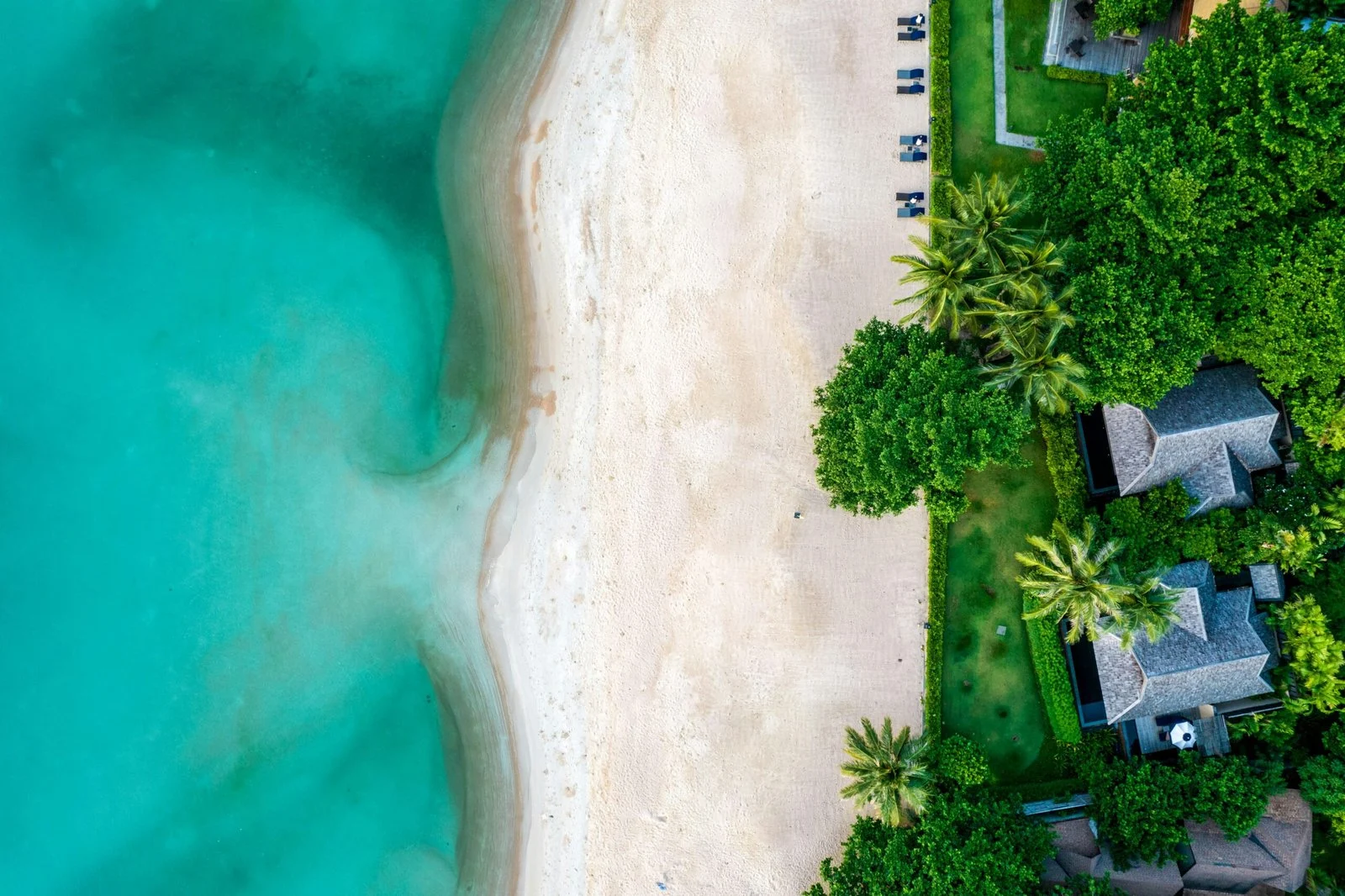
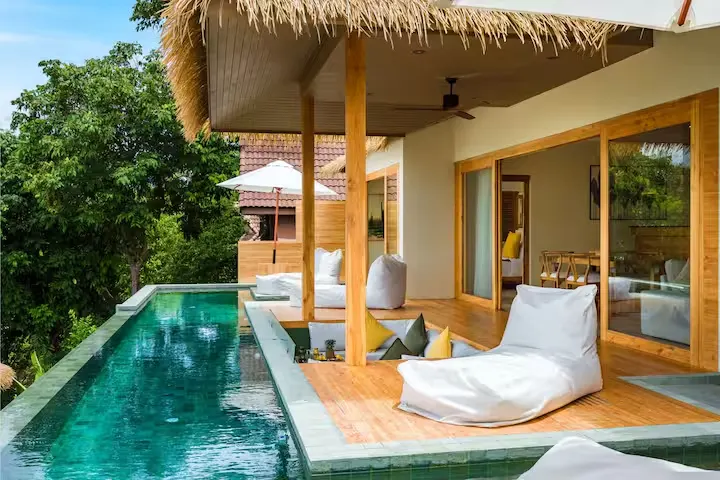
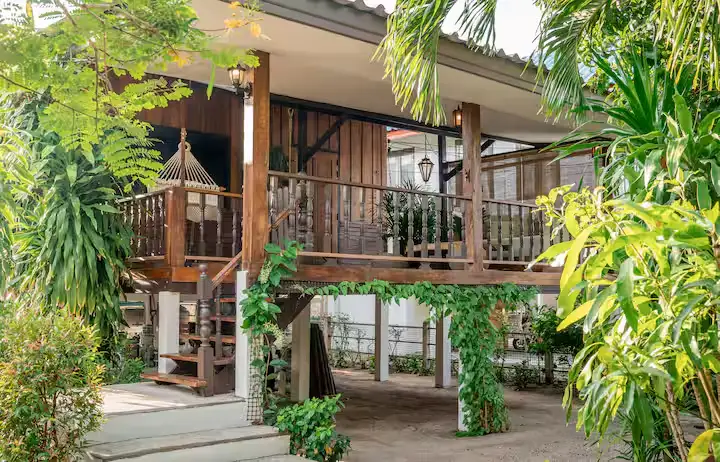
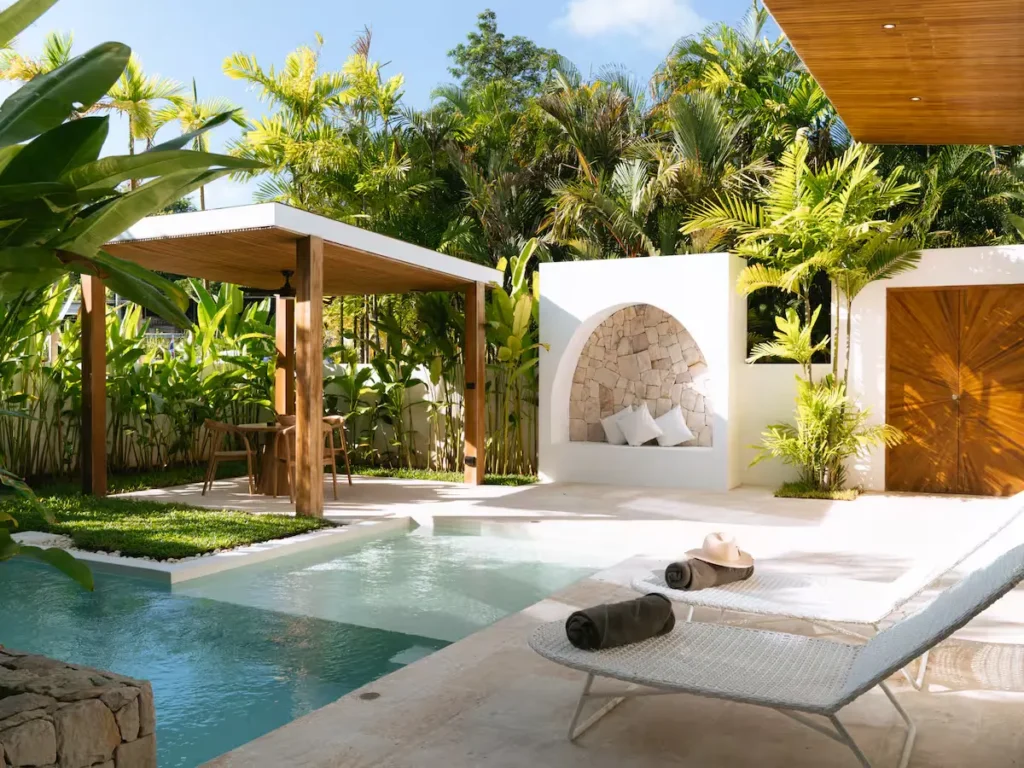
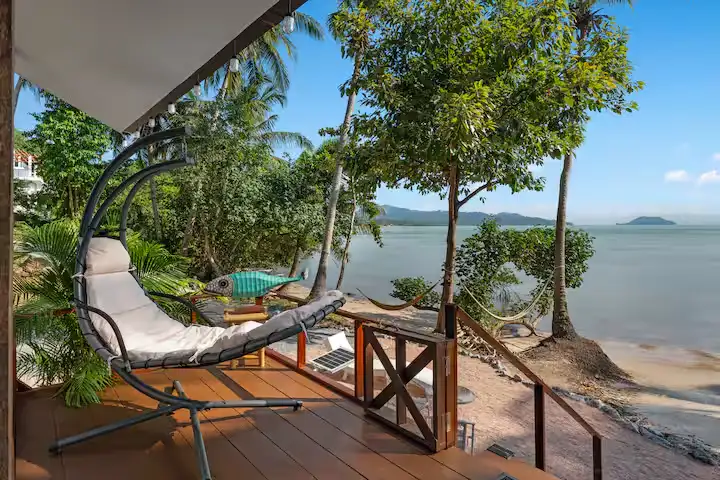
You can secure impressive discounts of 35% to 55% on beachfront bungalows and mid-range resorts. Those charming wooden bungalows steps from the sand that feel overpriced from December to March become genuinely affordable during the off-season months. Your budget might even stretch to include a private pool villa at standard room rates.
The only catch is that some smaller eco-resorts close completely for a month of annual maintenance. However, the larger resorts and popular bungalow operations remain open and compete fiercely for guests. You will often receive free breakfast, room upgrades, or welcome drinks simply because staff have time to be generous with their hospitality.
- Will The Famous Full Moon Party Still Happen During The Deep Off-Season?
Yes, the legendary Full Moon Party on Koh Phangan continues every month regardless of the season. The beach fills with travelers, the fire jump ropes spin, and the neon paint flies just like during peak months. However, you will find the crowd size reduced by roughly 60%, making the experience far more comfortable and less overwhelmingly chaotic.
The trade-off is that some of the smaller pre-party and after-party venues may close temporarily. The main Haad Rin beach action remains fully operational, but the island's famous jungle parties might be on hiatus. For travelers who want to experience the party without feeling crushed by twenty thousand people, the off-season Full Moon is actually the ideal version.
- Is Scuba Diving In Koh Tao Still Good During The Rainy Shoulder Months?
Yes, and many dive professionals actually prefer teaching during this time. The water visibility drops slightly compared to peak season, but the marine life becomes more active and interesting. Whale sharks pass through Koh Tao waters more frequently during the off-season, giving lucky divers an unforgettable encounter.
The main drawback is that surface conditions can get choppy, making boat rides bumpier than usual. Some dive sites on the exposed western side of the island become inaccessible, but the eastern and southern sites remain protected and diveable. Bring seasickness medication if you are sensitive, and you will still enjoy world-class diving at nearly half the peak season price.
- Why Should I Choose The Gulf Of Thailand Islands For An Off-Season Trip Over The Andaman Coast?
Because the Gulf Islands offer reliably better weather and more operational activities during the low season months. You can "Exploit Travel Seasonality" here by enjoying sunny beach days, diving trips, and island hopping while the Andaman side battles rough seas and closed ferry services. The value difference is staggering, with similar quality resorts priced roughly 40% lower than their Andaman equivalents.
The only real downside is that the Gulf Islands lack the dramatic limestone karst scenery that makes Krabi and Phang Nga Bay famous. You trade those towering cliffs for softer hills and longer sandy beaches. However, for travelers who prioritize sunny weather, calm seas, and reliable ferry connections during the off-season, Volomundi strongly recommends the Gulf over the Andaman every single time.

Home > Exploit The Seasons > Seasonal World Map > Asia > Thailand > Gulf of Thailand Islands
GULF OF THAILAND ISLANDS
The Gulf islands march to a different drummer — sunny while the Andaman drowns, quiet when the rest of Thailand buzzes. This guide reveals when to find Koh Samui’s beaches empty, Koh Phangan’s parties intimate, and Koh Tao’s dive sites all to yourself.
Smart Travel Calendar
Shoulder Season
Your Smartest Windows
Early April to mid-April (before Songkran)
Late November to early December
Avoid: Songkran (mid-April) — domestic tourists flood Samui. Also avoid Christmas through New Year (Dec 20-Jan 10) — peak of peaks, ferries are standing-room only, hotel rates triple.
What the Sky Does
Typical shoulder weather: 26°C to 33°C (79°F to 91°F) — warm, with building humidity and occasional showers.
April is hot and dry before the southwest monsoon arrives — perfect beach weather with calm seas.
Late November sees the northeast monsoon tapering off — rains become shorter, winds calm, skies brighten.
The Gulf stays calmer than the Andaman during shoulder transitions — ferry cancellations are rare.
How Empty It Feels
30-40% fewer tourists compared to December-February peak season.
Koh Samui’s Chaweng Beach has plenty of free sunbeds — no towel-drama at dawn.
Koh Tao’s dive shops have small groups — 4 divers instead of 12 on each boat.
Ang Thong Marine Park feels explorable — viewpoints not crowded, kayaks available instantly.
What You’ll Save
35-50% on beachfront resorts in Samui, Phangan, and Tao.
30-45% on flights to Koh Samui Airport (USM) or Surat Thani (URT) + ferry packages.
Ferry tickets (Samui-Phangan-Tao) are 20-30% cheaper — and you’ll have bench space to stretch out.
Dive certifications drop $50-100 — shops compete for customers.
The Secret Perk
Experience Songkran on Koh Phangan (April 13-15) — the island’s smaller, wilder water fight without mainland chaos.
The Ang Thong Marine Park lagoons are glass-calm — mirror reflections of limestone cliffs.
Koh Madsum (Pig Island) has actual pigs roaming without crowds — funny photos, zero queue.
Sunset from Samui’s Wat Plai Laem is spectacular — golden Buddha silhouettes, nobody else there.
Local fishermen on Koh Tao’s east coast invite you for squid fishing — authentic night out.
The Tiny Trade-Off
Some Koh Phangan beach bars close for low-season break in April — check ahead for party schedules.
Ferry frequency to Koh Tao may reduce slightly in late November — still 3-4 daily trips.
Humidity climbs in April — pack light clothing and expect to sweat through shirts.
Sea conditions can be choppy during late November transition — bring motion sickness bands.
Smart Traveler Tip
Target April 1-12 (before Songkran) for perfect balance: dry weather, calm seas, and prices haven’t jumped.
Book morning ferry crossings (before 10am) — afternoon winds can kick up and cause delays.
Stay on Samui’s Bang Por or Maenam beaches instead of Chaweng — quieter shores, better value, still close to action.
Avoid the first week of December (Thai Father’s Day holiday — domestic tourists fill Samui resorts).
Deep Off-Season
Your Smartest Windows
May to July
October to early November
Avoid: Late October to early November (peak northeast monsoon transition — roughest seas, ferry cancellations possible, Koh Tao underwater visibility drops).
What the Sky Does
Typical deep off-season weather: 25°C to 32°C (77°F to 90°F) — warm, with scattered showers and occasional storms.
May-July sees southwest monsoon — Samui and Phangan get brief afternoon showers, still plenty of sun.
October is the wettest month for the Gulf — rain possible 15-18 days, but often falls overnight.
Sea conditions vary — Samui’s west coast is calmer, east coast (Chaweng) sees bigger swells.
How Empty It Feels
50-60% fewer tourists than peak season — Koh Tao feels like your private diving island.
Koh Phangan’s Haad Rin Beach (Full Moon party central) is deserted — perfect for peaceful walks.
Ang Thong Marine Park sees just a handful of visitors — you’ll have viewpoints entirely to yourself.
Samui’s famous landmarks (Big Buddha, Hin Ta Hin Yai rocks) have parking available, no circling required.
What You’ll Save
50-70% off peak-season rates for resorts and villas across all three islands.
Flights to Koh Samui: $40-60 USD from Bangkok (down from $120-180 in peak season).
Beachfront bungalows on Koh Phangan: $10-20 USD per night (peak: $50-80).
Scooter rentals: $3-5 USD per day (down from $10-15).
The Secret Perk
Koh Tao is a diver’s dream in off-season — empty dive sites, eagle rays more visible, instructors have time for advanced techniques.
Experience Khao Phansa (Buddhist Lent) in July — Koh Samui temples host candlelit walks with only locals.
Waterfalls on Samui (Na Muang 1 & 2) are flowing strong — perfect swimming holes.
Learn to freedive on Koh Tao — tiny classes, patient instructors, you’ll progress fast.
You’ll be invited to local fishing village dinners — genuine hospitality, not a tourist show.
The Tiny Trade-Off
Koh Phangan’s Full Moon Party doesn’t happen in low season — only Half Moon and smaller jungle parties.
Some beachfront restaurants on Samui’s Chaweng close for annual break — call ahead or check Google Maps.
Ferry connections between islands may reduce to 2-3 daily instead of 6-8.
October can bring 2-3 consecutive rainy days — have an indoor backup plan (massage, cooking class, movie at Central Samui).
Daylight is shorter — sunset near 6pm, so plan island tours to finish by late afternoon.
Smart Traveler Tip
July is your sweetest deep off-season month — least rain, emptiest beaches, still great visibility for diving.
For mildest conditions in deep off-season, stay on Samui’s west coast (Lipanoi, Taling Ngam) — more shelter from prevailing winds.
Pack: light rain jacket, quick-dry everything, waterproof phone pouch, reef-safe sunscreen, and motion sickness tablets for ferries.
Book ferries online 24 hours ahead — even in low season, some routes combine with cargo schedules.
Consider Koh Tao for May-June (best underwater visibility) and Koh Samui for July (best balance of sun and empty beaches).
Find Off-Peak Flights
Top Off‑Season Stays
Find below our curated selection of boutique hotels and design apartments that offer exceptional value, atmosphere, and comfort during the off‑season — often at significantly lower rates than peak months.
Uncrowded Experiences & Tours
Skip the lines and experience iconic landmarks at your own pace. Discover curated local tours and cultural activities designed to show you the authentic side of the destination without the peak-season rush.
Handy Tips
Weather & Climate
The climate is tropical, generally hot and humid year-round. Unlike the Andaman Coast, the rainy season here is typically from October to December, with heavy but often short downpours. Temperatures average between 25°C and 32°C.
Local Customs And Etiquette
Respect the Monarchy: Thais hold their King and Royal Family in very high regard. Always show respect for the Monarchy.
Buddha Images: Treating all images of Buddha as sacred is mandatory. Do not climb on or take disrespectful photos with them.
Wai: The traditional Thai greeting is the Wai (a slight bow with hands pressed together). As a tourist, a simple nod or smile is acceptable, but always Wai to show respect when greeting a Thai person who has Wai-ed you.
Heads and Feet: Never touch a Thai person’s head, as it is considered the most sacred part of the body. Conversely, do not point your feet at people or objects, especially Buddha images, as the feet are considered the lowest and dirtiest part.
Budgeting For Your Trip
Accommodation: Hostels ($10–$20), mid-range bungalows/hotels ($30–$60), luxury ($100+). Prices are significantly higher around the Full Moon Party and during peak season.
Food: Street food/local stall meal ($2–$5), fixed-price lunch menu ($5–$10), dinner at a mid-range restaurant ($15–$30 per person), fine dining ($40+).
Transport: Inter-island ferry ($10–$25 per trip), Songthaew (shared taxi) ride ($1–$5 depending on distance/negotiation), scooter rental ($5–$10/day).
Activities: Basic PADI Open Water Course ($300–$400), day snorkeling tour ($25–$40).
Daily Budget:
- Budget: $35–$60 (hostels, street food, public transport).
- Mid-range: $70–$120 (hotels, local restaurants, attractions).
- Luxury: $150+ (boutique resorts, gourmet meals, private tours).
Getting Around
By Ferry/Speedboat: This is the primary way to travel between the islands (Samui, Phangan, Tao). Several companies offer frequent, reliable services.
By Scooter/Motorbike: Scooter rental is common and offers the most freedom for exploring. Caution: Be very careful as roads can be challenging, especially in the hills of Koh Phangan and Koh Tao.
By Songthaew/Taxi: Songthaews (converted pick-up trucks) act as shared taxis and are the main form of public transport on the islands. Negotiate the price before getting in.
Must-Try Food
Tom Yum Goong: The quintessential Thai spicy and sour soup, often featuring large fresh shrimp (Goong) caught locally.
Pad See Ew: Wide, flat rice noodles stir-fried with dark soy sauce, Chinese broccoli, egg, and a choice of meat, a slightly sweeter and milder alternative to Pad Thai.
Khao Pad Talay: Simple but delicious fried rice (Khao Pad) with fresh seafood (Talay) like squid, shrimp, and crab, a staple on all the islands.
Gaeng Som Pla: A very spicy Southern Thai sour curry, often with fish (Pla) and vegetables like coconut shoots or green papaya, known for its intense tang.
Hor Mok Talay: A steamed fish and seafood curry custard, mixed with red curry paste, coconut milk, and basil, traditionally served in a banana leaf cup.
Khao Man Gai: A simple, comforting dish of boiled chicken served over rice cooked in chicken fat and broth, with a flavorful dipping sauce and broth on the side.
Massaman Curry: A rich, mild, and relatively sweet Thai curry with an Indian influence, often containing potatoes, peanuts, and a whole chicken leg or beef.
Roti Gklaoy: A popular street food snack where a thin pancake (Roti) is fried, topped with sliced banana (Gklaoy), and drizzled with condensed milk.
Kluay Tod: Deep-fried banana fritters, a warm, crunchy, and sweet dessert.
Mango Sticky Rice (Khao Niao Ma Muang): Sweet glutinous rice served with slices of fresh, ripe mango and drizzled with thick, sweet coconut cream.
Must-Try Drinks
Local Thai Beers: Singha, Chang, and Leo are the most common lagers, perfect for a hot day.
Bucket: A ubiquitous island party staple, a small plastic bucket filled with a potent mix of local spirits, energy drink, and mixer.
Mekhong/SangSom: The local Thai spirits, often referred to as “Thai rum,” though technically sugar-cane and rice-based.
Fresh Coconut Water (Makhlao): Served directly from a chilled coconut, it’s the ultimate tropical refresher and hydrator.
Thai Iced Tea (Cha Yen): A creamy, sweet, and strong black tea mixed with condensed milk, giving it a distinct orange color.
Fresh Fruit Smoothies: Available at almost every street stall, particularly with mango, pineapple, or passion fruit.