 Skip to content

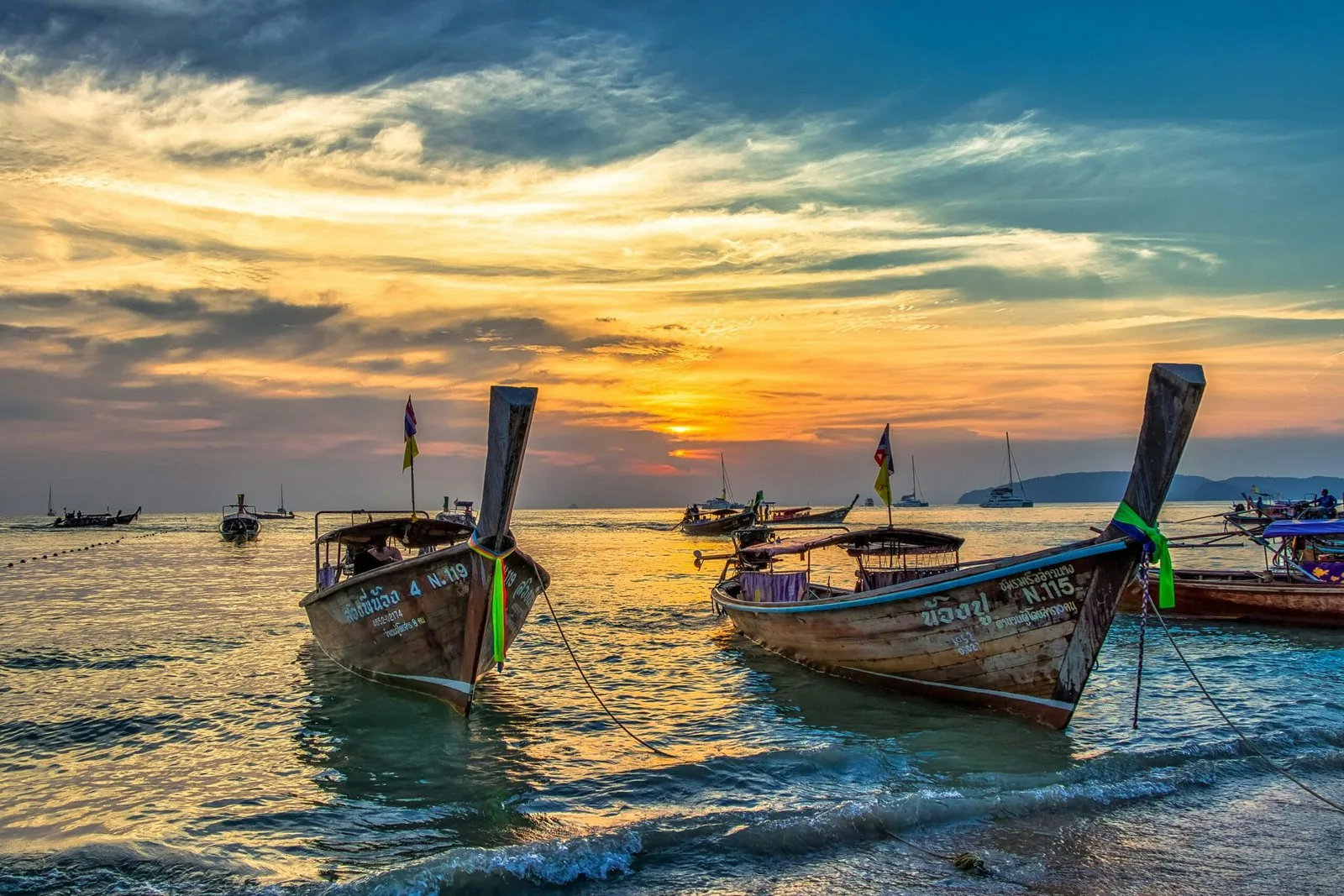
- Is Krabi Still Beautiful During The Rainy Shoulder Season?
Yes, absolutely stunning, but in a wilder, more dramatic way than the dry season. The limestone karsts become veiled in misty clouds, the waterfalls roar with full force, and the lush jungle glows an impossibly vibrant green. You will capture photographs that look like scenes from a fantasy movie rather than typical postcard shots.
The trade-off is that the famous Railay Beach waters can look choppy and grey rather than calm and turquoise. However, the scenery above water becomes so spectacular that you will barely notice. Volomundi says pack a waterproof camera and embrace the moody atmosphere for a truly unforgettable visual experience.
- How Much Can I Save On Longtail Boat Tours In Krabi During Low Season?
You can negotiate discounts of 40% to 60% on private longtail charters compared to peak season rates. Boat operators are eager for any business during quiet months, so you can often hire an entire boat for less than the price of a single seat in December. The famous four-island tour becomes a private adventure rather than a crowded cattle call.
The catch is that tours may cancel last minute if the sea conditions turn dangerous. Always book flexible tickets and have indoor backup plans ready. Even with occasional cancellations, the savings are so significant that one successful trip pays for itself multiple times over.
- Will Tiger Cave Temple And The Emerald Pool Be Too Slippery During The Wet Season?
Yes, the famous climb to Tiger Cave Temple becomes genuinely slippery and more challenging during rainy months. The 1,237 steps can feel treacherous when wet, so you must wear proper hiking shoes with good grip rather than sandals. The Emerald Pool and Blue Pool also change color with sediment runoff, looking less brilliantly clear than dry season photos suggest.
However, you will experience the stunning viewpoint at the temple summit with 80% fewer people crowding for photos. The pools also feel wonderfully refreshing after hiking in humid conditions, and the natural surroundings are far less crowded. Just take your time, step carefully, and reward yourself with those incredible panoramic views.
- Is It Easy To Find Open Restaurants And Shops In Ao Nang During Deep Off-Season?
Yes, most restaurants and convenience stores remain open year-round in the main tourist areas. Ao Nang's beachfront strip continues to serve excellent Thai food, though you will notice about half the usual dining options available. The local night markets operate on reduced schedules, perhaps only three or four nights per week rather than daily.
The upside is that you never need restaurant reservations, and service is incredibly fast and friendly. Vendors have time to chat, recommend dishes, and often offer complimentary appetizers just for stopping by. For food lovers who hate waiting for tables, this relaxed dining atmosphere is a genuine pleasure.
- Why Should I Choose Krabi For An Off-Season Trip Over Phuket?
Because Krabi empties out more dramatically than Phuket and offers better value during the low season. You can "Exploit Travel Seasonality" here by staying in beautiful beachfront resorts for nearly 70% less than similar properties in Phuket. The limestone karst scenery is arguably more spectacular, and the overall vibe remains relaxed rather than party-focused.
The only drawback is that Phuket has more indoor entertainment options like shopping malls and cinemas for rainy days. However, Krabi's smaller scale means you never fight traffic or feel overwhelmed by development. Volomundi recommends Krabi for travelers seeking authentic coastal beauty, incredible hotel discounts, and a peaceful monsoon escape without the chaos of bigger tourist hubs.

Home > Exploit The Seasons > Seasonal World Map > Asia > Thailand > Krabi Province
KRABI PROVINCE
Krabi’s limestone giants watch over a coast that transforms with the rains — from postcard-perfect to beautifully wild. This guide reveals when to kayak through mangrove glass, soak in hot springs alone, and watch sunsets paint Railay without elbowing for space.
Smart Travel Calendar
Shoulder Season
Your Smartest Windows
Early May to late May
Mid-September to late October
Avoid: Songkran (mid-April) — last dry-season surge before monsoon, Ao Nang packed. Also avoid Christmas to New Year (Dec 20-Jan 10) — Railay’s western beaches become shoulder-to-shoulder sunscreen.
What the Sky Does
Typical shoulder weather: 25°C to 33°C (77°F to 91°F) — humid, with scattered afternoon thunderstorms.
May sees the first monsoon squalls — dramatic clouds over karsts, spectacular lightning at dusk.
September rains are heavier but often fall overnight, leaving mornings clear for adventures.
October transition: rain frequency drops week by week, with emerging sunny windows by month’s end.
How Empty It Feels
35-45% fewer tourists than peak season (December to February).
Railay’s Walking Street feels like a local village, not a mosh pit of backpackers.
Koh Lanta’s long beaches have entire stretches with just your footprints.
The Tiger Cave Temple summit platform has space to breathe — no queue for that famous photo.
What You’ll Save
40-55% on beachfront resorts in Ao Nang, Railay, and Koh Lanta.
30-45% on flights to Krabi International Airport (KBV) from Bangkok or international hubs.
Longtail charters to Hong Islands or Phi Phi: $50-70 instead of $140-180.
Island hopping tours include lunch for half price — operators compete for your business.
The Secret Perk
Experience Chak Phra (October-end) — Krabi Town’s boat procession with singing locals.
The Emerald Pool and Blue Pool are turquoise perfection — rain keeps sediment settled.
Durian, mangosteen, and rambutan harvest — roadside stalls charge local prices, not tourist premiums.
Overcast skies create perfect soft light for photographing limestone cliffs — no harsh shadows.
Fishermen in Koh Jum invite you to join their morning catch — you’re a guest, not a customer.
The Tiny Trade-Off
Some Koh Lanta beachfront bars close for low-season break — call ahead for nightlife.
Ferry to Koh Phi Phi may reduce frequency — check schedules 24 hours before.
Afternoon downpours can cut short hiking to Khao Ngon Nak — start before 9am.
Mosquitoes are more active in humid shoulder weather — pack strong repellent.
Smart Traveler Tip
Target late May for the sweet spot: rain hasn’t peaked, Europeans have left, but service is still running.
Book morning activities (7am-11am) — sun before clouds, then lunch through the rain.
Stay in Klong Muang or Tubkaek instead of Ao Nang — same karst views, better value, quieter shores.
Avoid the first week of October (Thai national holiday week — domestic tourists flood Krabi).
Deep Off-Season
Your Smartest Windows
June to early September
Avoid: Late September (peak monsoon swells — ferries to Koh Lanta may cancel, and the Blue Pool closes due to flash flood risk).
What the Sky Does
Typical deep off-season weather: 24°C to 31°C (75°F to 88°F) — consistent monsoon, daily heavy rain.
Expect rain 15-20 days per month — often in dramatic 2-3 hour bursts followed by clearing.
East coast (Krabi Town, Khao Khanab Nam) is calmer than west-facing Railay and Ao Nang during storms.
Humidity sits at 85-90% — expect to sweat through shirts, but the jungle loves it.
How Empty It Feels
60-70% fewer tourists than peak season — Railay’s Phra Nang Cave Beach feels abandoned.
The Emerald Pool and Hot Springs Waterfall see mostly local families on weekends, deserted midweek.
Wat Tham Sua (Tiger Cave) has maybe 5 people climbing — you can hear your own footsteps on the 1,237 steps.
Koh Jum’s fishing villages feel completely authentic — no souvenir stalls, just daily life.
What You’ll Save
55-75% off peak-season rates for bungalows and mid-range resorts.
Krabi flights from Bangkok: $15-25 USD each way (down from $60-90 in high season).
Beachfront bungalows in Koh Lanta: $12-20 USD per night (high season: $50-80).
Scooter rentals: $3-5 USD per day (down from $10-12).
The Secret Perk
Private kayaking through Bor Thor’s mangrove caves — bioluminescent plankton visible on dark rainy nights.
Learn to cook southern Thai curry on Koh Lanta — empty kitchen, patient teacher, you eat everything.
Witness Khao Phansa (Buddhist Lent) in July — candlelit temple walks in Krabi Town with zero tourists.
The Hong Islands lagoon is yours alone — no armada of longtails jockeying for entrance.
Waterfalls (Huay Toh, Bang Khram) are absolute torrents — natural jacuzzis with nobody else.
The Tiny Trade-Off
Railay’s West Beach has dangerous swimming — strong undertows, red flags daily.
Nightlife in Ao Nang and Koh Lanta is very quiet — clubs closed, only a few expat bars open.
Many smaller restaurants on Koh Lanta’s east coast shut entirely — check Google Maps before driving.
Ferry to Koh Phi Phi may operate only 1-2 times daily instead of 7-8.
Daylight is limited — sunset near 6:15pm, so start hiking and kayaking early.
Smart Traveler Tip
July is Krabi’s quietest month — even the airport feels deserted. Best for true solitude seekers.
For mildest deep off-season conditions, stay in Krabi Town or Klong Jilad — less exposed to monsoon swells than Railay or Ao Nang.
Pack: lightweight rain jacket, quick-dry hiking pants, waterproof bag or dry bag, sturdy sandals (Teva/Chaco). Leave cotton underwear at home.
Check the Blue Pool status before visiting — it closes during and immediately after heavy rain for safety.
Consider basing yourself on Koh Jum for true escape — no cars, no crowds, just fishing villages and empty beaches, even in August.
Find Off-Peak Flights
Top Off‑Season Stays
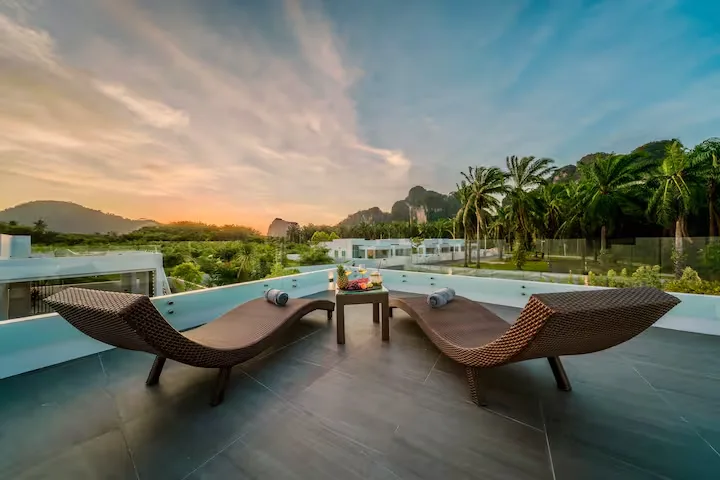
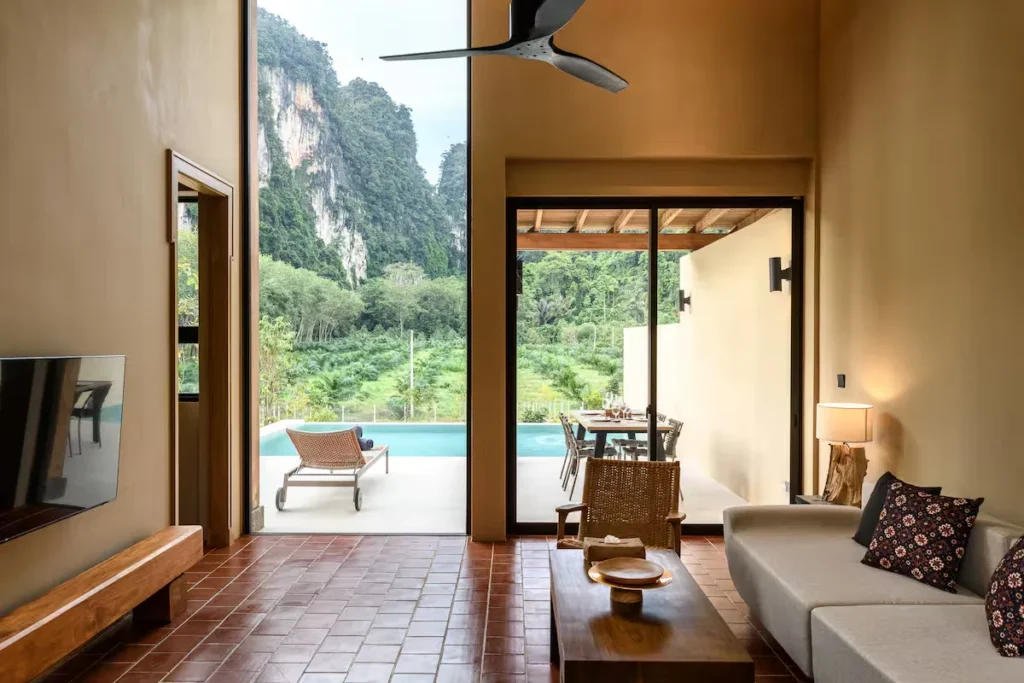
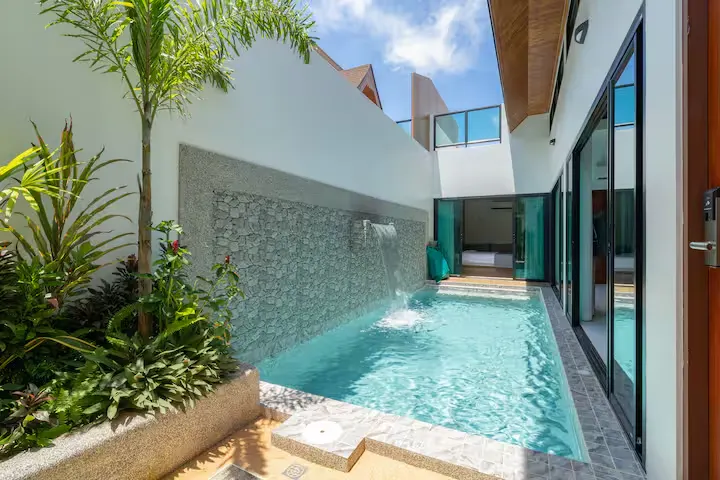
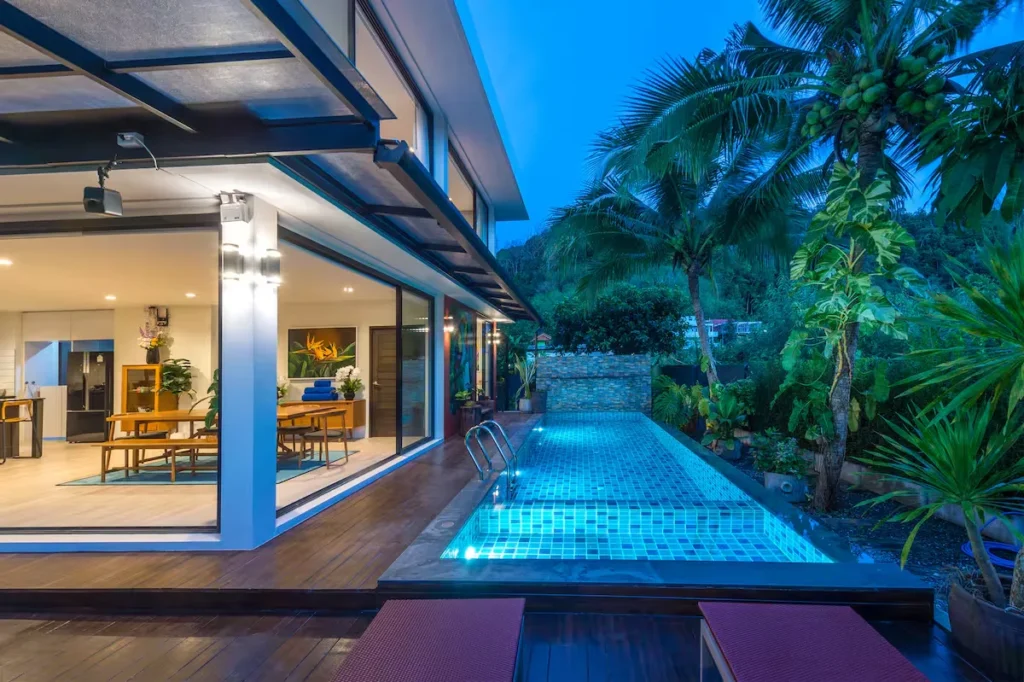
Find below our curated selection of boutique hotels and design apartments that offer exceptional value, atmosphere, and comfort during the off‑season — often at significantly lower rates than peak months.
Uncrowded Experiences & Tours
Skip the lines and experience iconic landmarks at your own pace. Discover curated local tours and cultural activities designed to show you the authentic side of the destination without the peak-season rush.
Handy Tips
Weather & Climate
The climate is tropical, with consistently high temperatures and humidity year-round. The seasons are defined by rainfall, with the dry season (Nov-Feb) being the most comfortable and the rainy season (Jun-Oct) bringing heavy but often brief monsoons.
Local Customs And Etiquette
Respect for Monarchy and Religion: Show great respect when discussing the Royal Family and when visiting temples (Wats). Dress modestly (shoulders and knees covered) in religious sites.
The Head and Feet: Never touch a Thai person’s head, as it is considered the most sacred part of the body. Conversely, do not point your feet at people, religious objects, or food.
Bargaining: It is common to politely bargain in markets and for souvenirs, but not in department stores or at fixed-price food stalls.
Budgeting For Your Trip
Accommodation: Hostels ($10–$25), mid-range hotels ($40–$80), luxury ($100+). Prices drop significantly in the Green Season.
Food: Street food/local stall ($2–$4), dinner at a mid-range restaurant ($8–$15 per person), fine dining ($30+).
Transport: Longtail boat/ferry ($5–$20 depending on distance), shared van/bus ($5–$15).
Activities: Day trip to Phi Phi ($50–$90), Four Islands tour ($30–$50), rock climbing lesson ($40–$70).
Daily Budget:
- Budget: $40–$60 (hostels, street food, public transport/local boats).
- Mid-range: $70–$120 (mid-range hotels, restaurants, excursions).
- Luxury: $150+ (boutique resorts, private tours, fine dining).
Getting Around
Longtail Boat: The most common and iconic way to travel between beaches and islands. Always agree on the fare before you depart.
Tuk-Tuk/Songthaew (Shared Taxi): Best for short distances on the mainland. Always confirm the price beforehand.
Ferry/Speed Boat: Essential for traveling to the Phi Phi Islands and other distant islands like Koh Lanta.
Motorbike Taxi: A quick and inexpensive option for solo travelers, but be mindful of safety.
Must-Try Food
Phad See Ew: Wide rice noodles stir-fried with Chinese broccoli, egg, and a dark, sweet soy sauce.
Massaman Curry: A mild, rich, and slightly sweet curry with influences from Indian and Malay cuisine, often made with chicken and potatoes.
Tom Yum Goong: The quintessential Thai soup, hot and sour, featuring lemongrass, galangal, kaffir lime leaves, and prawns.
Som Tam (Papaya Salad): A spicy, sour, and savory salad made by pounding shredded green papaya, chiles, lime juice, and fish sauce.
Gai Yang (Grilled Chicken): Chicken marinated in a mix of spices and grilled over charcoal, a staple of local Thai cuisine.
Hoi Tod (Oyster Omelet): A crispy, starchy omelet packed with oysters or mussels, often served with a sweet chili sauce.
Khao Phad (Fried Rice): Simple, customizable fried rice, a reliable and delicious option found everywhere.
Mango Sticky Rice (Khao Niao Ma Muang): Sweet glutinous rice soaked in coconut milk, served with sliced fresh mango.
Roti: A Thai-style fried flatbread, often topped with banana and condensed milk for a sweet dessert.
Kanom Krok (Coconut Pancakes): Small, sweet, creamy coconut milk pancakes cooked on a griddle.
Must-Try Drinks
Thai Beer (Singha/Chang/Leo): The main local lagers; often served with ice in the glass.
Mekhong/SangSom (Thai Spirit): Locally produced spirits (often called ‘whiskey’) that are traditionally mixed with soda or Coke.
Bucket (Cocktail): A plastic bucket filled with a potent mix of local spirits, energy drinks, and mixers, popular on the islands.
Thai Iced Tea (Cha Yen): Strong black tea brewed with spices and milk (often condensed milk) for a sweet, creamy, orange-colored drink.
Fresh Coconut Water (Maphrao): Served directly from the chilled young coconut—the ultimate tropical refreshment.
Fruit Shake (Paan): Blended fresh fruit (mango, pineapple, watermelon, etc.) with ice and sometimes a little sugar or yogurt.
Nam Manao (Lime Juice): Freshly squeezed lime juice, water, and sugar—a simple, tart, and refreshing drink.
O-Liang (Thai Iced Coffee): Very strong, dark-roasted coffee sweetened with condensed milk.