 Skip to content
- Is The Off-Season Weather Too Windy For Seeing Komodo Dragons?
Not at all, it just changes how you experience their wild habitat. The off-season brings stronger winds and choppier seas, especially from December to February, but the Komodo dragons do not care about weather one bit. You will find them lounging, sleeping, and patrolling their territory exactly as they do during peak season.
The drawdown is that some boat trips to remote ranger stations might get rescheduled on very windy days. However, you gain nearly empty park trails and the chance to observe these ancient creatures without fifty other tourists shoving for photos. To truly "Exploit Travel Seasonality," book a private charter and enjoy a truly intimate prehistoric encounter.
- Can I Still Visit The Famous Colored Lakes Of Kelimutu During Rainy Months?
Yes, and the colors can actually look more dramatic against moody skies. The three crater lakes of Kelimutu shift between turquoise, green, and dark red regardless of season, and the off-season mist adds an eerie, mystical atmosphere. You will wake up early to a foggy summit that feels like standing on another planet.
The drawdown is that sunrise visibility is less guaranteed, as clouds sometimes hide the full view until mid-morning. However, the parking lot and viewing platforms are blissfully empty, with roughly 80% fewer tourists than July or August. You can sit in silence and watch the colors slowly reveal themselves, which is a far more spiritual experience.
- How Much Can I Save On Liveaboard Boat Trips During Shoulder Season?
You can save between 30% and 50% on liveaboard trips to Komodo National Park and beyond. The famous multi-day boat tours from Labuan Bajo slash their prices dramatically from November through March, and even shoulder months like April or October offer discounts around 20% to 30% for the same itineraries.
The drawdown is that some budget boats stop operating during the windiest weeks for safety reasons. However, the remaining operators are more reputable and less crowded, often with private cabins instead of shared dormitories. You will pay less for a higher quality experience, which is the core Volomundi promise.
- Is The Pink Beach Still Pink When The Water Gets Rough?
Absolutely, the pink sand does not wash away with rough seas. The famous Pink Beach on Komodo Island gets its color from crushed red coral fragments mixed with white sand, and no amount of waves changes that natural formula. You will have this Instagram-famous shoreline nearly entirely to yourself during off-season.
The drawdown is that swimming can feel choppier, and snorkeling visibility drops slightly after storms. However, you can simply walk along the pink shore for hours, taking photos without photobombers or loud speedboats. The beach honestly looks even more vivid against dramatic grey skies than it does under harsh midday sun.
- Will Traditional Villages In Flores And Sumba Feel Less Welcoming With Fewer Tourists?
No, they feel significantly more welcoming and authentic. The off-season means fewer passing tour buses, so local villagers are not exhausted by constant visitor demands. You will find that weaving demonstrations, coffee ceremonies, and traditional dances happen at a relaxed, genuine pace rather than a rehearsed performance for crowds.
The drawdown is that some small homestays might have limited English speakers available during deep low season. However, pointing, smiling, and translation apps work wonderfully, and the hospitality you receive will be warm and unforgettable. You trade scripted tourist experiences for real connections that no guidebook can capture.

Home > Exploit The Seasons > Seasonal World Map > Asia > Indonesia > Nusa Tenggara East
NUSA TENGGARA EAST
Beyond Komodo dragons and tri-colored lakes, Nusa Tenggara reveals raw, untamed beauty in the quiet months. Think deserted pink beaches, empty volcano trails, and villages where time slows. This guide shows when to chase dry-season perfection or embrace the green season’s solitude.
Smart Travel Calendar
Shoulder Season
Your Smartest Windows
April (rains ending, landscapes emerald, Komodo quieter than May)
September (peak dry tail, schools back, perfect trekking)
October (first half – still dry, cultural festivals in full swing)
Avoid: mid-December to early January (Christmas & New Year – Labuan Bajo hits capacity, ferries full) & Easter Week (domestic travel surge)
What the Sky Does
April: 25–31°C (77–88°F) – transition month, brief showers, lush green hills, sea settling
September: 23–30°C (73–86°F) – peak dry, low humidity, crystal clear skies, cool nights
October: 24–32°C (75–90°F) – early month goldilocks, late month transitional
Kelimutu’s colored lakes are most vivid in April (minerals concentrated post-rains)
Underwater visibility in Komodo: 25-35 meters in September – world-class diving
How Empty It Feels
35-45% fewer tourists vs July-August peak
Komodo National Park: ranger briefings with 10 people, not 50
Padar Island sunrise hike: share the summit with 15, not 200
Kelimutu (Flores): parking available, lakeside benches free
Labuan Bajo: restaurants have tables without reservations
Sumba’s beaches (Nihiwatu, Walakiri): real space between towels
What You’ll Save
Flights (via Labuan Bajo LBJ or Kupang KOE): 20-30% off peak rates
Liveaboard Komodo trips: 15-25% discount, better guide-to-guest ratio
Homestays in Wae Rebo or Sumba: $20-30/night instead of $45-60
Private boat to Pink Beach: negotiate 20-30% down
Flores overland tours (Kelimutu, Riung): 20% lower than high season
The Secret Perk
Golo Curu Festival (Oct 3-7) – Ruteng: coffee-pounding rituals + rosary hill pilgrimage
Fulan Fehan Festival (late October) – Belu: 1,000+ Likurai dancers, Sandelwood horse parade
Rice terraces at peak green – Cancar (Spider Web Rice Fields, Flores) after April rains
Whale migration season – September-October: sperm whales pass Alor and Lembata waters
Kelimuti’s mystical dawn – October’s clear mornings offer the year’s best lake visibility
Local boat owners negotiate fairly, not quoting tourist-inflated prices
The Tiny Trade-Off
Some remote homestays in Wae Rebo close for restocking in April
Occasional afternoon shower in April – pack a light poncho, early mornings are safe
October’s late month brings building humidity and clouds
Ferry schedules between islands (Labuan Bajo to Rinca) still regular, but fewer departures
Smart Traveler Tip
September is NTT’s absolute sweet spot – weather equals July, crowds halved, prices lower
Book Komodo park ranger tours in advance even in shoulder season (limited rangers)
For the best balance: last week of September or first two weeks of October
Regional tip: Sumba is driest in September; Alor is best for diving visibility
Avoid Komodo liveaboard bookings without checking weather windows in April (still brief swell)
Deep Off-Season
Your Smartest Windows
January – March (except Christmas/NY and Chinese New Year week)
November – early December (post-dry, pre-Christmas quiet)
Avoid: mid-December to early January (peak domestic travel – Labuan Bajo and Kupang hotels at capacity) & Chinese New Year (Jan/Feb – hotel price spikes in main towns)
What the Sky Does
24–30°C (75–86°F) – tropical warmth year-round, never cold
Dry season actually dominates NTT even in “wet” months – just 70-100mm monthly vs 300mm+ in Bali
Regional variation: Sumba and Timor are driest; Flores and Alor get slightly more rain
January-February have some overcast days but not trip-ruining downpours
Rote Island is Indonesia’s southernmost surfing paradise – peak swell season is actually now, but less crowded
Nights in Kelimutu and Wae Rebo: 15-18°C (59-64°F), so pack a jacket
How Empty It Feels
60-75% fewer tourists vs July-August peak – NTT feels genuinely remote
Komodo National Park: you might be the only boat at Gili Lawa or Siaba Besar
Kelimutu: morning mist and empty parking lot – spiritual, not commercial
Wae Rebo village: you’ll be 2-3 guests, not 20. Overnight stays feel intimate
Sumba’s Pasola villages (Feb-March): locals outnumber tourists 100 to 1
Alor diving: dive shops run smaller boats, sites uncrowded
Labuan Bajo town: quiet enough to hear roosters, not honking scooters
What You’ll Save
50-65% savings on hotels vs July-August
Flights: lowest prices of the year (except Christmas/CNY weeks)
Hotel in Labuan Bajo: $25-40/night instead of $70-120
Liveaboard Komodo: up to 40% discount, or pay same price for private boat
Private car/driver Flores (Bajawa to Moni to Maumere): negotiate 30% below high season
Homestay in traditional Sumba village: $15-25 includes meals instead of $40-50
The Secret Perk
Pasola (Sumba, Feb-March) – ritual spear fights on horseback. Hillsides are local, not tourist-packed. Raw, spiritual, unforgettable.
Ghan Woja ritual (July-Sept) – Manggarai Timur: eating new rice to mark agriculture new year
Nyale (sea worm) season (Feb) – south coast Lombok/NTT border: locals fish by torchlight
Humpback whales – November-December: pass through Savu Sea, visible from Alor and Lembata
Traditional ikat dyeing – villagers have time to explain the whole process, not just sell
Sandalwood horses in ceremony – Timor villages host rituals you might be invited to
Empty pink beaches – Pantai Tangsi and Komodo’s pink sand beaches feel like your private island
Coffee harvest (July-Oct) – Bajawa’s arabica beans ripe, farmers offer genuine tastings
The Tiny Trade-Off
Some remote beach bungalows on Lembata or Sabu close for maintenance Jan-Feb
Nightlife in Labuan Bajo is quiet – major parties paused until April
A few restaurants in Bajawa and Moni reduce hours
Komodo dragon sightings: still active but may sleep in during overcast mornings (guides know spots)
Ferry schedules between Kupang, Rote, and Sabu less frequent (check locally)
Some waterfalls (Cunca Wulang, Sumba) have reduced flow? Actually, deeper into dry season means less flow – but Jan-Mar keeps them flowing!
Daylight is consistent (12 hours year-round, tropical NTT)
Smart Traveler Tip
February is NTT’s hidden gem month – dry by Indonesian standards, Pasola festival happening, prices rock-bottom
November is sweet spot of off-season – post-dry, pre-Christmas, least rain risk, whales passing
Pack: light rain jacket (more for dust than rain!), sturdy hiking sandals, reef-safe sunscreen, sarong for villages
Best region for driest off-season: Kupang and Rote (rain shadow of Timor island)
Komodo strategy: East coast of Komodo gets less cloud cover than west coast in Jan-Mar
Alor diving: visibility actually peaks in October-November, but Jan-March is good and empty
Book Pasola (Feb-Mar) homestays 1-2 months ahead – limited village accommodation
Ferry tip: Use Pelni ships for island-hopping – cheap, slow, unforgettable. Book online 30 days ahead
Flores overland: Bajawa’s hot springs are bliss in cooler off-season mornings
Find Off-Peak Flights
Top Off‑Season Stays
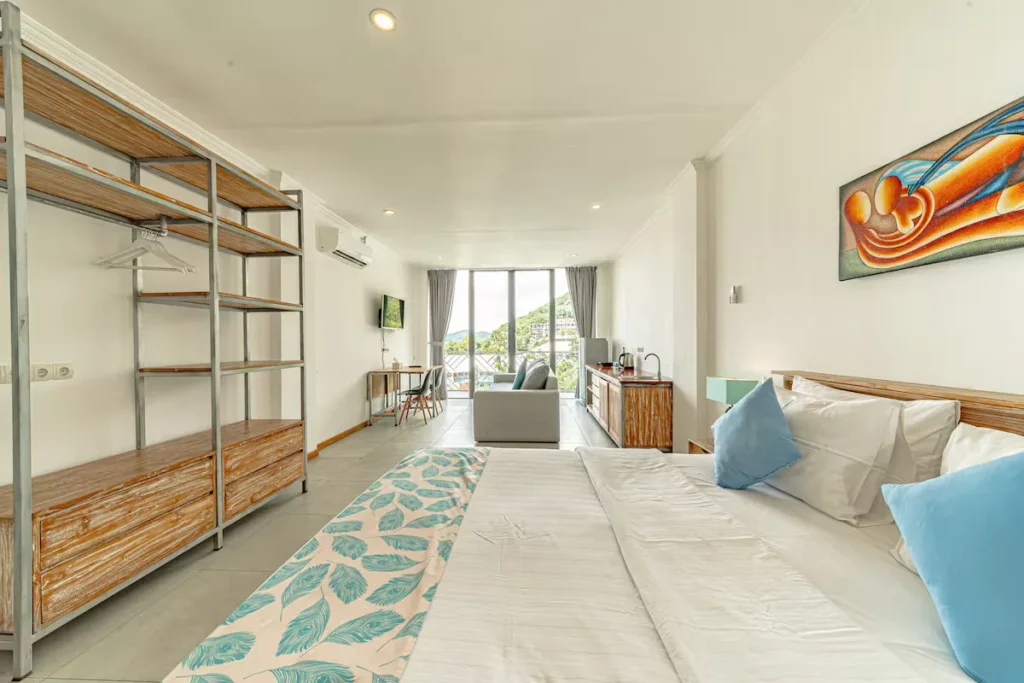
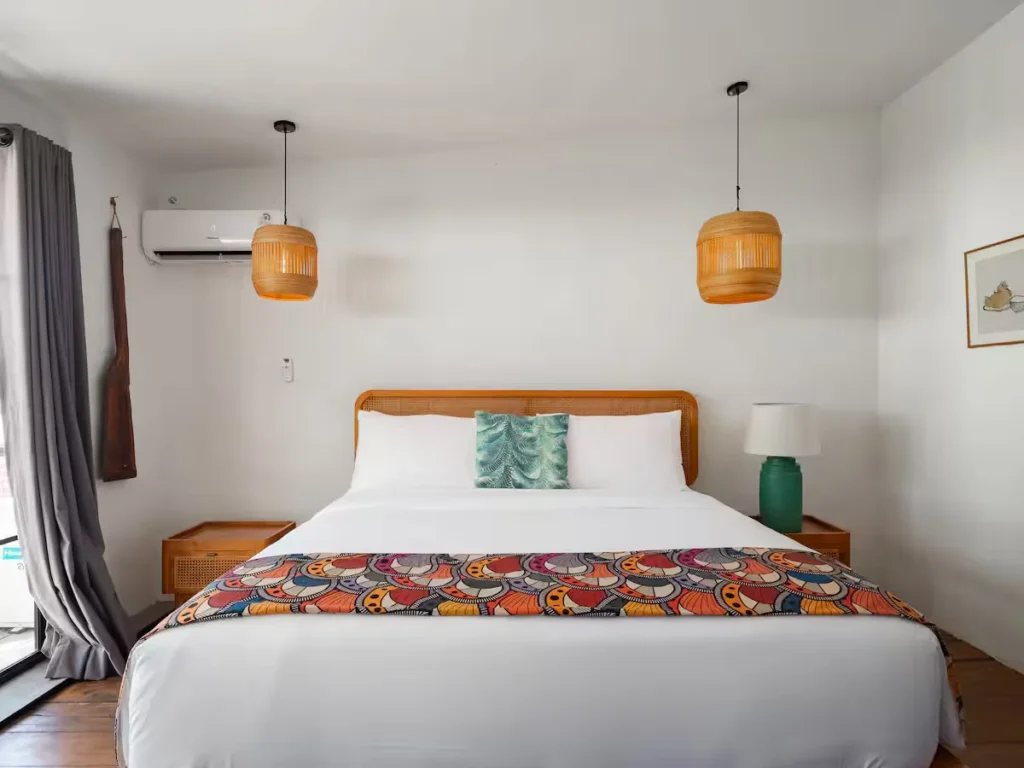
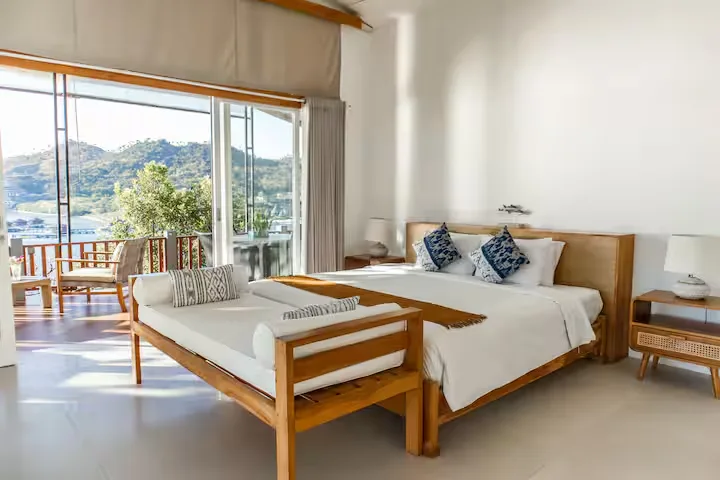
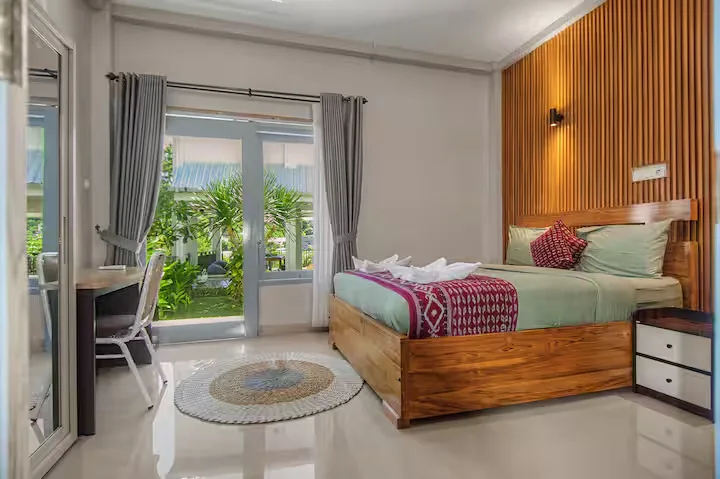
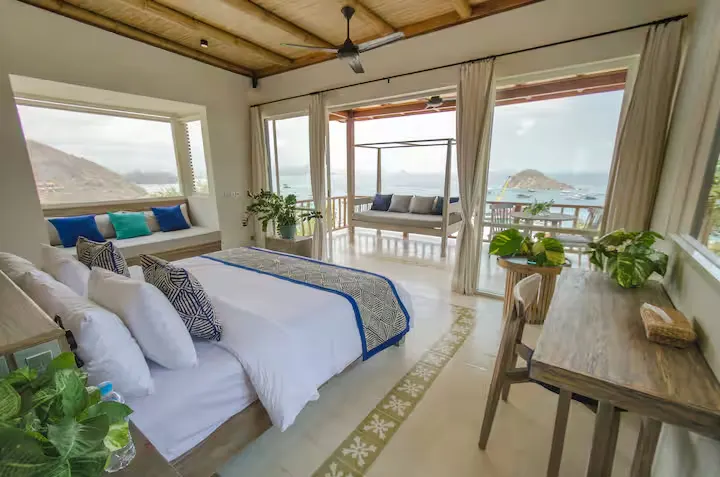
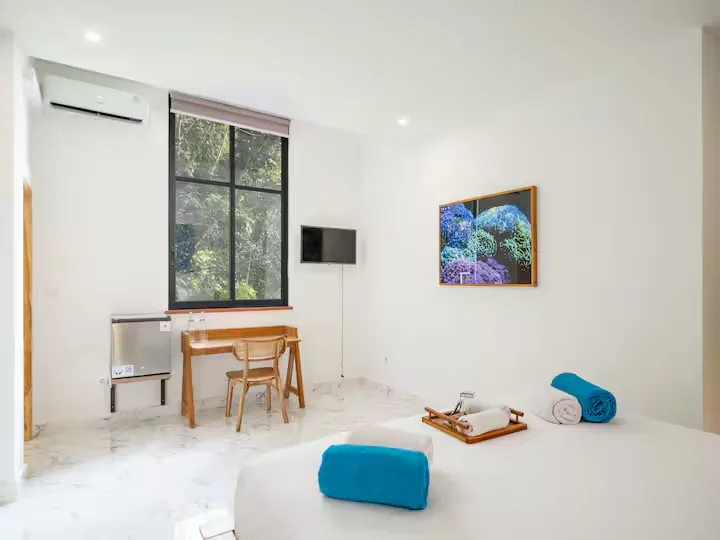
Find below our curated selection of boutique hotels and design apartments that offer exceptional value, atmosphere, and comfort during the off‑season — often at significantly lower rates than peak months.
Uncrowded Experiences & Tours
Skip the lines and experience iconic landmarks at your own pace. Discover curated local tours and cultural activities designed to show you the authentic side of the destination without the peak-season rush.
Handy Tips
Weather & Climate
The region has a tropical savanna climate, which is drier than most of Indonesia. The dry season (April–October) is hot and sunny, and the wet season (November–March) brings heavy, short-burst rains.
Local Customs And Etiquette
Language: While the official language is Indonesian (Bahasa Indonesia), there are numerous local languages. Learning a few phrases in Indonesian is highly appreciated.
Dress Code: When visiting traditional villages or religious sites, dress modestly by covering your shoulders and knees. A sarong is a useful item to carry.
Bartering: It is common to barter for goods at markets, for transport, and sometimes for accommodation, but always remain polite and friendly.
Budgeting For Your Trip
Accommodation: Hostels ($10–$20), mid-range hotels/guesthouses ($30–$60), luxury resorts ($100+). Prices are higher in Labuan Bajo and Komodo National Park.
Food: Street food/local warung meal ($2–$5), dinner at a mid-range restaurant ($10–$20 per person), fine dining ($30+).
Transport: Scooter rental ($7–$10/day), inter-island ferry ticket (regional).
Activities: Komodo National Park entrance/fee ($30–$40 for foreigners, excluding boat costs), scuba dive trip ($70–$100 per dive).
Daily Budget:
- Budget: $30–$50 (local transport, street food, hostels).
- Mid-range: $60–$120 (mid-range accommodation, restaurants, group tours).
- Luxury: $150+ (boutique hotels, private transfers, private boat charters).
Getting Around
By Plane: Flights connect the main islands (e.g., Kupang/Timor, Labuan Bajo/Flores, Tambolaka/Sumba) and Bali. This is the fastest way to travel long distances.
By Ferry: Slow public ferries are a cheap way to travel between islands but can be unreliable and crowded. Fast boats connect tourist hubs like Lombok and the Gilis to Labuan Bajo.
By Car/Motorbike: Renting a motorbike is common for exploring individual islands like Flores or Sumba. A private car with a driver is a good option for multi-day trips on Flores.
Must-Try Food
Seafood (Flores/Labuan Bajo): Freshly grilled fish, calamari, and prawns, often cooked with a simple chili-lime marinade (called sambal).
Jagung Bose: A traditional dish from Timor, made from white corn kernels boiled with red beans, a staple food in the drier regions.
Se’i: Smoked meat (usually pork or beef) specialty of Kupang, Timor, thinly sliced and served with chili and papaya flower stir-fry.
Sayur Rumpu Rampe: A popular Flores side dish, a sautéed mix of young papaya leaves and papaya flowers, often spicy.
Batu Berani: A type of fish or meat soup from Sumba, cooked with local spices, tamarind, and coconut milk.
Cakalang Fufu: Smoked skipjack tuna, a specialty in the eastern parts of the region.
Kolo: Rice cooked inside a bamboo cylinder over an open fire, giving it a smoky aroma.
Kue Cucur: A simple, fried rice flour cake, often served as a sweet snack.
Pisang Epe: Grilled, pressed banana served with palm sugar sauce and sometimes cheese, a popular street snack.
Lalampa: Sticky rice cooked with seasoned fish and wrapped in a banana leaf, similar to lemper.
Must-Try Drinks
Sopi: A traditional alcoholic beverage, a palm wine distilled from palm sap, similar to local arrack. Found mainly on Flores and Timor. (Be cautious of quality; only consume from trusted sources).
Moke: Another traditional palm wine, often consumed in social and ritual settings, particularly on Flores. It can be sweet or fermented (alcoholic).
Local Coffee (Kopi Flores): Flores is known for its high-quality arabica beans, particularly those from the Bajawa and Manggarai regions.
Es Kelapa Muda: Young coconut water served fresh, often with a little sugar or lime, incredibly refreshing in the heat.
Jus Alpukat: Avocado juice, often blended with chocolate syrup and condensed milk, making it a thick, sweet dessert drink.
Teh Tarik: Sweet, frothy pulled tea, a popular drink throughout Indonesia.
Jamu: Traditional Indonesian herbal medicine drinks, often made with turmeric, ginger, and other spices.
Brem: A sweet, slightly alcoholic rice wine from Bali, which is also consumed in parts of Nusa Tenggara.
Air Tebu: Freshly pressed sugarcane juice, sold by street vendors.
Bir Bintang: The ubiquitous local Indonesian lager, served cold.